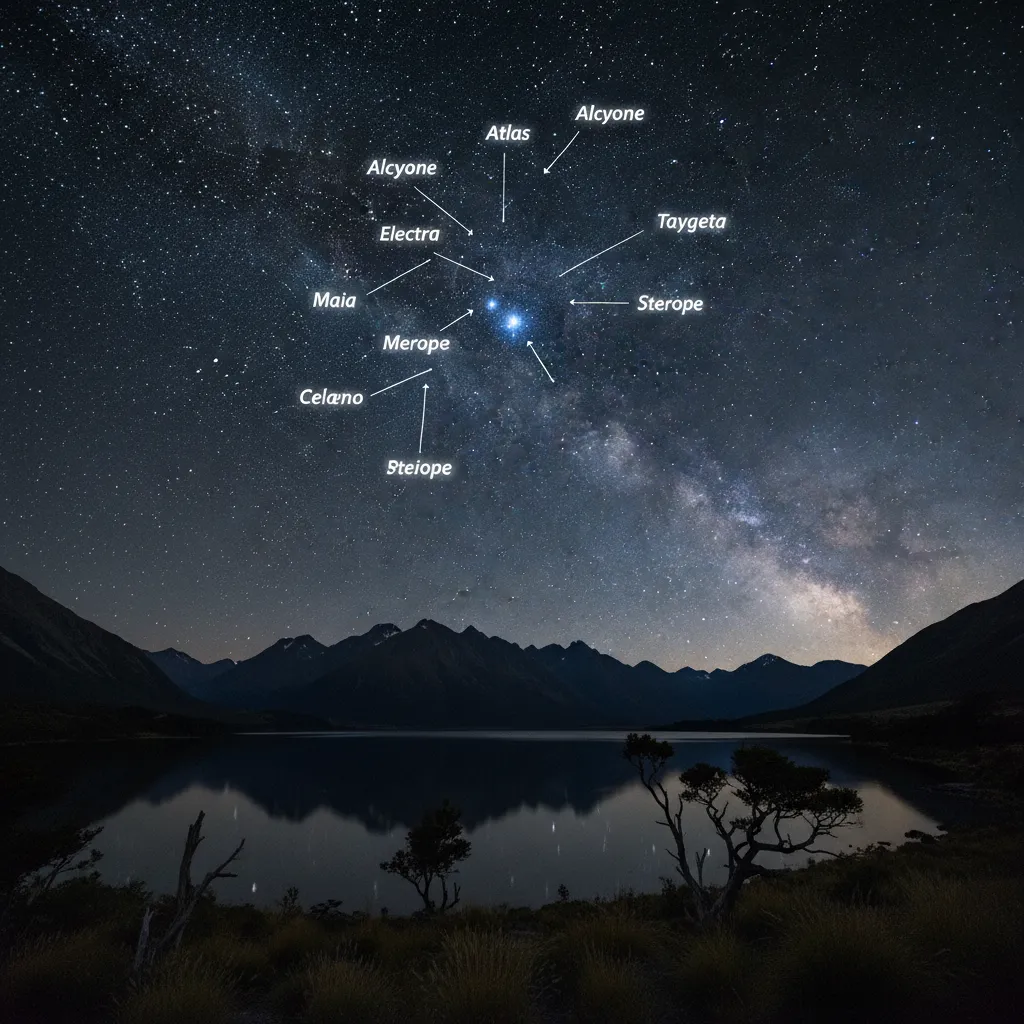
To register for a Matariki history webinar, visit the official websites of New Zealand’s leading cultural institutions such as Te Papa Tongarewa, Auckland War Memorial Museum, or university events pages during June and July. These platforms offer free registration links for digital sessions led by Māori astronomers and historians exploring the significance of the Māori New Year.
Matariki, the Māori New Year, is a time of renewal, remembrance, and celebration marked by the rising of the Pleiades star cluster. As awareness of this culturally significant event grows globally, the demand for high-quality educational resources has surged. Digital platforms now provide unprecedented access to mātauranga Māori (Māori knowledge) through online seminars and talks.
Upcoming Online Talks by Cultural Experts
The landscape of cultural education has shifted dramatically, allowing enthusiasts from around the world to engage with New Zealand’s top historians and astronomers. When looking to register for a Matariki history webinar, you are gaining access to a wealth of indigenous knowledge that was once passed down exclusively through oral tradition.
Leading up to the Matariki public holiday, various organizations host live streams featuring tohunga kōkōrangi (astronomy experts). These sessions often cover the identification of the nine stars of Matariki, the environmental signals they represent, and the historical practices associated with the hautapu ceremony.
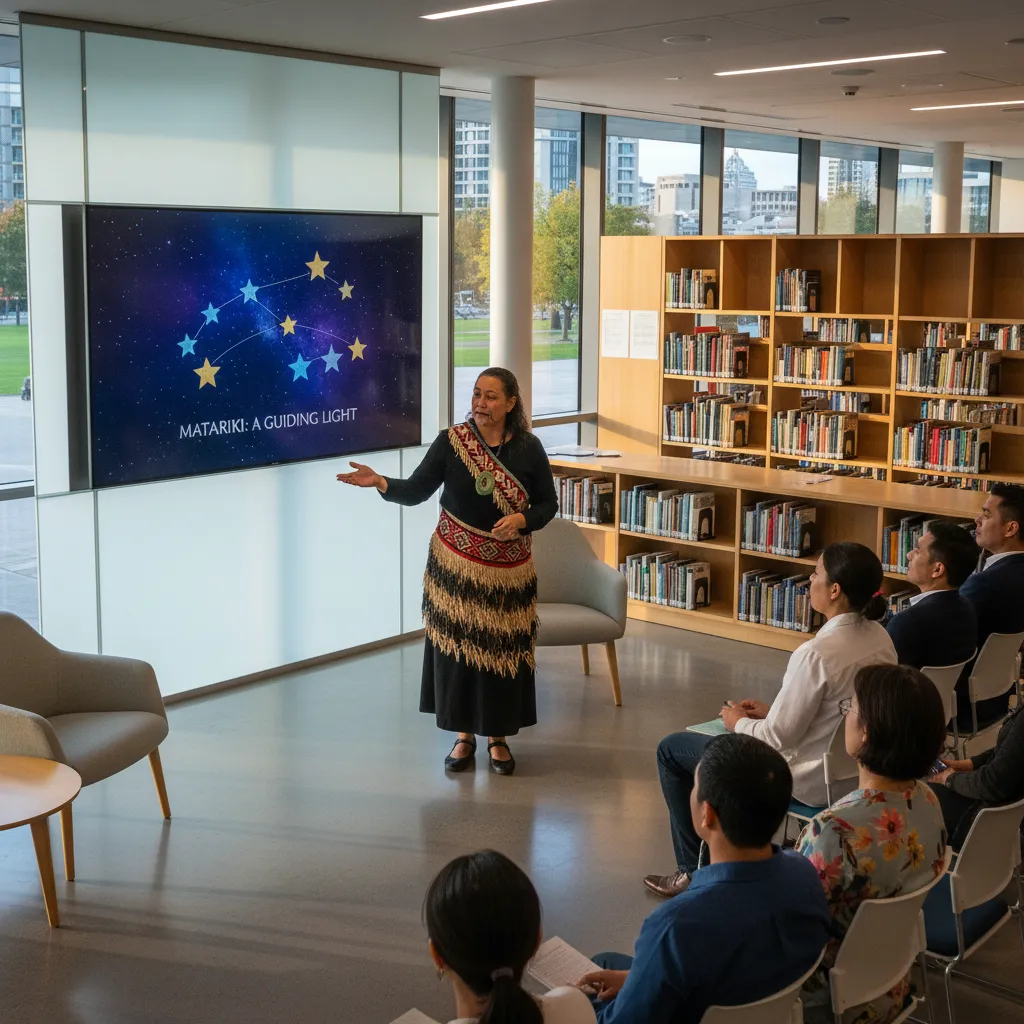
Key Institutions Hosting Live Events
Several primary institutions consistently offer high-caliber digital programming. Monitoring their events calendars is the most reliable way to secure a spot:
- Te Papa Tongarewa (Museum of New Zealand): Often hosts free Zoom sessions exploring the intersection of science and culture.
- Stardome Observatory & Planetarium: Provides specialized astronomical breakdowns of the cluster’s movement.
- National Library of New Zealand: Focuses on archival history and the documentation of Matariki celebrations over the last century.
How to Register for Matariki History Webinar Sessions
Securing your place in these digital lecture halls is usually a straightforward process, but popular sessions with high-profile speakers like Dr. Rangi Matamua can reach capacity quickly. Following a systematic approach ensures you do not miss out on these educational opportunities.
Step-by-Step Registration Guide
- Identify the Provider: Determine whether you are interested in an astronomical focus (Observatories), a historical focus (Museums), or an academic focus (Universities).
- Check the Schedule: Most Matariki events are scheduled between late June and mid-July to align with the heliacal rising of the stars.
- Complete the Form: When you find a link to register for a Matariki history webinar, you will typically need to provide your name and email address. Some academic sessions may require institutional affiliation, but most public talks are open to all.
- Save the Link: Upon registration, you will receive a unique Zoom or Teams link. Add this immediately to your digital calendar with a 15-minute reminder.

Registration Links for University Webinars
New Zealand’s universities are powerhouses of research regarding Te Ao Māori (The Māori World). During the Matariki period, faculties often open their virtual doors to the public, offering lectures that delve deeper than standard introductory content. These webinars are ideal for those seeking a rigorous academic perspective on how history, sociology, and science intersect during the Māori New Year.
What to Expect from Academic Sessions
University-led webinars tend to focus on specific niches of history. For example, you might find a lecture dedicated entirely to Waitī and Waitā (the stars associated with fresh and salt water) and how historical food gathering practices were dictated by these celestial bodies. Other common topics include the revival of the maramataka (Māori lunar calendar) in modern agriculture and health.
To find these, search the “Events” or “Public Lectures” sections of:
- The University of Auckland (Waipapa Taumata Rau)
- Massey University (Te Kunenga ki Pūrehuroa)
- University of Otago (Te Whare Wānanga o Otāgo)
- University of Waikato (Te Whare Wānanga o Waikato)
Archives of Past Lectures and Digital Resources
If you have missed the window to register for a live Matariki history webinar, do not despair. The digital nature of these events means that a vast archive of knowledge is available on demand. Watching past lectures is an excellent way to prepare for the upcoming season or to conduct research at your own pace.
Many organizations upload recordings of their live streams to YouTube or their own video repositories shortly after the event concludes. These archives serve as a permanent record of the revitalization of Matariki in Aotearoa New Zealand.

Recommended Archives to Explore
RNZ (Radio New Zealand): Maintains a comprehensive collection of interviews and talks. Their “Matariki” collection often features deep dives into the history of the holiday’s public resurgence.
Māori Television (Whakaata Māori): Offers on-demand documentaries and specials that often serve as visual webinars, providing high-production value insights into regional variations of the celebration.
Understanding the History Taught in These Sessions
When you attend these webinars, you are engaging with a history that predates European arrival in New Zealand. Understanding the core curriculum of these talks helps in selecting the right webinar for your interests.
The Revitalization Movement
A major topic in modern history webinars is the story of how Matariki was revived. For much of the 20th century, the celebration had dwindled due to colonization and the suppression of Māori practices. Webinars often feature historians discussing the pivotal moments in the 1990s and 2000s that led to the establishment of Matariki as an official public holiday in 2022. This is a lesson in political history, cultural resilience, and identity.
Regional Variations (Puanga vs. Matariki)
Not all webinars will focus solely on the Matariki cluster. In some parts of New Zealand, such as Taranaki and Whanganui, the geography obscures the horizon, making the star Rigel (Puanga) the primary signal for the New Year. High-quality historical talks will explain these regional nuances, ensuring that attendees understand that Māori astronomy is not a monolith but a locally adapted science.

Podcasts Discussing Matariki History
For those who prefer auditory learning or cannot attend a scheduled webinar, podcasts offer a flexible alternative. Many cultural experts appear on podcast series to discuss the same historical and astronomical themes covered in visual presentations.
Podcasts are particularly useful for understanding the oral traditions (kōrero tuku iho) associated with the stars. Listening to the pronunciation of the star names and the cadence of the storytelling provides a layer of cultural immersion that text cannot replicate. Look for series produced by local iwi (tribes) or major broadcasters which often release special mini-series during the Matariki period.
People Also Ask
When is the best time to register for Matariki webinars?
The best time to register is in early June. Most institutions release their schedules and registration links 3-4 weeks prior to the Matariki public holiday, which shifts dates annually based on the lunar calendar.
Are Matariki history webinars free to attend?
Yes, the vast majority of Matariki webinars hosted by public institutions like museums, libraries, and universities are free. Some specialized workshops or corporate training sessions may carry a fee, but public education is generally accessible at no cost.
Can I watch Matariki webinars if I am outside New Zealand?
Absolutely. One of the main benefits of these digital events is their global accessibility. However, you must account for the time zone difference, as live sessions are scheduled according to New Zealand Standard Time (NZST).
What is the difference between Matariki and Puanga?
Matariki is the Pleiades star cluster, while Puanga is the star Rigel. In regions of New Zealand where mountains block the view of Matariki on the eastern horizon, tribes look to the brighter star Puanga to mark the New Year. Webinars often explain this regional distinction.
Do I need special software to attend these talks?
Most webinars utilize standard platforms like Zoom, Microsoft Teams, or YouTube Live. You generally do not need paid software, but downloading the free version of the hosting app beforehand ensures a smooth connection.
Who are the leading experts on Matariki history?
Prominent figures often featured in these webinars include Dr. Rangi Matamua, a leading Māori astronomer, as well as various tribal historians and educators from institutions like Te Papa and the Stardome Observatory.