
Matariki history before colonization centers on the indigenous Māori understanding of the Pleiades star cluster, which marked the Lunar New Year. In pre-European Aotearoa, the rising of these stars signaled the time to honor the dead, celebrate the harvest, predict weather patterns for the coming season, and recalibrate the Maramataka (lunar calendar) for survival and agriculture.
What defines Matariki history before colonization?
To understand the history of Aotearoa New Zealand, one must look upward. Matariki history before colonization is not merely a record of a holiday; it is the study of a sophisticated system of timekeeping, environmental management, and spiritual connectivity that governed pre-European Māori society. Long before the arrival of Abel Tasman or James Cook, Māori communities possessed an intricate understanding of the cosmos.
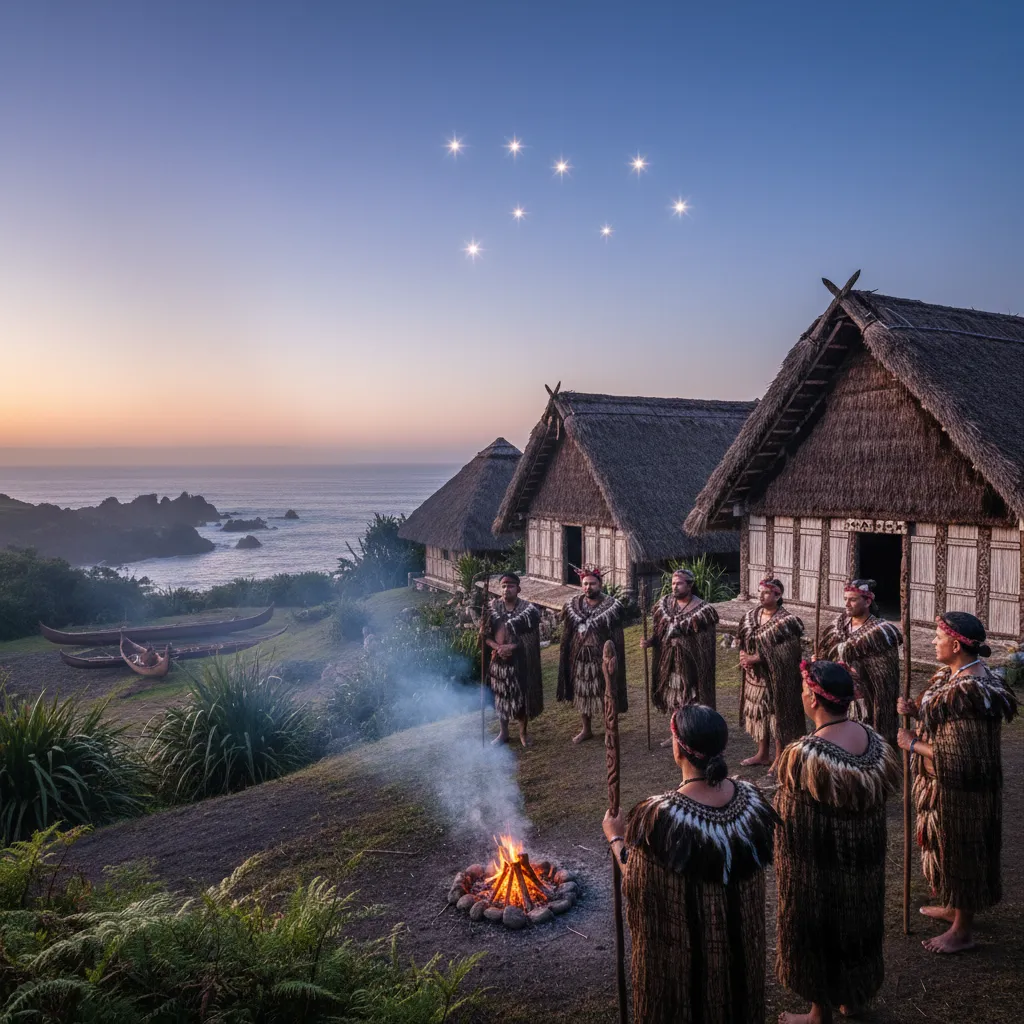
In the pre-colonial era, Matariki (known globally as the Pleiades) was the regulator of time. Unlike the solar Gregorian calendar introduced by Europeans, the Māori year was defined by the phases of the moon and the helical rising of specific stars. The reappearance of Matariki in the mid-winter sky (typically late June or July) marked the transition from the old year to the new.
This period was fundamental to survival. It signaled the end of the harvest, where kūmara (sweet potato) stores were full, and the land was left to rest. It was a time of wānanga (learning), where history was passed down orally, and a time of peace, where warfare ceased to allow for the solemn remembrance of those who had passed away since the last rising of the cluster.
How did ancestors use the stars for navigation to NZ?
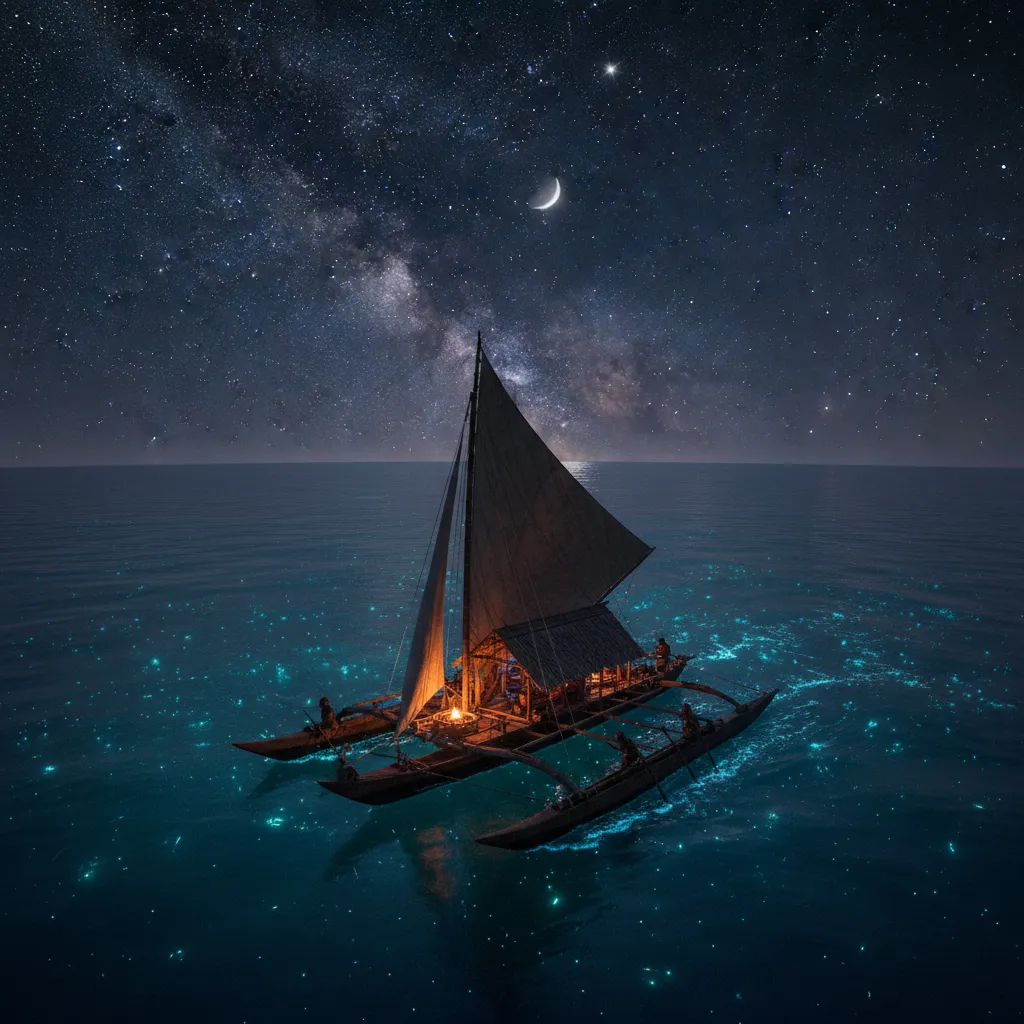
The history of Matariki is inextricably linked to the history of Polynesian migration. The settlement of Aotearoa was not accidental; it was the result of deliberate, scientifically advanced voyages across the vast Pacific Ocean, guided by the stars.
The Great Waka Hourua Voyages
Ancestral navigators did not have magnetic compasses or sextants. Instead, they utilized a cognitive star compass. Matariki, along with other celestial bodies like Rehua (Antares) and Tautoru (Orion’s Belt), served as celestial beacons. The position of Matariki in the sky helped navigators determine latitude and maintain a consistent heading during the long nights on the open ocean.
Reading the Ocean and Sky
Navigation was a holistic science. While Matariki provided the celestial map, navigators combined this data with the observation of ocean swells, bird migration patterns, and cloud formations. The appearance of the cluster near the horizon often coincided with the arrival of migratory birds, confirming to the ancestors that land lay in the direction of the flight paths.
What was the role of tohunga kōkōrangi (astronomers)?
In pre-European society, the observation of Matariki was not a casual activity; it was the domain of experts known as tohunga kōkōrangi (astronomers) or tohunga tātai arorangi. These individuals were the keepers of knowledge, responsible for interpreting celestial signs to guide the tribe’s decision-making.
The Whare Wānanga (Houses of Learning)
Tohunga were trained in the whare wānanga, the traditional houses of higher learning. Here, they memorized the movements of hundreds of stars, the phases of the moon, and their correlation with terrestrial events. The tohunga kōkōrangi would go out before dawn to observe the visibility, color, and brightness of each star within the Matariki cluster.
Predicting the Future
The specific appearance of the stars was believed to foretell the fortunes of the coming year. This was critical for the hapū (sub-tribe) survival. For example:
- Clear and Bright Stars: If the stars appeared distinct and bright, it was interpreted as a sign of a warm, productive season ahead, prompting the community to plant crops early.
- Hazy or Close Together: If the stars appeared shimmering, hazy, or huddled closely, it predicted a cold, harsh winter with poor harvests. In this scenario, the tohunga would advise the chief to ration food stores strictly.
This predictive capability elevated the status of the tohunga, making them essential advisors to the Rangatira (chiefs).
How were the stars connected to the environment?
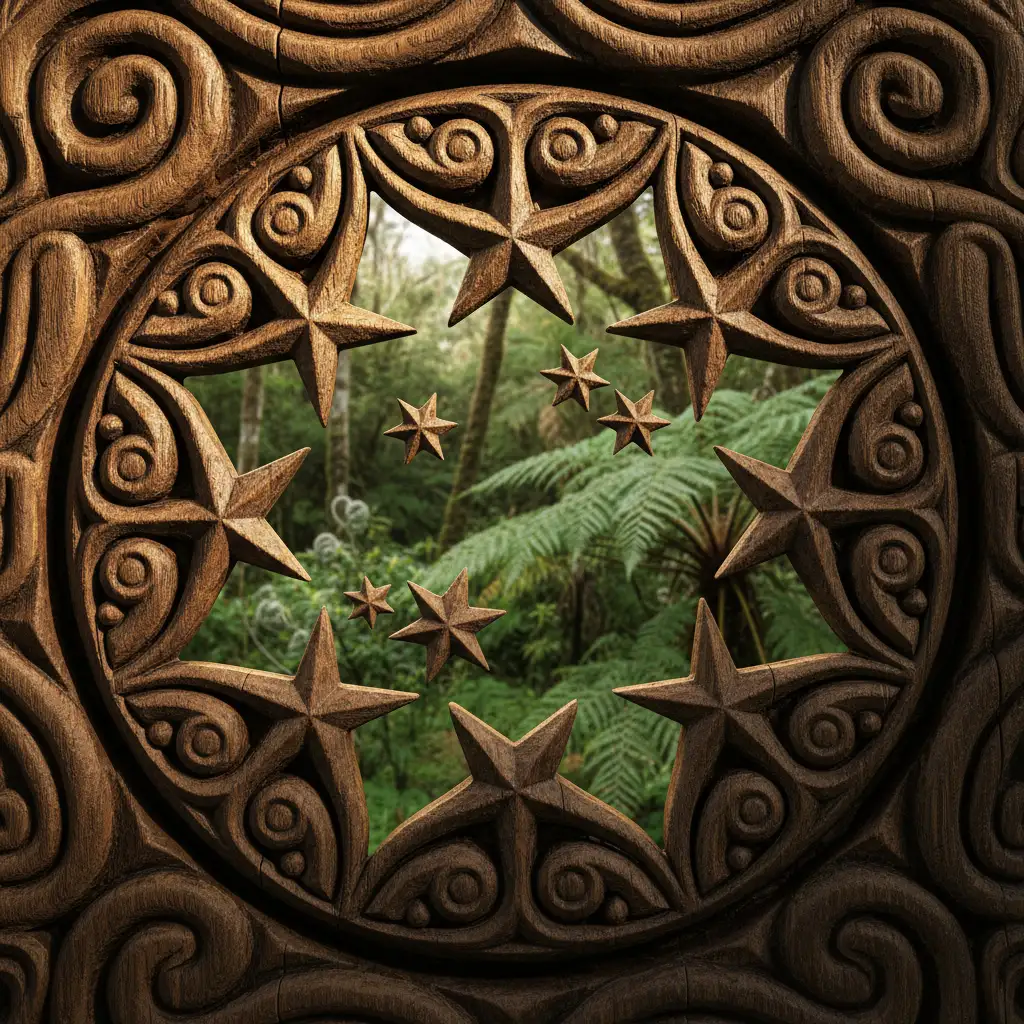
Matariki history before colonization reveals a worldview where the celestial and terrestrial realms were mirrored. Each star in the cluster (typically nine are recognized in Māori tradition, though seven are visible to the naked eye) was associated with a specific environmental domain.
Understanding these associations explains why the cluster was so central to daily life:
- Matariki (Alcyone): The mother of the other stars, associated with health and wellbeing.
- Pōhutukawa (Sterope): Connected to the dead; those who have passed on since the last rising.
- Tupuānuku (Pleione): Associated with food grown in the ground (kūmara, vegetables).
- Tupuārangi (Atlas): Associated with food from the sky (birds, berries on trees).
- Waitī (Maia): Connected to fresh water and the creatures within it (eels).
- Waitā (Taygeta): Connected to the ocean and salt water food sources.
- Waipuna-ā-rangi (Electra): Associated with the rain.
- Ururangi (Merope): Associated with the winds.
- Hiwa-i-te-rangi (Celaeno): The wishing star, to whom desires for the coming year are sent.
By observing which stars were brightest, the tohunga could predict which food sources would be abundant and which would be scarce, allowing for strategic resource management.
What do historical accounts reveal about Matariki celebrations?
Historical accounts from early ethnographers and preserved oral traditions paint a vivid picture of Matariki celebrations in pre-European times. These were not singular events but a season of festivals known as Te Takanga o Te Rā.
The Hautapu Ceremony
The most sacred rite performed was the hautapu. This ceremony involved cooking food in a specialized earth oven (umu kohukohu). The steam from the oven was offered to the stars. The tohunga would uncover the oven, allowing the aroma of the food to rise into the sky to feed Matariki.
Different foods were cooked to represent the different stars: kūmara for Tupuānuku, birds for Tupuārangi, eel for Waitī, and fish for Waitā. This was a reciprocal act; the people offered the essence of the food to the gods in exchange for a prosperous year ahead.
Whakangahau: The Time of Festivity
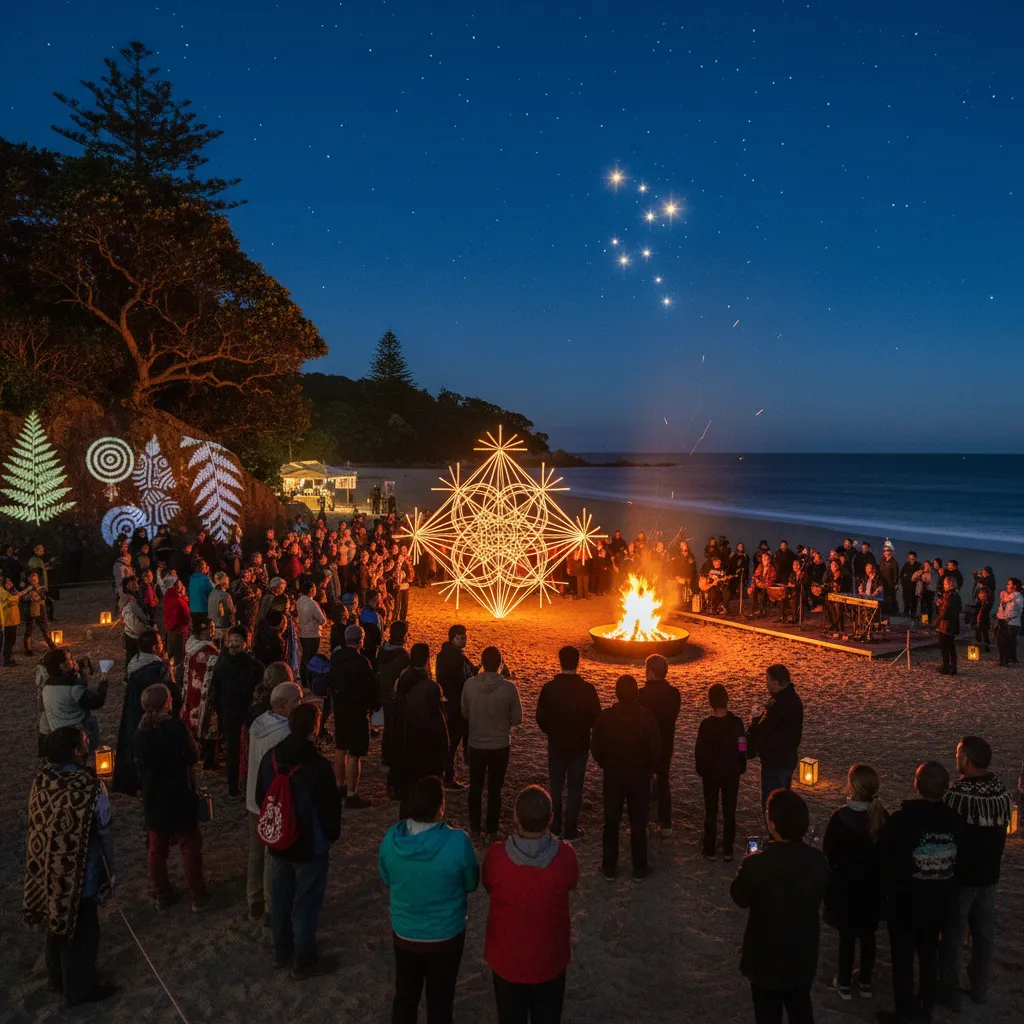
Following the solemn ceremonies for the dead (tangihanga), the mood would shift to celebration. Because the harvest was stored and the weather was too cold for fighting or planting, Matariki was a time for the arts. Communities would gather for:
- Kapa Haka: Singing and dancing.
- Tākaro: Traditional games and kite flying (manu aute). Kites were seen as connectors between the earth and the heavens.
- Wānanga: Teaching the younger generation about genealogy (whakapapa) and local history.
It was a time of high social cohesion, reinforcing family bonds before the rigors of the spring planting season began.
How did the tradition decline and subsequently revive?
The rich tapestry of Matariki history before colonization faced a significant threat with the arrival of European settlers. The introduction of the Gregorian calendar and western religious observances began to displace the Maramataka.
The Impact of Colonization
By the late 19th and early 20th centuries, the observance of Matariki had dwindled significantly. The Tohunga Suppression Act of 1907 was particularly damaging. This legislation outlawed the practices of tohunga, effectively criminalizing the experts who held the astronomical knowledge. While the Act was ostensibly about public health, it had the side effect of silencing cultural transmission. As the tohunga passed away, much of the nuanced knowledge of the stars was lost or forced underground.
The Renaissance
The revival of Matariki is a relatively recent phenomenon, gaining momentum in the early 2000s. It began with a push for decolonization and a renewed interest in Māori mātauranga (knowledge). Scholars and cultural experts worked tirelessly to recover lost knowledge from manuscripts and surviving oral histories.
Today, the revival has culminated in Matariki becoming an official public holiday in New Zealand—the first indigenous holiday of its kind in the country. This resurgence serves as a bridge, reconnecting modern New Zealanders with the environmental and spiritual rhythms that guided their ancestors for centuries.
People Also Ask
Did all Māori tribes celebrate Matariki the same way?
No, there were regional variations. While most tribes observed Matariki, some iwi in the West and South of the South Island placed greater emphasis on the star Puanga (Rigel) because Matariki was often obscured by mountain ranges in those areas. The timing and specific rituals could vary based on local geography.
What foods were traditionally eaten during Matariki?
Feasts included foods preserved from the harvest, such as kūmara (sweet potato), taro, and dried fish. Fresh delicacies like kererū (wood pigeon), eels, and shellfish were also gathered. The consumption of these foods was a celebration of the successful harvest season that had just concluded.
How did Matariki affect pre-European warfare?
Matariki was generally considered a time of peace. Because it occurred in mid-winter when food was stored and the weather was harsh, it was practical to cease hostilities. It was a time to regroup, strengthen family ties, and honor those lost in battle during the previous year.
Why are there 7 stars in some stories and 9 in others?
To the naked eye, usually only seven stars of the cluster are visible, which is why many legends refer to the “Seven Sisters.” However, those with exceptional eyesight or tohunga with deep knowledge identified nine distinct stars, each with its own name and environmental significance in the Māori tradition.
What is the Maramataka?
The Maramataka is the traditional Māori lunar calendar. Unlike the solar Gregorian calendar, it tracks time based on the phases of the moon and the position of stars. Matariki was the anchor point for this calendar, signaling the reset of the lunar cycle for the New Year.
Did Matariki have a spiritual meaning before colonization?
Yes, it was deeply spiritual. It was believed that during the rising of Matariki, the spirits of the dead were released into the sky to become stars. The ceremony involved calling out the names of the deceased (whakapapa) to bid them farewell, making it a crucial time for grieving and closure.
What foods were traditionally eaten during Matariki?
Traditional Māori delicacies included kūmara, preserved birds, and various seafoods prepared to honor the star cluster.