
Matariki food ideas center around the tradition of Hākari (feasting), featuring traditional earth-oven cooking known as Hāngī alongside modern dishes utilizing indigenous ingredients like kūmara, kawakawa, and kaimoana (seafood). These feasts honor the harvest, celebrate new beginnings, and bring whānau together to share abundance during the Māori New Year.
As the cluster of stars known as Matariki (the Pleiades) rises in mid-winter, Aotearoa New Zealand marks the Māori New Year. This is a profound time for remembrance, celebrating the present, and looking to the future. Central to these celebrations is kai (food). Whether you are planning a traditional Hāngī in the backyard, looking for modern recipes using native herbs, or seeking a commercial cultural dining experience in Auckland or Wellington, food is the medium through which we connect with the earth and each other.
What is the Significance of Hākari (Feasting)?
Hākari is more than just a meal; it is a ceremonial feast that signifies hospitality (manaakitanga) and the lifting of tapu (sacred restrictions) at the conclusion of formal proceedings. During Matariki, the Hākari takes on a special connection to the environment. Matariki occurs at the end of the harvest season when food stores (pātaka) are full. It is a time to enjoy the fruits of the year’s labor before the deep winter sets in.
Historically, the visibility of the Matariki stars was used to predict the success of the coming harvest. Bright stars signaled a warm season and abundant crops, while hazy stars warned of cold weather and poor growth. Therefore, the Hākari serves as both a celebration of the past harvest and an offering of hope for the next.
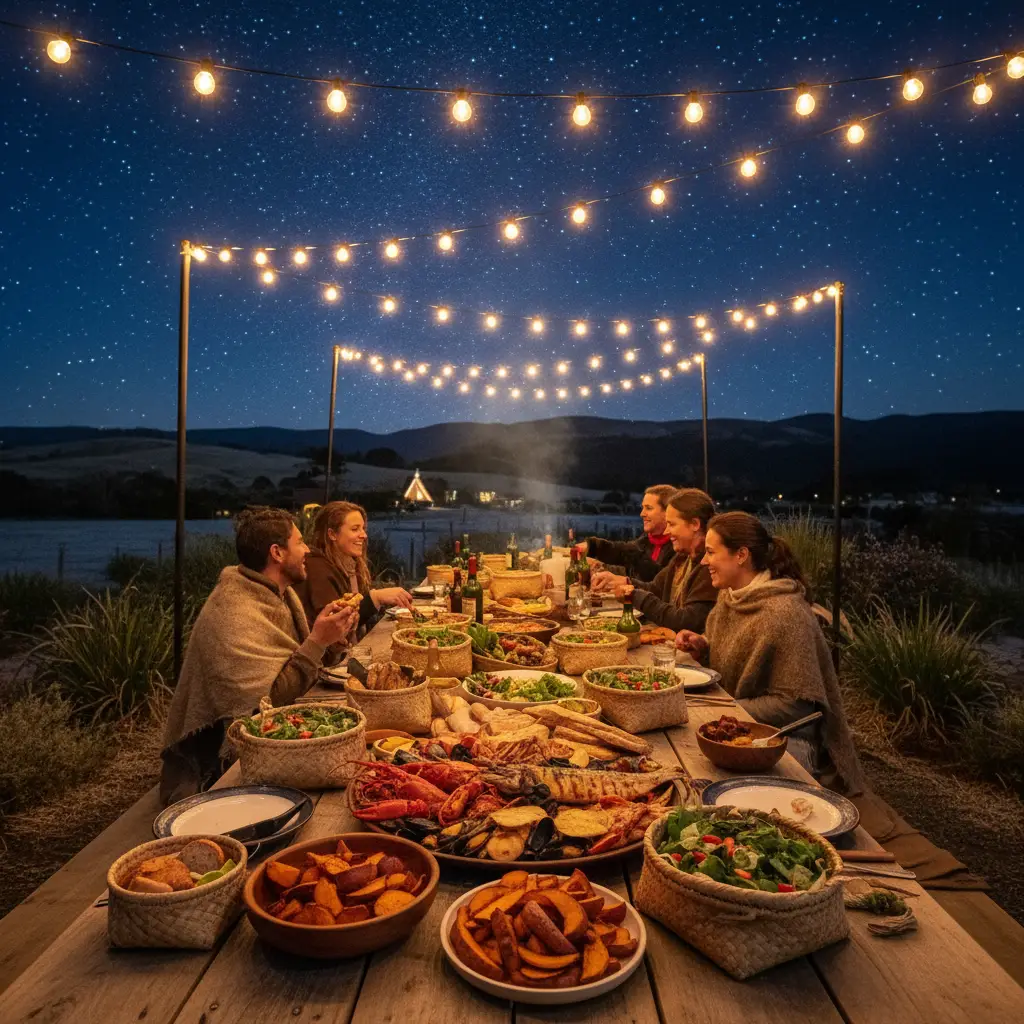
In a modern context, sharing food during Matariki is a way to reinforce social bonds. It provides an opportunity for storytelling, remembering those who have passed during the year, and planning for the future. The menu often reflects the stars themselves—Waitī (freshwater food), Waitā (saltwater food), Tipuānuku (food from the earth), and Tipuārangi (food from the sky).
How to Prepare a Traditional Hāngī
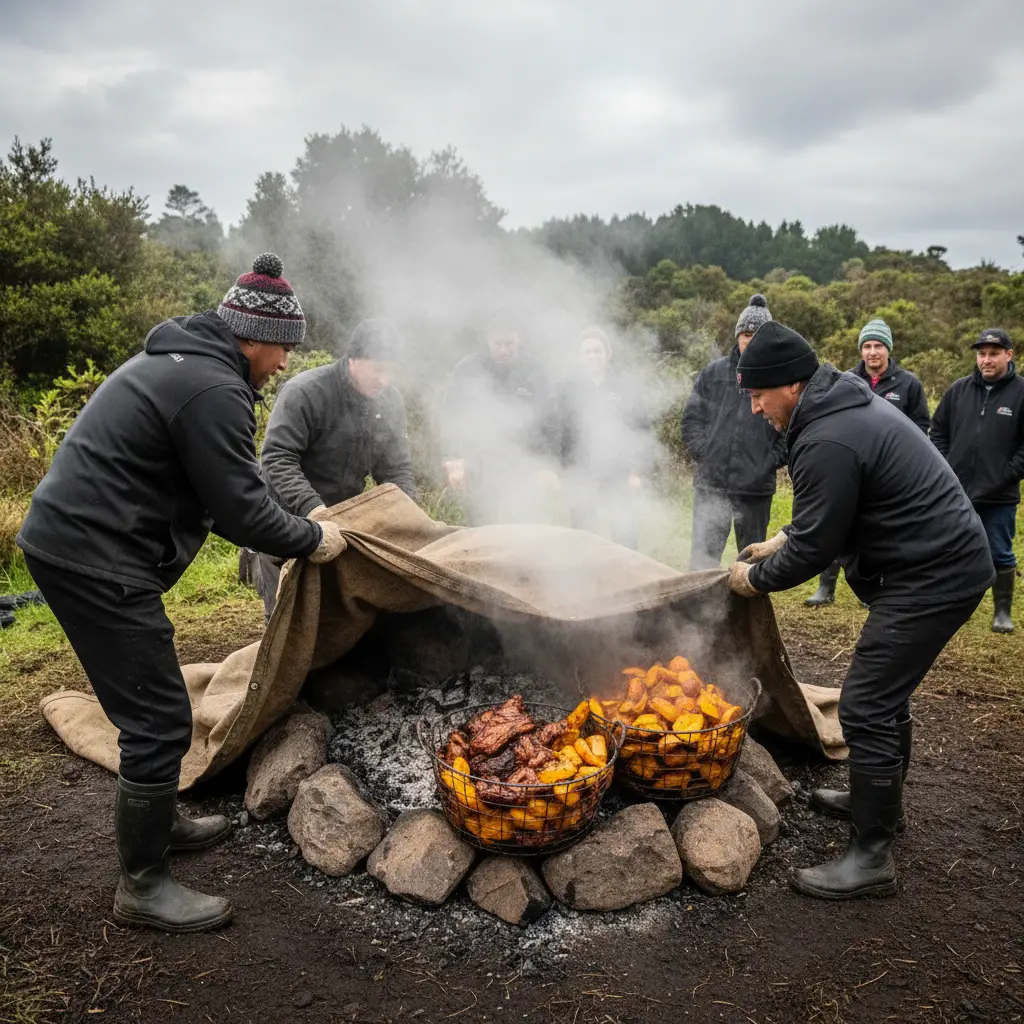
The Hāngī is the iconic method of cooking for large gatherings in Māori culture. It involves cooking food in an earth oven using heated stones. The result is a distinct, smoky, earthy flavor that cannot be replicated in a conventional oven. While commercial Hāngī cookers (utilizing gas) are available for convenience, the traditional pit method remains the gold standard for cultural authenticity.
Selecting the Right Stones and Wood
The foundation of a successful Hāngī lies in the heat source. You require volcanic rocks that can withstand intense heat without cracking or exploding. Basalt or andesite rocks are typically preferred. Avoid river stones that may contain trapped water, as they can be dangerous when heated.
For the fire, hardwoods like Mānuka or Kānuka are essential. They burn hot and produce the high-quality embers needed to heat the stones thoroughly. The wood must burn down until the stones are white-hot, a process that usually takes two to three hours.
Layering the Kai (Food)
Once the stones are hot and the ash is cleared (or the stones are moved to the cooking pit), the layering process begins. This must be done quickly to conserve heat.
- The Basket Placement: Food is arranged in wire baskets lined with leaves (traditionally flax or cabbage tree leaves) or wet cloth (mutton cloth) to protect the food and retain moisture.
- Hard Meats First: The bottom baskets, closest to the hot stones, contain the cuts of meat that require the most heat—pork, mutton, beef, and lamb.
- Vegetables on Top: Above the meats go the root vegetables (kūmara, potatoes, pumpkin, carrots) and stuffing. These require slightly less direct heat and benefit from the steam rising from the meat.
- Covering the Pit: Once the baskets are in, wet sheets or hessian sacks are placed over the food. Finally, earth is shoveled over the top to seal the pit completely. No steam should escape. The food steams underground for 3 to 4 hours.
What are some Modern Matariki Food Ideas?
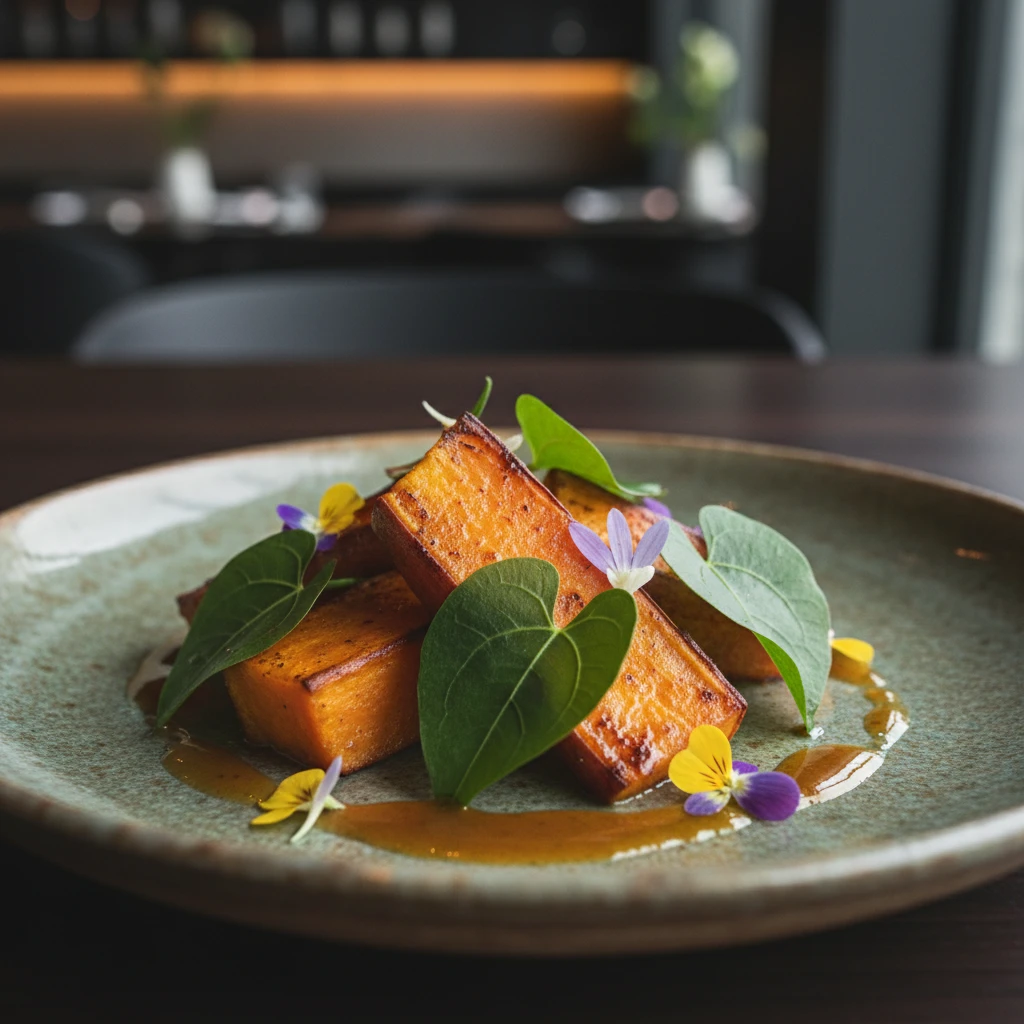
Not everyone has the space or resources for a traditional Hāngī. However, you can bring the spirit of Matariki into your kitchen by utilizing indigenous ingredients. Modern Māori cuisine (Kai Māori) is experiencing a renaissance, blending traditional flavors with contemporary culinary techniques. Here are sophisticated ideas for your menu.
Kūmara and Horopito Gnocchi
Kūmara (sweet potato) is a staple crop connected to the star Tipuānuku. By transforming it into gnocchi, you create a comforting winter dish. The key addition is Horopito, known as the “Māori pepper tree.” Dried and ground Horopito leaves add a spicy, citrusy kick that cuts through the sweetness of the kūmara.
Preparation Tip: Roast the kūmara in their skins to retain flavor and reduce moisture before mashing. Serve the gnocchi with a burnt butter and sage sauce, garnished with toasted pinenuts to represent the stars.
Steamed Pudding with Mānuka Honey
Steamed pudding is a beloved dessert at any Māori gathering. To elevate this for Matariki, use Mānuka honey as the primary sweetener. Mānuka is not only delicious but holds significant medicinal properties in Rongoā Māori (traditional healing).
Preparation Tip: Serve the pudding with a custard infused with Kawakawa. Kawakawa is a versatile herb with a peppery taste. Steep the leaves in the milk/cream mixture before thickening the custard to impart a subtle, aromatic flavor.
Raw Fish (Ika Mata) with Coconut
Connecting to Waitā (saltwater stars), a raw fish salad is essential. Use fresh Kingfish or Snapper. Marinate the fish in lemon or lime juice until the proteins denature (turn white), then mix with fresh coconut cream, diced tomatoes, spring onions, and coriander. This dish provides a fresh, vibrant contrast to the heavy, earthy flavors of root vegetables.
Where to Find Matariki Catering and Dining in New Zealand?
For those in the tourism sector or corporate event planning, hiring professional caterers who specialize in Kai Māori is the best way to ensure authenticity and quality. The demand for indigenous dining experiences has grown, leading to high-end options in major cities.
Top Dining Experiences in Auckland
Auckland (Tāmaki Makaurau) offers a diverse range of Matariki dining events. Look for restaurants that specifically advertise “Matariki Set Menus” during June and July.
- Commercial Catering: Several high-profile catering companies now offer “Hāngī in a box” or gourmet buffet options for corporate events. These services often use modern steamer ovens to replicate the Hāngī flavor profile while ensuring food safety and consistency for large groups.
- Fine Dining: Seek out establishments led by Māori chefs who prioritize “farm to table” philosophies. Menus often feature Tītī (muttonbird), Pāua (abalone), and Pikopiko (fern fronds).
Cultural Feasts in Wellington
Wellington (Te Whanganui-a-Tara) is known for its vibrant food scene and strong cultural institutions.
- Te Papa Tongarewa: The national museum often hosts Matariki events where food is a central component. Their onsite catering frequently adapts to the season, offering educational dining experiences.
- Karaka Café: Known for integrating Māori flavors into café style food, this is an excellent option for casual business lunches or tourist groups seeking an introduction to Hāngī styles without the full ceremony.
- High-End Events: Keep an eye out for “Wellington on a Plate” events that coincide with Matariki. Many chefs collaborate to produce degustation menus that tell the story of the stars through local produce.
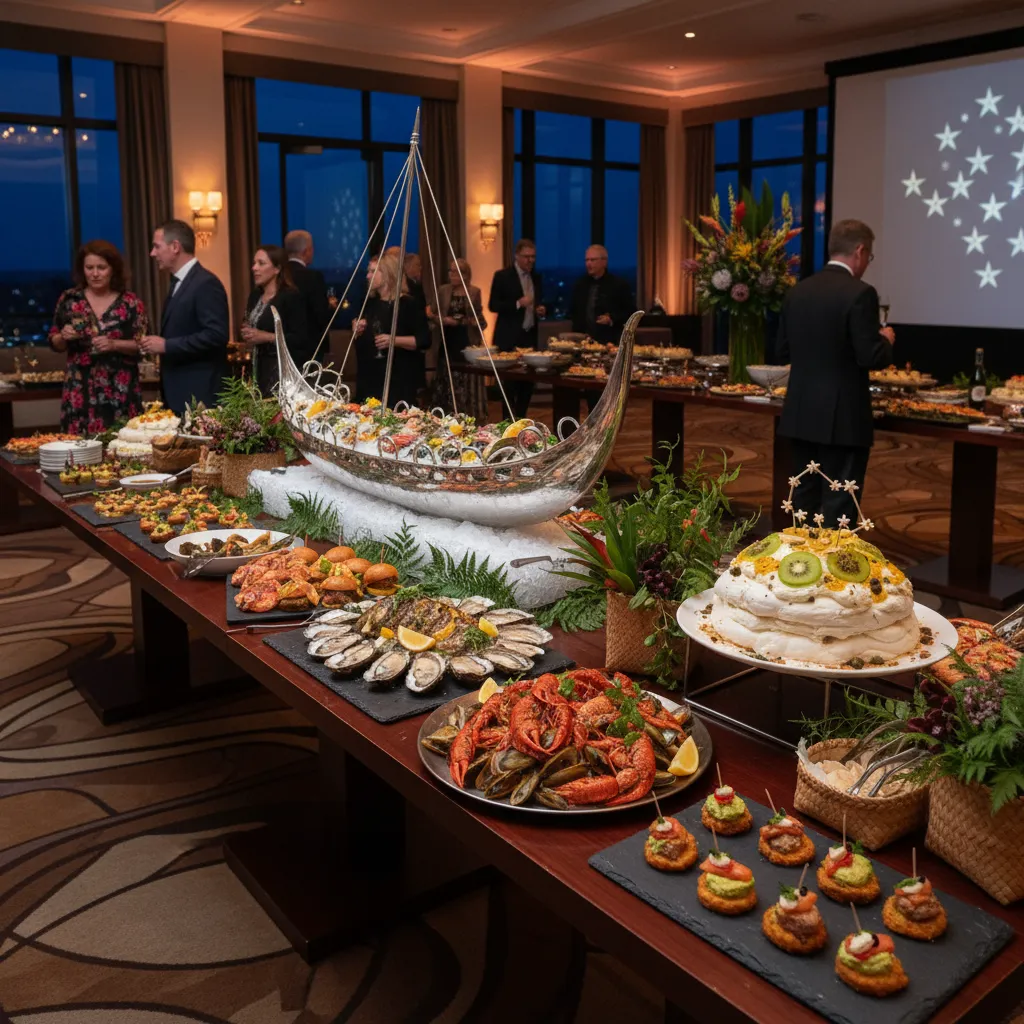
When selecting a caterer for a commercial event, ensure they have a genuine connection to the culture. Authentic providers will not only serve the food but often explain the whakapapa (genealogy) of the ingredients, adding immense value to the guest experience.
People Also Ask
What creates the unique flavor in a Hāngī?
The unique flavor of a Hāngī comes from the combination of steam, the specific type of wood used (like Mānuka), and the earth itself. As the water hits the hot volcanic stones, it creates steam that circulates through the food, while the earth covering traps the smoke and heat, infusing the meat and vegetables with a distinct smokey, earthy taste.
Can you cook a Hāngī without digging a pit?
Yes, you can use a “Hāngī steamer” or “multikai cooker.” These are gas-powered stainless steel drums that replicate the steaming process. While they are convenient and widely used for commercial catering, purists argue they lack the subtle earthiness provided by the traditional soil covering.
What are the best vegetables for a Matariki feast?
Root vegetables are the staple of a Matariki feast, representing Tipuānuku (food from the earth). The best options include Kūmara (sweet potato), Taewa (Māori potatoes), pumpkin, carrots, and yams. Watercress (Puha) is also a traditional green often served with pork.
Is Matariki food vegetarian friendly?
While traditional Hāngī is meat-heavy, Matariki feasts can easily be adapted for vegetarians. The abundance of root vegetables, rēwena bread, and greens like pūhā or silverbeet makes for a hearty meal. Modern chefs often create separate vegetarian Hāngī baskets to prevent cross-contamination with meat fats.
What is Rēwena bread?
Rēwena is a traditional Māori sourdough bread made using a potato-based starter (bug) instead of commercial yeast. It has a dense texture and a sweet, slightly sour flavor. It is a classic accompaniment to a Hāngī or boil-up.
How long does it take to cook a Hāngī?
The entire process takes most of the day. Preparing the fire and heating the stones takes 2 to 3 hours. Once the food is in the pit (covered), it typically requires 3 to 4 hours of cooking time. Including preparation and digging, allow for 6 to 8 hours total.