
Matariki NZ is the official public holiday in Aotearoa New Zealand marking the Māori New Year. It signifies the reappearance of the Pleiades star cluster in the mid-winter sky, symbolizing a time for remembrance of the dead (maumahara), celebrating the present (hākari), and looking to the future (manako) through the lunar calendar system known as Maramataka.
What is Matariki? Understanding the Significance
Matariki is the Māori name for the cluster of stars also known as the Pleiades. It rises in midwinter and for many Māori, it heralds the start of a new year. In 2022, Aotearoa New Zealand made history by celebrating Matariki as its first distinctively indigenous public holiday. However, unlike fixed calendar holidays such as Christmas or Anzac Day, the timing of Matariki changes every year.
The festival is distinct from Western New Year celebrations. It is not characterized by fireworks and loud parties, but rather by three major themes:
- Remembrance: Honouring those who have passed away since the last rising of Matariki.
- Celebrating the Present: Gathering with whānau (family) and friends to share kai (food) and gratitude.
- Looking to the Future: Planning for the year ahead and setting aspirations.
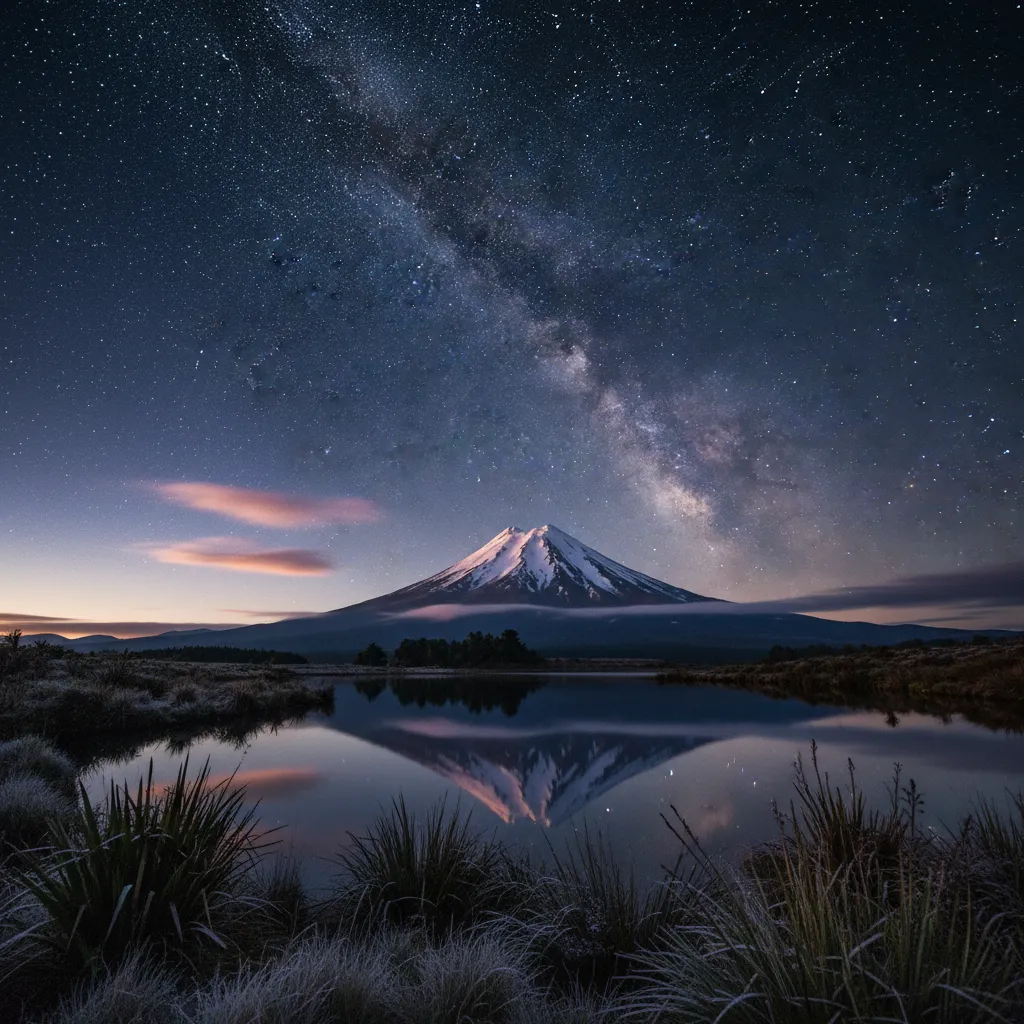
When is Matariki 2025? The Modern Calendar
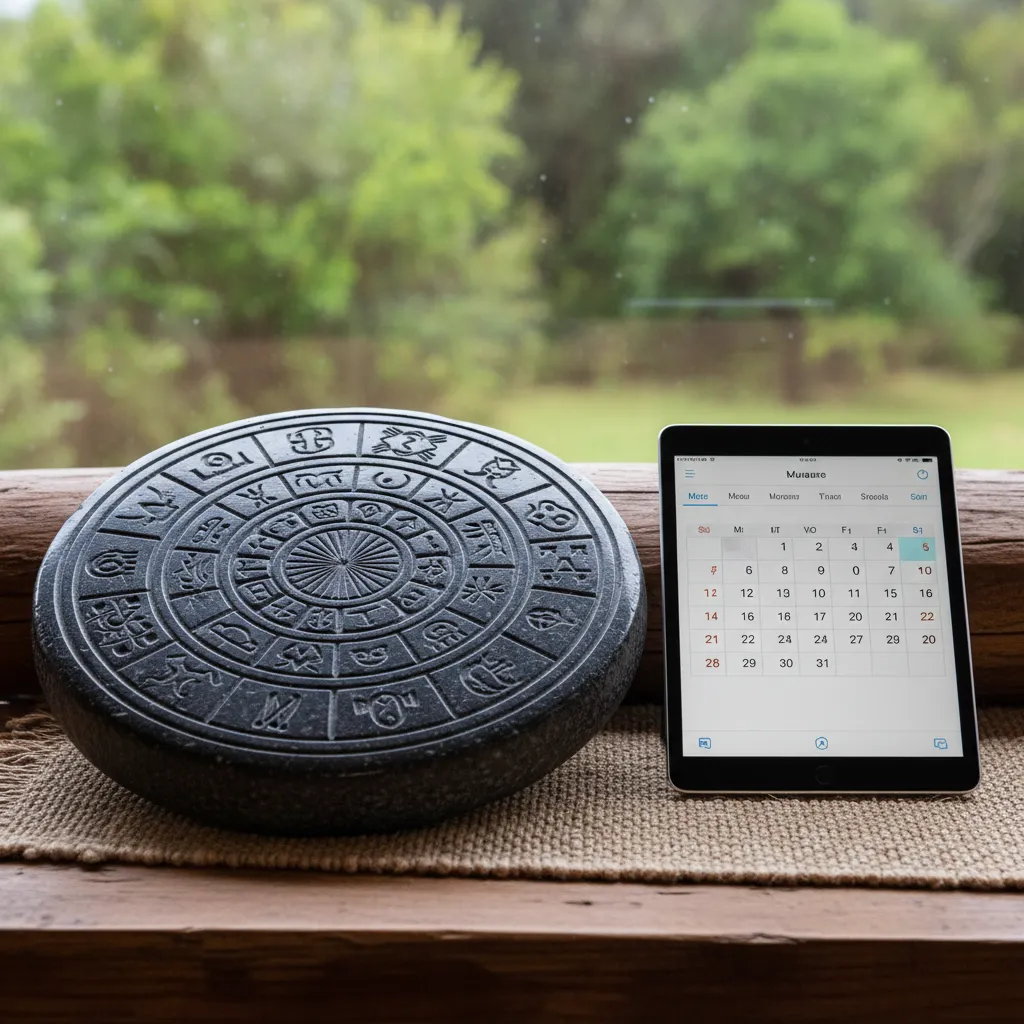
Because Matariki follows the Māori lunar calendar (Maramataka), the dates shift annually within the Gregorian calendar. The holiday is celebrated on the Friday closest to the Tangaroa lunar phase during the rising of the star cluster in the lunar month of Pipiri (June/July).
Upcoming Public Holiday Dates
- 2025: Friday, 20 June
- 2026: Friday, 10 July
- 2027: Friday, 25 June
These dates are advised by the Matariki Advisory Group (Te Kāhui o Matariki) to ensure the holiday aligns with the correct environmental and astrological markers.
Decoding the Nine Stars of Matariki
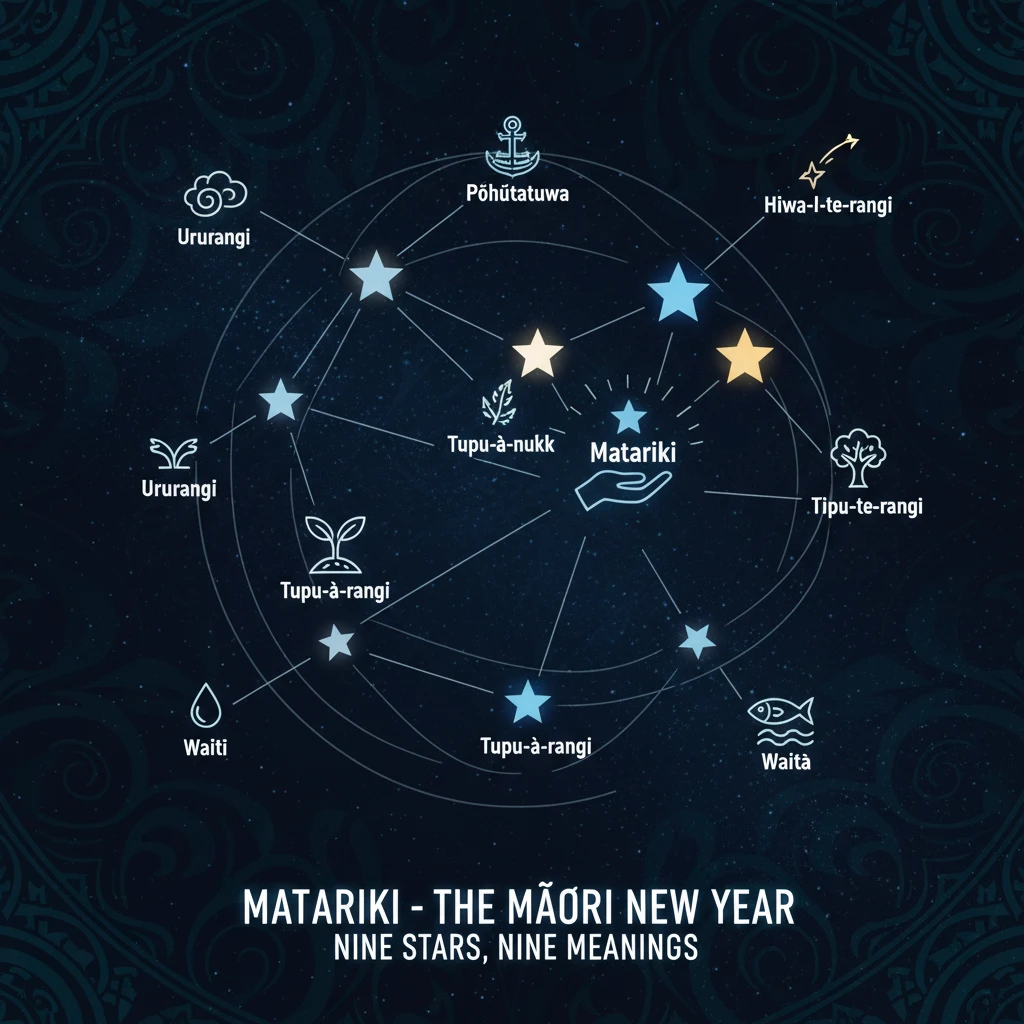
While the Pleiades cluster contains hundreds of stars, nine are specifically recognized in the context of the Māori New Year. Each star holds dominion over a specific environmental aspect of wellbeing.
- Matariki (Alcyone): The mother of the other stars in the cluster. She is connected to health and wellbeing.
- Pōhutukawa (Sterope): Connects Matariki to the dead. This is the star to which we call out the names of those who have passed.
- Tupu-ā-nuku (Pleione): Associated with food that grows in the ground (kumara, potatoes).
- Tupu-ā-rangi (Atlas): Associated with food that comes from the sky (birds, fruit from trees).
- Waitī (Maia): Connected to fresh water and the creatures that live within it (eels, trout).
- Waitā (Taygeta): Associated with the ocean and salt water food sources.
- Waipuna-ā-rangi (Electra): Connected to the rain.
- Ururangi (Merope): Associated with the winds.
- Hiwa-i-te-rangi (Celaeno): The wishing star. This is the star to which you send your aspirations for the new year.
Pillar 1: Travel & Dark Sky Sanctuaries
For the travel industry and domestic tourists, Matariki has become a peak time for “astrotourism.” New Zealand is home to some of the darkest skies in the world, making it a premier destination for viewing the cluster.
Top Locations for Matariki Viewing in 2025
Aoraki Mackenzie International Dark Sky Reserve: Located in the South Island, this is the gold standard for stargazing. The region, including Lake Tekapo and Mount Cook, offers unobstructed views of the Milky Way and Matariki.
Great Barrier Island (Aotea): An International Dark Sky Sanctuary off the coast of Auckland. Being off-grid, the light pollution is virtually non-existent.
Wairarapa Dark Sky Reserve: A newer addition easily accessible from Wellington, perfect for long-weekend travelers.
Travel Tip: When booking travel for the Matariki long weekend, look for operators who are Qualmark accredited with a Sustainable Tourism Business Award. This often indicates a higher level of cultural competency and respect for the environment.
Pillar 2: Business & Cultural Safety
For businesses, Matariki presents both an opportunity and a responsibility. The concept of “Indigenous Cultural Safety” is paramount here. In late 2024 and moving into 2025, there is a strong push against “Matariki-washing”—the commercialization of the holiday without understanding its values.
Do’s and Don’ts for Business
- DO: Use the holiday to educate staff. Close operations if possible to allow staff to be with whānau. If staying open, consider how you can give back to the community.
- DON’T: Slap a Matariki logo on a generic clearance sale. Avoid using the stars on products that are disposable or associated with vice (alcohol, gambling), as this is considered culturally offensive.
- DO: Focus on the values of environmental stewardship. Matariki is a great time to launch sustainability initiatives or CSR (Corporate Social Responsibility) reports.

Pillar 3: Lifestyle & Traditional Celebrations
Matariki is fundamentally a lifestyle reset. It aligns with the cold winter months when the land is resting. It is a time for indoor activities, storytelling, and preparing for the spring.
The Hautapu Ceremony
One of the most significant traditional ceremonies is the Hautapu. This involves cooking food in a steam oven (umu kohukohu whetū) and uncovering it so the steam rises to feed the stars. While this is often performed formally by Iwi (tribes) and the government, families can replicate the sentiment by cooking a shared meal and taking a moment outside to acknowledge the stars before eating.
Modern Home Celebrations
You do not need to be Māori to celebrate Matariki. It is a holiday for all of Aotearoa. Here are respectful ways to participate at home:
- Turn off the lights: Minimize light pollution at home to see the stars better.
- Share a feast: Cook a meal using seasonal winter vegetables (kumara, pumpkin).
- Plant a tree: Since Tupu-ā-nuku and Tupu-ā-rangi relate to growth, planting a native tree is a perfect way to honor the environment.
- Write down aspirations: Have the whole family write down one hope for the coming year (Hiwa-i-te-rangi).
Navigating the Maramataka (Lunar Calendar)
The Gregorian calendar is solar (based on the earth’s rotation around the sun), while the Maramataka is lunar (based on the phases of the moon). This distinction is vital for understanding why Matariki dates change.
The Maramataka was historically used to dictate when to fish, plant, and harvest. For example, planting was done during the waxing moon, while fishing might be better during specific high-energy phases. Matariki marks the reset of this cycle.
In 2025, there is a renewed interest in “living by the Maramataka.” This involves tracking your energy levels against the moon phases. The Matariki period is generally considered a time of low energy—a time to rest, reflect, and conserve energy before the high-output seasons of spring and summer.
The Ultimate Matariki Long Weekend Itinerary
If you are planning to travel or simply structure your long weekend for 2025, here is a suggested 3-day flow based on the principles of the holiday.
Day 1: Friday (Public Holiday) – Maumahara (Remembrance)
- Morning (Pre-dawn): Wake up early to view the Matariki cluster. If you are in a city, attend a local council-organized Hautapu ceremony.
- Daytime: Visit a local Urupā (cemetery) or a memorial site to pay respects to loved ones. If that isn’t possible, look through old photo albums with family.
- Evening: Quiet night in. Light a candle for those who have passed.
Day 2: Saturday – Hākari (Celebration)
- Morning: Get out into nature. A bush walk or a visit to the beach connects you to Waitī and Waitā.
- Afternoon: Prepare a large meal. Focus on local ingredients—mussels, kumara, lamb.
- Evening: Host a dinner party. No phones allowed—just storytelling, music (waiata), and connection.
Day 3: Sunday – Manako (Aspiration)
- Morning: Gardening or planting. Put something in the ground that will grow over the next year.
- Afternoon: Planning session. What are your business goals? Family goals? Personal health goals?
- Evening: Look for Hiwa-i-te-rangi (the wishing star) one last time and vocalize your hopes for the year.
People Also Ask (PAA)
Is Matariki a public holiday every year in New Zealand?
Yes, Matariki is a permanent public holiday in New Zealand. It was first celebrated officially in 2022. The date shifts annually, usually falling in June or July, to align with the Maramataka (Māori lunar calendar).
What are the 7 or 9 stars of Matariki?
While the Pleiades cluster is often referred to as the “Seven Sisters” in Greek mythology, Māori tradition typically recognizes nine stars: Matariki, Pōhutukawa, Tupu-ā-nuku, Tupu-ā-rangi, Waitī, Waitā, Waipuna-ā-rangi, Ururangi, and Hiwa-i-te-rangi.
How do you say Happy Matariki in Maori?
You can say “Mānawatia a Matariki.” This translates roughly to “Celebrate Matariki” or “Welcome Matariki.” It is the standard greeting used during the holiday period.
What is the best time to see Matariki stars?
The best time to view Matariki is early in the morning, just before dawn (between 5:30 AM and 6:30 AM), looking towards the north-east horizon. It is best viewed in mid-winter (June/July).
Is Matariki the same as the Pleiades?
Yes, Matariki is the Māori name for the Pleiades star cluster (Messier 45). Different cultures have different names and stories for this cluster, including Subaru in Japan and the Seven Sisters in Greece.
Can businesses stay open on Matariki?
Yes, businesses can stay open, but standard New Zealand public holiday laws apply. This means employees working on the day must be paid time-and-a-half and receive a day in lieu if it is their normal working day. Many businesses choose to close to honor the day.