
The most appropriate and widely used Matariki greeting is “Mānawatia a Matariki,” which translates to “Celebrate Matariki” or “Welcome Matariki.” Unlike a simple “Happy New Year,” this phrase acknowledges the spiritual significance of the rising Pleiades star cluster, honouring the past, celebrating the present, and setting intentions for the future.
What are the most common Matariki greetings?
As Aotearoa New Zealand embraces Matariki as a public holiday and a time of national reflection, the language we use to greet one another becomes a powerful tool for cultural connection. While “Happy Matariki” is widely understood, using traditional Te Reo Māori phrasing demonstrates a deeper respect for the occasion (kaupapa).
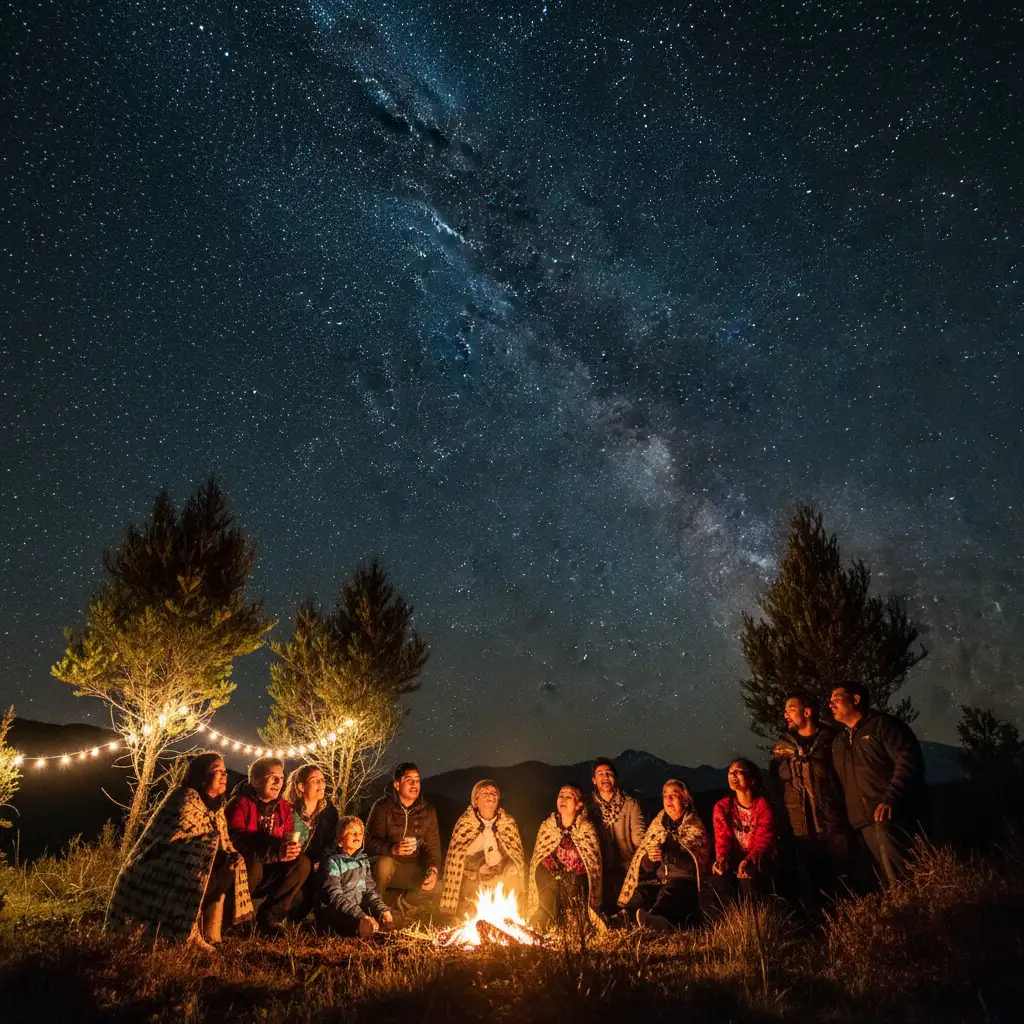
Mānawatia a Matariki
This is the primary phrase championed by the Māori Language Commission and cultural experts. “Mānawatia” implies a welcoming energy. It is not just a passive wish; it is an active celebration. When you say “Mānawatia a Matariki,” you are encouraging the recipient to honour the rising of the stars.
- Translation: Celebrate Matariki / Welcome Matariki.
- Usage: Appropriate for everyone, from casual encounters to formal business speeches.
Ngā Mihi o Matariki
This is a versatile greeting that can be used in written correspondence or spoken conversation. “Ngā mihi” means “greetings” or “acknowledgements.”
- Translation: Greetings of Matariki / Happy Matariki.
- Usage: Great for signing off emails or opening a letter.
Te Kāhui o Matariki
While not a direct “hello,” referring to the cluster itself in greetings adds poetic weight. You might say, “Kia tau iho ngā manaakitanga o te kāhui o Matariki ki runga i a koe” (May the blessings of the Matariki cluster settle upon you).
What are famous Matariki Proverbs (Whakataukī)?
Whakataukī (proverbs) play a central role in Māori oratory. They encapsulate wisdom, history, and environmental observations in short, memorable phrases. Including a whakataukī in your Matariki speech or card adds significant depth and cultural mana.
“Matariki ahunga nui”
Translation: Matariki, the provider of plentiful food.
Context: Historically, Matariki appeared after the harvest was complete and food storehouses (pātaka) were full. This proverb celebrates abundance, hospitality, and the sharing of resources. It is perfect to use when inviting people to a shared lunch or dinner (hākari).

“Matariki tāpuapua”
Translation: Matariki of the many pools.
Context: Matariki rises in mid-winter (June/July), a season often associated with heavy rain and standing water. This proverb acknowledges the natural cycle of the seasons. It reminds us that even the wet, cold months are essential for the earth’s rejuvenation.
“Matariki hunga nui”
Translation: Matariki of the many people.
Context: This refers to the tradition of gathering together. It emphasizes that Matariki is a time for communities to unite, families to reconnect, and people to return home. It captures the essence of whanaungatanga (relationship building).
“Ka puta Matariki ka rere whānui te kandaku”
Translation: When Matariki appears, the kererū flies.
Context: This connects the celestial event with terrestrial biology. The kererū (wood pigeon) was historically hunted during this time as they feasted on berries, becoming plump. It signifies the synchronicity of nature.
How to write Matariki cards and emails
Whether you are sending a corporate newsletter or a personal card to a loved one, structuring your message correctly ensures it resonates. Here are templates and tips for crafting the perfect Matariki message.
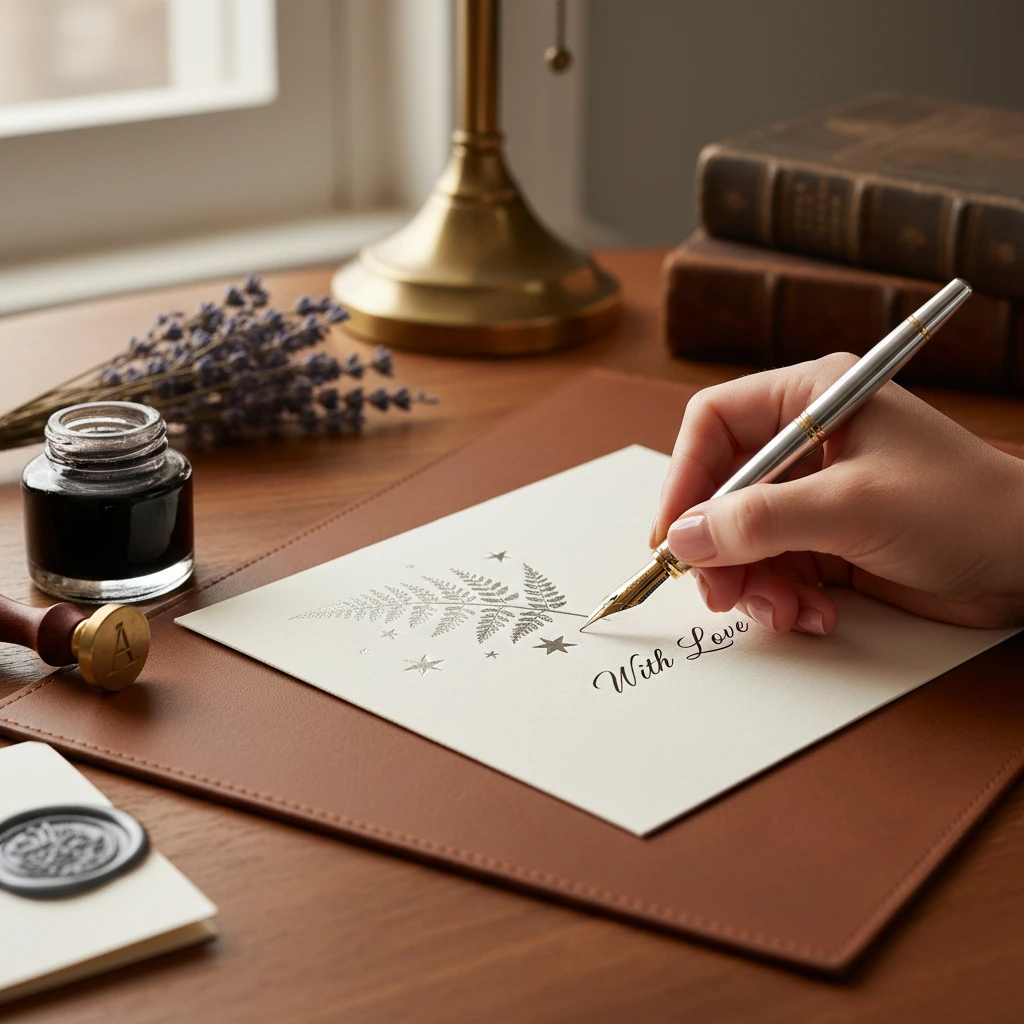
Professional/Corporate Template
In a business context, you want to acknowledge the holiday while maintaining professionalism. Focus on the themes of reflection and planning for the year ahead.
Subject: Mānawatia a Matariki – Celebrating the Māori New Year
Tēnā koe [Name],
As the stars of Matariki rise, we take this moment to reflect on the past year’s achievements and look forward to the opportunities ahead.
“Matariki ahunga nui” – May this season bring abundance and success to you and your team.
Ngā mihi o te tau hou (Greetings of the new year),
[Your Name]
Personal/Family Template
For friends and whānau (family), the tone should be warmer, focusing on remembrance and togetherness.
Kia ora [Name],
Mānawatia a Matariki! Wishing you and your whānau a peaceful and restorative New Year. It is a time to remember those who have passed and to celebrate those of us still here.
Let’s gather soon to share kai and stories.
Arohanui (Much love),
[Your Name]
Matariki Pronunciation Guide
Correct pronunciation is a sign of respect. Te Reo Māori is a phonetic language, meaning words are generally pronounced exactly as they are spelled, with consistent vowel sounds.
The Vowels
- A: ‘ah’ as in car
- E: ‘eh’ as in egg
- I: ‘ee’ as in feet
- O: ‘or’ as in pore
- U: ‘oo’ as in boot
Breaking down “Mānawatia a Matariki”
- Mānawatia: Mah-nah-wah-tea-ah. (Note the macron on the first ‘ā’, indicating a longer vowel sound).
- a: ah
- Matariki: Ma-ta-ri-ki (Mah-tah-ree-key). Keep the ‘r’ soft, almost like a soft ‘d’ sound in English.
Pro Tip: Avoid emphasizing the second syllable (Ma-TA-ri-ki). Aim for an even stress across all syllables.
The Cultural Significance of Greeting During Matariki
Greetings in Te Ao Māori (the Māori world) are more than just pleasantries; they are an exchange of mauri (life force). During Matariki, this exchange takes on heightened spiritual importance.
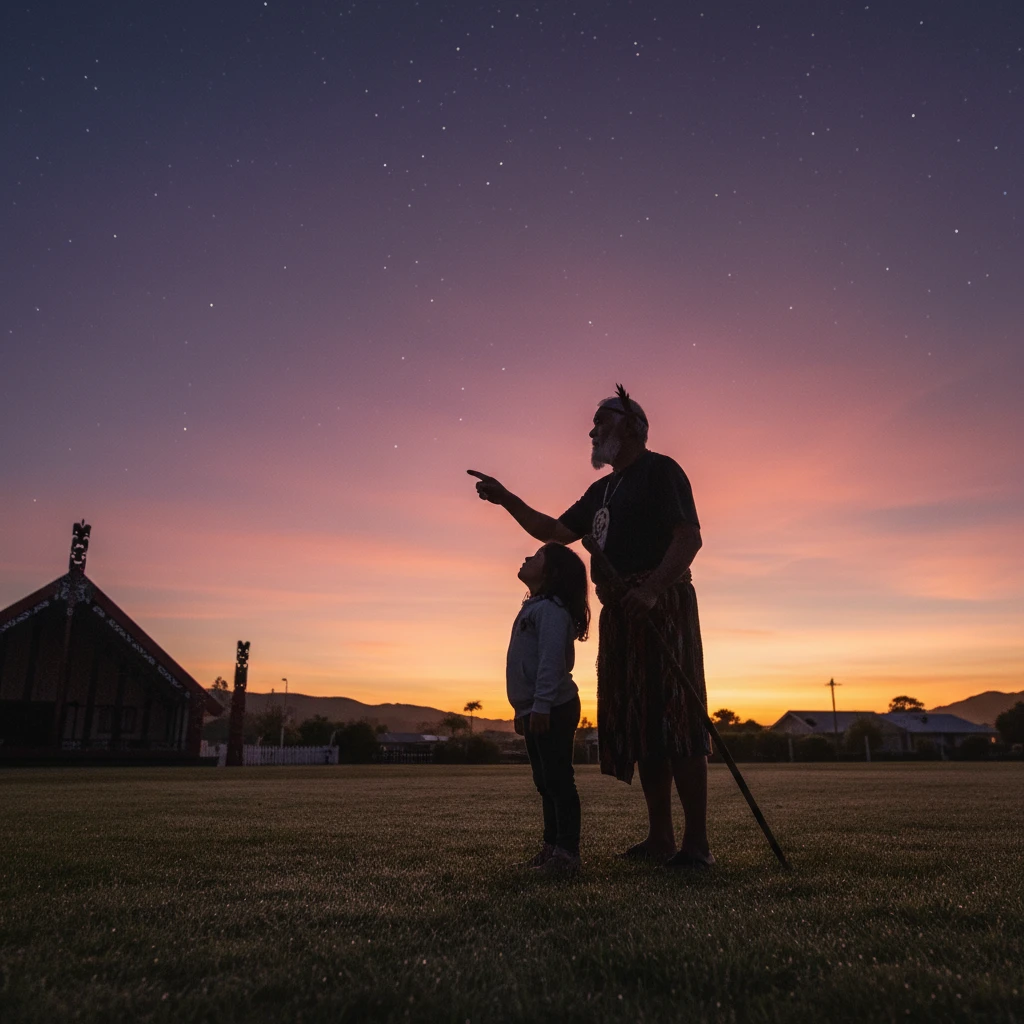
Remembrance (Pōhutukawa)
One of the stars in the cluster, Pōhutukawa, is connected to those who have passed away since the last rising of Matariki. When we greet each other during this time, there is often an unspoken acknowledgement of the grief we have carried and the memories we cherish. It is appropriate to share memories of lost loved ones during greetings.
Celebrating the Present
Matariki is also about the present moment. The greetings serve to ground us. In a fast-paced world, stopping to say “Mānawatia a Matariki” is an act of mindfulness, recognizing the turning of the seasons and our place within the environment.
Looking to the Future (Hiwa-i-te-rangi)
The star Hiwa-i-te-rangi is the “wishing star.” Greetings during this festival often carry the weight of aspirations. When you wish someone a happy Matariki, you are essentially supporting their hopes and dreams for the coming year. It is a time for setting intentions, similar to New Year’s resolutions but deeply rooted in spiritual alignment with nature.
People Also Ask
Is it offensive to say “Happy Matariki”?
No, it is not offensive. However, using the more traditional “Mānawatia a Matariki” is generally preferred as it shows a deeper effort to engage with the language and culture. “Happy Matariki” is acceptable, but “Celebrate Matariki” captures the spirit better.
What do you say when someone says Mānawatia a Matariki?
You can reply with “Mānawatia a Matariki” back to them, or simply say “Ngā mihi” (thank you/greetings) or “Tēnā koe” (thank you/hello to one person).
Can non-Māori celebrate Matariki?
Absolutely. Matariki is a public holiday for all people in Aotearoa New Zealand. Everyone is encouraged to learn about the stars, attend events, share food, and reflect on the year, regardless of their background.
What is the short quote for Matariki?
A popular short phrase is “Ngā mata o te ariki” which means “The eyes of the god.” This is one origin story for the name Matariki (Tāwhirimātea threw his eyes into the heavens). Another short quote is simply “Matariki hunga nui” (Matariki of the many people).
How do you end a Matariki email?
You can sign off with “Ngā mihi o te tau hou” (Greetings of the new year), “Noho ora mai” (Stay well), or simply “Mānawatia a Matariki” followed by your name.
What are the 3 main themes of Matariki?
The three main themes are: 1) Remembering the past (and those who have died), 2) Celebrating the present (gathering with family and sharing food), and 3) Looking to the future (planning and setting intentions).