
Matariki is a movable public holiday in New Zealand determined by the Maramataka (Māori lunar calendar). It is observed on the Friday closest to the Tangaroa phase of the moon following the rising of the Pleiades star cluster. In 2024, the holiday falls on Friday, 28 June. For 2025, it is scheduled for Friday, 20 June.
As the first indigenous public holiday in the world, Matariki marks a significant cultural shift in Aotearoa New Zealand. Unlike holidays fixed to the Gregorian calendar, the Matariki holiday date changes annually, reflecting the environmental and astronomical rhythms of the southern hemisphere. This guide provides authoritative data on upcoming dates through 2052, explains the complex lunar science behind the scheduling, and offers strategic planning advice for businesses, schools, and travelers.

When is the Matariki Public Holiday? (2024–2030)
The Te Kāhui o Matariki Public Holiday Act 2022 formally established the dates for the holiday for three decades. Because the holiday is based on a lunar cycle (which is approximately 11 days shorter than a solar year), the dates fluctuate significantly from late June to mid-July. Below is the confirmed schedule for the immediate future to assist with long-term planning.
Confirmed Holiday Schedule
- 2024: Friday, 28 June
- 2025: Friday, 20 June
- 2026: Friday, 10 July
- 2027: Friday, 25 June
- 2028: Friday, 14 July
- 2029: Friday, 6 July
- 2030: Friday, 21 June
Note on “Mondayisation”: Unlike Anzac Day or Waitangi Day, Matariki will always be observed on a Friday. This ensures a consistent three-day long weekend for New Zealanders, specifically designed to encourage travel home to whānau (family) and participation in winter festivities.
How is the Matariki Holiday Date Calculated?
The determination of the Matariki holiday date is a sophisticated process that reintegrates indigenous knowledge systems (Mātauranga Māori) into modern legislation. It is not a random selection but a precise astronomical calculation spearheaded by the Matariki Advisory Group, led by Professor Rangi Matamua.
The Role of the Maramataka
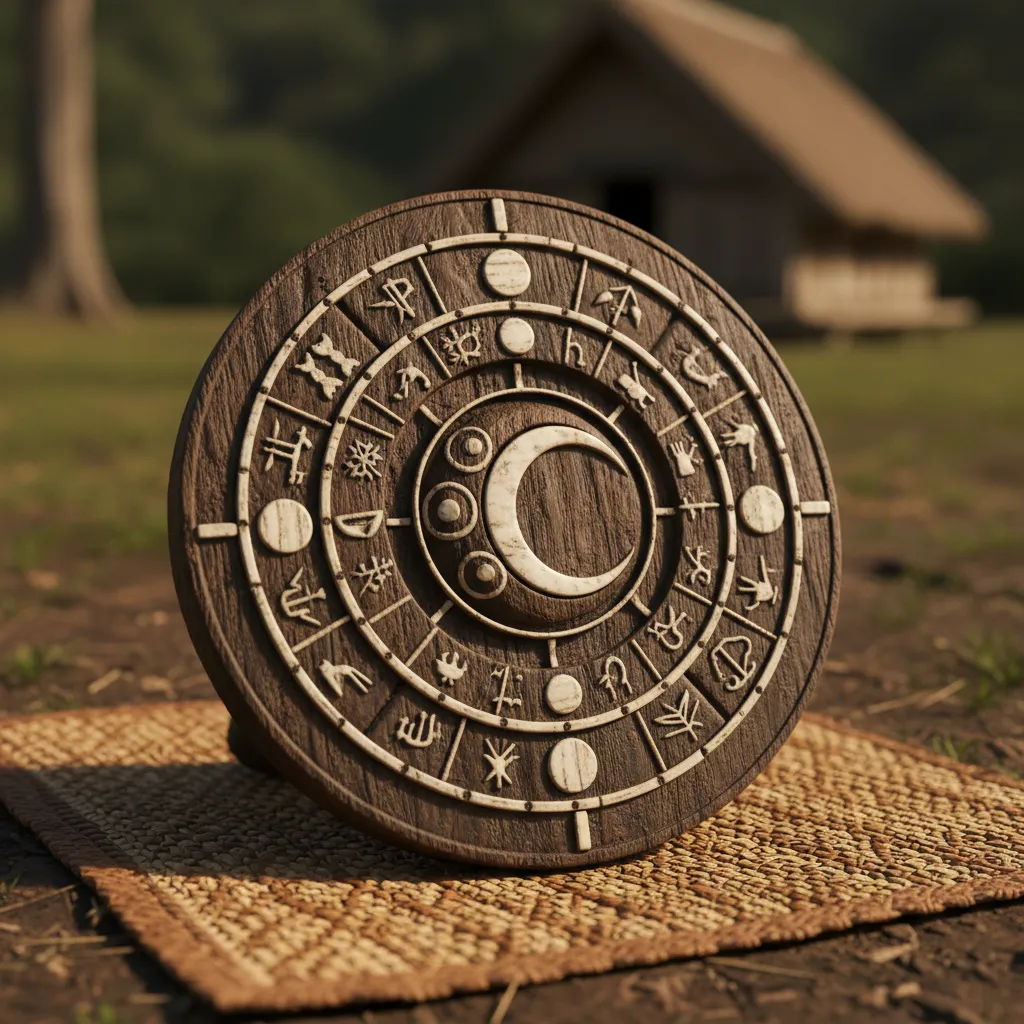
The Western Gregorian calendar is solar, but the Māori calendar, the Maramataka, is lunar-stellar. It tracks the phases of the moon and the position of stars. Because the lunar year is 354 days long (compared to the solar 365.25 days), a standard date cannot be used.
The holiday date is set based on the following criteria:
- The Heliacal Rising: The date must follow the reappearance of the Matariki cluster (Pleiades) in the pre-dawn sky, which typically occurs in mid-winter.
- The Tangaroa Moon Phase: The holiday is aligned with the Tangaroa phase of the lunar cycle. In Māori tradition, the Tangaroa period (specifically the last quarter/waning crescent) is considered a time of productivity and abundance.
- Regional Variation Adjustment: While different iwi (tribes) may observe Matariki at slightly different times—or look to the star Puanga (Rigel) instead—the national holiday date was compromised to a single Friday that approximates the correct lunar phase for the majority of the country.
Understanding the Stars of Matariki
To fully appreciate the holiday, one must understand the significance of the cluster itself. While the Greeks identified seven sisters, Māori astronomy typically identifies nine stars in the cluster, each governing a specific environmental domain. The visibility and brightness of these stars during the holiday period were traditionally used to predict the harvest and weather for the coming year.
- Matariki: The mother star, signifying reflection, hope, and the health of the people.
- Pōhutukawa: Connects to those who have passed away; the star of remembrance.
- Tupuānuku: Associated with food grown in the ground (kumara, potatoes).
- Tupuārangi: Associated with food from the sky (birds, fruit from trees).
- Waipuna-ā-rangi: Associated with rain.
- Ururangi: Associated with the winds.
- Waitī: Associated with fresh water and food sources within it (eels).
- Waitā: Associated with the ocean and food sources within it (fish).
- Hiwa-i-te-rangi: The wishing star; associated with granting desires for the coming year.
During the public holiday, cultural events often focus on these domains, with specific attention paid to environmental conservation (Waitī/Waitā) and remembrance services (Pōhutukawa).
Impact on School Terms and Education
For parents and educators, the Matariki holiday presents a unique logistical factor. It generally falls near the end of School Term 2, but because the date shifts, its position relative to the school holidays changes.
Term 2 Planning
Typically, New Zealand School Term 2 runs from late April to early July. The Matariki holiday acts as a reprieve during the darker, colder weeks of the academic year.
- Late June Dates (e.g., 2024, 2025): The holiday occurs a week or two before the end of the term, providing a long weekend break before final assessments.
- July Dates (e.g., 2026, 2028): In years where Matariki falls in July, it may coincide with the very last day of the term or fall within the school holidays themselves.
The Ministry of Education encourages schools to utilize the weeks leading up to the holiday for curriculum focused on astronomy, local history, and environmental science, culminating in school-wide celebrations before the long weekend.

Strategic Planning for Businesses and Tourism
For the tourism and hospitality sectors, Matariki has become a critical economic driver during the “shoulder season.” Historically, mid-winter is a quiet period for domestic tourism in New Zealand, outside of ski resorts.
The “Matariki Effect” on Tourism
The creation of a long weekend in June/July has stimulated a micro-economy centered on winter festivals. Regions like Wellington (Matariki ki Pōneke) and Auckland have developed extensive festival programs.
- Hospitality: Restaurants often curate “Matariki Feasts” utilizing ingredients associated with the stars (e.g., kumara, eel, berries).
- Accommodation: Providers should anticipate high demand for the Thursday and Friday nights of the holiday weekend.
- Retail: There is a growing market for locally made goods, art, and clothing that celebrate Māori design, replacing the commercial void between Easter and Father’s Day.
Payroll Considerations
Employers must treat Matariki as a standard public holiday. If an employee works on Matariki, they are entitled to time-and-a-half pay and an alternative day off (day in lieu). Because the date moves, payroll systems must be updated annually to reflect the correct Friday.
Long-Range Forecast (2031–2052)
The Matariki Advisory Group has projected dates well into the future to ensure stability for calendar manufacturers and long-term infrastructure planning. While the immediate focus is on the 2020s, knowing the cyclic nature of the dates is helpful.
- 2031: Friday, 11 July
- 2032: Friday, 2 July
- 2033: Friday, 24 June
- 2034: Friday, 7 July
- 2035: Friday, 29 June
- 2036: Friday, 18 July
- 2037: Friday, 10 July
- 2038: Friday, 25 June
- 2039: Friday, 15 July
- 2040: Friday, 6 July
Note: These dates are legislated but technically subject to amendment if significant astronomical deviation were to occur, though this is highly unlikely given the precision of the advisory group’s modeling.
How to Observe Matariki
Matariki is distinct from other holidays in that it is not centered on consumerism or religious orthodoxy in the Western sense. It is built on three major pillars: Remembrance (honoring those lost since the last rising), Celebrating the Present (gathering to give thanks for what we have), and Looking to the Future (planning for the approaching season).
Recommended Activities
- Umu Kohukohu Whetū: This is a traditional ceremony involving an earth oven to feed the stars. While strict traditional ceremonies are often conducted by experts, families can replicate the concept by cooking a shared meal (hākari) with steam rising to the sky.
- Stargazing: Find a location away from city lights. The best time to view Matariki is pre-dawn, looking towards the northeast horizon.
- Planting: As Tupuānuku is a key star, many communities organize tree-planting days to restore local wetlands or forests during the holiday weekend.

Frequently Asked Questions
Why does the Matariki date change every year?
The date changes because it is based on the Maramataka (Māori lunar calendar), which is 354 days long, rather than the solar Gregorian calendar. To keep the holiday aligned with the correct moon phase and the rising of the stars, the date must shift annually, similar to how Easter dates are determined.
Is Matariki always on a Friday?
Yes, the Te Kāhui o Matariki Public Holiday Act 2022 specifically legislates that the holiday will always be observed on a Friday. This was decided to minimize disruption to the working week and to guarantee a three-day long weekend for all New Zealanders.
What happens if I can’t see the stars on the holiday?
The holiday date is set based on the calculated rising of the stars, regardless of local weather conditions. Even if it is cloudy or raining, the holiday proceeds. Historically, if the stars were obscured by bad weather for several days, it was sometimes interpreted as a sign regarding the weather for the coming year.
Is Matariki a public holiday for everyone in NZ?
Yes, Matariki is a standard national public holiday in New Zealand. Schools, government offices, and most businesses are closed. Employees who work are entitled to standard public holiday pay rates.
How do I pronounce Matariki?
The pronunciation is “Mah-tah-ree-key.” The ‘a’ sounds are short like in ‘car’, the ‘r’ is a soft rolled tap (similar to a ‘d’), and the ‘i’ sounds like the ‘ee’ in ‘see’.
What is the difference between Matariki and Puanga?
In some parts of New Zealand (specifically the West Coast and parts of the Northland/Taranaki), the Matariki cluster is difficult to see due to geography. Tribes in these areas often observe Puanga (the star Rigel) to mark the New Year. However, the national holiday date is unified under Matariki for administrative consistency.