
Matariki travel in New Zealand centers on the mid-winter public holiday marking the Māori New Year. It involves visiting Dark Sky Reserves for stargazing, attending cultural festivals featuring light shows and hāngī, and engaging in indigenous tourism experiences that honor the rising of the Pleiades star cluster.
The Rise of Matariki Tourism: Celebrating Aotearoa’s Indigenous New Year
The establishment of Matariki as a public holiday in New Zealand has transformed the winter travel landscape. No longer just a shoulder season, June and July have become a peak period for domestic and international travelers seeking cultural immersion. Matariki is a time for remembrance, celebrating the present, and looking to the future. For the discerning traveler, this offers a unique opportunity to engage with Aotearoa’s history through a lens of indigenous science, astronomy, and hospitality (manaakitanga).
What are the Top NZ Destinations for Matariki Weekend?
While the Matariki star cluster is visible across the country, specific regions have curated exceptional experiences that blend commercial tourism with cultural authenticity. Choosing the right destination depends on whether you seek vibrant festivals or quiet reflection.
1. Rotorua: The Cultural Heartland
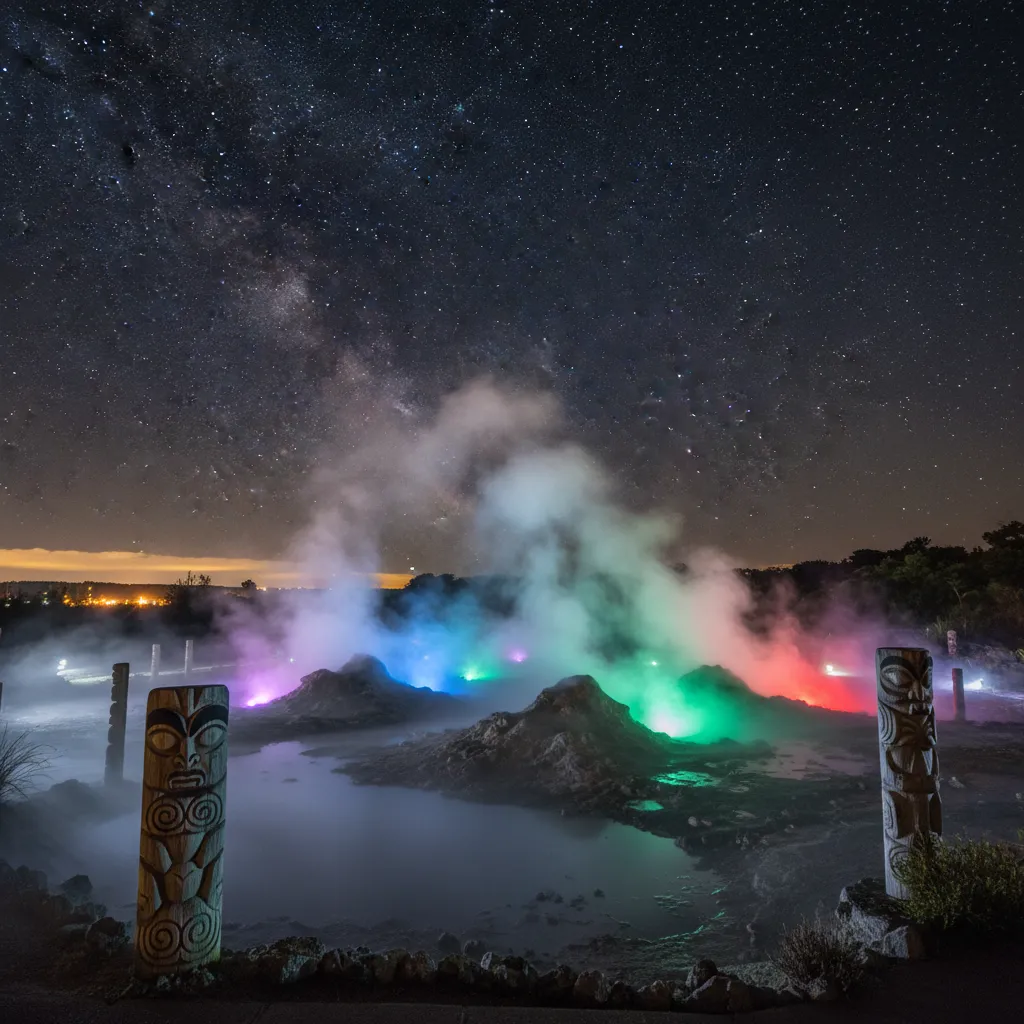
Rotorua remains the premier destination for those seeking a deep connection to Māori culture. During Matariki, the geothermal city comes alive with markets, storytelling, and indigenous food festivals. The combination of steam rising from the earth and the crisp winter air creates an atmospheric setting perfect for the New Year.
- Key Experience: Visit Te Puia for their specific Matariki after-hours experiences, where geysers are lit up under the night sky, accompanied by indigenous storytelling regarding celestial navigation.
- Accommodation: Book luxury lodges around Lake Tarawera for seclusion, or central hotels for access to the ‘Matariki Dish Challenge’ featuring local ingredients.
2. Wellington: The Capital of Culture
The capital city hosts ‘Matariki Ahi Kā’, a massive celebration on the waterfront. Wellington utilizes its position as a cultural hub to offer museum-grade exhibitions at Te Papa Tongarewa alongside immersive outdoor light installations.
- Key Experience: The waterfront walk during the Ahi Kā festival features large-scale projections on water and buildings, honoring the fire of the ancestors.
- Commercial Tip: Restaurants in the CBD often run fixed-price Matariki menus. Reservations are essential at least three weeks in advance.
3. Wānaka and Queenstown: Alpine Celebrations
While known for skiing, the Southern Lakes district has embraced Matariki with dawn ceremonies and lakefront gatherings. The reflection of the mountains in the winter lakes provides a stunning backdrop for viewing the cluster just before sunrise.
Where are the Best Dark Sky Reserves for Matariki?
Matariki is fundamentally an astronomical event. Viewing the Pleiades cluster (Matariki) is the highlight of the holiday. New Zealand boasts some of the darkest skies in the world, making it a prime location for astro-tourism.
Aoraki Mackenzie International Dark Sky Reserve
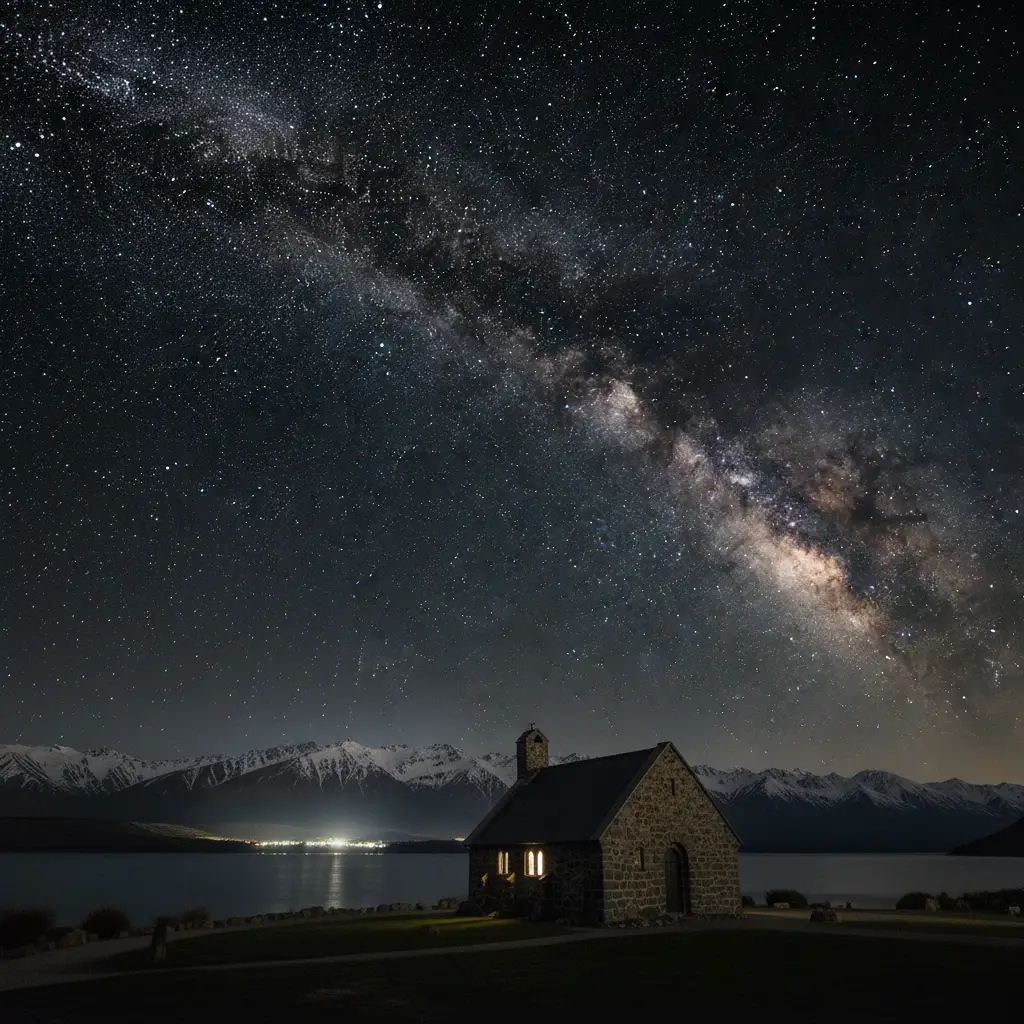
This is the gold standard for stargazing in the Southern Hemisphere. Located in the center of the South Island, the reserve strictly controls light pollution to ensure pristine viewing conditions.
Commercial Options:
- Dark Sky Project (Tekapo): Offers summit experiences at the Mt John Observatory. Their tours are educational, focusing on both western astronomy and Māori astronomy (tātai arorangi).
- Hot Pools Stargazing: Tekapo Springs offers floating stargazing experiences, combining relaxation with education.
Great Barrier Island (Aotea)
For an off-the-grid experience, Aotea (Great Barrier Island) is an Island Sanctuary Dark Sky Sanctuary. It is accessible by a short flight or ferry from Auckland.
- The Experience: Unlike Tekapo, Aotea is rugged and wild. Tours here are intimate and often led by locals who share island history alongside celestial knowledge.
- Logistics: Accommodation is limited to baches (holiday homes) and eco-lodges. Booking ferry tickets for vehicles must be done months in advance for holiday weekends.
Wairarapa Dark Sky Reserve
A newer addition to the list, accessible from Wellington. This region offers ‘Star Safari’ experiences and is perfect for travelers who want a dark sky experience without traveling to the deep South.
Family-Friendly Night Activities and Festivals
Matariki is a time for *whānau* (family). Across the country, local councils and tourism operators organize events designed to be safe, educational, and visually spectacular for children and adults alike.
Light Trails and Illuminations
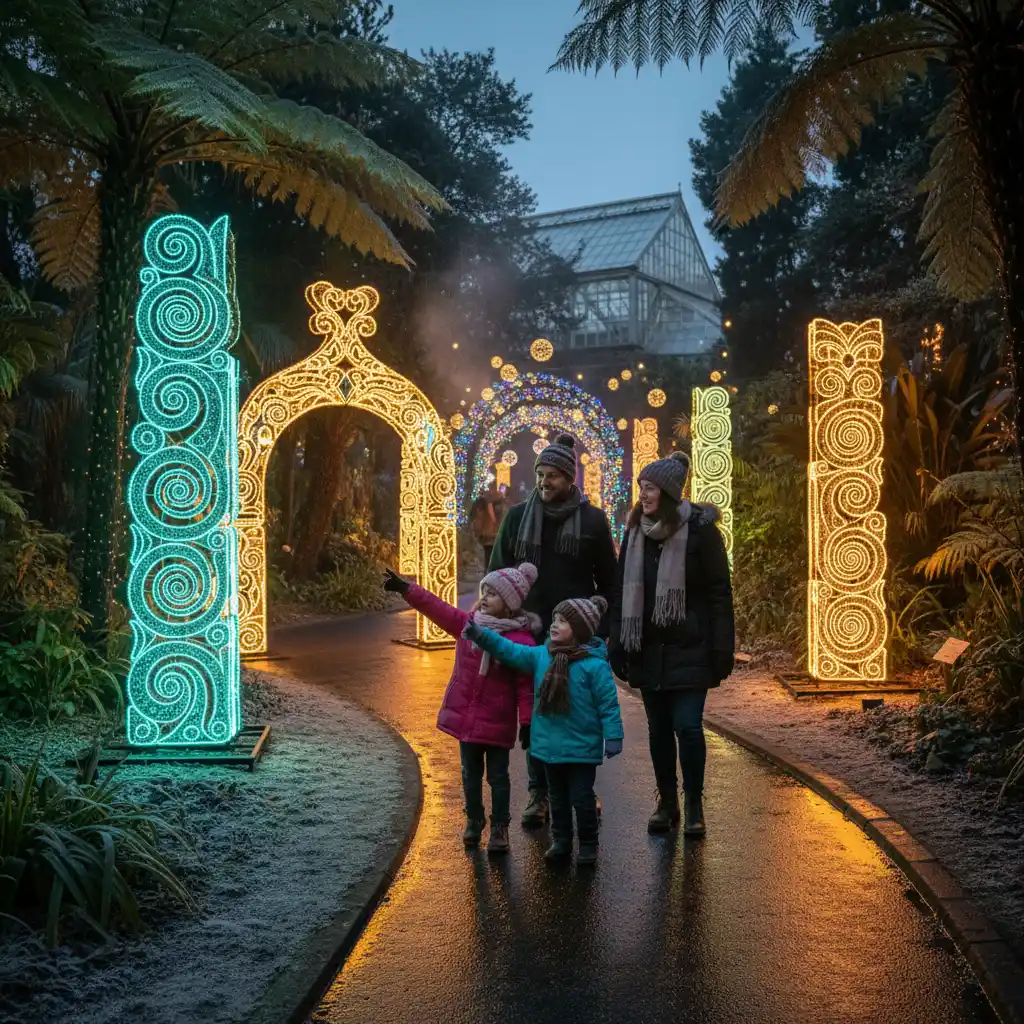
Because the sun sets early in June and July (around 5:00 PM), night activities are accessible for young children. Cities like Auckland (Vector Lights on the Harbour Bridge) and Hamilton (Hamilton Gardens) set up extensive light trails.
Commercial Highlight: Look for ‘Glow Worm’ kayak tours in the Waikato region. While not strictly a Matariki event, the bioluminescence mimics the night sky, and operators often weave in Matariki narratives during the holiday period.
Hākari: The Ceremonial Feast
Food is central to Matariki. The harvesting of crops is finished, and the storehouses are full. This is the time to feast. Many high-end restaurants and local iwi (tribes) offer Hāngī experiences.
- Traditional Hāngī: Food cooked in an earth oven. In regions like Northland and Rotorua, you can book tickets to community hāngī events.
- Modern Fusion: Top chefs in Auckland and Christchurch create degustation menus using indigenous ingredients like kūmara, horopito, and kawakawa.
Indigenous Cultural Safety & Etiquette
Traveling during Matariki requires a level of cultural awareness to ensure respectful engagement with the holiday. This market niche focuses on ‘regenerative tourism’—leaving a place better than you found it.
Understanding the Principles
- Tapu and Noa: Understand the difference between sacred (tapu) and common (noa). For example, do not sit on tables or surfaces used for food.
- Kaitiakitanga (Guardianship): When visiting natural sites, especially for stargazing, ensure you take all rubbish with you. Respect the silence of the night; stargazing is often a spiritual practice for Māori, involving karakia (prayer).
Pronunciation Matters
Making an effort to pronounce ‘Matariki’ (Mah-tah-ree-key) and place names correctly is a sign of respect. Many tourism operators will appreciate the effort, and it deepens your connection to the location.
Booking Logistics for the Winter Long Weekend
The Matariki public holiday creates a high-demand long weekend. Unlike summer holidays, winter travel in New Zealand involves specific logistical challenges that must be managed to ensure a smooth trip.
Transport and Safety
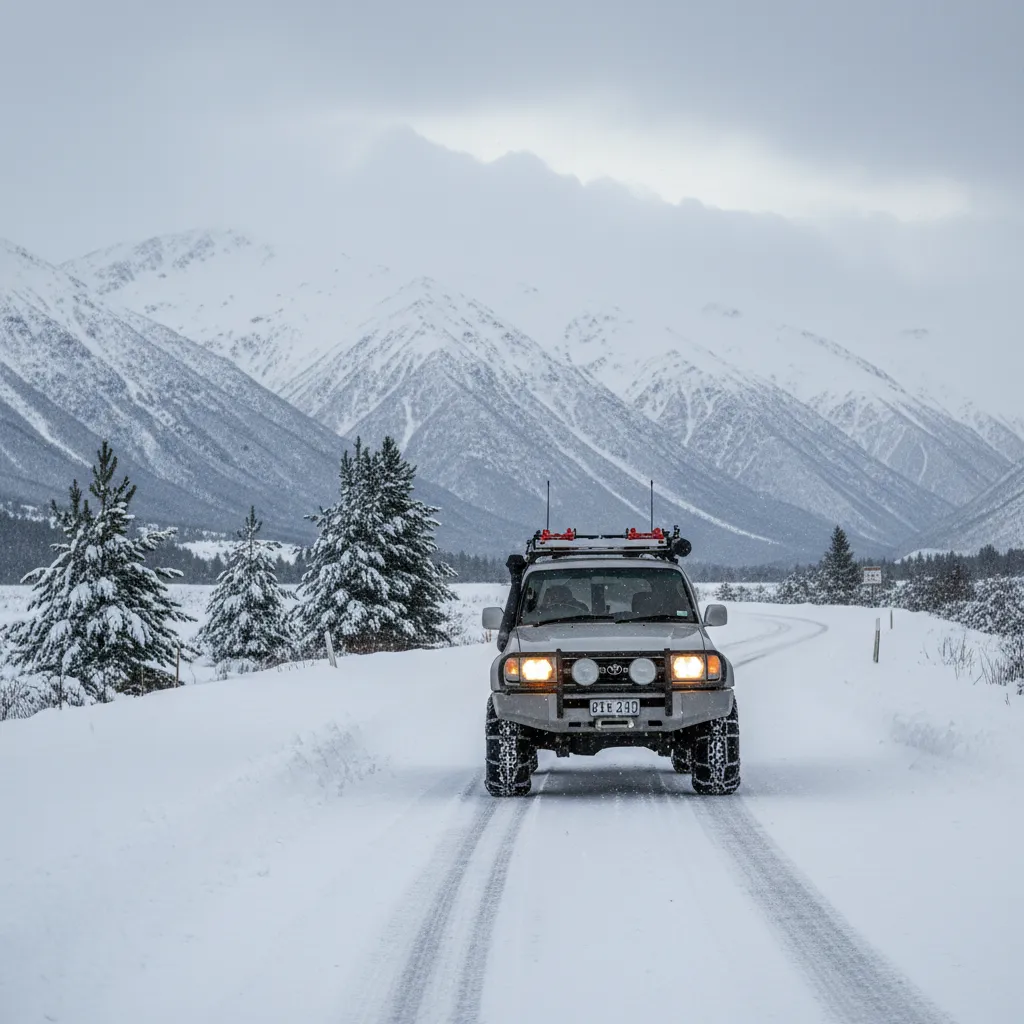
If you are traveling to the South Island or Central North Island Plateau, winter driving conditions apply. Ice and snow are common on mountain passes (e.g., Arthur’s Pass, Desert Road).
- Rental Vehicles: Ensure your rental agreement includes snow chains if you are heading south. 4WD vehicles are highly recommended for accessing ski fields or remote dark sky locations.
- Ferry Crossings: The Interislander and Bluebridge ferries between North and South Islands book out very quickly for the long weekend. Book at least 2 months prior.
Accommodation Strategy
Because Matariki is a newer holiday, some international travelers are caught off guard by the surge in domestic tourism. Prices for accommodation in Queenstown, Wanaka, and Rotorua spike significantly.
- Commercial Advice: Look for “Winter Warmer” packages. Hotels often bundle accommodation with spa treatments or dinner vouchers to attract guests during the colder months.
- Cancellation Policies: Winter weather can disrupt travel (fog at airports, snow on roads). Always opt for flexible booking rates or ensure your travel insurance covers weather-related cancellations.
People Also Ask
When is the best time to see the Matariki star cluster?
The best time to view Matariki is in the early morning, just before dawn (between 5:30 AM and 6:30 AM), looking towards the northeast horizon. The ideal viewing period is usually late June to mid-July, during the lunar phase known as Tangaroa.
Is everything open during the Matariki public holiday?
While most tourist attractions, hotels, and restaurants remain open, some retail stores and supermarkets may have reduced operating hours. A surcharge of 10-15% is common at cafes and restaurants on public holidays to cover staff penalty rates.
What should I wear for Matariki events?
Matariki occurs in mid-winter. Dress in warm layers. Thermal base layers, a waterproof outer shell, beanies, gloves, and sturdy footwear are essential, especially if you are attending outdoor light festivals or dawn stargazing ceremonies.
Can I see Matariki from Auckland?
Yes, you can see the cluster from Auckland, provided you are away from intense city lights. Good viewing spots include Mount Eden (Maungawhau) or One Tree Hill (Maungakiekie). However, light pollution makes it fainter than in Dark Sky Reserves.
How far in advance should I book for Matariki travel?
For the Matariki long weekend, it is recommended to book flights and accommodation 3 to 4 months in advance. For high-demand experiences like the Dark Sky Project or premium hāngī dinners, booking 6 months out is safer.
Is Matariki the same date every year?
No. Matariki follows the Māori lunar calendar (Maramataka), so the dates shift every year, similar to Easter. The public holiday is generally set for a Friday in June or July to align with the closest relevant lunar phase.