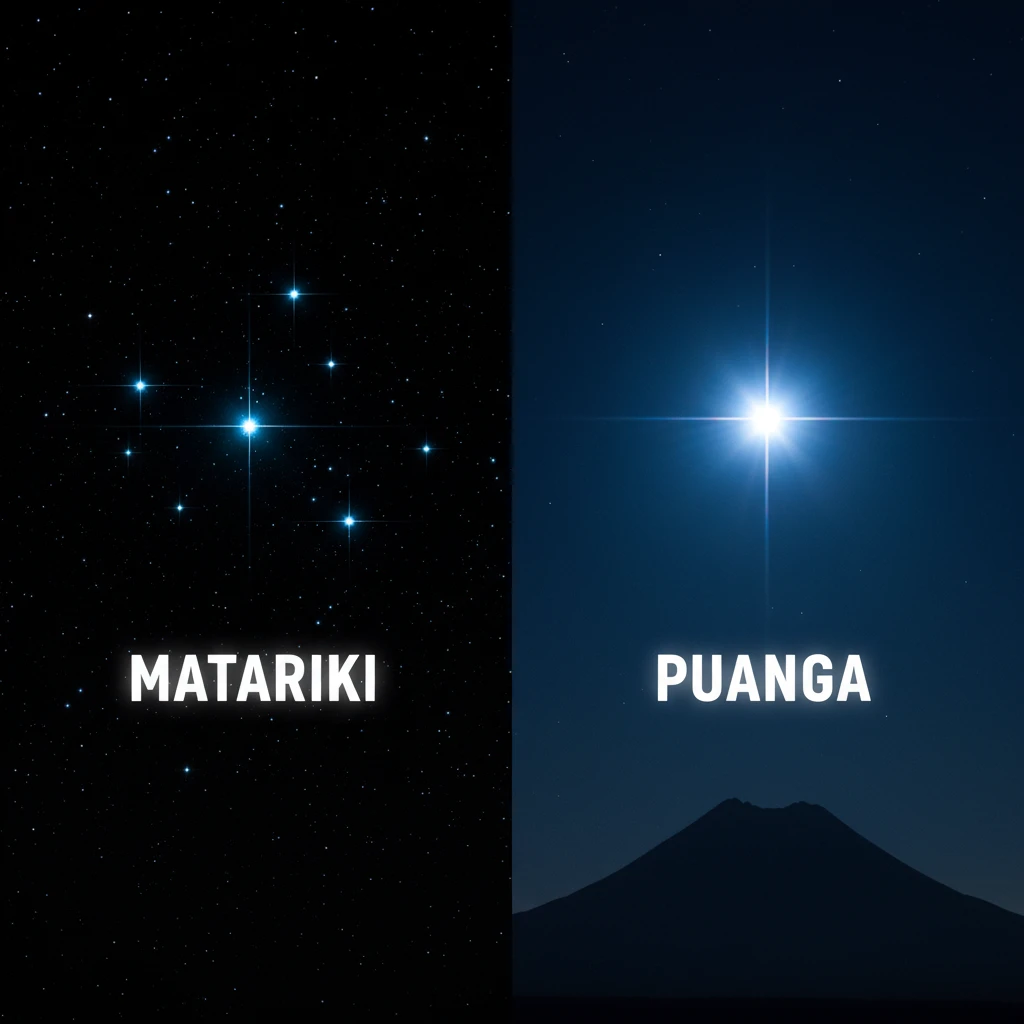
The primary difference between Matariki and Puanga is geographical visibility. While Matariki (the Pleiades) signals the Māori New Year for most of Aotearoa, iwi in the West Coast and Far North cannot view it clearly due to mountain ranges. Instead, they observe the rise of Puanga (Rigel) to mark the seasonal shift and the beginning of the new year.
For centuries, the pre-dawn rising of specific stars has governed the indigenous calendar of Aotearoa, New Zealand. While the national holiday and public discourse focus heavily on Matariki, a significant portion of the country celebrates Puanga. Understanding the difference between Matariki and Puanga is not just a lesson in astronomy; it is a journey into the regional nuances of Māori culture, the diverse geography of New Zealand, and the rich whakapapa (genealogy) of the night sky.
As interest in Dark Sky tourism explodes across New Zealand, from the Aoraki Mackenzie International Dark Sky Reserve to the sanctuaries of Great Barrier Island, visitors are increasingly asking: Why do some regions look to a different star? This guide explores the astronomical, geographical, and cultural distinctions that define these two celestial heralds.
The Role of Geography: Why Visibility Dictates Tradition
The most critical factor driving the difference between Matariki and Puanga is the physical landscape of Aotearoa. The Māori New Year is determined by the heliacal rising of stars—when they first become visible on the eastern horizon just before dawn, after disappearing for a period.
However, Aotearoa is a land of rugged topography. The Southern Alps and other significant mountain ranges create natural horizons that differ vastly depending on where an observer stands.
West Coast vs. East Coast Visibility
For iwi (tribes) located on the East Coast of the North and South Islands, the horizon is generally flat, looking out over the Pacific Ocean. Here, the cluster of Matariki appears low on the horizon in mid-winter (June/July). The view is unobstructed, allowing for a clear reading of the stars to predict the productivity of the coming season.
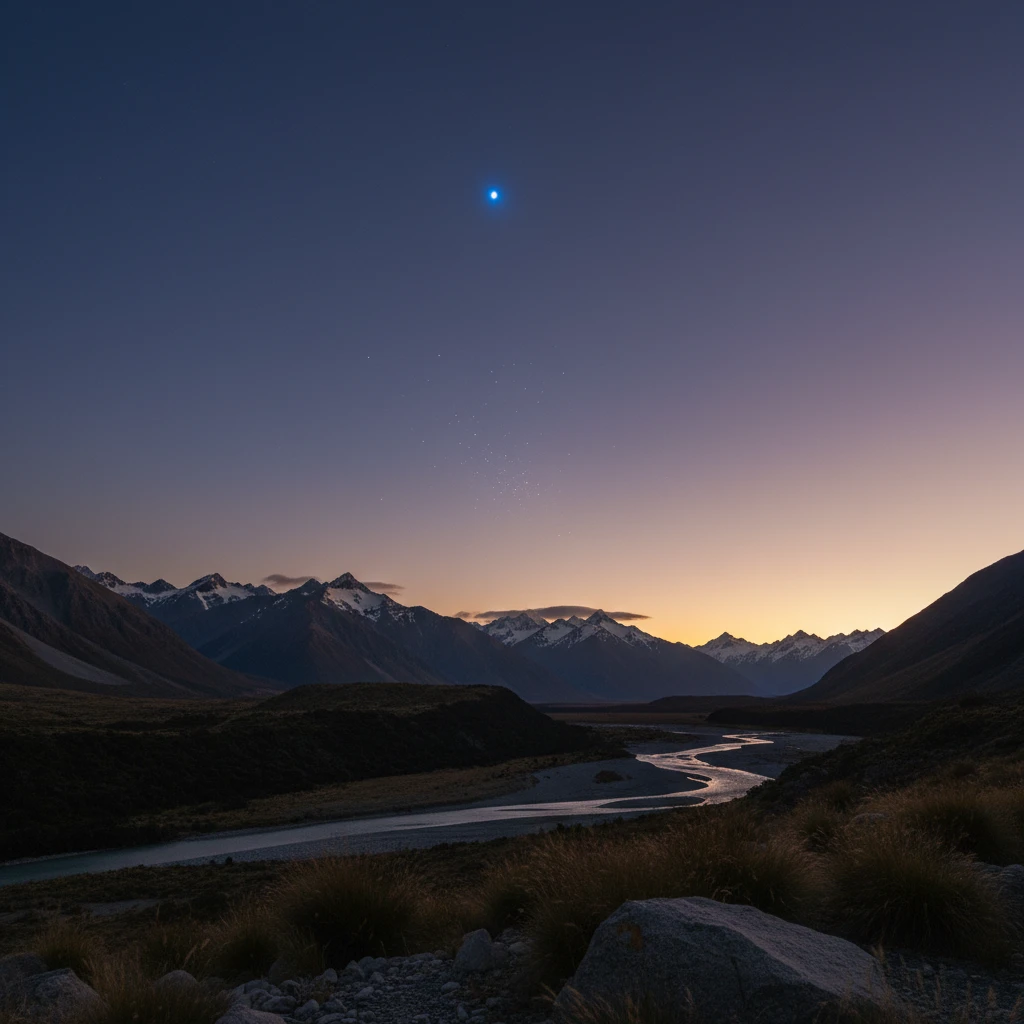
Conversely, for iwi located on the West Coast—particularly in Taranaki, Whanganui, and parts of the Far North (Te Tai Tokerau)—the view to the east is blocked. In Taranaki, the majestic Mount Taranaki dominates the skyline; in other areas, the central plateau ranges obscure the low horizon where Matariki rises. Because Matariki is a relatively faint cluster of stars, it struggles to shine above the high ridgelines before the sun’s light drowns it out.
Therefore, these tribes look higher in the sky to a brighter, singular star that rises around the same time: Puanga.
The Astronomy: Pleiades vs. Rigel
To truly understand the difference between Matariki and Puanga, one must look at the astrophysics of the stars themselves. They are distinct celestial entities with different magnitudes, colors, and classifications.
What is Matariki?
Matariki is the Māori name for the Pleiades (Messier 45). It is an open star cluster located in the constellation Taurus. From an astronomical perspective, it contains over 1,000 stars, but to the naked eye, typically 7 to 9 stars are visible. These stars are hot, blue luminous stars that have formed within the last 100 million years.
- Distance: Approximately 444 light-years from Earth.
- Visual Characteristic: A tight cluster resembling a small shimmering cloud or a miniature dipper.
- Brightness: The brightest star in the cluster, Alcyone, has a magnitude of 2.86.
What is Puanga?
Puanga is the Māori name for the star Rigel. It is the brightest star in the constellation Orion (The Pot) and the seventh-brightest star in the entire night sky. Rigel is a blue-white supergiant, radiating with immense energy.
- Distance: Approximately 860 light-years from Earth.
- Visual Characteristic: A singular, piercing point of blue-white light located above Tautoru (Orion’s Belt).
- Brightness: Magnitude 0.13, making it significantly brighter and easier to spot than the individual stars of Matariki.
Because Puanga (Rigel) is situated higher in the celestial sphere relative to the ecliptic and is intrinsically brighter, it clears the mountain ranges and atmospheric haze much earlier and more distinctly than the delicate cluster of Matariki.
Cultural Significance and Whakapapa
While the astronomical differences are clear, the cultural interpretations provide the soul of the celebration. Both stars signal the New Year, but they hold slightly different roles within Māori cosmology.
The Sign of Matariki
Matariki is often viewed as a mother surrounded by her daughters. The cluster is deeply connected to the cycle of life and death. The appearance of Matariki prompts the calling out of names of those who have passed away since the last rising, releasing their spirits to become stars. Furthermore, the brightness and clarity of each individual star in the cluster predict the bounty of specific food sources (gardens, forests, fresh water, and ocean) for the coming year.
The Role of Puanga
Puanga is often personified as the older brother or a close relation to Matariki. In tribal narratives, particularly among Whanganui and Taranaki iwi, there is a saying: “Puanga kai rau” (Puanga of the abundant food). Because Puanga rises slightly earlier than Matariki in the cosmic dance, he is seen as the herald who announces the coming of the New Year, aiming to ensure the food storehouses are full.
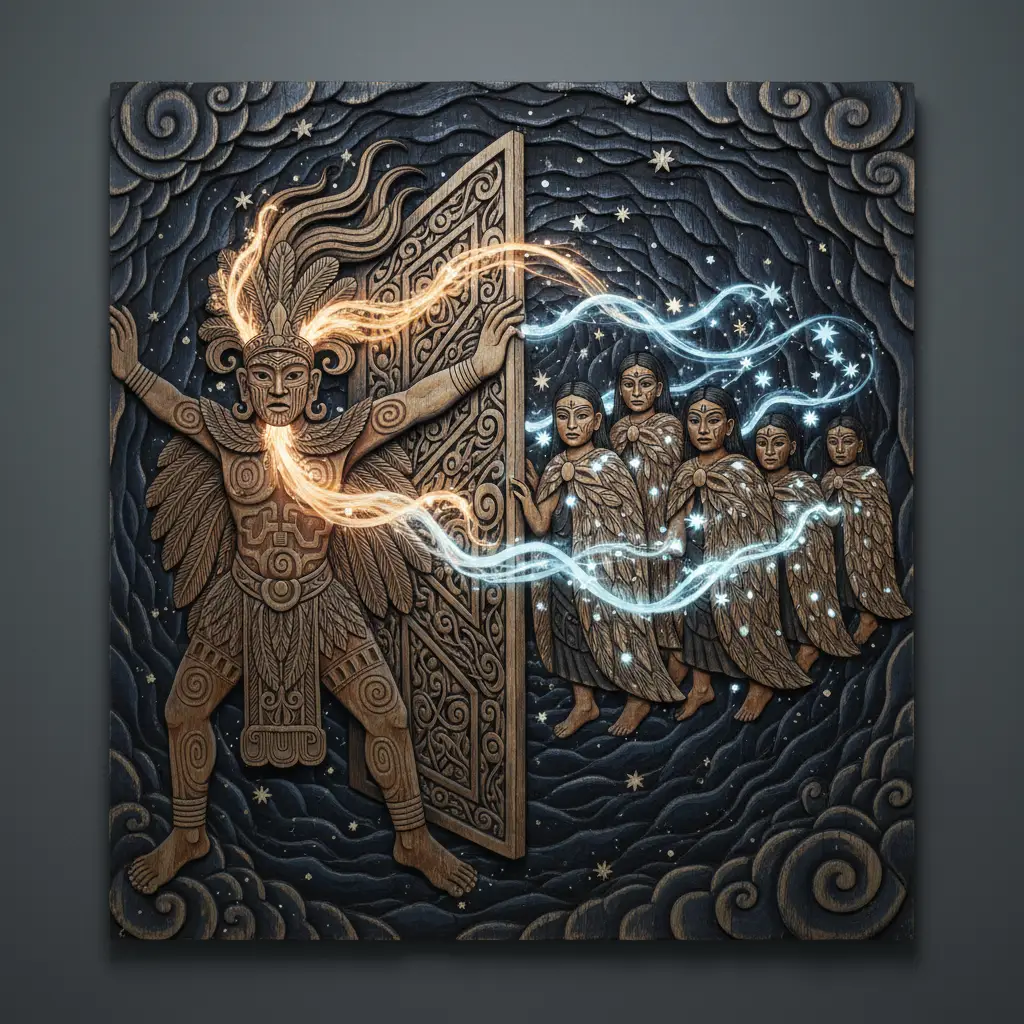
In some traditions, there is a playful rivalry. Since Puanga is brighter, he is sometimes viewed as trying to outshine Matariki. However, the prevailing view is one of cooperation: Puanga opens the door to the New Year in the West, while Matariki confirms it in the East. They work in tandem to guide the people.
How Celebrations Differ by Region
The mode of celebration remains largely consistent—feasting, remembrance, and planning—but the focal point of the karakia (prayers) changes.
In Puanga Regions (Taranaki, Whanganui, Far North):
Celebrations often emphasize the preservation of crops and the preparation of food storehouses (pātaka). The sighting of Puanga is a cue to finish the harvest and prepare the earth for winter dormancy. The connection to the mountain (Maunga Taranaki or Ruapehu) is also central to the observance, connecting the celestial star with the terrestrial peak.
In Matariki Regions (Waikato, East Coast, South Island):
The focus is often on the reading of the nine stars. Tohunga (experts) look for the color and distinctness of stars like Tupu-ā-nuku (food from the earth) and Waitī (fresh water). If a specific star is hazy, it predicts scarcity in that domain. The celebrations here are deeply tied to the specific environmental domains represented by the individual stars of the cluster.
Dark Sky Tourism: Where to View Matariki and Puanga
For the modern traveler and astronomy enthusiast, New Zealand offers world-class locations to witness these celestial events. The rise of Dark Sky tourism has made these indigenous celebrations accessible to a global audience.
Best Places to View Matariki
To see the cluster rise over the water, the East Coast is premier. However, for the darkest skies:
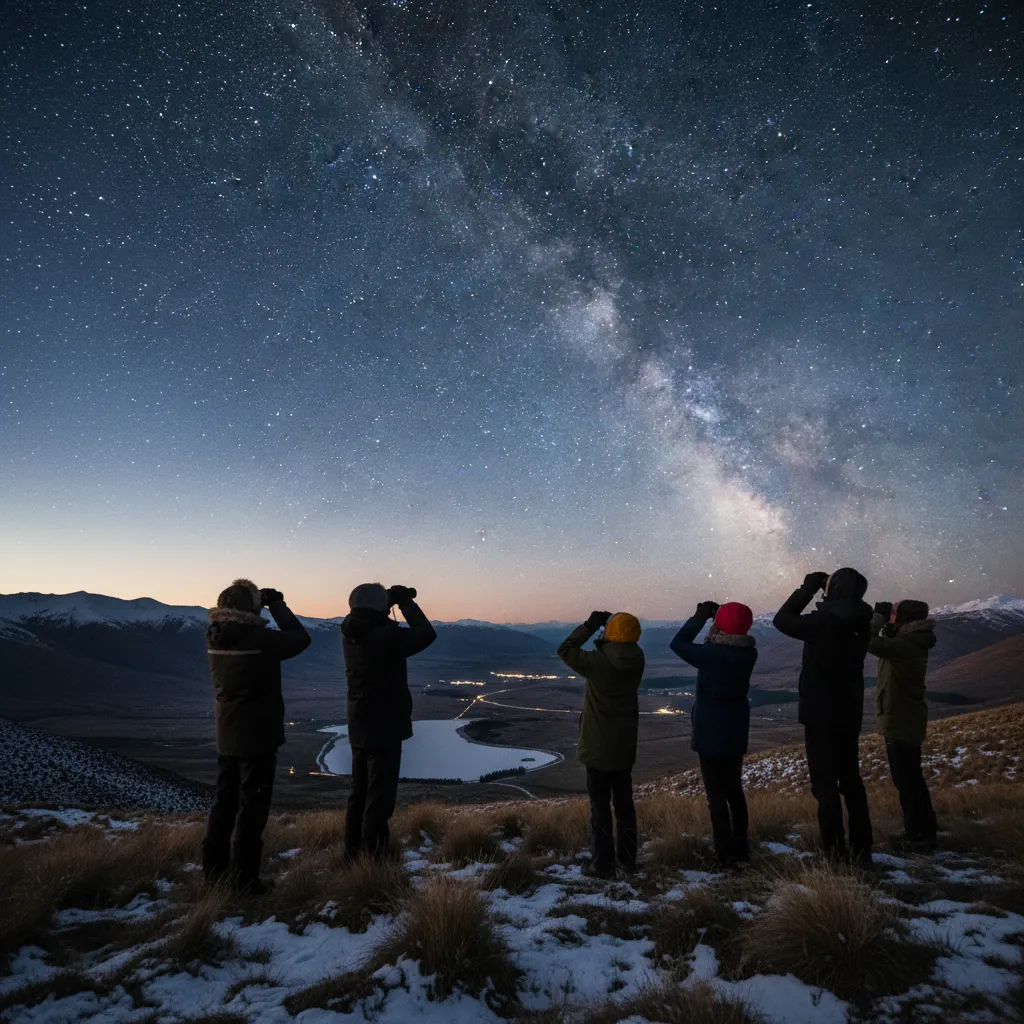
Aoraki Mackenzie International Dark Sky Reserve: Located in the South Island, this is one of the best places on Earth for stargazing. The expanse of the sky here allows for a breathtaking view of Taurus and the Pleiades rising over the Southern Alps.
Best Places to View Puanga
To experience the authentic Puanga tradition, one should visit the regions where it is culturally dominant.
Taranaki: Viewing the bright blue light of Rigel rising near the silhouette of Mount Taranaki is a spiritual experience. Local operators are beginning to offer dawn ceremonies that align with the iwi observances.
Great Barrier Island (Aotea): As a Dark Sky Sanctuary, Aotea offers pristine viewing conditions. While Matariki is visible here, the island’s location and latitude make for spectacular viewing of Orion and Rigel.
Unity in Diversity
Ultimately, the difference between Matariki and Puanga is a testament to the adaptability and observational science of the Māori ancestors. They did not adhere to a rigid, one-size-fits-all dogma but rather adapted their timekeeping to the environment in which they lived.
Whether you look to the cluster of tiny eyes (Matariki) or the singular beacon of the south (Puanga), the intent remains the same: to honor the past, celebrate the present, and prepare for the future. As Aotearoa embraces this holiday, understanding these regional differences enriches the experience for locals and visitors alike.
People Also Ask
Is Puanga the same as Matariki?
No, they are different celestial bodies. Matariki is the Pleiades star cluster, while Puanga is the star Rigel. However, they both serve as markers for the Māori New Year depending on where you are in New Zealand.
Why do some iwi celebrate Puanga?
Some iwi, particularly in the West Coast and Far North, celebrate Puanga because the Matariki cluster is physically blocked by mountain ranges or is too low on the horizon to be seen clearly from their location.
When does Puanga rise?
Puanga typically rises in the pre-dawn sky during the lunar month of Pipiri (June/July). It often appears slightly earlier than Matariki, acting as a herald for the coming season.
Can you see Matariki and Puanga at the same time?
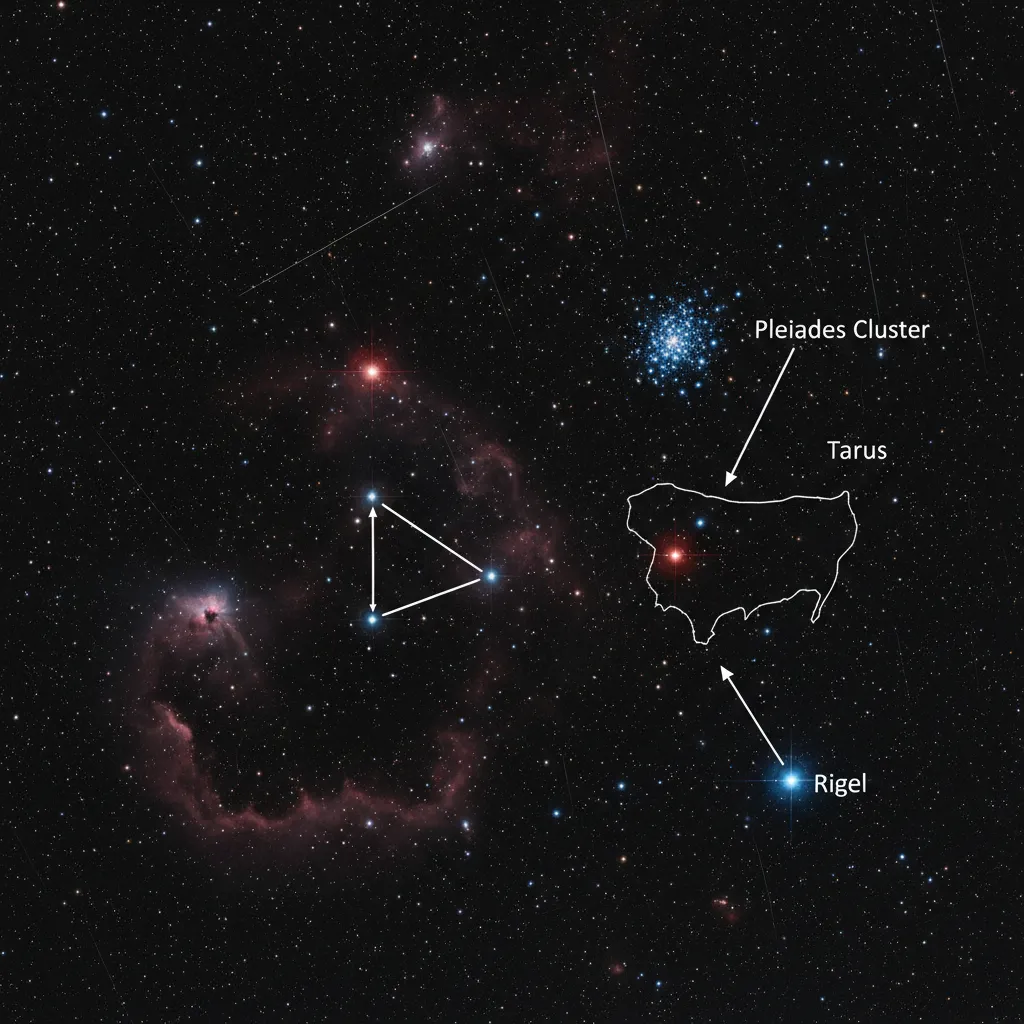
Yes. If you have a clear view of the eastern and northeastern horizon, you can see both. Puanga (Rigel) is part of the Orion constellation, which sits higher and to the right (from the Southern Hemisphere perspective) of the Taurus constellation, which houses Matariki.
What star is Puanga in English?
Puanga is known in Western astronomy as Rigel. It is a blue-white supergiant star and is the brightest star in the constellation Orion.
Does the date of the Māori New Year change?
Yes. The Māori New Year is based on a stellar-lunar calendar (maramataka). It does not fall on the same Gregorian date every year but shifts based on the phases of the moon and the rising of the stars.