
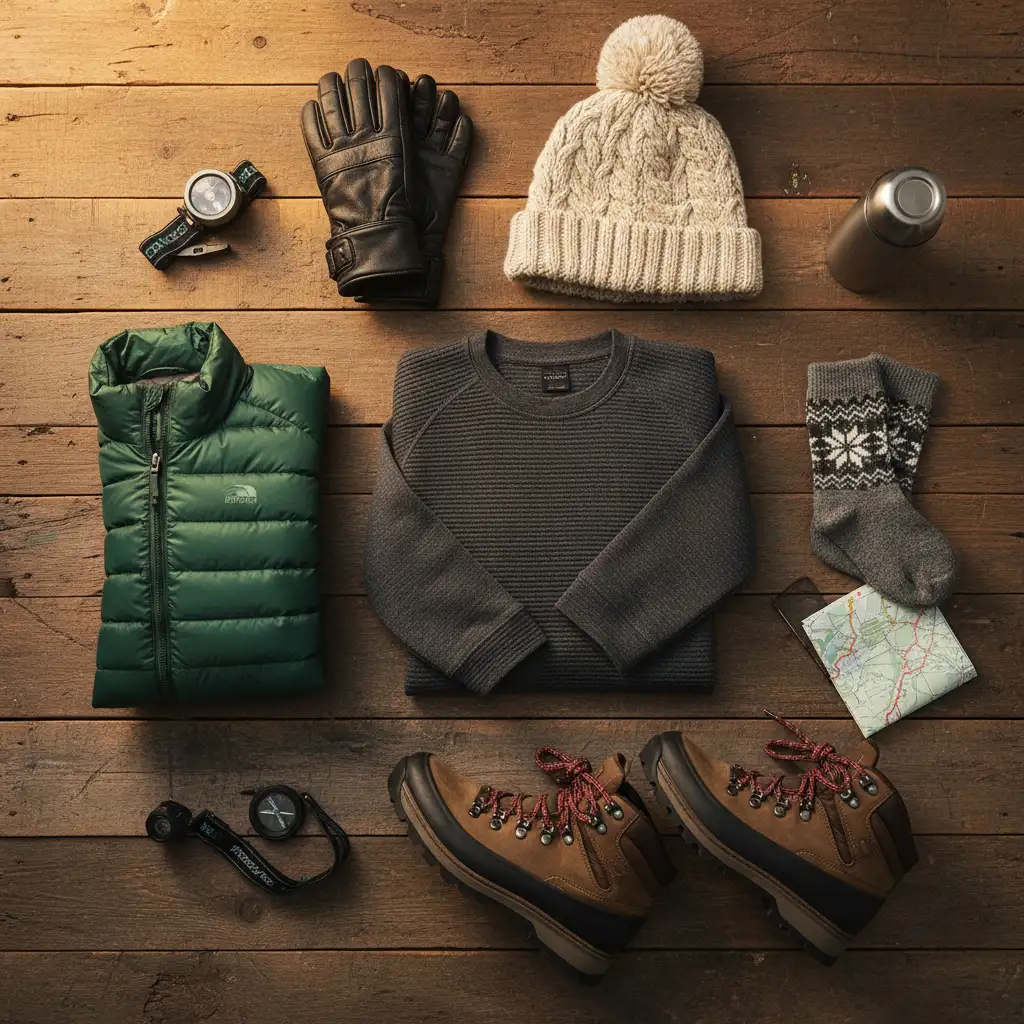
Matariki typically occurs in mid-winter (late June to July), bringing cold temperatures ranging from 0°C to 12°C across New Zealand. Attendees should anticipate frosty mornings and potential precipitation. The ideal attire requires a “three-layer system”: a moisture-wicking merino base layer, an insulating fleece or down mid-layer, and a waterproof, windproof outer shell to ensure warmth during pre-dawn stargazing.
What is the Typical Matariki Weather Forecast?
As Aotearoa New Zealand celebrates the rising of the Matariki star cluster (the Pleiades), we are firmly situated in the depths of winter. The Matariki public holiday and the surrounding cultural period fall within the Māori lunar months of Pipiri (June) and Hongongoi (July). These months are characterized by the shortest days of the year and often the coldest temperatures.
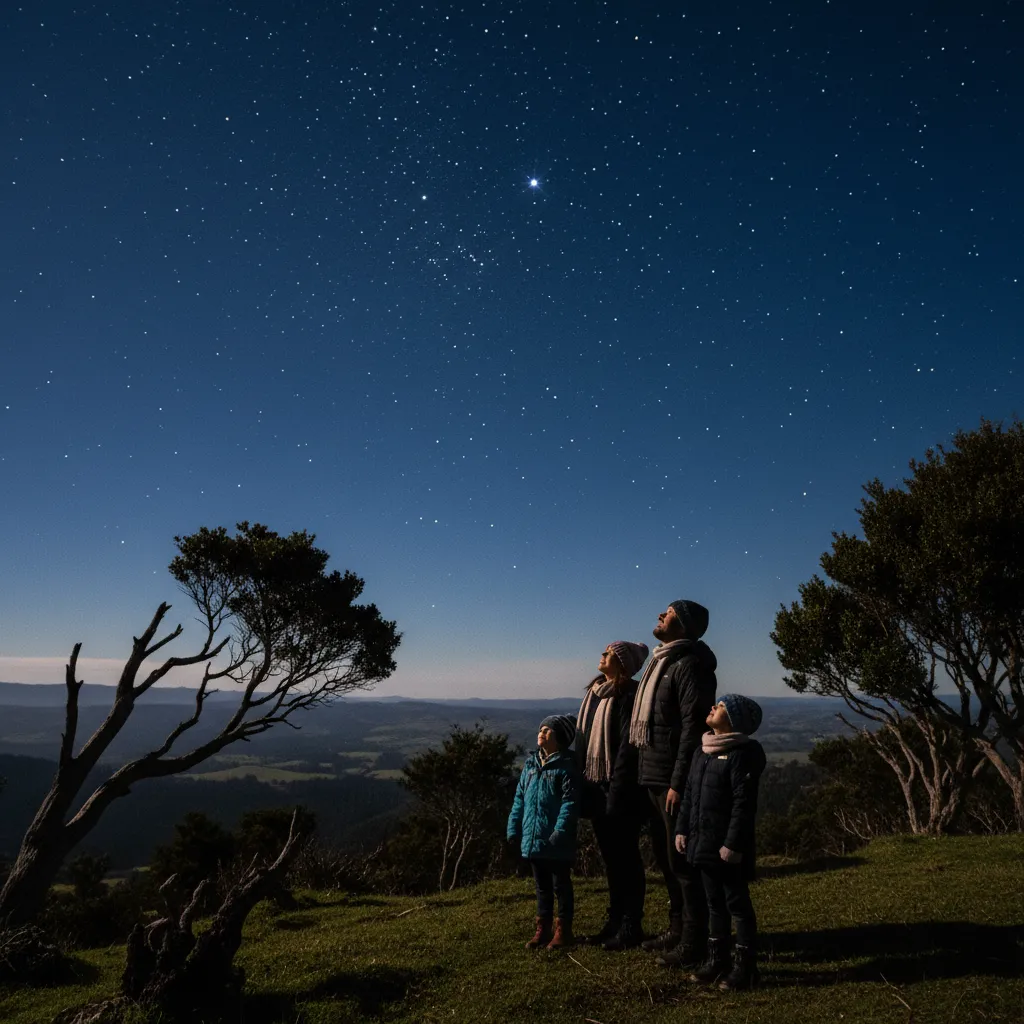
Understanding the weather is critical because the primary observation of Matariki involves rising before dawn—often between 5:30 AM and 6:30 AM—to view the stars on the eastern horizon. At this hour, temperatures are at their lowest point of the diurnal cycle.
Historical Weather Data for Late June/July
To plan effectively, we must look at historical averages rather than relying on a generic forecast. New Zealand’s maritime climate means weather can change rapidly, but long-term data provides a reliable baseline for what to expect during the Matariki long weekend.
Temperature Averages by Region
During late June and early July, the mercury drops significantly. In the North Island, overnight lows frequently hover between 4°C and 8°C. However, inland areas and the South Island are much harsher.
- Auckland/Northland: Expect lows of 7°C–9°C and highs of 14°C. Humidity can make the air feel damper and colder.
- Wellington: The capital often sees lows of 6°C, but the wind chill factor is the primary concern, often making it feel like 0°C.
- Christchurch/Canterbury: Frost is highly likely. Ambient temperatures at 6:00 AM can be -2°C to 2°C.
- Queenstown/Otago: Sub-zero temperatures are the norm, ranging from -4°C to 1°C.
Precipitation and Frost Probability
June and July are historically wet months for many parts of the country. Historical data from NIWA (National Institute of Water and Atmospheric Research) indicates that while winter anticyclones can bring crisp, clear mornings ideal for stargazing, they also bring heavy frosts. Conversely, frontal systems bring warmer overnight temperatures but heavy cloud cover and rain, which obscures the stars.
For a successful Matariki viewing, you are essentially hoping for a high-pressure system: this means no wind, clear skies, but freezing temperatures. If it is “warm” (above 10°C at night), it is likely cloudy.
Best Apps for Cloud Cover (Stargazing)
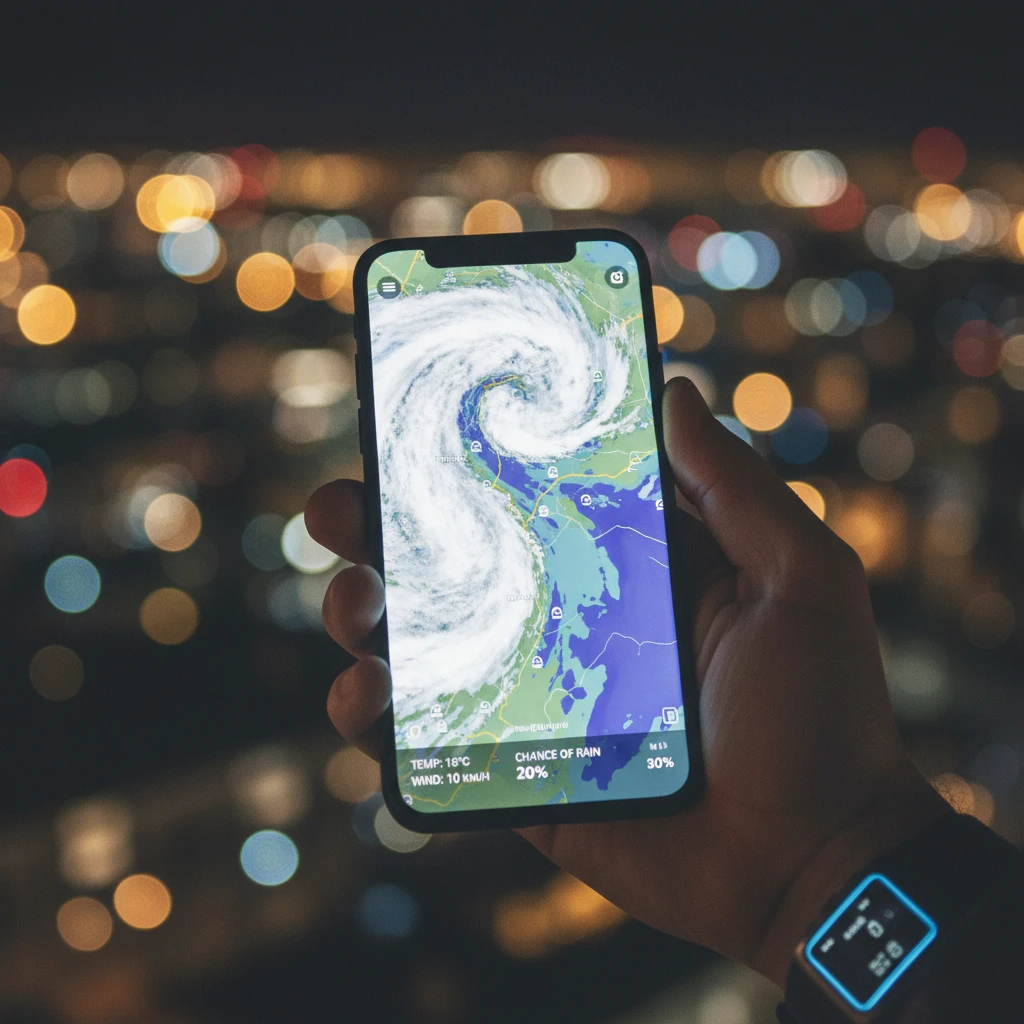
A standard weather app tells you if it will rain, but it often fails to give granular detail on cloud cover. For Matariki, cloud cover is the single most important metric. Even without rain, a high cloud ceiling will hide the cluster.
Top Recommended Tools
To ensure you don’t wake up at 5:00 AM for nothing, utilize these advanced forecasting tools:
- MetService (New Zealand): Use the “Town & City” forecast but look specifically at the “3 Day Rain & Wind” maps. More importantly, check the specific cloud icon descriptions (e.g., “Partly cloudy” vs. “Fine”).
- YR.no: This Norwegian service is famously accurate for New Zealand topography. Their “Meteogram” view provides a visual graph of cloud thickness (low, medium, and high clouds) hour-by-hour. Look for gaps in the grey cloud line on the graph during the early morning hours.
- Clear Outside: Originally designed for astronomers, this app breaks down cloud cover into percentages for Low, Medium, High, and Total cloud. It also indicates “Darkness” levels and moon phases, which is vital for spotting faint stars like the Matariki cluster.
- Windy.com: For the visual learner, Windy allows you to toggle a “Clouds” layer. You can scrub through the timeline to see exactly when a cloud mass is predicted to clear your specific location.
Dressing for Winter Festivals: The Layering Guide
The question of “what to wear” is not about fashion; it is about survival and comfort. Matariki ceremonies are often stationary events. Standing still on frozen ground for 45 to 60 minutes drains body heat much faster than hiking or walking.
To enjoy the ceremony without shivering, you must adopt a strategic layering system. Avoid cotton at all costs, as it holds moisture and cools the body.
1. The Base Layer (The Wick)
This layer sits directly against your skin. Its job is to move sweat away from your body so you stay dry.
- Material: Merino wool (150-200gsm) or high-quality synthetic polypropylene.
- Fit: Snug but not restrictive.
- Tip: Don’t forget thermal leggings (long johns) under your pants. Jeans alone are terrible insulators against the cold.
2. The Mid Layer (The Insulation)
This layer traps your body heat. Because you will be stationary, you may want two mid-layers.
- Option A: A fleece pullover. Fleece is breathable and warm even if it gets slightly damp.
- Option B: A down or synthetic puffer jacket. This provides the best warmth-to-weight ratio.
- Strategy: A heavy wool sweater is also a traditional and effective choice for this layer.
3. The Outer Shell (The Shield)
This protects you from the wind and potential rain. Even if the forecast is clear, the wind chill can cut through fleece and wool instantly.
- Requirement: A windproof and waterproof rain jacket (Gore-Tex or similar).
- Style: A long coat that covers your thighs is superior to a waist-length jacket, as it traps more heat around your core.
4. Extremities: Head, Hands, and Feet
You lose a significant amount of heat through your head, and your toes will be the first to feel the frozen ground.
- Head: A warm beanie (potae) is non-negotiable.
- Hands: Wear gloves. If you plan to take photos, use gloves with touchscreen capability or mittens with a flip-top.
- Feet: Wear thick wool socks. Crucial Tip: Ensure your boots are not too tight. If your socks are too thick and squeeze your feet inside the boot, you cut off circulation, making your feet colder. You need an air gap for insulation. Waterproof hiking boots or gumboots are best to keep damp grass dew out.
Regional Weather Expectations for Major Celebrations
Different regions of Aotearoa host different styles of events based on their local climate. Here is how to prepare for the major hubs.
Auckland (Tāmaki Makaurau)
Auckland winters are wet. The Matariki Festival often includes light shows and street kai. While it may not be freezing, it will likely be damp.
Wear: Blundstones or waterproof boots and a high-quality raincoat. A heavy puffer might be too warm if you are walking around, so opt for layers you can unzip.
Wellington (Te Whanganui-a-Tara)
The “Matariki Ahi Kā” celebration on the waterfront is spectacular but exposed to the southerly winds.
Wear: A windbreaker is mandatory. Scarves are essential to seal the gap around your neck. Do not rely on an umbrella; the wind will destroy it.
Rotorua & Taupō
These central plateau areas are significantly colder than the coast. Geothermal steam can create interesting atmospheric conditions, but the air is biting.
Wear: Heavy down jackets (puffer jackets) and thermal pants. Gloves are essential.
Christchurch & Dunedin
Events here often embrace the cold, utilizing fire and light.
Wear: Full winter regalia. Long wool coats, double socks, and thermal underlayers are standard dress code. If attending a pre-dawn event at a location like New Brighton Pier or the Otago Peninsula, prepare for wind chill well below zero.
Rainy Day Alternatives: Celebrating When the Stars Are Hidden
In Māori tradition, if the stars of Matariki were obscured by clouds or rain, it was sometimes interpreted as a sign of a year where food might be scarce, or simply that the observation must wait. However, in modern celebrations, the show goes on regardless of the weather.
If the forecast is dire (heavy rain and gales), outdoor stargazing will be impossible. Here is how to pivot your plans while staying dry.
Indoor Cultural Centers and Marae
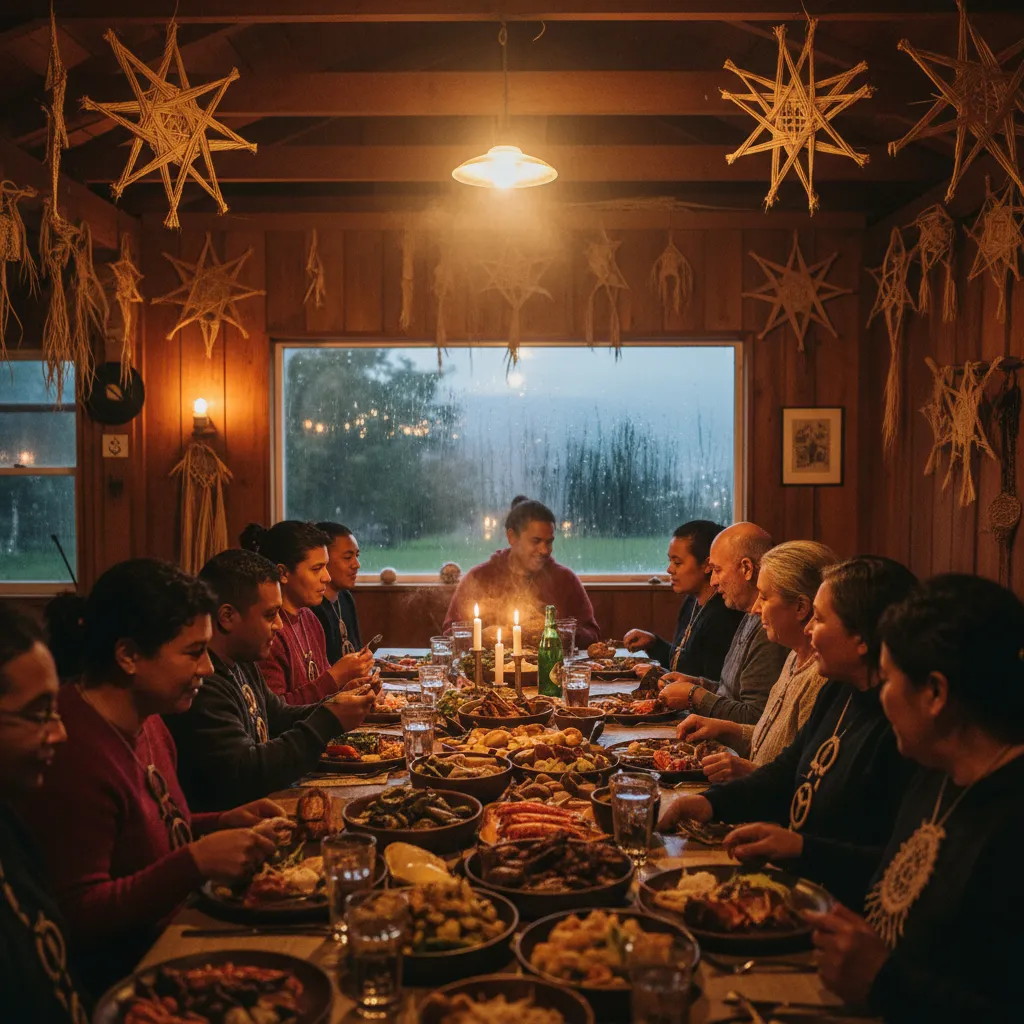
Many local Marae and community centers host indoor events involving Kapa Haka performances, storytelling, and shared kai (food). These are excellent opportunities to learn about the significance of the holiday without battling the elements.
Planetariums and Observatories
If nature doesn’t cooperate, technology can assist. Stardome Observatory in Auckland, Space Place in Wellington, and the Otago Museum Planetarium run special Matariki shows. These simulate the pre-dawn sky, allowing you to learn the navigation and stories of the stars in a climate-controlled environment.
Te Papa and Museums
Museums across the country curate specific exhibitions for Matariki. These often focus on the history, the environmental significance, and the artistic interpretation of the holiday. It is a culturally enriching way to spend a wet public holiday.
Home Celebration
Matariki is fundamentally about remembering those who have passed and planning for the future. A rainy day is perfect for a slow cooker meal (hāngī-style pork or lamb), gathering the whānau (family), and sharing stories or goals for the year ahead.
People Also Ask
What happens if it rains on Matariki?
If it rains during Matariki, outdoor stargazing is usually cancelled or postponed. However, cultural festivities continue indoors at marae, museums, and community halls. Historically, rain was just another environmental sign read by tohunga (experts), but modern celebrations often pivot to indoor learning, kai sharing, and arts.
What is the best time to see the Matariki stars?
The optimal time to view Matariki is pre-dawn, typically between 5:30 AM and 6:30 AM. You need to look towards the north-eastern horizon before the sun rises and washes out the starlight. The cluster is visible for several weeks in June and July.
Is Matariki always in winter?
Yes, Matariki is a mid-winter event in the Southern Hemisphere. It marks the reappearance of the Pleiades star cluster, which signals the Māori New Year. This aligns with the lunar month of Pipiri (June) or Hongongoi (July), ensuring it always falls during the colder months.
How cold is it during Matariki celebrations?
Temperatures vary by region but are generally cold. North Island temperatures usually range from 5°C to 12°C, while the South Island and inland areas can drop between -2°C and 5°C. Frost is common, so warm clothing is essential.
Can I see Matariki from the city?
It is difficult to see Matariki from the center of bright cities due to light pollution. However, most cities have designated viewing spots (like Mt Eden in Auckland or Mt Victoria in Wellington) where you can get above the streetlights. For the best view, travel to a dark sky sanctuary or a rural area.
What traditional tohu (signs) relate to Matariki weather?
Traditionally, the brightness and clarity of the individual stars in the Matariki cluster were used to predict the weather and harvest for the coming year. For example, if the star Waipunarangi (associated with rain) appeared bright, it predicted a wet winter. If Ururangi (associated with wind) was hazy, it signaled a windy season.