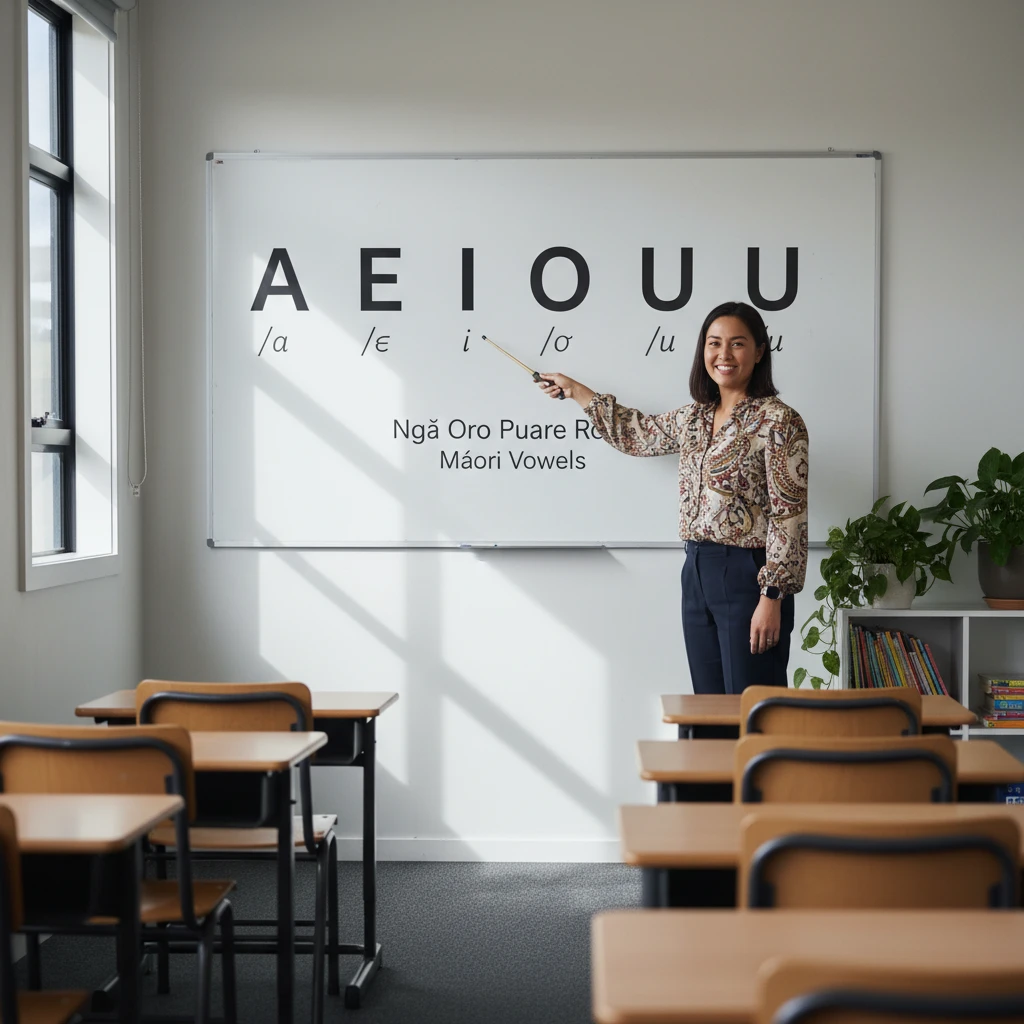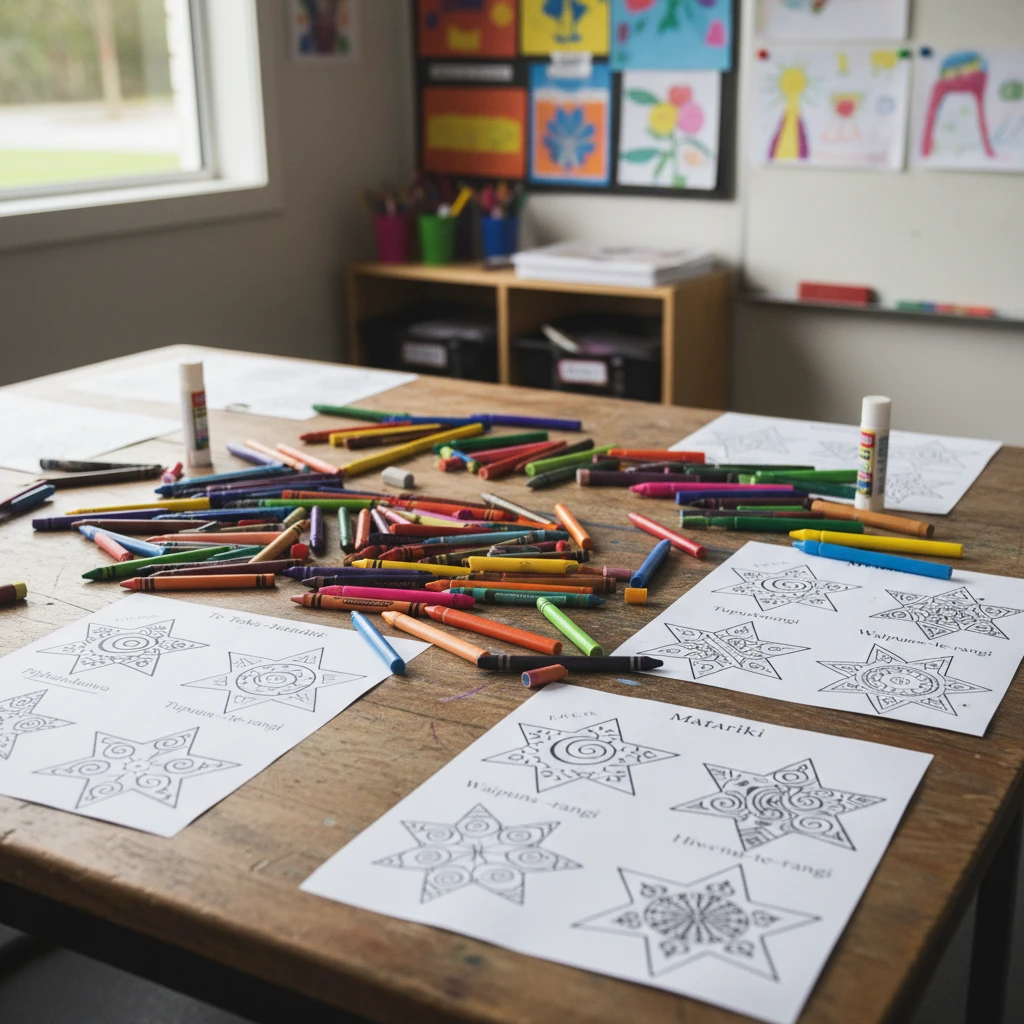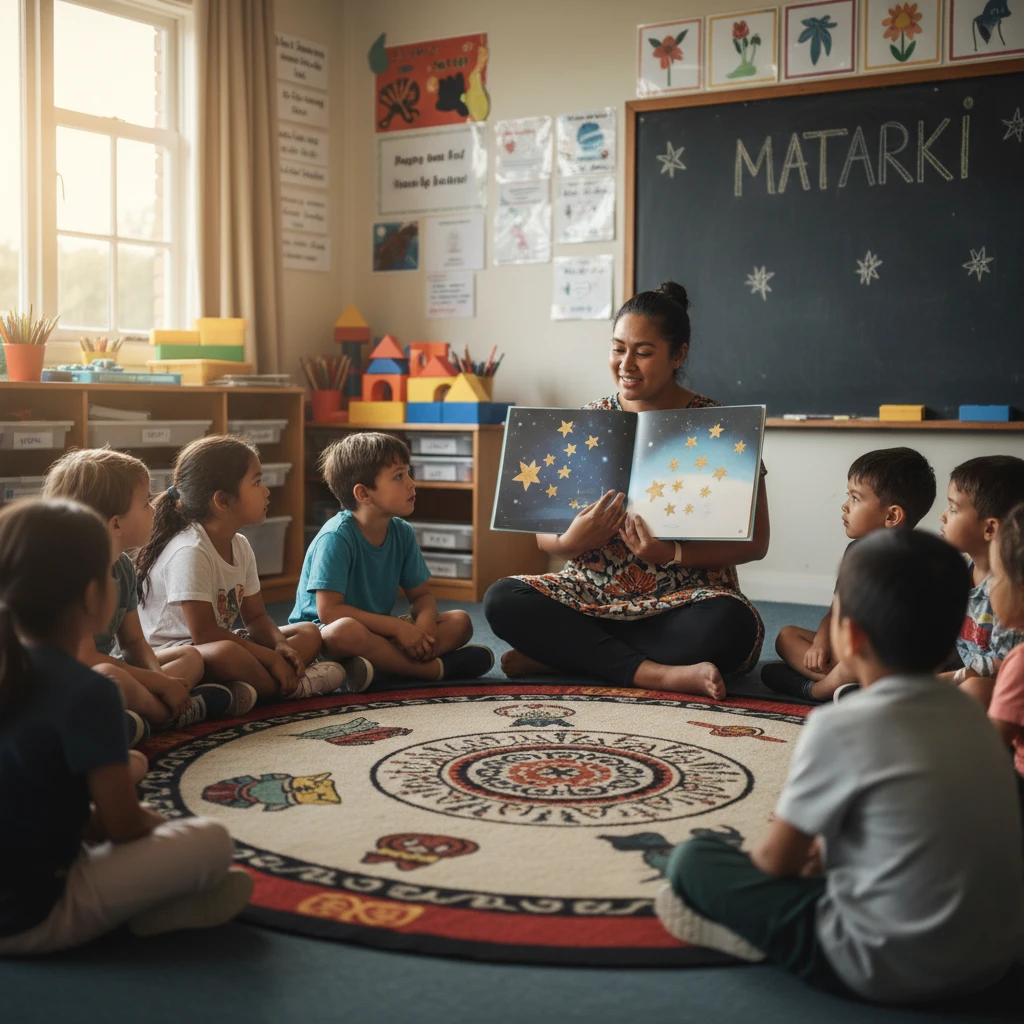
Matariki worksheets free of charge provide essential educational tools for teaching the significance of the Māori New Year. These resources typically include printable word searches, crosswords, colouring pages of the nine stars, and lesson plans designed to help students explore Māori culture, astronomy, and the principles of reflection and celebration associated with Matariki.
What are the Essential Free Matariki Worksheets?
As Matariki becomes an increasingly central part of the New Zealand curriculum and national identity, the demand for high-quality educational resources has surged. Educators and parents alike are seeking Matariki worksheets free of cost to engage tamariki (children) in meaningful learning. The most effective worksheets are those that blend literacy, numeracy, and cultural competency.
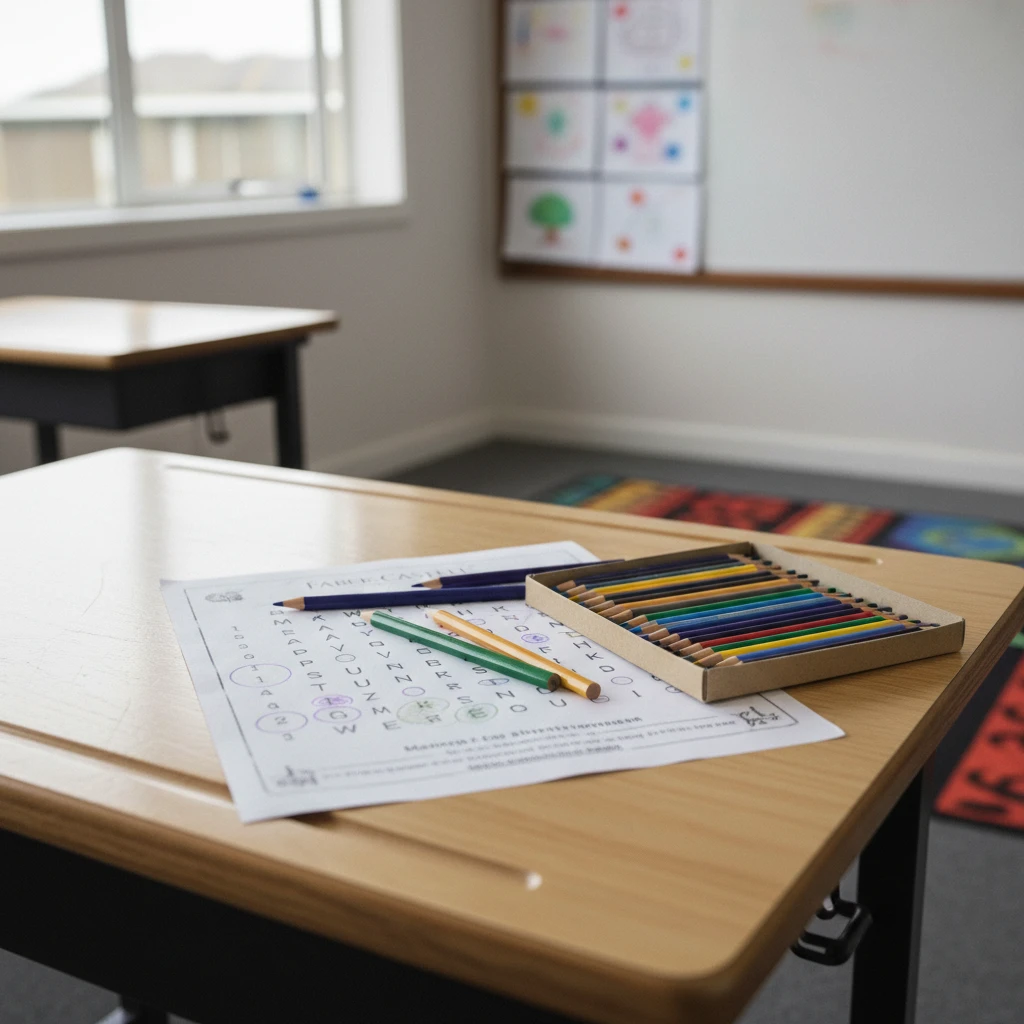
Downloadable Word Searches and Crosswords
Word searches and crosswords are foundational tools for introducing specific vocabulary related to the Māori New Year. These printable activities serve a dual purpose: they improve literacy skills while simultaneously teaching Te Reo Māori kupu (words). A well-structured Matariki word search should include key terms such as:
- Whetū: Star
- Kai: Food
- Whānau: Family
- Maumahara: Remembrance
- Hākari: Feast
Crosswords take this a step further by requiring students to understand the definitions of these terms. For example, a clue might read “The star connected to fresh water and food from the rivers,” requiring the answer “Waitī.” These puzzles encourage active recall and help solidify the distinct roles of the different stars in the cluster.
Reading Comprehension and Cloze Activities
Beyond simple vocabulary games, cloze activities (fill-in-the-blank text) are excellent for older primary students. These worksheets often feature a short narrative explaining the history of Matariki, the maramataka (Māori lunar calendar), or the legend of the eyes of Tāwhirimātea. Students must use context clues to insert the correct words, ensuring they grasp the narrative flow and cultural context. Free resources often provide these texts at various reading levels to cater to diverse classroom needs.
The Nine Stars of Matariki: Colouring and Activities
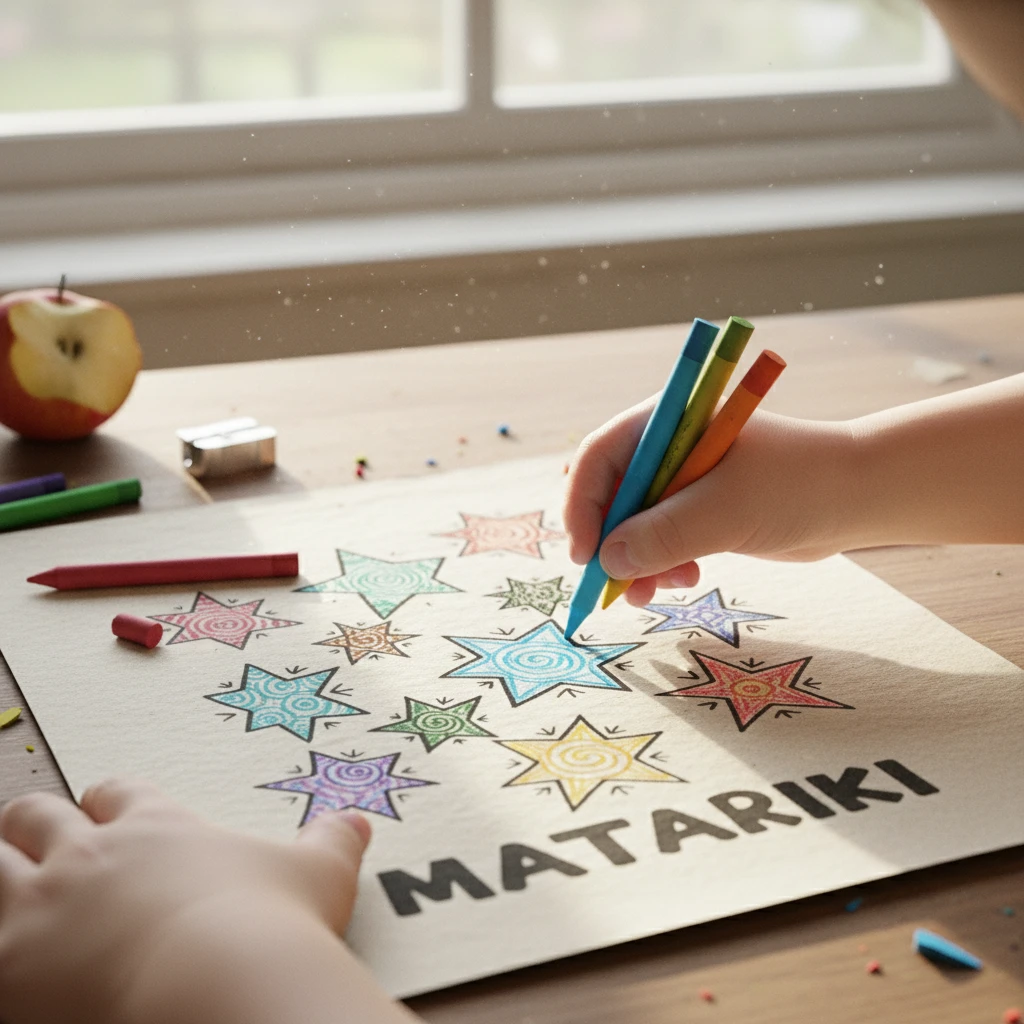
One of the most popular categories of Matariki worksheets free for download involves the visual representation of the star cluster. While traditionally seven stars were often cited, modern educational resources align with the revival of knowledge regarding the nine stars. Colouring pages are not merely busy work; they are a canvas for storytelling and astronomical education.
Understanding the Domains of Each Star
High-quality colouring sheets are often segmented to represent the specific domain of each star. Educators can use these worksheets to spark discussions about the environment. Below is a guide on how worksheets can differentiate the stars:
- Matariki (The Mother): Often depicted in the centre, representing health and wellbeing. Worksheets may ask students to draw things that make them feel healthy and happy.
- Pōhutukawa: Connected to those who have passed on. Colouring activities here might involve darker, reflective tones or spaces for students to write the names of ancestors.
- Tupu-ā-nuku: Tied to food grown in the ground. Worksheets often feature kūmara or potatoes, encouraging green and brown palettes.
- Tupu-ā-rangi: Linked to food from the sky (birds and berries). Imagery of kererū or forest canopies is common.
- Waitī: Associated with fresh water. Colouring pages will feature eels (tuna) and rivers, utilizing blues and teals.
- Waitā: Connected to the ocean. Marine life imagery dominates these pages.
- Waipuna-ā-rangi: Related to rain. Students can explore weather patterns through art.
- Ururangi: The star of the wind. Swirling patterns and kites are excellent motifs for these worksheets.
- Hiwa-i-te-rangi: The wishing star. These worksheets often leave blank space for students to draw or write their hopes for the coming year.
By using specific colouring worksheets for each star, teachers can create a “Star Wall” in the classroom, visually mapping out the environmental connections of the Matariki cluster.
Comprehensive Lesson Plan Templates for Teachers
Finding standalone worksheets is helpful, but integrating them into a cohesive curriculum requires structured lesson plans. Many platforms offering Matariki worksheets free also provide accompanying teacher guides. These templates ensure that the activities align with the New Zealand Curriculum, particularly in Social Sciences and the Arts.

Early Childhood Education (ECE) Templates
For ECE settings, lesson plans focus on sensory experiences and simple repetition. Templates might include:
- Mat Time Stories: Scripts for telling the story of Matariki using puppets or felt boards.
- Waiata (Songs): Lyrics sheets for simple Matariki songs that teach counting and star names.
- Movement: Activities mimicking the wind (Ururangi) or the flow of water (Waitī/Waitā).
Primary and Intermediate Lesson Structures
For older students, lesson plan templates become more inquiry-based. A robust lesson plan might follow this structure:
- Introduction (Whakawhanaungatanga): Discussing what students already know about the Māori New Year.
- Activity (Mahi): Completing a specific worksheet, such as a star chart analysis or a crossword.
- Reflection (Whakaaro): A writing prompt asking students to set a goal for the new year (Hiwa-i-te-rangi).
- Extension: Researching how other cultures celebrate the Pleiades cluster.
Leveraging Ministry of Education Resources
When searching for authoritative Matariki worksheets free of charge, the New Zealand Ministry of Education (Te Tāhuhu o te Mātauranga) is a goldmine. Their portal, Te Kete Ipurangi (TKI), offers resources that are culturally verified and pedagogically sound.
Te Kete Ipurangi (TKI) and Kauwhata Reo
Resources found on TKI often go beyond simple PDFs. They include:
- Instructional Series: School Journal stories and articles related to Matariki, often accompanied by teacher support materials (TSM) that function as advanced worksheets.
- Digital Interactives: While not printable worksheets, these tools can be used alongside paper-based resources to reinforce learning.
- Bilingual Resources: Materials available in both English and Te Reo Māori, supporting Māori medium education and bilingual units in mainstream schools.
Utilizing these official resources ensures that the cultural narratives being taught are accurate and respectful of local iwi variations (mātauranga-ā-iwi).
Beyond Paper: Interactive and Digital Resources
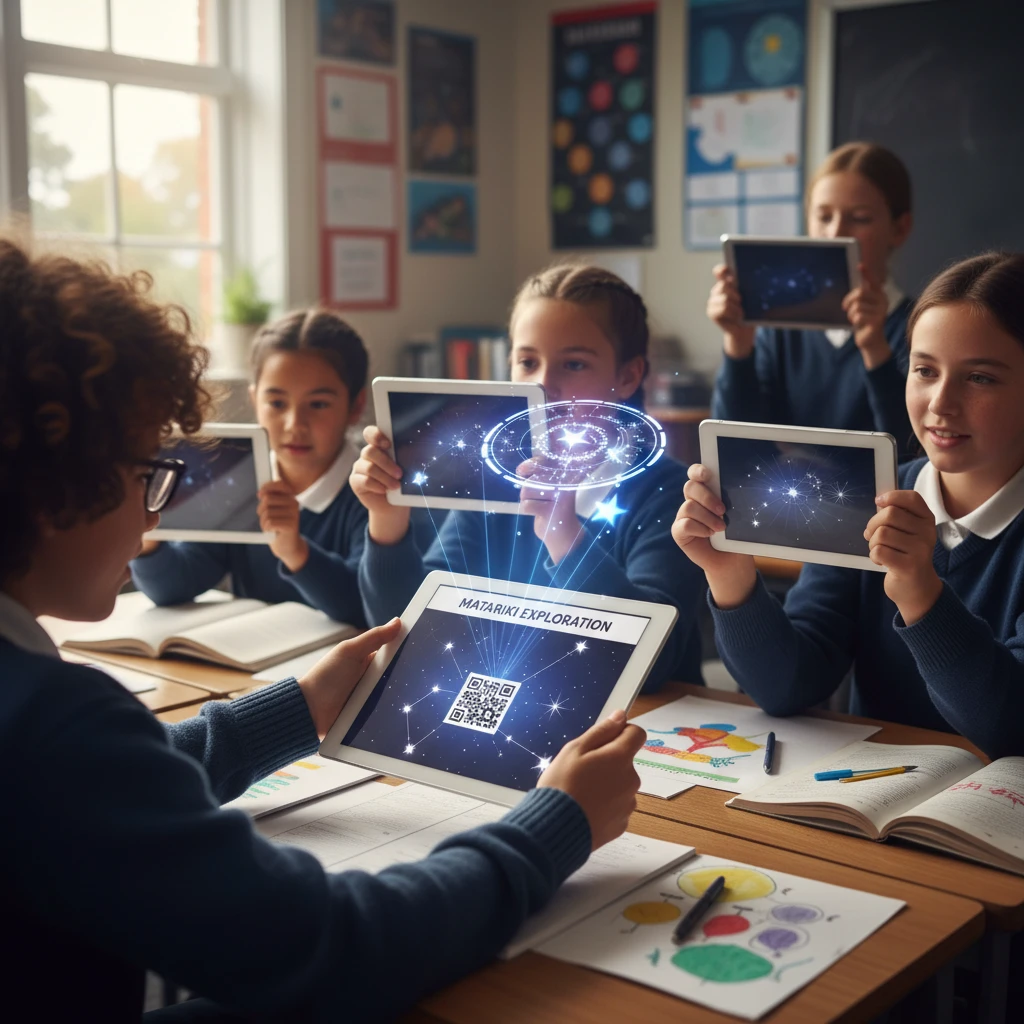
While printable worksheets are convenient, combining them with interactive elements creates a dynamic learning environment. Modern classrooms often use “hybrid worksheets” where a paper resource includes QR codes or links to digital content.
Creating Hybrid Worksheets
Teachers can create their own hybrid resources by taking a standard colouring page or quiz and embedding a QR code that leads to:
- A video pronunciation guide for the names of the stars.
- A virtual tour of the night sky showing where to find Matariki on the horizon.
- Audio recordings of local legends regarding the cluster.
This approach caters to different learning styles, ensuring that visual and auditory learners are engaged just as much as those who prefer reading and writing.
Why Teaching Matariki Matters in the Curriculum
The provision of Matariki worksheets free to the public supports a broader national goal: the revitalization of indigenous knowledge. Matariki is unique because it is a holiday grounded in the specific geography and astronomy of Aotearoa. Unlike other celebrations imported from the northern hemisphere, Matariki follows the seasonal rhythms of the southern hemisphere.
Connecting to the Environment
Worksheets that focus on the environmental aspects of the stars (planting, fishing, hunting) reconnect students with the natural world. In an era of climate change awareness, the principles of Matariki—respecting the earth and sustainable harvesting—are highly relevant. Educational resources that highlight Tupu-ā-nuku (soil) and Waitī (fresh water) provide a platform to discuss conservation, gardening, and ecology in a way that is culturally grounded.
Fostering Reflection and Hope
Matariki is also a time for emotional and social learning. Worksheets centred around Pōhutukawa (remembrance) and Hiwa-i-te-rangi (aspiration) help children process grief and formulate hopes for the future. These activities support mental well-being by normalizing the discussion of emotions and the setting of positive intentions. A simple worksheet asking “Who do you miss?” and “What do you wish for?” can be a powerful tool for emotional literacy.
Frequently Asked Questions
Where can I find authentic Matariki worksheets for free?
Authentic worksheets can be found on the Ministry of Education’s TKI website, the Te Papa museum website, and through various New Zealand teaching resource sites that offer free downloads specifically for Matariki.
What age groups are Matariki worksheets suitable for?
Resources are available for all ages. Simple colouring pages and matching games are suitable for ECE and New Entrants, while complex reading comprehension, astronomy mapping, and research projects are available for Intermediate and Secondary students.
How do I teach the 9 stars of Matariki using worksheets?
Use specific worksheets for each star that explain its domain (e.g., Waitī for fresh water). Have students colour the star and draw items related to its domain, then compile these into a booklet or wall display to show the complete cluster.
Are there Matariki resources available in Te Reo Māori?
Yes, many free resources are bilingual or available entirely in Te Reo Māori. The Kauwhata Reo section of the Ministry of Education’s website is an excellent source for immersion resources.
Can I create my own Matariki worksheets?
Absolutely. You can use online tools like Canva or Word to create word searches, quizzes, and writing prompts. Ensure you research the meaning of each star accurately to maintain cultural integrity.
What is the best way to use Matariki worksheets in a lesson?
Worksheets should be used to reinforce learning after a discussion or story. Start with a legend or video about Matariki, then use the worksheet to solidify vocabulary or concepts, and finish with a creative or reflective activity.