
Matariki yoga is a restorative and reflective practice designed to align the body and mind with the Māori New Year and the winter solstice. It typically involves slow, grounding sequences like Yin or Restorative yoga, combined with meditation focused on the nine stars of the Matariki cluster to foster remembrance, release, and renewal during the colder months.
As the cluster of stars known as Matariki (the Pleiades) rises in the pre-dawn sky of Aotearoa New Zealand during mid-winter, it signals a profound shift in the natural and spiritual rhythm of the year. This period marks the Māori New Year, a time conventionally dedicated to remembrance, celebrating the present, and looking to the future. Integrating these themes into a yoga and meditation practice offers a powerful way to harmonize with the lunar cycle and the seasonal energy of winter.
Aligning with the Lunar Cycle and Winter Solstice
Matariki is intrinsically linked to the Maramataka (the Māori lunar calendar). Unlike the solar calendar which dictates a January 1st new year, the lunar cycle invites us to move in accordance with the phases of the moon and the positioning of the stars. The rise of Matariki occurs during the darkest, coldest phase of the year—the winter solstice period. In yoga philosophy, this aligns closely with the energy of Tamas (inertia, stillness) and the water element.
Practicing yoga during this time is not about high-intensity cardio or generating excessive outward energy. Instead, it is about turning inward (Pratyahara). It is a time to conserve Prana (life force), nurture the kidneys and adrenal glands (which are associated with winter in Traditional Chinese Medicine), and prepare the soil of the spirit for the seeds of the coming spring.
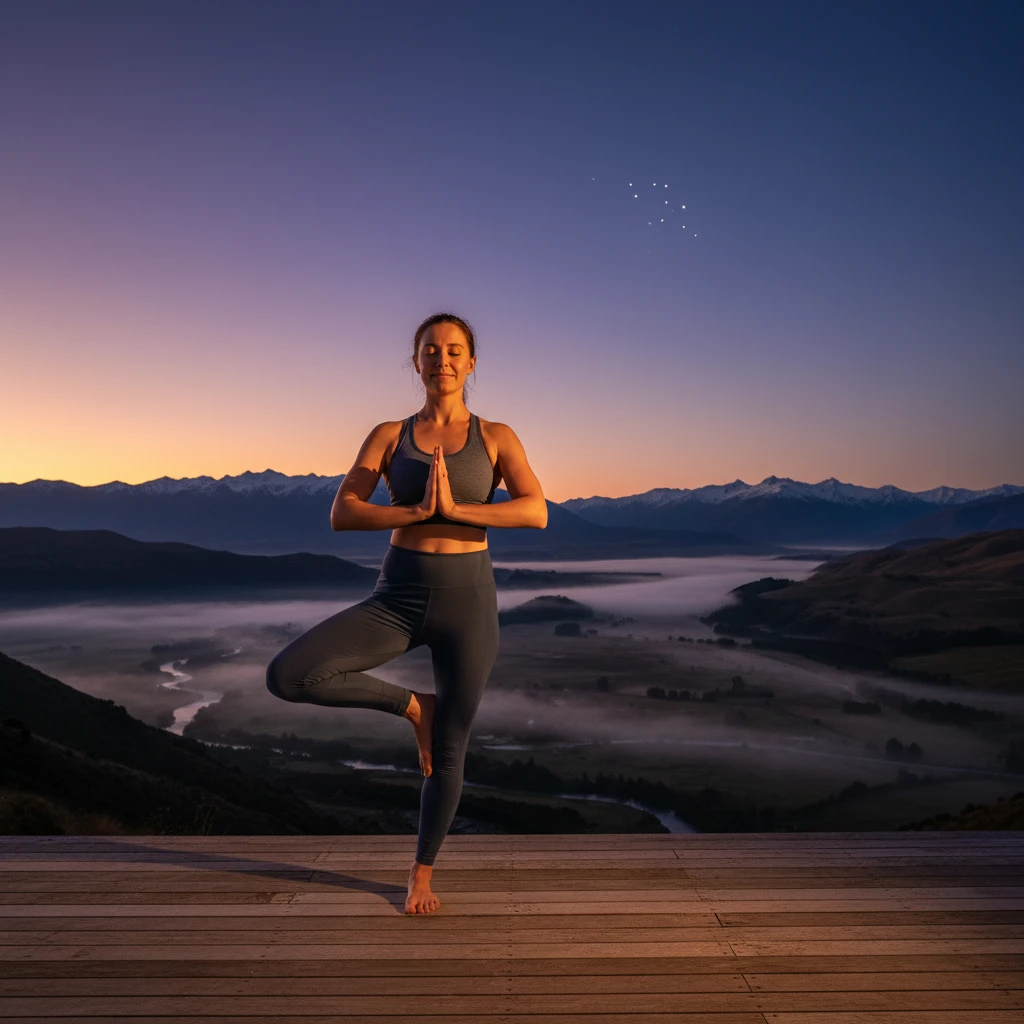
Yoga Sequences for the Winter Season
Winter calls for a balance between stillness and gentle heat. A Matariki-focused sequence should prioritize grounding, introspection, and warmth without depletion. The following sequences are designed to harmonize your physical vessel with the season.
1. The Grounding Yin Sequence (Te Pō – The Darkness)
Yin yoga is the perfect modality for Matariki. It targets the connective tissues and encourages a meditative state. Hold each of the following poses for 3 to 5 minutes to stimulate the kidney and urinary bladder meridians, which govern our winter energy.
- Balasana (Child’s Pose): Begin here to connect with the earth. Visualize your forehead connecting to the soil, acknowledging Papatūānuku (Earth Mother). This pose signals to the nervous system that it is safe to rest.
- Sphinx Pose: A gentle backbend that compresses the kidney area, stimulating vital energy reserves. Keep the glutes relaxed and focus on deep, belly breathing.
- Dragon Pose (Low Lunge): Opens the hips and hip flexors. Winter can make us sedentary and tight; this pose releases stored emotional tension in the hips.
- Caterpillar (Seated Forward Fold): A pose of surrender. As you fold forward, reflect on what you wish to release from the past year.
2. The Inner Fire Flow (Te Ahi Kā – The Home Fires)
While stillness is key, winter also requires the maintenance of internal heat, or Tapas. This gentle Vinyasa flow is designed to circulate blood and lymph without overexertion.
- Surya Namaskar C (Moon Salutations): Unlike the energizing Sun Salutations, Moon Salutations are cooling and grounding, moving side-to-side on the mat. They honor the feminine, lunar energy of the season.
- Utkatasana (Chair Pose): Builds heat in the legs and core quickly. Visualize holding a ball of light (a star) between your hands.
- Malasana (Garland Pose): A deep squat that grounds energy into the pelvis. It is excellent for digestion and elimination, aiding the body in physical release.
- Viparita Karani (Legs Up the Wall): Conclude your active practice here. This restorative inversion settles the heart rate and allows gravity to refresh the circulation in the legs.
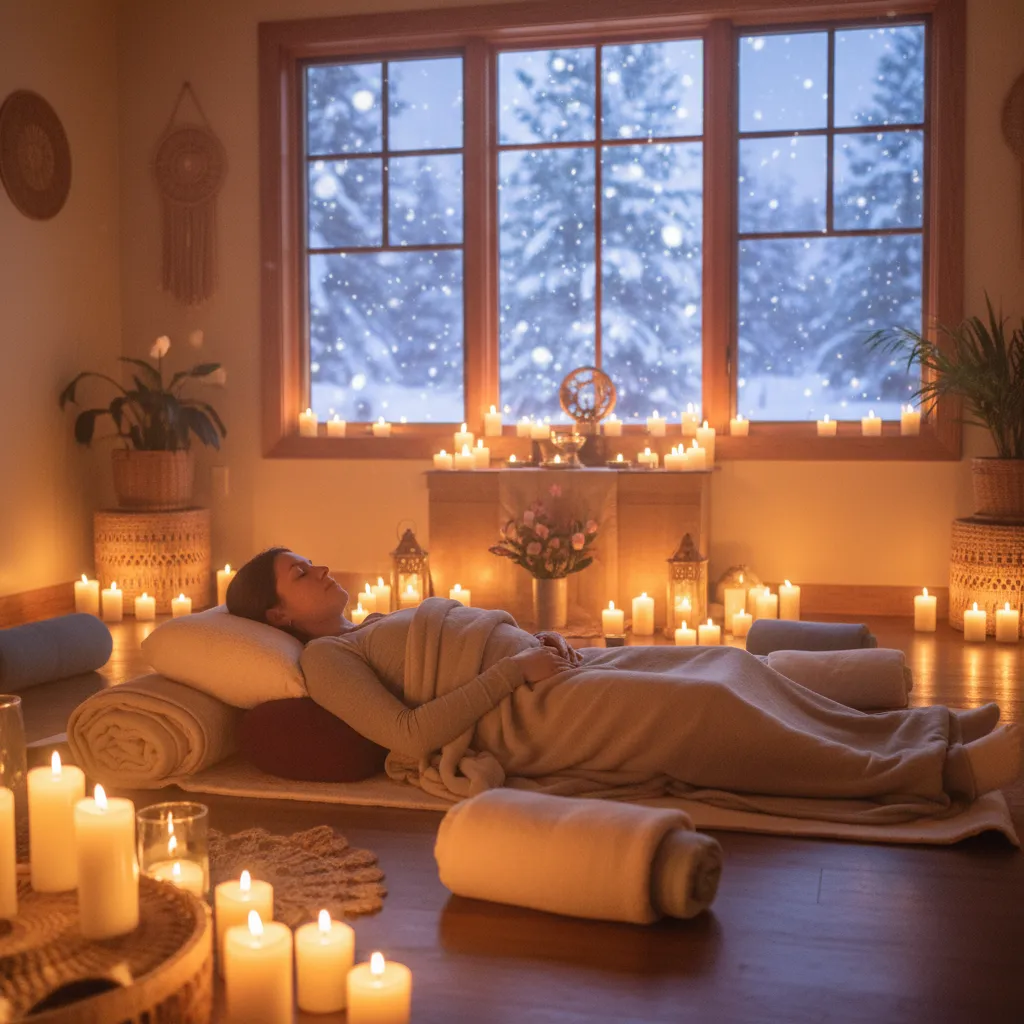
Guided Meditations Focused on the Nine Stars
The most profound way to integrate Matariki into your practice is through meditation. Each of the nine stars in the Matariki cluster holds a specific domain and significance. You can structure a 9-day meditation challenge or a single long session focusing on these themes.
Matariki (The Mother Star)
Theme: Wellbeing and Health.
Meditation: Perform a body scan. Bring awareness to every cell in your body. visualize a healing white light entering through the crown of your head, washing away illness or fatigue. Affirmation: “I am healed, I am whole, I am ready.”
Pōhutukawa
Theme: Remembrance of the Dead.
Meditation: Sit in silence and bring to mind loved ones who have passed away since the last Matariki. Do not push away grief; allow it to wash through you like a wave. Send gratitude for their impact on your life. This is a practice of conscious grieving and release.
Tupuānuku
Theme: Food from the Earth.
Meditation: Visualize a cord growing from the base of your spine deep into the earth. Feel the nourishment of the soil. Express gratitude for the food that sustains your physical body. Focus on the Root Chakra (Muladhara).
Tupuārangi
Theme: Food from the Sky (Birds, Berries, Fruits).
Meditation: Shift your focus upward. Visualize the vast canopy of a forest. Imagine the abundance that hangs above. Connect with the element of ether and the expansive nature of the sky.
Waipuna-ā-rangi
Theme: Rain.
Meditation: Meditate on the sound of rain. Visualize rain washing over your body, cleansing your aura. Just as rain feeds the land, allow your emotions to flow freely. This star connects to the Sacral Chakra (Svadhisthana), the center of fluidity.
Waitī
Theme: Fresh Water.
Meditation: Visualize a clear, cold mountain stream. Imagine drinking from this stream, the water purifying your internal organs. Reflect on the flow of your life—are you stagnant, or are you moving around obstacles like water?
Waitā
Theme: Salt Water.
Meditation: Connect with the vastness of the ocean. The ocean represents the collective consciousness. Breathe in rhythm with the tides—inhale as the tide comes in, exhale as it recedes. Acknowledge the teeming life beneath the surface.
Ururangi
Theme: The Winds.
Meditation: Focus on the breath (Prana). The wind represents mental agility and the clearing of the mind. As you breathe, imagine the wind blowing away the cobwebs of anxiety and overthinking.
Hiwa-i-te-rangi
Theme: The Wishing Star.
Meditation: This is the star of future aspirations. In yoga, we call this Sankalpa (setting an intention). Visualize your deepest desire for the coming year. See it as already true. Plant this seed of intention in the fertile darkness of the winter solstice.
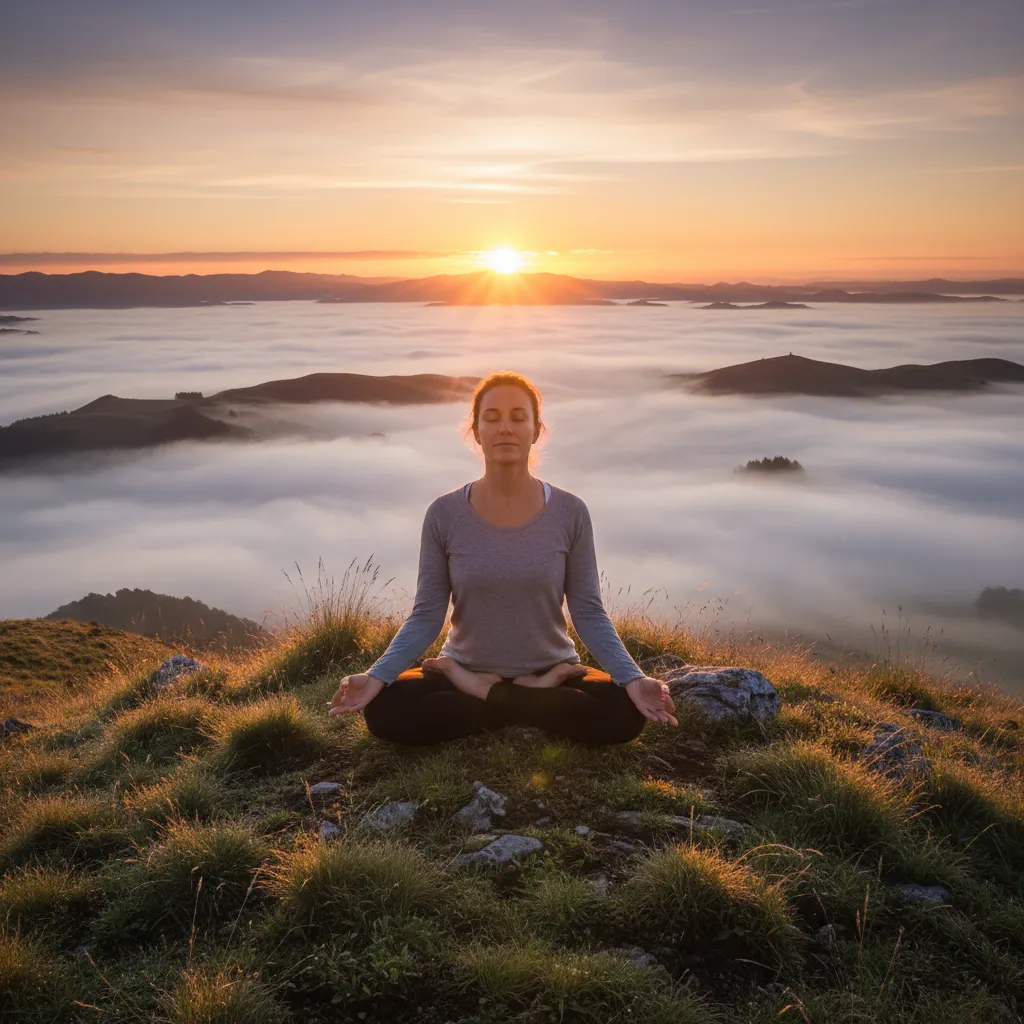
Breathwork (Pranayama) for the Cold Months
The breath is the bridge between the body and the mind. During Matariki, the air is often crisp and cold. Utilizing specific Pranayama techniques can help regulate body temperature and mood.
Ujjayi (Victorious Breath)
Also known as “Ocean Breath,” this technique involves slightly constricting the back of the throat to create a soft, audible sound, similar to waves crashing. This friction creates internal heat, warming the body from the inside out. It is excellent for maintaining focus during asana practice and calming the nervous system during meditation.
Kapalabhati (Skull Shining Breath)
For those mornings when the winter darkness makes it hard to wake up, Kapalabhati is a powerful energizer. It involves passive inhalations and forceful, short exhalations. It clears the sinuses (often congested in winter) and generates significant heat. Note: Avoid this if you are pregnant or have high blood pressure.
Nadi Shodhana (Alternate Nostril Breathing)
Matariki is a time of balance—between light and dark, old and new. Nadi Shodhana balances the left (lunar/cooling) and right (solar/heating) hemispheres of the brain. It is the ideal practice to perform right before your star meditation to ensure a centered and receptive mind.
Creating Your Own Matariki At-Home Retreat
You do not need to attend a studio to honor this time. Creating a sacred space at home is a powerful way to observe Matariki.
- Set the Space: Clear a corner of your room. Decorate it with items from nature—pinecones, stones, or leaves. Use candles to represent the stars (Te Ahi Kā).
- The Practice: Begin with 20 minutes of the Grounding Yin Sequence mentioned above.
- The Breath: Follow with 5 minutes of Nadi Shodhana.
- The Meditation: Choose one star to focus on for the evening.
- Journaling: Matariki is a time for planning. After your meditation, write down three things you are releasing and three intentions you are planting for the New Year.
Local Studios Offering Matariki-Themed Classes
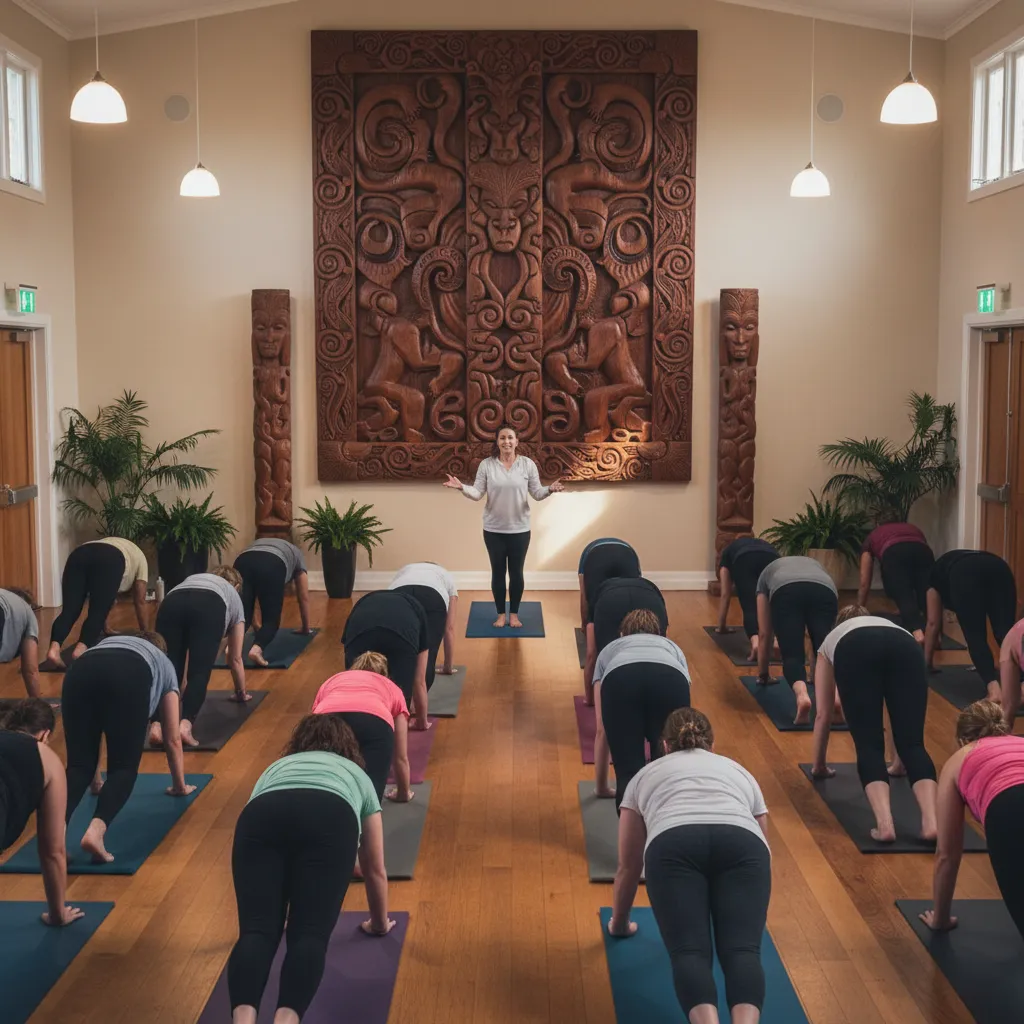
Across Aotearoa, yoga studios are increasingly embracing Matariki as a key event in the calendar. Practicing in community (Whanaungatanga) amplifies the energy of the New Year.
What to look for:
- Sunrise Sessions: Many studios in coastal areas (like Mount Maunganui, Sumner, or Mission Bay) offer dawn classes to view the stars before the sun rises.
- Koha Classes: In the spirit of generosity, many Matariki classes are offered by donation (koha), with proceeds often going to local iwi or environmental charities.
- Fusion Events: Look for workshops that combine Yoga Nidra (yogic sleep) with Taonga Pūoro (traditional Māori musical instruments). The vibration of the instruments combined with deep relaxation is a profound experience.
Whether you are in Auckland, Wellington, or a rural town, check your local studio schedules in June and July. If you cannot find a class, consider gathering friends to host your own sunrise practice.
Frequently Asked Questions
What is the spiritual meaning of Matariki?
Spiritually, Matariki represents a time of renewal, remembrance, and resetting. It is a period to honor those who have passed away in the previous year (releasing their spirits to become stars), celebrate the present harvest and community, and set intentions for the future year.
How to meditate on the Matariki stars?
To meditate on the stars, visualize the cluster in your mind’s eye or sit under the night sky. Focus on the specific attribute of each star (e.g., Hiwa-i-te-rangi for wishes). You can use visualization techniques where you breathe in the light of that specific star to embody its qualities.
What are the best yoga poses for winter?
The best yoga poses for winter are grounding and warming. Restorative poses like Child’s Pose (Balasana) and Legs Up the Wall (Viparita Karani) help conserve energy, while gentle twists and Chair Pose (Utkatasana) help build internal heat (Tapas) to combat the cold.
Is Matariki based on the moon?
Yes, Matariki follows the Maramataka, the Māori lunar calendar. The Matariki period begins when the star cluster rises in the mid-winter sky, but the specific days of celebration are determined by the phases of the moon, typically following the new moon.
What colors are associated with Matariki?
Matariki is often associated with the colors of the night sky and dawn: deep blues, blacks, purples, and silver (representing the stars). It is also associated with red and orange, representing the rising sun and the warmth of the home fires (Ahi Kā) during winter.
How can I celebrate Matariki solo?
You can celebrate solo by waking early to view the stars, practicing a quiet Yin yoga sequence, journaling your reflections and goals, or preparing a meal using ingredients connected to the stars (kumara, fish, birds/chicken) to honor the bounty of the earth.