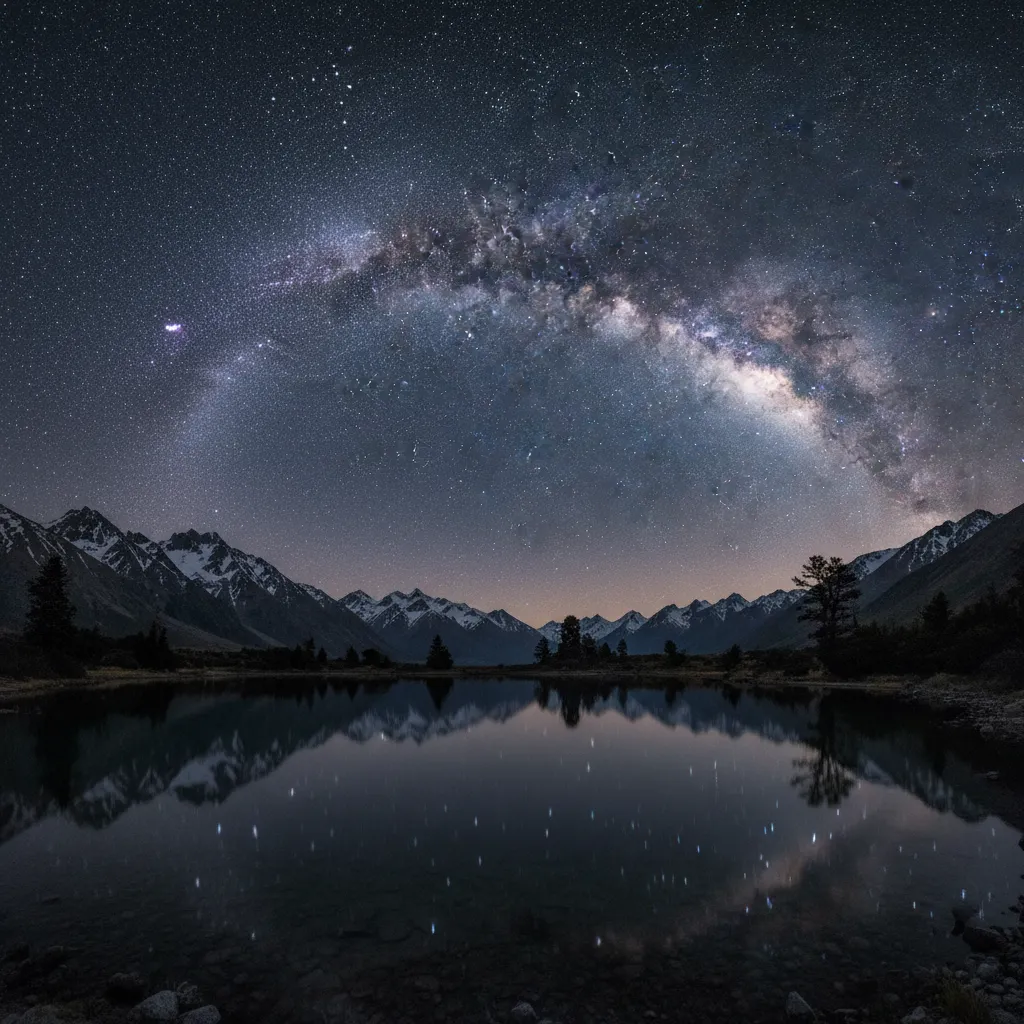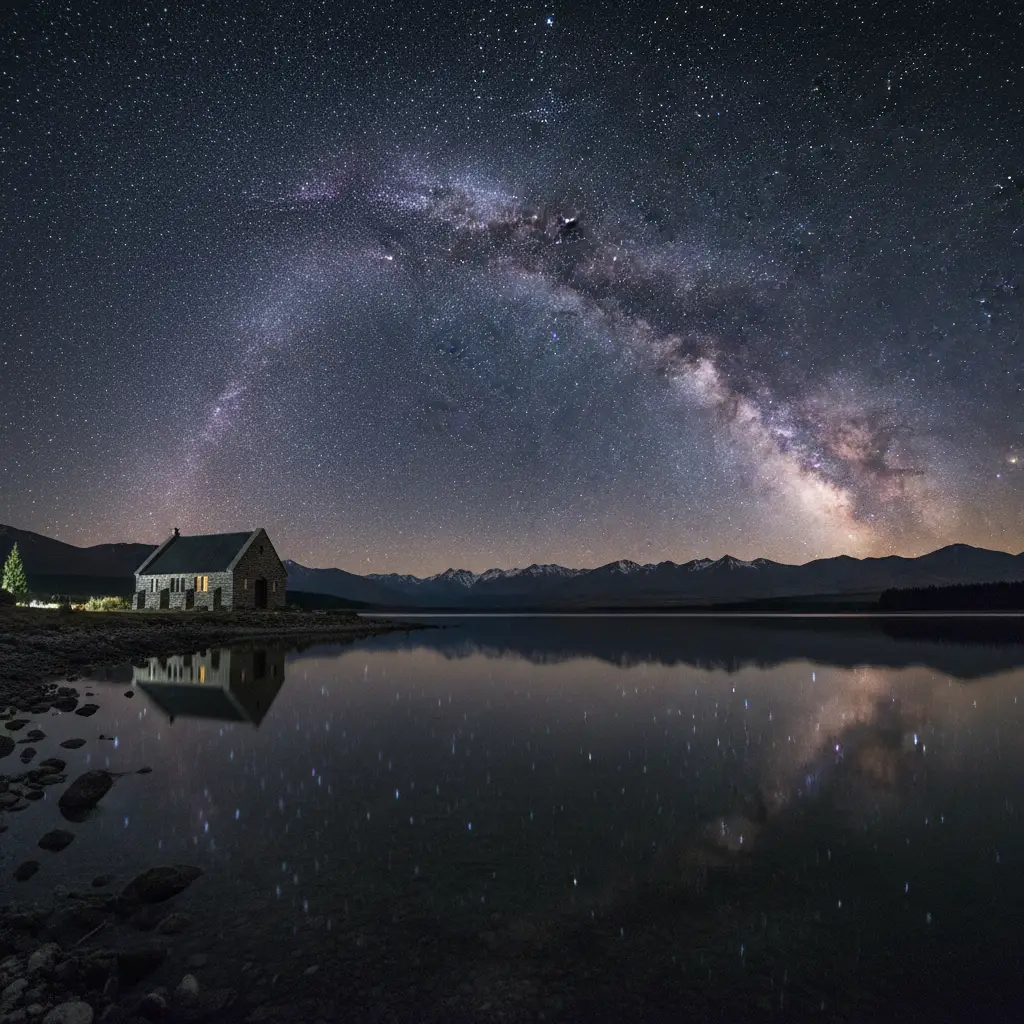
Meteor shower NZ viewing requires finding a location with minimal light pollution, such as an International Dark Sky Reserve, during the peak activity windows of specific celestial events. The best showers for New Zealand observers are the Eta Aquariids in May and the Geminids in December. No telescope is needed; simply allow 20 minutes for dark adaptation and look toward the radiant point.
What Are the Best Meteor Showers for the Southern Hemisphere?
While the Northern Hemisphere often claims the spotlight for events like the Perseids, New Zealand is geographically positioned to witness some of the most spectacular astronomical displays on the planet. For observers in Aotearoa, the celestial calendar is anchored by two major events: the Eta Aquariids and the Geminids.
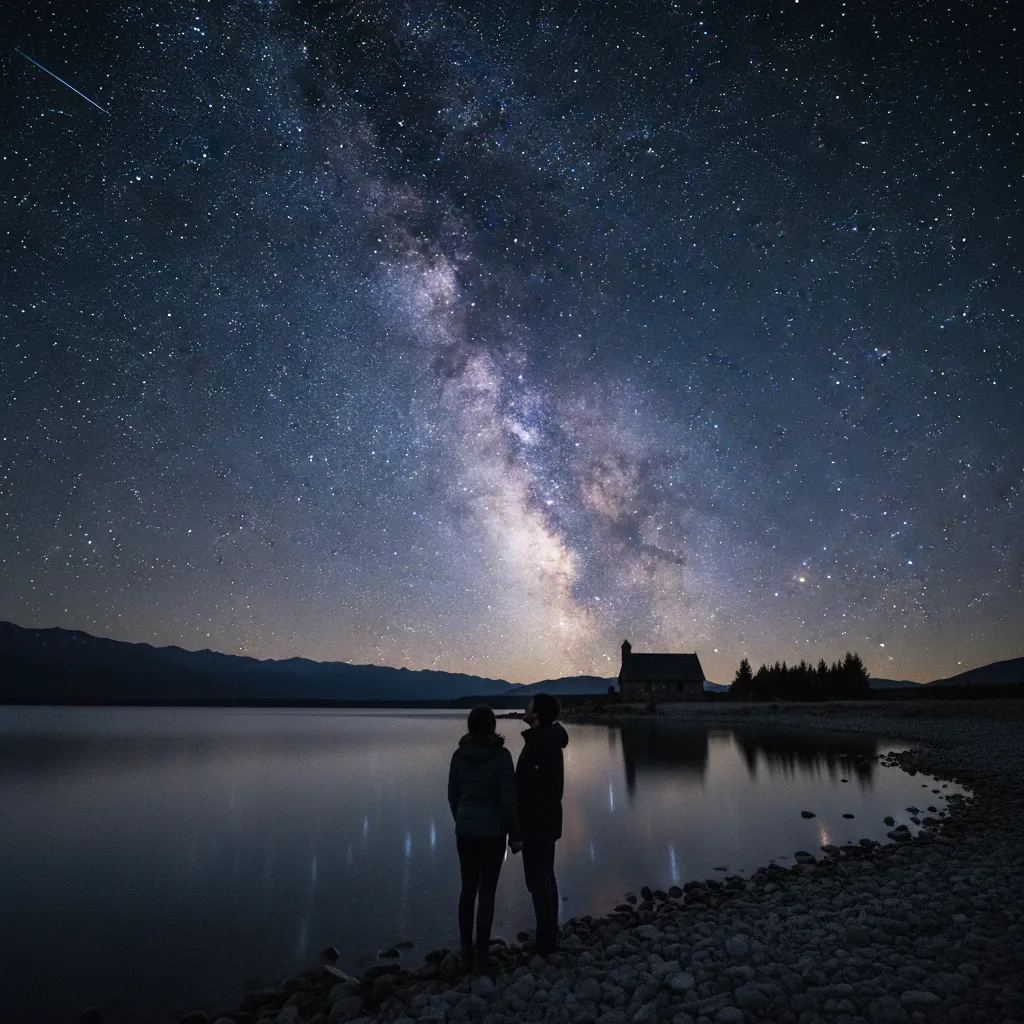
The Eta Aquariids: The Pride of the South
The Eta Aquariid meteor shower is widely considered the premier event for New Zealand stargazers. Active from mid-April to late May, this shower peaks in early May. Unlike many other showers that favor the north, the radiant point (the area of the sky where meteors appear to originate) for the Eta Aquariids is in the constellation Aquarius, which rises high in the Southern Hemisphere sky before dawn.
These meteors are known for their speed, traveling at about 66 kilometers per second into Earth’s atmosphere. Fast meteors can leave glowing “trains” (incandescent bits of debris in the wake of the meteor) which last for several seconds to minutes. The source of the Eta Aquariids is none other than Halley’s Comet (1P/Halley). Every year, Earth passes through the debris trail left by this famous comet, allowing us to see pieces of history burning up in the atmosphere.
The Geminids: A December Spectacle
The Geminids are arguably the most reliable meteor shower of the year. Occurring in mid-December, they provide a consistent display of bright, intensely colored meteors. Unlike most showers which originate from comets, the Geminids come from an asteroid, 3200 Phaethon. This rocky composition means the debris is denser, allowing the meteors to penetrate deeper into the atmosphere and burn more slowly, often creating long, dramatic arcs across the sky.
For New Zealanders, the radiant point in Gemini is lower on the horizon compared to the Eta Aquariids, but the sheer volume of meteors (often exceeding 100 per hour at zenith) makes it a must-see event. The warmer December nights also make viewing far more comfortable than the winter showers.
The Orionids and Others
The Orionids, peaking in October, are the second shower created by Halley’s Comet. While generally producing fewer meteors per hour than the Eta Aquariids (usually 10-20), they are exceptionally beautiful and frame the constellation Orion, a familiar sight in NZ skies (where the Pot is visible). Other notable mentions include the Lyrids in April and the Leonids in November, though these are often better viewed from further north or have variable rates of activity.
Viewing Tips: How to Maximize Your Experience
Successfully viewing a meteor shower in New Zealand involves more than just stepping onto your back porch. To see the faint streaks and the occasional fireball, you must optimize your environment and your physiology.
Escape Light Pollution
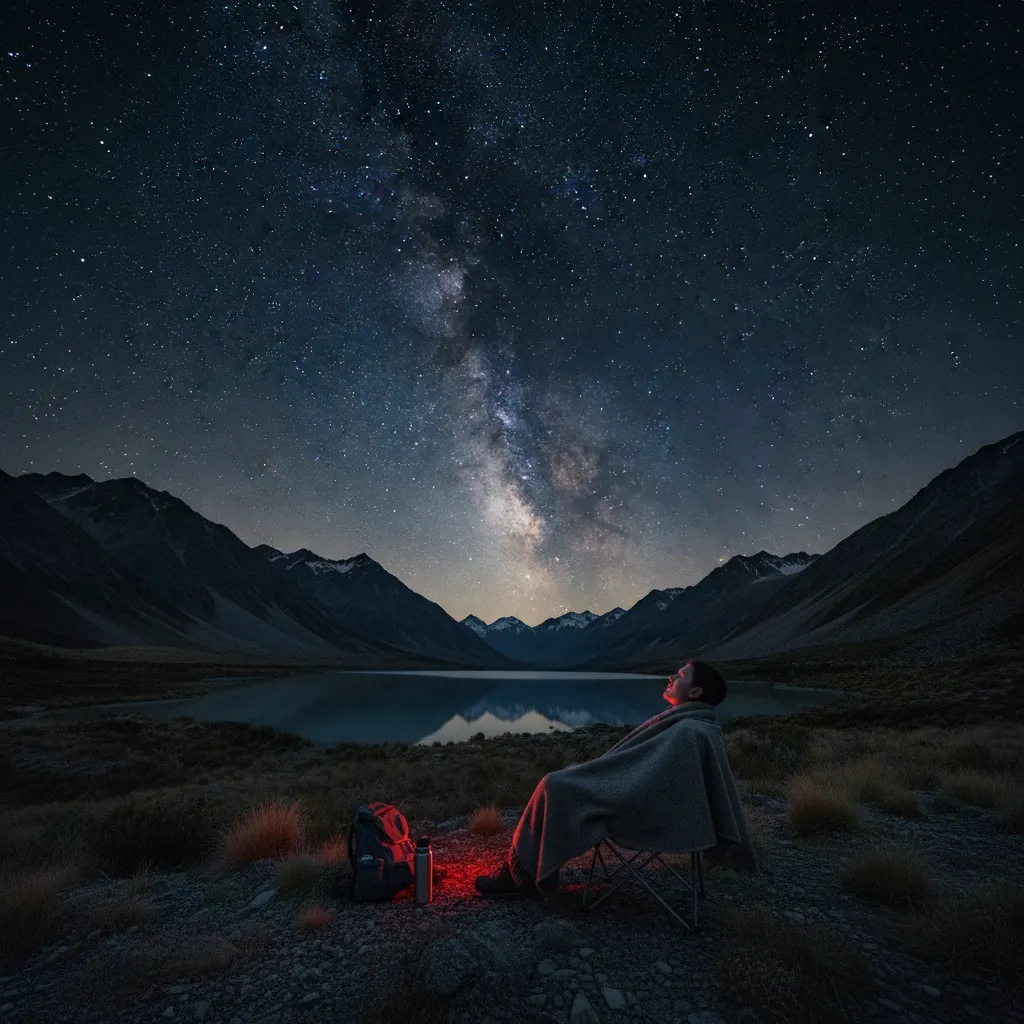
New Zealand is home to several International Dark Sky Sanctuaries and Reserves, including the Aoraki Mackenzie International Dark Sky Reserve, Great Barrier Island (Aotea), and the Wairarapa Dark Sky Reserve. You do not need to be in these specific zones, but you must get away from city lights. Light pollution washes out the fainter meteors, significantly reducing the number you will see. A 30-minute drive away from major urban centers like Auckland, Wellington, or Christchurch is often sufficient.
Dark Adaptation is Critical
Your eyes contain a chemical called rhodopsin (visual purple) that allows you to see in low light. It takes approximately 20 to 30 minutes for your eyes to fully produce enough rhodopsin for optimal night vision. One glance at a smartphone screen or a car headlight can bleach this chemical instantly, resetting your waiting time. Use a red-light torch if you need to navigate, as red light has less impact on night vision.
Where to Look?
While meteors originate from a “radiant point,” you should not stare directly at that point. Meteors near the radiant have short trails because they are moving toward you. The longest, most spectacular trails are visible about 45 to 90 degrees away from the radiant. The best strategy is to lie flat on your back, feet pointing generally toward the radiant, and take in as much of the sky as possible. No binoculars or telescopes are required; in fact, they are detrimental because they restrict your field of view.
Dates and Peak Times for NZ (2024-2025)
Timing is everything. Meteor showers are active for weeks, but the peak usually only lasts a night or two. Below is a guide tailored for New Zealand observation.
| Meteor Shower | Activity Period | Peak Night (NZ Time) | ZHR (Meteors/Hour) | Moon Phase Impact |
|---|---|---|---|---|
| Lyrids | Apr 14 – Apr 30 | April 22-23 | 18 | Moderate interference |
| Eta Aquariids | Apr 19 – May 28 | May 5-6 | 50+ | Excellent (New Moon) |
| Perseids | July 17 – Aug 24 | Aug 12-13 | 100 (Low in NZ sky) | High interference |
| Orionids | Oct 2 – Nov 7 | Oct 21-22 | 20 | Moderate interference |
| Leonids | Nov 6 – Nov 30 | Nov 17-18 | 10-15 | High interference |
| Geminids | Dec 4 – Dec 20 | Dec 13-14 | 120-150 | Variable |
Note: ZHR (Zenithal Hourly Rate) assumes perfect dark sky conditions with the radiant directly overhead. In practice, observers usually see 50-70% of this number.
Photography Tips for Meteors
Capturing a meteor streak is one of the most rewarding challenges in astrophotography. Unlike photographing the Milky Way, where the subject is static relative to the stars, meteors are fleeting. Here is how to set up your gear for success.
Gear Requirements
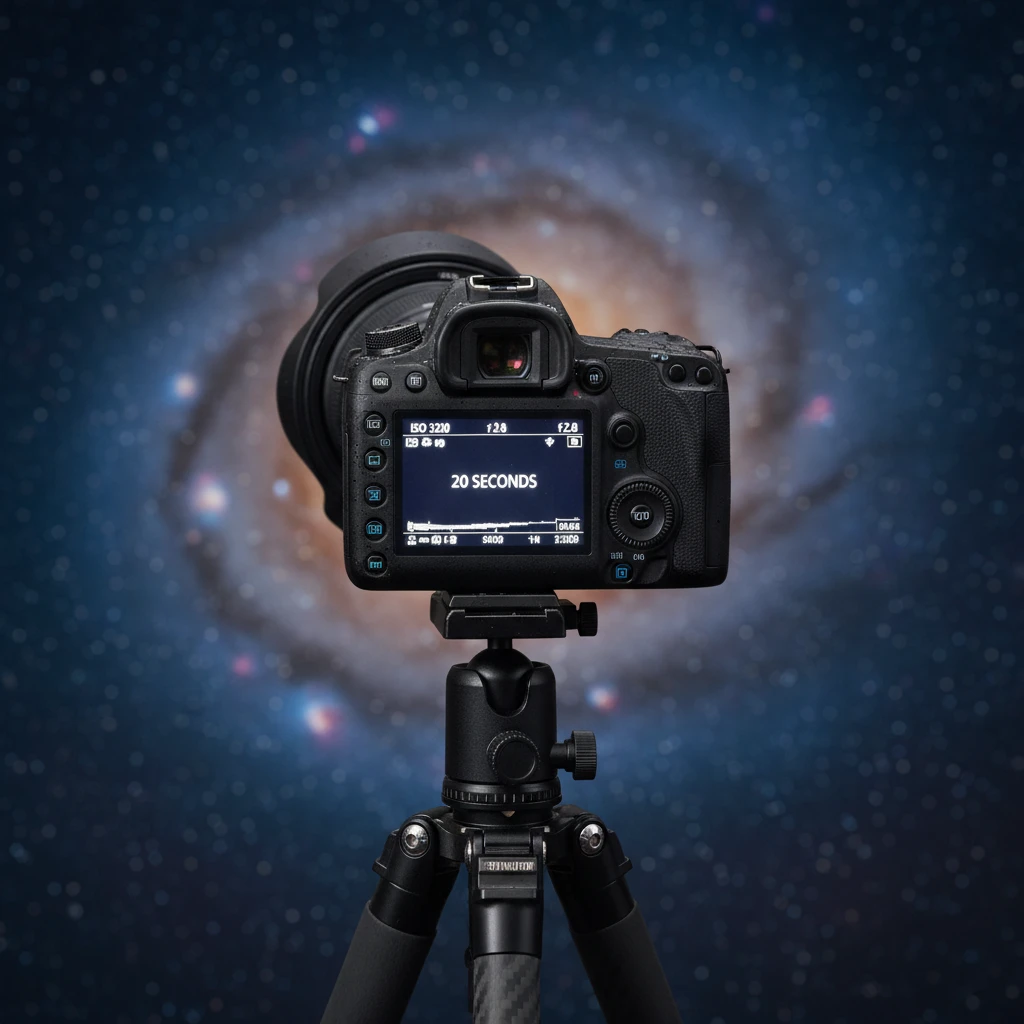
You will need a DSLR or Mirrorless camera with manual mode capability, a sturdy tripod (essential for long exposures), and a wide-angle lens (14mm to 24mm is ideal). A remote shutter release or an intervalometer is highly recommended to avoid shaking the camera when pressing the button.
Camera Settings
- Focus: Switch to Manual Focus. Zoom in on a bright star using your camera’s Live View and adjust the focus ring until the star is a pinpoint of light. Tape the focus ring down so it doesn’t move.
- Aperture: Open your lens as wide as possible (lowest f-number, ideally f/2.8 or f/1.8) to let in the most light.
- ISO: Set your ISO between 1600 and 6400. Higher ISO captures fainter meteors but introduces digital noise. Modern cameras handle ISO 3200 very well.
- Shutter Speed: Use the “500 Rule” to avoid star trails (500 divided by your focal length). For a 14mm lens, this is roughly 35 seconds, but for meteor showers, 15 to 20 seconds is often the sweet spot. This keeps the background sky dark enough to contrast with the meteors.
The Shooting Strategy
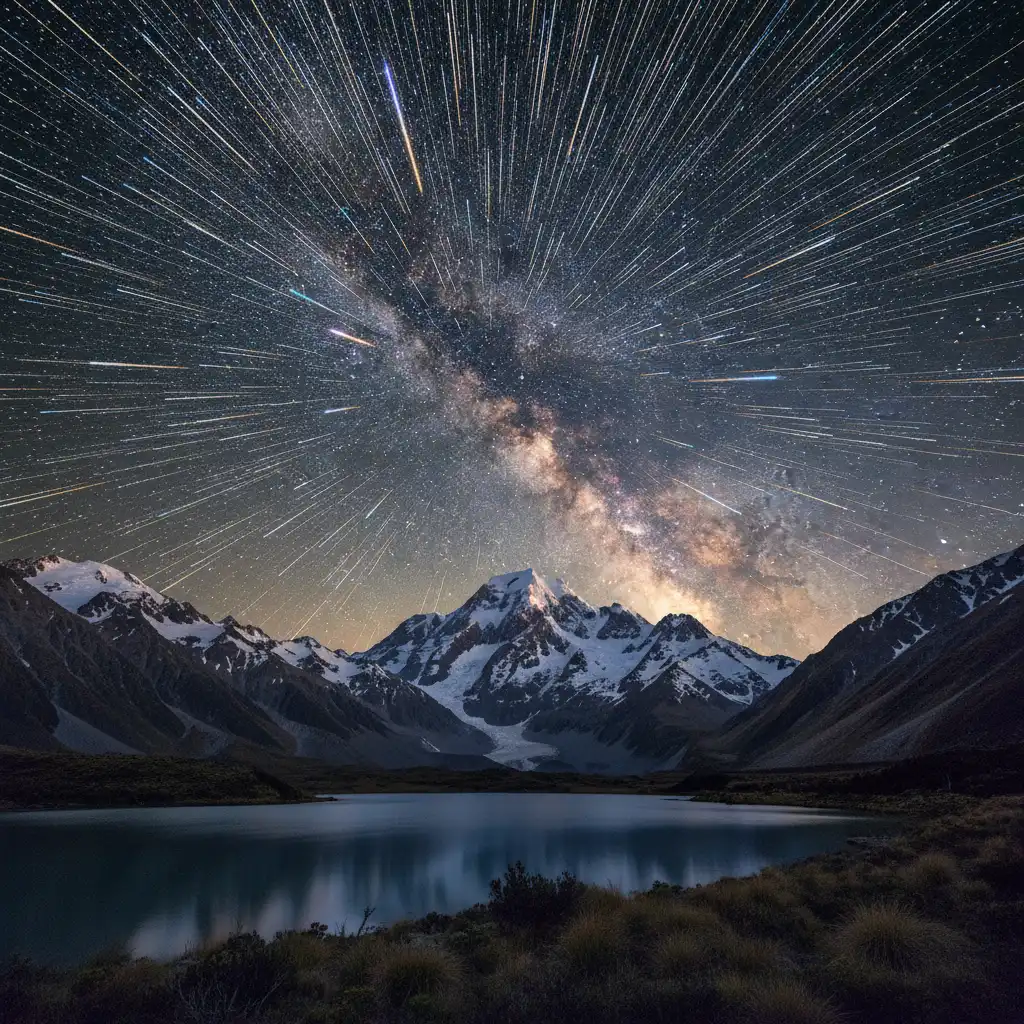
Set your camera to continuous shooting mode (burst mode) using an intervalometer. Program it to take continuous 20-second exposures for an hour or more. You cannot predict when a meteor will fly through your frame, so the strategy is to capture hundreds of images and hope a meteor appears in a few of them. Later, you can stack these images in post-processing software to create a composite image showing multiple meteors radiating from a single point.
Cultural Context: Māori Astronomy
In New Zealand, the night sky holds deep cultural significance. Māori astronomy, or Tātai Arorangi, was essential for navigation, planting, and harvesting. While the Maramataka (Māori lunar calendar) focuses heavily on the phases of the moon and the rising of specific stars like Matariki (The Pleiades) or Puanga (Rigel), meteors also have a place in the lore.
Meteors are sometimes referred to as tūpāpaku or kotokoto. In some traditions, a bright meteor was seen as a sign or an omen, potentially signifying the passing of a great chief or a significant event. Viewing meteor showers in New Zealand offers a unique opportunity to connect not just with the cosmos, but with the history of the navigators who used these same stars to cross the Pacific Ocean centuries ago.
People Also Ask
What is the best time to see a meteor shower in NZ?
The best time is generally between 2:00 AM and 5:00 AM. During these pre-dawn hours, your location on Earth is spinning into the stream of debris, acting like a windshield collecting bugs, which results in more frequent and brighter meteors.
Can I see the Perseid meteor shower in New Zealand?
Technically yes, but it is very difficult. The Perseids are a Northern Hemisphere shower. In New Zealand, the radiant point is barely above the northern horizon, meaning most meteors are blocked by the earth. You might see a few “earth-grazers” skimming the horizon, but it is not the best shower for NZ viewing.
Do I need a telescope to see meteor showers?
No, you should not use a telescope or binoculars. Meteors move quickly across vast stretches of the sky. Optical aids zoom in too far, restricting your field of view and making it nearly impossible to catch a meteor. The naked eye is the best instrument.
Where is the darkest place to stargaze in NZ?
The Aoraki Mackenzie International Dark Sky Reserve in the South Island is the largest and most famous. However, Great Barrier Island (Aotea) near Auckland and Stewart Island (Rakiura) in the deep south are also International Dark Sky Sanctuaries offering pristine viewing conditions.
What should I bring to a meteor shower viewing?
Bring a reclining chair or a camping mat to lie on, a sleeping bag or heavy blankets (NZ nights are cold even in summer), a red-light torch to preserve night vision, and warm fluids in a thermos. Patience is the most important tool.
Why are meteor showers better some years than others?
The primary factor is the Moon. If a meteor shower peaks during a Full Moon, the bright moonlight washes out the sky, rendering faint meteors invisible. The best years for viewing are when the peak coincides with a New Moon or a Crescent Moon.