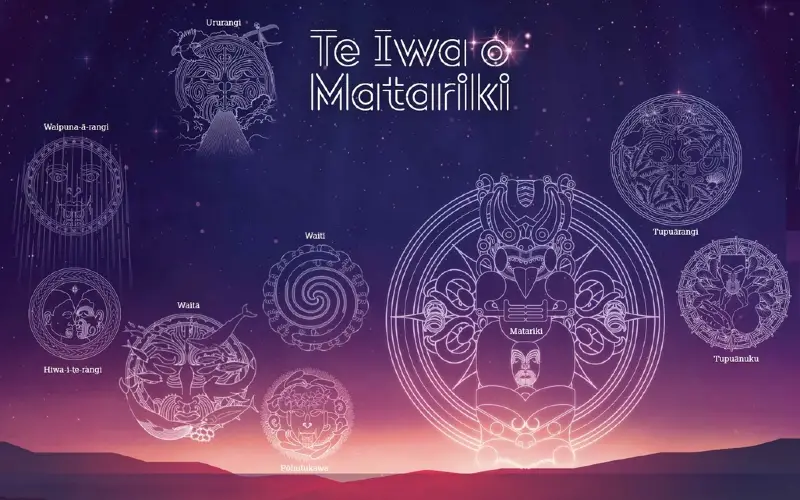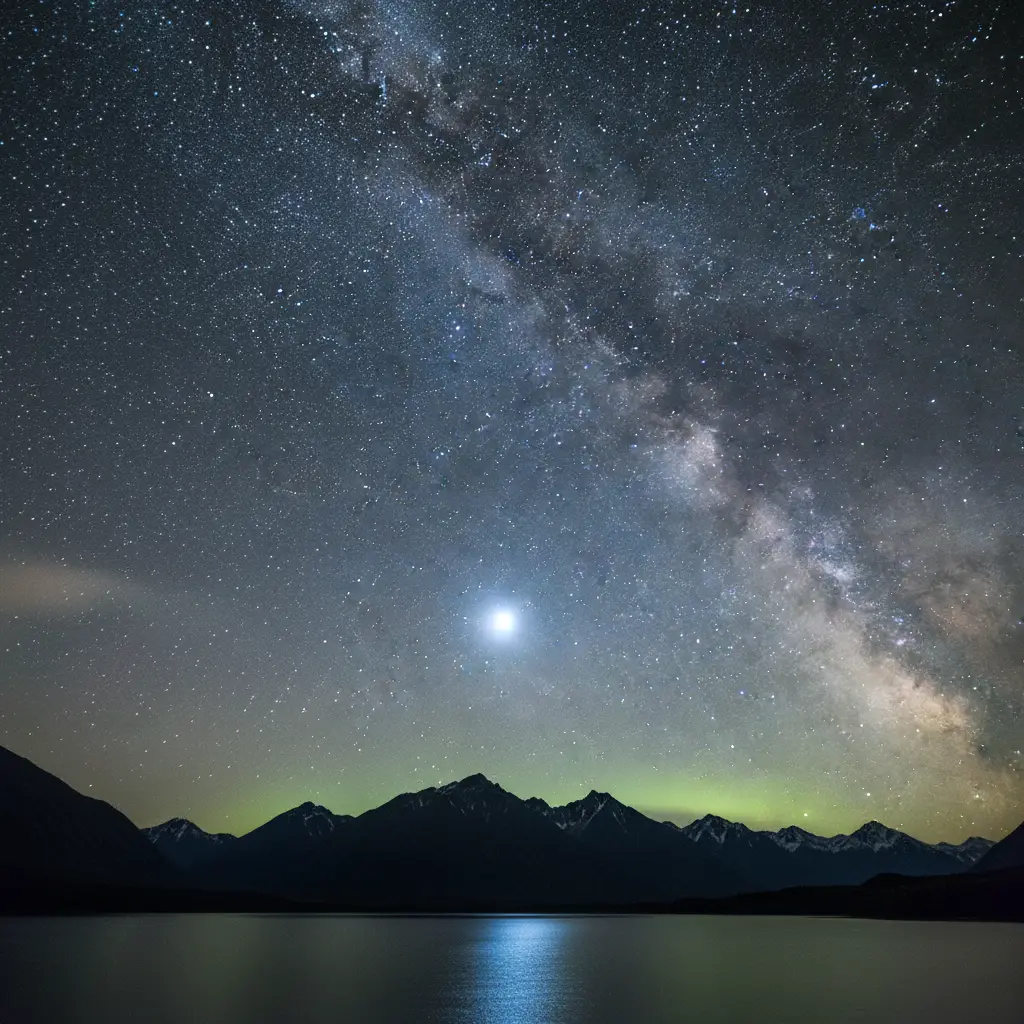
The story of the eyes of the god Matariki originates from the Māori creation pūrākau (narrative). Devastated by the forced separation of his parents, Ranginui (Sky Father) and Papatūānuku (Earth Mother), the god of wind, Tāwhirimātea, tore out his own eyes in grief. He crushed them in his hands and threw them into the heavens, creating the star cluster known as Ngā Mata o te Ariki o Tāwhirimātea.
What is the context of the Creation Myth?
To fully understand the story of the eyes of the god Matariki, one must first look to the beginning of the world according to Māori cosmology. In the beginning, there was Te Kore (The Void), followed by Te Pō (The Night). Within this darkness existed Ranginui, the Sky Father, and Papatūānuku, the Earth Mother. They were locked in a tight, eternal embrace.
Their children, the ngā atua (gods), were born into the cramped darkness between their parents. As these children grew, they yearned for light, space, and the freedom to move. This desire for growth sparked a great debate among the siblings regarding what should be done with their parents to allow Te Ao Mārama (The World of Light) to enter.
Tūmatauenga, the god of war, proposed killing their parents. However, Tāne Mahuta, the god of the forest and birds, suggested a gentler but drastic approach: separating them. Tāne proposed pushing Rangi up into the heavens and leaving Papa below to nurture them.
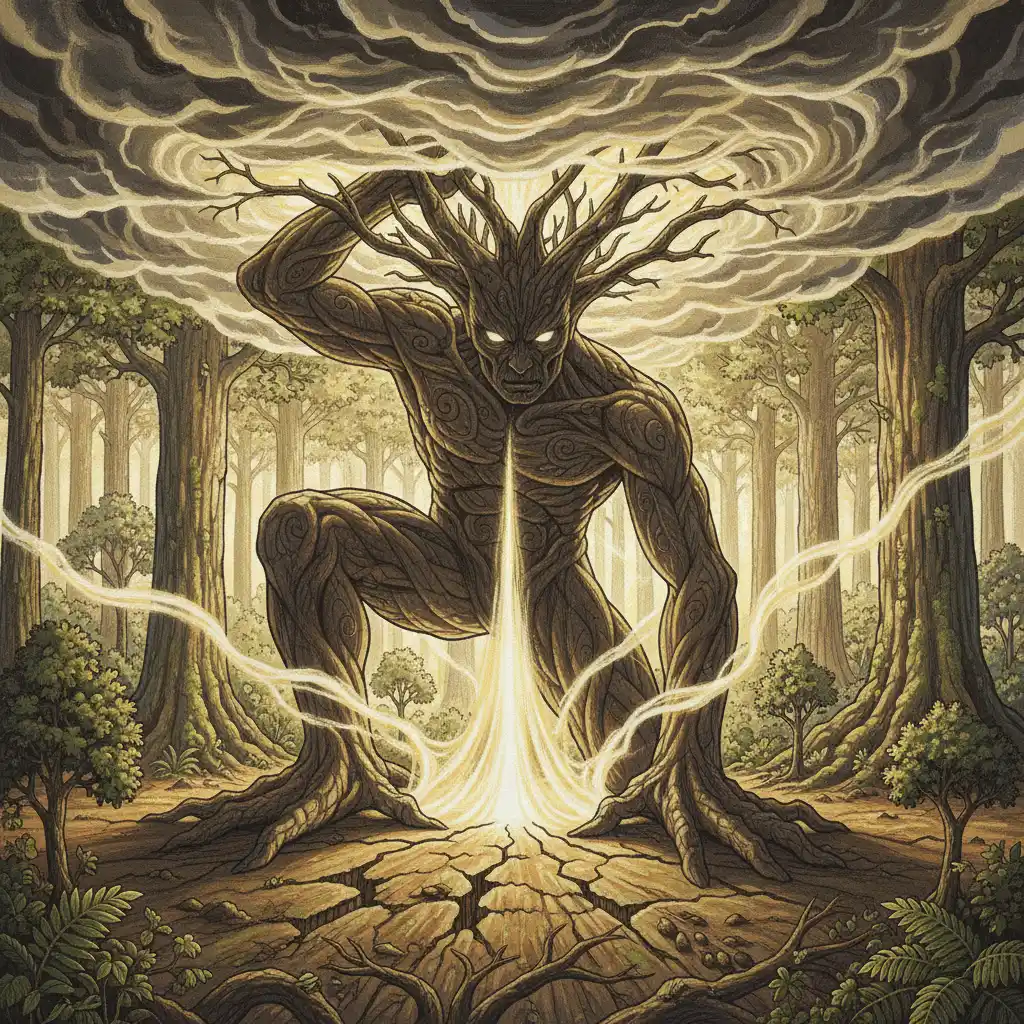
After many failed attempts by his brothers, Tāne Mahuta lay on his back, planted his shoulders against his mother, and thrust his powerful legs against his father. Slowly, with groans of pain and sorrow from the parents, the bonds were broken. Ranginui was forced upward, and for the first time, light flooded the world.
Why was Tāwhirimātea so angry?
While most of the brothers rejoiced in the new light and space, one brother was consumed by fury. Tāwhirimātea, the atua of the wind, weather, and storms, strongly opposed the separation. He could not bear to hear the cries of his parents as they were torn apart, nor could he accept the disrespect shown by his siblings.
Tāwhirimātea is unique among his siblings as he chose to ascend to the heavens (Te Rangi) to stay with his father, Ranginui, rather than remaining on Papatūānuku. From the skies, he looked down upon his brothers with vengeance in his heart. He believed that the separation was a cruel act of betrayal.
In his wrath, Tāwhirimātea waged war against his brothers to punish them for their actions:
- He sent hurricanes to tear up the forests of Tāne Mahuta.
- He churned the oceans, terrifying Tangaroa (god of the sea) and his grandchildren.
- He attacked the crops of Rongo-mā-Tāne (god of cultivated food) and Haumia-tikitiki (god of wild food), forcing them to hide within the earth.
This war of the elements established the chaotic weather patterns we experience today. However, Tāwhirimātea’s anger was not just expressed through physical storms; it was fueled by a deep, psychological grief that would lead to the creation of Matariki.
How were the ‘Eyes of the God’ created?
The climax of this pūrākau (legend) answers the specific search regarding the story of the eyes of the god Matariki. After battling his brothers and seeing that the separation of his parents was irreversible, Tāwhirimātea was overcome with an overwhelming sense of loss.
In a final, violent act of anguish and defiance, Tāwhirimātea plucked out his own eyes. The act symbolized his refusal to see the world in its separated state and his desire to remain in darkness with his father. He took his eyes, crushed them within his hands to create shards of divine light, and hurled them onto the chest of his father, Ranginui.
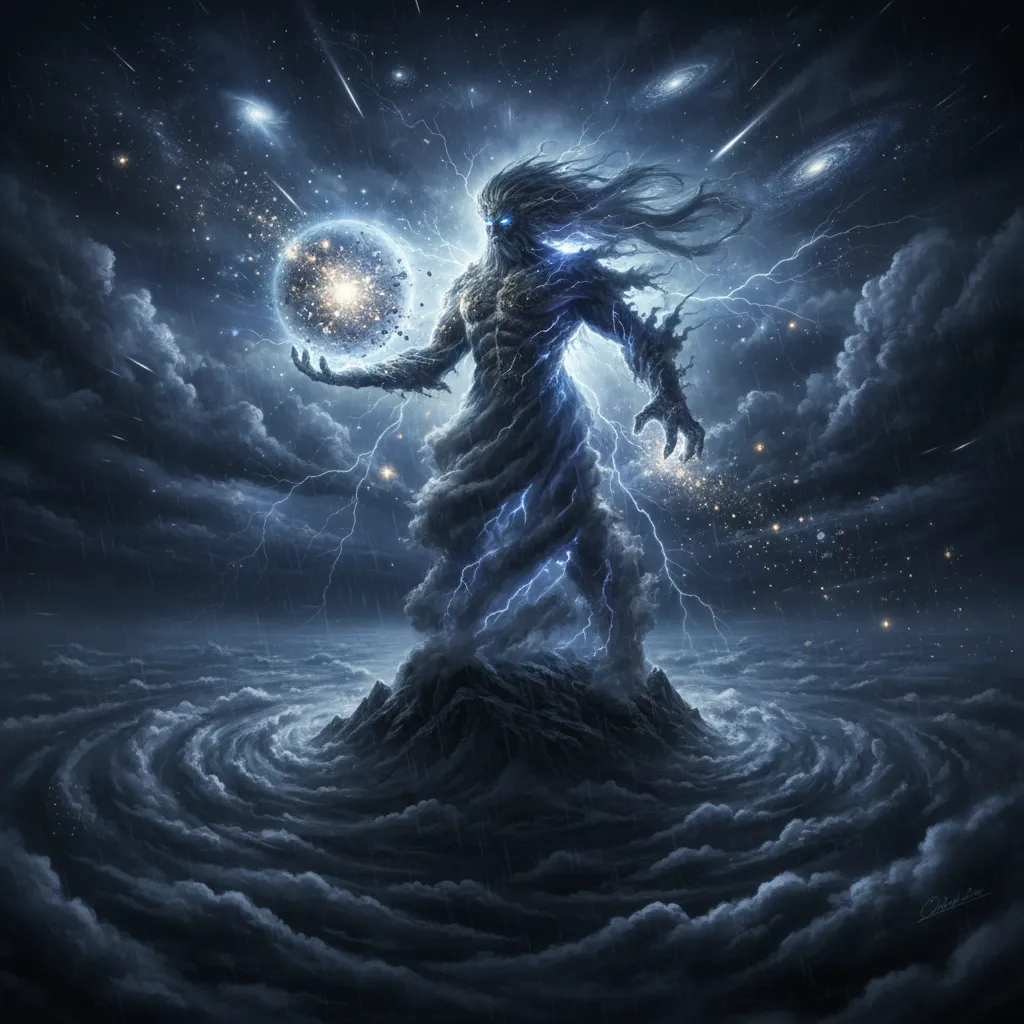
These crushed fragments stuck to the sky and became the star cluster we know today. This origin story gives the cluster its full name: Ngā Mata o te Ariki o Tāwhirimātea, which translates directly to “The Eyes of the God Tāwhirimātea.”
Over time, this name was shortened to Matariki. While some interpretations suggest Matariki means “Little Eyes” (Mata = eyes, Riki = little), the most authoritative and widely accepted translation by Māori scholars aligns with the story of Tāwhirimātea’s sacrifice.
What is the symbolism behind the story?
The story of Tāwhirimātea and his eyes is not merely a tale of violence; it is rich with cultural and environmental symbolism that informs how Matariki is observed today.
1. The Connection to Weather
Because the stars are the eyes of the wind god, they are intrinsically linked to weather prediction. When Matariki rises in mid-winter, Māori astronomers (tohunga kōkōrangi) observe the brightness and clarity of the individual stars to predict the weather for the coming year. If the stars are hazy or shimmering, it suggests Tāwhirimātea is close, predicting cold, windy, and wet weather. If they are clear and distinct, a warmer, more productive season is expected.
2. Remembrance of the Dead
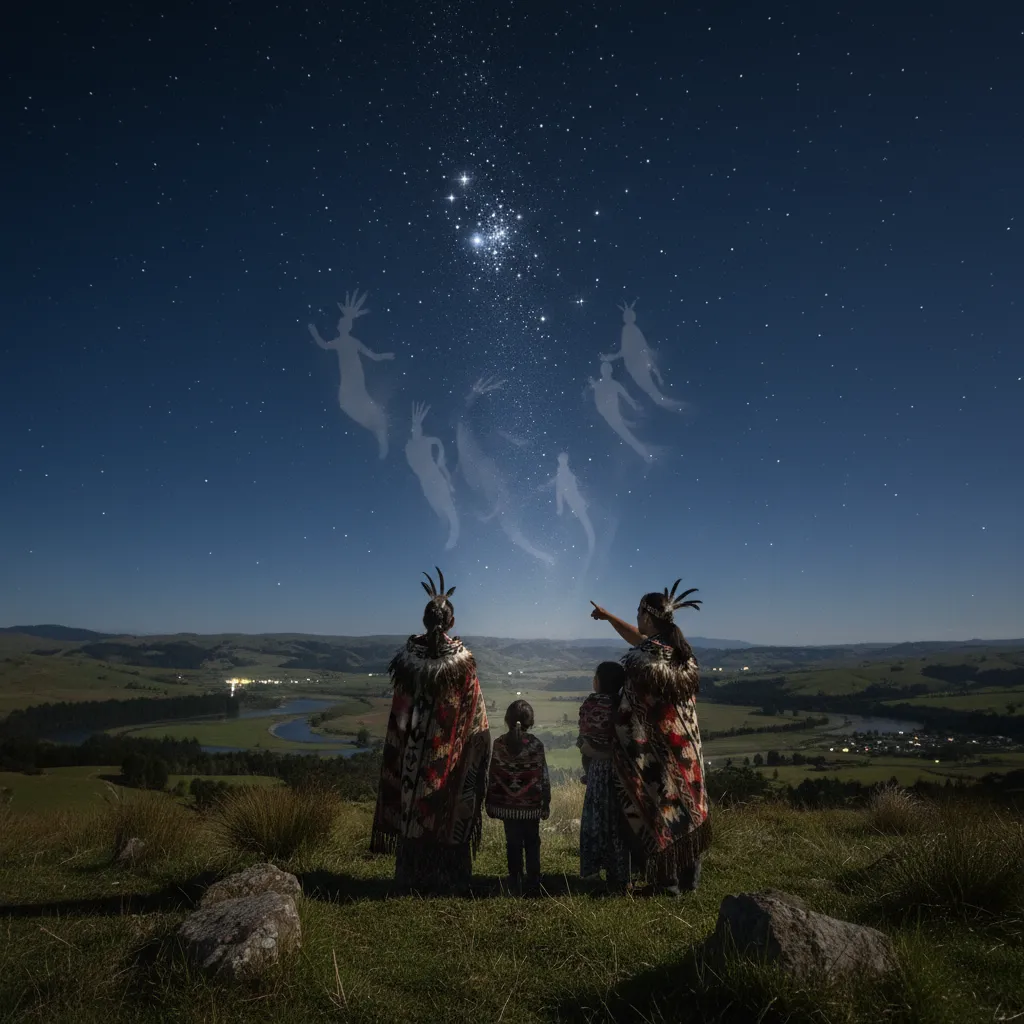
The sorrow of Tāwhirimātea mirrors the grief felt by humanity when loved ones pass away. Matariki is the time to acknowledge te hunga mate (the dead). Just as the god’s eyes were cast into the heavens, the spirits of those who have died in the past year are said to be released into the sky to become stars during the rising of Matariki. The story validates grief as a natural, powerful force.
3. Resilience and New Beginnings
Although born from rage and blindness, the stars ultimately serve as a guide. They mark the Māori New Year, a time of renewal. This transformation—from the bloody eyes of a grieving god to a beacon of navigation and agricultural guidance—symbolizes resilience. It teaches that even out of great pain and chaos, light and guidance can emerge.
How to tell this story to students?
For educators and parents looking to teach the story of the eyes of the god Matariki, it is essential to approach the narrative with cultural sensitivity and engagement. This story captures the imagination, but it can be intense for younger audiences; many Matariki Books for Children present the tale in age-appropriate ways. Here is a structured approach to delivering this lesson effectively.
Set the Scene with Sensory Details
Begin by creating an atmosphere. Matariki occurs in winter, so the setting is cold and dark. Ask students to imagine a world of complete darkness before the separation. Use descriptive language to explain the cramped conditions of the gods. This helps contrast the “light” of the stars later in the story.
Focus on Emotion, Not Just Action
Instead of focusing solely on the gore of the eyes being removed, focus on the emotion. Explain that Tāwhirimātea was heartbroken. Ask students:
- “Have you ever been so sad or angry that you wanted to close your eyes and not see anything?”
- “Why do you think Tāwhirimātea loved his parents so much?”
This humanizes the atua and makes the myth relatable.
Visual Aids and Art Integration
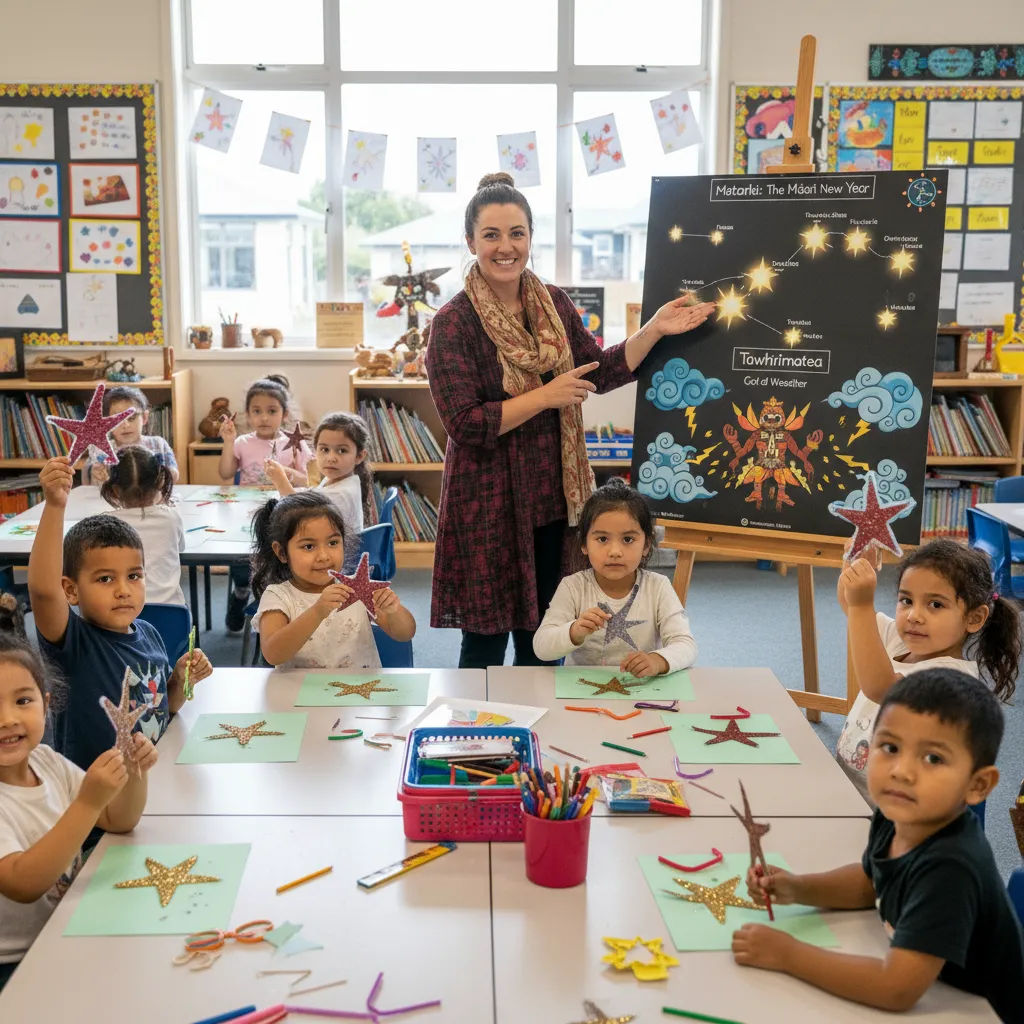
The imagery of “crushed stars” is potent for art projects. Have students create their own representations of the cluster using glitter, paint, or light boxes. While they create, reiterate that these are the “Eyes of the God.”
Connect to Science (Astronomy)
Bridge the gap between pūrākau (myth) and science. Explain that while the story tells us they are eyes, science tells us they are a cluster of hot, blue stars (The Pleiades). Discuss how the “hazy” look of the cluster (which relates to the weather prediction) is actually due to interstellar dust clouds reflecting the light of the stars. This validates both the cultural knowledge and the scientific observation.
Use the Correct Pronunciation
Ensure you are pronouncing the names correctly.
Matariki: Mah-tah-ree-key
Tāwhirimātea: Tah-fee-ree-mah-teh-ah
Using correct pronunciation shows respect for the culture and the mana of the story.
Frequently Asked Questions
What does the name Matariki literally mean?
Matariki is an abbreviation of “Ngā Mata o te Ariki o Tāwhirimātea,” which literally means “The Eyes of the God Tāwhirimātea.” While some translate it as “Little Eyes” (Mata Riki), the full etymology links directly to the legend of the wind god.
How many stars are in the Matariki cluster?
From an astronomical perspective, there are hundreds of stars in the Pleiades cluster. However, in Māori tradition, most iwi (tribes) recognize either seven or nine visible stars. The nine stars are Matariki (the mother), Pōhutukawa, Tupuānuku, Tupuārangi, Waitī, Waitā, Waipuna-ā-rangi, Ururangi, and Hiwa-i-te-rangi.
Why is Tāwhirimātea associated with Matariki?
Tāwhirimātea is the creator of the cluster in Māori mythology. As the god of wind and weather, his mood affects the visibility of the stars. If his “eyes” appear bright, he is calm; if they appear blurry, he is turbulent, signaling bad weather.
When is the best time to see Matariki?
Matariki appears in the pre-dawn sky in mid-winter (usually late June or early July in New Zealand). It rises in the northeast horizon just before the sun (use an Interactive Night Sky Map Tool: Locate Matariki Now to find it). The Matariki Dates 2024-2030 shift annually based on the lunar calendar (maramataka).
Are there other stories about Matariki?
Yes, there are variations. Some stories describe Matariki as a mother surrounded by her daughters. However, the “Eyes of the God” narrative is the primary explanation for the name and origin of the cluster itself within the context of the creation myth.
What is the difference between Matariki and the Pleiades?
They are the same star cluster. “Pleiades” is the Greek name, known as the Seven Sisters. “Matariki” is the Māori name. Almost every ancient culture has a specific name and legend for this distinct group of stars due to its brightness and proximity to Earth.