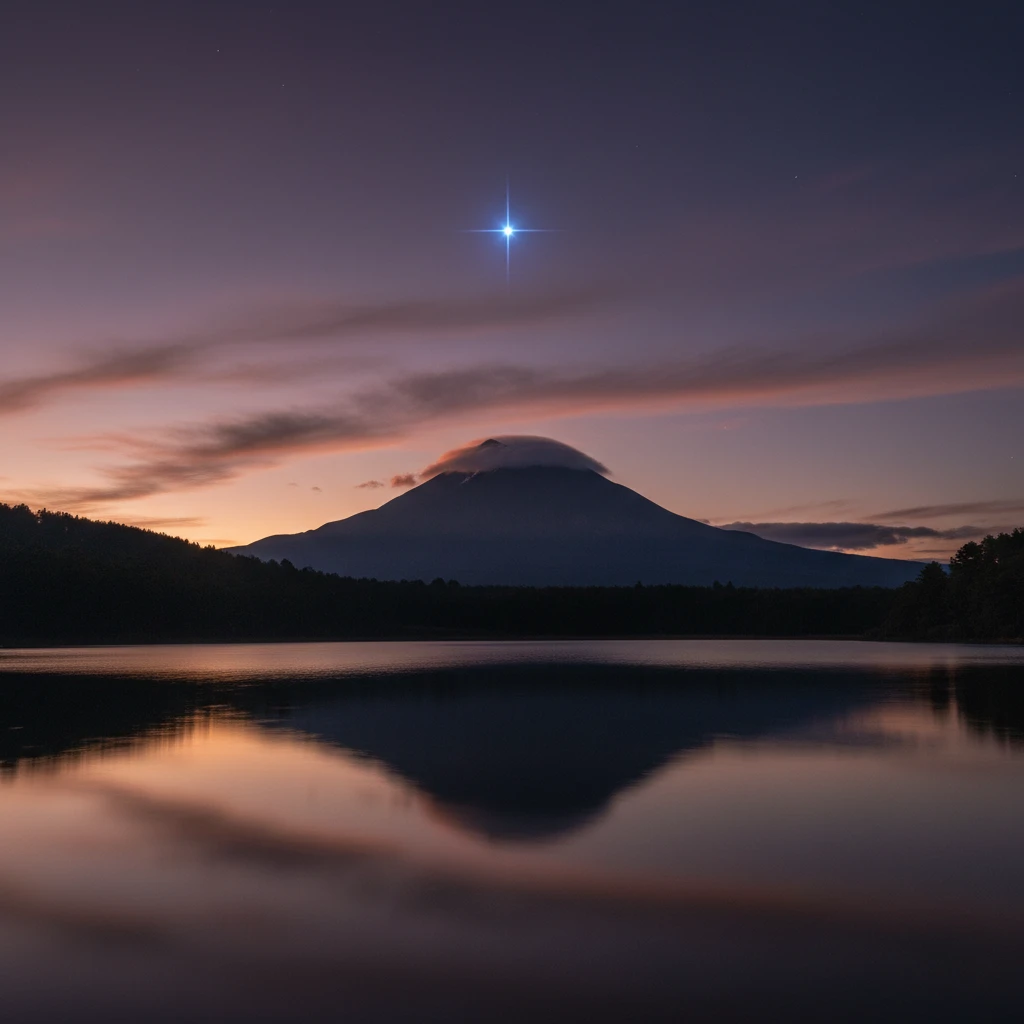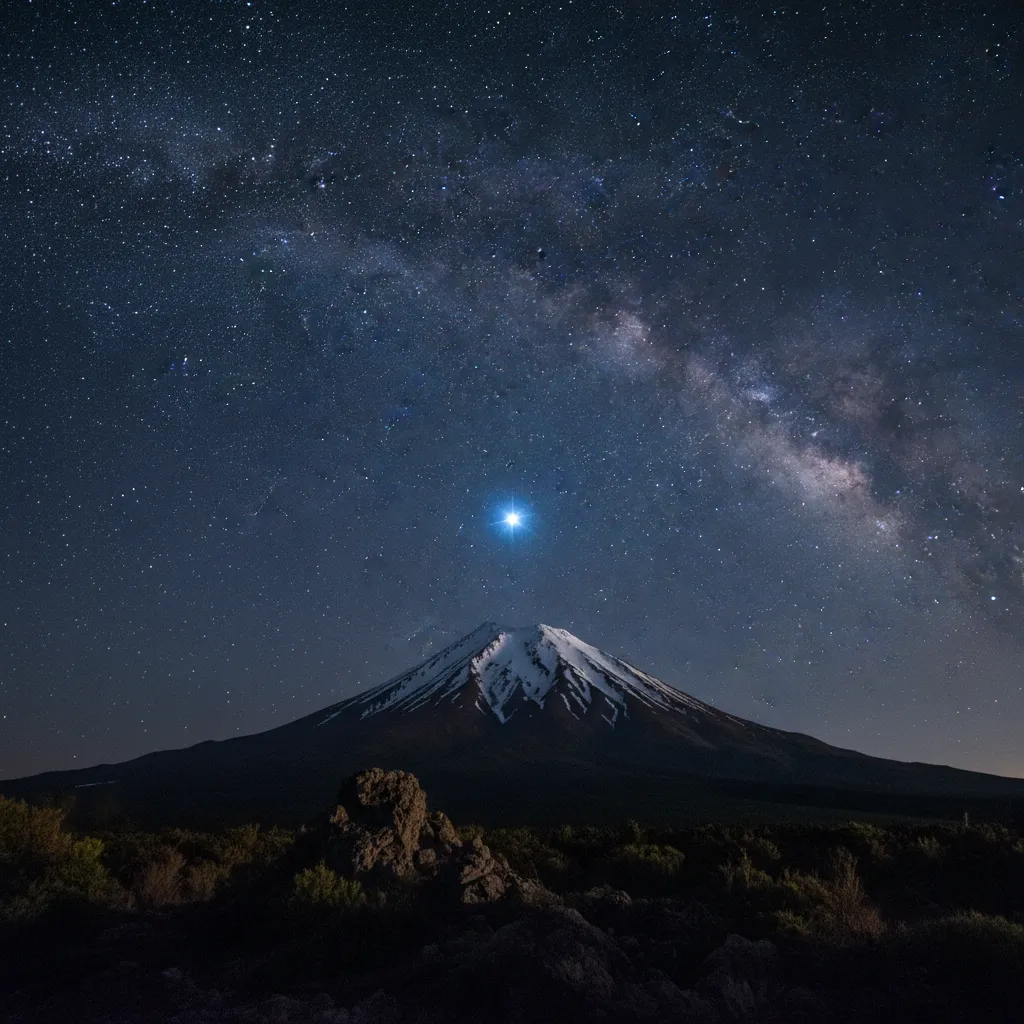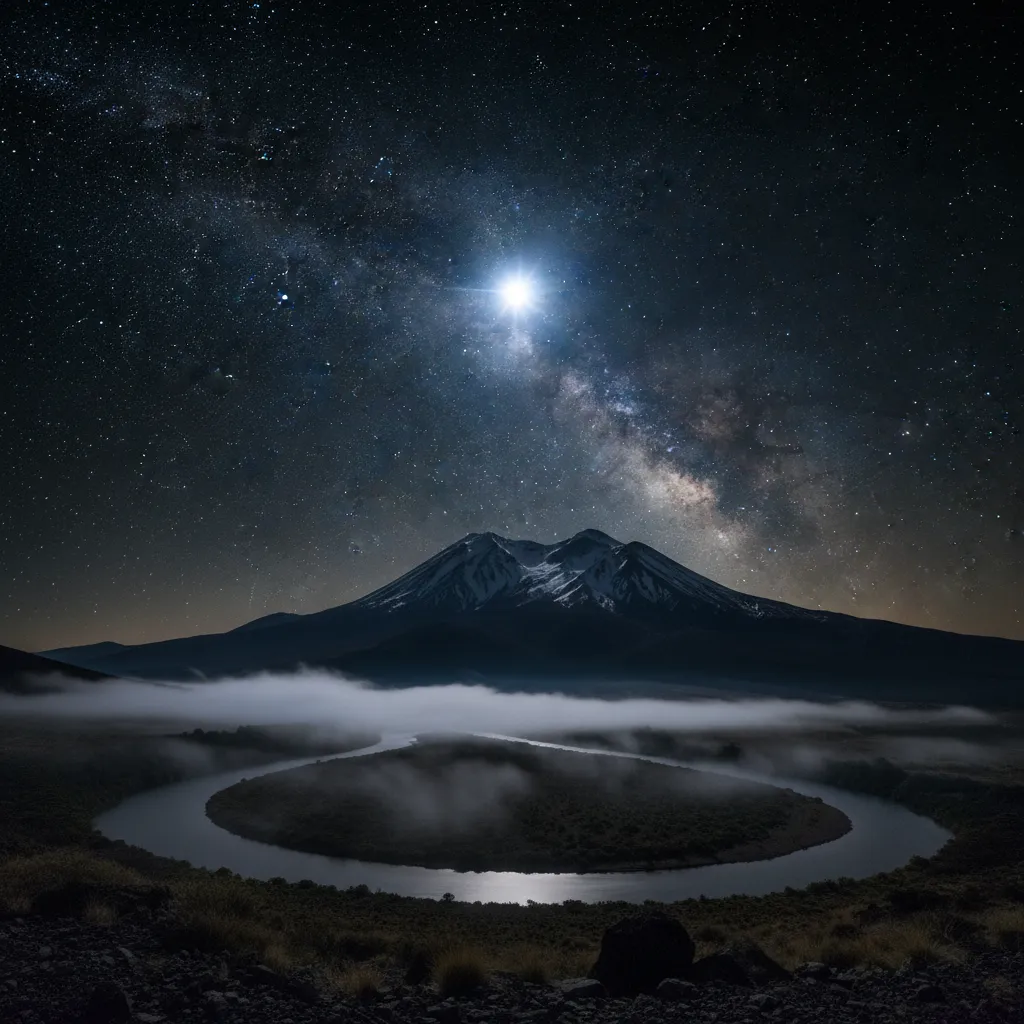
Ngāi Tahu Puaka refers to the specific Southern Māori celebration of the New Year, distinguished by the prominence of the star Puaka (Rigel) rather than Matariki alone. Influenced by the unique Southern ‘k’ dialect, where ‘Puanga’ becomes ‘Puaka,’ this observance centers on winter resource gathering (mahinga kai), storytelling, and the astronomical positioning of Rigel over the South Island of New Zealand.
The Southern Dialect: Understanding the ‘K’ Shift
To truly understand the significance of Ngāi Tahu Puaka, one must first appreciate the linguistic distinctiveness of the Southern Māori dialect. Te Reo Māori, while mutually intelligible across Aotearoa (New Zealand), possesses regional variations that serve as markers of identity and tribal history. The most famous of these is the Southern ‘k’ dialect used by Ngāi Tahu (also known as Kāi Tahu).
In standard Northern Māori dialects, the digraph ‘ng’ is utilized frequently. However, in the South Island, this sound often shifts to a ‘k’. This is not merely a pronunciation difference but a fundamental aspect of Southern identity. Therefore, the star known as Puanga in the North becomes Puaka in the South. Similarly, the tribe Ngāi Tahu is often referred to as Kāi Tahu, and the word for sky, rangi, becomes raki.
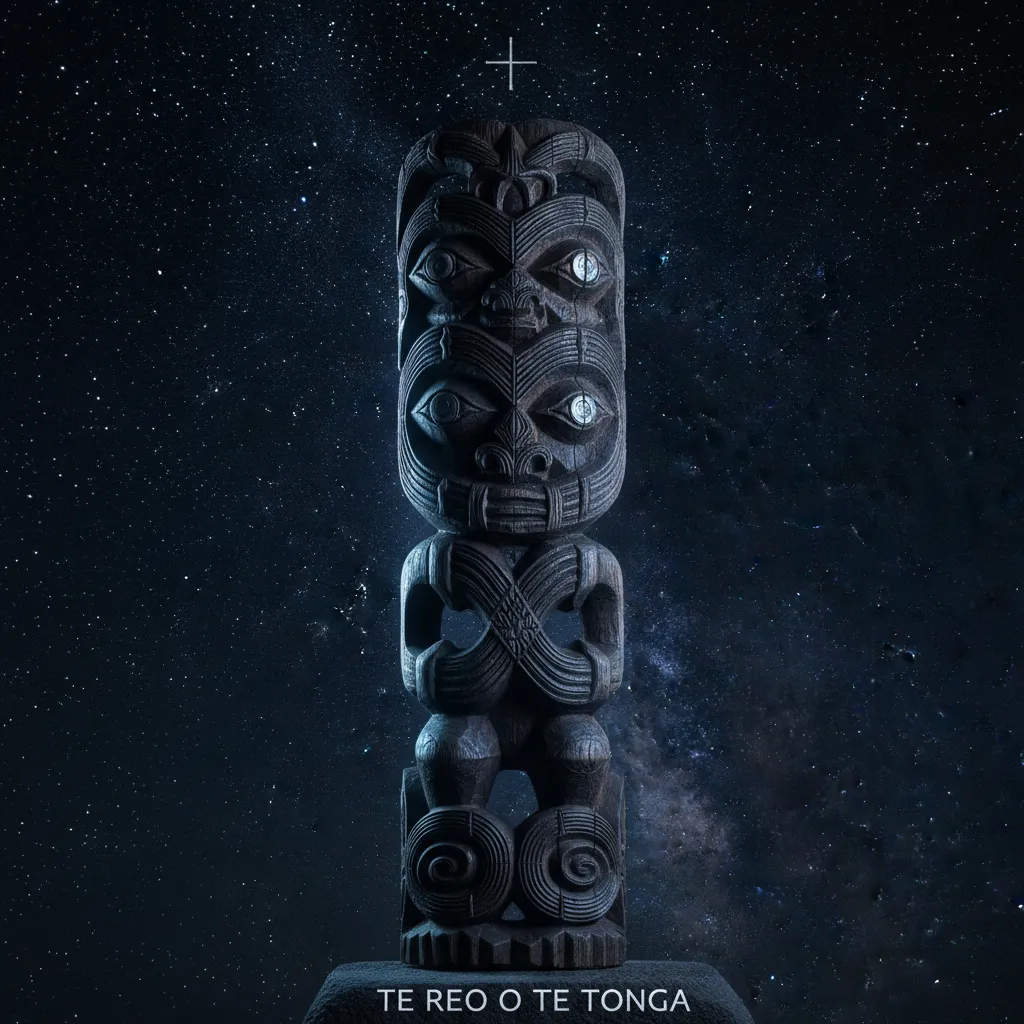
This linguistic shift carries deep cultural weight. When Southern Māori speak of Puaka, they are reclaiming their specific ancestral knowledge and asserting their distinct place within the wider Māori world. The use of ‘Puaka’ immediately signals a geographical and cultural context—specifically, the vast, rugged landscapes of Te Waipounamu (the South Island). It connects the speaker to the ancestors who navigated these colder southern waters and established a way of life adapted to a harsher climate.
Language is the vessel of culture, and the preservation of the ‘k’ dialect is intrinsic to the preservation of Ngāi Tahu history. By maintaining the name Puaka, the iwi (tribe) ensures that the stories, navigational knowledge, and seasonal indicators associated with this specific star are passed down accurately to future generations. It serves as a reminder that Māori culture is not a monolith, but a rich tapestry of regional diversities.
Why Puaka is the Primary Star for the South Island
While the rise of the Matariki cluster (the Pleiades) is the most widely recognized signal for the Māori New Year across New Zealand, the South Island presents a different astronomical reality. For Ngāi Tahu, Puaka is often the principal herald of the new year. This distinction is driven by geography, astronomy, and the specific environmental conditions of the south.
Puaka is the star known internationally as Rigel, the brightest star in the constellation Orion. In the southern skies of Aotearoa, particularly in the deep south of Otago and Southland, the Matariki cluster can sometimes be difficult to see clearly due to the mountainous horizons and local atmospheric conditions during mid-winter. Puaka, however, is a brilliant blue-white supergiant that rises high and bright.
Historically, the appearance of Puaka signaled the arrival of winter in a more definitive way for Southern Māori. Its heliacal rising—when it first becomes visible in the eastern sky before dawn—marked the change of season. Because the South Island experiences significantly colder winters than the North, the clarity and brightness of Puaka served as a vital predictor of the season ahead. A bright, clear appearance of Puaka predicted a productive year with a warm spring, while a hazy or shimmering appearance warned of a cold, harsh winter.
The Astronomical Relationship Between Puaka and Matariki
It is important to note that acknowledging Puaka does not mean ignoring Matariki. In Ngāi Tahu tradition, this period is often referred to as the time of Puaka-Matariki. The two celestial bodies are viewed in relation to one another. They often appear in the sky around the same time, sharing the duty of ushering in the New Year. You can observe their positions using an Interactive Night Sky Map Tool: Locate Matariki Now.

However, the “Solo Star” status of Puaka holds a special reverence in the South. In some local narratives, there is a sense of competition or duality between the stars. Puaka is seen as the jealous star, striving to outshine the cluster of Matariki. This celestial interplay reflects the dynamic weather patterns of the South Island. The dual celebration acknowledges the diversity of the environment—Matariki might be the sign for planting in the north, but Puaka is the sign for resource conservation and hunting in the south.
Mahinga Kai: Seasonal Resource Gathering in Winter
The concept of Ngāi Tahu Puaka is inextricably linked to mahinga kai—the customary gathering of food and natural resources. In the South Island, where winters are severe, survival historically depended on the successful harvest and preservation of food during the warmer months and the strategic gathering of specific winter resources.
When Puaka rises, it signals the end of the harvest and the time to retreat to the warmth of the whare (house). However, it also marks specific hunting and gathering opportunities unique to the southern environment. This season was critical for the processing of foods that would sustain the iwi through the coldest months.
Tītī (Muttonbirds) and Preservation
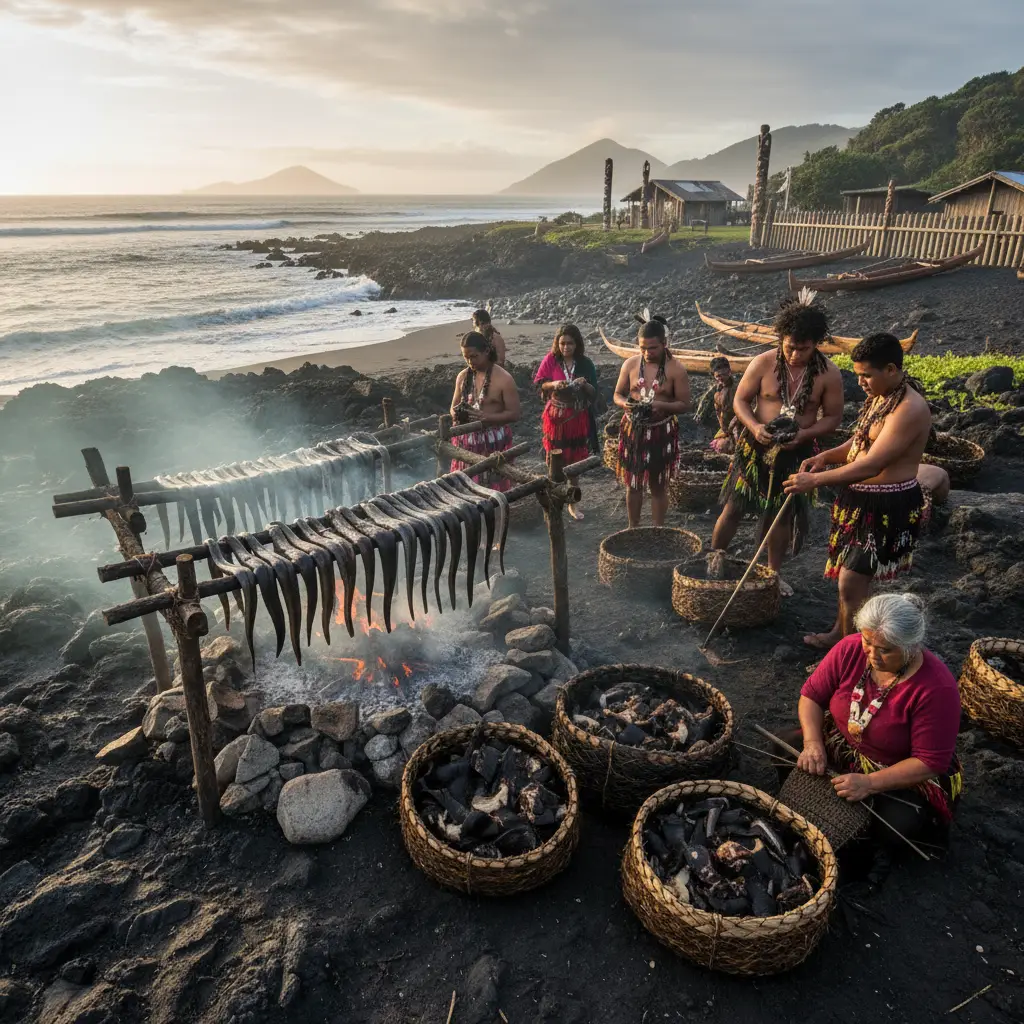
One of the most iconic food sources for Ngāi Tahu is the tītī, or muttonbird. While the harvest occurs earlier, the preservation and consumption are deeply tied to the winter cycle. The birds are preserved in their own fat and stored in pōhā—bags made from bull kelp. These pōhā are a marvel of indigenous engineering, allowing food to be kept safe and edible for long periods, a necessity when the ground is frozen and crops are dormant.
Tuna (Eels) and Waterways
The migration of tuna (eels) is another critical aspect of the Puaka season. As the waters cooled, eels would begin their migration to the sea to breed. Ngāi Tahu developed sophisticated weirs and traps (hīnaki) to catch eels during these migrations. The timing of the eel run was predicted by environmental cues, including the stars. Winter was a time for smoking and drying eels, providing a protein-rich food source that was light to carry and long-lasting.
The Role of Pōhā (Kelp Bags)
The creation of pōhā encapsulates the ingenuity of Southern Māori. Bull kelp, found in abundance along the rugged southern coastlines, is cured and inflated to create airtight storage vessels. During the Puaka season, the preparation of these bags was a communal activity, reinforcing social bonds and passing down technical skills from elders to the youth. The pōhā is not just a container; it is a symbol of sustenance and foresight, embodying the spirit of preparation that defines the Ngāi Tahu approach to winter.
Specific Observances in Otago and Southland
The observance of Puaka in Otago and Southland differs markedly from Matariki celebrations in the warmer north. The harsh southern winter dictated a lifestyle of noho marae (staying within the village/marae grounds) and focusing on indoor pursuits. This period became the primary season for wānanga (learning) and whakapapa (genealogy) recitation.
The Whare Wānanga (House of Learning)
Because outdoor activity was limited by snow and frost, the long nights under Puaka were utilized for education. Elders would gather the young people inside the wharenui (meeting house) to teach tribal history, weaving, carving, and celestial navigation. It was a time of intense intellectual and cultural transfer. The “school of the winter night” ensured that despite the physical dormancy of the land, the culture remained vibrant and active.
Lighting the Fires
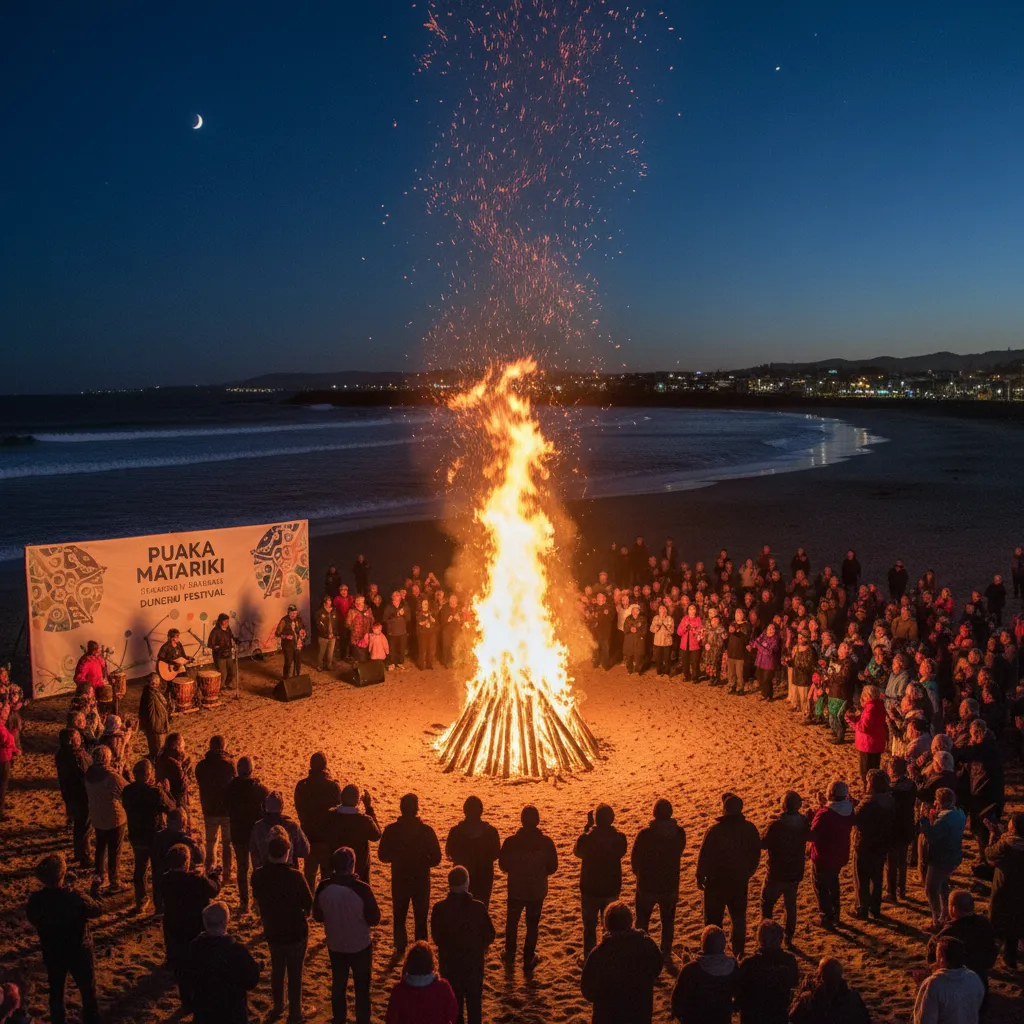
Ceremonial fires are a common feature of Puaka observances. These fires served a dual purpose: practical warmth and spiritual significance. The smoke was believed to carry prayers to the ancestors and to the stars themselves. In pre-European times, specific materials might be burned to create aromatic smoke, signaling the community’s presence and gratitude for the harvest that had passed.
The Revitalization of Puaka Customs Today
In recent decades, there has been a profound resurgence of Ngāi Tahu Puaka traditions, moving them from historical memory into vibrant, modern practice. This revitalization is part of the broader Māori cultural renaissance but retains its distinct southern flavor.
The city of Dunedin (Ōtepoti) has been a pioneer in this space, hosting the Dunedin Puaka Matariki Festival. Those wishing to attend similar gatherings can Find Matariki Events Near You. This event is significant because it explicitly names Puaka alongside Matariki, educating the wider public about the regional difference. The festival includes visual art installations, wānanga (workshops) on local history, and community feasts that highlight mahinga kai.
This revitalization serves several key functions:
- Educational Outreach: It teaches non-Māori and Māori alike about the unique astronomical perspective of the South Island.
- Cultural Pride: It validates the ‘k’ dialect and Southern traditions, ensuring they are not overshadowed by dominant Northern narratives.
- Tourism and Economy: It creates a winter tourism offering that is authentic and deeply rooted in the land, drawing visitors interested in indigenous culture.
Today, schools in the South Island are increasingly adopting the Puaka narrative, teaching children to look for Rigel as well as the Pleiades. Community gardens align their planting schedules with these stellar cues, and culinary events feature traditional ingredients like tītī and karengo (seaweed), bringing the flavors of the past onto modern plates. For those looking for the Best Restaurants for Matariki, many establishments now offer seasonal Māori fusion menus.
The return of Puaka is more than a festival; it is a reassertion of Southern Māori identity. It reminds us that to look up at the night sky in Otago is to see a different story than one sees in Auckland—a story of resilience, adaptation, and a deep, abiding connection to the southern landscape.
Frequently Asked Questions
What is the difference between Puaka and Puanga?
They are the same star (Rigel), but the pronunciation differs due to dialect. ‘Puanga’ is used in Northern and Central Māori dialects, while ‘Puaka’ is the Southern Ngāi Tahu dialect, which replaces the ‘ng’ sound with ‘k’.
When is Ngāi Tahu Puaka celebrated?
It is celebrated in mid-winter, typically in June or July. The exact dates vary each year based on the lunar calendar (maramataka) and the heliacal rising of the star Puaka (Rigel).
Why is Puaka more important than Matariki in the South Island?
In the far south, the Matariki cluster can be lower on the horizon and harder to see clearly due to mountainous terrain. Puaka (Rigel) is brighter and rises higher, making it a more reliable astronomical marker for the New Year in the South.
What food is associated with Puaka celebrations?
Mahinga kai (traditional food gathering) is central to the celebration. Key foods include tītī (muttonbirds), tuna (eels), and preserved vegetables, reflecting the reliance on stored food during the harsh southern winter.
How do people celebrate Puaka today?
Modern celebrations include community festivals (like the Dunedin Puaka Matariki Festival), lighting ceremonial fires, storytelling, cultural workshops, and sharing feasts that feature traditional ingredients.
Is Puaka part of the official Matariki public holiday?
Yes, the Matariki public holiday acknowledges the diversity of Māori traditions. While ‘Matariki’ is the national name, regional variations like Puaka are recognized and celebrated within the holiday framework as the specific marker for Southern iwi.