
Dark sky experiences NZ encompass world-renowned activities within accredited sanctuaries such as the Aoraki Mackenzie International Dark Sky Reserve, Great Barrier Island, and Rakiura Stewart Island. These premier destinations offer professionally guided observatory tours, luxury glass-roofed accommodation, and prime opportunities to view the Aurora Australis and the Milky Way in environments protected by strict light pollution regulations.
Why New Zealand is the Ultimate Stargazing Destination
New Zealand is widely regarded as one of the premier locations on Earth for astronomy enthusiasts, astrophotographers, and travelers seeking a profound connection with the cosmos. Unlike the densely populated regions of Europe or North America, New Zealand possesses a unique combination of low population density, geographic isolation, and progressive environmental legislation that actively preserves the pristine quality of the night sky.
The country is on a journey to become the world’s first “Dark Sky Nation.” This ambition is driven not only by tourism but by a deep cultural respect for the stars, rooted in Māori history and navigation. When you book dark sky experiences NZ, you are not merely looking upward; you are stepping into a protected atmospheric heritage site. The darkness here is not an absence of light, but a canvas for the Southern Hemisphere’s most spectacular celestial bodies, including the Magellanic Clouds and the Southern Cross, features invisible to much of the northern world.
Where are the Best Dark Sky Reserves in New Zealand?
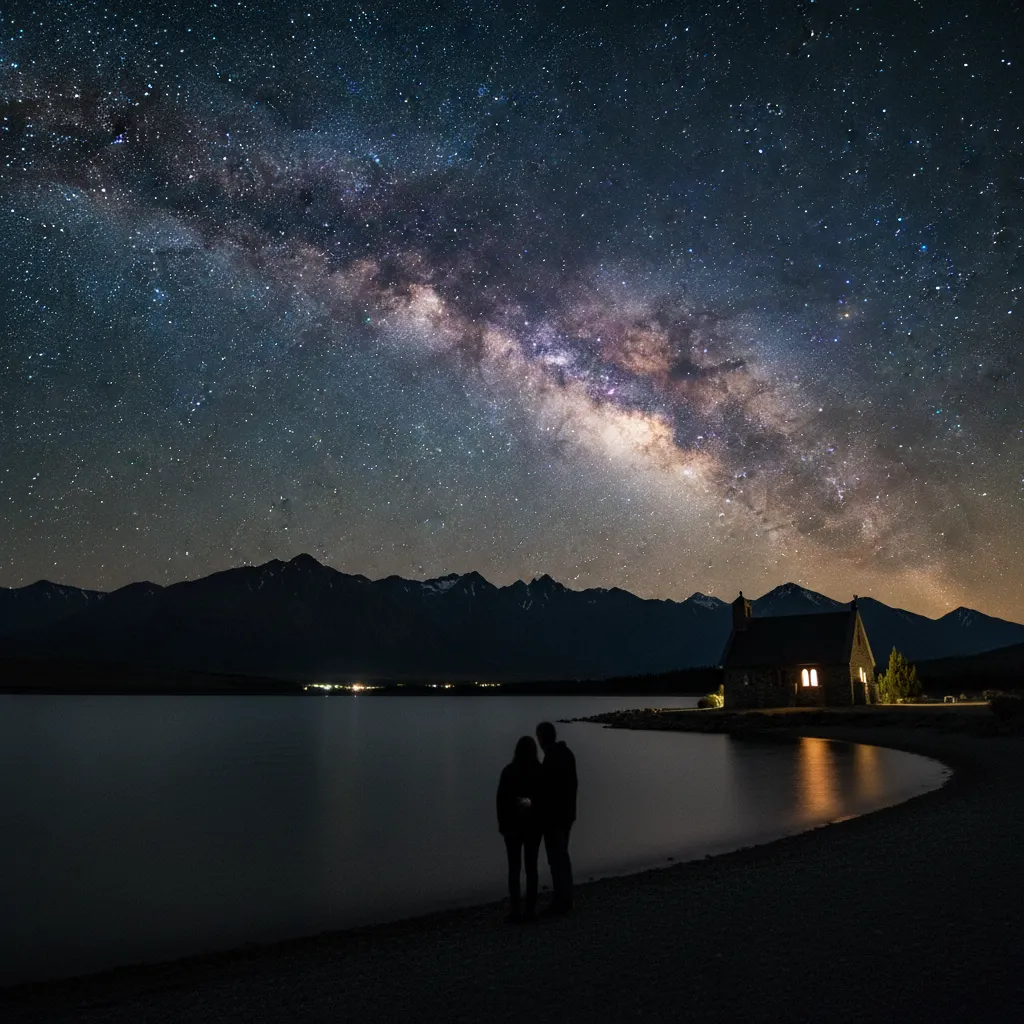
To experience the deepest blacks and the brightest stars, you must visit the accredited International Dark Sky Reserves and Sanctuaries. These locations have passed rigorous testing by the International Dark-Sky Association (IDA) to prove their skies are among the darkest on the planet.
Aoraki Mackenzie International Dark Sky Reserve
This is the crown jewel of New Zealand astronomy. Encompassing 4,300 square kilometers across the South Island’s Mackenzie Basin, it includes Lake Tekapo, Twizel, and Mt Cook Village. It is the largest Dark Sky Reserve in the Southern Hemisphere. Here, commercial operators like the Dark Sky Project offer exclusive tours at the Mt John Observatory, where visitors can utilize massive optical telescopes to view globular clusters and nebulae.
Aotea / Great Barrier Island
Located off the coast of Auckland, Aotea was the first island in the world to be designated an International Dark Sky Sanctuary. A sanctuary differs from a reserve in its remoteness and fragility. The island is off-grid, relying on solar power, which naturally minimizes light pollution. The local community offers intimate, guided stargazing walks that often integrate indigenous storytelling.
Rakiura / Stewart Island
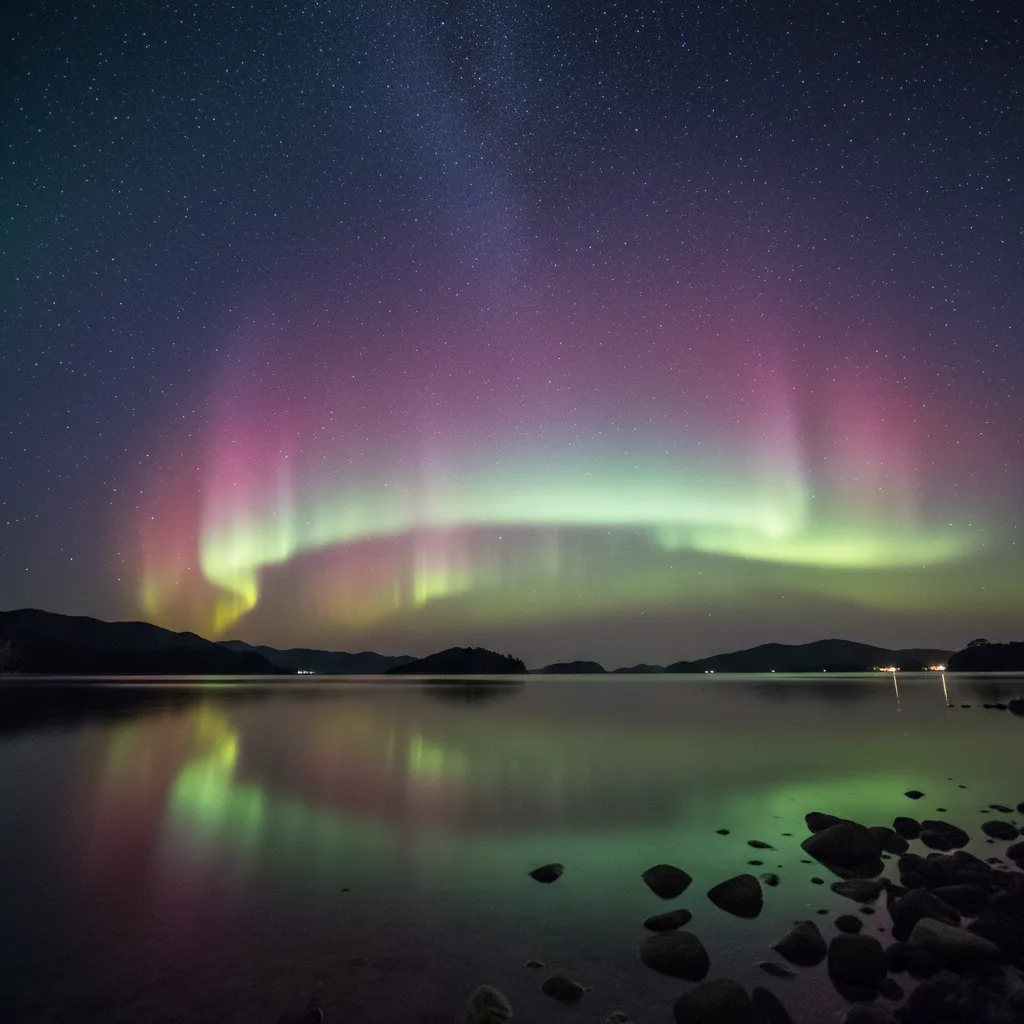
As the southernmost populated island in New Zealand, Rakiura offers the highest probability of witnessing the Aurora Australis (Southern Lights). Accredited as a Dark Sky Sanctuary, the island is 85% National Park. The isolation here is profound, and the commercial tours focus heavily on the raw, untouched nature of the night sky, often combining kiwi spotting with astronomy.
Wai-iti and Wairarapa
Newer additions to the list include the Wai-iti Dark Sky Park in Nelson and the Wairarapa Dark Sky Reserve near Wellington. These locations are more accessible for travelers who may not have the time to venture deep into the Southern Alps but still desire a high-quality astronomical experience.
Planning a Stargazing Road Trip: Itineraries & Tips
Executing the perfect dark sky road trip requires strategic planning. The celestial calendar, weather patterns, and moon phases all dictate the quality of your experience. Here is how to plan a commercial itinerary that maximizes value.
When is the best time for dark sky experiences in NZ?
The best time depends on your objective. Winter (May to August) is the prime season for viewing the Aurora Australis. The nights are long, crisp, and the galactic center is prominent. However, temperatures can drop well below freezing, requiring specialized gear. Summer (December to February) offers more comfortable temperatures for long exposure photography and outdoor observatory tours, though the nights are shorter, meaning your viewing window is reduced.
Essential Gear for the Astro-Tourist
While tour operators provide telescopes, personal preparation is key. We recommend:
- Red Light Torches: Essential for navigating without ruining your night vision (scotopic vision).
- Merino Layers: Standing still at an observatory requires serious insulation.
- Binoculars (10×50): For scanning the Milky Way between telescope viewings.
- DSLR/Mirrorless Camera & Tripod: Smartphones are improving, but a stable tripod is non-negotiable for star photography.
Top Accommodation with Telescopes and Glass Pods
The commercial market for “astro-tourism” accommodation has exploded, offering high-end stays that allow you to sleep under the stars without sacrificing comfort. These properties are designed specifically for the dark sky traveler.
Skyscape, Twizel
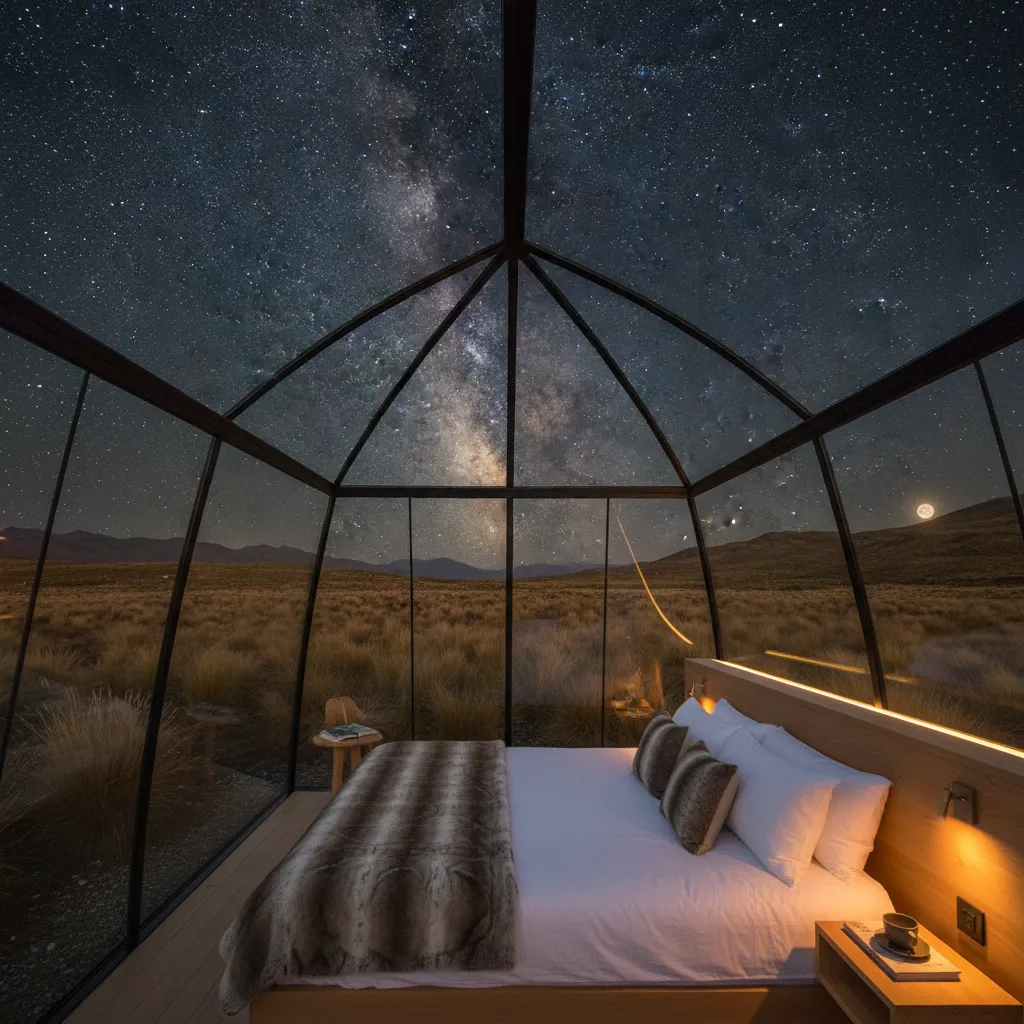
Located deep within the Mackenzie Basin, Skyscape features glass-roofed units built into the earth. The structure is designed to temperature control the room while providing a panoramic view of the sky directly from your bed. It is a premium experience that often books out months in advance.
PurePods (Various Locations)
PurePods are heavy-glass luxury cabins located in secluded areas free from light pollution. Locations like the Greystone PurePod in Waipara or the Manakau PurePod in Kaikoura offer absolute privacy. The commercial appeal here is the “immersion” factor—there are no curtains, ensuring you wake up with the sun and sleep with the stars.
Lakestone Lodge, Lake Pukaki
This off-grid eco-lodge is situated to maximize views of Aoraki Mt Cook and the night sky. They offer an onsite “Night Sky Experience” exclusive to guests, utilizing their own telescopes and guides, providing a more private alternative to the large group tours in town.
Maramataka: The Cultural Significance of the Night Sky
To truly understand the value of the New Zealand sky, one must engage with Maramataka, the Māori lunar calendar. Māori ancestors were master navigators who traversed the Pacific Ocean using the stars. The revitalization of this knowledge is a core component of modern NZ tourism.
Matariki (The Pleiades)
The rise of the star cluster Matariki in mid-winter marks the Māori New Year. It is now a public holiday in New Zealand and a peak time for cultural astronomy tours. Operators often combine telescope viewing with legends of the seven (or nine) stars of Matariki, explaining how their brightness predicted the success of the coming harvest.
Commercial tours that integrate Maramataka offer a “dual-lens” experience: viewing the universe through modern astrophysics and ancient indigenous wisdom simultaneously. This narrative depth adds significant value to the tourist experience, transforming a simple sightseeing tour into a cultural education.
Astrophotography and Aurora Hunting Guide
For many visitors, capturing the image of the galaxy is the primary commercial driver. New Zealand offers specific workshops catering to this niche.
How to photograph the stars in NZ?
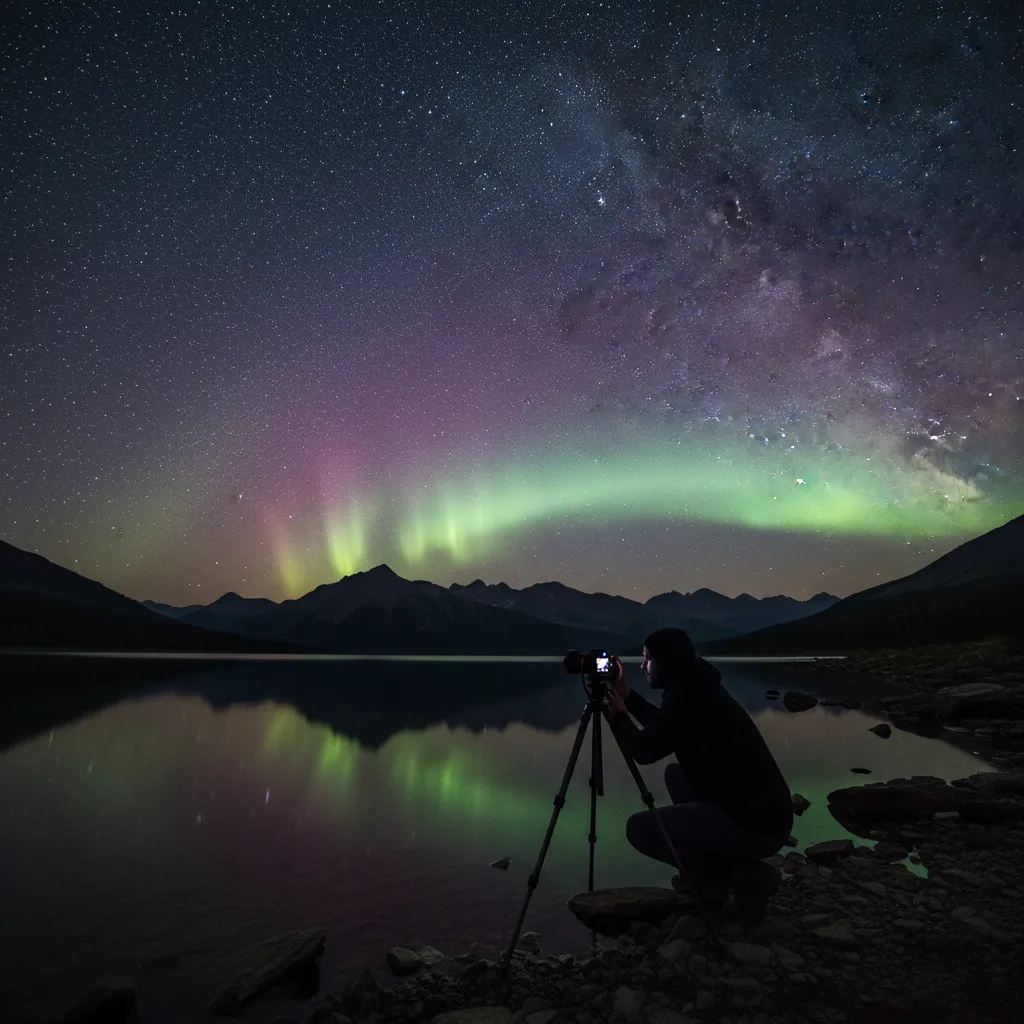
To capture the density of stars visible in NZ reserves, you need a camera with manual mode capability. Set your aperture to the widest setting (f/2.8 or lower), ISO between 1600 and 3200, and shutter speed to 20-25 seconds (the “500 rule” helps prevent star trails). Focus manually on a bright star using “Live View” magnification.
Chasing the Aurora Australis
Unlike the Northern Lights, the Aurora Australis is more elusive. The best locations are facing south with an unobstructed horizon—specifically the Catlins, Stewart Island, and the southern shores of Lake Tekapo. Commercial apps like “My Aurora Forecast” are essential for tracking Kp index spikes. Photography tours led by local experts are highly recommended, as they know the micro-climates and exact locations to frame the lights against dramatic foregrounds like mountains or lakes.
Frequently Asked Questions
What is the best month to see the Milky Way in New Zealand?
The core of the Milky Way is most visible during the New Zealand winter months (May through August). During this time, the galactic center rises high in the sky, providing the most dramatic views and photography opportunities. However, summer viewing is also excellent for seeing the outer arms of the galaxy.
Do I need to book stargazing tours in advance?
Yes, absolutely. Dark sky experiences in NZ, particularly in Lake Tekapo (Dark Sky Project) and Stewart Island, are in high demand. During peak seasons (summer and Matariki), tours can sell out weeks in advance. Accommodation with glass roofs or telescopes should be booked 6-12 months ahead.
Can I see the Southern Lights from Queenstown?
While it is possible to see the Aurora Australis from Queenstown during a strong geomagnetic storm, light pollution from the town can hinder the view. It is recommended to drive south towards Invercargill or visit a designated Dark Sky Sanctuary for a higher probability of a clear sighting.
Is stargazing in New Zealand free?
Yes, you can look up at the sky for free anywhere in the country. However, the commercial “dark sky experiences” provide access to powerful telescopes, expert guides who explain what you are seeing, and access to private land (like Mt John) that offers superior elevation and darkness compared to public areas.
What is the difference between a Dark Sky Reserve and a Sanctuary?
A Dark Sky Reserve usually consists of a dark “core” surrounded by a populated area where lighting controls are enforced to protect the core. A Dark Sky Sanctuary is typically located in a very remote location with little to no nearby population, making its darkness more fragile and critical to protect.
Are there daytime astronomy tours available?
Yes, several operators, including those at Mt John Observatory, offer solar viewing tours. These utilize specialized solar telescopes to allow visitors to safely look directly at the sun to observe sunspots and solar flares, offering a unique astronomical experience during daylight hours.