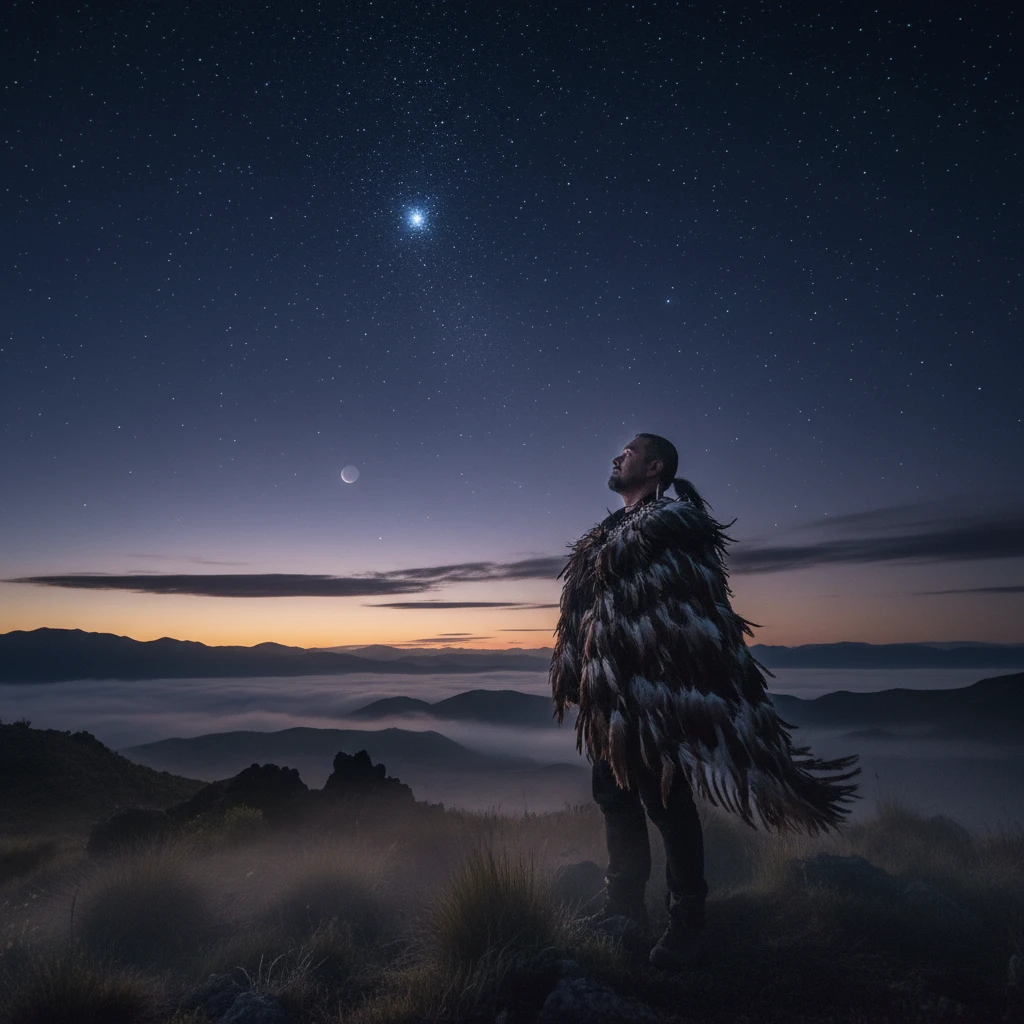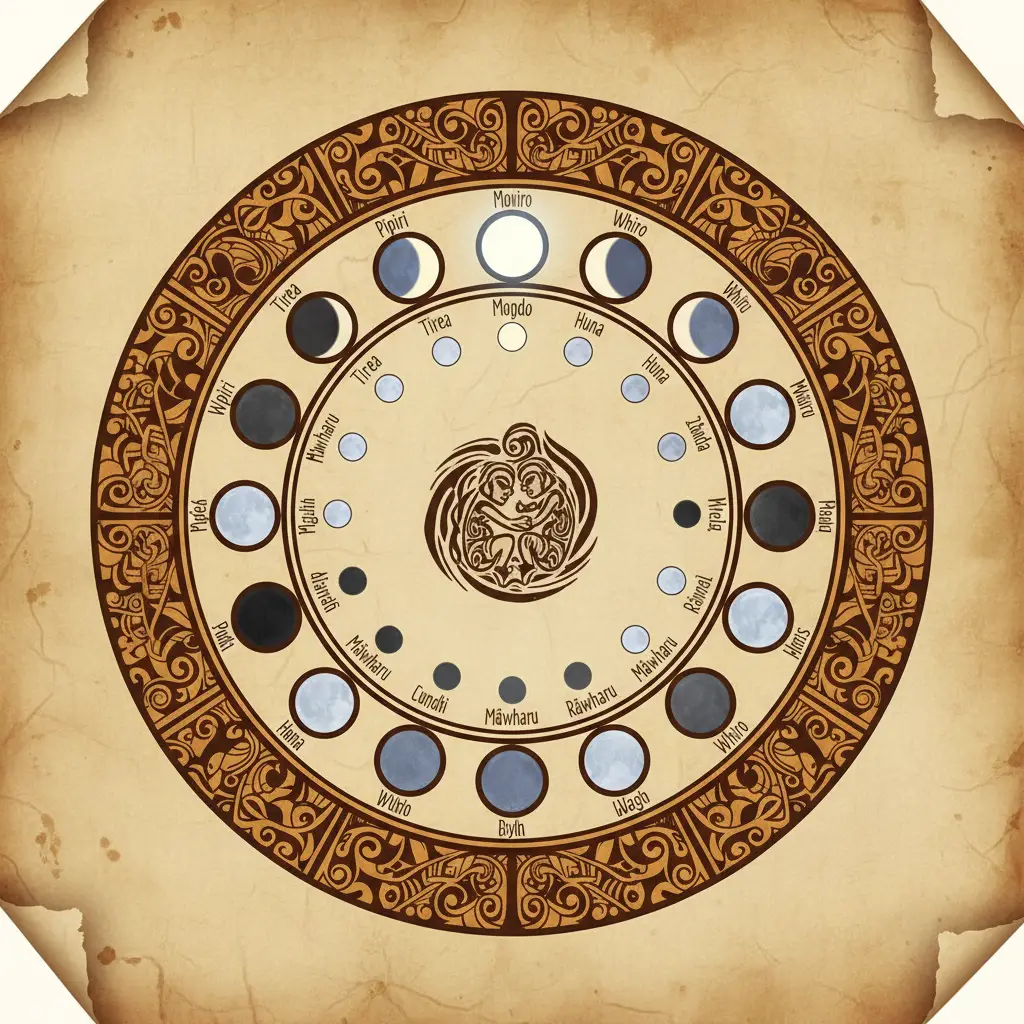
The Māori moon phases, collectively known as the Maramataka, serve as a traditional lunar calendar that assigns specific meanings and energy levels to each night of the lunar month. By interpreting these phases, practitioners determine the optimal times for planting, fishing, decision-making, and resting, thereby aligning human activity with the natural rhythms of the environment.
In Te Ao Māori (the Māori world), the moon is not merely a celestial body but a master timekeeper that dictates the flow of life. Unlike the Gregorian solar calendar, which focuses on 365 days, the Maramataka follows the cycles of the moon, usually consisting of 29.5 days per month. Understanding Maori moon phases meanings is essential for anyone looking to reconnect with nature, optimize their productivity, or engage deeply with New Zealand’s cultural heritage. Whether you are a gardener, an angler, or simply seeking balance, the Maramataka offers a sophisticated framework for managing energy and resources.
What is the Maramataka?
The Maramataka is the traditional Māori lunar calendar. The word literally translates to “the moon turning” (Marama = Moon, Taka = to turn or rotate). It is a predictive tool developed over centuries of observation by tīpuna (ancestors) who noted the correlations between the moon’s appearance and the behavior of the natural world—specifically the tides, fish feeding patterns, and plant growth.
While Western calendars are linear, the Maramataka is cyclical. It recognizes that energy levels fluctuate. Some days are conducive to high output and physical labor, while others demand introspection and rest. In historical contexts, ignoring these signs could mean a failed harvest or a dangerous fishing expedition. Today, it is increasingly used in education, health, and environmental management to foster well-being.
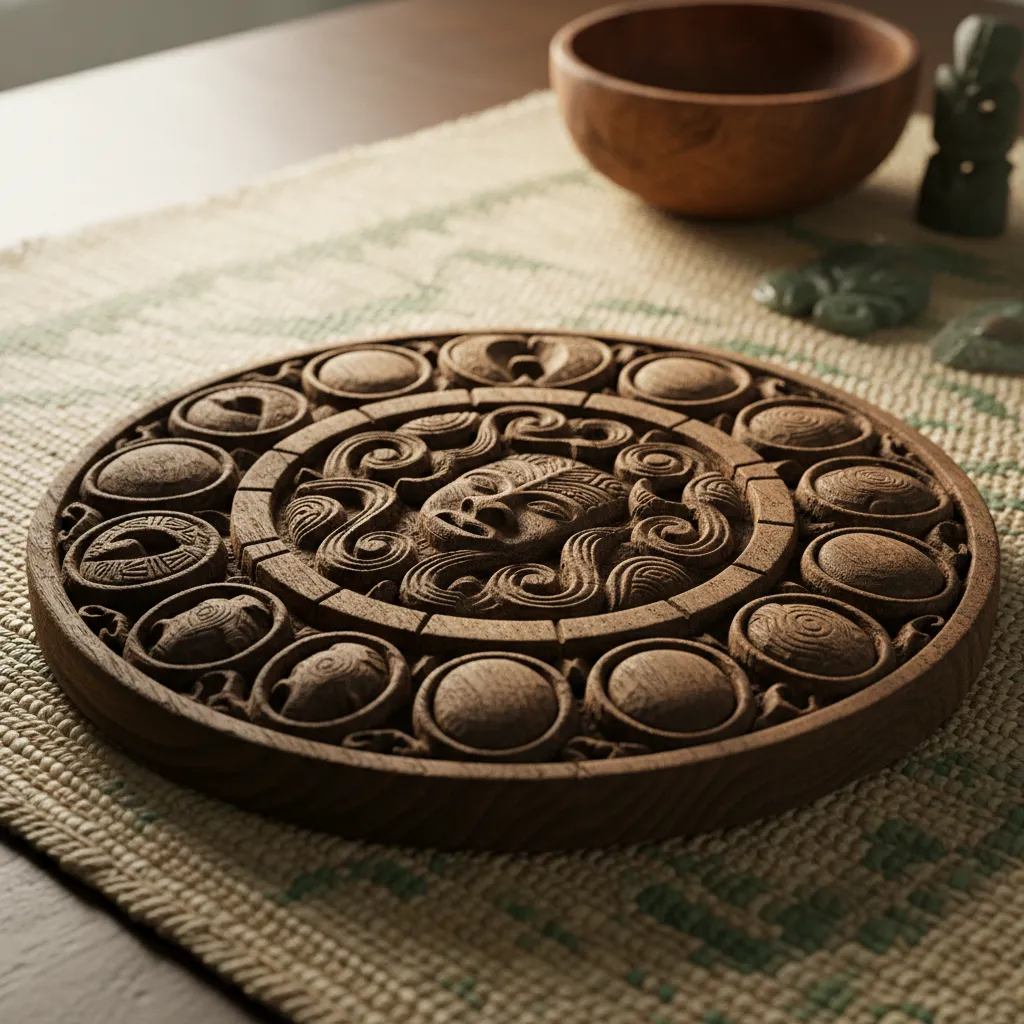
The Whiro (New Moon) Phase: A Time for Reset
What is the meaning of the Whiro moon phase?
Whiro marks the first night of the lunar cycle (the New Moon). In Māori mythology, Whiro is often associated with darkness and the underworld, but in the context of the Maramataka, this phase represents the lowest energy point of the month. The moon is not visible, and the nights are pitch black.
Characteristics of Whiro
- Energy Level: Very Low.
- Key Activities: Planning, reflection, resting, and setting intentions.
- Avoid: Planting crops or fishing.
Because the moon’s gravitational pull is distinct during this phase, and the light is absent, marine life is less active, making fishing unproductive. It is traditionally believed that “Whiro is an unpleasant day,” implying that physical endeavors may face resistance or bad luck. Instead of forcing progress, Whiro is the ideal time to retreat. Use this phase to strategize for the month ahead, review the previous month’s outcomes, and conserve your physical energy. It is a time for the mind, not the hands.
Rising Energy: From Tirea to Tamatea
As the moon begins to wax (grow larger), the energy shifts from the introspection of Whiro toward action. This period includes several distinct phases, each with unique properties.
Tirea to Oue
Following Whiro, the sliver of the moon reappears. Phases like Tirea and Hoata signal a gentle rise in energy. These are “good” days. Productivity begins to ramp up. It is a favorable time to start planting, as the growing moonlight encourages sap flow in plants.
The Tamatea Phases
Approaching the quarter moon, we enter the Tamatea phases (Tamatea-a-ngana, Tamatea-a-hotu, etc.). These days are notoriously unpredictable. In Māori tradition, Tamatea is associated with storms, wind, and turbulent waters.
While energy is high, it is chaotic. People may feel more anxious or emotionally volatile during Tamatea nights. It is generally advised to exercise caution on the water and to be mindful of interpersonal conflicts. The weather often turns rough, making it a poor time for deep-sea fishing, though coastal foraging might still be possible with care.
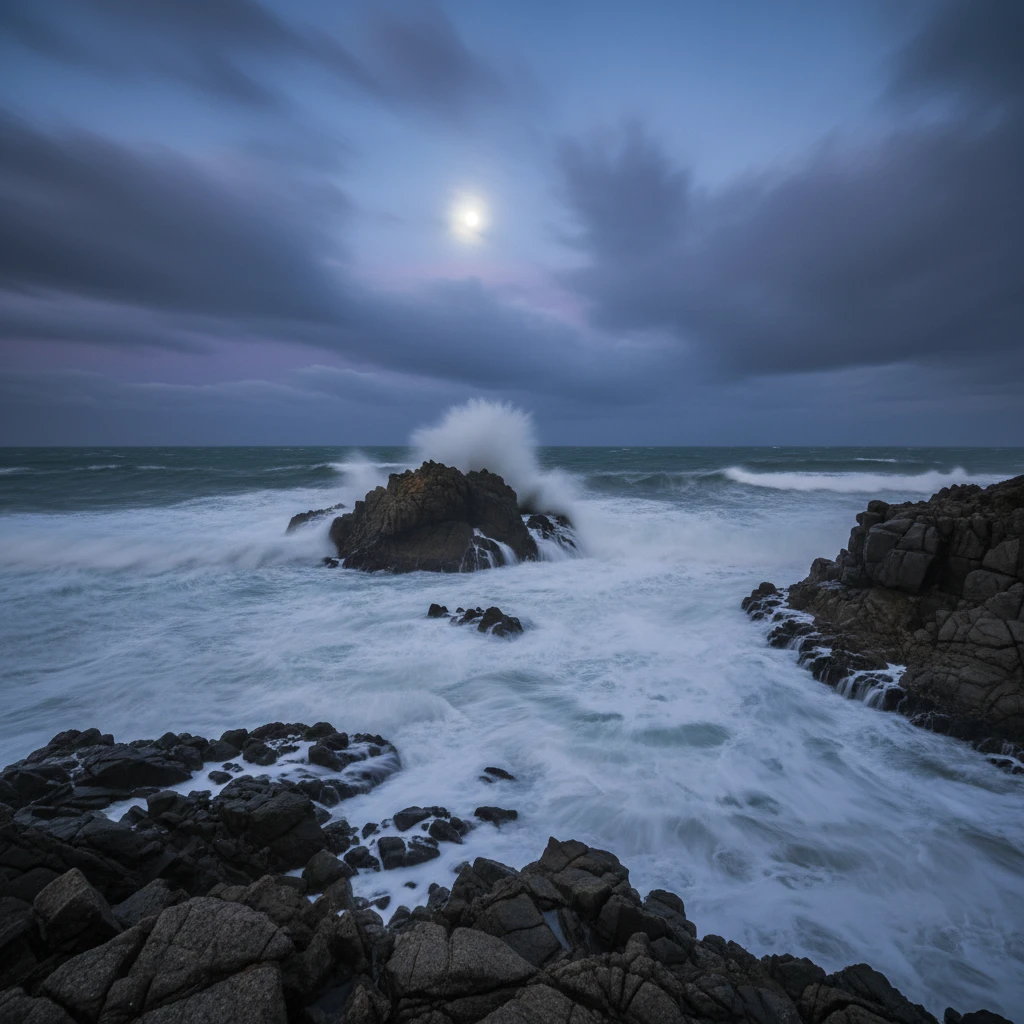
The Rakaunui (Full Moon) Phase: Peak Energy
When is the best time for high productivity?
The Rakaunui phase, or the Full Moon, is the zenith of the lunar cycle. The moon is fully illuminated, and the gravitational pull on the earth is at its peak, resulting in high tides and high water tables.
Characteristics of Rakaunui
- Energy Level: Extremely High.
- Key Activities: Action, socializing, harvesting, heavy labor, communal events.
- Garden: Excellent for planting root vegetables as the energy pulls downwards.
Rakaunui is the time to execute the plans you made during Whiro. People are generally energetic, sociable, and optimistic. It is an excellent night for community gatherings, night fishing (as visibility is high and fish are active), and tackling the most difficult tasks on your to-do list. In the garden, the abundance of light and moisture in the soil supports vigorous growth. This is the time to “do” rather than “think.”
The Waning Moon: Tangaroa and Korekore
After the peak of Rakaunui, the moon begins to wane. This half of the month contains some of the most productive days for food gathering, followed by a sharp decline into rest.
The Tangaroa Phases
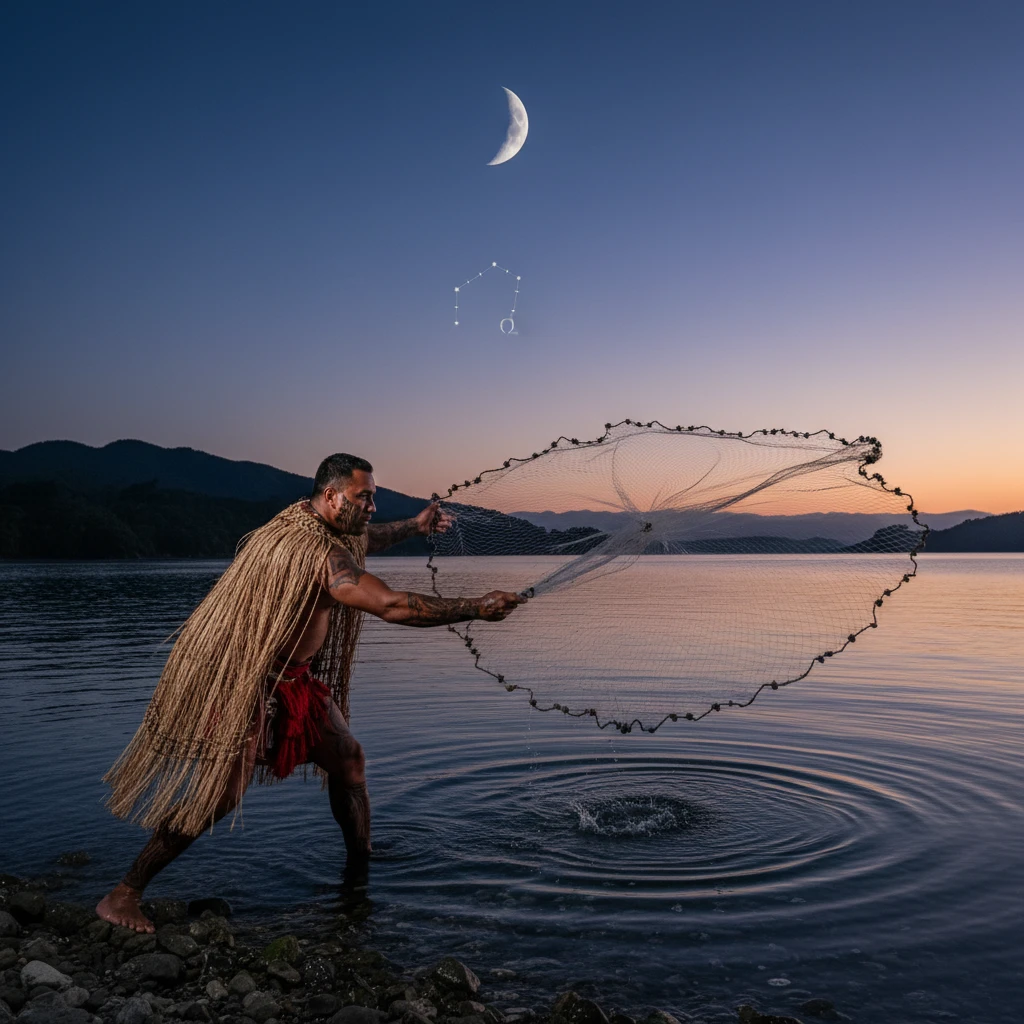
The Tangaroa phases are widely considered the premium days for fishing. Tangaroa is the Atua (god) of the sea. During these nights (roughly 3-4 days after the full moon), the tides and moon positioning create optimal feeding times for fish. If you are an angler or rely on kai moana (seafood), these are the “high energy” days for harvesting from the ocean. The energy is productive but more focused and less chaotic than the Tamatea phases.
The Korekore Phases
As the moon shrinks further toward the last quarter, we enter the Korekore phases. The word “Kore” implies “nothing” or “nil.” Consequently, these are low-yield days.
During Korekore, fishing is poor, and gardening is generally discouraged. It is believed that food gathered now will not sustain you, and seeds planted may not thrive. However, this “low productivity” in the material sense makes it a high-value time for intellectual or administrative work. Use Korekore days to review contracts, study, clean equipment, or engage in light maintenance. It is a mental energy phase rather than a physical one.
Guide: High Energy vs. Low Energy Days
To effectively utilize Maori moon phases meanings, it helps to categorize the month into energy zones. This simple heuristic can transform how you schedule your work and personal life.
High Energy Days (The “Go” Zone)
These are days for physical exertion, launching projects, and harvesting.
- Rakaunui (Full Moon): Maximum output. Great for events and public speaking.
- Tangaroa Phases: Best for fishing, hunting, and gathering food. High productivity with focus.
- Oue & Ari: Favorable days leading up to the full moon. Good for planting and building.
Low Energy Days (The “Slow” Zone)
These are days for conservation, planning, and maintenance.
- Whiro (New Moon): The lowest energy. Rest, sleep, and plan. Do not start new physical projects.
- Korekore Phases: Unproductive for food gathering. Good for mindfulness, decluttering, and analyzing data.
- Huna: Literally “hidden.” A day to keep a low profile. Avoid major decisions or confrontations.
Applying Moon Phases to Modern Life
While the Maramataka originated in an agrarian and maritime society, its principles are remarkably relevant to the modern corporate and creative worlds. Burnout is a common symptom of the modern “24/7” lifestyle, which ignores natural cycles of rest and activity.
For Business and Leadership
Align your business cycle with the moon. Use the Whiro phase for strategic planning meetings and quarterly reviews. Use the Rakaunui phase for product launches, marketing blitzes, or team-building events where high energy is required. Schedule administrative tasks and audits during the Korekore phases when client interaction might be less fruitful.
For Health and Fitness
Tailor your workout intensity. Schedule your Personal Bests (PBs) or high-intensity interval training (HIIT) during the Rakaunui and Tangaroa phases when your body is naturally primed for output. During Whiro and Tamatea, focus on recovery, yoga, or flexibility work to avoid injury and align with your body’s lower energy reserves.
By respecting these ancient rhythms, we stop swimming against the current of our environment. The Maramataka teaches us that we cannot be “on” 100% of the time; true productivity requires a balance of aggressive action and deep restoration.
Frequently Asked Questions
What are the 30 phases of the Māori moon?
The phases vary slightly by iwi (tribe), but a common list includes: Whiro, Tirea, Hoata, Oue, Okoro, Tamatea-a-ngana, Tamatea-a-hotu, Tamatea-io, Tamatea-kai-ariki, Huna, Ari, Hotu, Mawharu, Atua, Turu, Rakaunui, Rakau-matohi, Takirau, Oike, Korekore-te-whiwhia, Korekore-te-rawea, Korekore-piri-ki-tangaroa, Tangaroa-a-mua, Tangaroa-a-roto, Tangaroa-kiokio, Otane, Orongonui, Mauri, Mutu, and Mutuwhenua.
Which Māori moon phase is best for fishing?
The Tangaroa phases are widely considered the best for fishing. These occur a few days after the full moon. The tides and currents during these days encourage fish to feed actively. The Rakaunui (Full Moon) is also good for night fishing due to visibility.
What does the Whiro moon mean for mental health?
Whiro represents the lowest energy point. For mental health, it is a signal to slow down, rest, and reflect. It is common to feel tired or low during this phase. Instead of fighting it, the Maramataka suggests embracing rest to recharge for the coming cycle.
Is it bad to plant during the Korekore phase?
Yes, traditional knowledge suggests that Korekore is not ideal for planting. “Kore” means nothing, implying poor growth or low yield. It is better to wait for the Tangaroa or Rakaunui phases to ensure robust plant health and harvest.
How does the Maramataka differ from the western calendar?
The Western (Gregorian) calendar is solar-based and linear, focusing on a 365-day year. The Maramataka is lunar-based and environmental, focusing on a 29.5-day cycle. It is more flexible and relies on environmental cues (like flowering plants or tides) rather than fixed dates.
What is the Huna moon phase?
Huna means “hidden.” It falls roughly around the 10th or 11th night. It is considered a time when food is scarce or hard to find. It is also a time to be cautious and perhaps keep to oneself, avoiding unnecessary risks or public exposure.