
Puaka educational kits are comprehensive teaching resources designed to support the New Zealand curriculum, specifically focusing on Ngāi Tahu narratives and the significance of the star Puaka (Rigel). These kits combine physical artifacts, interactive lesson plans, and digital assets to facilitate deep cultural learning about the southern Māori New Year, mahinga kai (food gathering), and Matariki and the Environment.
What is the Significance of Puaka in Education?
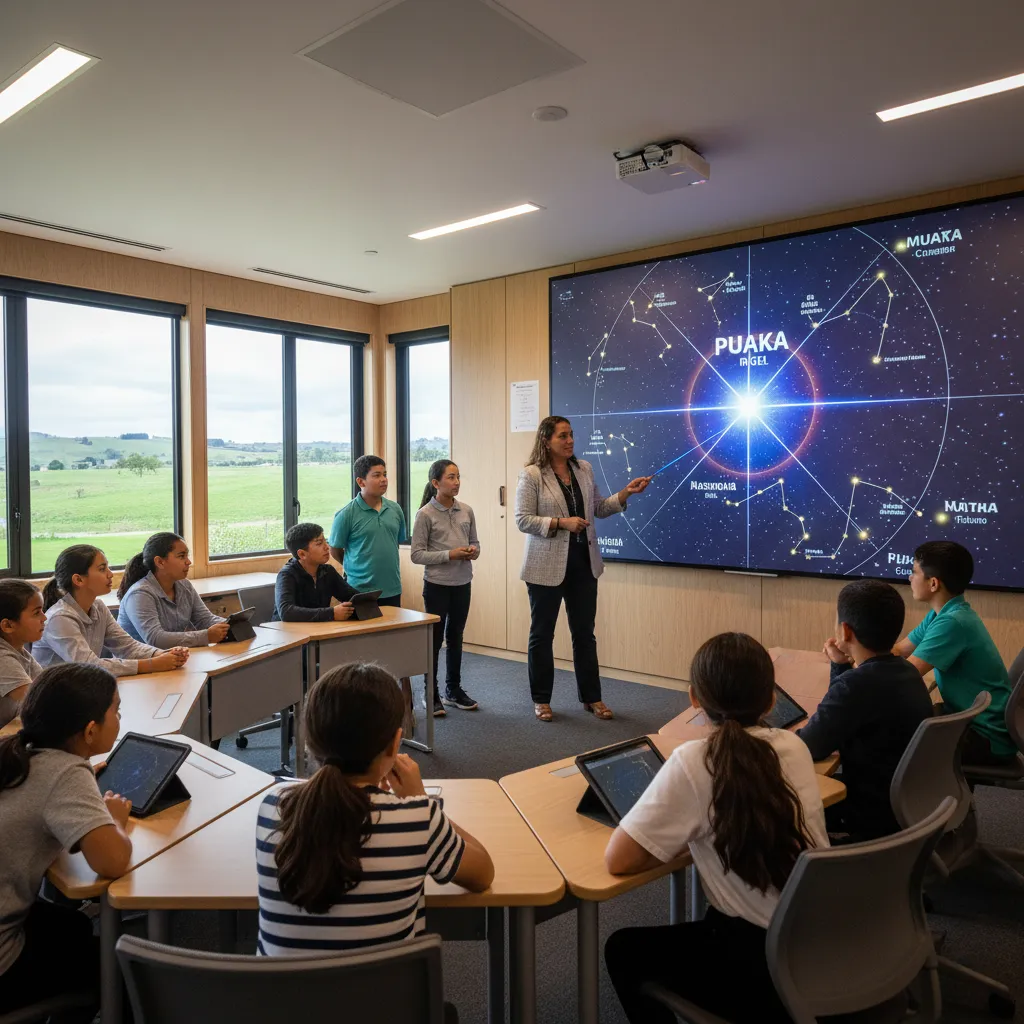
In the context of Aotearoa New Zealand’s cultural landscape, understanding the distinction between Matariki and Puaka is vital for educators, particularly those in Te Waipounamu (the South Island). While Matariki (the Pleiades) is the most widely recognized signifier of the Māori New Year, in southern regions, the appearance of Puaka (Rigel) often takes precedence due to the geography of the southern horizon.
Puaka educational kits are essential tools for schools aiming to provide authentic, place-based education. These kits move beyond generic cultural studies, offering specific insights into southern traditions. By utilizing these resources, educators can teach students about the celestial navigation, seasonal changes, and the specific tikanga (customs) associated with the winter months in the south. The pedagogical value lies in connecting students to their local environment, fostering a sense of belonging and understanding of the indigenous history of their specific region.
Tailoring Resources for the Ngāi Tahu Curriculum
The Ministry of Education’s push for Aotearoa New Zealand’s histories curriculum requires schools to engage with local iwi (tribe) narratives. For schools in the South Island, this means aligning with Ngāi Tahu history and dialects. Puaka educational kits are specifically engineered to bridge the gap between general national requirements and regional specificity.
Key Curriculum Alignments
These kits are not merely collections of items; they are structured pedagogical frameworks. They address key areas of learning such as:
- Social Sciences: Exploring how people pass down history and culture through oral traditions and astronomy.
- Science (Planet Earth and Beyond): Understanding the astronomical phases, the heliacal rising of stars, and seasonal shifts.
- Te Reo Māori: Introducing the unique southern dialect (e.g., the use of ‘k’ instead of ‘ng’ in words like Puaka vs. Puanga).
By investing in these tailored kits, schools ensure they are not misappropriating northern narratives but are honoring the mana whenua (people of the land) of the South Island. This cultural competency is increasingly becoming a metric for school performance reviews and community engagement success.
Inside the Box: Contents of a Standard Kit
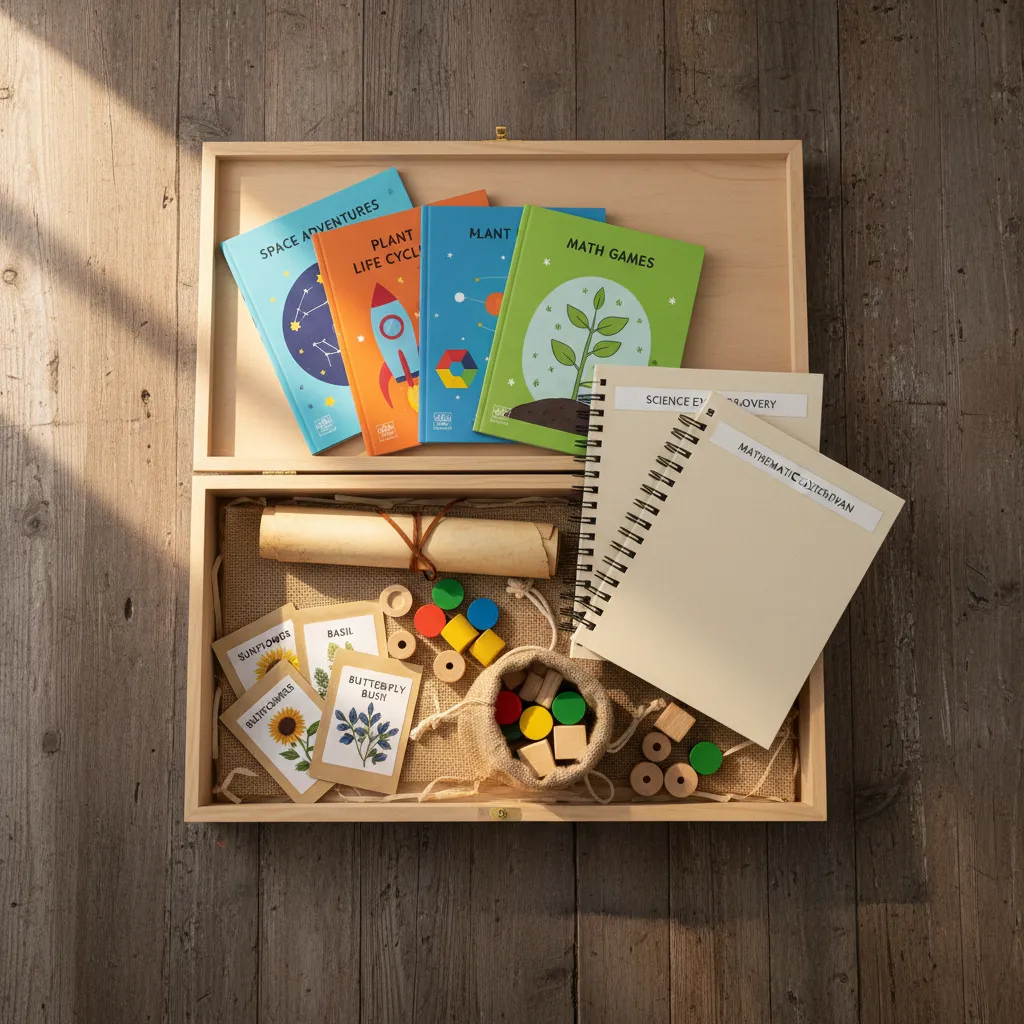
When purchasing a Puaka educational kit, buyers are looking for a turnkey solution that minimizes preparation time while maximizing engagement. A high-quality commercial kit typically includes a blend of tactile and informational resources.
Standard inclusions often comprise:
- Large-Format Star Charts: Durable, laminated Step-by-Step Star Map highlighting Puaka and the Matariki cluster.
- Teacher’s Guidebooks: Comprehensive lesson plans ranging from Early Childhood Education (ECE) to Year 13, including assessment rubrics.
- Story Cards (Pūrākau): Illustrated cards depicting legends associated with Puaka and the winter season.
- Planting Calendars (Maramataka): Guides on when to plant and harvest according to lunar phases, a core aspect of Puaka celebrations.
- Craft Materials: Sustainable materials for creating manu tukutuku (kites) or weaving stars.
Interactive Learning Tools and Digital Integration
Modern education demands more than static textbooks. Leading providers of Puaka educational kits have evolved to include sophisticated Interactive Night Sky Map Tool: Locate Matariki Now that cater to digital-native students. This hybrid approach ensures that ancient wisdom is accessible through contemporary mediums.
Augmented Reality (AR) Experiences
Premium kits often come with access to AR apps. Students can use tablets to scan physical markers included in the kit, which then project 3D models of the night sky or historical figures into the classroom environment. This immersive technology aids in visualizing complex astronomical concepts that are difficult to grasp from 2D images.
Gamified Learning Modules
To retain student interest, many kits include access to online portals featuring gamified history lessons. These might involve resource management games based on mahinga kai (gathering food) preparation for winter, or navigation challenges using the stars. These tools provide immediate feedback to students and allow teachers to track progress in real-time.
Physical vs. Digital Kits: Making the Right Choice
Schools often face budget constraints and logistical challenges when deciding between physical box sets and purely digital subscriptions. Understanding the pros and cons of each is crucial for making an informed commercial decision.
Physical Kits
Pros:
Physical kits offer tactile learning experiences which are crucial for younger developmental stages. Items like weaving flax or handling planting seeds create somatic memories associated with the learning. They do not rely on internet connectivity, making them reliable for all classroom settings.
Cons:
They require storage space, consumables (like craft paper) need replenishing, and they are harder to update if curriculum guidelines change.
Digital-Only Kits
Pros:
Instant delivery and zero storage requirements. Updates to the curriculum or new historical findings can be pushed immediately. They are often more cost-effective for multi-classroom licensing.
Cons:
They lack the sensory engagement of physical artifacts. Heavy reliance on device availability and internet stability can be a barrier in some rural schools.
Recommendation: For the most comprehensive educational impact, a hybrid model is suggested. Schools should invest in a foundational physical kit for the library or resource room, supplemented by digital licenses for individual teachers.

Subscription Services for Schools and Institutions
To ensure long-term viability and relevance, many educational providers are moving towards a subscription-based model (SaaS – Software as a Service, or in this case, Education as a Service). This model offers distinct advantages for school administrators planning their annual budgets.
Benefits of Subscription Models:
- Continuous Content Refresh: As new archaeological discoveries are made or new teaching methodologies are developed, subscribers receive automatic updates.
- Seasonal Resources: Subscriptions allow providers to drip-feed content relevant to the specific time of year, keeping the Puaka and Maramataka (lunar calendar) teachings alive year-round, not just in winter.
- Professional Development (PLD): Many subscriptions include hours of PLD for teachers, helping them feel confident in delivering cultural content. This is often a critical selling point for principals looking to upskill their staff.
When evaluating a subscription, schools should look for providers that offer tiered pricing based on the school roll size and include unlimited digital access for all staff members.
Integrating Mahinga Kai and Environmental Science
A unique aspect of Puaka educational kits is their heavy emphasis on Mahinga Kai—the customary gathering of food and natural resources. This topic provides a perfect cross-curricular bridge between cultural studies and environmental science.
High-quality kits include modules on local biodiversity, water quality testing, and sustainable harvesting practices. For example, a kit might include tools for monitoring local stream health, linking this scientific activity to the traditional responsibility of guardianship (kaitiakitanga). By teaching students about the resources that were traditionally gathered during the season of Puaka, educators instill a modern conservation ethic rooted in indigenous knowledge.
This integration satisfies the