
The primary difference between Puaka and Matariki lies in regional visibility and tribal tradition. While Matariki (the Pleiades) marks the New Year for most of Aotearoa, the South Island iwi Ngāi Tahu prioritizes Puaka (Rigel). In southern latitudes, Matariki sits lower on the horizon, making the brighter star Puaka the principal signifier of the New Year and seasonal change.
While the rise of the Matariki star cluster is the most widely recognized signal for the Māori New Year across New Zealand, it is not the sole indicator used by all iwi (tribes). In the Te Waipounamu (the South Island), particularly within the rohe of Ngāi Tahu, the star Puaka (Rigel) holds equal, and often superior, status. Understanding the Puaka Matariki difference is essential for a comprehensive appreciation of Māori astronomy and the diverse cultural landscape of Aotearoa.
What is the Main Difference Between Puaka and Matariki?
The fundamental distinction between Puaka and Matariki is astronomical identity and regional precedence. Matariki is an open star cluster known globally as the Pleiades or the Seven Sisters, located in the constellation Taurus. Conversely, Puaka is a single star—specifically Rigel, the brightest star in the constellation Orion (The Pot).
While both celestial bodies appear in the pre-dawn sky during the winter months (Pipiri/June and Hōngongoi/July), their prominence varies depending on where you stand in Aotearoa. For the majority of North Island tribes, Matariki rising heliacally (just before the sun) is the definitive marker of the New Year. However, for southern tribes, specifically those in Otago and Southland, the geography of the land and the curvature of the earth make Matariki difficult to see clearly.
Therefore, the Puaka Matariki difference is not a conflict of belief, but an adaptation to the environment. Puaka, being one of the brightest stars in the night sky (the seventh brightest visible from Earth), pierces the morning twilight more effectively than the fainter cluster of Matariki in southern latitudes. Consequently, the New Year in the south is often heralded by the appearance of Puaka, or by the dual appearance of both bodies.
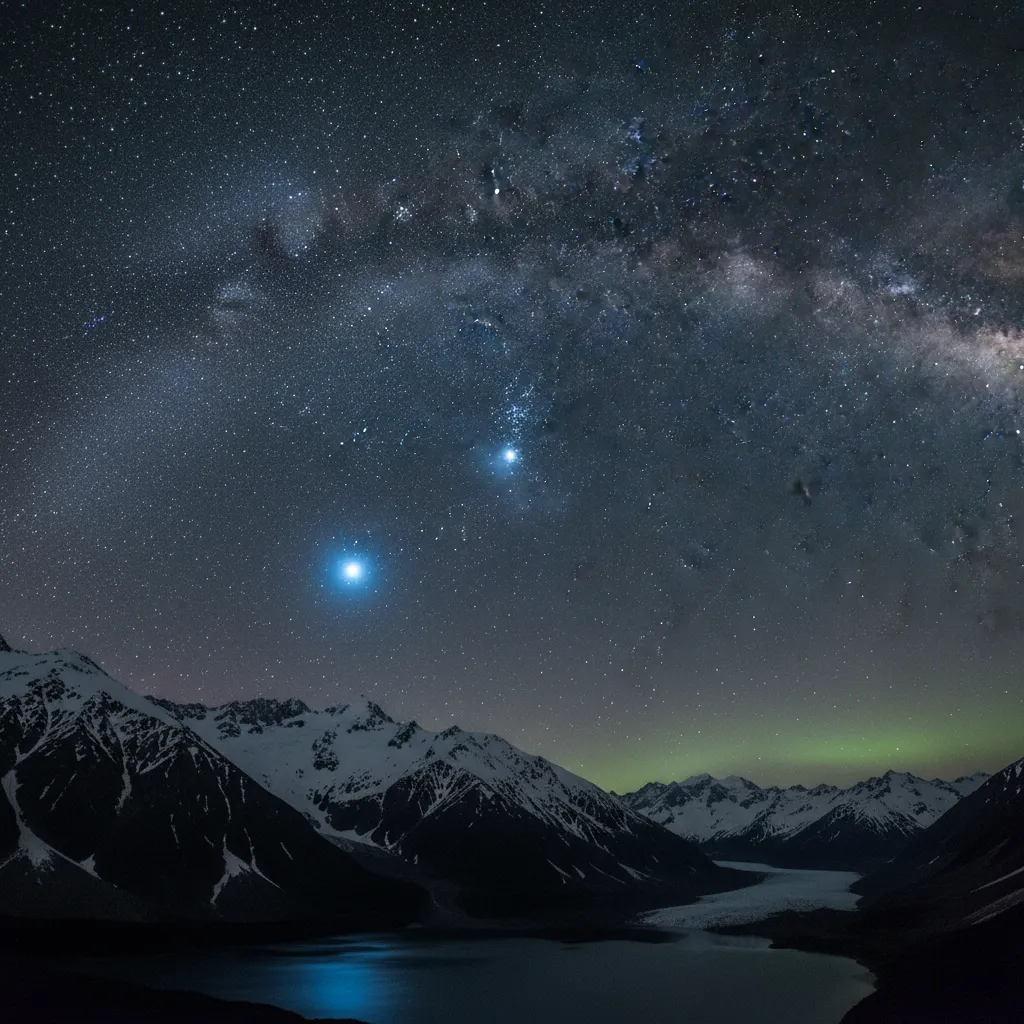
Why is Rigel (Puaka) Significant in the South?
To understand why Rigel (Puaka) takes precedence in the south, one must look at both astronomy and topography. The South Island of New Zealand is dominated by the Southern Alps, a massive mountain range that runs the length of the island. In many valleys and settlements, high horizons to the northeast can obscure the rising of Matariki.
Puaka rises in the East-Northeast, slightly higher and to the right of Matariki relative to the horizon. Because Puaka is a blue-white supergiant star, it shines with an intensity that Matariki lacks. In the deep winter of the South Island, where mist, fog, and cloud cover are common in the valleys, a bright, singular beacon is a more reliable navigational and calendar tool than a faint cluster of stars.
The significance of Puaka goes beyond mere visibility; it is deeply entrenched in the seasonal cycle of the south. The rise of Puaka signals the arrival of the coldest days of winter. It is often associated with frost and snow. In local mātauranga (knowledge), if Puaka rises with high intensity and twinkling rays, it predicts a harsh winter with heavy snowfalls. If it appears hazy or dim, the winter is predicted to be milder.
What are the Ngāi Tahu Traditions Surrounding Puaka?
Ngāi Tahu, the principal iwi of the South Island, holds a unique repository of knowledge regarding Puaka. Within Ngāi Tahu traditions, there is a recognition that while Matariki is the mother and her daughters (in some narratives) or a gathered whānau, Puaka is often viewed as a solitary, powerful entity.
Some southern oral histories suggest a competitive relationship between the stars. There are narratives where Puaka is described as being jealous of the attention Matariki receives. Because Matariki is a cluster of stars, she is seen as beautiful and communal, drawing the eye of the people. Puaka, wishing to assert his dominance, shines brighter and rises in a manner that demands attention.
However, the prevailing tradition is one of duality rather than conflict. Ngāi Tahu scholars and cultural practitioners emphasize that the tribe acknowledges both. In the far south (Murihiku), the focus is heavily on Puaka. Further north in the Canterbury plains, Matariki becomes more visible and prominent. This variation within a single iwi demonstrates the sophistication of Māori astronomy—it is not a “one size fits all” system but is hyper-localized to the specific environment of the hapū (sub-tribe).
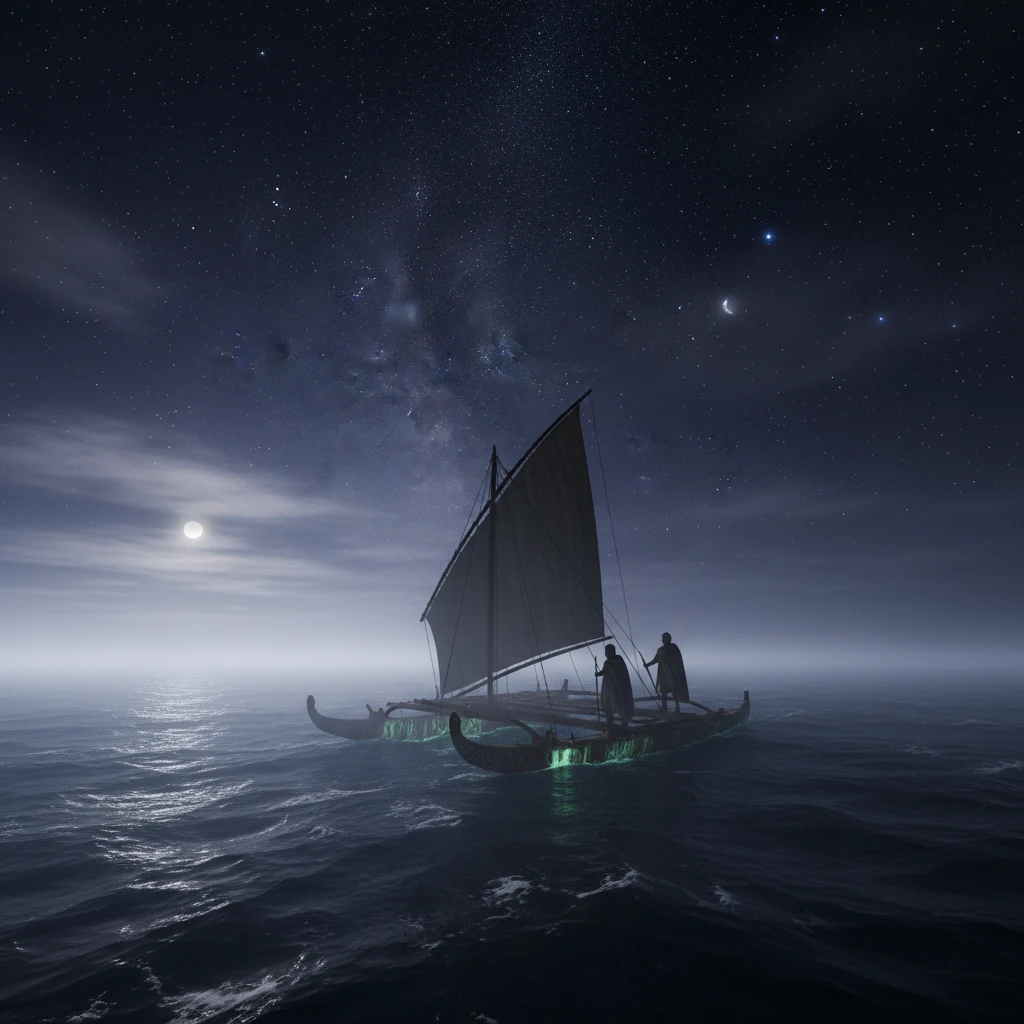
How Does Geographical Visibility Affect the Star Cluster?
The visibility of astronomical bodies is dictated by latitude and local horizon lines. As you travel south from the equator, the celestial sphere appears to rotate differently. In Aotearoa, which spans significant latitude from North to South, this shift is noticeable.
In the far south of New Zealand (latitudes 45°S and below), the angle of the ecliptic and the position of the sun during mid-winter keep the sky brighter for longer periods during twilight. Matariki, being a cluster of relatively faint stars (magnitude 1.6 combined, but individual stars are much dimmer), can easily be washed out by the solar glare of the approaching dawn or the “light pollution” of the moon.
Puaka (Rigel), with a magnitude of roughly 0.12, is the seventh brightest star in the sky. It cuts through the “soup” of the lower atmosphere much better than Matariki. Furthermore, the topography of regions like Central Otago—defined by basin and range landscapes—means that observers are often looking up from deep valleys. A star needs to rise high enough to clear the mountain ranges to be seen. Puaka’s position and brightness make it the first reliable star to clear these physical obstacles in the pre-dawn darkness.
The Dual Celebration: What is Puaka-Matariki?
In recent years, cities like Dunedin (Ōtepoti) have formalized this regional difference by naming their mid-winter festival the Puaka Matariki Festival. This hyphenated title is a deliberate educational tool, reminding the public that in this part of the world, the New Year is a dual phenomenon.
This dual celebration honors the whakapapa (genealogy) of the local people who have navigated by both stars for centuries. It allows for an inclusive approach that respects the pan-Māori recognition of Matariki while staunchly upholding the mana of the local southern tradition of Puaka. It is a celebration of the specific mātauranga of Te Waipounamu.
During these festivals, storytelling sessions often explain the Puaka Matariki difference. They teach that while the rest of the country looks to the Pleiades, the people of the south look to Orion. This distinction fosters a sense of regional pride and identity, anchoring the celebration in the specific landscape of the south.
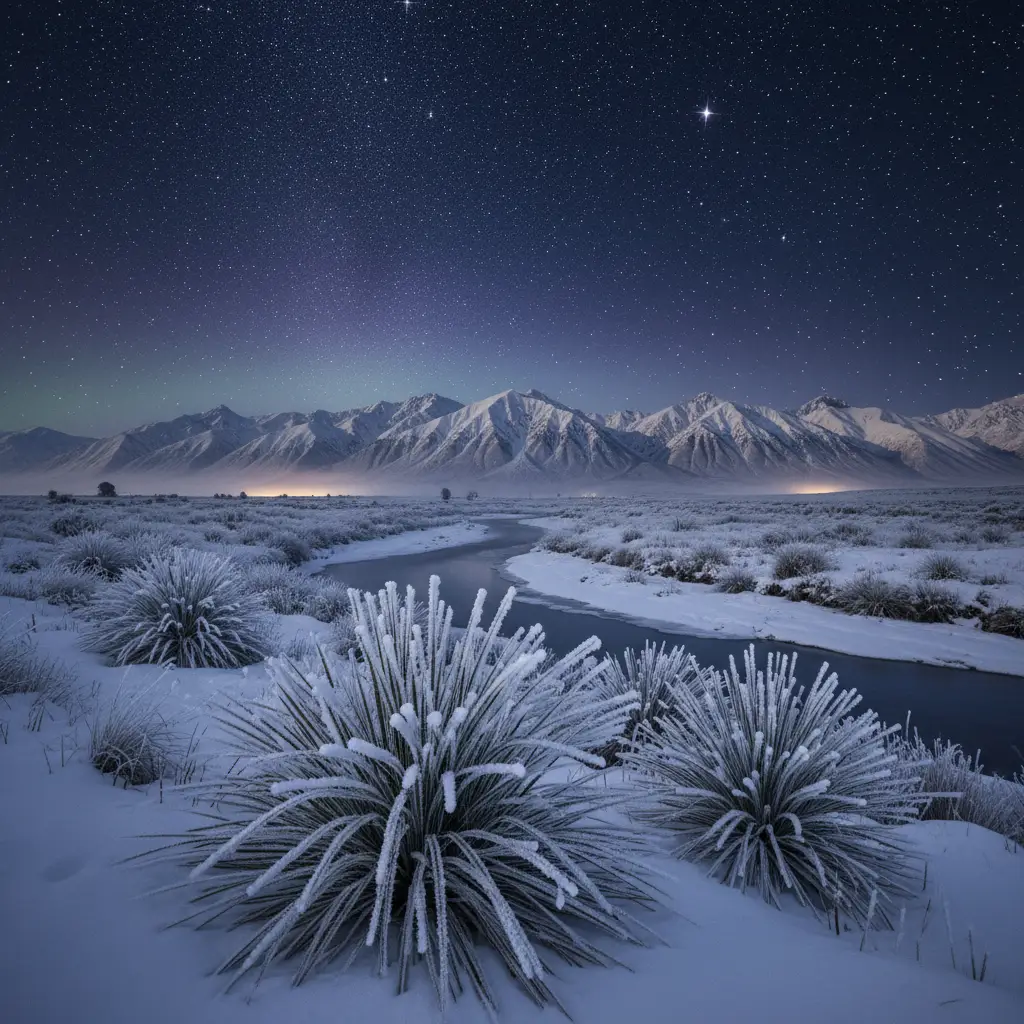
What Do These Stars Signify for the Coming Year?
Both Puaka and Matariki serve as tohu (signs) for the year ahead, functioning as an environmental forecast system. The ability to read these stars was critical for survival in pre-European times, dictating planting, harvesting, and food storage.
Reading the Signs of Puaka
Puaka is closely linked to the severity of winter and the abundance of kai (food). Because the South Island climate is harsher, the reading of Puaka was vital for preparedness.
- Clear and Bright: If Puaka rises clear and bright, it signals a productive year with warmer temperatures to follow, meaning food sources will be plentiful.
- Hazy and Shimmering: If the star appears shimmering or turbulent (often caused by atmospheric instability), it predicts a cold, wet winter with potential storms and flooding. This serves as a warning to protect food stores and reinforce shelters.
The Combined Reading
In areas where both are visible, tohunga (experts) would read them in tandem. Matariki might indicate the planting season’s success, while Puaka would predict the immediate winter weather conditions. This cross-referencing provided a more robust seasonal forecast. For example, if Matariki appeared distinct but Puaka was turbulent, the tribe might expect a good harvest eventually, but a very difficult winter to get through first.
The Modern Revitalization of Regional Dialects
The national recognition of Matariki as a public holiday has been a massive step forward for indigenous rights and culture in New Zealand. However, there was a risk that a standardized “national” version of Matariki could overshadow regional variations. The emphasis on the Puaka Matariki difference acts as a safeguard against this cultural homogenization.
Revitalizing the knowledge of Puaka ensures that the specific dialects, stories, and environmental knowledge of Ngāi Tahu are not lost. It teaches the younger generation that their culture is tied to their specific horizon—that their New Year begins when their specific star rises, not necessarily when the television says so.
This regional nuance enriches the national conversation. It moves the holiday from a commercial event to a genuine observance of astronomical and ecological cycles. By celebrating Puaka, the South Island affirms its unique connection to the cosmos, reminding us that even in a small country, the sky speaks differently to those who know how to listen.

People Also Ask
Why is Matariki not celebrated everywhere in NZ?
Matariki is celebrated nationally, but historically, some iwi (tribes) in the West Coast or far North used different stars like Puanga (Rigel) or Atutahi (Canopus) as their primary New Year marker due to local geography and star visibility. While Matariki is the national holiday name, regional traditions often honor these other stars alongside or instead of Matariki.
Is Puaka a star or a constellation?
Puaka is a single star. It is known internationally as Rigel, a blue-white supergiant. It is the brightest star in the constellation Orion (often called The Pot in New Zealand). In contrast, Matariki is a star cluster (The Pleiades) containing hundreds of stars, with seven to nine visible to the naked eye.
What date does Puaka rise?
Puaka typically rises in the pre-dawn sky in mid-winter, usually between late June and early July. The exact date varies slightly depending on the specific location and latitude within the South Island, and aligns with the lunar phases (maramataka) used to determine the New Year.
Can you see Matariki from the South Island?
Yes, Matariki is visible from the South Island, but it appears lower on the horizon compared to the North Island. In mountainous regions or deep valleys, it can be obstructed. This is why the higher and brighter star Puaka became the primary signal for many southern hapū.
What does the star Puaka represent?
Puaka represents the winter season, the preservation of knowledge, and the cycle of life and death. It serves as a weather forecaster; its clarity and brightness upon rising predict the severity of the coming winter and the abundance of food (kai) for the year ahead.
How do Ngāi Tahu celebrate the New Year?
Ngāi Tahu celebrates the New Year by acknowledging both Puaka and Matariki. Celebrations involve remembrance of those who have passed (hunga mate), sharing of food (hākari), passing on knowledge (wānanga), and observing the stars to forecast the weather. Modern festivals in Dunedin specifically carry the name “Puaka Matariki.”