What is the Puanga Winter Star?
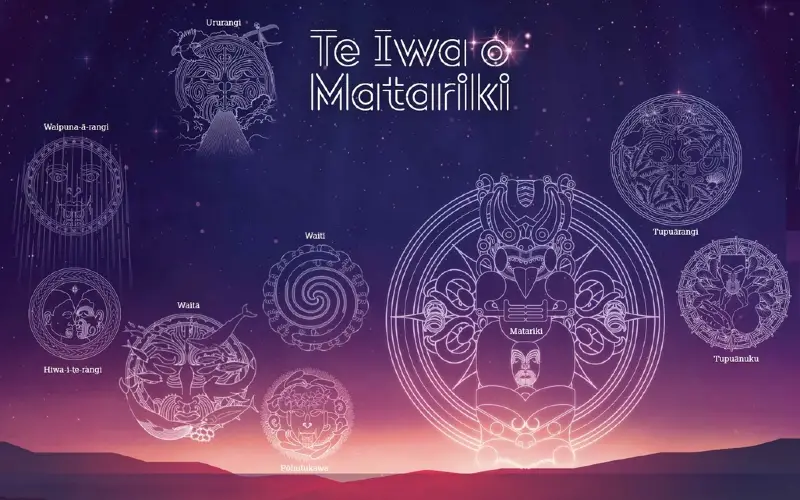
Puanga is the Māori name for Rigel, the brightest star in the Orion constellation. For many iwi (tribes) in western and northern New Zealand, the helical rising of the Puanga winter star marks the beginning of the Māori New Year and signals the arrival of winter, serving as the primary celestial marker in regions where the Matariki cluster is geographically obscured.
While the resurgence of Matariki has captured the national consciousness of Aotearoa New Zealand, the story of the Māori New Year is not singular. For tribes located in the Far North, Taranaki, Whanganui, and parts of the West Coast of the South Island, the pre-dawn rise of Puanga holds the mana (authority) of the new year. This celestial body, known astronomically as Rigel, does not merely mark a date on a calendar; it is the harbinger of winter, a cosmic signal that dictates the rhythms of the natural world, agricultural cycles, and social organization.
Understanding Puanga requires a shift in perspective from the purely astronomical to the deeply cultural and ecological. It is a star of intensity, signaling a season of necessary dormancy, deep learning, and spiritual reflection. As the days shorten and the cold sets in, Puanga calls the people to gather, to rest, and to look inward.
Astronomy and Geography: Why Puanga?
In the vast expanse of the night sky, the constellation Orion is one of the most recognizable features. Known to Māori as ‘Te Kakau’ (The Handle), it contains the bright blue-white supergiant star known as Rigel. This is Puanga. While Matariki (the Pleiades) is a cluster of stars, Puanga is a solitary, piercing beacon.
The preference for the Puanga winter star over Matariki in specific regions is a testament to the practical application of astronomy by Māori ancestors. In areas like Taranaki and Whanganui, the rugged mountain ranges to the east often obscure the horizon. Matariki, rising low in the northeastern sky, would frequently be blocked from view by these geographical features during the critical lunar phases of June and July. Puanga, however, rises higher and more to the north, making it visible above the mountain peaks.
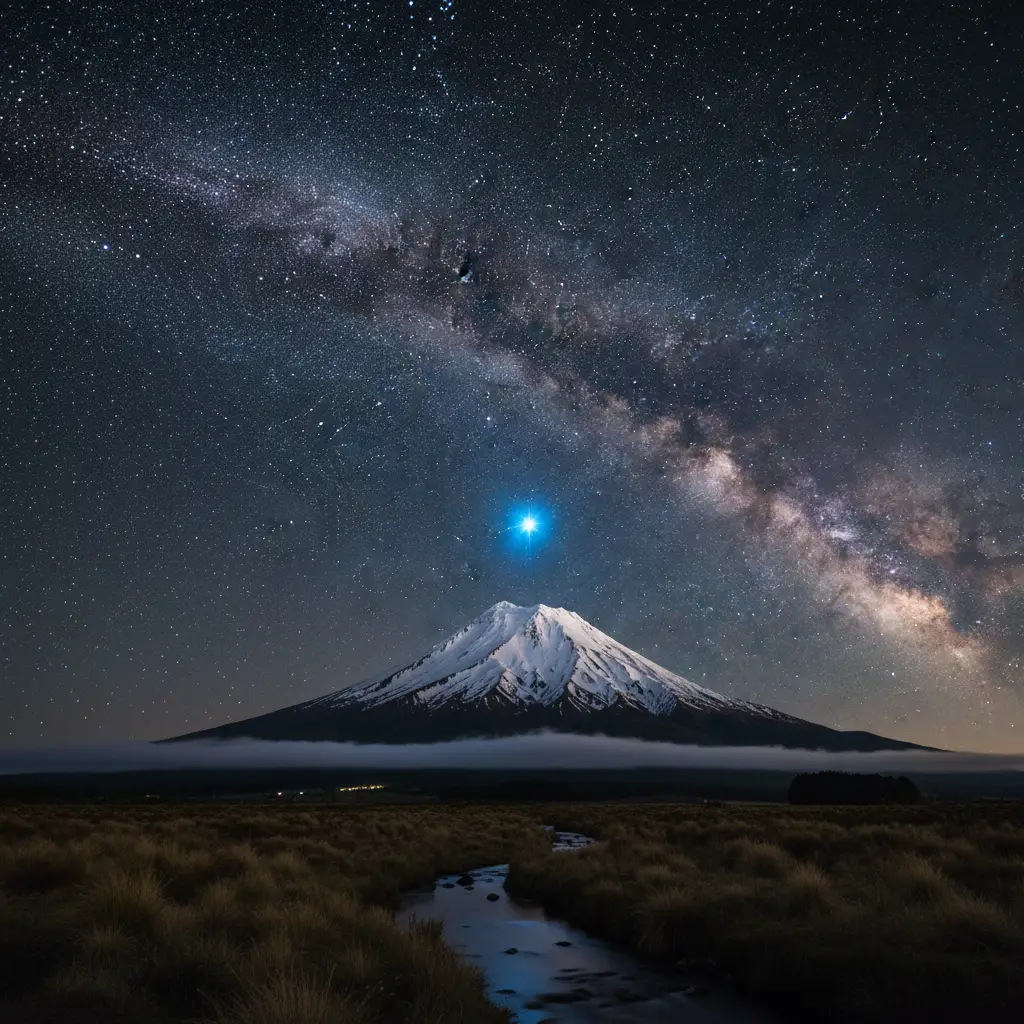
This distinction highlights the regional diversity of Māori knowledge systems (mātauranga). It reinforces that the Māori New Year is not a homogenous event but one adapted to the local environment. When Puanga rises in the pre-dawn sky, usually in June or July, it signals that the sun has turned, and the new season has officially begun.
The Association with Hinenui-te-pō
The cultural significance of Puanga extends far beyond its role as a calendar marker; it is deeply entwined with spiritual beliefs regarding life, death, and the afterlife. Puanga is frequently associated with Hinenui-te-pō, the Great Woman of Night and the guardian of the spirit world.
In many traditions, the appearance of the Puanga winter star is a time to acknowledge the dead (the hunganui). Because Puanga rises during the darkest, coldest phase of the year, it is seen as a bridge between the physical world of the living (Te Ao Mārama) and the spiritual realm of the ancestors. The star is sometimes viewed as a pillar of light that supports the heavens, or a sign that the spirits of those who have passed during the year have completed their journey to the afterlife.
The Jealousy of Puanga
Tribal narratives often personify the stars to explain their movements and characteristics. There are stories of rivalry between Puanga and Matariki. Puanga is sometimes described as jealous of the beauty and popularity of the Matariki sisters. This rivalry mirrors the harshness of the season Puanga brings; while Matariki is often associated with the planting and gentle abundance, Puanga presides over the frost, the biting wind, and the preservation of food. This association with Hinenui-te-pō reminds the people that winter is a time of ending, which is a necessary precursor to new beginnings.
Winter Solstice Connections
The rising of the Puanga winter star coincides closely with the winter solstice (Te Maruaroa o Takurua), the shortest day of the year. This astronomical alignment is critical for the Maramataka (the Māori lunar calendar). The solstice represents the turning point where the sun (Te Rā) begins his slow journey back towards summer (Hine-raumati).
While the solstice marks the astronomical return of the light, the immediate period following Puanga’s rise is known as the coldest time of the year. The connection to the solstice reinforces the concept of cyclical time. Just as the sun reaches its lowest point before rising again, the community enters a phase of low physical activity but high spiritual and mental activity.
During this period, the focus shifts to the storage houses (pātaka). The harvest has finished. If the crops were successful, the storehouses are full. Puanga is the time to audit these resources, ensuring the tribe can survive the months of ‘Te Waru’ (the eighth month), traditionally a time of scarcity before spring returns.
Environmental Signs Accompanying Puanga
Māori ancestors were master observers of the natural world. The helical rising of Puanga was confirmed not just by looking up, but by looking down at the earth and around at the forest. The star’s appearance is accompanied by specific environmental signs that confirm the arrival of deep winter.
The Weather Indicators
The brightness and color of the Puanga winter star were traditionally used to predict the severity of the coming season. If Puanga appeared bright and clear, with well-defined rays, it was interpreted as a sign of a prosperous year ahead with favorable weather for the next planting season. Conversely, if the star appeared hazy, dim, or red-tinted, it foretold a harsh, wet winter and potentially poor crops.
Flora and Fauna
On the ground, the arrival of Puanga coincides with specific biological events:
- Kererū (Wood Pigeon): The kererū begin to feast on the miro berries, becoming plump and ready for harvest. This was a critical food source during the winter months.
- Inanga (Whitebait): In some regions, the migration patterns of freshwater fish align with the star’s rising.
- Fungi: The damp, cold conditions encourage the growth of specific edible fungi in the forests.
The phrase “Puanga kai rau” (Puanga of a hundred foods) is often used, seemingly paradoxically for winter. However, it refers to the abundance of stored food and the preserved birds and eels that are consumed during this time. It is a celebration of the work done in the previous months.
The Time for Indoor Learning (Wānanga)
Perhaps the most significant social aspect of the Puanga winter star season is its designation as the time for Wānanga (learning, seminar, or forum). Because the harsh weather made outdoor labor like gardening, fishing, and warfare difficult or impossible, the people moved indoors.
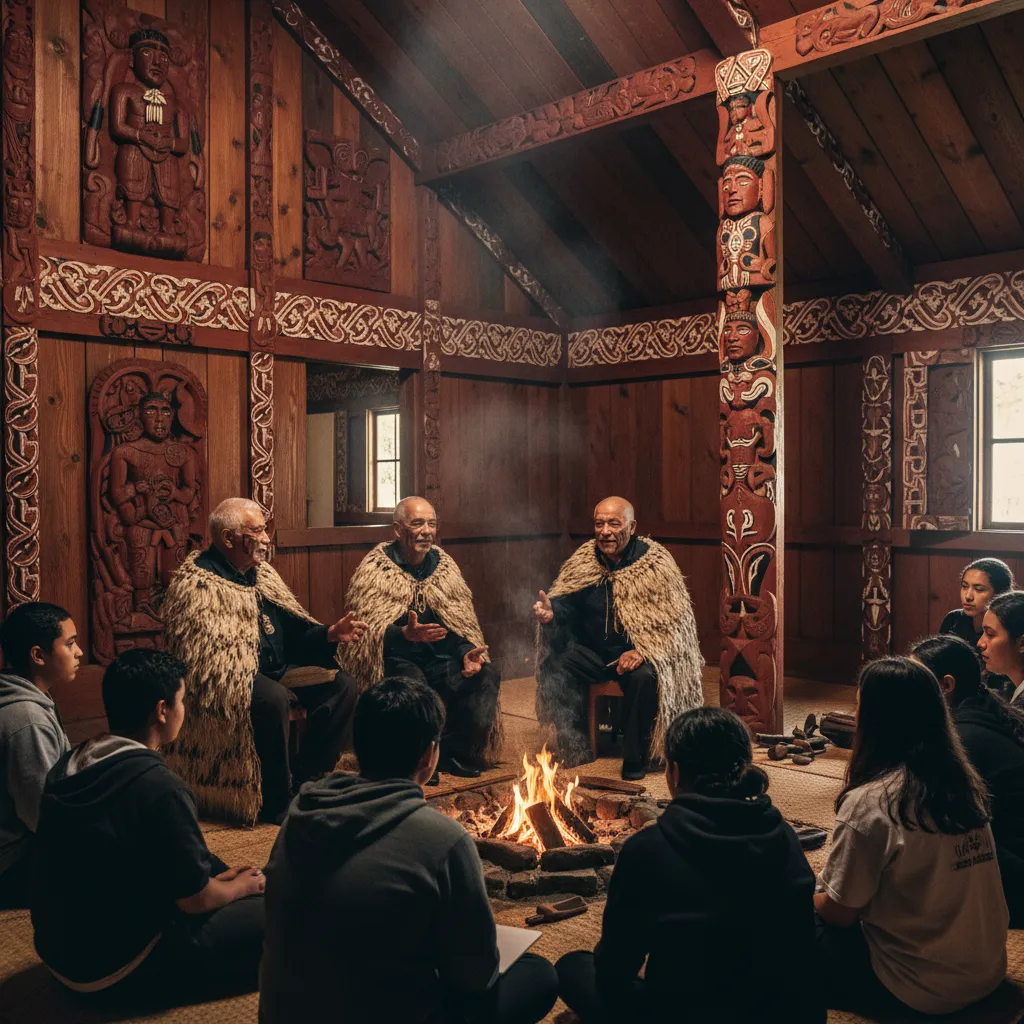
The long nights and short days provided the perfect environment for the transfer of knowledge. Inside the wharenui (meeting house), around the fire, the elders would pass down whakapapa (genealogy), history, and tikanga (customs) to the younger generation. This was not casual storytelling; it was a rigorous academic period. To better understand the context behind this knowledge transfer, you can explore The Role of Whakapapa in Māori Culture and Matariki Celebrations.
Types of Learning
The curriculum of the Puanga season was diverse:
- Whare Pōrae: The school of weaving. Women would utilize this time to weave intricate cloaks (korowai) and mats, skills that required immense patience and focus.
- Whare Whakairo: The school of carving. Men would work on wood, bone, and stone, preserving stories in physical form.
- Mōteatea: The learning of ancient chants and songs which act as oral history archives.
In this context, Puanga is the patron of education. It reminds us that when the body rests from physical labor, the mind must work. It is the season of intellectual cultivation. For those seeking deeper resources on this topic, check out our collection of Academic & Cultural Texts on Matariki.
Rest and Reflection Periods
In our modern, 24/7 society, the lesson of Puanga is more relevant than ever. The Puanga winter star mandates rest. In the traditional Māori worldview, the environment dictates the energy output of the people. Winter is not a time to push against the elements; it is a time to yield to them.
This period allows for the restoration of Mauri (life force). Just as the sap of the trees descends to the roots to conserve energy for the spring, people are encouraged to slow down. This is a time for:
- Reflection: Reviewing the past year, acknowledging successes and failures.
- Planning: Strategizing for the upcoming spring planting and summer activities.
- Resolution: Settling disputes within the whānau (family) or hapū (sub-tribe) while everyone is gathered indoors.
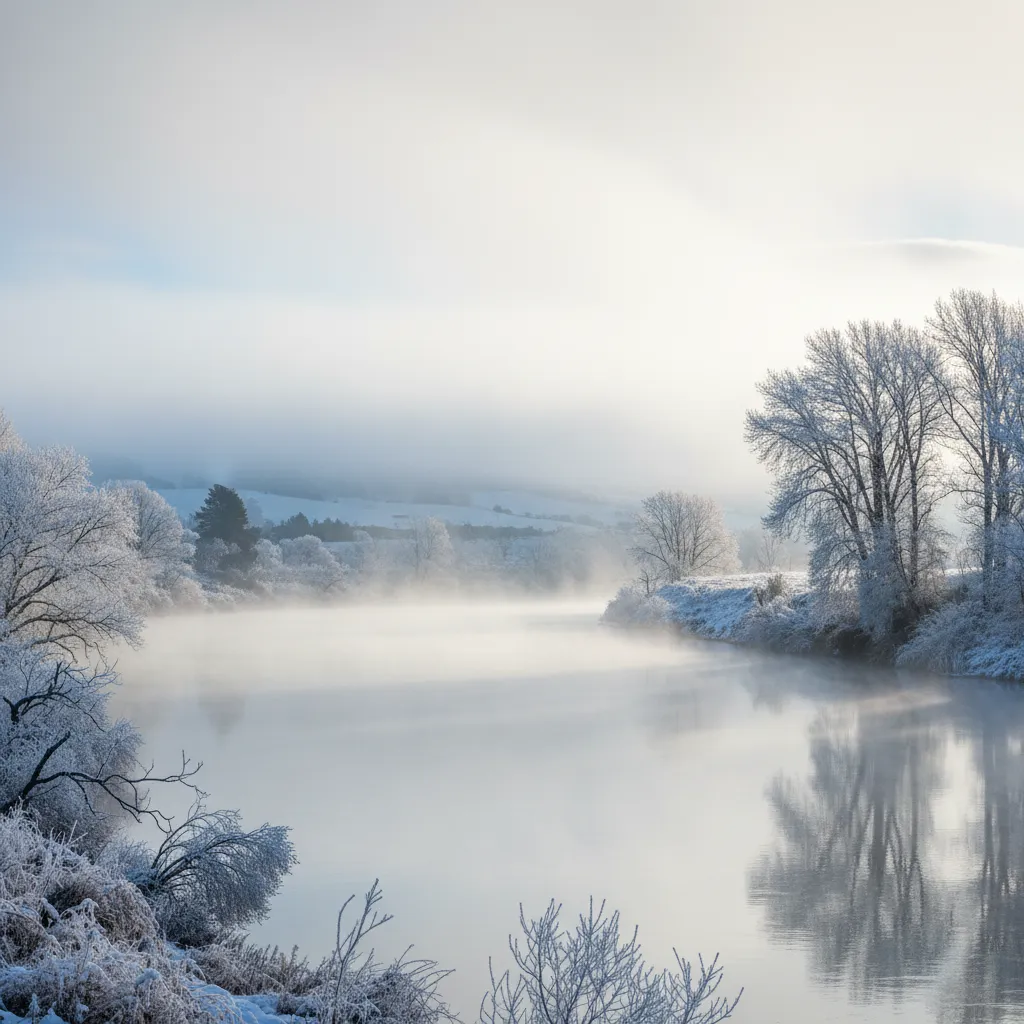
For the modern tourist or cultural traveler, visiting regions like Whanganui or Taranaki during Puanga offers a chance to participate in this “slow season.” Wellness retreats and cultural festivals during this time focus on realignment and mental health, honoring the star’s ancient purpose. You can use our Interactive Night Sky Map Tool: Locate Matariki Now to track the visibility of Puanga and Matariki.
Celebrating Puanga in Modern Aotearoa
Today, the celebration of Puanga is undergoing a renaissance. While Matariki is the national public holiday, regions that look to Rigel are hosting their own distinctive festivals. These events blend ancient tradition with modern community building.
In Whanganui, the Puanga festival is a major event, featuring kapa haka competitions, art exhibitions, and community feasts. In Taranaki, arts festivals illuminate the long nights. These celebrations are vital for regional identity, asserting that while the nation may look to the Pleiades, the people of the West look to the solitary brightness of Puanga.
To engage with Puanga is to engage with the rhythm of the New Zealand winter—embracing the cold, honoring the ancestors, and preparing the mind for the year ahead.
People Also Ask
Is Puanga the same as Matariki?
No, Puanga and Matariki are different celestial bodies. Matariki is the star cluster known as the Pleiades, while Puanga is the single bright star Rigel in the Orion constellation. While both signal the Māori New Year, different iwi celebrate one or the other based on which star is more visible in their geographic region.
What star is Puanga in English?
In Western astronomy, the Puanga winter star is known as Rigel. It is a blue-white supergiant star and is the brightest star in the constellation Orion (The Hunter).
Which iwi celebrate Puanga instead of Matariki?
Iwi (tribes) primarily located in the west and north of New Zealand often celebrate Puanga. This includes tribes in Whanganui, Taranaki, parts of the Far North (Te Tai Tokerau), and the West Coast of the South Island, where local geography often obscures the view of Matariki.
What is the spiritual meaning of Puanga?
Spiritually, Puanga is closely linked to Hinenui-te-pō, the guardian of the afterlife. It is a time for remembering the dead (hunganui), resting, indoor learning (wānanga), and preparing spiritually for the coming year.
When does Puanga rise?
Puanga typically makes its helical rising (rising just before the sun) in June or July. The exact timing varies slightly depending on the latitude and the specific year, coinciding with the winter season in the Southern Hemisphere.
How is Puanga celebrated today?
Modern Puanga celebrations include community festivals, arts and cultural exhibitions, kapa haka performances, lighting ceremonies, and educational wānanga. It is a time for communities to gather, share food (kai), and reflect on the year past.