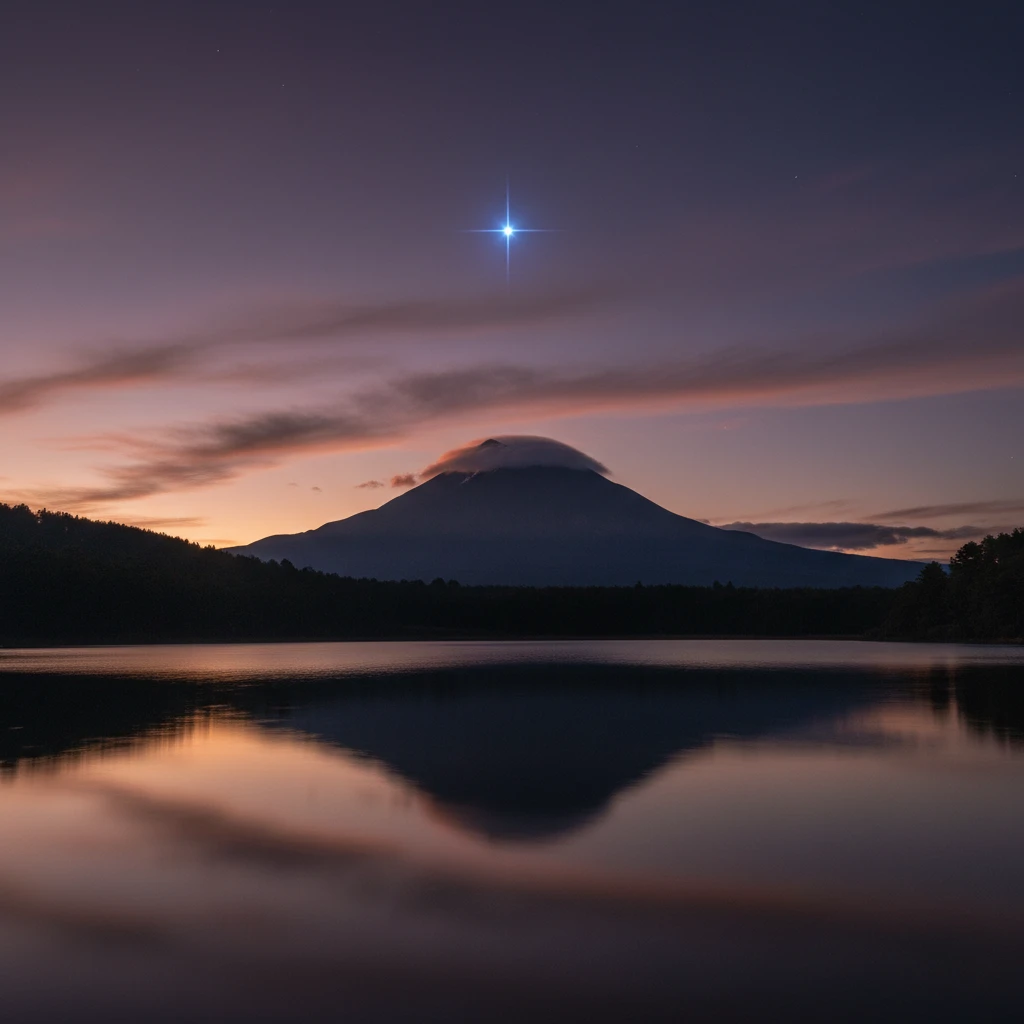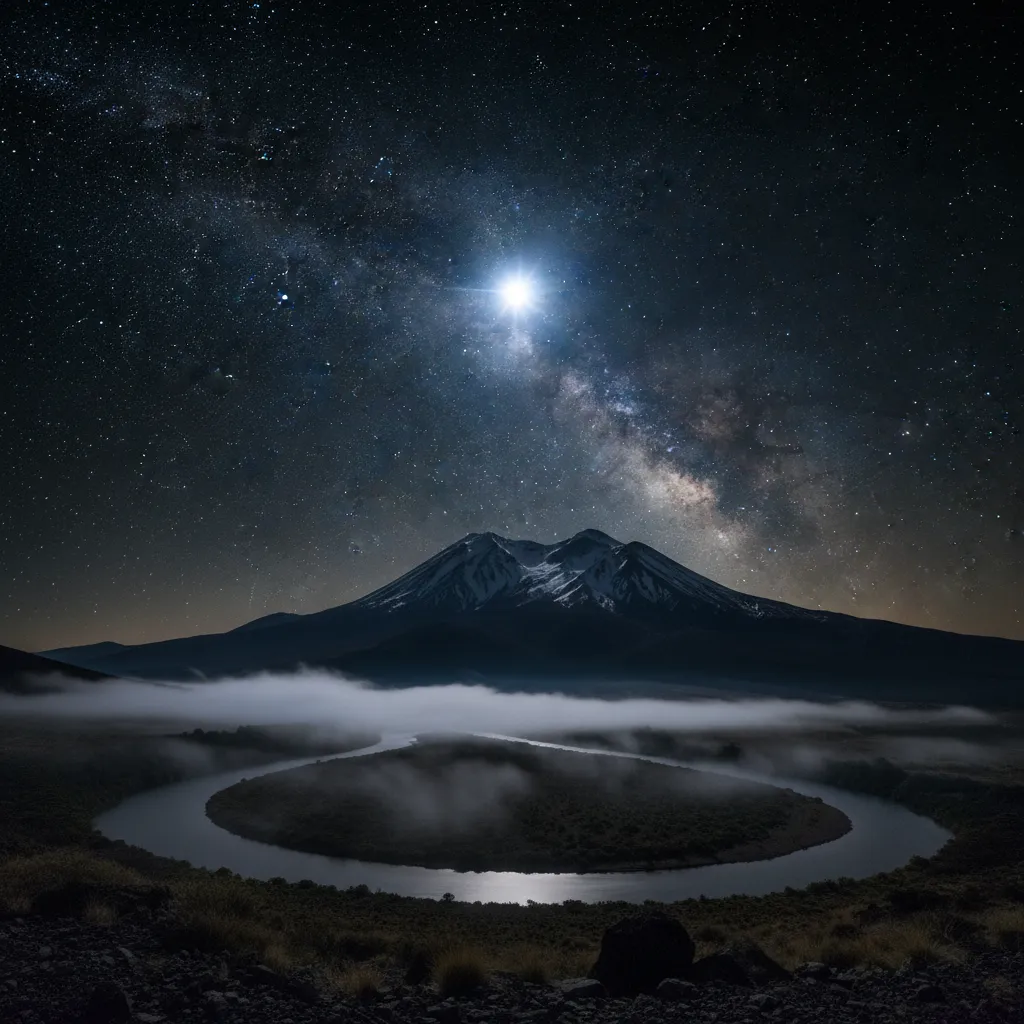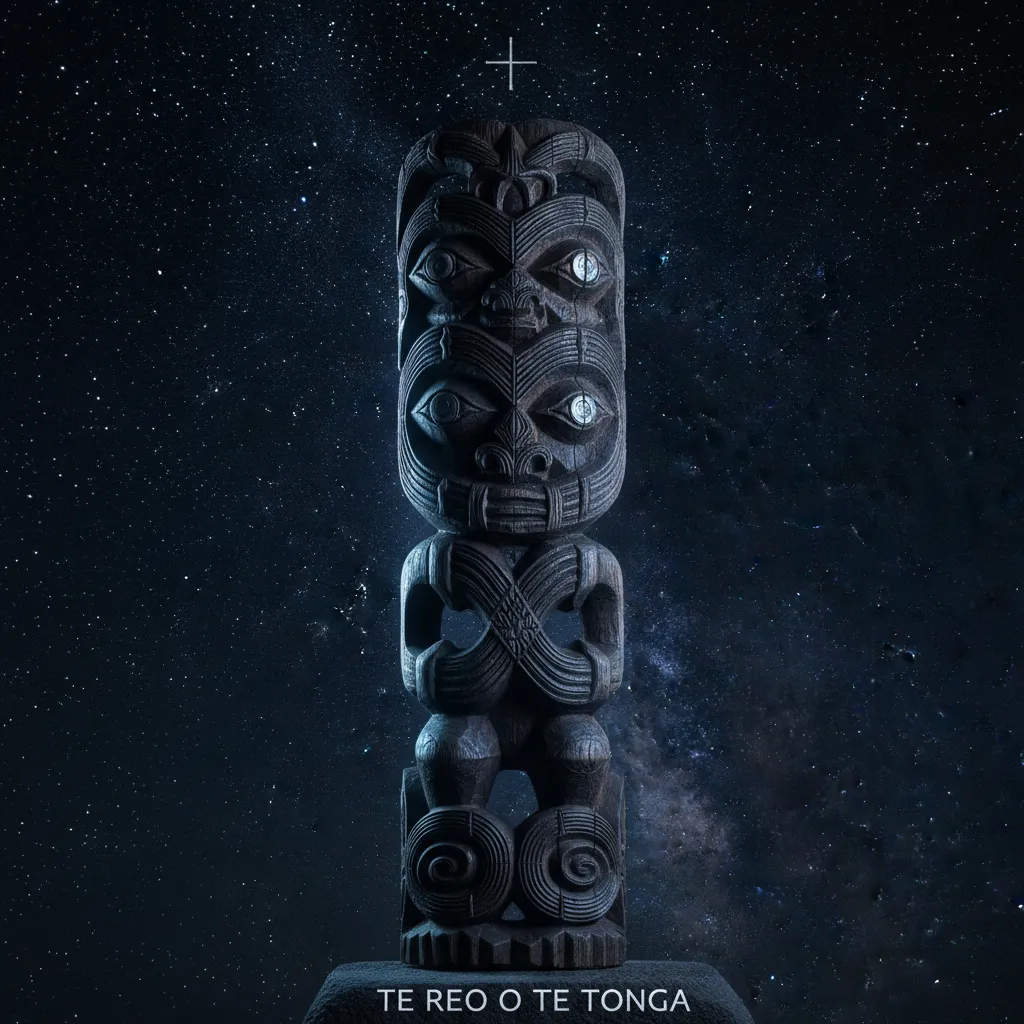
Puanga refers to the star Rigel, which signals the Māori New Year in the Taranaki region. Because the geography of Mount Taranaki physically obscures the view of the Matariki cluster on the eastern horizon, local iwi look to the brighter star Puanga in the north-eastern sky to mark the changing season, harvest, and remembrance.
What is the Meaning of Puanga in Taranaki?
While the majority of Aotearoa New Zealand looks to the horizon for the rise of Matariki (the Pleiades cluster) to herald the Māori New Year, the region of Taranaki has a distinct and unique tradition centered around Puanga. To understand the Puanga Taranaki meaning, one must look not only at the stars but also at the imposing landscape that defines the region.
Puanga is the Māori name for the star Rigel, the brightest star in the constellation Orion (Orion’s knee). It is a blue-white supergiant that burns with intense luminosity. In the Taranaki dialect and tradition, Puanga is the primary celestial marker for the New Year. This distinction is not merely a preference but a necessity born of geography. The arrival of Puanga brings a time of wānanga (learning), whanaungatanga (connection), and the resetting of the seasonal calendar.
For the people of Taranaki, Puanga is a time to reflect on the year that has passed, acknowledge those who have departed (the hunga mate), and prepare for the upcoming planting season. It represents a period of dormancy in nature where the earth rests, allowing communities to come together to share stories, whakapapa (genealogy), and kai (food). It is a celebration deeply rooted in the specific environment of the West Coast of the North Island. See more about regional celebrations here: Te Tai Hauāuru: West Coast Celebrations.
Why Mt Taranaki Blocks the View of Matariki
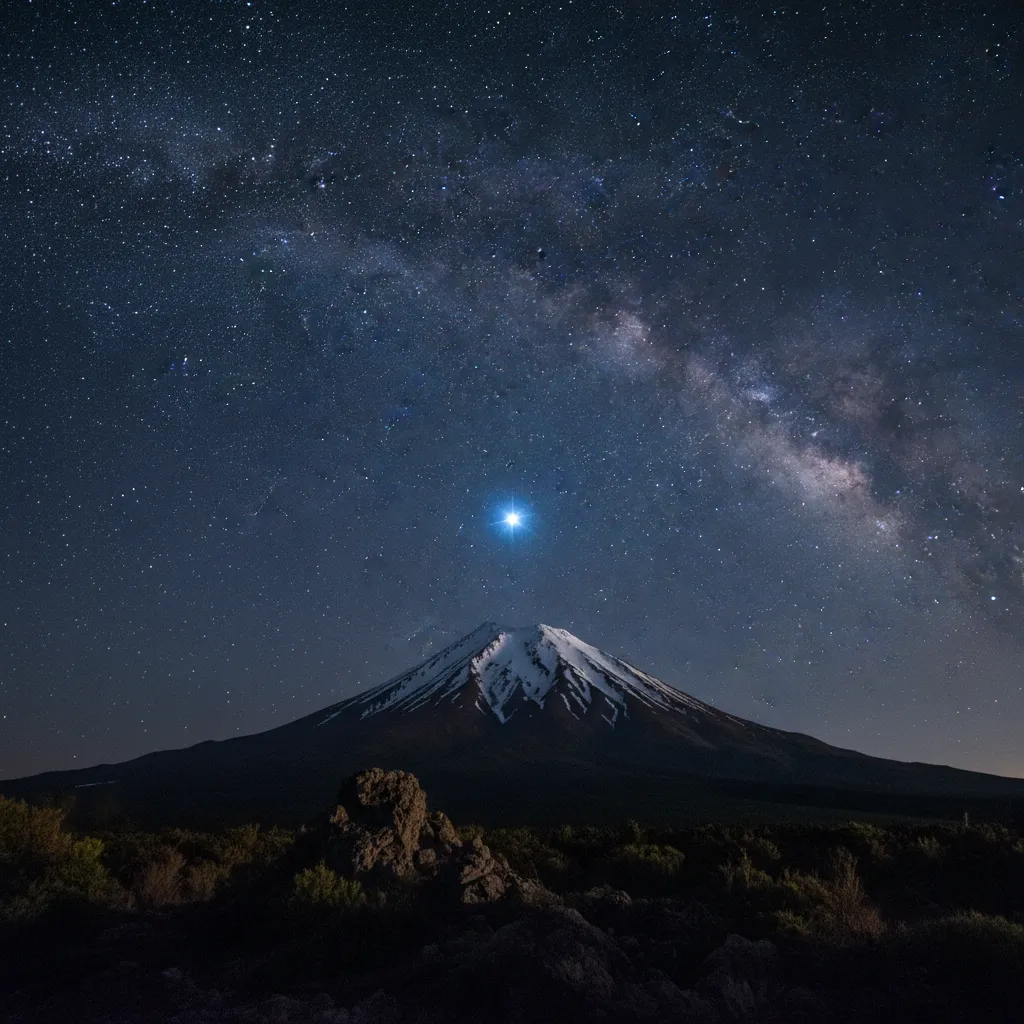
The primary reason for the variation in New Year observances between Taranaki and other regions lies in the physical dominance of Mount Taranaki (formerly Mt Egmont). Standing at 2,518 meters, this dormant stratovolcano commands the landscape and significantly alters the visible horizon for those living to its west.
The Geometry of the Horizon
Matariki rises in the north-east. However, for many hapū (sub-tribes) and iwi located in Taranaki, particularly those on the western and southern slopes, the sheer mass of the mountain blocks the view of the eastern horizon where Matariki appears. Matariki is a relatively low-rising cluster during mid-winter. By the time it clears the visual obstruction of the mountain’s slopes, the sun has often already risen, washing out the starlight with dawn.
Conversely, Puanga (Rigel) rises slightly earlier and sits higher in the northern sky. It is also the seventh brightest star in the night sky, making it significantly easier to spot than the faint cluster of Matariki against the twilight or the silhouette of the maunga (mountain). Therefore, the ancestors of Taranaki utilized Puanga as the reliable indicator of the solstice and the seasonal shift.
The Relationship Between Puanga and Matariki
It is important to note that Taranaki iwi do not ignore Matariki entirely. In many traditions, Puanga is viewed as the elder sibling or a companion to Matariki. There is a saying that Puanga cannot come down to play because he is too busy holding up the sky, or that he is leading the way for Matariki. The two are intrinsically linked in the celestial navigation of the year, but Puanga takes the role of the primary herald in this specific rohe (region). Learn more about the differences here: Matariki vs. Puanga.
The Significance of Puanga to Taranaki Iwi
The eight iwi of Taranaki—Ngāti Tama, Ngāti Mutunga, Te Ātiawa, Ngāti Maru, Taranaki, Ngāruahine, Ngāti Ruanui, and Ngā Rauru—share a profound connection to the mountain and the star. The rising of Puanga is more than an astronomical event; it is a spiritual pillar of tribal identity.
Wānanga and Knowledge Transmission
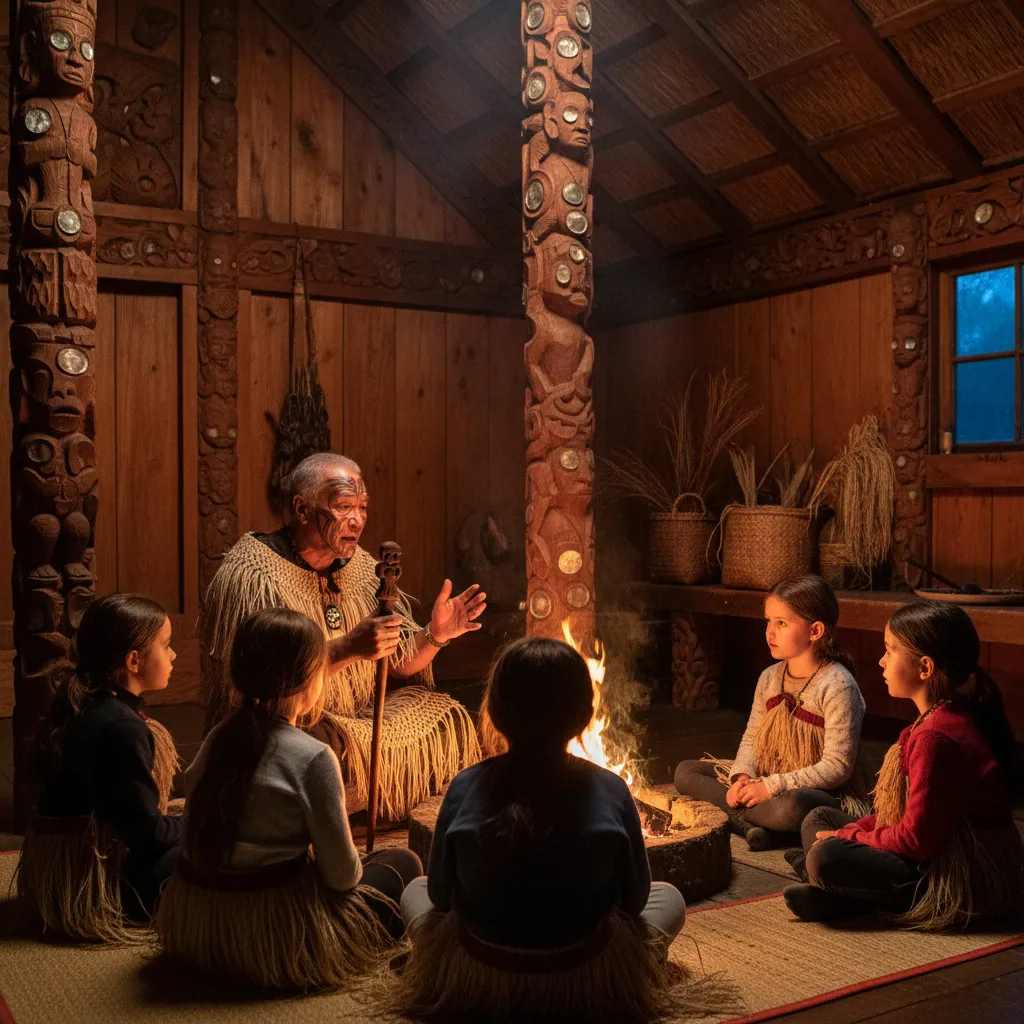
Winter, marked by Puanga, was traditionally a time when warfare ceased and outdoor labor was minimized due to the cold and wet weather typical of the region. This confinement indoors turned the season into a vital period for education. Whare Wānanga (houses of learning) would open, and elders would pass down oral histories, weaving techniques, carving skills, and agricultural knowledge to the younger generation.
During Puanga, the focus shifts inward—both into the warmth of the wharenui (meeting house) and into the spirit. It is the time to recite whakapapa, ensuring that the lineage and connections between people and the land are remembered and preserved.
Preserving the Environment
The appearance of Puanga also signals the environmental state of the region. Tohunga (experts) would observe the brightness and color of the star to predict the weather for the coming season. If the star appeared clear and bright, it foretold a warm season and a bountiful harvest. If it appeared hazy or shimmering, it was a warning of a cold, wet season that would require careful management of food stocks.
Parihaka and Puanga Connections
The settlement of Parihaka, located between Mount Taranaki and the Tasman Sea, holds a unique and powerful place in New Zealand history, and its connection to the Puanga season is deeply spiritual. Founded by the prophets Te Whiti-o-Rongomai and Tohu Kākahi, Parihaka became a center of passive resistance against land confiscation in the late 19th century.
Renewal and Resilience
For the community at Parihaka, the cycle of the year is heavily influenced by the agricultural calendar, which is dictated by Puanga. The community’s history is tied to the cultivation of gardens—gardens that were ploughed by men who were subsequently arrested without trial for asserting their rights to their land.
Today, Puanga at Parihaka is a time of immense reflection on the legacy of peace and resilience. It is a time when the community gathers to discuss the future, maintain the communal gardens, and ensure the teachings of Te Whiti and Tohu are kept alive. The rising of the star symbolizes the resilience of the people: just as Puanga returns every year to the sky above the mountain, the people of Parihaka remain on their land, upholding their tikanga (customs).
Local Proverbs (Whakataukī) About Puanga
Whakataukī (proverbs) act as vessels for Māori wisdom, encapsulating complex ideas in memorable phrases. Several proverbs specifically highlight the importance of Puanga and the abundance it signifies.
“Puanga kai rau”
Translation: Puanga of a hundred foods.
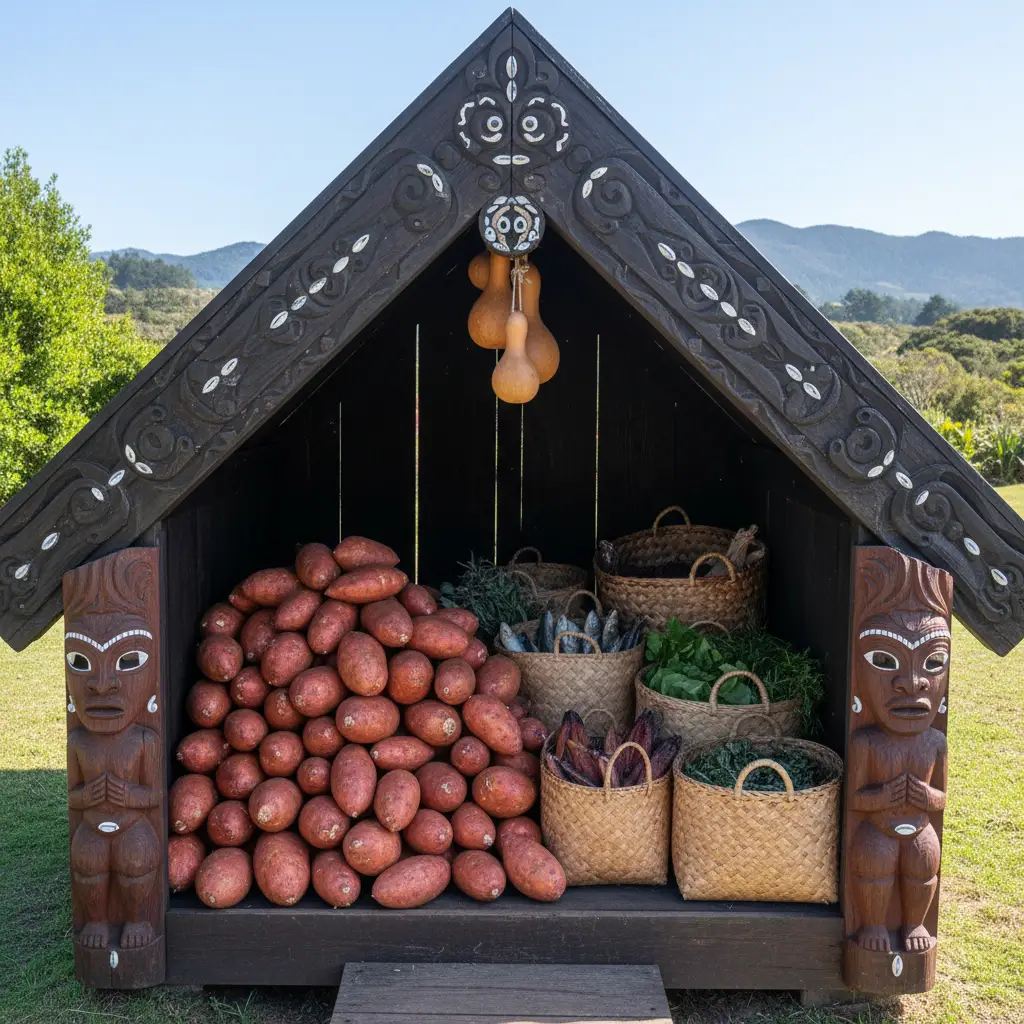
This is perhaps the most famous proverb associated with the star. “Kai rau” implies an abundance of food. When Puanga rises, it signals that the harvest has been collected and stored in the pātaka (storehouses). The hard work of the growing season is done, and the community can now enjoy the fruits of their labor. It refers to the variety of food available—preserved birds, dried fish, kūmara, and berries. It celebrates a time of feasting and hospitality.
“Ko Puanga te pae ārahi i ngā rā o te tau”
Translation: Puanga is the guide of the days of the year.
This proverb underscores the role of the star as a navigational and calendrical tool. It reinforces the idea that the Taranaki year begins not with a date on a Gregorian calendar, but with the celestial alignment over the maunga. It reminds the people that their schedule is dictated by the rhythms of nature.
Community Focus in New Plymouth and Surrounds
In modern Taranaki, the celebration of Puanga has transcended tribal boundaries to become a regional festival embraced by the wider community in New Plymouth (Ngāmotu) and surrounding districts. The resurgence of interest in Māori astronomy has led to a vibrant calendar of events that blend ancient tradition with contemporary celebration. You can find the exact timing for your local area using our Interactive Night Sky Map Tool: Locate Matariki Now.
The Taranaki Arts and Cultural Festivals
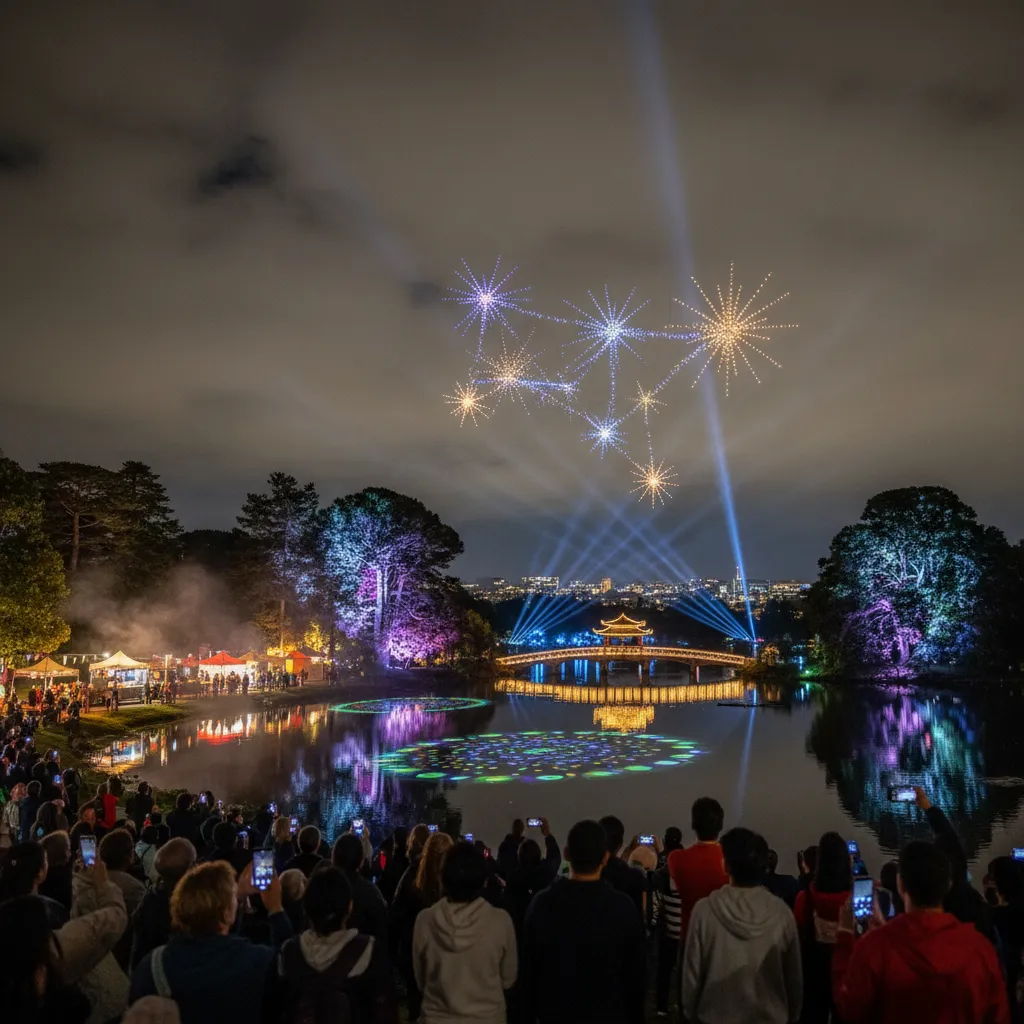
During June and July, New Plymouth often hosts winter festivals aligned with Puanga. These events typically feature light installations, symbolizing the light of the stars returning to the night sky. The Pukekura Park Festival of Lights (often holding winter editions) and various gallery exhibitions showcase local artists who draw inspiration from the themes of the New Year: reflection, new beginnings, and the cosmos.
Educational Initiatives
Local schools and museums, such as Puke Ariki, run extensive programs during this period. These programs are critical for “cultural regionalism,” educating both locals and tourists about why Taranaki is different from the rest of the country. Visitors can attend workshops on star navigation, weaving, and the specific history of the Taranaki land wars, providing a context that deepens the appreciation of the landscape.
Hautapu Ceremonies
In recent years, public Hautapu ceremonies have become more common. This is a ritual where food is cooked in an earth oven (umu), and the steam is released to feed the stars. While traditionally a solemn tribal affair, selected ceremonies are now open to the public to witness, fostering a greater cross-cultural understanding. These events usually take place at dawn, requiring participants to brave the Taranaki chill, further connecting them to the physical reality of the environment.
The Cycles of Nature and Kai
Ultimately, the Puanga Taranaki meaning is grounded in the cycles of the earth. Taranaki is a region of high rainfall and fertile volcanic soil. The agricultural clock is distinct here. Puanga marks the end of the harvest but also the preparation for the new planting.
For the eco-tourist or the cultural traveler, visiting Taranaki during Puanga offers a chance to see the region at its most authentic. It is not the beach-going summer version of the coast; it is the moody, mist-shrouded, spiritual heart of the region. It is a time when the mountain wears its snow cloak (korowai) most heavily, and the people draw closer together.
By respecting Puanga, we respect the biodiversity of Taranaki. We acknowledge that the timing of fishing (gathering kaimoana) and planting kūmara is not arbitrary but linked to millennia of observation. The star reminds us that we are part of a larger ecosystem, one that requires us to pause, reflect, and give thanks before we move forward into the new year.
Frequently Asked Questions
Is Puanga the same star as Matariki?
No, they are different celestial bodies. Matariki is a star cluster known as the Pleiades. Puanga is a single star known as Rigel, which is part of the Orion constellation. While they rise at similar times, Taranaki iwi prioritize Puanga due to visibility issues with Matariki caused by Mount Taranaki.
When can you see Puanga in Taranaki?
Puanga typically becomes visible in the pre-dawn sky (around 5:30 AM to 6:30 AM) in June or July. It appears in the north-eastern sky, sitting higher above the horizon than Matariki. The exact date of the New Year shifts annually based on the lunar calendar (maramataka).
What is the English name for the star Puanga?
The English name for Puanga is Rigel. It is a blue-white supergiant star and is the brightest star in the constellation of Orion. It is often described as forming the left foot or knee of the hunter Orion.
Why can’t you see Matariki from Taranaki?
You can see Matariki from parts of Taranaki, but for many traditional settlements on the western and southern slopes, the view is obstructed by the 2,518-meter high Mount Taranaki. The mountain blocks the eastern horizon where Matariki rises low in the sky.
How is Puanga celebrated today in Taranaki?
Today, Puanga is celebrated with a mix of traditional and modern events. This includes dawn ceremonies (Hautapu), community feasts (hākari), arts festivals, light shows in New Plymouth, and wānanga (learning sessions) focused on whakapapa and environmental planning.
What does the whakataukī “Puanga kai rau” mean?
“Puanga kai rau” translates to “Puanga of a hundred foods.” It signifies the abundance of the harvest season. It means that food storehouses are full, and there is plenty to eat and share during the winter months when the star rises.