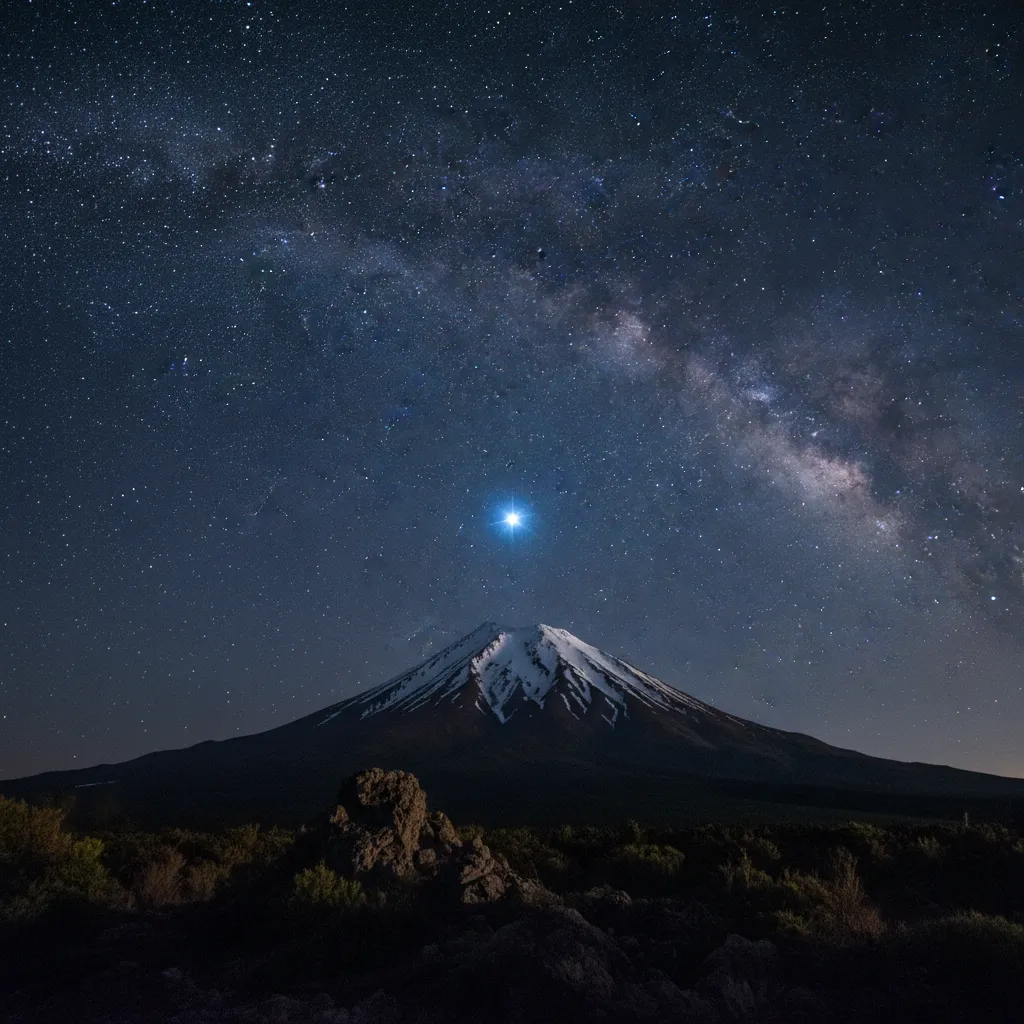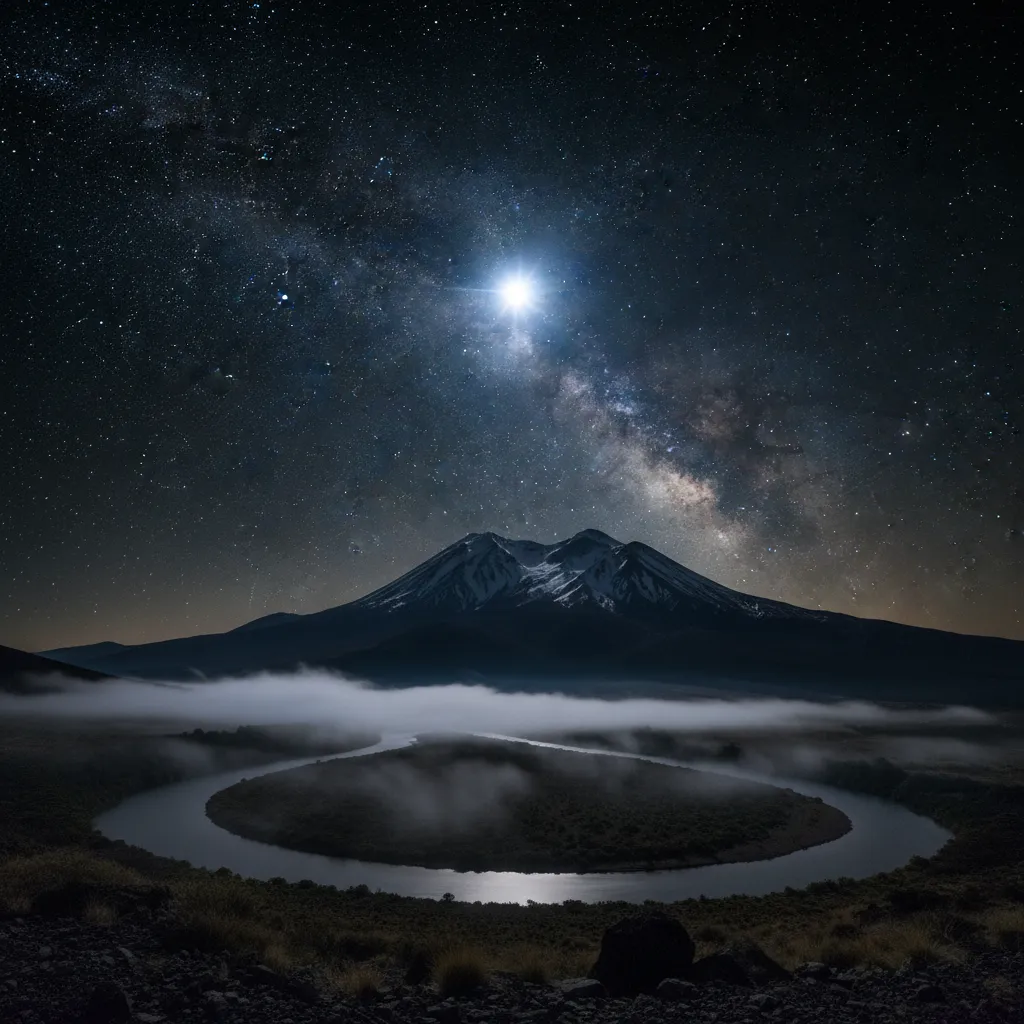
The primary Puanga Matariki difference lies in geographical visibility and regional tribal tradition. While Matariki (the Pleiades) signals the Māori New Year for most of Aotearoa, mountainous regions like Taranaki and the West Coast cannot see the cluster clearly on the eastern horizon. Consequently, these iwi look to Puanga (Rigel), the brightest star in Orion, as the herald of the New Year.
What is the Main Difference Between Puanga and Matariki?
To understand the Puanga Matariki difference, one must look to the landscape of Aotearoa New Zealand. The Māori New Year is not a monolithic event observed identically across the entire country; rather, it is a celebration deeply rooted in the specific environment and vantage points of local iwi (tribes). While the rise of the Matariki star cluster (the Pleiades) is the most widely recognized signifier of the New Year, it is not the universal marker.
The distinction is primarily geographical. For many tribes on the West Coast of the North and South Islands, and specifically in the Taranaki region, the physical landscape obstructs the view of the eastern horizon where Matariki rises. The towering presence of mountain ranges—such as the Southern Alps and Mount Taranaki—blocks the line of sight to the Pleiades during the crucial pre-dawn phase in mid-winter.
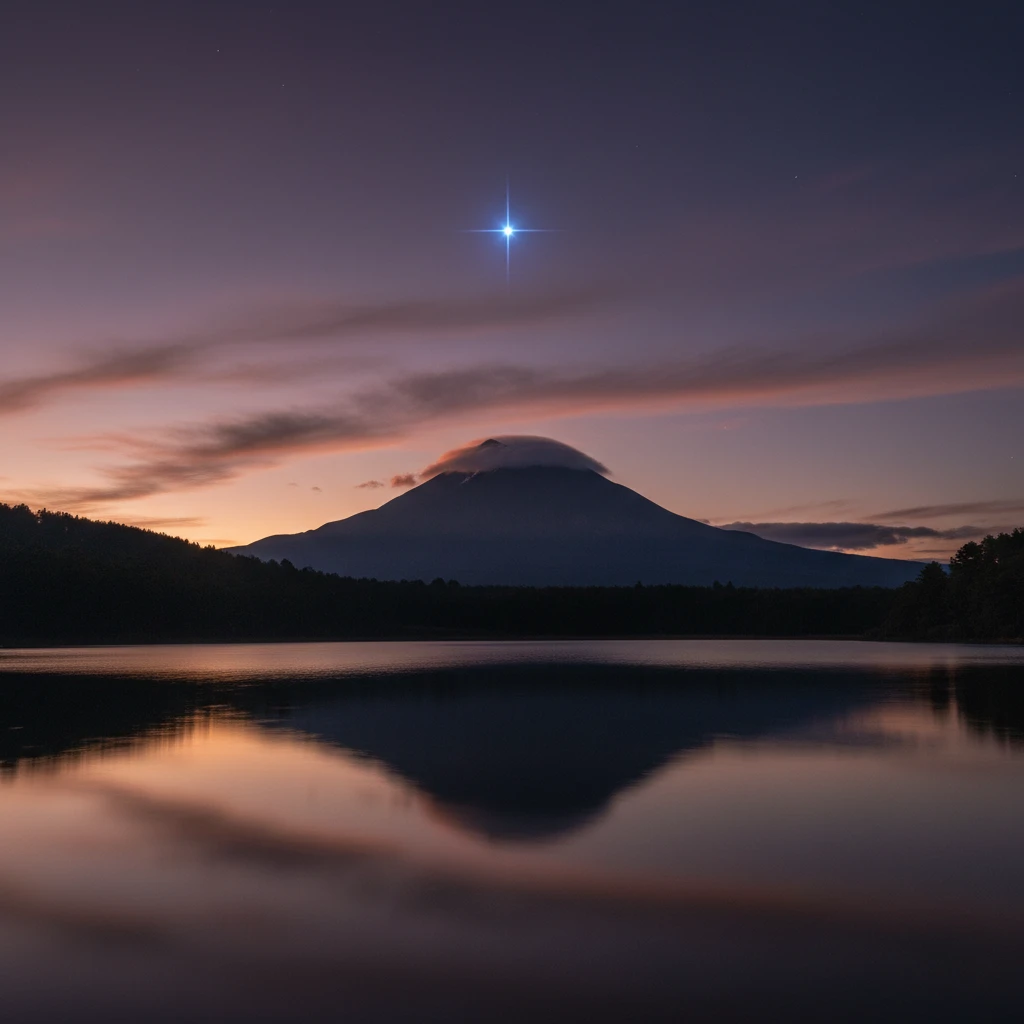
Because the environment dictates the observation, these tribes turned their gaze elsewhere. They looked for the next brightest and most significant star that rose in a visible position: Puanga. Known in Western astronomy as Rigel, Puanga is the seventh brightest star in the night sky and is part of the constellation Orion. Its appearance signals the turning of the season, the time to remember those who have passed, and the preparation for the coming harvest.
The Star Puanga: Rigel as the Herald
Puanga is not merely a substitute for Matariki; it holds its own profound mana (prestige) and narrative within Māori cosmology. Scientifically, Puanga is a blue supergiant star, approximately 47,000 times more luminous than our sun. Its brilliance makes it an unmistakable beacon in the winter sky, often appearing above the Tautoru (the three stars of Orion’s Belt).
In tribal narratives, the relationship between Puanga and Matariki is often described in familial terms. Some traditions view Puanga as the older sibling or cousin of Matariki. There is a proverb in the Whanganui region: “Na Puanga i whakaatu mai, ka haere a Matariki i muri” (Puanga appeared first, and Matariki followed behind). This highlights the sequence of the stars’ rising and establishes Puanga’s role as the primary herald for these specific regions.
The Jealousy of the Stars
Māori mythology is rich with personification. In some accounts, there is a rivalry between the stars. Matariki is celebrated for her beauty and the clustering of her children (the individual stars of the Pleiades), a lineage detailed in the story of Matariki & Rehua: The Parents of the Cluster. Puanga, shining brightly but largely alone compared to the cluster, is sometimes depicted as envious of the attention Matariki receives. However, this rivalry is balanced by their shared purpose: to signal the reset of the Maramataka (the Māori lunar calendar).
Tribal Variations in New Year Observances
The observance of the New Year is a testament to the localized nature of Māori knowledge (mātauranga). Recognizing the Puanga Matariki difference requires acknowledging the specific iwi that uphold the mana of Puanga.
Whanganui and Taranaki
The tribes of the Whanganui River and Taranaki are the most prominent observers of Puanga. For Ngāti Ruanui, Ngā Rauru, and Te Āti Haunui-a-Pāpārangi, the rising of Puanga is the definitive start of the year. The high ranges to the east render Matariki invisible until it is too high in the sky to serve as a dawn marker. Therefore, their Maramataka is calibrated to the heliacal rising of Rigel.
The Far North (Te Tai Tokerau)
Interestingly, the observance of Puanga is not limited solely to areas with blocked horizons. In parts of the Far North, specifically among Ngāpuhi, there is a dual acknowledgement. While Matariki is visible, Puanga is also given significant status. Some northern traditions suggest that Puanga is the star that “cooks” the fruits of the year, aiding in their ripening, while Matariki watches over them.
The West Coast of the South Island
For Ngāi Tahu hapū located on the West Coast (Te Tai Poutini), the Southern Alps present a formidable barrier to the eastern horizon. Here, Puanga serves the same critical function as it does in Taranaki—providing a reliable, visible celestial marker to synchronize the community’s activities with the seasonal cycle.

The Intersection of Astronomy and Geography
The variation between Puanga and Matariki offers a fascinating insight into how indigenous knowledge systems adapt to local geography. It reinforces the concept that timekeeping was not abstract but practical. If you cannot see the clock, you cannot tell the time. Therefore, Māori astronomers (tohunga kōkōrangi) utilized the celestial bodies that were available to them.
When Puanga rises in the pre-dawn sky (usually in June or July), it signifies the end of the harvest and the beginning of winter preparations. The brightness of the star was also read as an omen. If Puanga appeared bright and clear, it was predicted that the coming year would be warm and productive. If the star appeared hazy or shimmering (turbulent atmosphere), it foretold a cold, difficult winter with poor crops.
Cultural Significance: Puanga Kai Rau
A common whakataukī (proverb) associated with this star is “Puanga kai rau”, which translates to “Puanga of the abundant food.” This refers to the time of year when food stores are full after the harvest. The kumara pits are stocked, and the preserved birds and fish are stored away for the winter months.
Because the hard work of harvesting is complete, the rising of Puanga marks a period of rest, learning, and wānanga (educational forums). It is a time when people retreat to the warmth of the whare (house) to pass down whakapapa (genealogy), weave, carve, and share stories. This aligns perfectly with the Matariki tradition—both stars usher in a period of reflection and dormancy before the rebirth of spring.

How to Celebrate if You Are in a Puanga Region
If you reside in Taranaki, Whanganui, or parts of the West Coast, your local celebrations will likely focus on Puanga. However, with the modern revitalization of Māori astronomy, many communities now acknowledge both, respecting the national focus on Matariki while maintaining their local tikanga (customs).
1. Observation (Te Tirohanga)
To spot Puanga, you must look towards the constellation Orion (often called “The Pot” in New Zealand). Using an Interactive Night Sky Map Tool: Locate Matariki Now can help you find these stars quickly. Puanga is the bright blue-white star located above the three stars of the belt (if viewing from the Southern Hemisphere looking east/northeast). The best time to view it is early morning, before the sun rises, typically between 5:30 AM and 6:30 AM in mid-winter.
2. Remembrance (Te Whakamahara)
Like Matariki, Puanga is a time to call out the names of those who have passed away since the last rising of the star. This is known as whāngai i te hautapu. It is a solemn moment to bid farewell to the spirits of the deceased, allowing them to become stars in the sky.
3. Community Kai (Te Hākari)
Celebrations always conclude with food. Sharing a meal helps to move the participants from a state of tapu (sacredness associated with the stars and the dead) back to noa (common/everyday state). In Puanga regions, this feast celebrates the abundance of the food stores.
4. Planning (Te Wānanga)
Use this time to plan for the year ahead. Just as the ancestors looked to the clarity of the star to predict the weather, you can use this period to set intentions for your family, your work, and your personal growth.

Conclusion: One Sky, Many Stories
The Puanga Matariki difference is not a conflict but a beautiful variation that highlights the depth of Māori astronomical knowledge. It reminds us that culture is shaped by the land we stand on. Whether you look to the cluster of Matariki or the brilliance of Puanga, the fundamental essence remains the same: a time for remembrance, celebration, and looking forward to the potential of the new year. By understanding these regional nuances, we enrich our appreciation of Aotearoa’s cultural heritage.
People Also Ask
Is Puanga the same star as Rigel?
Yes, Puanga is the Māori name for the star known in Western astronomy as Rigel. It is a blue supergiant star and is the brightest star in the constellation Orion (The Pot). It serves as the New Year marker for tribes who cannot see Matariki clearly due to geography.
Why do Taranaki tribes celebrate Puanga instead of Matariki?
Taranaki tribes celebrate Puanga because Mount Taranaki and the surrounding ranges block the view of the eastern horizon where Matariki rises. Puanga rises in a different position that is visible above the landscape, making it the reliable astronomical marker for the New Year in that region.
Can you celebrate both Puanga and Matariki?
Absolutely. Many New Zealanders now acknowledge both stars. While local iwi may have a specific preference based on their history and location, the national holiday allows for the celebration of the Māori New Year as a whole, honoring the narratives of both Matariki and Puanga.
When does Puanga rise?
Puanga typically rises in the pre-dawn sky in late May or June, roughly around the same time as Matariki. The exact dates shift slightly each year based on the lunar calendar (Maramataka), but it is generally observed in the chilly early mornings of mid-winter.
What does the phrase ‘Puanga kai rau’ mean?
‘Puanga kai rau’ translates to ‘Puanga of the abundant food.’ It refers to the season when food stores are full following the harvest. It signifies a time of plenty, feasting, and security against the coming winter months.
Where in the sky can I find Puanga?
To find Puanga, look for the constellation Orion, often recognizable by the three stars in a row that form ‘The Pot’s’ base or Orion’s Belt. Puanga (Rigel) is the very bright, blue-white star located above these three stars (from a Southern Hemisphere perspective looking North-East). For those wanting to observe the stars in detail, our Telescopes & Gear Guide provides expert advice on equipment.