
Most major hospitality venues and restaurants open Matariki to accommodate holiday diners, though customers should anticipate a surcharge of 10% to 15% on their final bill. This fee is applied to offset the increased labor costs required by New Zealand law, which mandates time-and-a-half pay and days in lieu for staff working on public holidays.
Why Do Restaurants Charge Extra on Matariki?
Matariki, the Māori New Year, is a time for reflection, celebration, and gathering with whānau (family) around kai (food). As it is now an official public holiday in New Zealand, the dynamics of dining out change slightly compared to a standard weekend. The most immediate difference diners notice when searching for restaurants open Matariki is the addition of a public holiday surcharge.
The surcharge, typically ranging between 10% and 15%, is not an arbitrary fee designed to profit from the festivities. It is a direct response to the operational costs imposed by the Holidays Act 2003. When hospitality staff work on a public holiday, employers are legally required to pay them ‘time and a half’ (1.5 times their normal hourly rate). Furthermore, if the public holiday falls on a day the employee would normally work, they are also entitled to an alternative holiday (a day in lieu) on full pay.
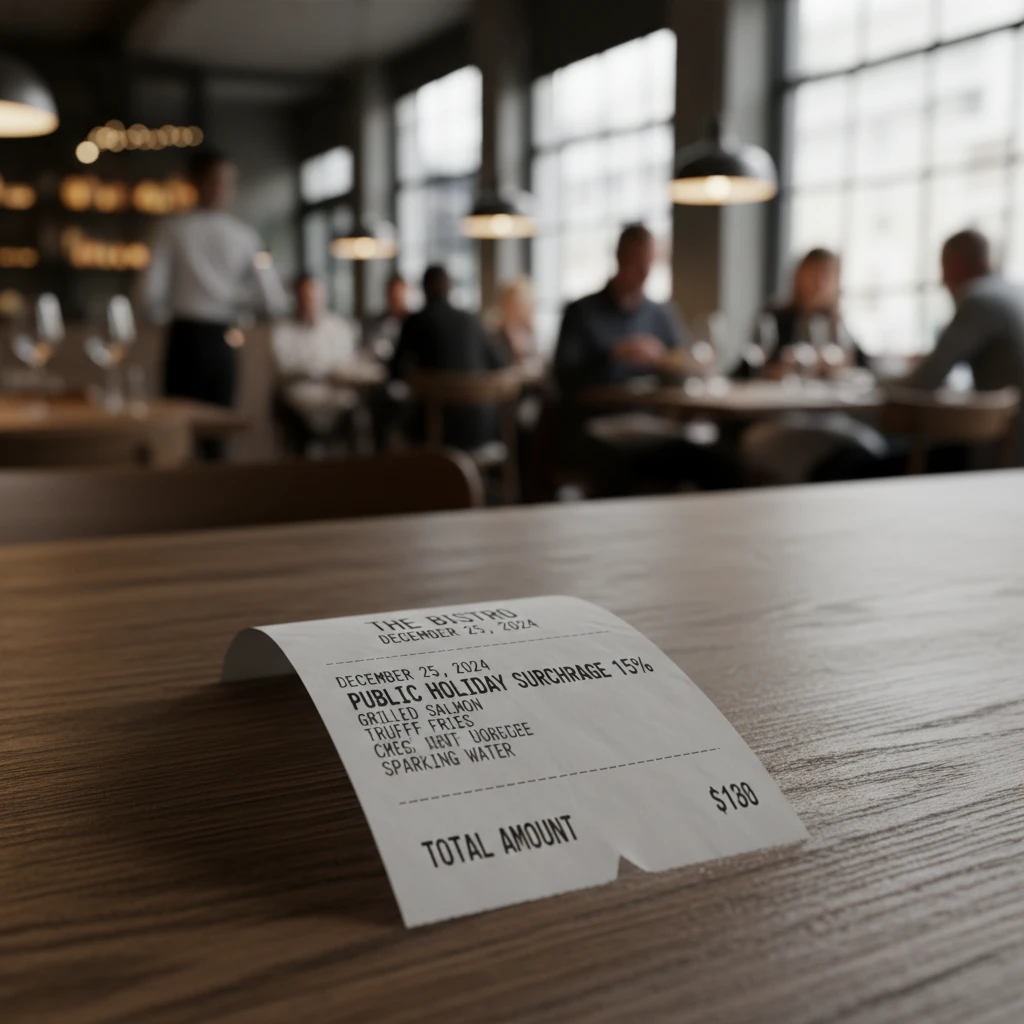
For many small to medium-sized hospitality businesses, these penal rates can triple the daily wage bill. Margins in the restaurant industry are notoriously slim—often hovering between 3% and 5%. Without the surcharge, opening the doors on Matariki would result in a financial loss for many venues. Therefore, the surcharge is a mechanism to pass these specific labor costs onto the consumer who chooses to utilize the service on a holiday.
Is the Surcharge Mandatory for All Venues?
No, the surcharge is not government-mandated. It is a business decision made by individual owners. Some large restaurant groups or fast-food franchises may absorb the cost due to higher turnover volumes, while smaller, independent eateries are almost certain to apply it to remain viable.
However, under the Commerce Commission regulations, businesses must be transparent. They cannot hide the surcharge. It must be clearly displayed at the point of entry, on the menu, or communicated before the transaction takes place. If you are booking a table at restaurants open Matariki, it is advisable to check their website or ask over the phone if a surcharge applies to avoid surprises when the bill arrives.
Strategies for Finding Restaurants Open Matariki
While Matariki is a day of rest for many, the hospitality sector generally gears up for a busy day. Unlike Christmas Day or Good Friday, where trading restrictions can be severe and alcohol laws strict, Matariki allows for standard trading. This means the vast majority of restaurants open Matariki will be operating, albeit potentially with reduced hours.
To secure a table, particularly for large family groups celebrating the holiday, preparation is key. Here is a professional approach to securing your dining spot:
- Book in Advance: Matariki is becoming one of the most popular days for family dining. Walk-ins at popular establishments will be difficult.
- Check Social Media: Google Maps hours are often not updated for specific public holidays. A restaurant’s Instagram or Facebook story is usually the most reliable source for real-time holiday hours.
- Look for ‘Set Menu’ Specials: Many venues offer special Matariki set menus. These often provide better value and sometimes waive the surcharge if pre-paid.
Regional Snapshot: Where to Eat on Matariki
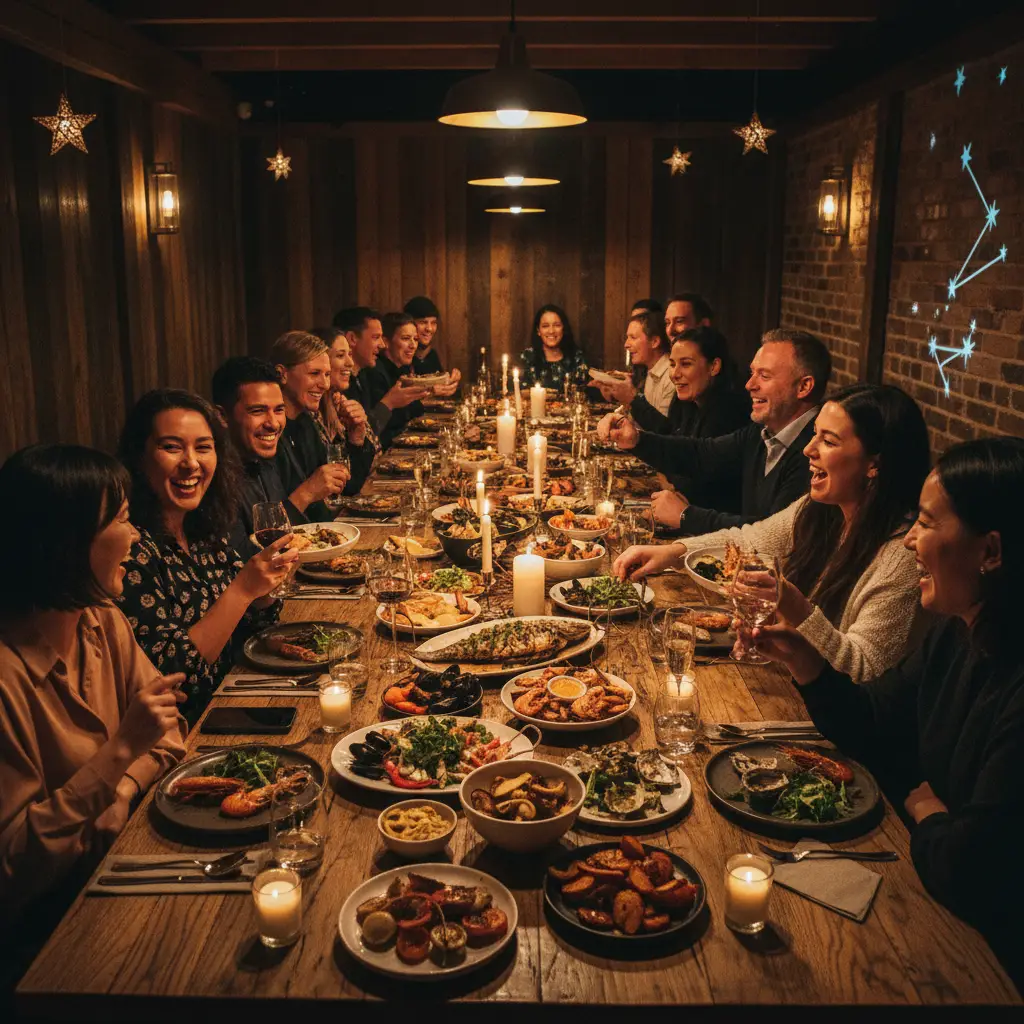
Across New Zealand, different cities have distinct dining districts that are reliable hubs for finding open venues.
Auckland
In Auckland, the Viaduct Harbour and Britomart precincts are reliable options. These areas cater to tourists and locals alike, meaning nearly all venues will be open. Ponsonby Road is another safe bet for evening dining. For those seeking a cultural connection, look for restaurants incorporating traditional Māori ingredients (kai) such as kūmara, pikopiko, and kaimoana (seafood) into their winter menus.
Wellington
The capital usually embraces Matariki with various light festivals and events along the waterfront. Consequently, restaurants on Courtenay Place and Cuba Street will be bustling. Expect high demand for tables near the waterfront where Matariki firework displays or light shows might be visible.
Christchurch
Riverside Market is a prime destination for Matariki. As an enclosed market with various vendors, it offers flexibility. The Terrace is the go-to for sit-down dining. Given the winter chill in Christchurch during Matariki (June/July), indoor reservations are essential.
Cafe Opening Hours: Brunch on the Public Holiday
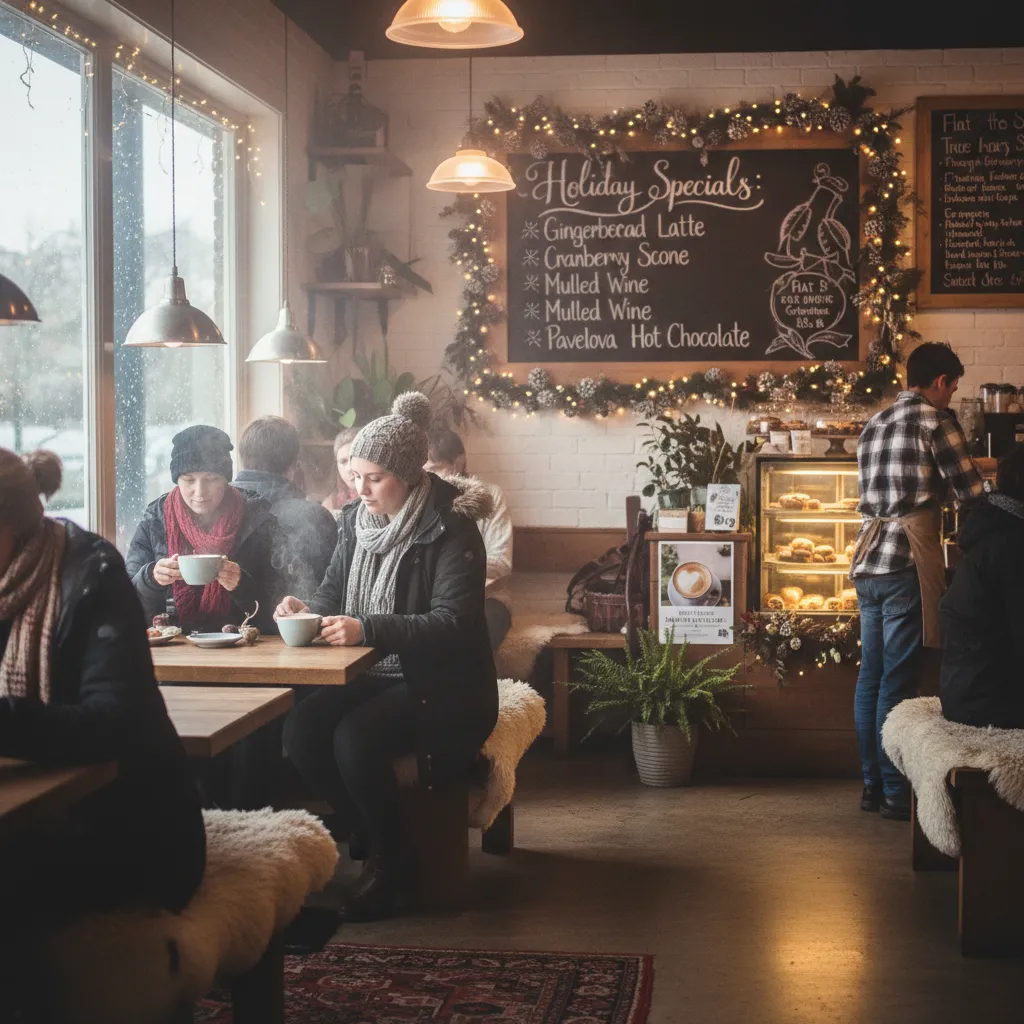
For many Kiwis, the public holiday is synonymous with brunch. Cafes generally operate on slightly reduced hours on public holidays, often opening an hour later (e.g., 8:00 AM instead of 7:00 AM) and closing by 3:00 PM.
When looking for cafes, be aware that the surcharge applies here too, often on the price of a flat white as well as the eggs benedict. Some cafes may display a sign saying “15% Surcharge Applies Today,” while others might have a specific holiday menu with adjusted prices. It is worth noting that some cafes may choose to close entirely if the projected revenue doesn’t cover the penal rates for staff, so always have a backup option if your local favorite is closed.
Budget-Friendly Options: Avoiding the Surcharge
If you are looking to celebrate without the extra 15% cost, there are several strategies to find budget-friendly dining options.
Fast Food and Chains
Major fast-food chains typically do not apply a public holiday surcharge. Their business model relies on high volume and standardized pricing. This makes them a reliable, if less ceremonial, option for food on the public holiday.
Matariki Night Markets and Food Trucks
Many councils organize Matariki festivals featuring night markets and food trucks. These vendors often have set prices that include any necessary margins, meaning you won’t see a surprise addition at the till. Eating street food—hot dumplings, fry bread, or pāua fritters—while walking through a light festival is a culturally immersive and often more affordable way to enjoy the holiday.
Takeaways
While some local takeaway shops (fish and chips, Indian, Chinese) may apply a surcharge, it is less common than in sit-down dining. Always check the menu board or ask before ordering.
The Cultural Context: Kai and Matariki
Understanding why we dine out on Matariki adds depth to the experience. Matariki occurs in mid-winter, a time when traditional food stores (pātaka) would have been full after the harvest. It was a time for resting, sharing preserved foods, and feasting. The act of sharing a meal is central to the holiday’s spirit.
Modern dining reflects this by bringing people together. When you pay the bill at restaurants open Matariki, including the surcharge, you are supporting the local hospitality industry and the staff who are working away from their own families to facilitate your celebration. This mutual support aligns well with the values of Matariki: manaakitanga (hospitality/kindness) and whanaungatanga (connection).
Conclusion
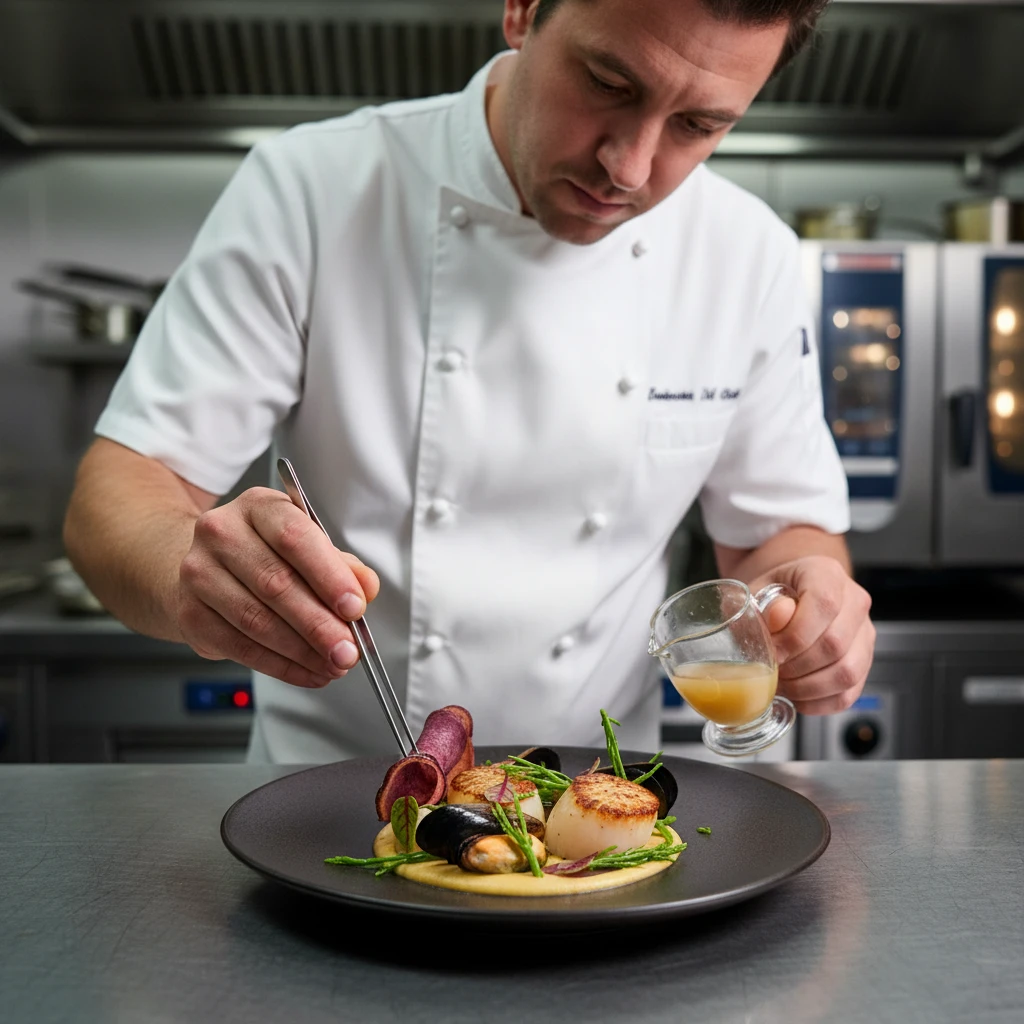
Dining out during Matariki is a wonderful way to honor the holiday’s tradition of feasting and togetherness. While the 15% surcharge is a standard feature of the New Zealand hospitality landscape on public holidays, it ensures that the staff serving you are fairly compensated for their time. By planning ahead, booking early, and budgeting for the extra cost, you can enjoy a seamless and memorable meal. Whether you choose a fine dining establishment, a bustling cafe, or a vibrant night market, the options for restaurants open Matariki are plentiful and diverse.
Is the 15% surcharge legal in New Zealand?
Yes, it is legal. Businesses are allowed to apply a surcharge to cover increased labor costs on public holidays, provided the surcharge is clearly advertised to the customer before purchase.
Are all restaurants open on Matariki?
Not all, but most major restaurants in city centers and tourist areas remain open. Smaller, family-run cafes may choose to close. It is always best to check social media for specific hours.
Do takeaways have surcharges on public holidays?
Some do, but it is less common than in sit-down restaurants. Major fast-food chains typically do not charge extra, but independent takeaway shops might.
Why is Matariki a public holiday?
Matariki marks the Māori New Year and the rising of the Matariki star cluster. It became an official public holiday in New Zealand in 2022 to recognize and celebrate unique indigenous heritage.
Can I refuse to pay the surcharge?
If the surcharge was clearly advertised (on the menu or at the door), you are legally obligated to pay it as part of the contract of sale. If it was hidden until the bill arrived, you may have grounds to dispute it.
What traditional food is eaten on Matariki?
Foods preserved for winter are traditional, including kūmara (sweet potato), fish, eel, and birds. Modern Matariki menus often feature these ingredients prepared in contemporary styles.