
Rangatahi mental health is significantly bolstered by connecting to Matariki traditions, which provide a framework for reflection, cultural identity, and communal belonging. By engaging with the stars, specifically Hiwa-i-te-rangi, youth can articulate aspirations and release past burdens, fostering resilience through the holistic principles of Te Whare Tapa Whā and strengthening their sense of self within the wider community.
Introduction: The Healing Power of the Stars
In the landscape of modern Aotearoa, the conversation surrounding rangatahi mental health has never been more critical. As New Zealand youth face increasing pressures from the digital world, economic uncertainty, and social isolation, the ancient traditions of Matariki offer a grounding anchor. Matariki is not merely a holiday; it is a period of transition, remembrance, and goal setting that aligns perfectly with the psychological needs of young people today.
For rangatahi (youth), the revitalization of Matariki represents more than a calendar event—it is an opportunity to reclaim indigenous knowledge systems that prioritize hauora (wellbeing). By understanding the cyclical nature of the environment, young people can learn to navigate the cyclical nature of their own emotions and mental states.
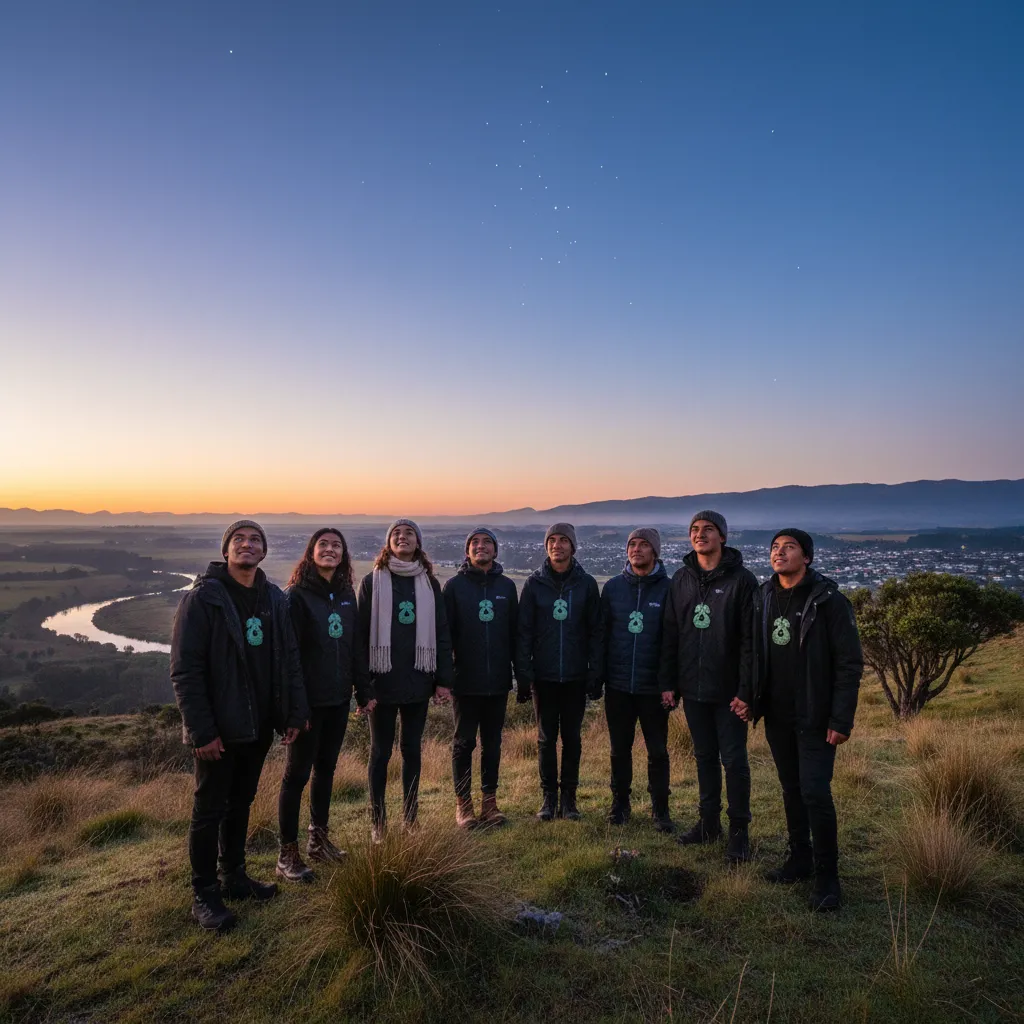
The Intersection of Culture and Rangatahi Mental Health
Research consistently shows a strong correlation between secure cultural identity and positive mental health outcomes for indigenous youth. When rangatahi feel disconnected from their whakapapa (genealogy) and traditions, they often experience a sense of displacement that can exacerbate anxiety and depression. Conversely, active participation in cultural practices serves as a protective factor.
Matariki provides a unique entry point for this cultural connection because it is inherently inclusive and centers on universal themes: grief, sustenance, and hope. It invites rangatahi to look backward to honor those who have passed (Pōhutukawa) and forward to their desires for the future (Hiwa-i-te-rangi). This dual focus allows for the processing of grief—a crucial component of mental hygiene often overlooked in youth culture—while simultaneously encouraging a growth mindset.
Integrating the model of Te Whare Tapa Whā (the four cornerstones of health) during Matariki allows youth to assess their wellbeing holistically:
- Taha Wairua (Spiritual Health): Connecting with the cosmos and ancestors.
- Taha Hinengaro (Mental Health): Reflecting on thoughts and emotions from the past year.
- Taha Tinana (Physical Health): Engaging in the preparation of kai and physical activity.
- Taha Whānau (Family Health): Strengthening relationships through gathering.
Why Matariki Resonates with Gen Z
Generation Z is characterized by a deep concern for the environment, social justice, and authenticity. Unlike previous generations who may have viewed tradition as rigid, Gen Z sees indigenous wisdom as a vital tool for solving modern problems, particularly the climate crisis and mental health epidemic.
Alignment with Environmental Values
Matariki is fundamentally an environmental indicator. Its visibility and brightness traditionally signaled the productivity of the coming harvest. For rangatahi who are eco-conscious, Matariki validates their concern for the planet. It teaches that human wellbeing is inextricably linked to the wellbeing of the taiao (environment). This ecological grounding provides a sense of purpose and belonging to the earth, countering the feelings of existential dread often associated with climate anxiety.
Authenticity and Emotional Intelligence
The stars of Matariki govern specific domains, including fresh water (Waitī), salt water (Waitā), and rain (Waipuna-ā-rangi). However, the star Hiwa-i-te-rangi is particularly resonant for youth. Known as the “wishing star,” it represents the aspirations of the heart. This explicitly validates emotional expression and dreaming, traits that Gen Z values highly. In a world that often demands productivity over wellbeing, Matariki offers a culturally sanctioned pause to check in with one’s emotional state.

Breaking the ‘School-Myth’ Fatigue with Real Connection
For many young New Zealanders, their exposure to Māori culture has been limited to surface-level activities in the school system—often described as the “poi and plastic tiki” approach. This can lead to “school-myth fatigue,” where culture feels like a subject to be studied rather than a lived experience. This disconnection is detrimental to rangatahi mental health because it frames identity as performative rather than intrinsic.
Moving from Performance to Practice
To build true resilience, we must help youth transition from performing culture for others to practicing culture for themselves. Matariki offers a pathway for this because it does not require a stage or an audience. It happens in the quiet moments before dawn, in the privacy of the home, and in the sharing of a meal.
Real connection involves understanding the why behind the traditions. It’s not just about drawing a star; it’s about understanding that Waipuna-ā-rangi connects to the water cycle, which connects to the rain that feeds the rivers, which connects to our own physical hydration and health. When rangatahi understand these deep interconnections, they feel part of a larger, supportive system. This sense of coherence is a powerful antidote to the fragmentation and isolation of modern life.
Reclaiming the Narrative
Encouraging youth to lead Matariki celebrations allows them to redefine what the holiday means to them. Whether it’s organizing a modern music event that honors the stars or creating digital art that reinterprets traditional stories, agency is key. When rangatahi take ownership of the narrative, they transform from passive recipients of culture to active guardians of it, boosting self-esteem and cultural pride.
Social Media’s Role in Modern Māori Identity
While social media is often criticized for its negative impact on mental health, for Māori youth, it has become a powerful vehicle for cultural revitalization and connection. Platforms like TikTok and Instagram have given rise to “Māori Tok,” a digital space where language, humor, and tradition are shared globally.
Digital Whanaungatanga
For rangatahi who may live away from their marae or feel disconnected from their iwi, social media provides a form of digital whanaungatanga (relationship building). During Matariki, these platforms explode with educational content, karakia (prayers), and shared experiences. This visibility normalizes Māori identity in the digital sphere, making it accessible and “cool.”
Seeing peers celebrate Matariki openly combats the feeling of being an outsider. It creates a virtual village where mental health struggles can be discussed through a cultural lens. For example, influencers sharing how they use the Matariki period to “reset” their mental health inspires followers to do the same.

Curating a Positive Feed
To maximize the mental health benefits, rangatahi are encouraged to curate their feeds to include positive cultural role models. Following pages that focus on rongoā Māori (traditional healing), maramataka (the Māori lunar calendar), and mental health advocacy ensures that their scrolling time reinforces their identity rather than diminishing it.
Finding Community in Local Matariki Events
While digital connection is valuable, physical presence remains the gold standard for mental wellbeing. Isolation is a primary driver of poor mental health outcomes among youth. Matariki festivals and local events offer a low-barrier way to enter community spaces.
The Power of Kai and Kōrero
Matariki is a time of feasting. The star Tupu-ā-nuku is associated with food grown in the ground, and Tupu-ā-rangi with food from the sky (birds/fruits). Community events centered around food (kai) break down social barriers. Sharing a meal facilitates kōrero (conversation) in a relaxed environment, allowing young people to connect with elders and peers alike.
For rangatahi suffering from social anxiety, these events provide a structured way to socialize. The focus is often on the spectacle—lights, performances, food—which takes the pressure off the individual to perform socially. Yet, simply being in the presence of the community, hearing the language, and participating in collective rituals releases oxytocin and strengthens the sense of belonging.

Practical Ways to Integrate Matariki for Mental Wellbeing
To truly impact rangatahi mental health, we must move from theory to action. Here are practical ways youth can use the Matariki season to build resilience:
1. The Hautapu Ceremony (Mental Release)
Traditionally, the hautapu involves cooking food so the steam rises to feed the stars. Rangatahi can adapt this by writing down the stressors, grief, or negative habits of the past year on paper and safely burning them (or simply tearing them up). Visualize these burdens rising up and leaving the spirit, clearing space for the new year.
2. Maramataka Journaling
Encourage the use of the Maramataka (lunar calendar) to track energy levels. Matariki marks the start of the new year. By tracking how their mood shifts with the moon phases, youth can learn to work with their natural rhythms rather than fighting against them, reducing burnout.
3. Connection with Nature (Taiao)
Commit to one outdoor activity that connects to a specific star. For Waitī (fresh water), visit a local river or lake. Just sitting by the water has been proven to lower cortisol levels. Make this a mindful practice, acknowledging the star and the water’s role in sustaining life.
4. Whānau Interviews
Use Matariki as an excuse to interview grandparents or parents about their history. Understanding where you come from builds a “narrative identity,” which psychologists cite as a key factor in resilience. Knowing that their ancestors survived hardships gives rangatahi the confidence that they too can overcome challenges.
Conclusion
Rangatahi mental health is a complex issue requiring multifaceted solutions. Matariki offers a culturally grounded, holistic framework that addresses the spiritual, mental, and social needs of young people. By moving beyond superficial observances and tapping into the deep, ancestral wisdom of the stars, New Zealand’s youth can find a sense of place, purpose, and resilience that will sustain them through the challenges of the modern world. It is a time to look up, to look within, and to know that they are never alone.
How does Matariki specifically improve rangatahi mental health?
Matariki improves mental health by providing a structured time for reflection, grief processing, and goal setting. It connects youth to their cultural identity, which is a protective factor against depression, and fosters community belonging through shared celebrations and rituals.
What is the meaning of rangatahi in this context?
Rangatahi refers to the younger generation or youth. In the context of Matariki and mental health, it highlights the specific developmental stage where identity formation, resilience building, and social connection are most critical.
How can youth celebrate Matariki if they are disconnected from their iwi?
Youth can celebrate by attending local public events, engaging with digital celebrations on social media, practicing personal rituals like rising early to view the stars, or simply sharing a meal with friends. Connection to the environment is accessible to everyone, regardless of tribal affiliation.
What are the 9 stars of Matariki and their relevance to wellbeing?
The stars include Matariki (health/mother), Pōhutukawa (memories/dead), Tupu-ā-nuku (soil/food), Tupu-ā-rangi (sky/food), Waitī (freshwater), Waitā (saltwater), Waipuna-ā-rangi (rain), Ururangi (winds), and Hiwa-i-te-rangi (wishes). Each star encourages care for a specific aspect of the environment and life, promoting holistic wellbeing.
Why is cultural identity important for Māori youth resilience?
Cultural identity provides a strong sense of self-worth and belonging. Knowing one’s whakapapa (history) and tikanga (customs) creates a psychological anchor, helping youth navigate life’s challenges with the knowledge that they are part of a resilient lineage.
How does Te Whare Tapa Whā relate to Matariki?
Te Whare Tapa Whā is a Māori health model comprising four pillars: spiritual, mental, physical, and family health. Matariki celebrations naturally strengthen all four pillars by combining spiritual reflection, mental goal-setting, physical feasting, and family gathering.