
The best places for stargazing in NZ are the Aoraki Mackenzie International Dark Sky Reserve in the South Island and Great Barrier Island (Aotea) in the North Island. These accredited sanctuaries offer near-zero light pollution, providing crystal-clear views of the Milky Way, the Southern Cross, and the Aurora Australis for astrotourism enthusiasts.
New Zealand is widely recognized as one of the premier destinations on Earth for celestial observation. With its isolated geography, low population density, and aggressive local ordinances against light pollution, the country offers a window into the cosmos that is rapidly disappearing elsewhere in the world. For travelers, this presents a unique opportunity to combine luxury accommodation with world-class astronomical education.
Understanding the Designations: Sanctuaries vs. Reserves
Before booking your itinerary, it is essential to understand the distinctions between the types of dark sky locations available in New Zealand. The International Dark-Sky Association (IDA) grants specific designations based on the quality of the night sky and the level of protection against light pollution.
International Dark Sky Sanctuaries are generally the most remote (and often darkest) places in the world whose conservation state is most fragile. In New Zealand, Great Barrier Island (Aotea) and Stewart Island (Rakiura) hold this prestigious title. These locations are ideal for travelers seeking complete isolation and a raw connection with nature.
International Dark Sky Reserves consist of a core area meeting minimum criteria for sky quality and natural darkness, and a peripheral area that supports dark sky preservation. The Aoraki Mackenzie International Dark Sky Reserve is the world’s largest of this type. These areas are often more commercially developed, offering easier access to high-end accommodation, guided telescope tours, and observatory visits.
South Island: The Heavy Hitters of Astronomy
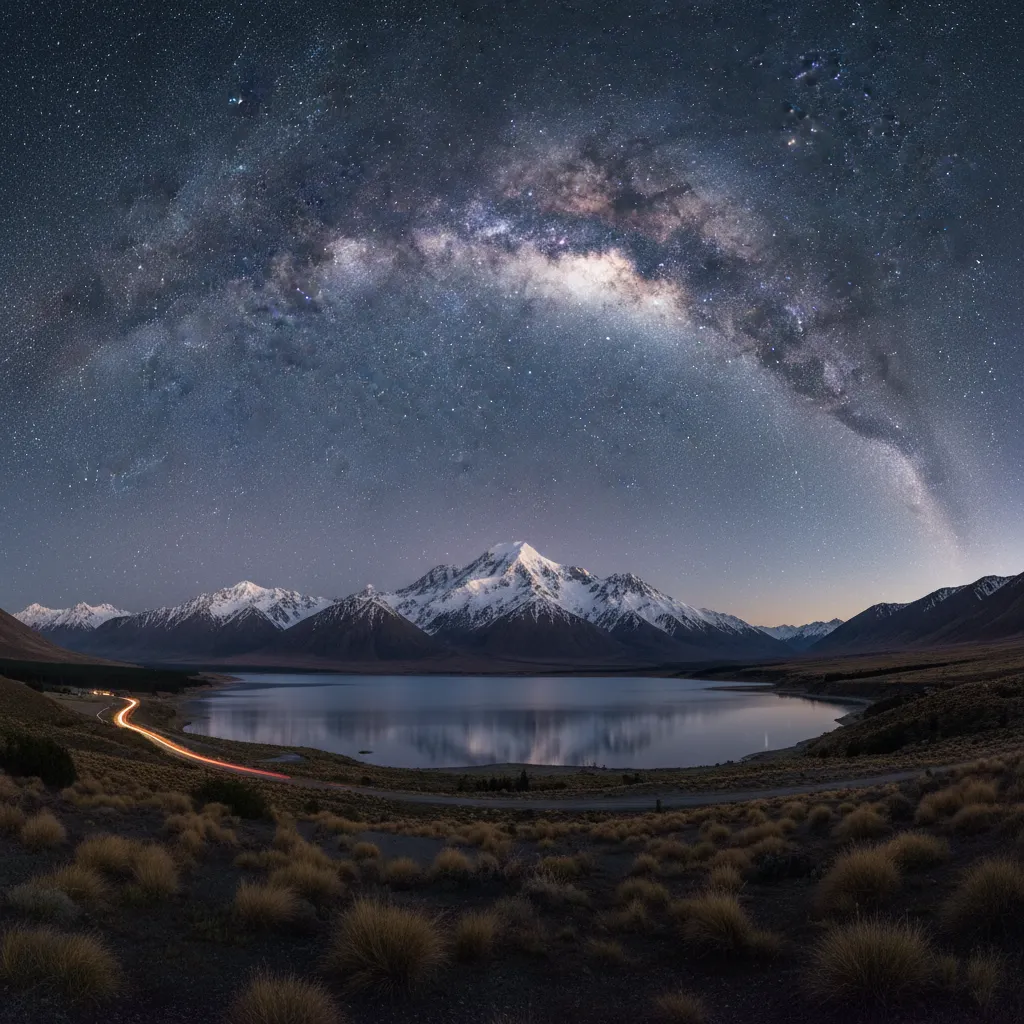
The South Island is the heart of New Zealand’s astrotourism industry. The dry atmosphere and mountainous terrain create the perfect conditions for stable atmospheric seeing.
Aoraki Mackenzie International Dark Sky Reserve
Covering over 4,300 square kilometers, this reserve includes Lake Tekapo, Twizel, and Mount Cook Village. It is the gold standard for commercial stargazing operations.
- Lake Tekapo: Home to the famous Church of the Good Shepherd, a favorite foreground subject for photographers. The Dark Sky Project runs summit experiences at the Mt John Observatory, where visitors can use 16-inch telescopes to view deep-sky objects.
- Aoraki/Mt Cook: For a more rugged experience, Big Sky Stargazing operates out of the Hermitage Hotel. The Planetarium offers a digital orientation before heading out to the tarmac for binocular and telescope viewing.
- Accommodation: For luxury travelers, look into the Lakestone Lodge or The Hermitage, both of which offer rooms designed to maximize night sky views.
Stewart Island / Rakiura
Located at the very bottom of New Zealand, Rakiura means “The Land of Glowing Skies.” As an International Dark Sky Sanctuary, it offers a different experience from Mackenzie. Here, the focus is often on the Aurora Australis (Southern Lights). Because it is further south than any other part of the country, your chances of seeing the magnetic polar lights are significantly higher here during the winter months (March to September).
Queenstown and Wanaka
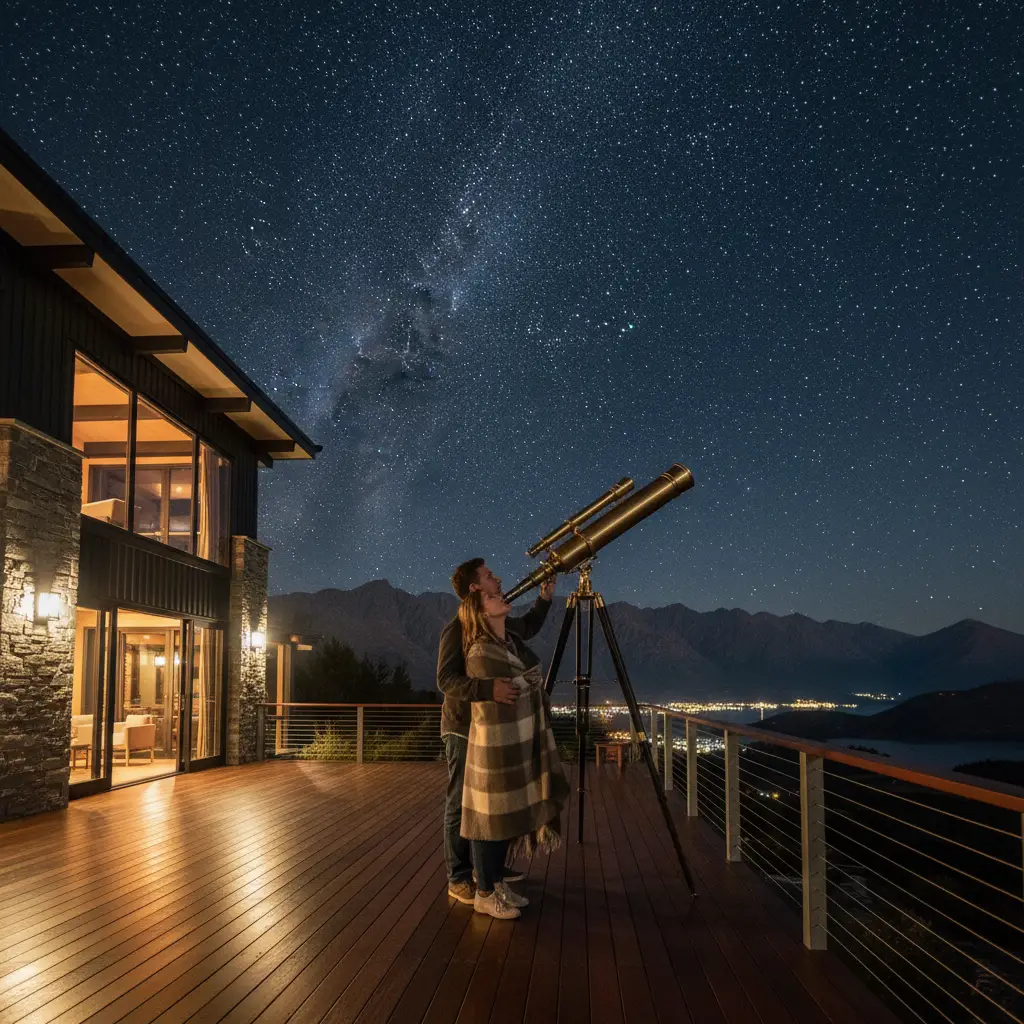
While not official reserves, the mountain ranges surrounding these resort towns offer excellent viewing. Skyline Queenstown runs stargazing tours from the top of the gondola, combining a gourmet dinner with celestial navigation. This is an excellent option for those who want a “lite” version of stargazing without traveling deep into the Mackenzie Basin.
North Island: Accessible Coastal Dark Skies
The North Island offers a different atmospheric vibe, often combining coastal landscapes with astronomy. While the population density is higher, specific pockets have achieved remarkable darkness.
Great Barrier Island (Aotea)
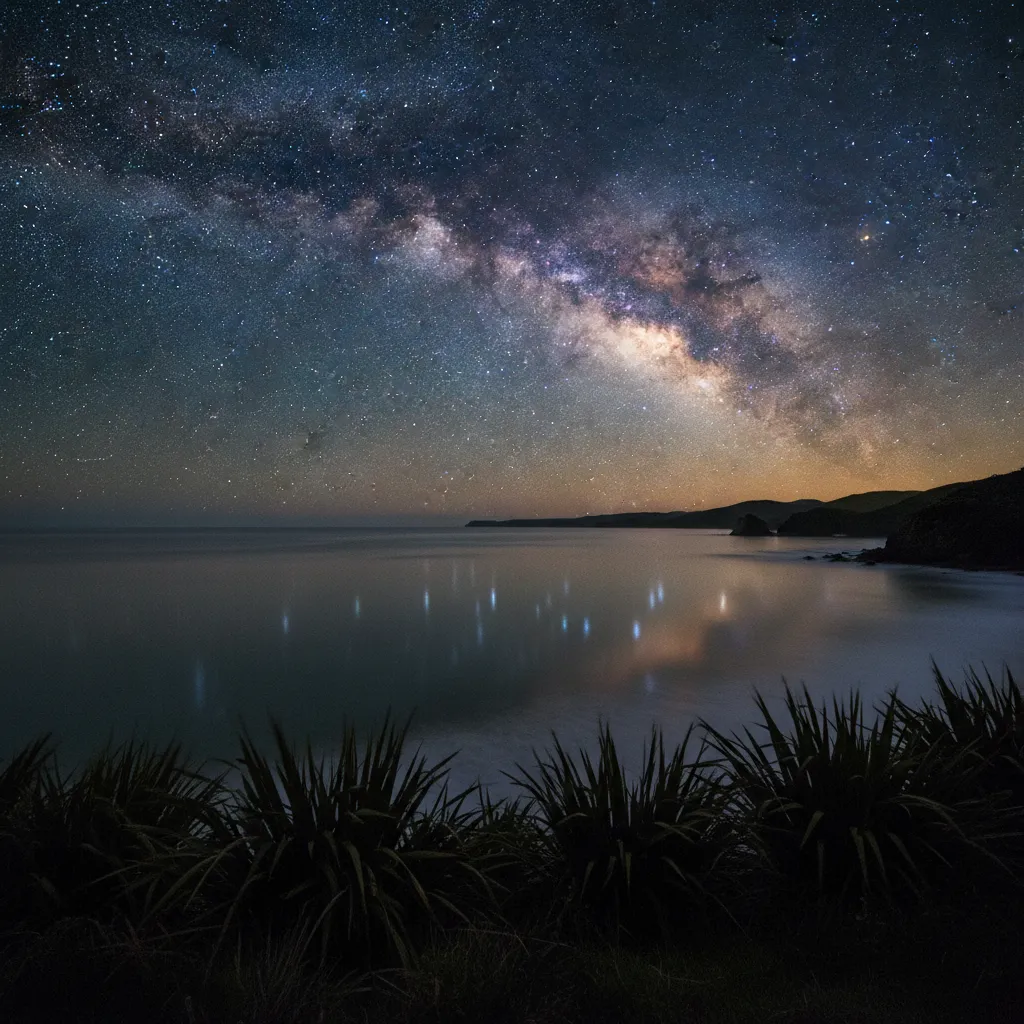
As the first island in the world to be designated an International Dark Sky Sanctuary, Aotea is a bucket-list destination. Located 100km off the coast of Auckland, it is off-grid, meaning there is no reticulated electricity on the island. This lack of streetlights ensures pristine darkness.
Commercial Opportunities: Good Heavens is a local operator providing “dining with the stars” experiences. You can sit on the dunes of Medlands Beach with a telescope and a guide explaining Māori celestial navigation.
Wairarapa Dark Sky Reserve
The newest addition to New Zealand’s dark sky portfolio, the Wairarapa region (specifically Martinborough and South Wairarapa), was accredited in 2023. This region is famous for its Pinot Noir, allowing for a unique “Star Safari” market niche where wine tasting is paired with astronomy.
Local tour operators like Under the Stars offer portable telescope viewings in the vineyards, making this the most accessible dark sky location for travelers based in Wellington.
Tongariro National Park
While known for the Alpine Crossing, the volcanic plateau offers high-altitude viewing. The clear air at 1,000+ meters above sea level reduces atmospheric distortion. The Chateau Tongariro (currently under consultation) and nearby Skotel Alpine Resort have historically offered excellent vantage points away from the light pollution of Taupō.
Matariki: The Cultural Significance of NZ Skies
Understanding the “best places for stargazing nz” requires acknowledging the cultural lens through which New Zealanders view the sky. Matariki is the Māori name for the star cluster known as the Pleiades. Its rising in mid-winter marks the Māori New Year.
Since 2022, Matariki has been a public holiday in New Zealand, sparking a surge in winter tourism. Visiting during June or July allows tourists to participate in cultural festivals that blend astronomy with storytelling, kai (food), and remembrance. Many dark sky tours during this period shift their focus from purely scientific explanations to the legends of the stars, explaining how Māori ancestors used star clusters for navigation across the Pacific Ocean.
Hidden Gems for Astrophotography
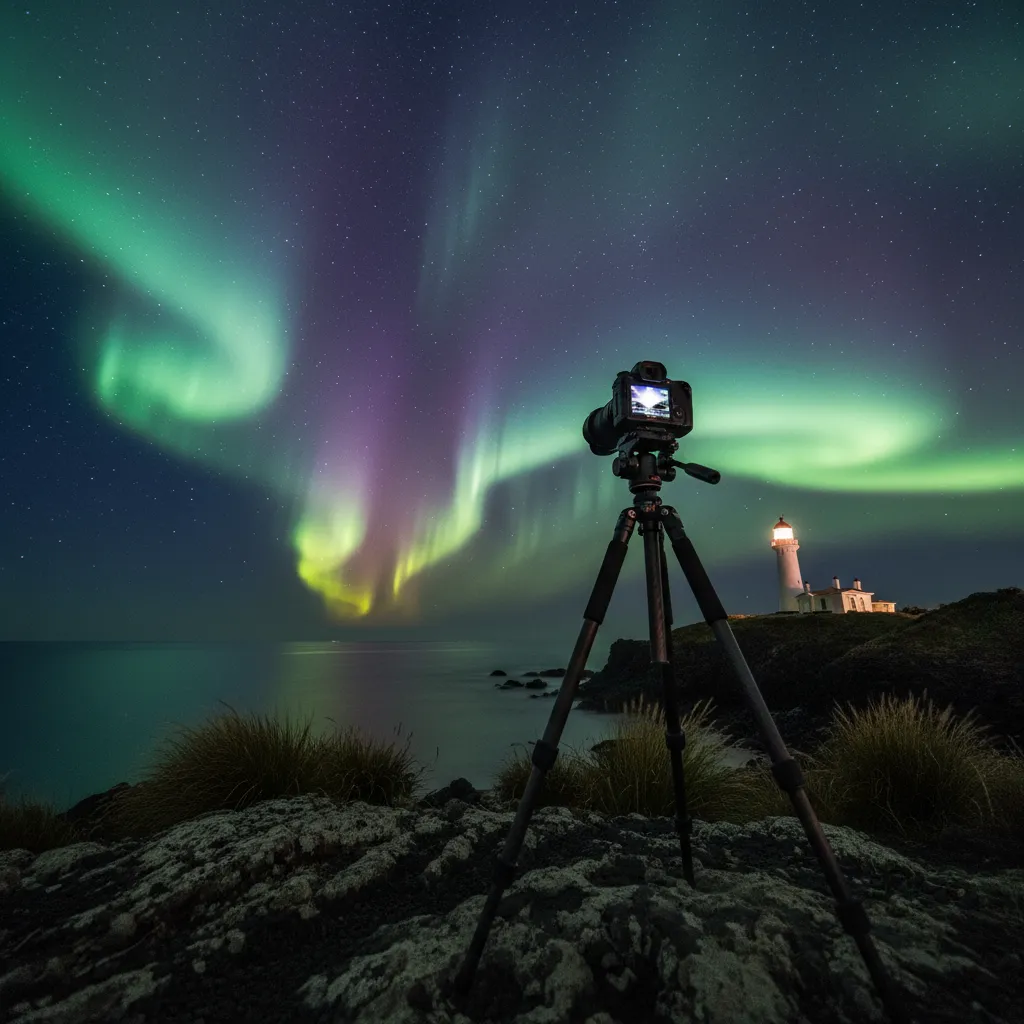
For those carrying DSLRs and tripods, commercial tours might be too restrictive. You need time, patience, and specific foregrounds. Here are the hidden gems for astrophotographers:
Castlepoint, Wairarapa
The Castlepoint Lighthouse is perhaps the most photogenic structure in the North Island for nightscapes. The lighthouse sits on a limestone reef, and the galactic core rises perfectly behind it during the early hours of the morning in autumn and winter.
The Catlins
Located on the southeast coast of the South Island, the Catlins is wild and windy. Nugget Point Lighthouse offers a dramatic cliff-top perspective. The lack of any major cities to the south means the horizon is pitch black, making it another prime spot for capturing the Aurora Australis.
Hoopers Inlet, Otago Peninsula
Just outside Dunedin, this shallow inlet is famous for its calm waters which provide perfect star reflections. It is a favorite spot for local astronomers to capture the Aurora reflecting in the water—a rare composition that is highly sought after.
Planning Your Dark Sky Trip
To ensure the best experience, commercial intent must be matched with logistical planning.
Best Time of Year
Winter (May to August): This is the prime season. The nights are long (darkness falls around 5:30 PM), and the galactic core of the Milky Way is most visible. It is also the best time for the Aurora. However, temperatures can drop to -5°C or lower in the Mackenzie Basin.
Summer (December to February): The nights are short, with full darkness not occurring until 10:30 PM or later. While warmer, the core of the Milky Way is not as visible. This season is better for casual stargazers who dislike the cold.
Essential Gear
Even if you are booking a guided tour, bring:
- Red Light Torch: White light ruins night vision for 20 minutes. Use red light to navigate.
- Merino Layers: Standing still at an observatory is colder than hiking. Dress like you are going to a ski field.
- Binoculars: While telescopes are great, a good pair of 10×50 binoculars allows you to scan the star clouds of the Milky Way yourself.
Booking Advice
The best tours, such as the Dark Sky Project in Tekapo, sell out weeks in advance, especially around the new moon. Always check the lunar calendar before booking your flights. A full moon will wash out the Milky Way, significantly degrading the experience. Aim to visit during the new moon or the week leading up to it.
Frequently Asked Questions
What is the best month to see the Milky Way in New Zealand?
The best time to view the core of the Milky Way in New Zealand is during the winter months, specifically from May to August. During this time, the galactic center is high in the sky and visible for longer periods due to the longer nights.
Can you see the Northern Lights in New Zealand?
No, you cannot see the Northern Lights (Aurora Borealis) in New Zealand. However, you can see the Southern Lights, known as the Aurora Australis. They are best viewed from the lower South Island (Stewart Island, The Catlins, Lake Tekapo) during winter.
Is Lake Tekapo a Dark Sky Reserve?
Yes, Lake Tekapo is the central hub of the Aoraki Mackenzie International Dark Sky Reserve. It was designated in 2012 and is one of only a handful of Gold Tier reserves in the world, recognizing its exceptional sky quality.
How much does a stargazing tour cost in NZ?
Prices vary by operator and equipment. A basic guided walk might cost $50-$80 NZD. A standard telescope tour (like at Mt John) typically ranges from $150-$180 NZD per adult. Exclusive private photography tours can cost upwards of $500 NZD.
Do I need a telescope to stargaze in NZ?
No. The skies in the dark sky reserves are so clear that the naked eye is sufficient to see thousands of stars, satellites, and the Milky Way dust lanes. However, binoculars or a tour with a telescope will reveal details like Saturn’s rings or the Jewel Box cluster.
Where is the darkest place in New Zealand?
Technically, the darkest accessible places are the International Dark Sky Sanctuaries: Great Barrier Island (Aotea) and Stewart Island (Rakiura). These locations have lower light pollution levels than the Reserves due to their isolation and lack of development.