
Puanga regional traditions refer to the specific observance of the star Rigel (Puanga) as the herald of the Māori New Year, primarily in Taranaki, Whanganui, and parts of the Far North, where the Matariki cluster is visually obstructed by geography. These variations highlight the localized nature of Māori astronomy, emphasizing distinct tribal narratives, dialectal differences (such as Puaka in the South Island), and ecological indicators unique to the West Coast and Southern landscapes.
Why Geography Dictates the New Year Star
While the rise of the Matariki star cluster (the Pleiades) is the most widely recognized signifier of the Māori New Year, it is not a universal standard across all of Aotearoa. In the intricate world of Māori astronomy (tātai arorangi), observation is deeply rooted in the physical landscape. For many iwi (tribes) located on the West Coast of the North Island and parts of the South Island, the geography itself dictates which celestial bodies signal the turning of the seasons.
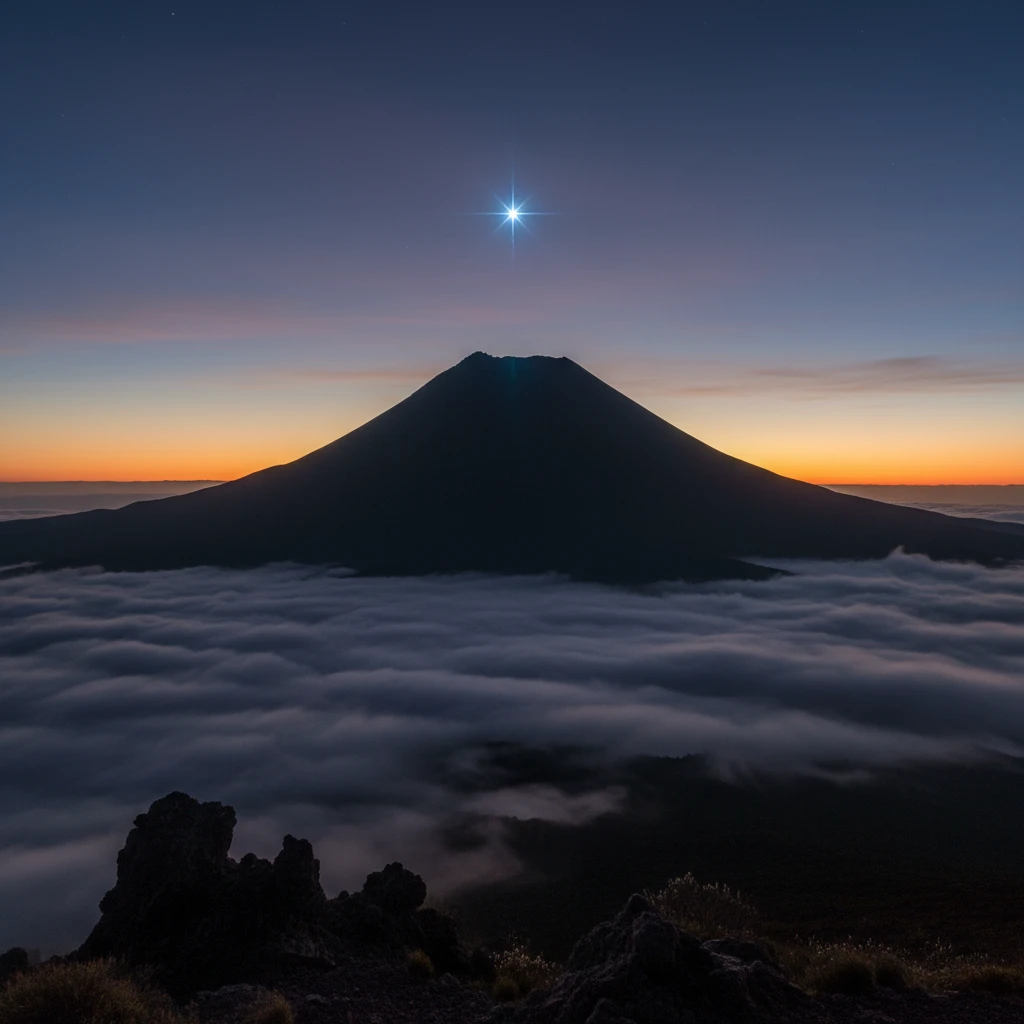
The primary reason for the variation lies in the topography of the horizon. Matariki rises low on the northeastern horizon in mid-winter. However, in regions like Taranaki, the imposing presence of high mountain ranges or deep valleys can obscure this view. Specifically, the sheer mass of Mount Taranaki and the central plateau ranges block the line of sight to the east for many coastal communities.
Consequently, tohunga kōkōrangi (expert astronomers) in these regions looked elsewhere for a reliable cosmic marker. They turned to Puanga (Rigel), the brightest star in the constellation Orion. Puanga rises higher in the sky and slightly earlier than Matariki, making it visible above the mountainous silhouettes. This astronomical adaptation is a profound example of how Māori knowledge systems are not static myths but practical sciences calibrated to local environments. It ensures that the New Year—and the critical agricultural signals associated with it—is celebrated at the correct time, regardless of the observer’s vantage point.
The West Coast Perspective: Taranaki & Whanganui
In the Taranaki and Whanganui regions, the reverence for Puanga is woven into the very fabric of tribal identity. Here, the phrase “Puanga kai rau” (Puanga of a hundred foods) is a common proverb, signifying the abundance of the harvest season that has just passed and the preparation for the winter months ahead.
The Taranaki Tradition
For the tribes of Taranaki, the New Year is explicitly Puanga. The narrative is not just about a star; it is about a relationship with the environment. The rise of Puanga signals the time to finish preserving birds and crops, particularly the kumara. It is a period of wānanga (learning), where the long nights are utilized for passing down whakapapa (genealogy) and history.
The connection is also spiritual. In Taranaki dialect and tradition, Puanga is often viewed as a masculine energy, contrasting with the feminine energy often ascribed to Matariki in other regions. This balance of energies is crucial for the fertility of the land in the coming spring. The prominence of the mountain, Taranaki Maunga, serves as the ultimate observatory. The alignment of Puanga relative to the mountain’s peak provides precise calendrical data that has guided planting and fishing cycles for centuries.
The Whanganui River Context
Further south along the Whanganui River, the observation of Puanga takes on a river-centric dimension. The Whanganui iwi share the West Coast reliance on Puanga due to the rugged interior terrain. Here, the rising of the star is intimately connected to the rhythms of the river—the migration of eels (tuna) and the conditions of the water.
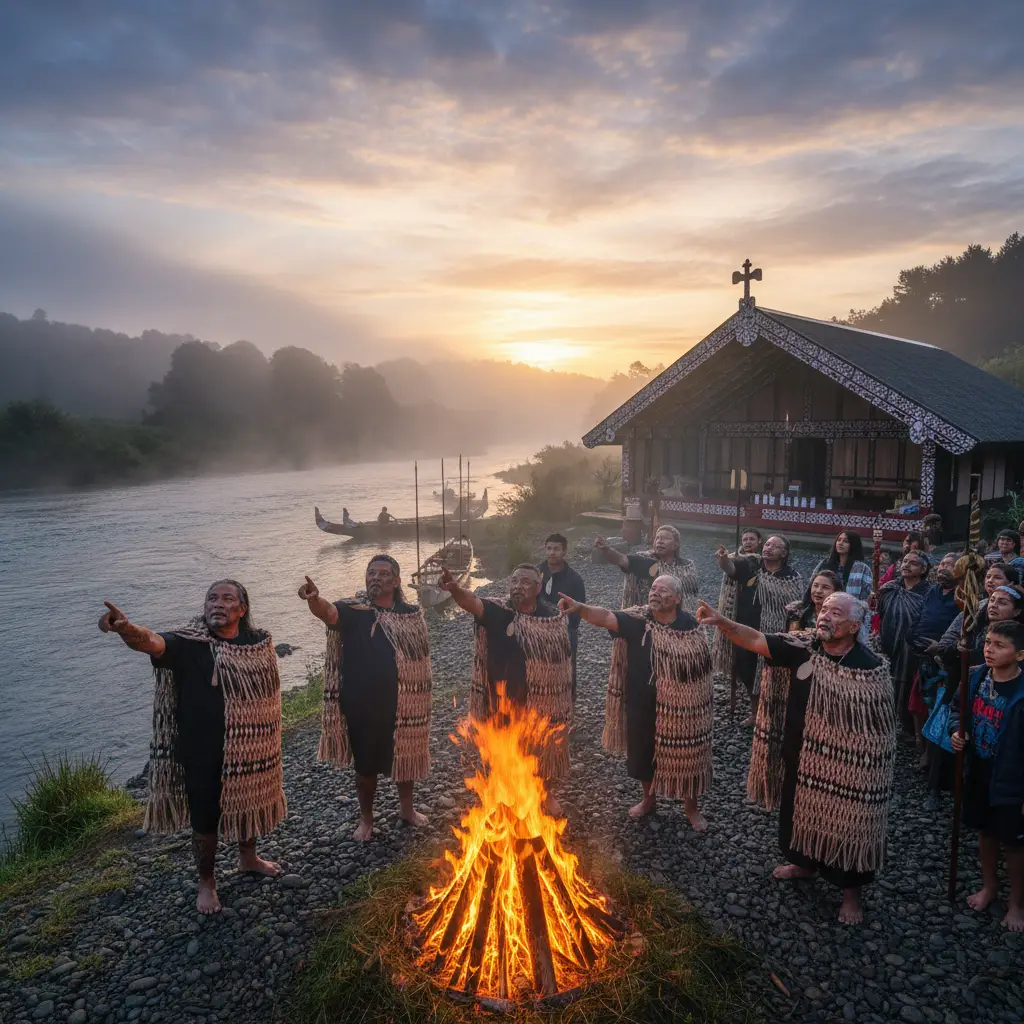
In Whanganui traditions, Puanga is not merely a signal for time; it is a cosmic entity that interacts with the earth. There is a strong emphasis on the “cosmic battle” or rivalry between Puanga and Matariki. Some local legends suggest that Puanga is jealous of Matariki’s beauty and popularity, striving to outshine her by rising first and brighter. This personification serves as a mnemonic device, helping younger generations remember the astronomical order: Puanga leads, and Matariki follows. The Whanganui celebrations often involve lighting fires to warm the earth and welcome the star, a practice that reinforces the community’s bond during the coldest phase of the year.
The Southern Dialect: Puaka vs. Puanga
Moving across the Cook Strait to Te Waipounamu (the South Island), the traditions of Ngāi Tahu present another layer of regional richness. Here, the linguistic variation of the southern dialect shifts the ‘ng’ to a ‘k’, turning Puanga into Puaka.
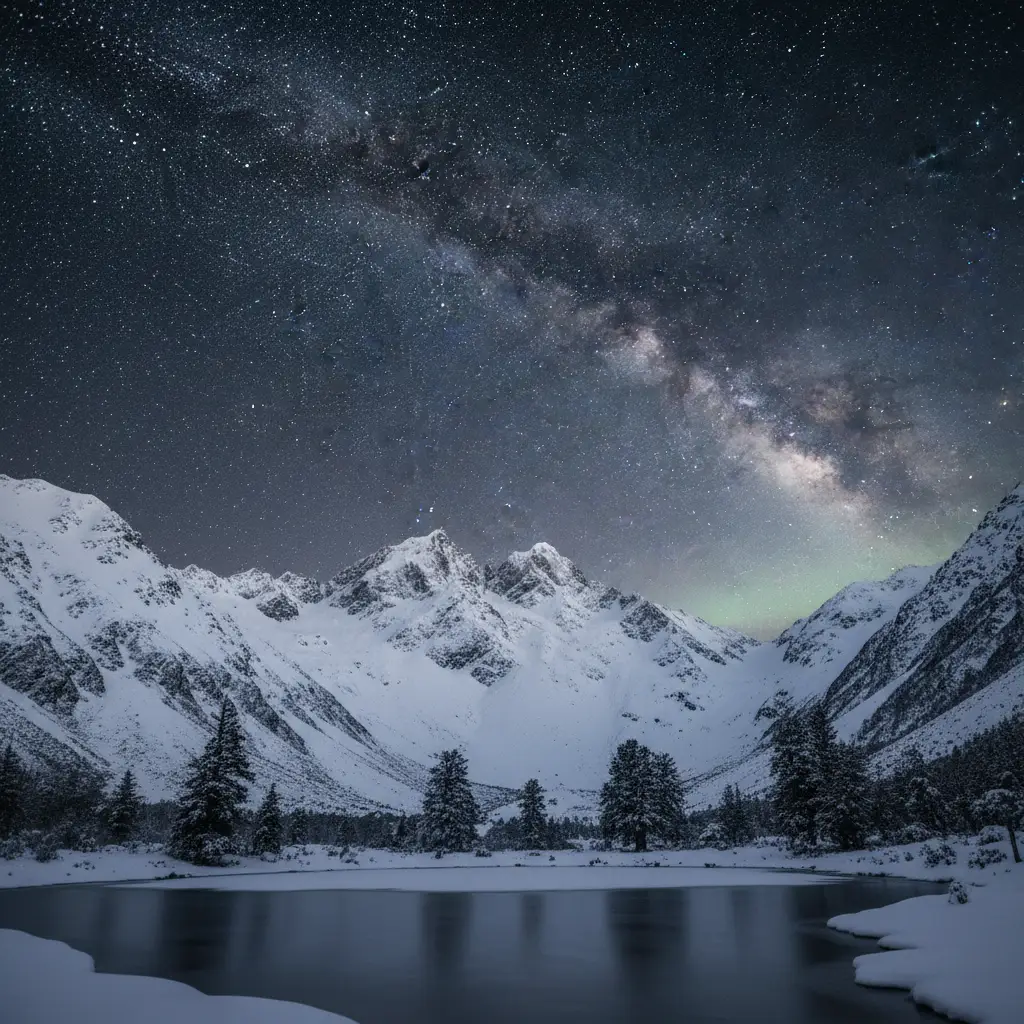
For Ngāi Tahu, the New Year is often a dual observance, or a contest between Puaka and Matariki. In some southern narratives, Puaka is the primary star because of the extreme latitude. The further south one travels, the seasonal shifts are more pronounced, and the winter is harsher. Puaka, being a bright supergiant star, pierces the southern winter sky with an intensity that Matariki sometimes lacks in these latitudes.
The Contest of the Stars
A unique aspect of Ngāi Tahu mythology is the concept that Puaka and Matariki are rival queens. They compete for the affection of the people and the control of the year. If Puaka appears brighter and more distinct than Matariki, it is predicted to be a harsh, cold winter with southerly storms. If Matariki is clearer, a milder, more fruitful season is expected.
This “competition” is not just folklore; it is a meteorological heuristic. The atmospheric conditions that make one star appear brighter than the other—such as the density of the air, humidity, and cloud cover—are actual indicators of incoming weather patterns. Therefore, observing which star “wins” provides the iwi with vital weather intelligence for the winter.
Resource Management in the South
The season of Puaka is critical for resource management in the South Island. This is the time of the mahinga kai (food gathering) cycle focused on preservation. The extreme cold of the southern winter allows for natural freeze-drying and preservation techniques not as effective in the warmer north. The appearance of Puaka signals the time to retreat to the winter settlements, consume the preserved tītī (muttonbirds), and engage in indoor pursuits like weaving and carving.
Tribal Boundaries for Puanga Observance
Understanding where the observance shifts from Matariki to Puanga requires a nuanced look at tribal boundaries, though these lines are often fluid and overlapping.
Generally, the “Puanga Line” encompasses:
- Far North (Te Tai Tokerau): Specifically in the Hokianga and parts of the West Coast where the Kaimai ranges or local hills obstruct the East. Ngāpuhi sub-tribes in these areas often acknowledge Puanga.
- Taranaki: The entire region surrounding the maunga, including Ngāti Ruanui, Ngāruahine, Te Atiawa, and Taranaki Iwi.
- Whanganui & Manawatū: Te Āti Haunui-a-Pāpārangi and neighboring iwi who share the river valley geography.
- South Island (Te Waipounamu): Ngāi Tahu, particularly in the Otago and Southland regions, where the Puaka variation is dominant.
However, it is crucial to note that many iwi acknowledge both. It is rarely a case of mutual exclusivity. Rather, it is a matter of precedence. In Taranaki, Puanga is the primary herald, but Matariki is still recognized as part of the celestial family. In the East Coast (Ngāti Porou), Matariki is undisputed. Travelers and educators must be aware that simply crossing a regional border does not guarantee a uniform belief system; hapū (sub-tribe) traditions can vary even within the same iwi based on their specific valley or coastal vantage point.
Respecting Local Tikanga and Traditions
For tourists, educators, and visitors engaging with these regions during the New Year period (typically June/July), respecting local tikanga (customs) is paramount. The shift from Matariki to Puanga is not just a change in terminology; it represents a distinct cultural identity.
Cultural Safety Guidelines
When visiting Taranaki or Whanganui for New Year celebrations, avoid “correcting” locals by insisting on Matariki. While Matariki has become the national public holiday, local autonomy dictates the celebration. Here are key ways to show respect:
- Listen First: When attending a pōwhiri (welcome ceremony) or a public talk, listen to the whaikōrero (speeches). If the elders refer to Puanga, align your language with theirs.
- Acknowledge the Maunga: In Taranaki, the mountain is an ancestor. Acknowledging the relationship between the mountain and the star demonstrates a high level of cultural literacy.
- Participate in Wānanga: Many Puanga festivals focus heavily on education and remembrance of the dead. Approach these events with solemnity and a willingness to learn, rather than just seeking entertainment.
Modern Observance and Educational Tourism
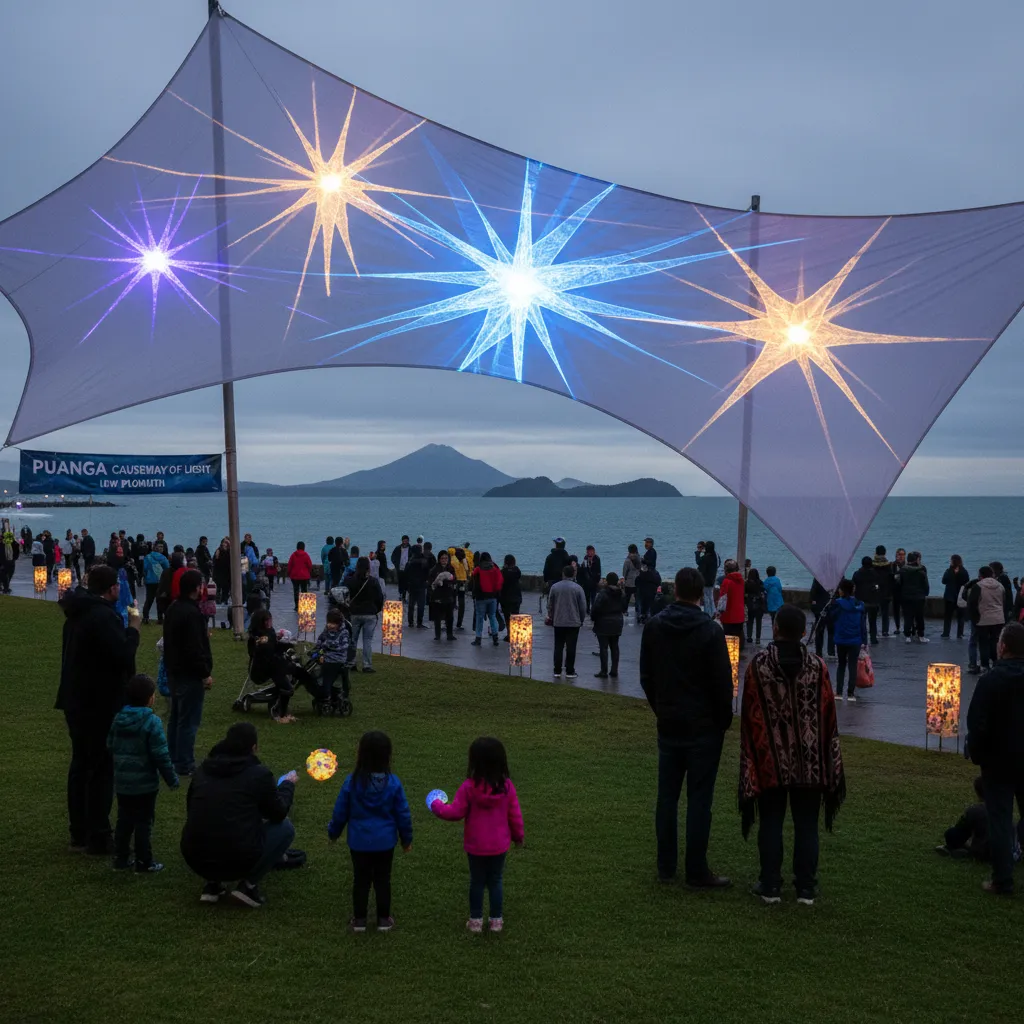
Today, the revitalization of Puanga traditions offers a unique opportunity for cultural tourism and education. Regions like New Plymouth and Whanganui host extensive Puanga festivals that differ in flavor from the Matariki events in Auckland or Wellington.
These festivals often include dawn viewing ceremonies, where visitors are guided to high vantage points to witness the rising of Rigel. These are paired with storytelling sessions that explain the specific navigation history of the Aotea waka (canoe) and its reliance on these stars. For the cultural traveler, this offers a deeper, more rugged authenticity compared to the commercialized aspects of the holiday.
In the South Island, the Dunedin Puaka Matariki Festival is a prime example of hybrid observance, celebrating both stars and acknowledging the unique southern environment. These events are vital for preserving the dialect and the specific mātauranga (knowledge) of the south, ensuring that the “k” dialect and the stories of Puaka remain vibrant for future generations.
What is the difference between Puanga and Matariki?
Matariki is the Pleiades star cluster, while Puanga is the star Rigel in the Orion constellation. Different tribes prioritize one over the other as the New Year marker based on which star is more visible in their specific geographic location.
Why do Taranaki tribes celebrate Puanga?
Taranaki tribes celebrate Puanga because Mount Taranaki and the surrounding ranges often block the view of the eastern horizon where Matariki rises. Puanga rises higher and earlier in a different part of the sky, making it a reliable marker for the region.
When is Puanga observed?
Puanga is observed in mid-winter, typically in June or July. The specific timing relies on the lunar calendar (maramataka) and the heliacal rising of the star Rigel just before dawn.
What is Puaka?
Puaka is the Southern Māori dialectal variation of Puanga. It refers to the same star (Rigel) but is the term used primarily by Ngāi Tahu in the South Island, where the ‘ng’ sound is replaced by ‘k’.
Can you see Matariki in the South Island?
Yes, Matariki is visible in the South Island, but in some southern areas and specific valleys, Puaka (Rigel) is brighter and rises in a position that makes it a more prominent and useful navigation and seasonal marker.
What does Puanga signify for Māori?
Like Matariki, Puanga signifies the Māori New Year, a time for remembering the dead (hunga mate), celebrating the harvest, planning for the coming spring, and engaging in learning and community bonding.