
To register for a Matariki workshop, participants must typically visit the official provider’s online portal or the regional Matariki festival website. The process involves selecting a specific discipline—such as Raranga (weaving), Poi making, or cultural competency—choosing a time slot, and completing payment to secure a spot before capacity is reached.
Why Participate in Matariki Workshops?
Matariki, the Māori New Year, is a period of reflection, celebration, and renewal. It marks the rising of the Pleiades star cluster and is a pivotal time in the New Zealand cultural calendar. While viewing the stars and sharing kai (food) are central to the festivities, active participation through education is increasingly popular. When you register for a Matariki workshop, you are not merely purchasing a ticket; you are engaging in an immersive cultural exchange that preserves history and fosters understanding.
These workshops are designed to bridge the gap between observation and participation. For international visitors, it offers a tactile connection to Aotearoa’s indigenous heritage. For locals, it is an opportunity to reconnect with their roots or deepen their understanding of Te Ao Māori (the Māori world). The workshops listed below are curated to ensure authenticity, led by tohunga (experts) and experienced kaiako (teachers) who guide participants through the technical and spiritual aspects of each craft.
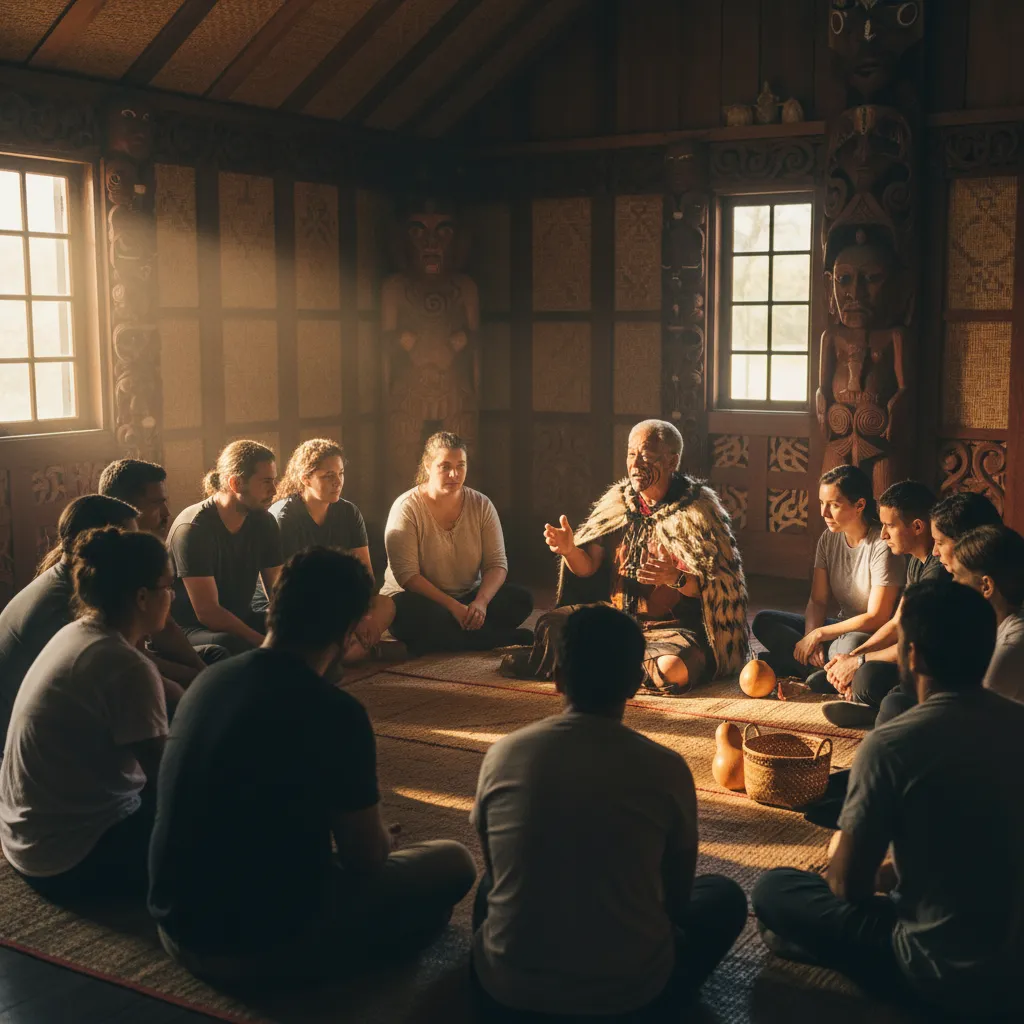
Raranga (Weaving) Masterclasses
One of the most sought-after activities during the New Year period is the art of Raranga. Weaving is more than a craft; it is a language and a survival skill that has bound generations together. These sessions are highly recommended for those who wish to produce a tangible taonga (treasure) to take home.
What to Expect in a Raranga Session
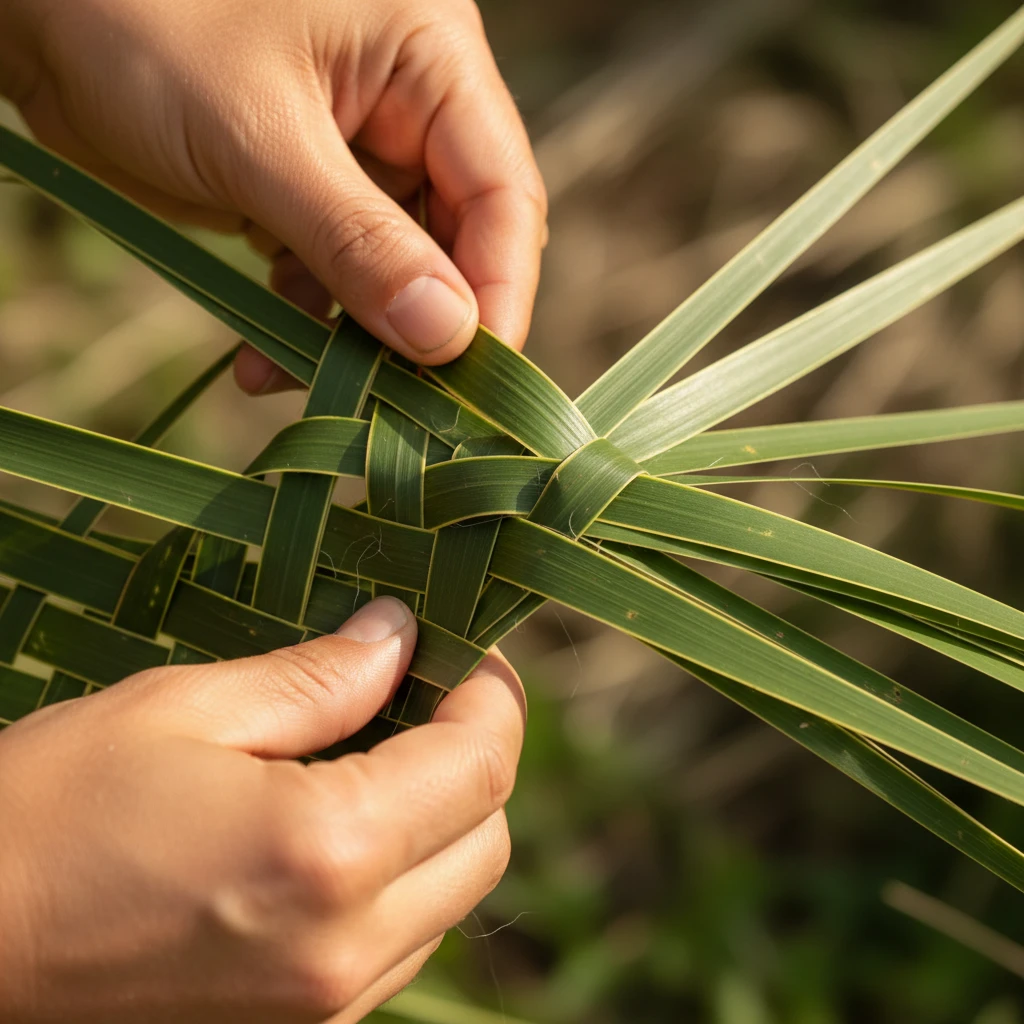
Beginner workshops typically focus on working with Harakeke (New Zealand flax). Before any weaving begins, participants are taught the tikanga (protocols) surrounding the harvesting of flax. This includes a karakia (prayer) and specific rules about which leaves to cut to ensure the plant’s survival—a concept known as kaitiakitanga (guardianship).
Once the tikanga is understood, the practical instruction begins. You will learn:
- Preparation: How to strip and size the flax leaves (muka).
- Technique: The fundamental ‘check’ pattern used in most weaving.
- Creation: crafting items such as putiputi (flowers), kono (food baskets), or headbands.
Advanced workshops may cover the extraction of muka fiber for cloak making, but these usually require prior registration and vetting of skill levels.
Poi Making for Tamariki and Whānau
For families looking to register for a Matariki workshop that is energetic and suitable for children (tamariki), Poi making is the ideal choice. The Poi is an iconic symbol of Māori performance art (Kapa Haka), originally used by warriors to improve wrist flexibility and dexterity, and later adapted into the rhythmic dance we see today.
Workshop Structure
These sessions are generally shorter, lasting between 60 to 90 minutes, to accommodate younger attention spans. The workshop is divided into two distinct segments:
- Construction: Participants learn to construct their own set of Poi using modern materials (foam, wool, and plastic coverings) or traditional materials (raupo) depending on the workshop tier. This involves braiding the cords and securing the poi head.
- Performance: Once the Poi are constructed, the instructor leads the group in basic drills. You will learn the ‘four winds’ movement and how to keep the beat to traditional waiata (songs).
This is a high-energy environment where laughter and movement are encouraged, making it perfect for whānau groups.
Cultural Competency Seminars
In the corporate and educational sectors, there is a massive surge in demand to register for Matariki workshops focused on cultural competency. These seminars are less about physical crafting and more about intellectual and spiritual alignment with New Zealand’s bicultural foundations.
Curriculum and Learning Outcomes
These seminars are often accredited for professional development. They provide a safe space to ask questions and learn about:
- Te Tiriti o Waitangi: Understanding the Treaty principles in a modern context.
- Te Reo Māori Pronunciation: Basics of introducing oneself (mihi) and correct pronunciation of place names.
- Matariki Values: How the principles of Matariki (remembrance, celebrating the present, looking to the future) can be applied to business strategy and team building.
Organizations often book these as private sessions, but public registration slots are available for individuals looking to upskill.

How to Register for Matariki Workshop Sessions
Securing your place requires prompt action, as interest in Matariki events has skyrocketed since it became a public holiday. Follow this step-by-step guide to ensure you do not miss out.
Step 1: Identify the Provider
Workshops are hosted by various entities, including local Marae, museums (such as Te Papa), libraries, and private cultural tourism operators. Start by checking the official “Matariki Festival” website for your specific region (e.g., Auckland, Wellington, Christchurch).
Step 2: Select Your Tier
Most registration portals will offer different tiers:
- Public/Free Entry: Usually subsidized by the council. These fill up instantly.
- Paid/Private: Smaller groups, more materials provided, and longer duration.
- Corporate: Bulk booking options for businesses.
Step 3: Complete the Transaction
When you click “Register for Matariki workshop,” have your payment details ready. For paid workshops, you will typically receive a digital ticket via email. Ensure you check the cancellation policy, as many cultural non-profits have strict refund rules due to material costs.
Pricing Tiers and Group Packages
Understanding the cost structure helps in planning your Matariki itinerary. Below is an estimated pricing guide based on current market rates for high-quality cultural workshops.
| Workshop Type | Target Audience | Duration | Estimated Cost (NZD) |
|---|---|---|---|
| Raranga (Intro) | Adults/Teens | 3 Hours | $40 – $80 pp |
| Poi Making | Families/Kids | 1.5 Hours | $15 – $30 pp |
| Cultural Competency | Corporate | Half Day | $250+ pp |
| Star Navigation | General Public | 2 Hours | Donation / Free |
Preparing for Your Workshop: Tikanga and Logistics
Once you successfully register for a Matariki workshop, preparation is key to getting the most out of the experience. Cultural workshops often take place on a Marae or in designated cultural spaces, meaning specific protocols apply.
Dress Code and Materials
For weaving and poi making, wear comfortable clothing that allows for arm movement. If the event is on a Marae, modest dress is appreciated (avoiding revealing clothing). While most materials are provided, checking your registration confirmation email is vital—some advanced weaving classes require you to bring your own mussel shell for stripping flax.
Respecting the Space
Always arrive early. In Māori culture, the start of a session often involves a formal welcome (whakatau). Walking in late can be disruptive to the wairua (spirit) of the session. Be prepared to remove your shoes if entering a Wharenui (meeting house) and refrain from eating or drinking in tapu (restricted) weaving areas unless told otherwise.

Frequently Asked Questions
Do I need prior experience to register for a Matariki weaving workshop?
No, most public workshops are designed for beginners. However, look for “Introduction” or “101” in the title. Advanced masterclasses will explicitly state if prior experience with harvesting or preparation is required.
Can I bring my children to all Matariki workshops?
Not all workshops are suitable for children. Poi making and kite flying are family-friendly, but intense weaving sessions or corporate seminars may have age restrictions. Always check the event details before you register.
What happens if it rains on the day of the workshop?
Most craft workshops (weaving, poi) are held indoors or in marquees, so they proceed rain or shine. Outdoor events like star gazing or Umu Kohukohu Whetū usually have a rain date or a cancellation policy listed on the registration page.
Are materials included in the registration fee?
Yes, typically the registration fee covers all raw materials (flax, feathers, poi foam) and the tutor’s time. You generally get to keep whatever you make during the session.
Is it appropriate for non-Māori to register for these workshops?
Absolutely. Matariki is a time for everyone in Aotearoa to come together. Instructors are eager to share their knowledge with anyone respectful and willing to learn. It is a celebration of unity.
How early should I book my spot?
Ideally, you should register 3-4 weeks in advance. Matariki has grown significantly in popularity, and limited-capacity workshops, especially those on active Marae, sell out very quickly.