
Matariki celebrations in Rotorua offer a profound cultural immersion featuring indigenous storytelling, geothermal light trails, and traditional hākari (feasts). As the heart of Māori culture in New Zealand, Rotorua hosts exclusive events like the Te Puia Geyser by Night, stargazing at thermal pools, and authentic Kapa Haka performances, making it the premier destination for honoring the Māori New Year.
Te Puia Matariki Events: Geysers and Galaxies
Rotorua is widely regarded as the cultural capital of New Zealand, and Te Puia stands at the center of this reputation. During Matariki, Te Puia transforms into a nocturnal wonderland that blends geothermal power with celestial observation.
What is the Te Puia Matariki Experience?
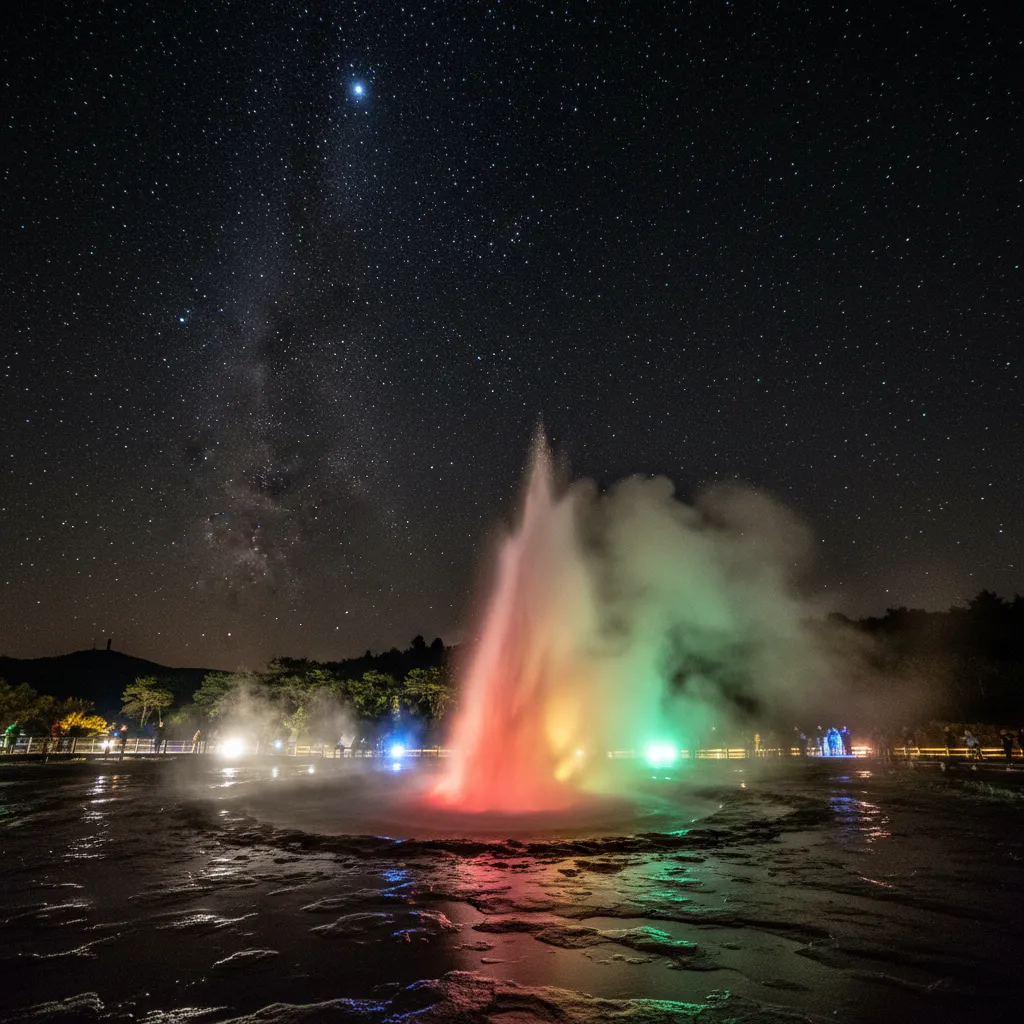
The flagship event for Matariki celebrations in Rotorua is often the Te Puia Geyser by Night experience. This is not merely a tour; it is a transactional investment in cultural understanding. Visitors are guided through the Whakarewarewa Thermal Valley under the cover of darkness, equipped with flashlights and guided by local Māori storytellers who trace their lineage back to the earliest inhabitants of the valley.
The experience is curated to align with the rising of the Matariki cluster (the Pleiades). Guides explain the significance of specific stars within the cluster, linking them to environmental signs that predict the harvest or weather for the coming year. The highlight is witnessing the Pōhutu Geyser erupting beneath the starry winter sky, illuminated by artistic lighting installations designed specifically for the festival.
Interactive Wānanga (Learning Sessions)
Beyond the visual spectacle, Te Puia offers interactive wānanga sessions. These are workshops where visitors can engage in weaving (raranga), carving, or learning traditional stick games. For travelers seeking a hands-on connection to the holiday, these sessions are essential. Tickets for these events often sell out weeks in advance, so early booking is critical for those intending to participate rather than just observe.
Indigenous Food Festivals and Hākari Feasts
No Matariki celebration is complete without kai (food). In Māori tradition, Matariki was a time to gather crops and store food for the winter, culminating in a hākari (ceremonial feast). Rotorua’s hospitality sector leans heavily into this tradition, offering culinary experiences that merge ancient techniques with modern gastronomy.
Where can I find the best Matariki Hāngī in Rotorua?
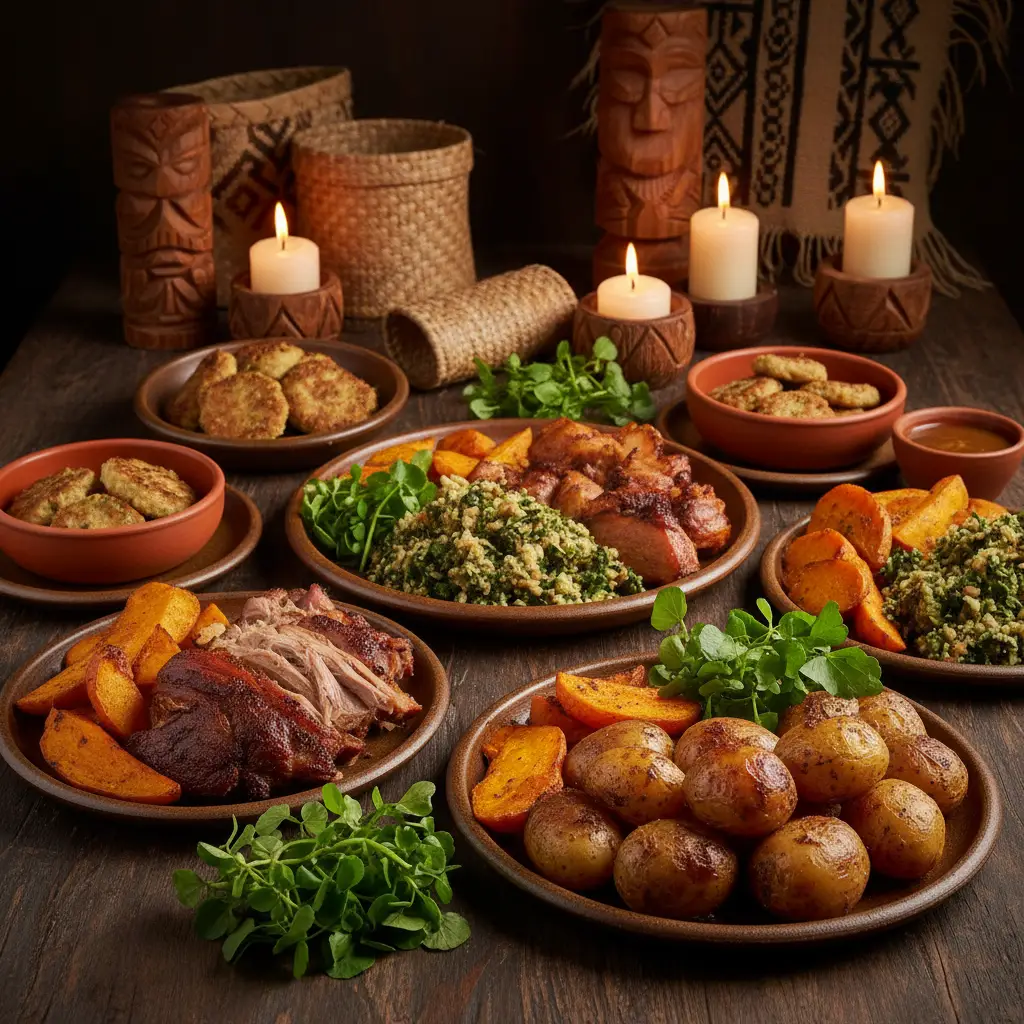
For the most authentic dining experience, look for venues offering “earth-to-table” dining. Te Pā Tū (formerly Tamaki Māori Village) frequently curates seasonal menus specifically for Matariki. These events are transactional dining experiences where the ticket price includes a multi-course meal prepared using traditional hāngī methods—where food is cooked in an earth oven using heated rocks.
However, modern Matariki feasts in Rotorua often elevate the humble hāngī. Expect to see ingredients like:
- Horopito and Kawakawa: Indigenous herbs used to season meats and sauces.
- Kūmara (Sweet Potato): Often served in three or four different textures.
- Tītī (Muttonbird): A traditional delicacy often reserved for special occasions.
- Paua (Abalone): Served as a rich cream or fritter.
Restaurants along Eat Streat also participate, offering limited-time Matariki distinct dishes. Booking a table at these establishments during the holiday weekend is mandatory, as domestic tourism surges during this public holiday.
Thermal Pools, Stargazing, and Night Markets
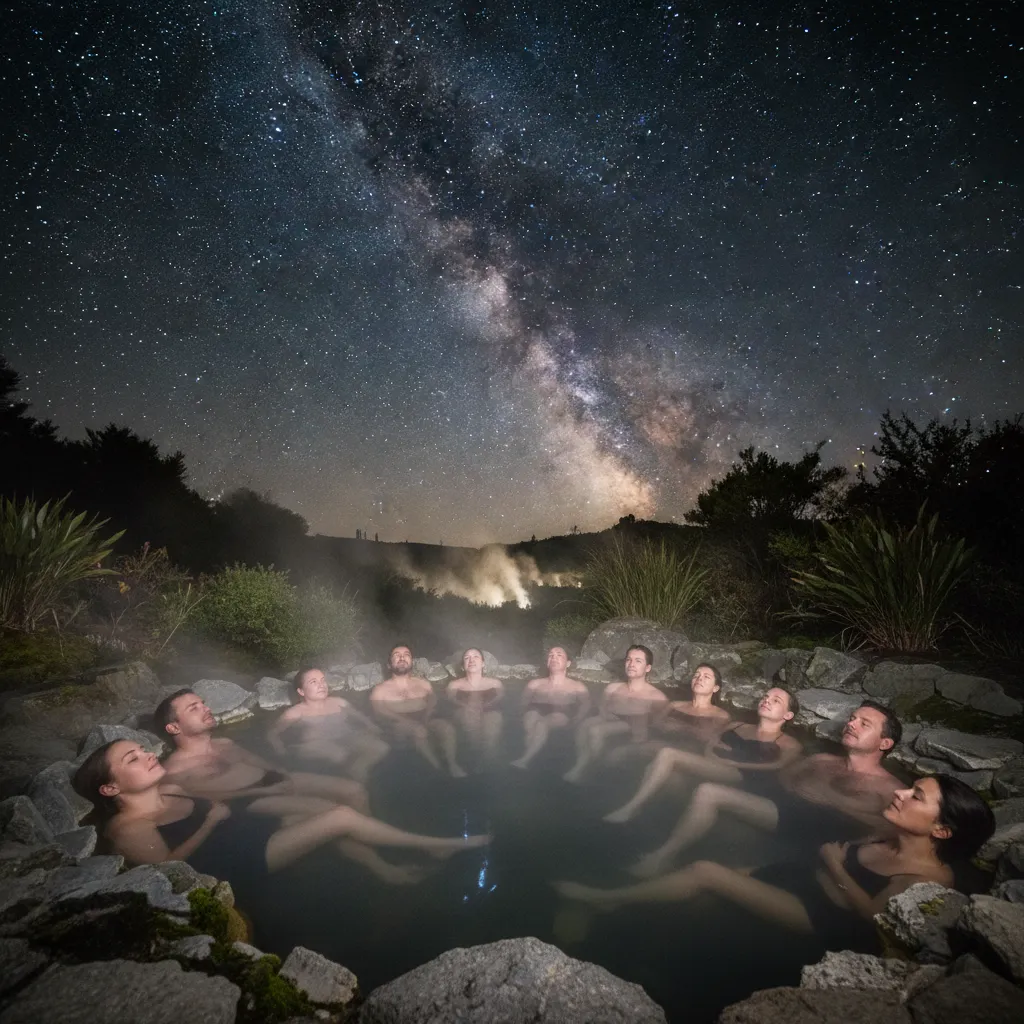
Rotorua’s geothermal activity provides a natural heating system that makes winter celebrations enjoyable. Combining thermal bathing with stargazing is a popular way to honor the stars of Matariki.
Which thermal pools offer Matariki specials?
Polynesian Spa and Secret Spot Hot Tubs are top destinations for celestial observation. During Matariki, these venues often extend their hours or offer special “stargazing packages.” The Secret Spot, located in the Whakarewarewa Forest, offers “Shinny Dips” (foot hot tubs) where you can enjoy a mulled wine while looking up through the canopy of Redwoods at the night sky.
Rotorua Night Market: Matariki Edition
The weekly Rotorua Night Market on Tutanekai Street undergoes a transformation during the festival. It becomes a hub for local artisans selling pounamu (greenstone) jewelry, woven flax kete (baskets), and Māori art. This is the ideal place for transactional interactions that support the local economy directly. Food trucks serve piping hot fry bread with creamed paua and mussel fritters, providing a casual alternative to the sit-down feasts at the major cultural centers.
Booking Cultural Packages: Tickets and Itineraries
To fully experience Matariki celebrations in Rotorua, visitors should look for bundled packages. These often combine accommodation, cultural shows, and thermal pool entry, offering better value than purchasing individual tickets.
How much do Rotorua Matariki packages cost?
Prices vary based on the level of luxury, but travelers should budget accordingly:
- Budget (NZD $150 – $250 per person): Includes entry to a thermal park, a visit to the Night Market, and a standard cultural performance.
- Mid-Range (NZD $300 – $500 per person): Includes a Te Puia night tour, a hāngī dinner at a venue like Mitai, and 4-star accommodation.
- Luxury (NZD $600+ per person): Includes private guided tours, exclusive degustation menus at top lodges (like Solitaire Lodge or Treetops), and private spa treatments using indigenous mud therapies.
Booking Tip: The Matariki public holiday (typically late June or early July) results in high occupancy rates. It is recommended to book your cultural packages at least 3 months in advance. Many tour operators release their Matariki schedules in April.
The Significance of Matariki to Te Arawa
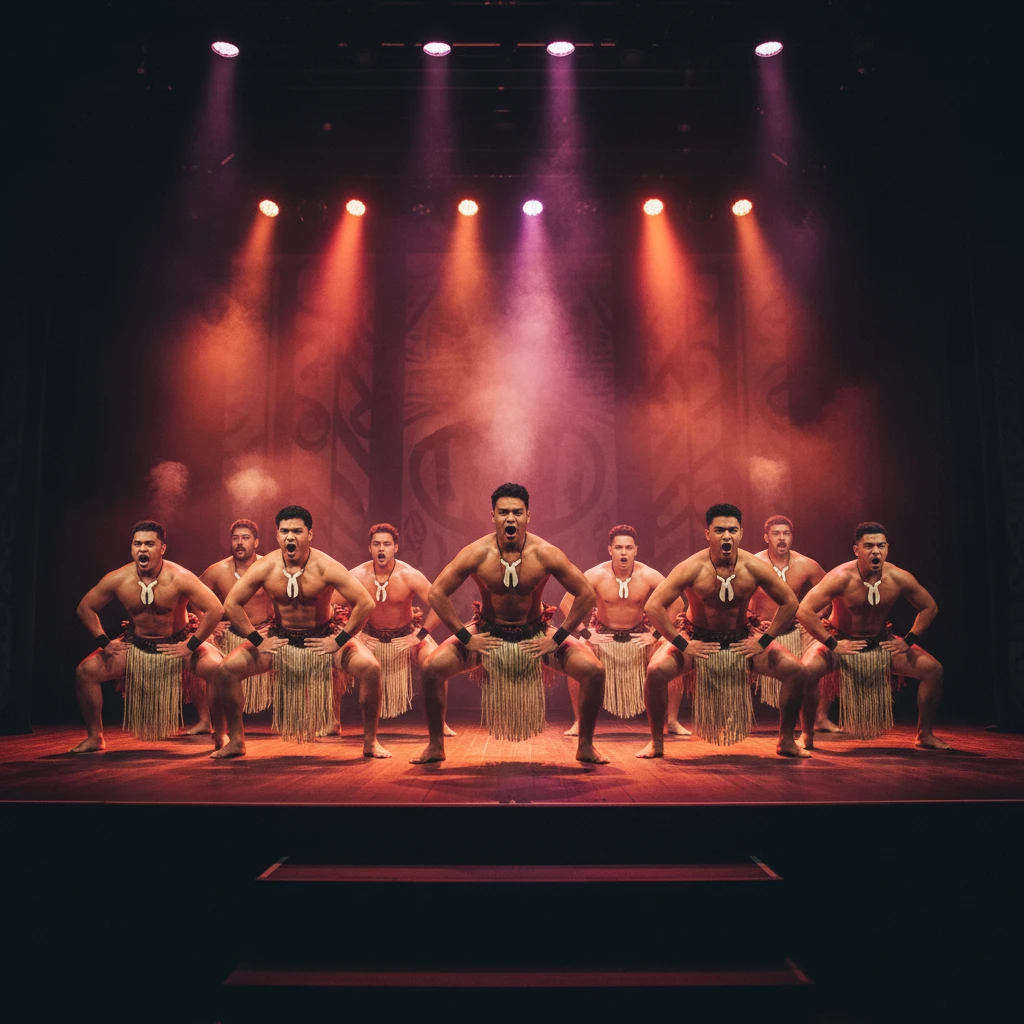
Understanding the local context deepens the experience. In Rotorua, the dominant iwi (tribe) is Te Arawa. Their history is inextricably linked to the geothermal landscape and the lakes. For Te Arawa, Matariki is a time of remembrance for those who have passed away since the last rising of the star cluster. It is a time to release their spirits to become stars in the sky.
When attending events, you may witness ceremonies involving the calling of names of the deceased. This is a solemn and sacred moment. Visitors are welcome to observe but are expected to remain respectful and silent. This emotional depth distinguishes Rotorua’s celebrations from more commercialized festivals elsewhere; here, the spiritual connection is palpable.
Practical Tips for Your Rotorua Matariki Trip
Weather Preparedness: Matariki falls in the New Zealand winter. Rotorua can be quite cold, with temperatures dropping near freezing at night. However, the geothermal ground often keeps the immediate area warmer. Dress in layers—thermal underlayers, a fleece mid-layer, and a waterproof outer shell are essential.
Transport: While Rotorua has a bus network, the best cultural venues (like Te Puia, Mitai, and the Redwoods) are spread out. Renting a car or booking a package that includes shuttle transfers is the most efficient way to navigate the city.
Etiquette: If you are welcomed onto a Marae (traditional meeting grounds) as part of a tour, remember to remove your shoes before entering the Wharenui (meeting house) and ask permission before taking photos of people or carvings.
Frequently Asked Questions
When are Matariki celebrations held in Rotorua?
Matariki dates shift annually based on the lunar calendar, typically falling between late June and mid-July. The public holiday date is government-standardized, but festivities in Rotorua often span a full week or month surrounding the official day.
Is Te Puia open for Matariki every night?
Te Puia generally operates daily, but the special “Geyser by Night” and specific Matariki wānanga events run on selected evenings. It is crucial to check their official schedule and book specific time slots for these exclusive tours.
What is the best family-friendly Matariki event in Rotorua?
The Rotorua Night Market and the Redwoods Treewalk at night are excellent for families. The Treewalk features David Trubridge lanterns that create a magical atmosphere suitable for children, while the market offers diverse food options.
Do I need to book restaurants in advance for Matariki?
Yes, absolutely. Rotorua is a major domestic tourism hub. For high-end dining or popular cultural buffet dinners (like those at the Skyline Gondola or cultural villages), reservations should be made weeks in advance to avoid disappointment.
Can I see the Matariki stars from the city center?
Light pollution in the city center can make it difficult to see the faint cluster. It is recommended to drive slightly out of town to locations like the Hamurana Springs area, Lake Tarawera, or the top of the Skyline Gondola for the best viewing conditions.
What should I wear to a Matariki cultural performance?
Smart casual is generally acceptable for dinner shows. However, warm clothing is the priority. If the event involves an outdoor pōwhiri (welcome ceremony), ensure you have a warm jacket, beanie, and gloves, as you may be standing outside for 15-20 minutes.