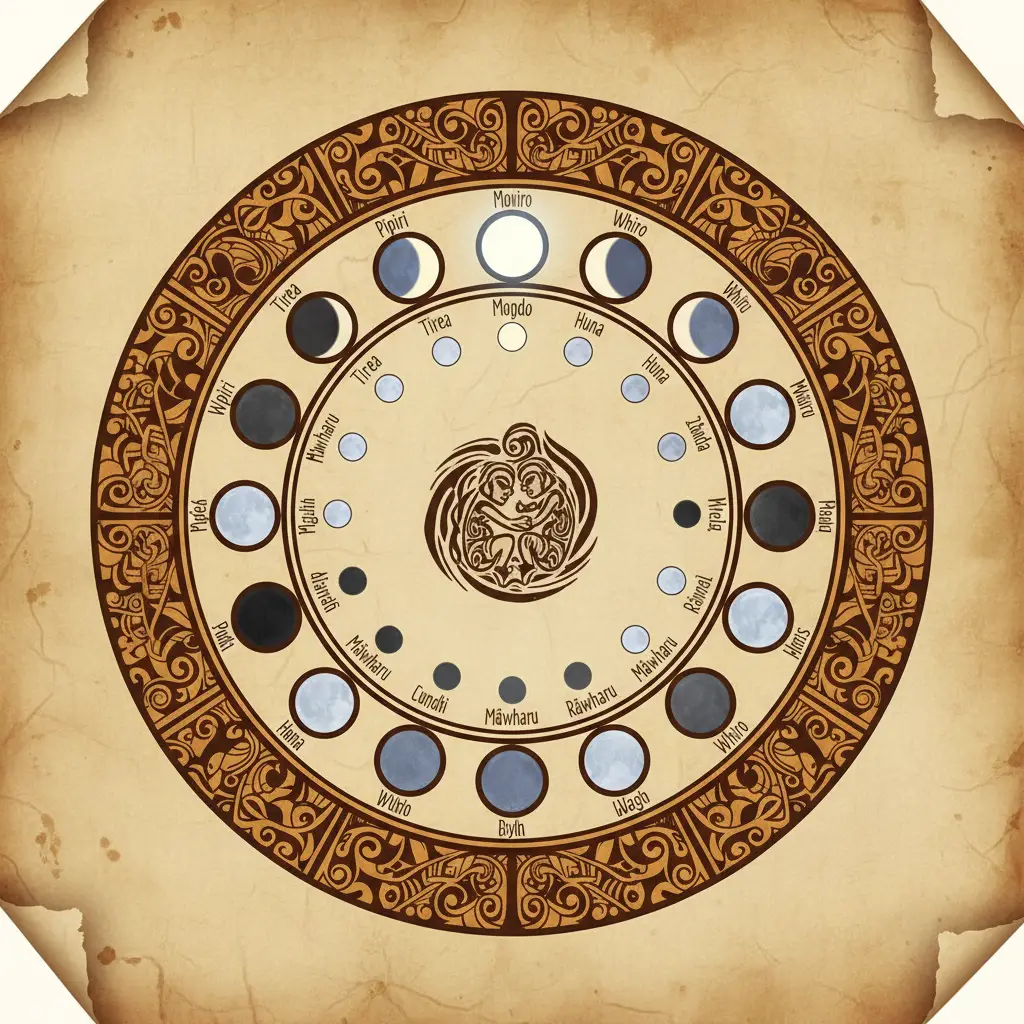
Tohu o te tau refers to the environmental indicators or “signs of the year” used in Māori astronomical and ecological knowledge to predict weather patterns and seasonal changes. By observing the visibility of stars, the flowering intensity of trees like the Pōhutukawa, and animal migration behaviors, ancestors could accurately forecast the success of the coming harvest.
The Foundation of Tohu o te Tau Meanings
In Te Ao Māori (the Māori world), survival was historically dependent on a deep, intrinsic connection with the natural environment. Without modern meteorological instruments, ancestors relied on Mātauranga Māori (ancestral knowledge) to navigate the seasons. This system of observation is known as tohu o te tau.
Understanding tohu o te tau meanings requires a shift in perspective from viewing nature as a resource to viewing it as a communicator. The environment is seen as an interconnected web where a change in one area—such as the blooming of a specific tree—signals a shift in another, such as the migration of fish or the readiness of the soil for planting.
These signs were not merely superstitions; they were the result of centuries of empirical observation, trial, and error. Tohunga (experts) would observe the sky, the land, and the ocean, synthesizing these data points to guide the iwi (tribe) on when to plant kūmara, when to manage Food Preservation, and when to prepare for harsh winters. The accuracy of these predictions was vital for the community’s survival.
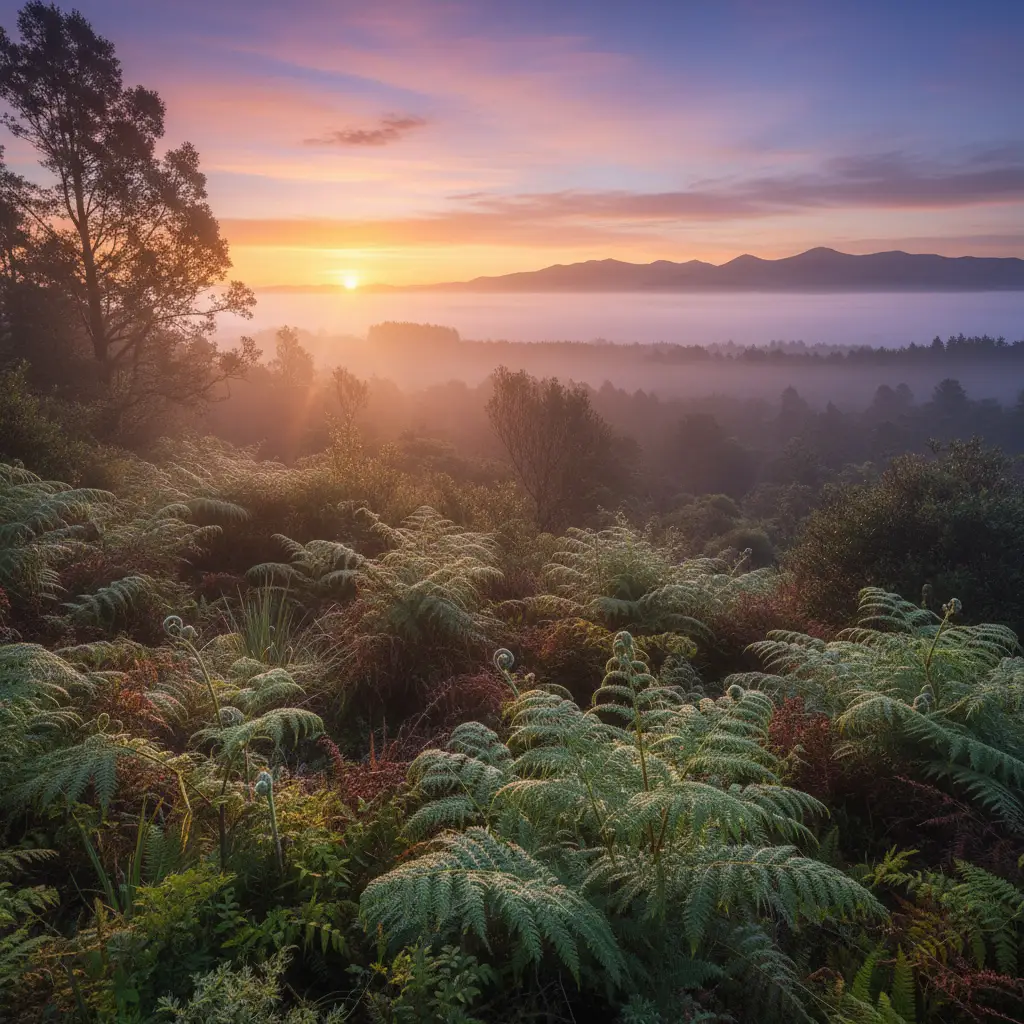
Observing the Brightness of the Stars (Ngā Whetū)
Astronomy lies at the heart of Māori seasonal prediction. The rising and setting of specific stars, their brightness, and their clarity were primary indicators for the year ahead.
The Significance of Matariki
The most renowned tohu is the rising of Matariki (the Pleiades star cluster) in mid-winter. While Matariki marks the Māori New Year, the visual appearance of the cluster—discoverable using an Interactive Night Sky Map Tool: Locate Matariki Now—provided specific meteorological forecasts:
- Clear and Bright: If the stars appeared distinct and bright, it was interpreted as a tohu for a warm, productive season ahead. This signaled that crops would flourish and planting should proceed as planned.
- Hazy or Shimmering: If the stars appeared close together, hazy, or seemed to shimmer significantly, it predicted a cold, wet winter and potentially poor growing conditions. This warned the people to conserve food stocks and delay planting.
Rehua and Atutahi
Beyond Matariki, other stars played crucial roles. Rehua (Antares) is often associated with the heat of summer. When Rehua is prominent in the sky, it signals the height of summer heat and the time when certain forest fruits are ripening. Conversely, Atutahi (Canopus), the second brightest star in the night sky, is viewed as a solitary star that stands outside the Milky Way. Its position and brightness were observed to determine wind patterns and the coming of frost.

What Flowering Trees Signal: Flora Indicators
The plant kingdom (Tāne-mahuta) offers some of the most accessible tohu o te tau meanings. The flowering behaviors of native trees are direct responses to soil temperature and moisture levels, making them reliable indicators of immediate weather patterns.
The Pōhutukawa and the Summer Forecast
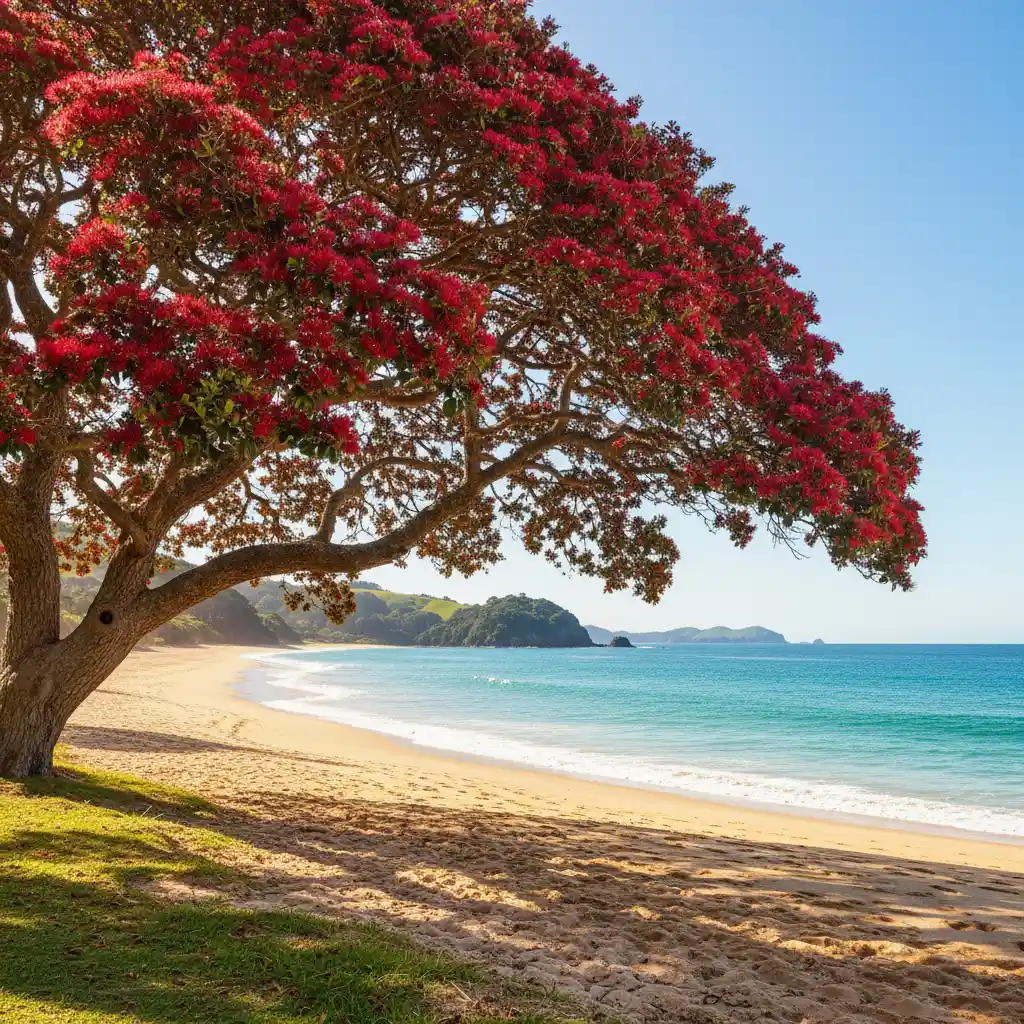
The Pōhutukawa (Metrosideros excelsa), often called the New Zealand Christmas tree, is a critical indicator of the approaching summer season. The intensity and positioning of its bloom are analyzed to predict summer weather:
- Early Blooming: If the Pōhutukawa blooms early (in late November or very early December), it is often interpreted as a sign of a long, hot summer.
- Bottom-Up vs. Top-Down: A bloom starting from the lower branches and moving upward is traditionally viewed as a sign of a warm, stable summer. However, if the tree blooms from the crown downwards, some iwi believe this signals a disturbed summer with potential storms or cooler temperatures.
- Intensity of Red: A particularly vibrant, brilliant red canopy is said to forecast a hot summer, whereas a duller bloom might suggest cooler, wetter conditions.
The Tī Kōuka (Cabbage Tree)
The flowering of the Tī Kōuka is another robust indicator. An unusually heavy flowering of the cabbage tree—where the white panicles are thick and abundant—is widely regarded as a warning of a drought or an exceptionally hot, dry summer. This tohu served as a signal to ensure water sources were secure and to plant crops that could withstand arid conditions.
Animal Behaviors and Migration Patterns
Animals respond to atmospheric pressure and subtle environmental shifts long before humans can detect them. Consequently, the behavior of birds, insects, and marine life forms a significant part of tohu o te tau meanings.
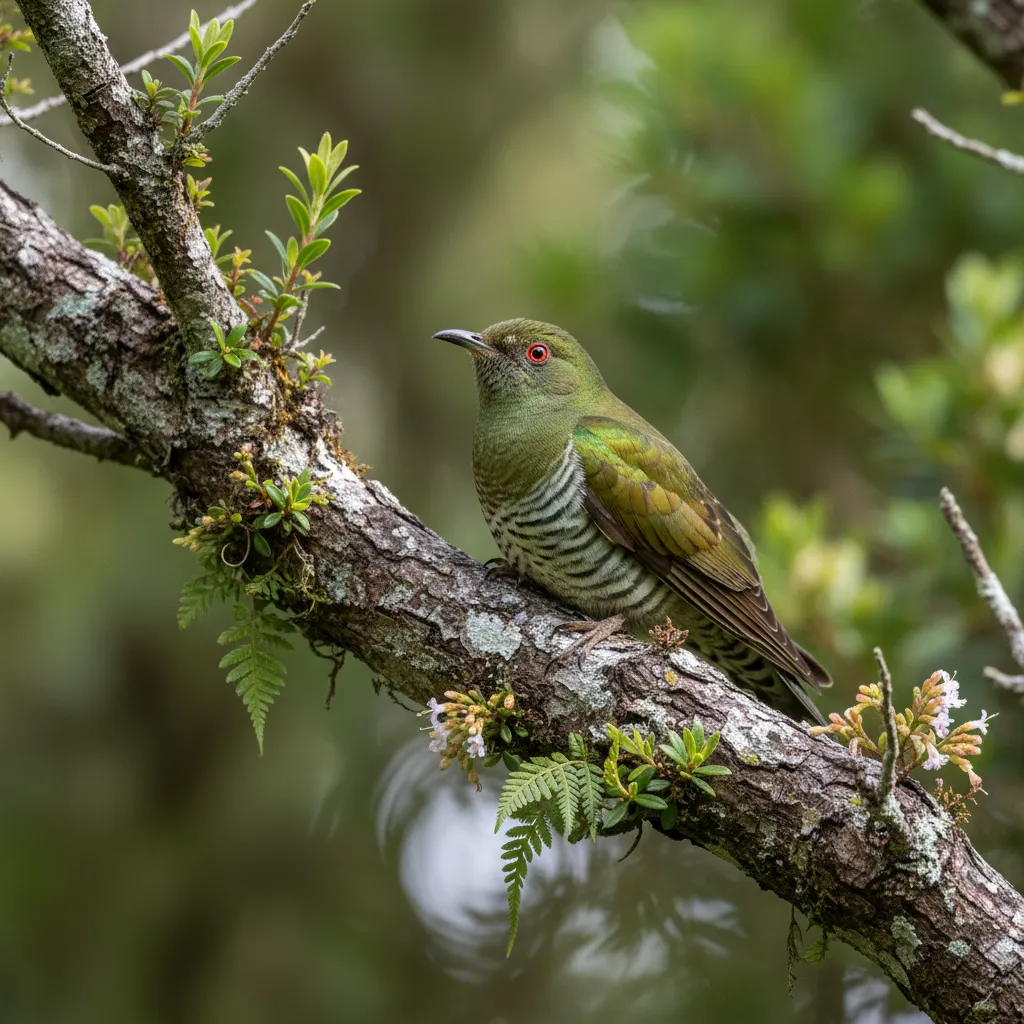
The Pīpīwharauroa (Shining Cuckoo)
The arrival of the Pīpīwharauroa is a classic calendar marker. This migratory bird returns to New Zealand in the spring. Its distinctive song, often described as “kūī, kūī, whitiwhiti ora,” is the call to action for the planting of kūmara. The song translates roughly to a message of life and productivity. If the bird arrives early, it suggests an early spring; if it is late, the cold season is lingering.
Kuaka (Bar-tailed Godwit)
The Kuaka is revered for its incredible migration from Alaska to New Zealand. Their arrival signifies the beginning of spring and the warming of the land. Historically, the direction from which they arrived and the formations they flew in were observed to predict prevailing wind patterns for the season.
Insect Behavior: Kēkerengū and Ants
Smaller creatures also provide immediate weather warnings. The movement of ants is a common tohu; if ants are seen moving their eggs to higher ground or building up the walls of their nests, rain is imminent. Similarly, the behavior of the Kēkerengū (black cockroach) and spiders can indicate humidity changes. When spiders build webs low to the ground, it often forecasts stormy weather, whereas high webs indicate fair weather.
Predicting the Weather for the Year Ahead
Interpreting tohu o te tau is rarely about observing a single sign in isolation. It is a holistic science involving the cross-referencing of multiple indicators. A tohunga would not rely solely on the Pōhutukawa; they would compare its blooming against the brightness of Matariki and the arrival of the Pīpīwharauroa.
This triangulation of data allows for a more robust prediction. For example, if the stars predict a warm season, but the Tī Kōuka is flowering heavily (signaling drought), the interpretation might be a hot summer requiring careful water management. This nuanced approach highlights the sophistication of Māori environmental science.
Regional Variations
It is critical to note that tohu o te tau meanings are highly localized. A sign that predicts rain in the tropical Northland (Te Tai Tokerau) might have a different nuance in the alpine regions of the South Island (Te Waipounamu). The mātauranga associated with these signs is tribal-specific, developed over generations of living in a specific landscape.
The Relevance of Tohu in Modern New Zealand
In contemporary New Zealand, there is a resurgence of interest in these traditional indicators. Scientists and researchers are increasingly collaborating with iwi to understand how these signs align with modern climate science. This partnership, often referred to as the intersection of indigenous knowledge and western science, offers a comprehensive view of climate resilience.
For the education and tourism sectors, including the use of Matariki Books for Children, understanding these meanings adds profound depth to the visitor experience. It transforms a walk through the bush from a visual tour into a lesson on reading the language of the land. Recognizing a Pōhutukawa not just as a pretty tree, but as a weather station, enriches the cultural appreciation of Aotearoa.
Frequently Asked Questions
What are the tohu for a bad winter?
Signs of a harsh winter often include Matariki stars appearing hazy or shimmering, bees storing extra food early in autumn, and native trees producing an abundance of berries to feed birds before the cold sets in.
How does the Pōhutukawa predict the weather?
The Pōhutukawa predicts weather through its flowering intensity. A brilliant red, early bloom generally signals a long, hot summer, while a lackluster bloom can indicate a cooler, wetter season.
What is the Māori word for seasonal signs?
The Māori phrase for seasonal signs is “tohu o te tau.” “Tohu” means sign, mark, or indicator, and “o te tau” translates to “of the year.”
Why is observing nature important in Te Ao Māori?
Observing nature is critical because Māori view humans as part of the ecosystem, not separate from it. Survival, agriculture, and fishing depended on understanding nature’s cycles to act in harmony with the environment.
What does Matariki signal for the new year?
Matariki signals the Māori New Year. Its visibility forecasts the productivity of the coming year; clear, bright stars predict a bountiful harvest, while hazy stars warn of cold weather and potential crop failure.
Are these traditional signs still accurate today?
Many tohu remain accurate, though climate change is impacting some natural cycles. Phenology (the study of cyclic and seasonal natural phenomena) often aligns with traditional observations, validating their scientific basis.