To subscribe to a star forecast for Matariki is to sign up for precision alerts regarding the visibility of the Pleiades cluster during the Māori New Year. Subscribers receive real-time weather notifications, optimal viewing windows during the month of Pipiri, and cultural educational resources directly to their inbox to enhance the celebration.
The rising of Matariki marks a significant shift in the seasonal calendar of Aotearoa New Zealand. It is a time of remembrance, celebrating the present, and looking to the future. However, spotting the cluster in the pre-dawn winter sky can be challenging due to variable weather conditions. By choosing to subscribe to star forecast updates, you ensure you never miss the fleeting moments when the cluster shines brightest.
Why Subscribe to a Star Forecast?
For many, the desire to connect with Te Ao Māori (the Māori world) and the natural environment is strong, yet the practicalities of astronomy can be daunting. A subscription service bridges the gap between intention and action. When you subscribe to star forecast alerts, you are essentially hiring a digital navigator to guide your experience of the Māori New Year.
The primary benefit is timeliness. Matariki rises in the early morning eastern sky during mid-winter. The window for viewing is short—often less than an hour before the sun’s light drowns out the stars. Without a forecast, enthusiasts often wake up early only to be met with cloud cover. A dedicated subscription service filters this data for you, providing “Go/No-Go” recommendations based on your specific location in Aotearoa.
Daily and Weekly Updates During Pipiri
Pipiri is the Māori lunar month that typically corresponds with June and July. It is known as Te Tahi o Pipiri (The First of Pipiri), signifying the contraction of the earth due to the cold. This is the critical period for Matariki observations.
The Rhythm of the Subscription
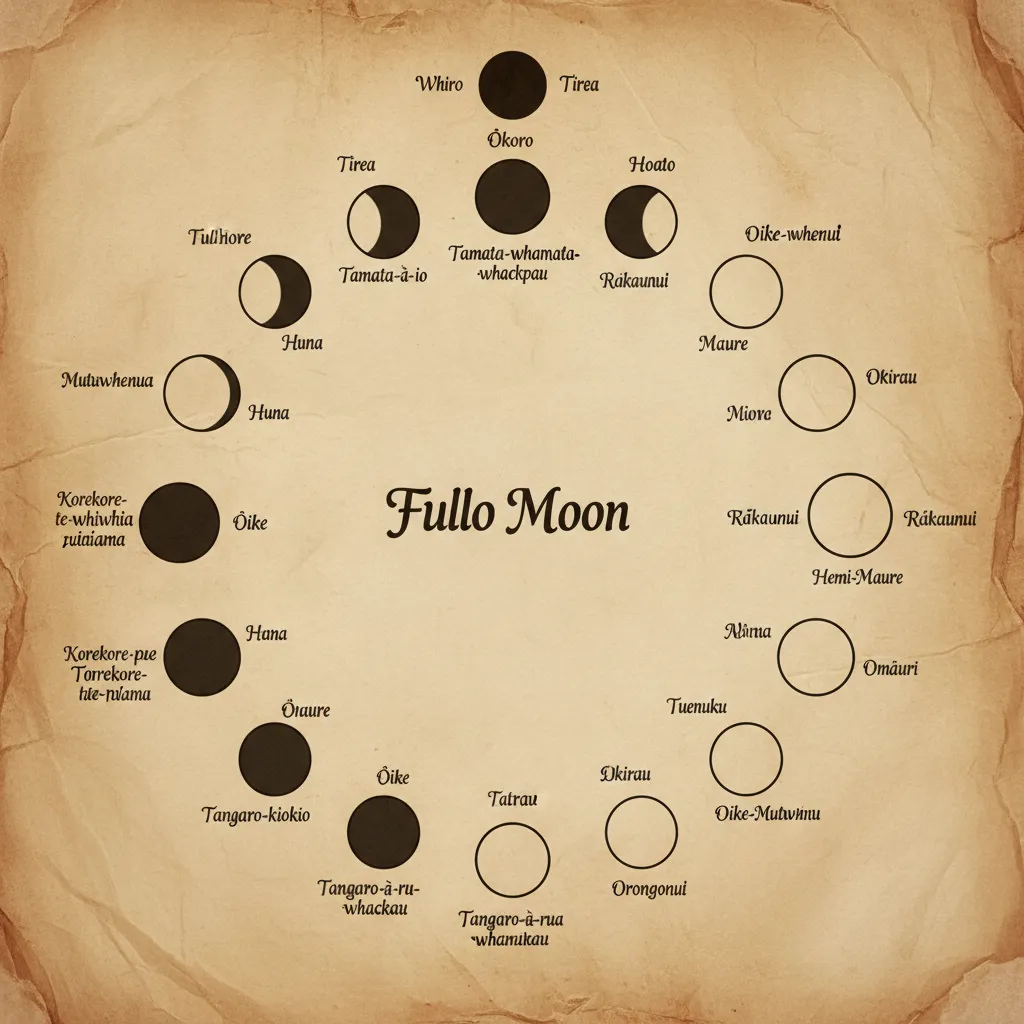
A high-quality star forecast subscription operates on a rhythm that matches the lunar calendar (Maramataka). Subscribers can expect:
- Weekly Overviews: Sent at the beginning of the week, detailing the moon phase and its impact on star visibility. A bright moon can obscure the faint stars of Matariki, so knowing the lunar phase is essential.
- Daily Alerts: These are short, actionable notifications sent the evening before a potential viewing morning. They provide the exact time the cluster will rise above the horizon in your region.
This systematic approach removes the guesswork. Instead of setting an alarm for 5:30 AM every day in hopes of a clear sky, you only wake when the forecast confirms visibility. This efficiency makes the celebration of Matariki accessible to families with young children and working professionals alike.
Notifications for Best Viewing Weather
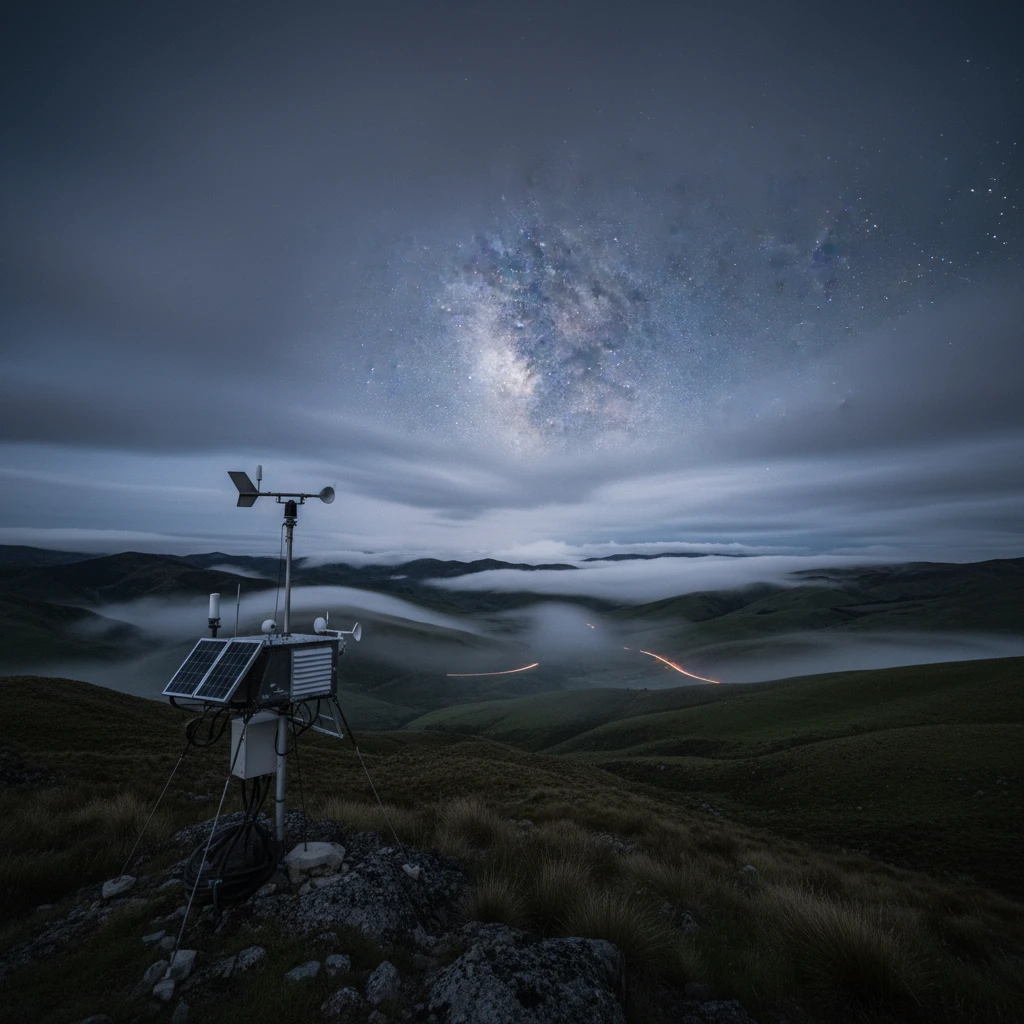
New Zealand’s winter weather is notoriously unpredictable. A clear evening can quickly turn into a foggy morning. This is where the technical value of the subscription shines. We utilize advanced meteorological data to predict cloud cover specifically for the eastern horizon—the stage where Matariki appears.
Hyper-Local Forecasting
General weather apps give a broad summary of the day. A specialized star forecast analyzes:
- Low-Level Cloud Cover: Clouds that sit on the horizon and block the rise of stars.
- Atmospheric Seeing: A term used by astronomers to describe the turbulence in the atmosphere. Good “seeing” means the stars will appear sharp and twinkling, rather than blurry.
- Light Pollution Index: Alerts regarding how far you may need to travel from city lights to see the fainter stars in the cluster, such as Waipuna-ā-rangi or Hiwa-i-te-rangi.
Cultural Insights Delivered to Your Inbox
While the astronomical data is vital, the heart of Matariki lies in its cultural significance. When you subscribe to star forecast newsletters, you receive more than just weather reports; you receive a curriculum of indigenous knowledge.
Modern celebrations of Matariki are grounded in mātauranga Māori (Māori knowledge). A premium subscription often includes:
- Daily Whakataukī (Proverbs): Traditional sayings relevant to the season of winter, togetherness, and planning.
- Star Biographies: Detailed stories about each star in the cluster. For example, learning why Tupu-ā-nuku is connected to food grown in the ground, while Tupu-ā-rangi connects to food from the sky.
- Karakia (Incantations): Appropriate prayers or reflections to recite when the cluster is sighted.
This educational component transforms a visual experience into a spiritual and intellectual one. It empowers subscribers to lead their own whānau (family) ceremonies with confidence and understanding.
Deep Dive: The Nine Stars of Matariki
To truly appreciate the value of your forecast, one must understand what they are looking for. Historically, some iwi count seven stars, while others count nine. Our forecast service focuses on the nine stars (Te Iwa o Matariki), providing specific viewing tips for distinguishing them.
1. Matariki (Alcyone)
The mother of the other stars in the cluster. Her visibility is often linked to the overall wellbeing of the people. When she is bright and clear, it is a sign of good fortune and health.
2. Pōhutukawa (Sterope)
Connected to those who have passed away. This star reminds us to remember our loved ones. In your forecast, we often include prompts for remembrance during the visibility of this star.
3. Tupu-ā-nuku (Pleione)
Associated with food grown in the ground (kumara, potatoes). A hazy appearance of this star was traditionally a sign to manage winter stores carefully.
4. Tupu-ā-rangi (Atlas)
Linked to food from the sky—birds, fruit, and berries. This star connects us to the forests.

5. Waipuna-ā-rangi (Electra)
Connected to the rain. Watching this star helps predict rainfall patterns for the coming year.
6. Waitī (Maia)
Tied to fresh water bodies and the food within them (eels, trout). It shines with a blue hue.
7. Waitā (Taygeta)
Associated with the ocean and marine life. It is often said that when Waitā is bright, the kai moana (seafood) will be plentiful.
8. Ururangi (Merope)
Connected to the winds. The mood of the winds for the year is said to be determined by the appearance of Ururangi.
9. Hiwa-i-te-rangi (Celaeno)
The wishing star. This is the star to which you send your dreams and aspirations for the New Year. It is often the faintest and hardest to see, making accurate weather forecasting essential for spotting it.
Practical Viewing Guide & Preparation
Once your subscription alert gives you the “Green Light” for viewing, preparation is key. The Matariki cluster is best viewed with the naked eye to see the whole formation, but binoculars can reveal the stunning density of the stars.
Location Strategy
You need a clear view of the north-eastern horizon. If you live in a valley or a city with tall buildings, you may need to travel to a higher elevation. Your subscription updates will often suggest the best local vantage points based on current topography and light pollution data.
What to Wear
Do not underestimate the cold of a New Zealand dawn in Pipiri. Layering is essential. We recommend thermal base layers, a windproof outer shell, gloves, and a beanie. Standing still while stargazing cools the body down rapidly.

How to Secure Your Subscription
Investing in a star forecast subscription is an investment in your cultural connection and your time. We offer tiered options to suit casual observers and dedicated astronomers alike.
Subscription Tiers
- The Observer (Free): Weekly email summaries and general viewing dates.
- The Navigator (Paid): Daily SMS alerts, real-time cloud cover maps, and exclusive cultural deep-dive content.
- The Tohunga (Premium): All of the above, plus access to live webinars with astronomers and cultural experts during the Matariki period.
To subscribe, ensure you have your location services enabled or know your specific coordinates, as the rise times of Matariki vary slightly depending on your latitude in New Zealand. Join thousands of others in welcoming the New Year with clarity and knowledge.
People Also Ask
When is the best time to see Matariki?
The best time to view Matariki is in the early morning, just before dawn, during the Māori lunar month of Pipiri (usually June or July). You should look towards the north-eastern horizon. The specific dates vary year by year based on the lunar calendar.
How many stars are in the Matariki cluster?
While the cluster contains hundreds of stars, culturally, Māori generally recognize either seven or nine stars. The nine stars are Matariki, Pōhutukawa, Tupu-ā-nuku, Tupu-ā-rangi, Waipuna-ā-rangi, Waitī, Waitā, Ururangi, and Hiwa-i-te-rangi.
What does Pipiri mean in the context of Matariki?
Pipiri is the lunar month roughly corresponding to June. The name comes from the phrase “Te Tahi o Pipiri,” which refers to the cold weather causing people to huddle or stick close together (pipiri) for warmth. It is the month when Matariki reappears.
Do I need a telescope to see Matariki?
No, you do not need a telescope. Matariki is an open star cluster and is best viewed with the naked eye to see the formation against the horizon. However, a pair of standard binoculars can help you distinguish the individual stars more clearly.
Is Matariki visible from everywhere in New Zealand?
Yes, Matariki is visible from all over New Zealand, provided you have a clear view of the eastern horizon. However, light pollution in major cities can make it difficult to see the fainter stars, so travelling to a dark sky reserve or rural area is recommended.
Why is subscribing to a forecast helpful for Matariki?
Subscribing is helpful because Matariki appears in winter when weather is volatile. A forecast provides real-time updates on cloud cover and precise rise times, ensuring you don’t wake up early for a viewing only to be blocked by bad weather.