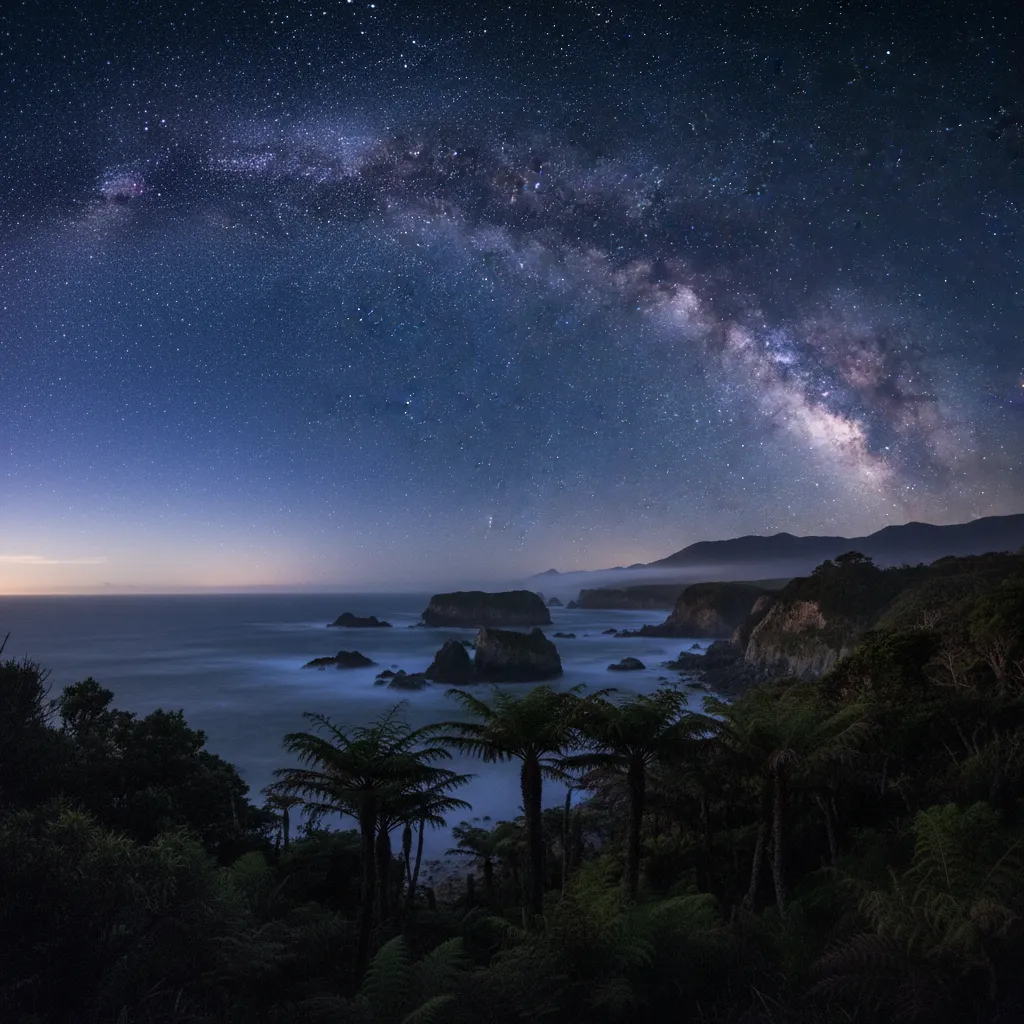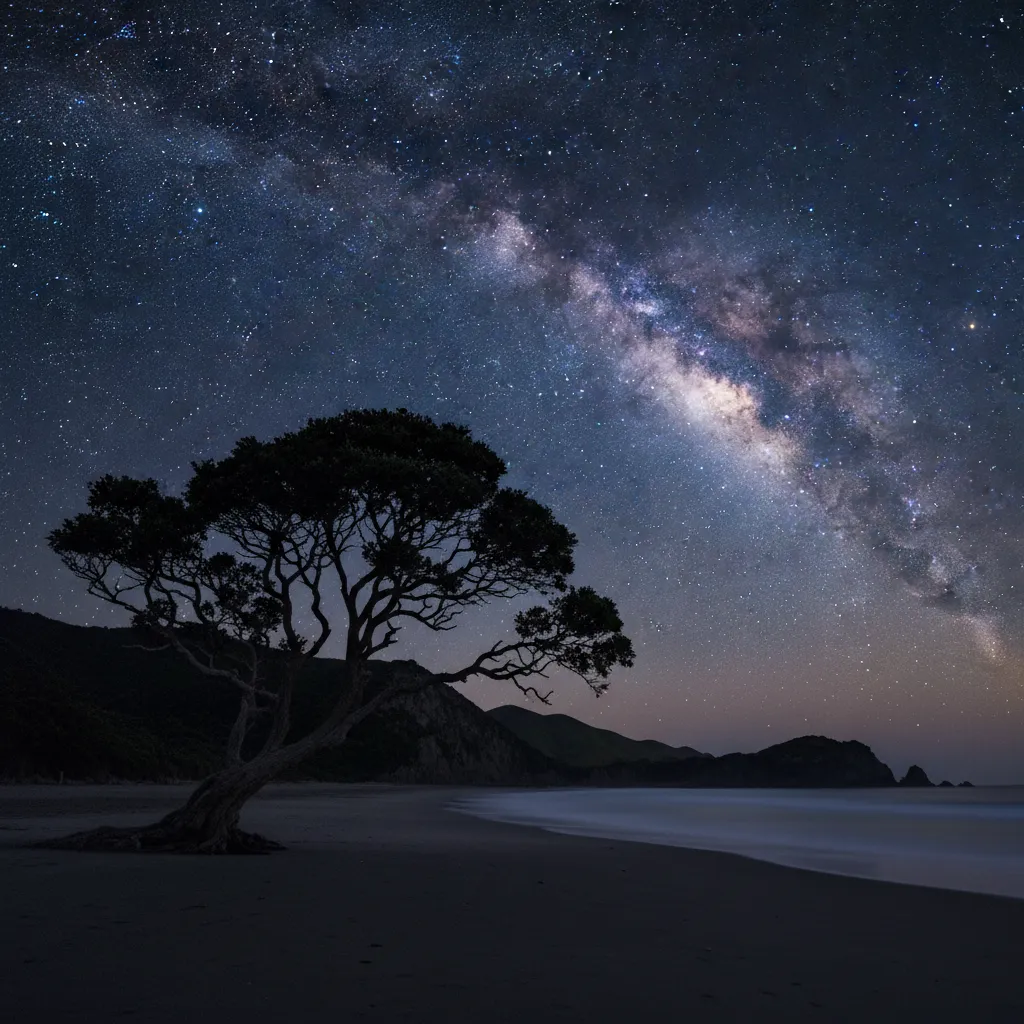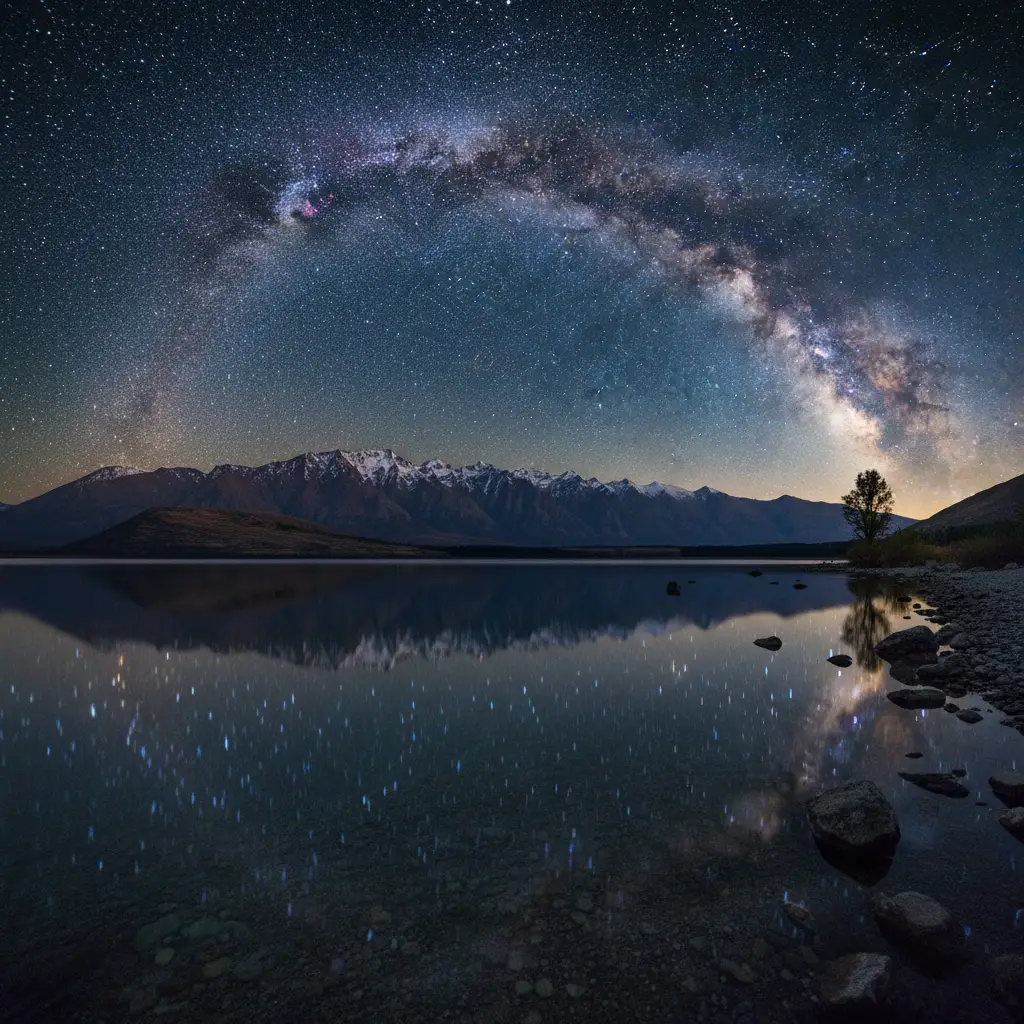
Stewart Island aurora tours are specialized guided experiences located within the Rakiura Dark Sky Sanctuary, designed to maximize the probability of witnessing the Aurora Australis. These tours typically combine expert astrophotography tuition, local Māori astronomical knowledge (Maramataka), and access to secluded, light-pollution-free observation points, often integrating nocturnal kiwi spotting for a comprehensive wilderness encounter.
Why Rakiura is the Ultimate Aurora Destination
When seeking the elusive Southern Lights, location is the single most critical factor. Stewart Island, known in Māori as Rakiura (translated commonly as “The Land of Glowing Skies”), is not merely a convenient spot for stargazing—it is a globally recognized astronomical haven. In 2019, Stewart Island/Rakiura was officially accredited as an International Dark Sky Sanctuary by the International Dark-Sky Association (IDA). This distinction is far rarer than a Dark Sky Reserve; it is reserved for the most isolated, and darkest, locations on Earth.
The island’s geographic advantage is twofold. First, its latitude at approximately 47° South places it closer to the magnetic south pole than any other populated landmass in New Zealand. This proximity significantly increases the likelihood of viewing the Aurora Australis, even during periods of lower geomagnetic activity (Kp index). Second, the population of the island is roughly 400 people, concentrated almost entirely in the settlement of Oban. This results in virtually zero light pollution across 99% of the island, providing a pristine canvas for the celestial display.
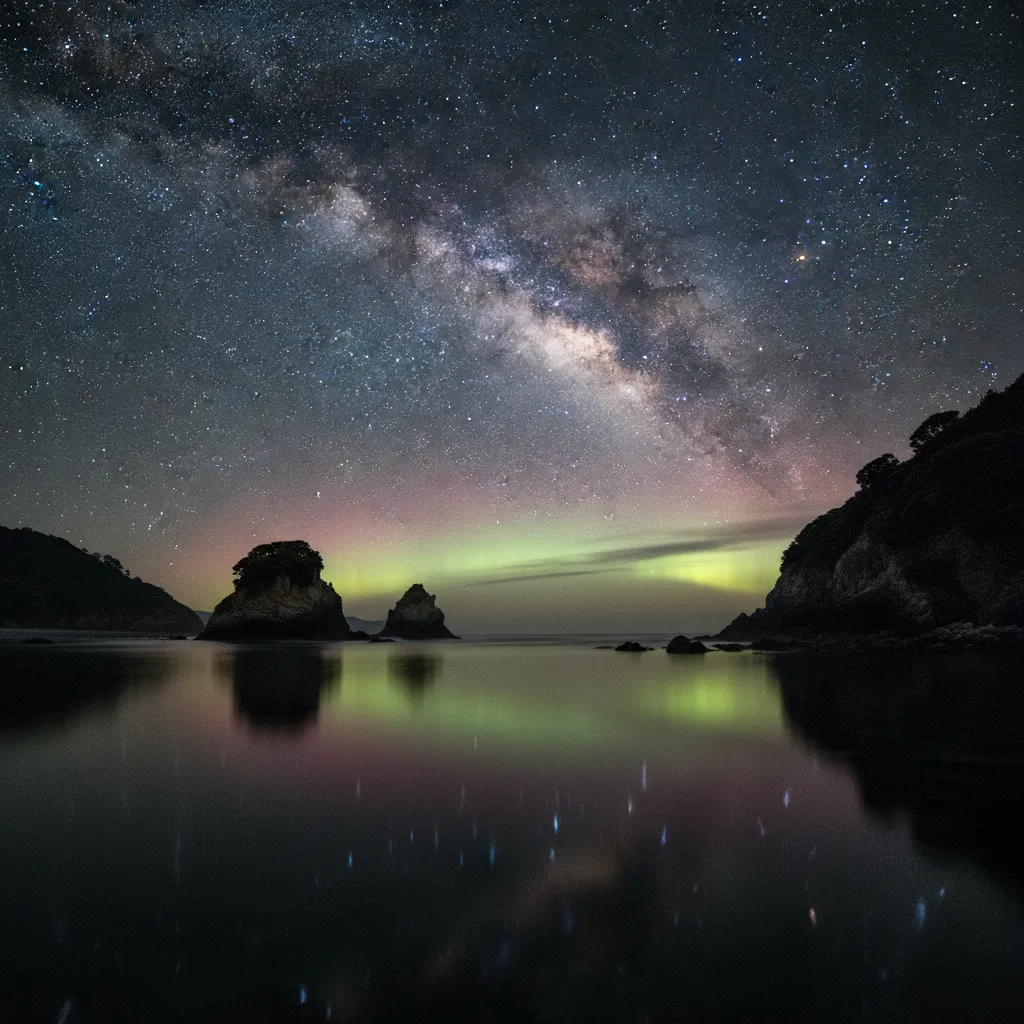
Aurora Hunting: Best Locations and Times
While the entire island is a sanctuary, specific locations offer superior vantage points for Stewart Island aurora tours. The topography of the island includes rugged coastlines and dense rainforests, so knowing where to look is essential for a successful sighting.
Top Observation Points
Ackers Point Lighthouse: Accessible via a well-maintained track, this location offers an unobstructed view to the south. The absence of landmass between here and Antarctica makes it a prime location for watching the lights dance over the ocean.
Lee Bay: Located at the entrance to Rakiura National Park, Lee Bay provides a stunning foreground of the Māori chain sculpture, which adds a dramatic silhouette to long-exposure photography.
Observation Rock: Situated just a short, steep walk from the center of Oban, this spot offers a 270-degree view of Paterson Inlet. It is arguably the most accessible “high ground” for tourists staying in the township.
When to Book Your Tour
The Aurora Australis can technically occur at any time of year, but visibility depends on darkness. Consequently, the winter months (May through August) are the peak season for aurora tourism. During this period, Rakiura experiences long nights, with astronomical twilight lasting well into the morning hours. However, the equinox months (March and September) are scientifically known to produce higher geomagnetic activity due to the “Russell-McPherron effect,” making them excellent “shoulder season” options for travelers who prefer slightly milder temperatures.
Types of Stewart Island Aurora Tours
Navigating the options for Stewart Island aurora tours requires understanding the different focuses of local operators. The market has evolved from simple transport services to highly specialized educational experiences.
1. Astrophotography Workshops
These are the most transactional and technical tours available. Geared towards photographers ranging from enthusiastic amateurs to professionals, these tours are led by guides who understand the intricate settings required to capture the Southern Lights. You are paying for the expertise of the guide who monitors real-time solar wind data and cloud cover to position you in the perfect spot.
What to expect: Small groups, tripod rentals, and instruction on ISO, aperture, and exposure times. These tours often run late into the night, sometimes until 2:00 or 3:00 AM, depending on solar activity.
2. Cultural Storytelling and Stargazing
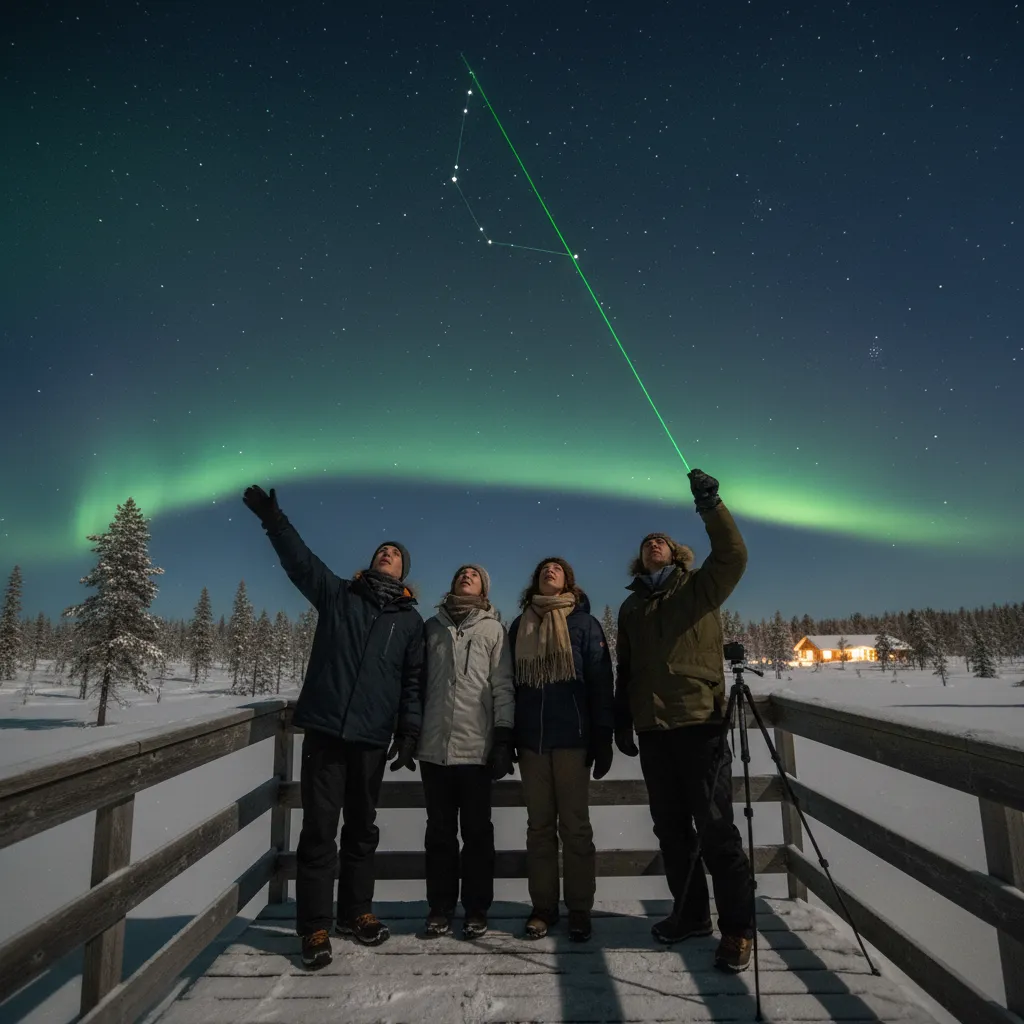
For those less focused on camera gear and more interested in the narrative of the sky, these tours focus on the naked-eye experience. Guides often use high-powered laser pointers to identify constellations, planets, and the Magellanic Clouds (dwarf galaxies visible only in the Southern Hemisphere).
Combining Kiwi Spotting with Stargazing
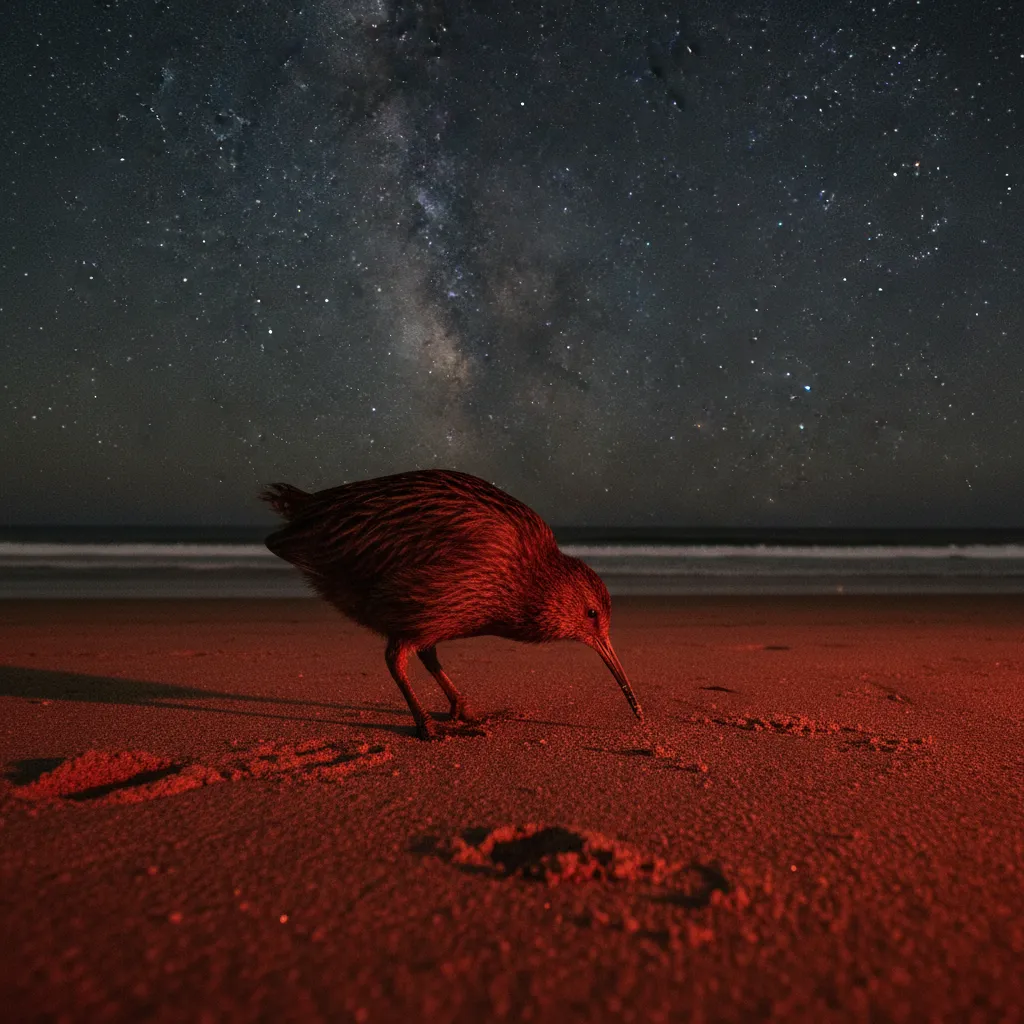
One of the most efficient ways to experience Rakiura is to book a combo tour. Stewart Island is one of the few places in New Zealand where the Southern Brown Kiwi (Tokoeka) outnumbers the human population. Unlike their northern cousins, Rakiura kiwi are active both day and night, but they are most easily observed foraging on beaches after dusk.
Many operators offer a “Wild Kiwi and Dark Sky” package. These experiences usually begin with a boat cruise to a remote location such as Ocean Beach or Glory Cove. The tour starts with a guided walk to spot kiwi in their natural habitat using red-light torches (which do not disturb the birds). Once the kiwi viewing is complete, the guide shifts focus to the sky.
This combination is excellent for risk management. If the aurora is faint or cloud cover is intermittent, the value of the tour remains high because seeing a wild kiwi is a bucket-list experience in itself. Conversely, if the kiwi are elusive, the stunning density of the star field ensures the night is memorable.
Maramataka: The Cultural Connection
To truly understand the sky above Rakiura, one must look through the lens of Maramataka, the Māori lunar calendar. The indigenous people of New Zealand used the stars not just for navigation, but for agriculture, fishing, and survival.
High-quality Stewart Island aurora tours will integrate this cultural layer. You will learn about Tātai Arorangi (Māori astronomical knowledge). For instance, the rising of Matariki (the Pleiades) signals the Māori New Year, but in Rakiura, other celestial bodies like Canopus (Atutahi) and the Southern Cross (Mahutonga) hold specific significance regarding navigation across the treacherous Foveaux Strait.
Understanding the aurora from a Māori perspective adds a spiritual dimension to the tour. The lights were often seen as Te Kahukura or Tahunui-a-Rangi, representing great fires or ancestors. This storytelling transforms a visual spectacle into a connection with the history of the land and its people.
Travel Logistics and Preparation
Stewart Island is remote, and logistics require planning. As a transactional guide, it is vital to understand how to get there and what to bring to ensure your tour investment is not wasted.
Getting There
There are only two ways to reach the island:
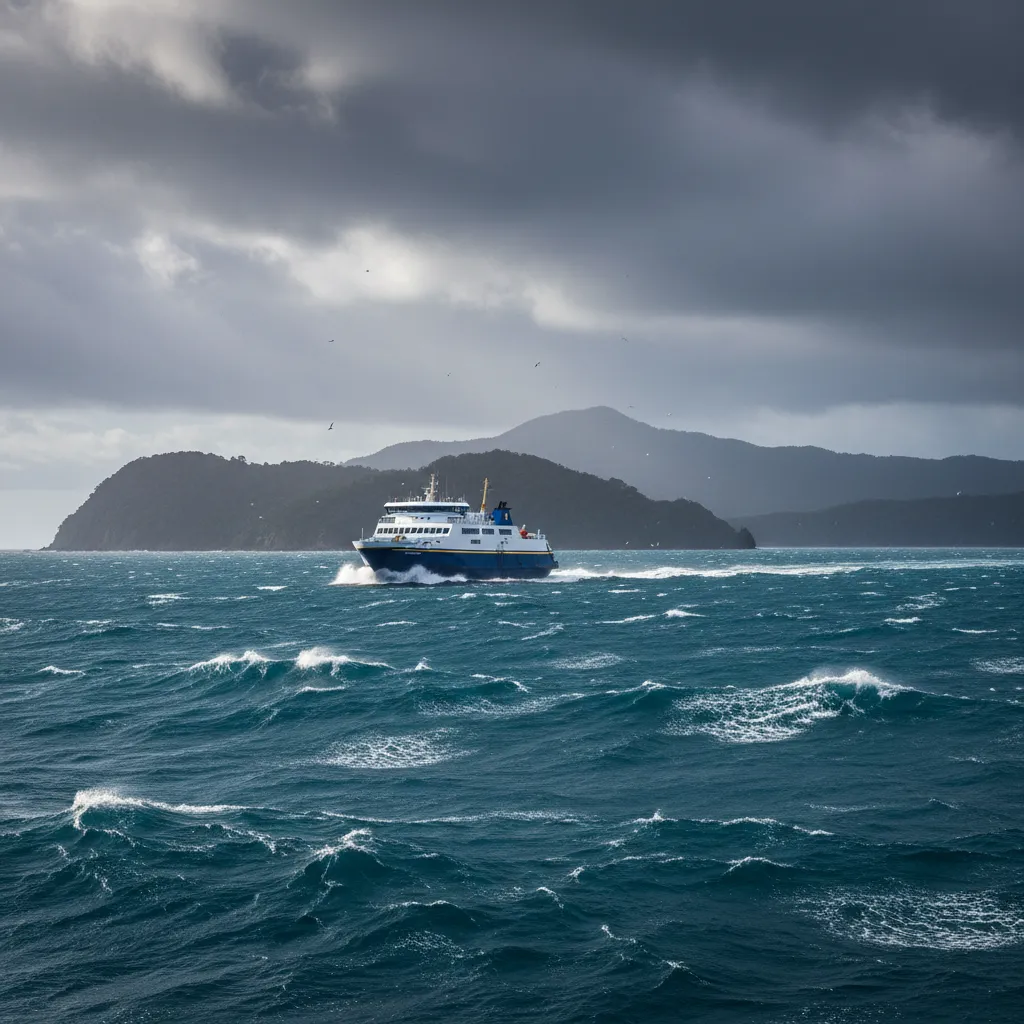
- Ferry: The ferry departs from Bluff (a 20-minute drive from Invercargill). The crossing takes approximately one hour. The Foveaux Strait can be rough, so sea-sickness medication is recommended for those prone to nausea.
- Flight: Small fixed-wing aircraft fly from Invercargill Airport to the Ryan’s Creek airstrip on Stewart Island. The flight takes 20 minutes and offers spectacular aerial views, though it is more weather-dependent than the ferry.
Essential Gear for Aurora Tours
The weather on Rakiura is changeable and often cold, especially during the prime aurora season. To enjoy your tour, you must be prepared:
- Layers: Merino wool base layers are essential. Avoid cotton.
- Windproof Jacket: The wind from Antarctica can be biting.
- Red Light Torch: White light ruins night vision (both yours and others’). Most tours require red light only.
- Camera Gear: A DSLR or Mirrorless camera with a wide-angle lens (f/2.8 or lower) and a sturdy tripod are non-negotiable for photography.
Frequently Asked Questions
What is the best month for Stewart Island aurora tours?
The best months are between May and August (New Zealand winter) due to the long hours of darkness. However, March and September (equinoxes) often see high geomagnetic activity, making them excellent alternatives.
Can I see the aurora with the naked eye on Rakiura?
Yes, during strong geomagnetic storms (Kp 5+), the aurora is visible as dancing beams of light. However, during weaker activity, it may appear as a grey or white haze to the eye, while a camera sensor will reveal the vibrant greens and pinks.
How much do Stewart Island aurora tours cost?
Prices vary depending on the provider and tour type. Basic walking tours may start around $90 NZD, while comprehensive photography workshops or boat-based kiwi/stargazing combos can range from $150 to $300+ NZD per person.
Do I need a professional camera for an aurora tour?
While a DSLR or mirrorless camera yields the best results, modern smartphones (iPhone 14/15, Pixel, Samsung S-series) with “Night Mode” can capture impressive images of the aurora, especially in the dark skies of Rakiura.
Is accommodation available on Stewart Island?
Yes, Oban offers a range of accommodation from backpacker hostels and holiday homes to the South Sea Hotel and luxury lodges. It is highly recommended to book well in advance, especially during the summer and holiday periods.
What happens if it is cloudy during my tour?
Cloud cover is the enemy of stargazing. Most reputable tour operators have cancellation or rescheduling policies. Some offer a “cloudy weather alternative” which may focus more on kiwi spotting or nocturnal nature walks rather than astronomy.