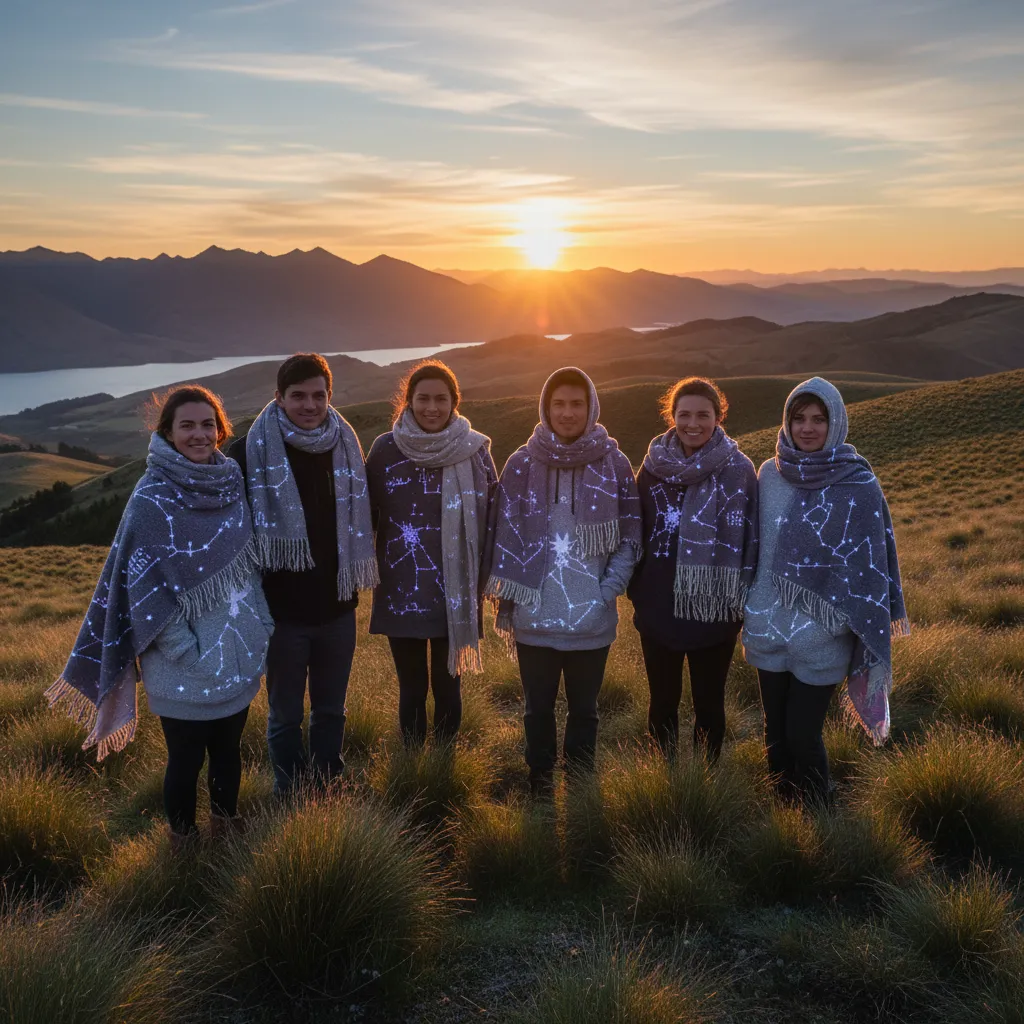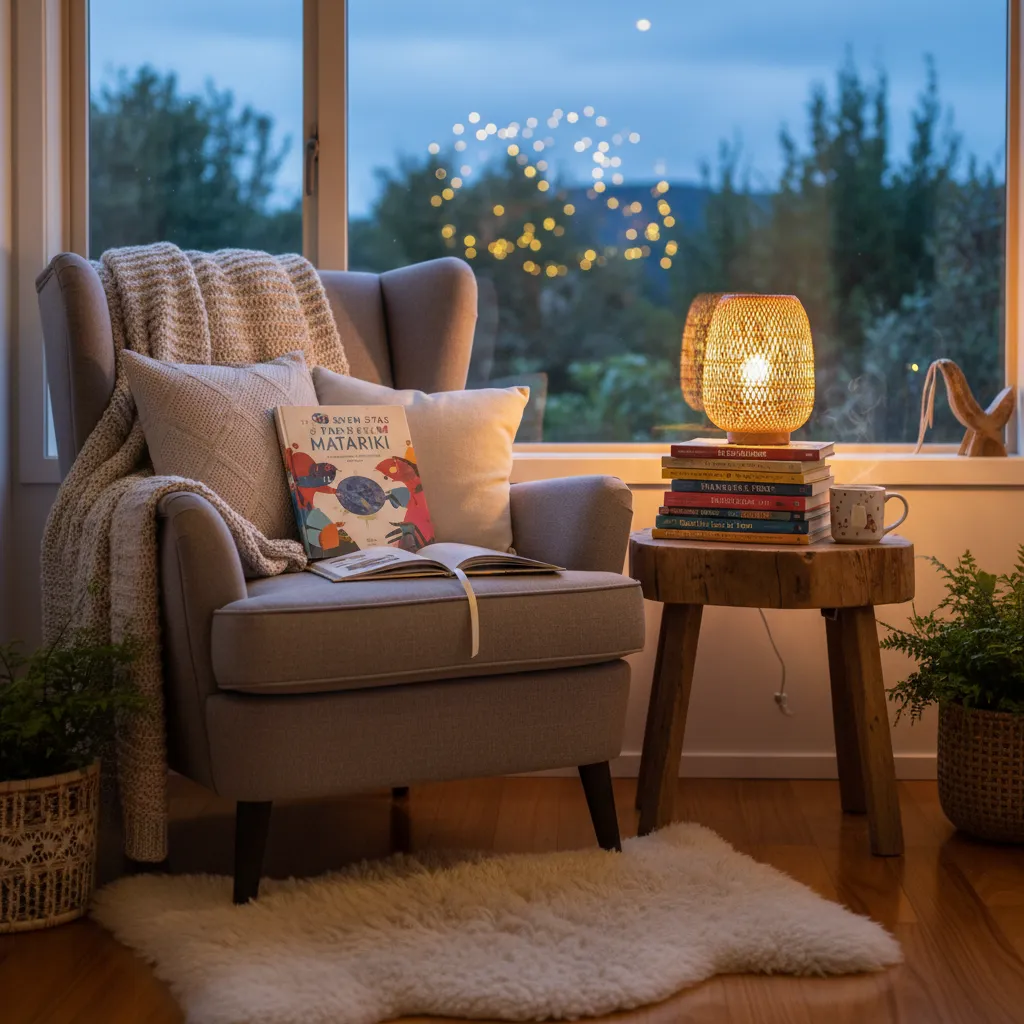
A sustainable Matariki gift box is a culturally curated collection or DIY workshop kit designed to honor the Māori New Year. These boxes typically contain ethically sourced natural materials like Harakeke (flax) for weaving, detailed instructional guides for crafting traditional taonga (treasures), and locally produced indigenous goods, emphasizing the values of kaitiakitanga (environmental guardianship) and whanaungatanga (connection).
As the cluster of stars known as Matariki rises, signaling the Māori New Year, the focus shifts to remembrance, celebrating the present, and looking to the future. In the commercial landscape, there is a growing demand for authenticity. Consumers are moving away from mass-produced plastic trinkets and toward meaningful, culturally safe experiences. This guide explores the premier sustainable Maori craft workshops that offer the ultimate sustainable Matariki gift box experience—whether as a physical DIY kit sent to your door or an in-person workshop that gifts you the skills of the ancestors.
What is a Sustainable Matariki Gift Box?
In the context of modern celebrations, a sustainable Matariki gift box has evolved beyond a simple hamper of food. It now represents a vessel of knowledge and cultural preservation. When you purchase or book a workshop centered on this concept, you are essentially buying a “starter kit” for cultural engagement.
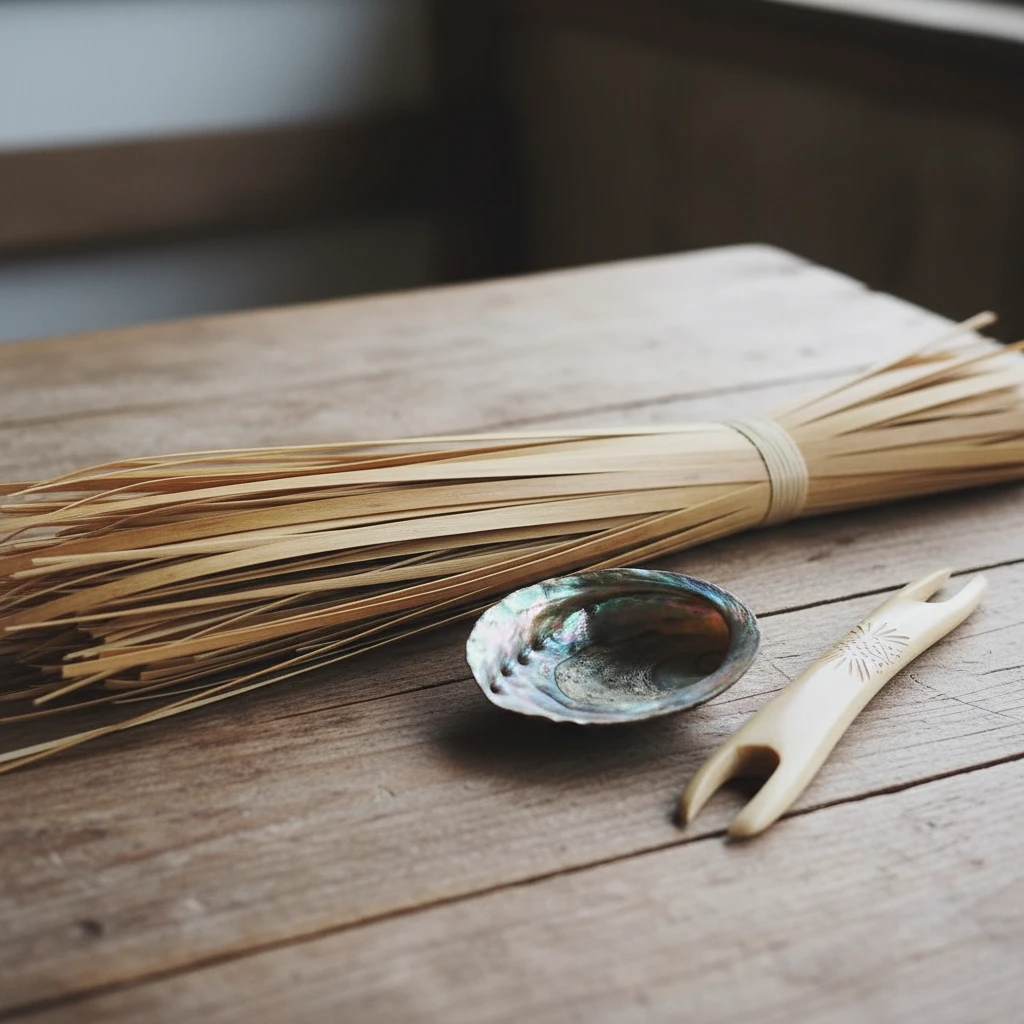
These boxes are designed to facilitate the creation of taonga (treasures) by the recipient. Instead of receiving a finished product, the recipient receives the raw materials—prepared Harakeke, mussel shells for stripping, and beeswax for preservation—packaged in eco-friendly materials. This aligns perfectly with the principles of Matariki, which encourage slowing down and reconnecting with the natural world.
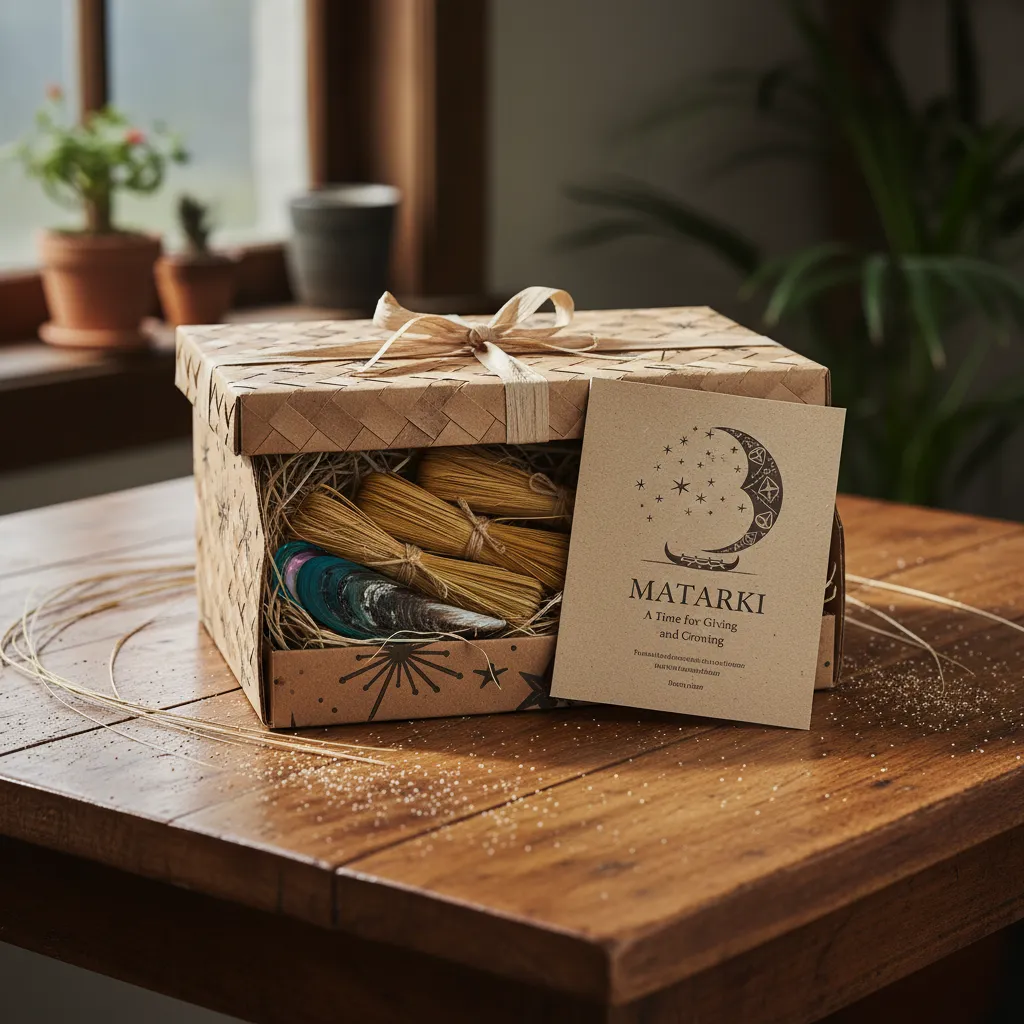
For corporate gifting or whānau (family) presents, these workshop-in-a-box concepts offer a zero-waste alternative to traditional gift baskets. They support local Māori artisans and ensure that the traditions of Raranga (weaving) are passed down respectfully.
Harakeke (Flax) Weaving for Beginners
The core component of any sustainable Maori craft workshop is the art of Raranga using Harakeke (New Zealand Flax). For beginners, the process is both meditative and technically intricate. Workshops associated with our sustainable Matariki gift box packages focus on foundational skills that allow participants to create simple yet profound items.
The Konae (Two-Cornered Basket)
Most beginner workshops start with the Konae. This two-cornered basket is the perfect introduction to the diagonal weaving technique. It teaches the rhythm of “over one, under one” and the importance of tension. A finished Konae is often used to hold kumara or kawakawa balm, making it a functional part of a Matariki celebration.
Putiputi (Flowers)
Another common inclusion in the beginner’s curriculum is the Putiputi (flax flower). These are often created from the offcuts of larger projects, reinforcing the zero-waste philosophy. Learning to craft a lily or a rose from a single blade of flax is a skill that stays with participants for life, allowing them to create sustainable decorations for future Matariki festivities.
Instructors in these workshops provide hands-on guidance, ensuring that the structural integrity of the weave is maintained. The tactile experience of handling the flax—feeling its waxy coating and fibrous interior—connects the weaver directly to Papatūānuku (Mother Earth).
Tikanga and Sustainable Sourcing of Materials
A truly sustainable Matariki gift box or workshop is defined by how the materials are sourced. In Te Ao Māori (The Māori World), one does not simply walk up to a bush and cut. There are strict protocols, known as Tikanga, that ensure the health of the plant and the safety of the weaver.
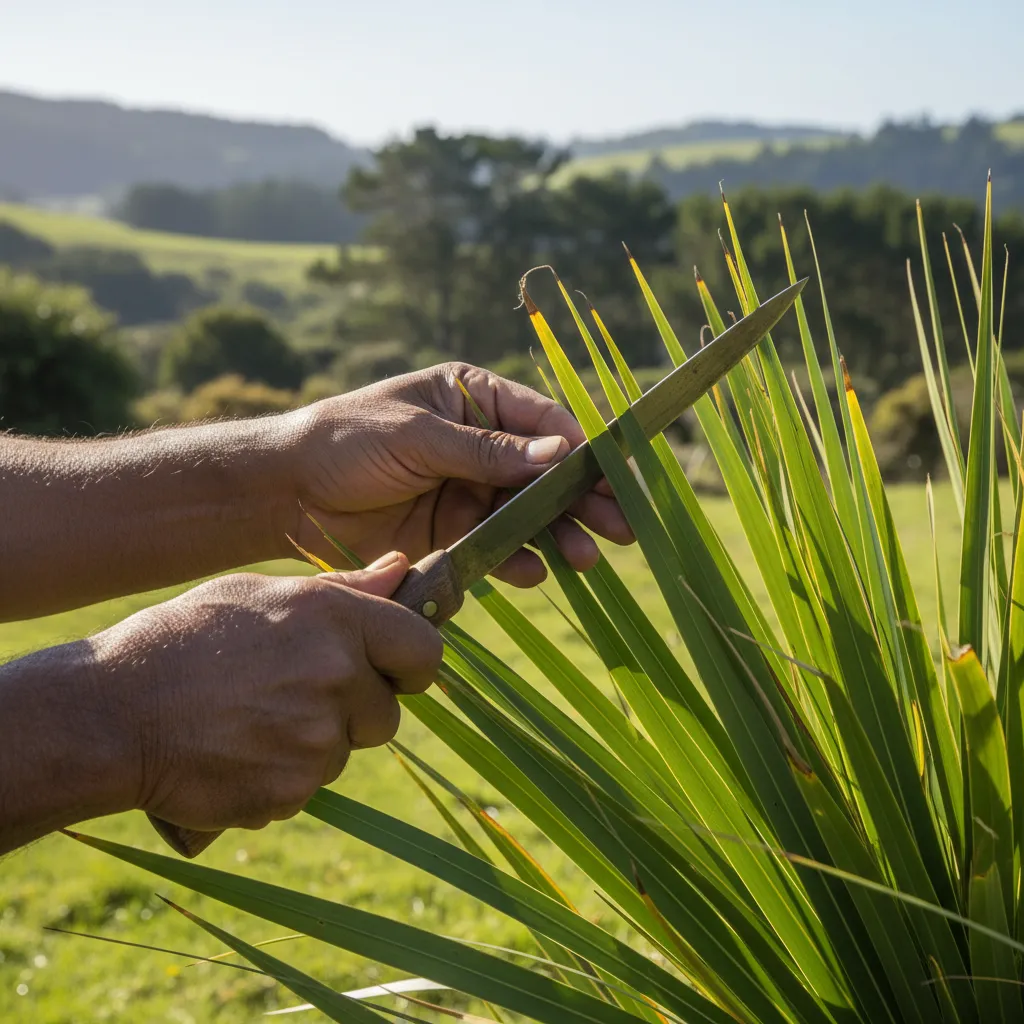
The Family Structure of Harakeke
The Harakeke bush is viewed as a whānau (family). The central shoot is the Rito (the baby). The leaves immediately protecting it on either side are the Awhi Rito (the parents). These three inner leaves must never be cut. Doing so would kill the plant, symbolizing the destruction of the family unit.
Only the Tupuna (grandparents)—the older, outer leaves—are harvested. This sustainable practice ensures the bush continues to grow and thrive. Workshops emphasize this biological and spiritual sustainability. When you purchase a sustainable Matariki gift box containing prepared flax, you are guaranteed that it was harvested following these protocols.
Returning to the Earth
Another critical aspect of sustainability taught in these workshops is the disposal of waste. Offcuts and stripped fibers are never thrown in the rubbish bin. They must be returned to the base of the Harakeke bush to decompose and nourish the soil for the next generation. This cycle of reciprocity is a key learning outcome for all participants.
Workshop Locations: Auckland, Wellington, Christchurch
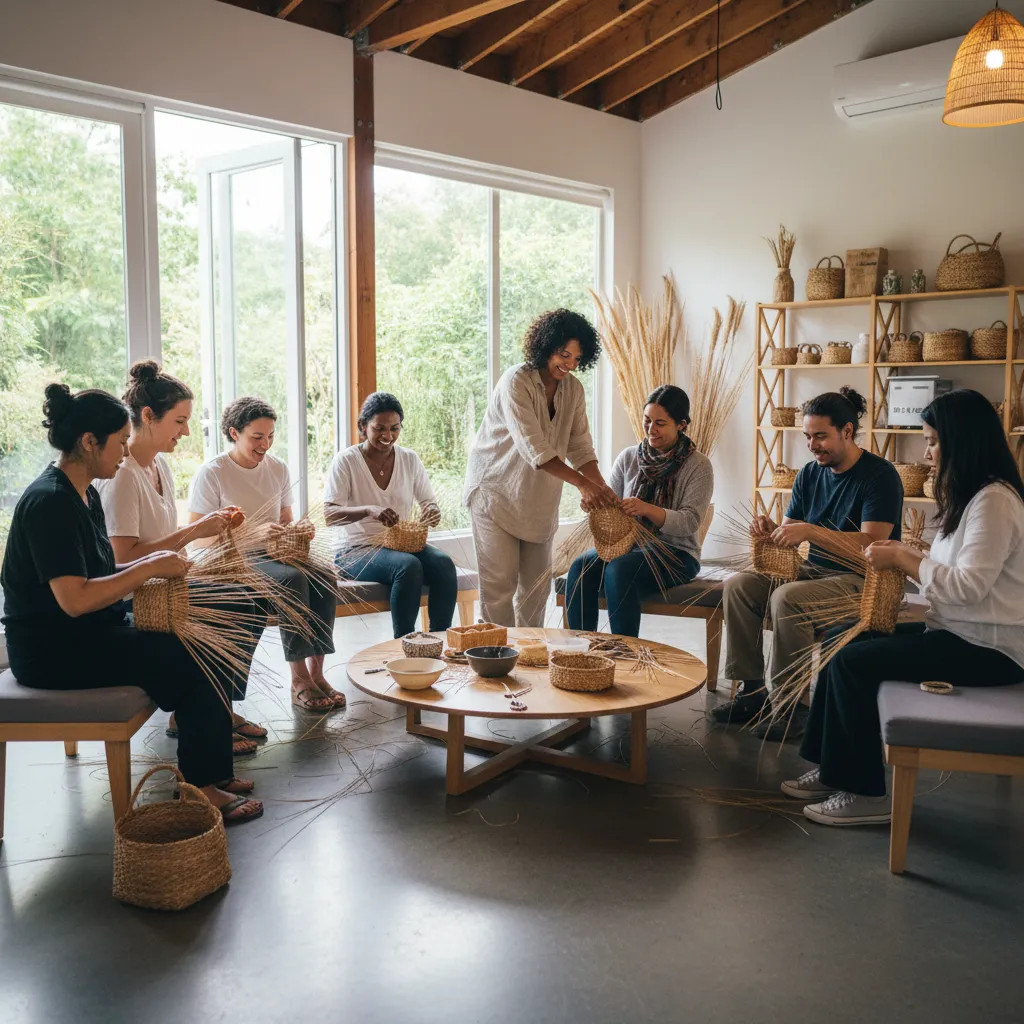
For those seeking the full immersive experience, attending an in-person session is recommended. High-quality workshops that provide the physical sustainable Matariki gift box as part of the entry fee are available in New Zealand’s main centers.
Auckland (Tāmaki Makaurau)
In Auckland, workshops are frequently held at community Marae and cultural centers such as Te Wānanga o Aotearoa campuses or the Māngere Arts Centre. These sessions often include a shared Kai (food) component, reinforcing the Matariki value of feasting together. Providers here often specialize in urban sustainability, teaching how to maintain Harakeke in city gardens.
Wellington (Te Whanganui-a-Tara)
The capital offers workshops often hosted in collaboration with Te Papa Tongarewa or local galleries. The focus in Wellington is often on the intersection of traditional art and contemporary design. Workshops here are known for their comprehensive kits, which serve as excellent take-home gift boxes containing high-quality tools sourced from local artisans.
Christchurch (Ōtautahi)
In the South Island, workshops often incorporate the unique flora of the region. Held at venues like the Christchurch Arts Centre or local green spaces, these workshops emphasize the resilience of nature. The cold-climate Harakeke varieties used here produce a robust, durable weave, and the resulting gift boxes often include South Island-specific Rongoā (medicinal) elements.
Booking Fees and Workshop Kit Inclusions
When evaluating the commercial value of these workshops, it is important to understand the pricing structure. You are paying for expert tuition, cultural intellectual property, and premium materials.
Standard Pricing Tiers
- Introductory Sessions ($60 – $90 NZD): Typically 2-3 hours. Includes basic instruction and materials to make a flower or small coaster.
- Half-Day Workshops ($120 – $160 NZD): 4-5 hours. Includes a full sustainable Matariki gift box kit (prepared flax, tools, instruction booklet) and creates a Konae basket.
- Full-Day Wānanga ($200+ NZD): Full day immersion including Tikanga, harvesting protocols, shared lunch, and advanced weaving techniques.
What is Inside the Kit?
The “Gift Box” element provided in the higher-tier workshops is a significant value add. A standard kit includes:
- Prepared Muka/Harakeke: Boiled and sized strips ready for weaving.
- Mussel Shell (Kuku): The traditional tool for stripping the fiber.
- Instructional Zine: A printed guide with diagrams for home practice.
- Karakia Card: A printed prayer to use before starting your work.
- Storage Box: A recyclable or wooden box to keep materials safe from humidity.
The Importance of Indigenous Cultural Safety
In the commercial market for a sustainable Matariki gift box, cultural safety is paramount. Cultural appropriation occurs when indigenous knowledge is used for profit without permission or understanding. To ensure your purchase is ethical, look for workshops and products that are Indigenous-led.
Mana Motuhake (Autonomy): Support businesses where Māori maintain authority over how their culture is portrayed. This ensures that the stories told about Matariki are accurate and that the Tikanga taught regarding Harakeke is correct.
Rāhui (Restrictions): Legitimate workshop providers will respect Rāhui. For example, weaving is often discouraged when a woman is menstruating (tangata whenua dependant) or during rain/night. A culturally safe workshop will explain these concepts respectfully rather than ignoring them for commercial convenience.
Creating the Ultimate Matariki Hamper
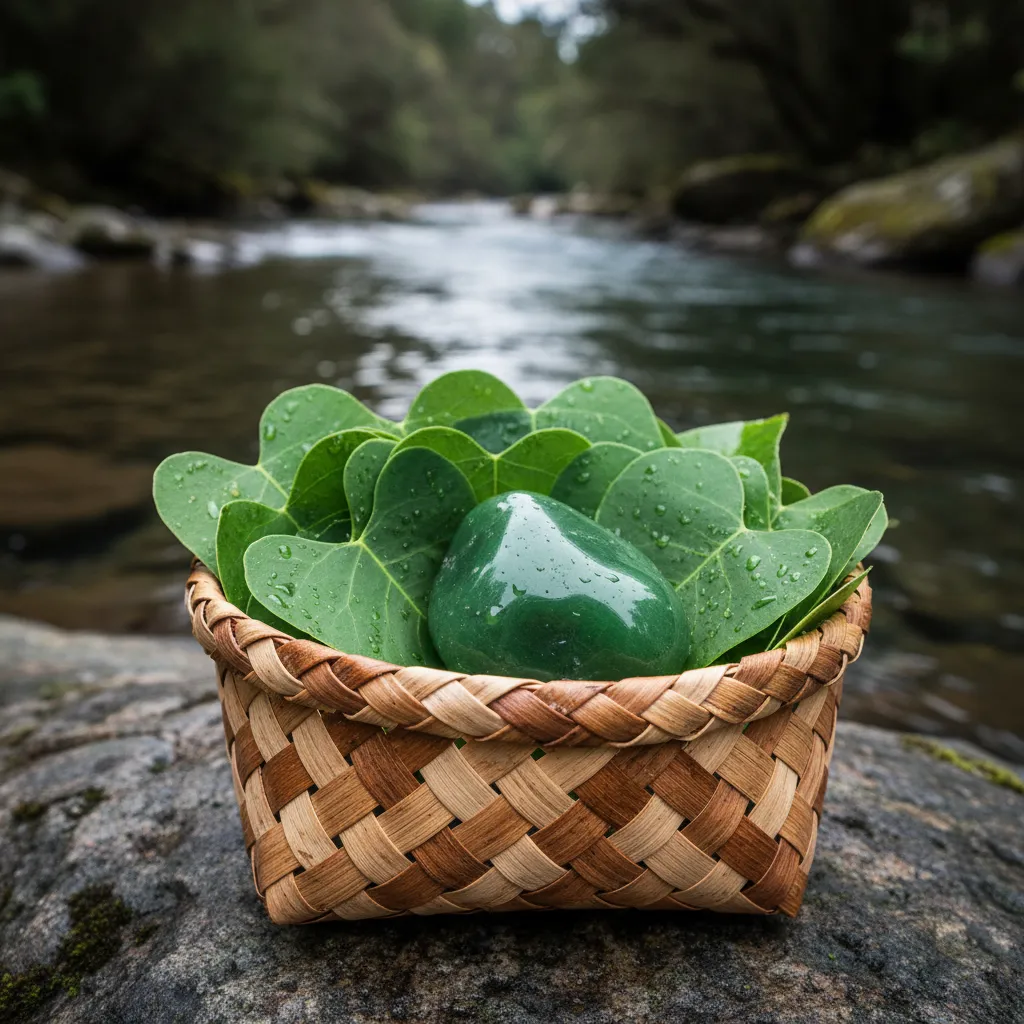
To maximize the value of your sustainable Matariki gift box, consider combining a workshop voucher or DIY kit with other indigenous goods. This creates a comprehensive hamper that celebrates the full spectrum of Matariki.
Consider adding:
- Rongoā Māori: Balms and oils made from Kawakawa or Manuka.
- Kai Māori: Rewena bread mix, smoked eel, or organic Kumara.
- Pakiwaitara: Books on Māori astronomy or legends.
By curating these items alongside a weaving experience, you provide a gift that feeds the mind, body, and spirit. This approach transforms a simple transaction into a meaningful exchange that honors the rising of the stars and the potential of the coming year.
What is traditionally included in a Matariki gift box?
Traditionally, a Matariki gift box focuses on the harvest and arts. It often includes preserved foods (kai), such as kumara or smoked fish, alongside woven items (raranga) like kete or konae. Modern sustainable versions include DIY weaving kits, native plant seeds, and natural skincare products.
Can non-Māori attend these weaving workshops?
Yes, non-Māori are welcome and encouraged to attend. The purpose of these workshops is to share knowledge and foster appreciation for Māori culture. However, it is essential to approach the learning with humility, respect the protocols (tikanga), and follow the guidance of the Kaiako (teacher).
Why is Harakeke considered a sustainable material?
Harakeke is sustainable because of its harvesting method. Only the outer leaves are cut, allowing the plant to continue growing and regenerating indefinitely. It is biodegradable, requires no chemical processing, and waste products are returned to the earth as compost, creating a closed-loop cycle.
How much does a sustainable Matariki workshop cost?
Prices vary by location and duration. Introductory workshops generally range from $60 to $90 NZD. Comprehensive half-day sessions that include a full sustainable Matariki gift box kit and materials typically cost between $120 and $160 NZD.
What is the significance of Matariki for gifting?
Matariki is a time of renewal, remembrance, and gathering. Gifting during this period is a way to show appreciation for whānau (family) and friends. It replaces the commercialism of other holidays with a focus on meaningful, often handmade or earth-centric gifts that align with the values of the New Year.
Do I need to bring my own tools to the workshop?
Most commercial workshops provide all necessary tools and materials as part of the booking fee or kit inclusion. This usually includes the flax, a stripping tool (mussel shell), and clips. However, always check the specific booking details provided by the organizer.