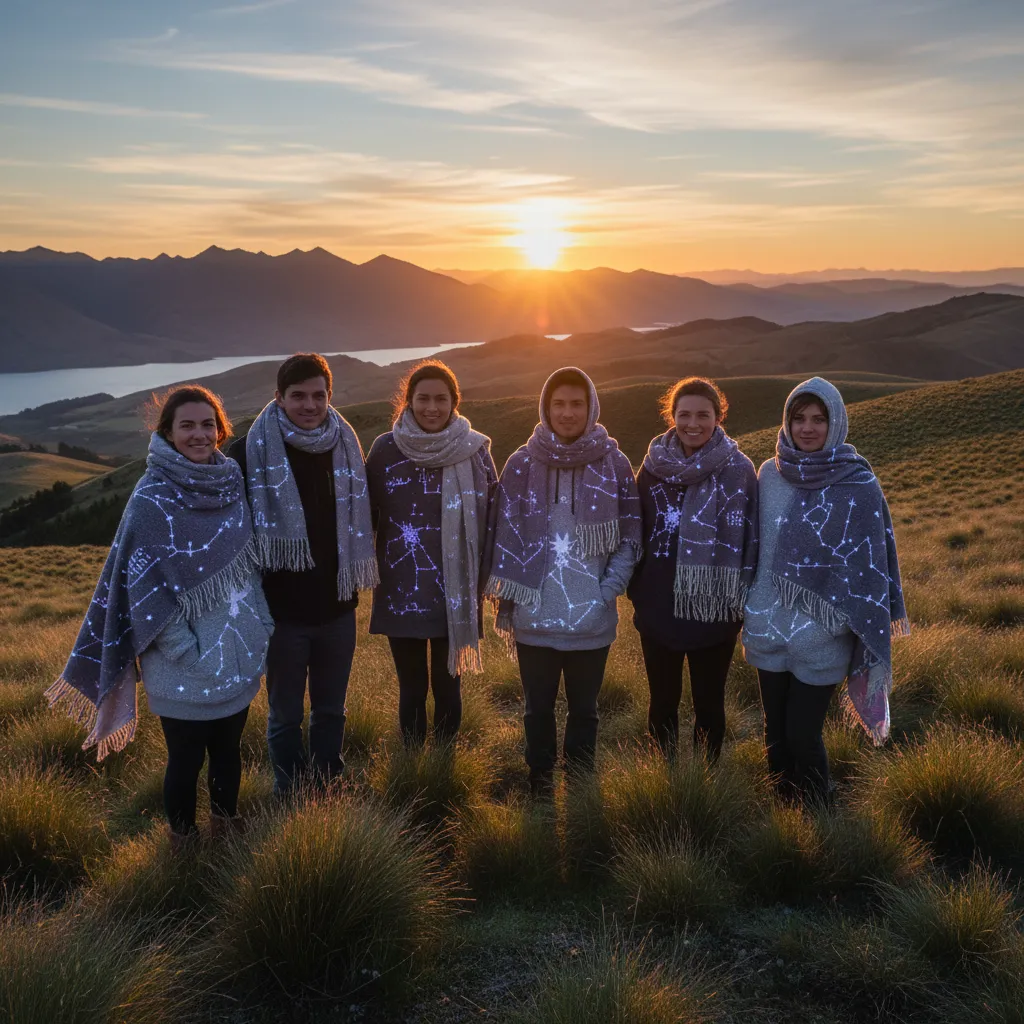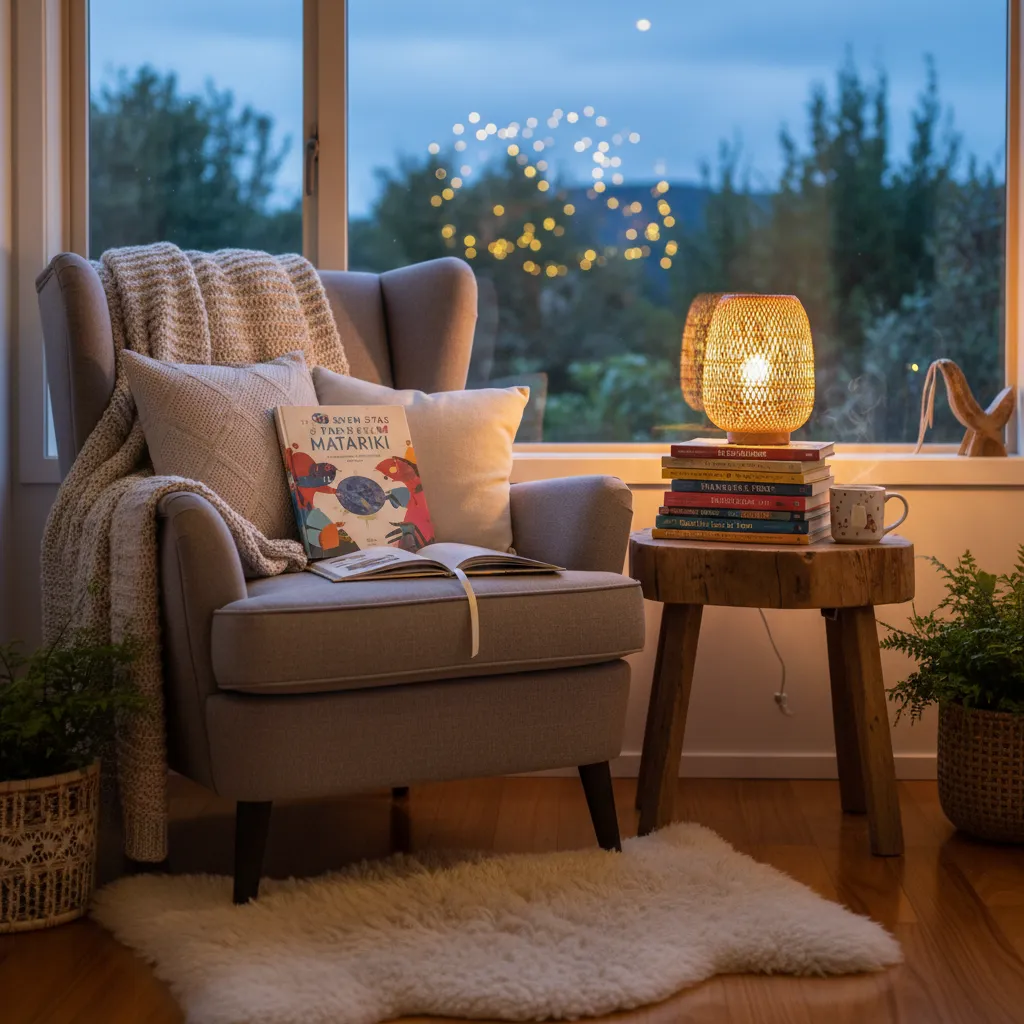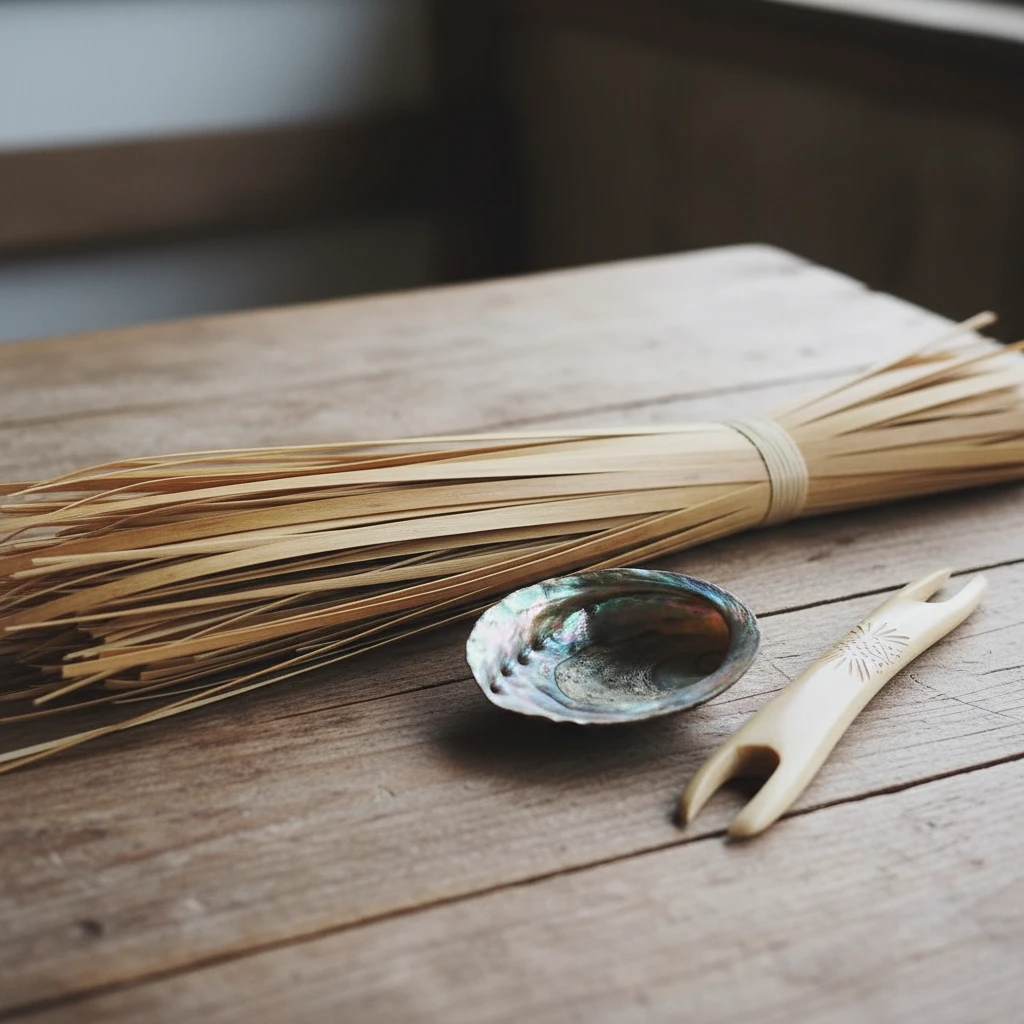
A sustainable Matariki gift box is a curated collection of eco-friendly, ethically sourced products—often produced by Māori businesses—designed to celebrate the Māori New Year. These hampers prioritize kaitiakitanga (environmental guardianship) by utilizing plastic-free packaging, organic kai (food), and authentic taonga (treasures) that honor indigenous cultural traditions while minimizing environmental impact.
As Aotearoa New Zealand embraces Matariki as a significant public holiday, the demand for culturally safe and environmentally responsible gifting solutions has surged. Businesses and individuals alike are moving away from mass-produced, plastic-heavy hampers in favor of meaningful gifts that tell a story of renewal, remembrance, and community.
What Defines a Sustainable Matariki Gift?
Matariki is a time for reflection, celebrating the harvest, and looking toward the future. Consequently, a gift given during this period should reflect these values. A truly sustainable Matariki gift box goes beyond simple recycling; it embodies the principle of Kaitiakitanga, which refers to guardianship and protection of the sky, sea, and land.
To be considered a high-quality, sustainable option, the gift box should meet the following criteria:
- Authenticity: Products should be sourced from authentic Māori pakihi (businesses) to support the indigenous economy.
- Materiality: Packaging must be biodegradable, compostable, or reusable.
- Provenance: Food and wellness items should be locally sourced to reduce carbon footprints.
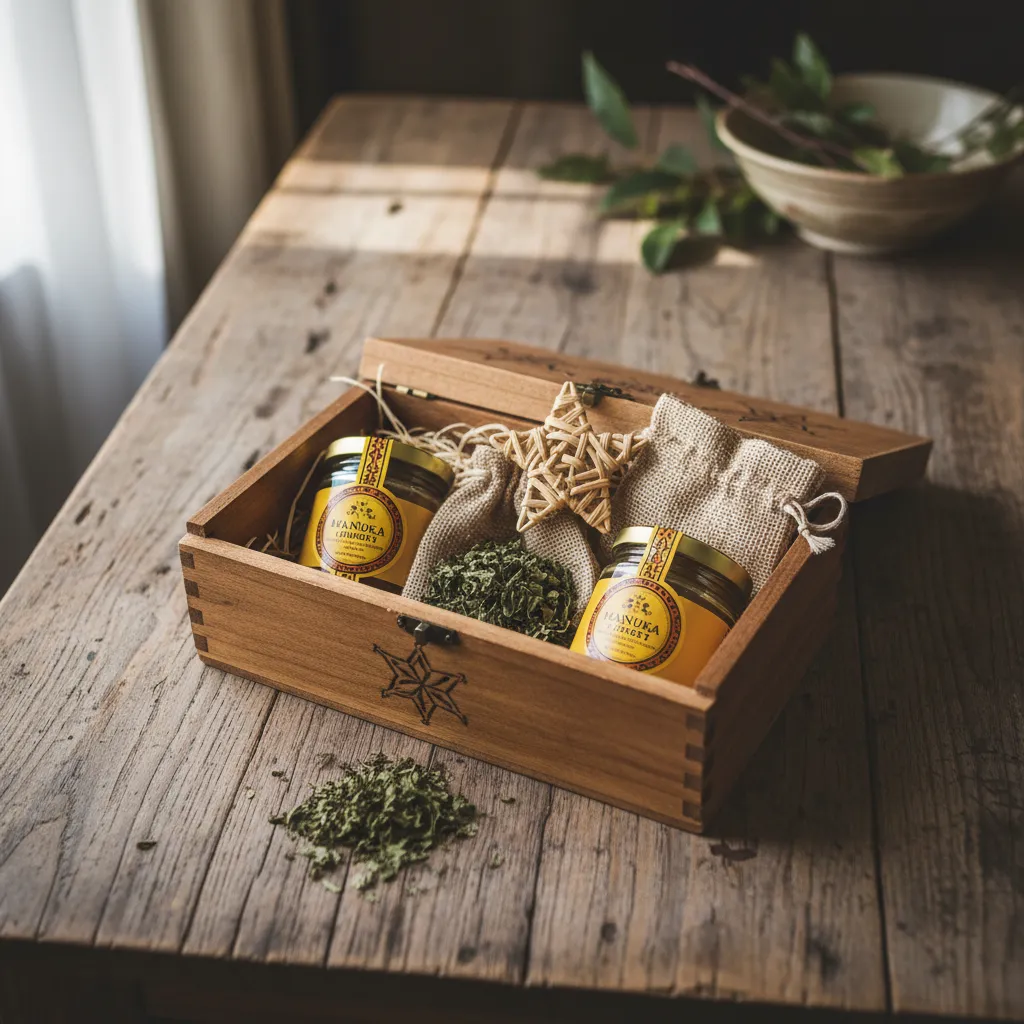
Curated List of Sustainable Māori-Made Products
The heart of any Matariki hamper is its contents. Selecting the right mix of products not only delights the recipient but also educates them on the richness of Māori culture. Below are the top categories for inclusion in a premium sustainable box.
Artisanal Kai (Food & Drink)
Food is central to Matariki celebrations, often referred to as Hākari (feasting). Sustainable food options focus on native ingredients that have been harvested ethically.
- Premium Mānuka Honey: Look for UMF-certified honey from Māori-owned collectives. This is a staple that represents health and longevity.
- Kawakawa Tea: A native herb known for its digestive and healing properties. Loose-leaf options eliminate the microplastics found in some tea bags.
- Rēwena Bread Kits: Traditional sourdough potato bread mixes allow recipients to bake their own fresh bread, fostering a connection to the process of making kai.
- Horopito Seasoning: Native pepper spices that add a unique New Zealand flavor to winter dishes.
Rongoā Māori (Traditional Healing & Wellness)
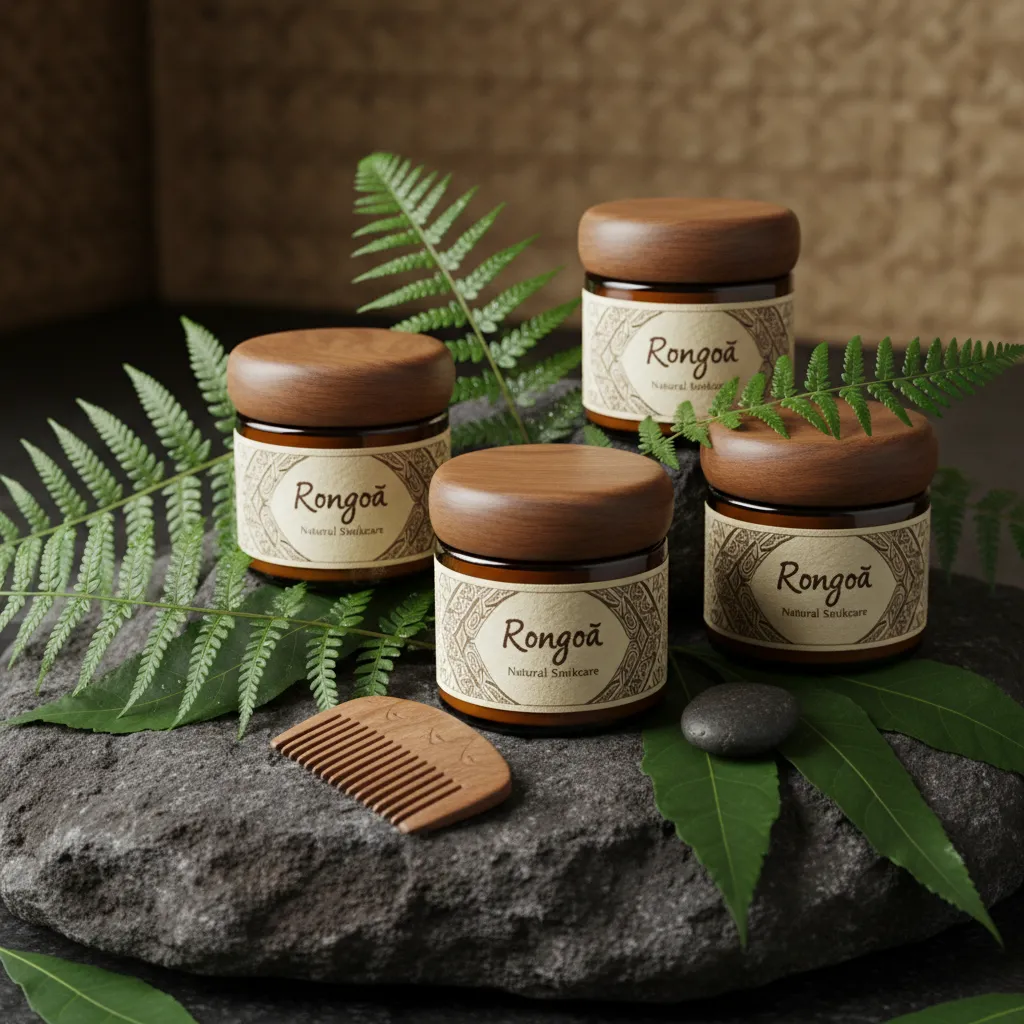
Winter is a time for rest and rejuvenation. Including skincare or wellness products based on Rongoā Māori principles is highly appropriate for Matariki.
- Kūmarahou Balms: Excellent for respiratory health during the colder months.
- Harakeke (Flax) Gel: A natural, sustainable alternative to aloe vera for hydration.
- Botanical Bath Salts: Infused with native leaves like Manuka and Kawakawa to promote relaxation.
Handcrafted Taonga (Treasures)
For a lasting impression, include a non-consumable item that the recipient can keep.
- Whakairo (Carving): Small wooden or bone carvings representing navigation or growth.
- Raranga (Weaving): Small woven stars (Whetū) made from flax are iconic symbols of the Matariki cluster.
Plastic-Free Packaging Options
The packaging of a Matariki gift is just as important as the gift itself. In the spirit of sustainability, single-use plastics are strictly avoided. Instead, suppliers are innovating with natural fibers and reusable vessels.
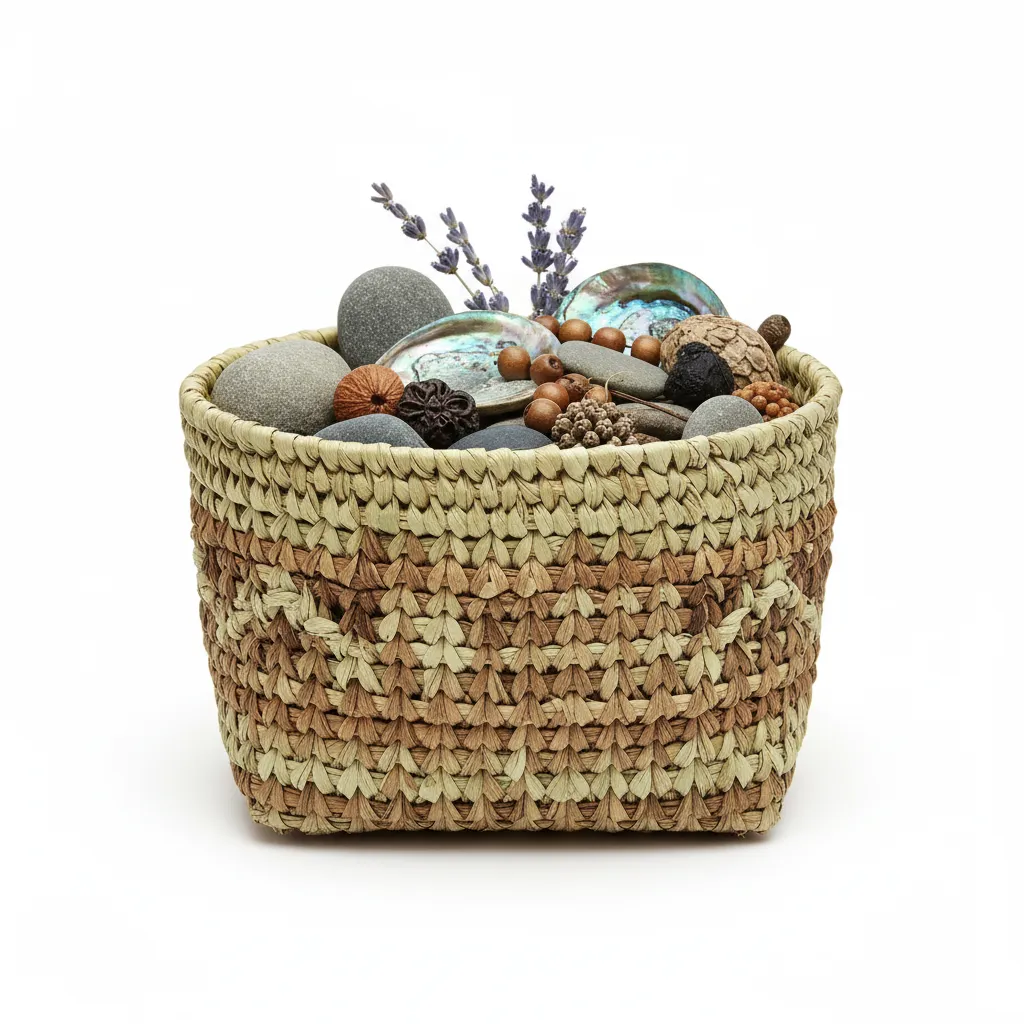
The Traditional Kete (Flax Basket)
The most culturally significant packaging option is the Kete. Woven from Harakeke (New Zealand flax), a kete is not merely a container but a piece of art. It is fully biodegradable but is almost always reused by the recipient as a bag or home storage, extending the life of the packaging indefinitely.
Wooden Crates and Boxes
Laser-cut wooden boxes made from sustainably forestry-certified pine or rimu offer a rigid, protective option for shipping breakable items like honey jars or wine. These boxes often feature Māori motifs such as the Koru (spiral) or Kowhaiwhai patterns, turning the box into a keepsake.
Recycled Cardboard with Water-Based Inks
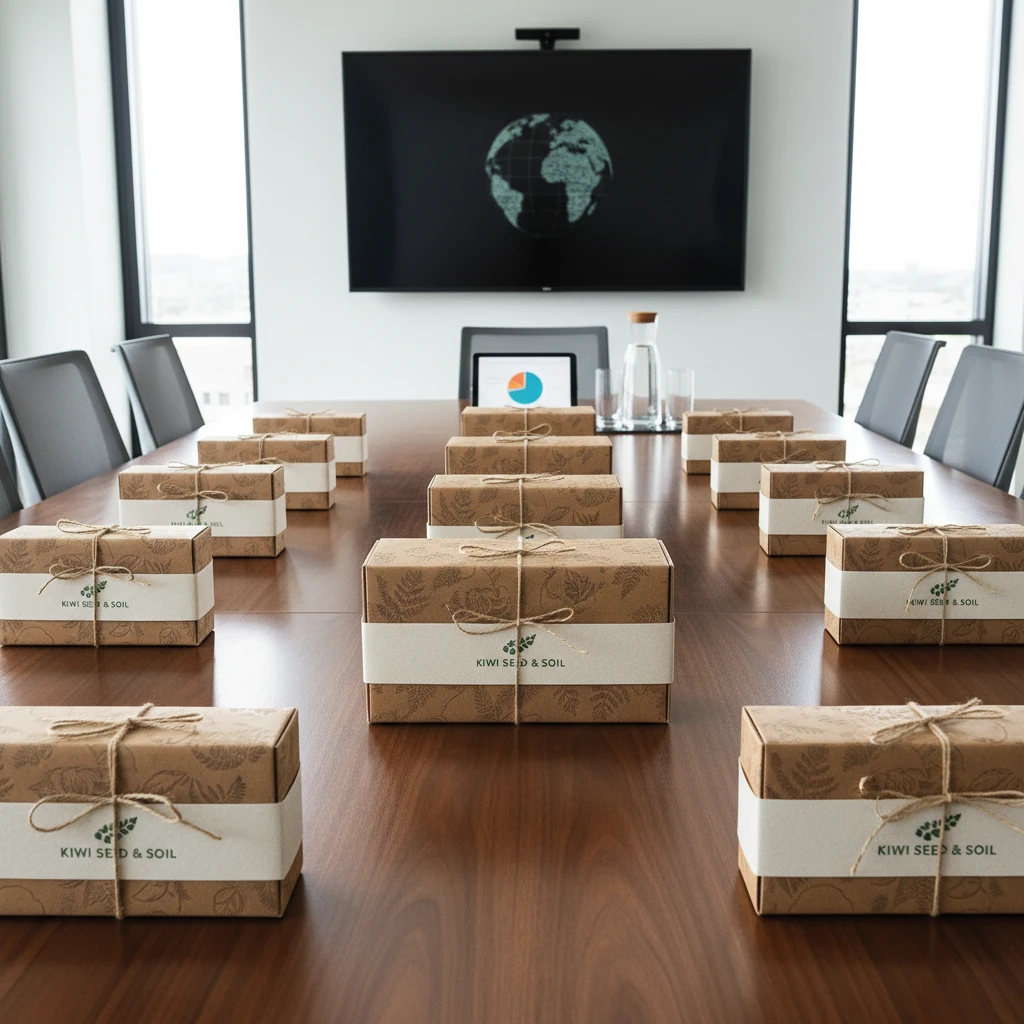
For a more budget-friendly yet eco-conscious option, many suppliers use post-consumer recycled cardboard. To maintain sustainability, ensure that any printing utilizes soy or water-based inks, and that the box is sealed with paper tape rather than plastic adhesive tape.
Bulk Order Pricing for Businesses
Matariki is rapidly becoming a key date in the corporate calendar for client and staff appreciation. Unlike Christmas, which can be cluttered with commercialism, Matariki offers a distinct opportunity for businesses to demonstrate their commitment to cultural diversity and sustainability.
Why Choose Matariki for Corporate Gifting?
Sending a sustainable Matariki gift box signals that your company values Whanaungatanga (building relationships) and respects the indigenous culture of Aotearoa. It distinguishes your brand as socially responsible and culturally aware.
Typical Pricing Tiers
When ordering in bulk (usually 20+ units), suppliers typically offer tiered pricing structures. While prices vary based on contents, general market rates are as follows:
- Tier 1: The Gesture ($35 – $55 NZD)
Usually includes 2-3 items, such as a jar of artisan honey and a chocolate tablet wrapped in a simple recycled box. Ideal for large staff teams. - Tier 2: The Appreciation ($60 – $110 NZD)
Includes 4-6 items, mixing kai and wellness products. Packaging is often a premium box or small kete. Suitable for key clients or management teams. - Tier 3: The Premium Collection ($120 – $250+ NZD)
A comprehensive hamper featuring high-value items like Pounamu, premium wine, large skincare sets, and extensive gourmet food. Packaged in a wooden crate or large kete. Reserved for VIP partners and executives.
Pro Tip: Place bulk orders at least 4-6 weeks before the Matariki public holiday to ensure artisans have time to craft the products, as many sustainable items are made in small batches.
Customization with Corporate Branding
While branding is essential for corporate visibility, it must be balanced with cultural respect when dealing with Matariki gifts. Over-branding can commercialize a sacred holiday and diminish the authenticity of the gift.
Subtle Branding Strategies
Instead of printing a large corporate logo directly onto a traditional kete (which may be considered culturally insensitive), consider these subtle customization options:
- Branded Sleeves: Use a paper sleeve that slides over the cardboard box. This can carry your logo and a message without altering the reusable box itself.
- Custom Gift Cards: Include a high-quality card explaining the significance of Matariki and the story behind the products, with your logo on the reverse side.
- Ribbon: Use branded natural fiber ribbon (cotton or jute) to secure the gift.
Ensuring Indigenous Cultural Safety
In the commercial space, “Cultural Safety” means ensuring that Māori culture is not appropriated or misused for profit without benefit to the community. When purchasing sustainable Matariki gift boxes, due diligence is required.
How to Verify Authenticity
To ensure your purchase supports the intended community and respects the culture:
- Check Ownership: Is the supplier Māori-owned or do they work in direct partnership with Māori artisans?
- Verify Patterns: Ensure that any traditional patterns (Kowhaiwhai) used on packaging are used correctly and with permission.
- Read the Story: Authentic suppliers will share the whakapapa (genealogy/origin) of their products. They will tell you exactly where the flax was harvested or who the weaver is.
By prioritizing these factors, you ensure that your investment in sustainable Matariki gift boxes contributes to the economic uplift of indigenous communities and honors the true spirit of the holiday.
What is usually in a Matariki gift box?
A Matariki gift box typically contains items that celebrate the harvest and winter season. Common inclusions are native food items like Mānuka honey, Kawakawa tea, and kumara chips, as well as wellness products like rongoā balms, and cultural keepsakes like woven flax stars.
Why is sustainability important for Matariki gifts?
Sustainability is crucial because it aligns with the Māori value of Kaitiakitanga (guardianship). Matariki is a time to acknowledge the environment’s bounty, so gifts should minimize harm to the earth by using biodegradable packaging and ethically sourced ingredients.
Can I put my company logo on a Matariki gift?
Yes, but it should be done respectfully. Avoid printing logos directly onto cultural taonga (treasures) or traditional weaving. Instead, use branded paper sleeves, gift tags, or ribbons to maintain the cultural integrity of the gift.
How much do sustainable Matariki hampers cost?
Prices vary by size and content. Small gestures typically range from $35 to $55 NZD, mid-range appreciation boxes are $60 to $110 NZD, and premium executive hampers can range from $120 to over $250 NZD.
What is the best packaging for eco-friendly gifts?
The best packaging options are natural and biodegradable. Woven flax kete (baskets) are culturally significant and reusable. Other excellent options include wooden pine crates or post-consumer recycled cardboard boxes with water-based inks.
Where can I buy authentic Māori-made gift boxes?
You should look for suppliers who identify as Māori-owned businesses or those who are members of indigenous business networks like Whāriki. Always check the supplier’s “About Us” page to verify their connection to the artisans and the community.