To pronounce the Matariki stars correctly, break each name into individual syllables and maintain consistent vowel sounds: ‘a’ as in ‘car’, ‘e’ as in ‘egg’, ‘i’ as in ‘key’, ‘o’ as in ‘ore’, and ‘u’ as in ‘shoe’. Avoid stressing only one syllable; instead, give equal weight to each sound, such as Ma-ta-ri-ki and Po-hu-tu-ka-wa.
Matariki, the Māori New Year, is a time of renewal, remembrance, and celebration in Aotearoa New Zealand. As this holiday gains national recognition, the desire to speak Te Reo Māori correctly—specifically the names of the central star cluster—has grown significantly. Pronunciation is more than just phonetics; it is a mark of respect (mana) for the culture and the significance of the event.
However, for those unfamiliar with Polynesian languages, the string of vowels and the rhythmic cadence of the names can be intimidating. This comprehensive guide is designed to take you from hesitation to confidence, ensuring you can identify and vocalize the names of the nine stars of Matariki with pride.
The Basics of Te Reo Māori Pronunciation
Before diving into the specific names of the stars, it is crucial to understand the foundational building blocks of Te Reo Māori pronunciation. Unlike English, which is notorious for its inconsistent spelling rules, Te Reo Māori is phonetically consistent. Once you learn the sound of a letter, it rarely changes.
The Five Vowels
The vowels are the heart of the language. If you can master these five sounds, you can pronounce almost any Māori word:
- A – pronounced as in “car” or “far”.
- E – pronounced as in “egg” or “led”.
- I – pronounced as in “key” or “see“.
- O – pronounced as in “ore” or “awestruck”.
- U – pronounced as in “shoe” or “moon”.
Macrons (Tohutō)
You will notice lines above some vowels, known as macrons (e.g., ā, ē, ī, ō, ū). A macron indicates that the vowel sound is elongated. While it doesn’t change the type of sound, it changes the duration. For example, ‘kekē’ (armpit) sounds different from ‘kēkē’ (cake). In the context of Matariki, paying attention to macrons helps maintain the rhythm and correct meaning of the star names.
Phonetic Guide for All 9 Matariki Stars
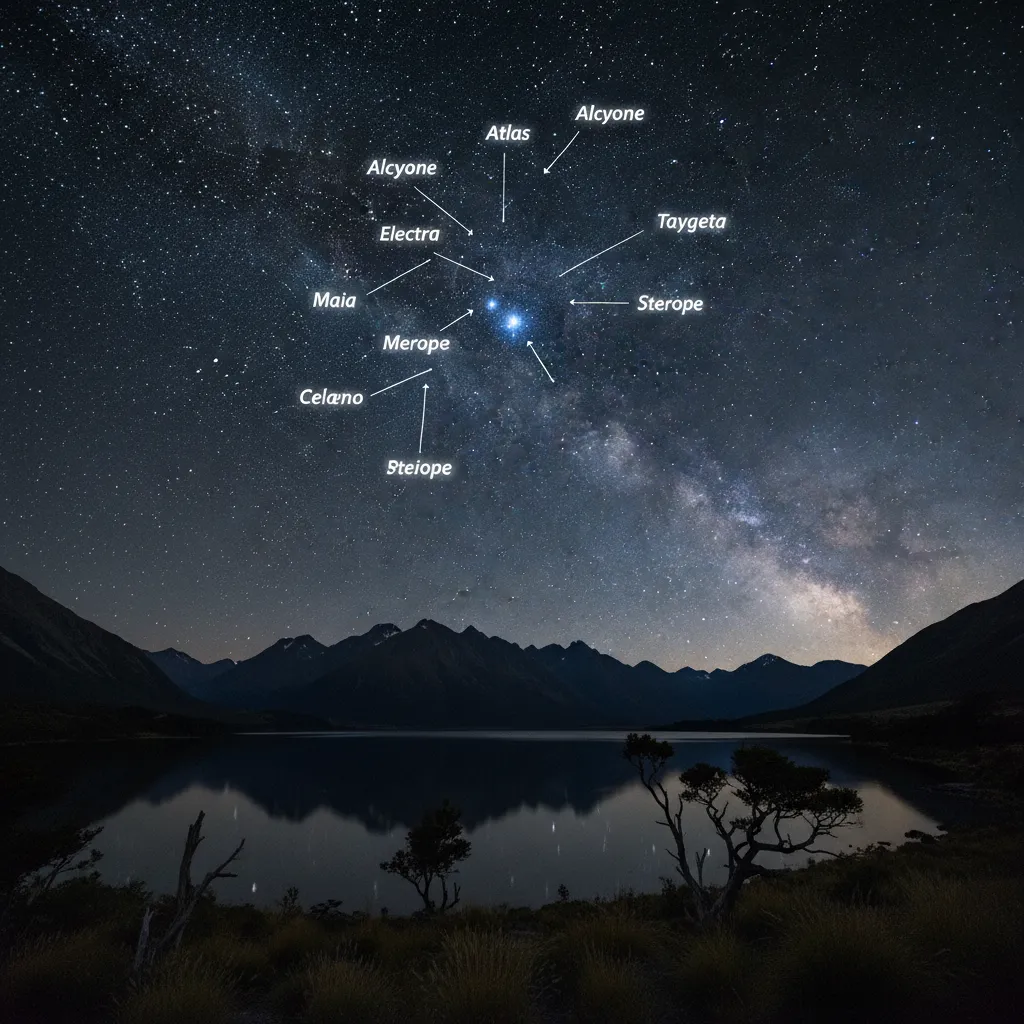
While many people traditionally identify seven stars (the Seven Sisters), modern Māori astronomy, revitalized by experts like Dr. Rangi Mātāmua, recognizes nine stars in the cluster. Each star holds dominion over a specific environmental aspect. Here is how to pronounce each one.
1. Matariki (The Mother Star)
Pronunciation: Ma-ta-ri-ki
Phonetic Breakdown: Mah-tah-ree-key
The Meaning: Matariki is the star that signifies reflection, hope, and the connection to the environment. It is often referred to as the mother surrounded by her children.
Tips: Keep the ‘r’ sound soft, almost like a soft ‘d’ in American English. Do not roll it aggressively, but do not make it a hard English ‘r’.
2. Pōhutukawa
Pronunciation: Pō-hu-tu-ka-wa
Phonetic Breakdown: Paw-hoo-two-cah-wah
The Meaning: Connected to those who have passed on. It reminds us to remember our loved ones.
Tips: Note the macron on the first ‘o’. Hold that sound slightly longer. Ensure the ‘u’ sounds are distinct “oo” sounds, not “uh” sounds.
3. Waitī
Pronunciation: Wai-tī
Phonetic Breakdown: Why-tee
The Meaning: Connected to fresh water and the creatures that live within it (eels, salmon, trout).
Tips: ‘Wai’ sounds exactly like the English word “Why”. The ‘tī’ has a macron, so elongate the “tee” sound.
4. Waitā
Pronunciation: Wai-tā
Phonetic Breakdown: Why-tah
The Meaning: Connected to the ocean and salt water food sources.
Tips: Similar to Waitī, but ends with an elongated “ah” sound.
5. Waipuna-ā-rangi
Pronunciation: Wai-pu-na-ā-ra-ngi
Phonetic Breakdown: Why-poo-nah-ah-rah-ngee
The Meaning: Connected to rain, hail, and snow.
Tips: This is one of the longer names. Break it down: Wai-puna (water spring) ā-rangi (of the sky). The ‘ng’ sound in ‘rangi’ is a soft nasal sound, similar to the middle of “singer”.
6. Tupu-ā-nuku
Pronunciation: Tu-pu-ā-nu-ku
Phonetic Breakdown: Two-poo-ah-noo-koo
The Meaning: Connected to food grown in the ground (kumara, potatoes).
Tips: ‘Nuku’ refers to the earth (Papatūānuku). Keep the vowels short and sharp, except for the ‘ā’ which connects the two words.
7. Tupu-ā-rangi
Pronunciation: Tu-pu-ā-ra-ngi
Phonetic Breakdown: Two-poo-ah-rah-ngee
The Meaning: Connected to food from the sky (birds, fruit from trees).
Tips: Very similar rhythm to Tupu-ā-nuku. Focus on the ‘ng’ sound at the end.
8. Ururangi
Pronunciation: U-ru-ra-ngi
Phonetic Breakdown: Oo-roo-rah-ngee
The Meaning: Connected to the winds.
Tips: The ‘U’ is always “oo”. Do not say “You-ru”. It is “Oo-roo”.
9. Hiwa-i-te-rangi
Pronunciation: Hi-wa-i-te-ra-ngi
Phonetic Breakdown: Hee-wah-ee-teh-rah-ngee
The Meaning: The wishing star. Connected to our aspirations for the coming year.
Tips: Ensure the ‘i’ is pronounced “ee”. The ‘e’ in ‘te’ is a short “eh” sound.
Common Mispronunciations to Avoid
Even with good intentions, several common errors persist when pronouncing Matariki stars. Awareness of these pitfalls is the first step toward correction.
The Anglicized “Ricky”
The most common error is pronouncing “Matariki” as “Mata-ricky”. The ending “riki” should not rhyme with the English name “Ricky”. In Te Reo, ‘i’ is always “ee”. Therefore, it is “Ma-ta-ree-key”.
The “Wh” Digraph
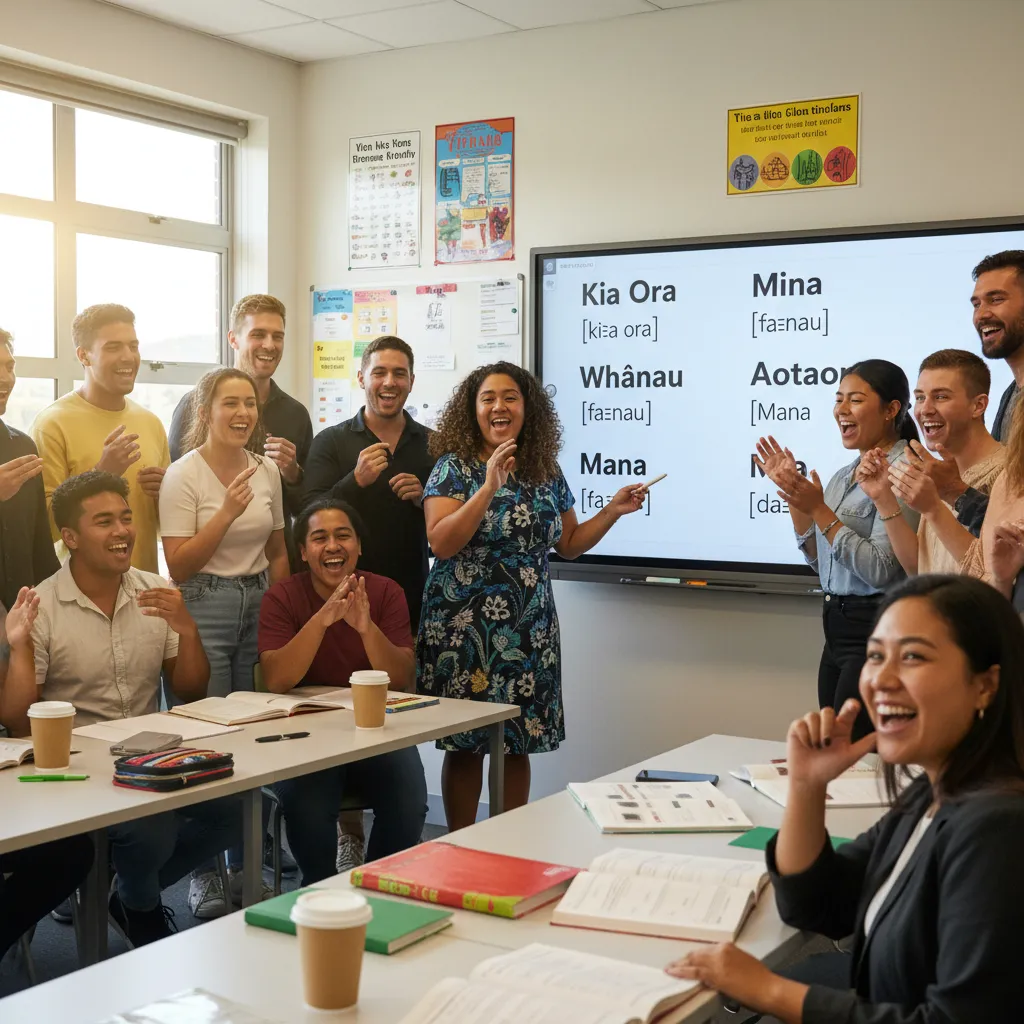
While none of the 9 stars contain “Wh”, it is common in Matariki greetings (e.g., “whānau”). In most dialects, ‘wh’ is pronounced as a soft ‘f’ sound (as in ‘physics’). However, some iwi (tribes) pronounce it as a ‘w’ or a soft ‘h’ with a breath. The standard ‘f’ sound is the safest bet for general speakers.
Ignoring the Macrons
Rushing over vowels with macrons (lines above letters) destroys the rhythm of the word. For example, in “Waitī”, if you clip the end, it loses its emphasis. Treat the macron as a musical notation to hold the note.
How to Say “Mānawatia a Matariki”
Instead of simply saying “Happy Matariki,” the most culturally appropriate greeting is “Mānawatia a Matariki”. This phrase translates roughly to “Honour Matariki” or “Welcome/Celebrate Matariki”.
Phonetic Breakdown:
- Mānawatia: Mah-nah-wah-tee-ah
- a: ah
- Matariki: Mah-tah-ree-key
Usage: You can use this phrase as a greeting card header, a spoken salutation when meeting friends during the holiday, or as a sign-off in emails during the Matariki period (June/July).
Using Waiata (Songs) to Help Learn the Names
One of the most effective ways to internalize the pronunciation of the Matariki stars is through waiata (song). The rhythm and melody of a song naturally force you to adopt the correct syllable count and vowel length.
The “Matariki Macarena”
A popular resource in New Zealand schools is the adaptation of the Macarena song, replacing the lyrics with the names of the 9 stars. Because the original tune is familiar, learners can focus entirely on the new vocabulary.
Video Resources for Listening Practice
To perfect your pronunciation, you must hear the words spoken by native speakers. We recommend searching for the following types of content on platforms like YouTube or Māori Television:
- “Matariki Song by The Itty Bitty Beats”: Excellent for children and beginners due to its slow, clear enunciation.
- Professor Rangi Mātāmua’s Lectures: For advanced learners, listening to Dr. Mātāmua speaks provides the most authentic dialect and cadence.
- “Toro Mai” by Massey University: An online learning platform that offers specific modules on pronunciation.

Why Pronunciation Matters
Making an effort to pronounce the Matariki stars correctly is a significant gesture of cultural partnership. In Te Ao Māori (the Māori world), names carry mana (prestige/authority). Mispronouncing a name can be seen as diminishing its mana.
When you take the time to say “Waipuna-ā-rangi” correctly, rather than stumbling through it, you are acknowledging the history, the science, and the spirituality of the Māori New Year. It transforms the holiday from a simple day off work into a genuine celebration of indigenous knowledge.
People Also Ask
What are the 9 stars of Matariki?
The nine stars are Matariki, Pōhutukawa, Waitī, Waitā, Waipuna-ā-rangi, Tupu-ā-nuku, Tupu-ā-rangi, Ururangi, and Hiwa-i-te-rangi. Each star represents a different aspect of the environment and wellbeing.
How do you say Happy Matariki in Māori?
The best way to say Happy Matariki is “Mānawatia a Matariki”. This means “Celebrate Matariki” or “Honour Matariki”.
What is the story of Matariki?
One popular legend says that the god Tāwhirimātea, in his anger at the separation of his parents (Sky and Earth), tore out his eyes and threw them into the heavens, creating the cluster “Ngā Mata o te Ariki Tāwhirimātea” (The Eyes of the God Tāwhirimātea).
When is Matariki celebrated?
Matariki dates change every year because they follow the lunar calendar (Maramataka). It generally occurs in June or July when the star cluster rises in the pre-dawn sky during the waning moon.
What does the word Matariki mean?
Matariki can be translated as “Tiny Eyes” (Mata riki) or “Eyes of the God” (Mata Ariki). It refers to both the entire cluster and the specific lead star.
Is it Matariki or Puanga?
For some iwi (tribes) in the West and South of New Zealand, the Matariki cluster is hard to see due to geography. These tribes celebrate Puanga (Rigel) as the signal for the New Year, though the timing and significance are very similar.