
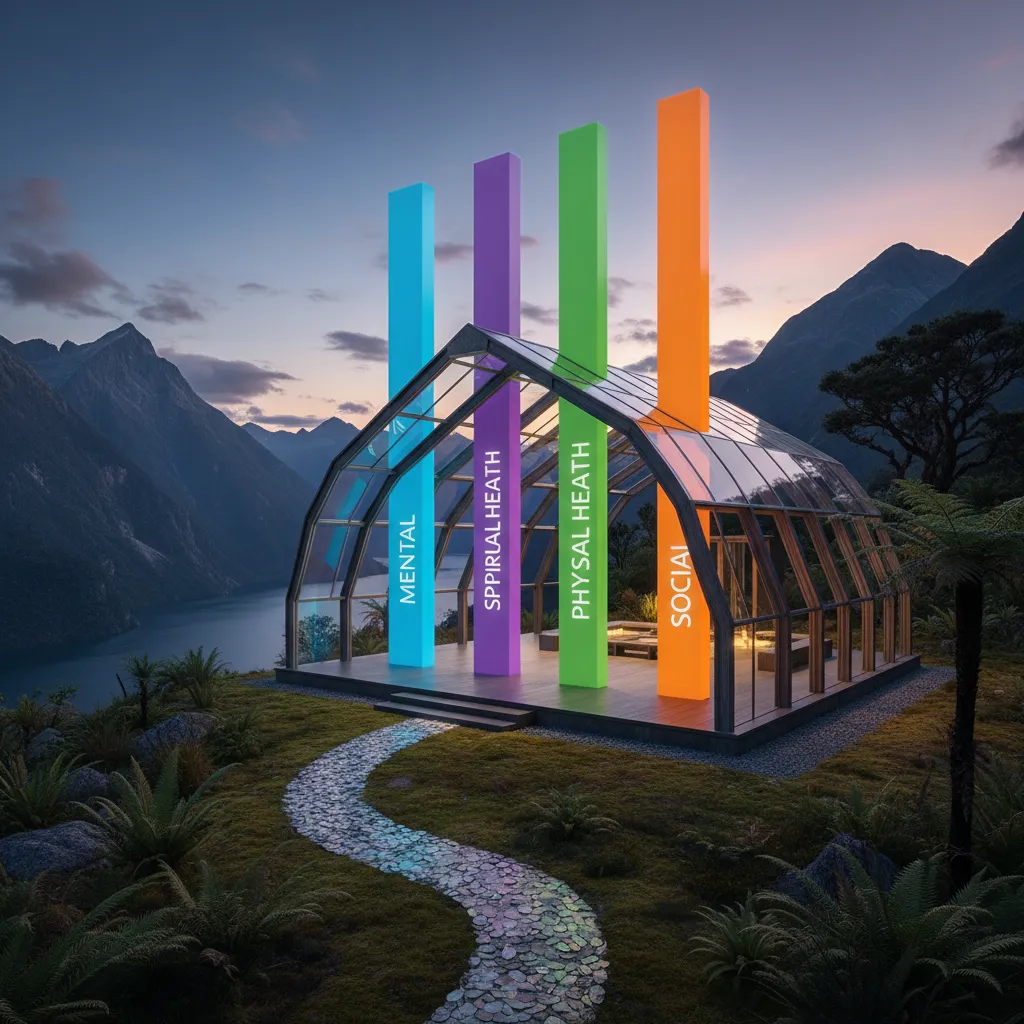
Te Whare Tapa Whā for Gen Z adapts Sir Mason Durie’s holistic Māori health model to address modern challenges like digital burnout, eco-anxiety, and identity. It frames wellbeing through four interconnected pillars—mental, spiritual, physical, and social health—providing a grounding structure for youth to balance online connectivity with authentic real-world connection and cultural identity.
What is Te Whare Tapa Whā?
Developed in 1984 by Tā (Sir) Mason Durie, Te Whare Tapa Whā is a philosophy of health that compares wellbeing to the four walls of a wharenui (meeting house). For Gen Z, this model offers a powerful alternative to the fragmented approach of Western medicine, which often treats mental and physical health in isolation. The strength of the house depends on the integrity of all four walls. If one wall is weak or missing, the entire structure becomes unstable.
For young people navigating a volatile, uncertain, complex, and ambiguous (VUCA) world, this model provides a stabilizing framework. It emphasizes that health is not merely the absence of disease, but the presence of balance across four dimensions:
- Taha Hinengaro (Mental and Emotional Health): How we think, feel, and communicate.
- Taha Wairua (Spiritual Health): Our sense of purpose, identity, and connection to something larger than ourselves.
- Taha Tinana (Physical Health): How our body grows, feels, and moves.
- Taha Whānau (Family and Social Health): Our sense of belonging and the strength of our relationships.
Understanding these pillars is the first step in reclaiming agency over one’s hauora (wellbeing). In an era defined by rapid technological change, anchoring oneself in this indigenous wisdom provides a roadmap for resilience.
How Does Taha Hinengaro Address Digital Anxiety?
Taha Hinengaro refers to the mind, heart, and conscience. It is the capacity to communicate, to think, and to feel. For Gen Z, Taha Hinengaro is under unprecedented siege by the attention economy. The constant dopamine loops of TikTok, the performative pressure of Instagram, and the 24/7 news cycle contribute significantly to what is now known as “digital anxiety.”
The Impact of “Always-On” Culture
In the context of Te Whare Tapa Whā, an over-reliance on digital validation weakens the Taha Hinengaro wall. When self-worth is tied to algorithmic engagement, emotional regulation becomes difficult. The Māori view of mental health is inextricably linked to the expression of thoughts and feelings. However, digital communication often flattens these expressions into emojis and text, stripping away the nuance of face-to-face interaction (kanohi ki te kanohi).
Restoring Mental Balance
Strengthening Taha Hinengaro requires intentional disconnection to foster deep thought and emotional processing. This involves:
- Mindful Consumption: Curating feeds to include content that uplifts rather than drains.
- Digital Sunsets: Establishing boundaries where devices are turned off to allow the mind to decompress before sleep.
- Creative Expression: Using the mind to create rather than consume. This could be through toi (art), waiata (song), or journaling.
Can You Practice Taha Wairua Without Being Religious?
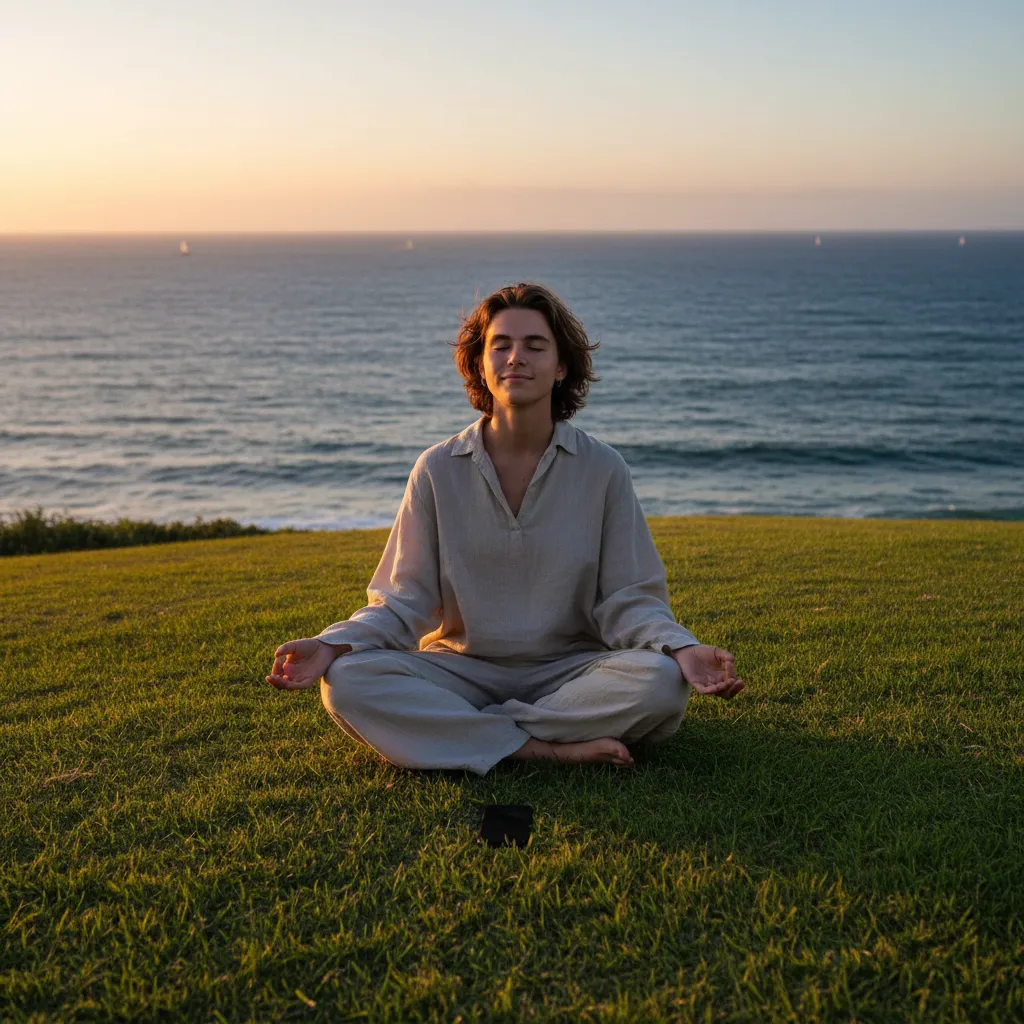
A common misconception among secular youth is that Taha Wairua requires adherence to organized religion. However, within the Te Whare Tapa Whā framework, spirituality is far broader. It is about the unseen and the intangible—the “vibes,” energy, or mauri (life force) that connects us to the universe.
Defining Wairua for the Modern Era
For Gen Z, Taha Wairua is often found in identity, purpose, and environmental connection. It is the answer to the question, “Who am I and where do I belong?” Without a strong Taha Wairua, a person may lack direction or a sense of place (tūrangawaewae).
Connection to Te Taiao (The Environment)
For many New Zealanders, spiritual health is deeply rooted in the land. The concept of kaitiakitanga (guardianship) resonates strongly with Gen Z’s eco-consciousness. Strengthening Taha Wairua can be as simple as:
- Returning to Nature: Walking in the bush or swimming in the moana (ocean) to reset one’s mauri.
- Understanding Whakapapa: Learning about one’s ancestry and history to understand one’s place in the lineage of time.
- Reflection: Utilizing times like Matariki to reflect on the past year and set intentions for the future, aligning personal rhythms with the environment.
How to Approach Taha Tinana Through Body Neutrality?
Taha Tinana focuses on physical wellbeing. However, for a generation raised on filtered images and “fitspiration,” physical health can often become a source of stress rather than strength. A modern application of Taha Tinana moves away from aesthetics and toward functionality and respect for the body as a vessel.
Moving Beyond Diet Culture
Traditional Māori views on health emphasize the body’s capacity to work, move, and support the whānau, rather than its appearance. Applying this to a Gen Z context involves adopting “body neutrality”—appreciating what the body can do rather than how it looks.
Intuitive Movement
Strengthening this wall involves listening to the body’s signals (rongo). This means eating to nourish the tinana rather than to control it, and moving in ways that feel good (intuitive movement) rather than as punishment. Sleep hygiene is also a critical component of Taha Tinana often neglected by youth; respecting the body’s need for rest is a fundamental act of health preservation.

What Does Taha Whānau Mean for Chosen Families?
Taha Whānau is about the support systems that provide a sense of belonging. While traditionally this refers to extended family, for Gen Z, the definition of whānau has expanded to include “chosen family,” online communities, and close friendship circles.
The Importance of Belonging
Isolation is a significant risk factor for poor health. Taha Whānau reminds us that we are not individuals acting in a vacuum; we are part of a collective. For LGBTQ+ youth or those estranged from biological relatives, cultivating a chosen whānau is vital for survival and thriving.
Reciprocity and Support
Healthy relationships are built on reciprocity. This pillar asks: Do you have people you can trust? do you contribute to the wellbeing of others? In a digital world, it is crucial to translate online connections into meaningful support. While an online community can provide validation, it cannot replace the tangible support of someone bringing you kai when you are sick or sitting with you in silence when you are down.
How to Balance the Four Walls Daily?
Integrating Te Whare Tapa Whā into daily life doesn’t require a total lifestyle overhaul. It requires small, consistent checks to ensure no wall is being neglected. Here is a practical framework for balancing the four walls.
The Daily Hauora Checklist
- For Taha Hinengaro: Spend 15 minutes reading or journaling offline. Practice “mindful scrolling” or limit social media usage to set hours.
- For Taha Wairua: Spend time in nature without headphones. Acknowledge the sunrise or sunset. Connect with your heritage or language (Te Reo Māori).
- For Taha Tinana: Drink water immediately upon waking. Prioritize 7-9 hours of sleep. Engage in movement that raises your heart rate but brings you joy.
- For Taha Whānau: Send a message to a friend just to check in, not to ask for something. Plan a face-to-face catch-up. Share a meal with others without phones at the table.
Recognizing Imbalance
Gen Z is often hyper-aware of mental health (Hinengaro) but may neglect physical movement (Tinana) or spiritual grounding (Wairua). Alternatively, one might be physically fit but socially isolated. The goal is not perfection in all areas every day, but a fluid balance where support is shifted to the walls that need it most at any given time.
Frequently Asked Questions
What are the 4 dimensions of Te Whare Tapa Whā?
The four dimensions are Taha Tinana (physical health), Taha Wairua (spiritual health), Taha Whānau (family health), and Taha Hinengaro (mental health). Together, they form a holistic model of wellbeing where each pillar supports the others.
How does Te Whare Tapa Whā relate to mental health?
It views mental health (Taha Hinengaro) as inseparable from the body, spirit, and social connections. You cannot treat the mind in isolation; distress in the mind often signals an imbalance in the other three walls, such as a lack of social support or physical illness.
Why is Te Whare Tapa Whā important for youth?
It provides a culturally grounded, holistic framework that helps youth navigate complex modern issues like identity, digital anxiety, and social isolation. It empowers them to view health broadly, rather than just as the absence of sickness.
How can I improve my Taha Wairua?
You can improve Taha Wairua by connecting with nature (Te Taiao), learning about your ancestors (whakapapa), practicing mindfulness or karakia (prayer/incantation), and defining your personal values and purpose in life.
What is the connection between Whenua and Te Whare Tapa Whā?
While not one of the four walls, the Whenua (land) is often considered the foundation upon which the whare (house) stands. Connection to the land provides the grounding and stability necessary for the four walls to remain upright.
Can non-Māori use Te Whare Tapa Whā?
Yes, while it is a Māori model rooted in mātauranga Māori (Māori knowledge), its principles of holistic health are universal. It is widely used across New Zealand’s healthcare and education sectors to support people of all backgrounds.