
To register for Matariki wānanga, educators must visit accredited professional development provider websites, select their preferred delivery format (online webinar or in-person workshop), and submit their enrollment details before the June-July season begins. These sessions equip Kaiako with essential cultural knowledge, curriculum resources, and implementation strategies for celebrating the Māori New Year.
As the rise of Matariki becomes a central pillar in the New Zealand educational calendar, the demand for high-quality professional learning and development (PLD) has surged. For educators across Aotearoa, securing a spot in these workshops is not merely an administrative task; it is a commitment to cultural competency and the enrichment of tamariki (children). Whether you are looking to deepen your understanding of the nine stars or seeking practical classroom activities, taking action to register for Matariki wānanga is the first step toward a meaningful celebration.
Upcoming Workshops for Educators: Why Secure Your Spot Now?
The establishment of Matariki as a public holiday has transformed the educational landscape. Schools, Early Childhood Education (ECE) centers, and tertiary institutions are now actively seeking authentic ways to integrate Māori astronomy and indigenous knowledge into their curriculum. Consequently, the window to register for Matariki wānanga has become increasingly competitive.
Educational providers typically release their workshop schedules in early April, with the bulk of sessions occurring in May and June leading up to the holiday. Waiting until the last minute often results in missed opportunities, as capacity for face-to-face sessions is strictly limited by venue size and facilitator availability. Early registration ensures that your teaching team has ample time to digest the material and plan resources before the term begins.
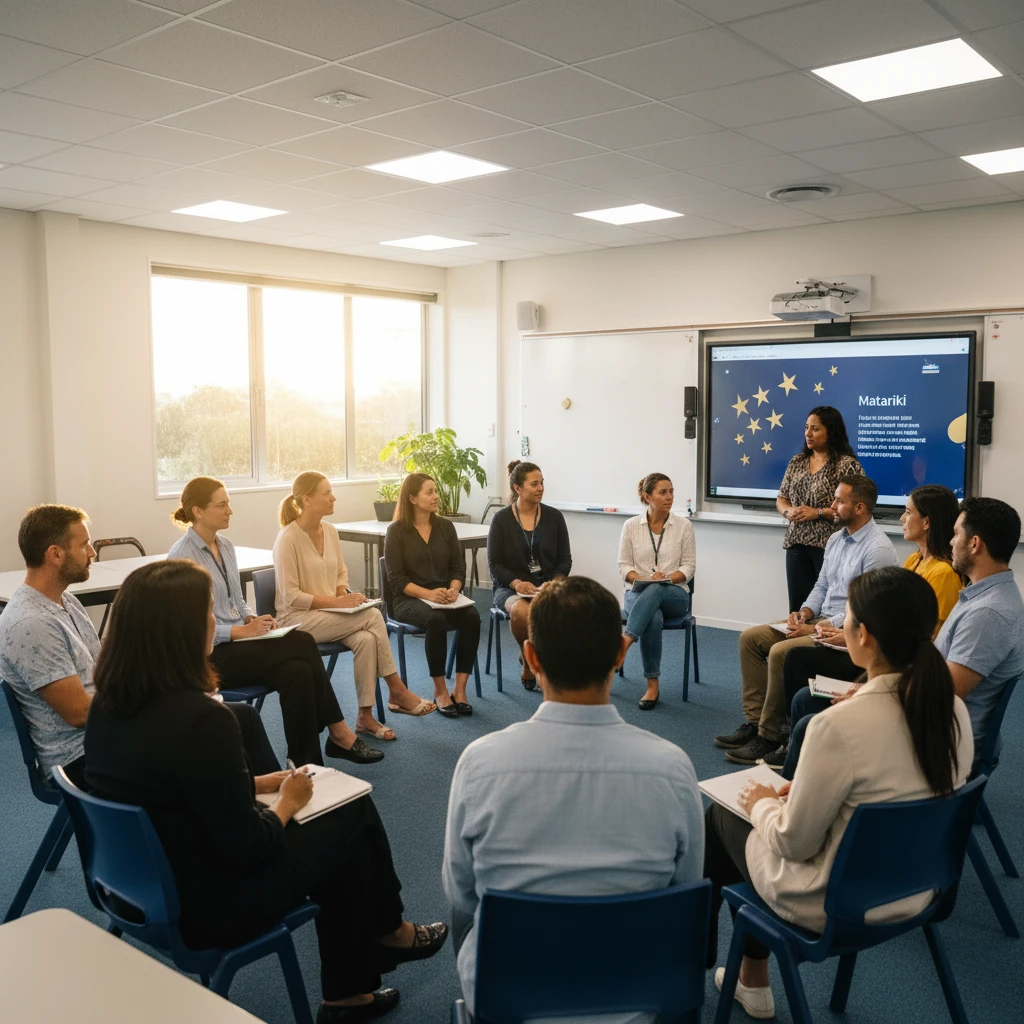
Online Webinars vs. In-Person Wānanga
When you decide to register for Matariki wānanga, you will generally be presented with two primary delivery modes. Understanding the distinction between these formats is crucial for maximizing your professional development budget and learning outcomes.
The Flexibility of Online Webinars
Digital wānanga are ideal for educators in remote locations or those with limited release time. These sessions are often recorded, allowing Kaiako to revisit the material—specifically pronunciation guides and waiata (songs)—at their own pace. Online registration is usually seamless, providing instant access to digital resource packs, downloadable PDFs, and slide decks that can be immediately utilized in the classroom.
The Depth of In-Person (Kanohi ki te Kanohi) Workshops
However, nothing replaces the sensory experience of face-to-face learning. In-person wānanga often take place on a Marae or in a community hub, offering a deeper immersion into tikanga (protocols). Participants engage in shared kai (food), experience the physical aspect of traditional games, and practice pronunciation in a supportive, real-time environment. If your goal is to build deep cultural confidence, we highly recommend you register for an in-person event.
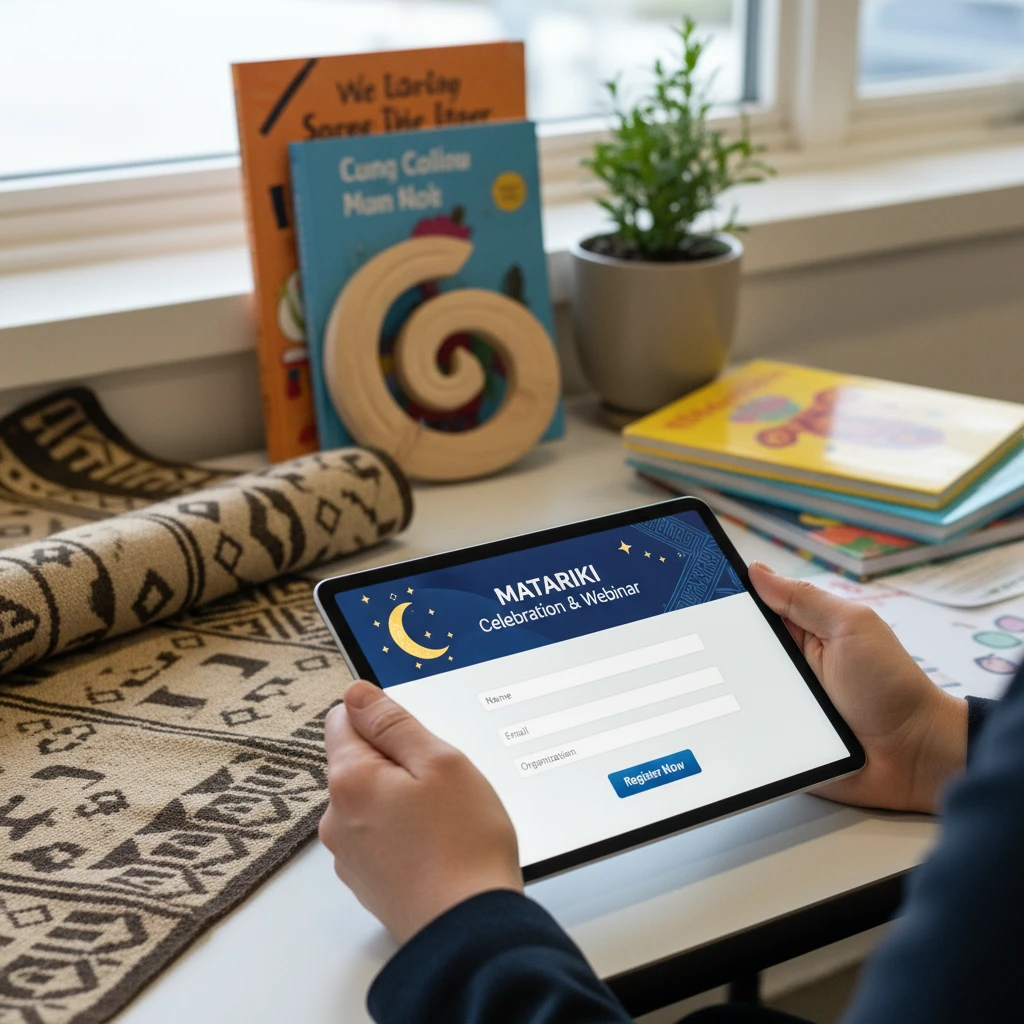
What Will You Learn? Tikanga, Legends, and Pronunciation
A primary hesitation for many educators is the fear of getting it wrong—mispronouncing names or misinterpreting legends. Quality wānanga are designed to eliminate this anxiety. When you register for Matariki wānanga, you are signing up for a comprehensive breakdown of the essential knowledge required to teach this subject with integrity.
Mastering the Nine Stars
Most workshops move beyond the basic “Seven Sisters” narrative to explore the full nine stars of Matariki (Te Iwa o Matariki). You will learn the specific domain of each star:
- Matariki: The mother star, signifying reflection and connection.
- Pōhutukawa: Connected to those who have passed on.
- Tupuānuku: Food grown in the ground.
- Tupuārangi: Food from the sky (birds, berries).
- Waitī: Fresh water and its creatures.
- Waitā: Salt water and food from the ocean.
- Waipuna-ā-rangi: Rain and weather.
- Ururangi: The winds.
- Hiwa-i-te-rangi: The wishing star for future aspirations.
Facilitators provide phonetic breakdowns and audio aids to ensure you can speak these names with confidence in front of your students.
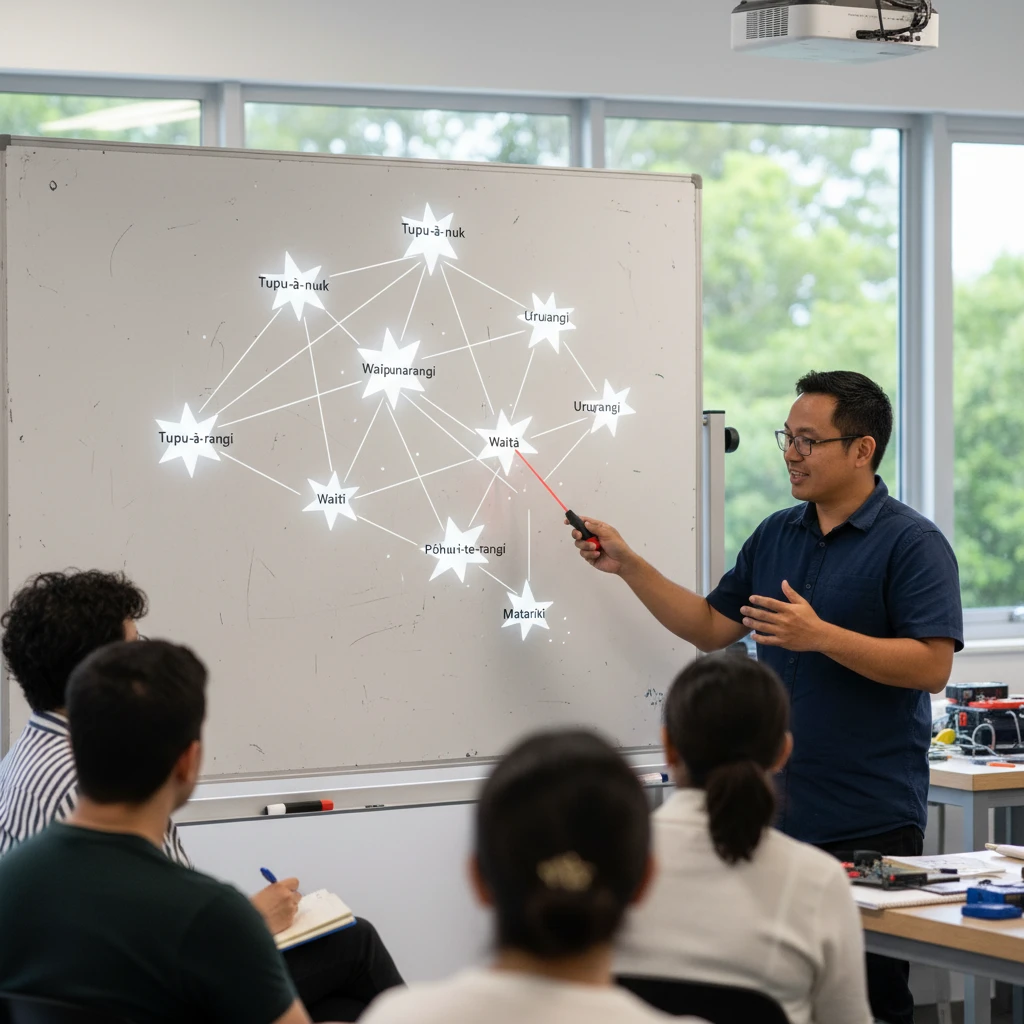
Networking with Other Kaiako
Education does not happen in a vacuum. One of the most underrated benefits when you register for Matariki wānanga is the opportunity for Whanaungatanga (relationship building). These events gather like-minded educators who are all striving to improve their bicultural practice.
During break-out sessions and networking teas, teachers share practical ideas: “How did you explain Pōhutukawa to five-year-olds?” or “What art resources did you use for Hiwa-i-te-rangi?” This peer-to-peer exchange is often as valuable as the formal curriculum itself. You leave not just with knowledge, but with a support network of colleagues who can help troubleshoot challenges and share successes throughout the academic year.
Step-by-Step: How to Register for Matariki Wānanga
Ready to commit? The registration process is generally straightforward, but attention to detail ensures you get the funding and resources you need. Follow this transactional guide to secure your place.
1. Identify Accredited Providers
Ensure the wānanga is run by a reputable provider or local Iwi. Look for accreditation that counts towards your official Professional Learning and Development (PLD) hours. Major educational institutes and local museums often host the most authoritative sessions.
2. select Your Session Type
Decide between individual registration or a whole-school booking. Many providers offer significant discounts if you register for Matariki wānanga as a staff syndicate. This also fosters a cohesive approach to the holiday across your institution.
3. Complete the Transaction
Navigate to the provider’s portal. You will typically need to provide:
- MoE Number (if applicable for Ministry-funded PLD).
- School invoicing details (to avoid personal out-of-pocket expenses).
- Dietary requirements (crucial for in-person wānanga where kai is served).
4. Pre-Wānanga Preparation
Once registered, you will likely receive a confirmation email containing pre-reading materials. Reviewing these beforehand allows you to ask higher-quality questions during the session.
People Also Ask
How much does it cost to register for Matariki wānanga?
Costs vary significantly depending on the provider. Online webinars can range from free to $50 NZD per person. Full-day in-person workshops typically range from $150 to $300 NZD, which often includes resources and catering. Many schools utilize their PLD budget to cover these costs.
Can I register for Matariki wānanga if I am an ECE teacher?
Absolutely. There are specific wānanga tailored for Early Childhood Education (ECE). These workshops focus on sensory play, simple waiata, and storytelling suitable for children under five, ensuring the content is age-appropriate.
Do I need to speak fluent Te Reo Māori to attend?
No, fluency is not required. Most Matariki wānanga are designed for learners at all stages of their Te Reo Māori journey. They are safe spaces to learn pronunciation and basic phrases without judgment.
When do registrations for Matariki workshops close?
Registrations typically close one week prior to the event date or when capacity is reached. Due to high demand in June, it is recommended to register at least 3-4 weeks in advance to guarantee a spot.
Are resources included when I register?
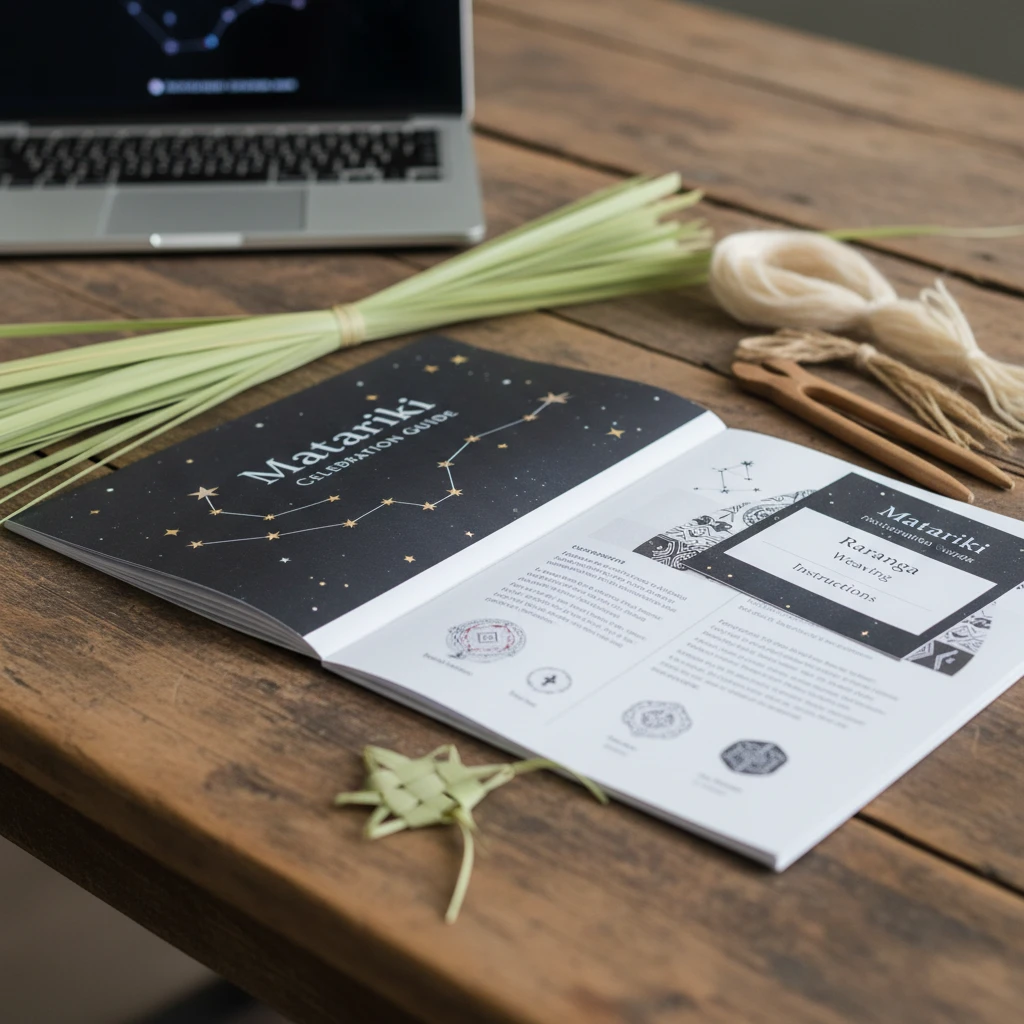
Most reputable workshops include a resource pack. For in-person events, this is often a physical kit with posters and lesson plans. Online registrations usually provide a link to a digital folder containing printable assets and slide decks.
Will I get a certificate of attendance?
Yes, most accredited providers issue a certificate upon completion. This is valuable for your professional portfolio and can be used to evidence your commitment to the cultural competency standards required by the Teaching Council.