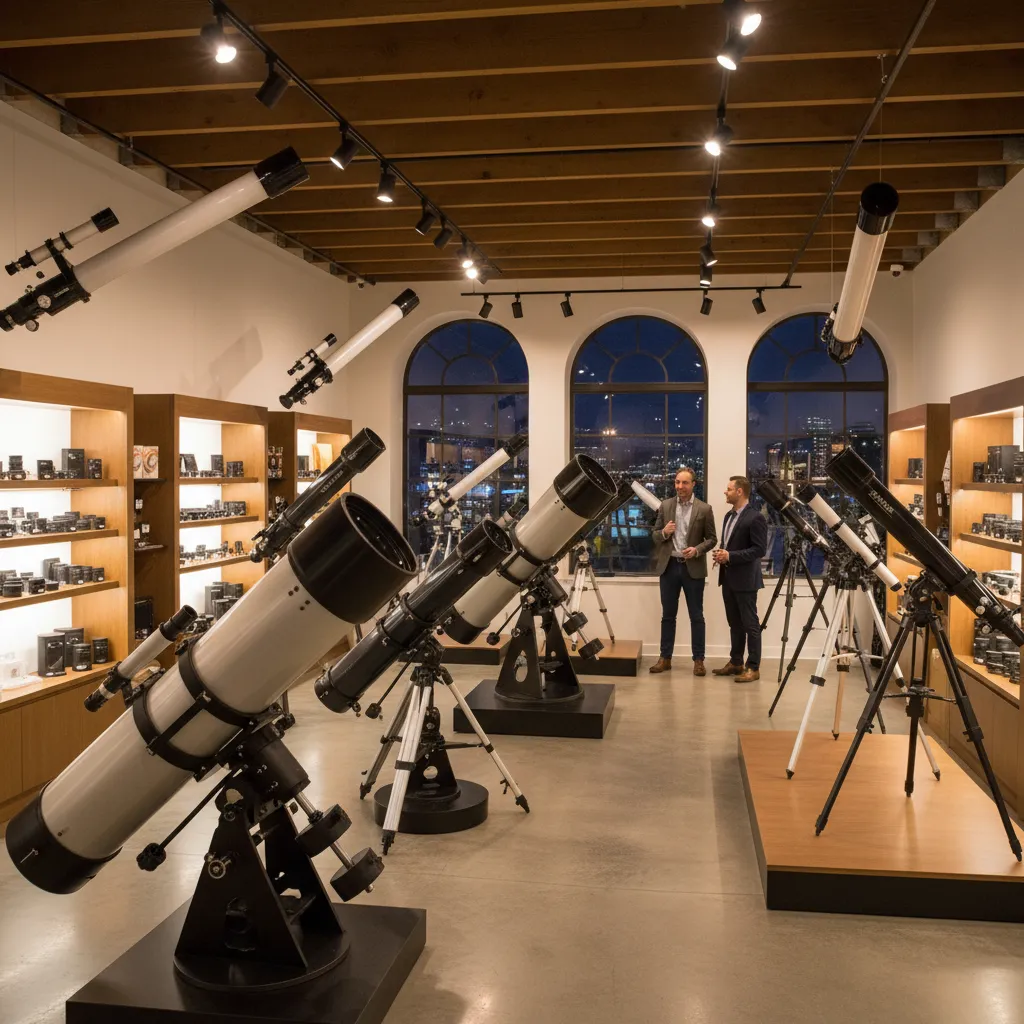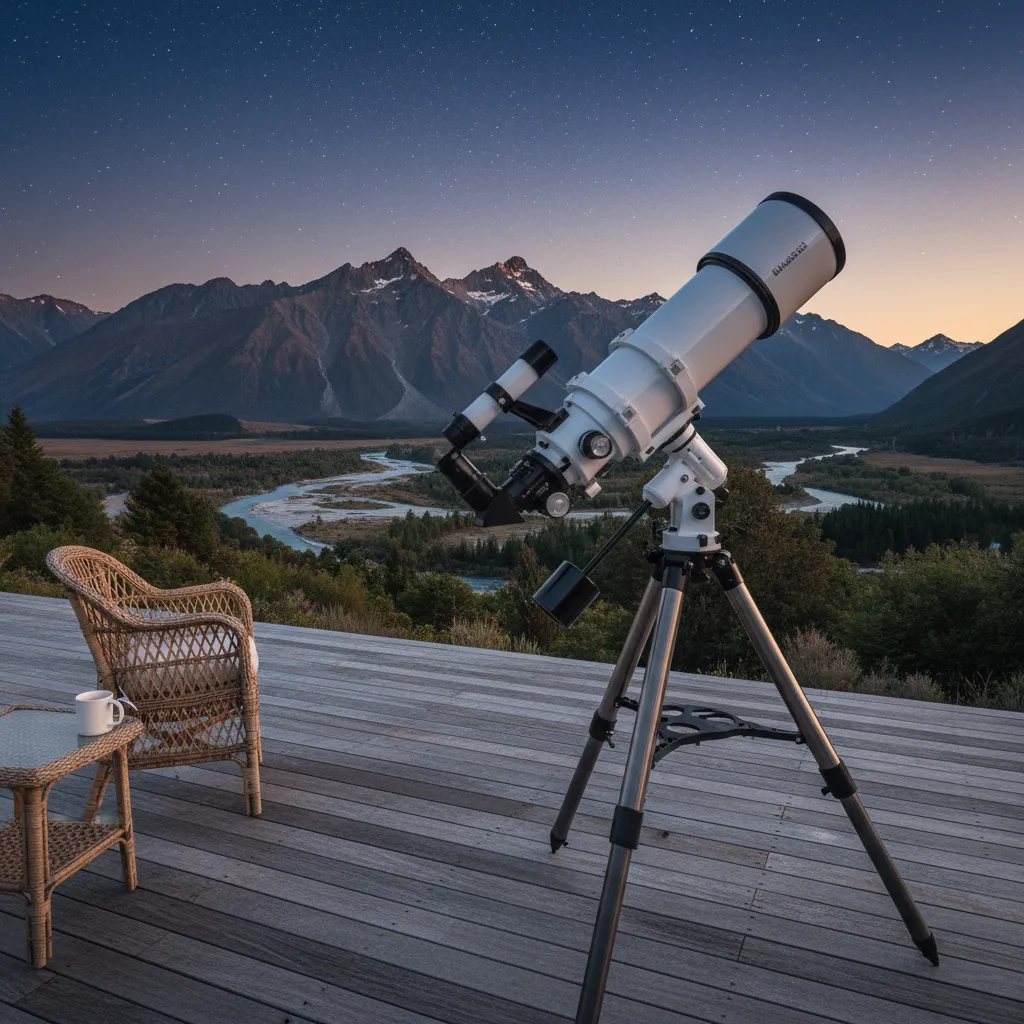
The best telescope for viewing planets in New Zealand is typically an 8-inch Dobsonian reflector, such as the Sky-Watcher Skyliner 200P or the GSO 8″ Deluxe. These models offer the optimal balance of large aperture and affordability, gathering sufficient light to resolve high-contrast details like Jupiter’s cloud bands and Saturn’s rings while remaining simple to operate.
New Zealand offers some of the darkest skies in the world, making it a premier destination for astronomy enthusiasts. Whether you are observing from your backyard in Auckland or traveling to the Aoraki Mackenzie International Dark Sky Reserve, choosing the right equipment is critical for planetary observation. This guide analyzes the top optical instruments available in the NZ market specifically for viewing our solar system’s giants.
Dobsonian vs Refractor: Which is Better for Planets?
When searching for the best telescope for viewing planets NZ retailers offer, you will primarily encounter two main designs: Reflectors (specifically Dobsonians) and Refractors. Understanding the optical physics behind these is essential for making an informed purchase, especially when targeting bright objects like Mars, Jupiter, and Saturn.
The Case for Dobsonians
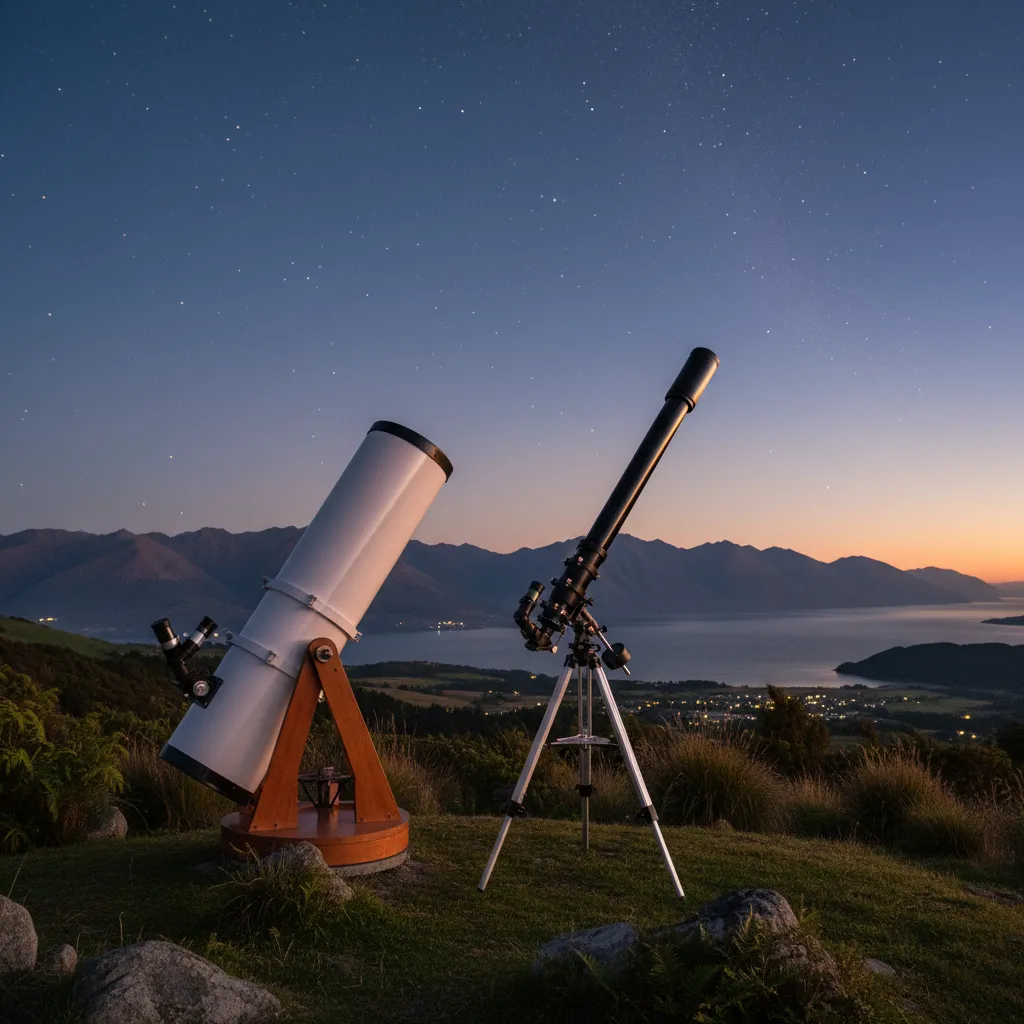
A Dobsonian telescope is a Newtonian reflector mounted on a simple alt-azimuth base. For planetary viewing, aperture (the diameter of the main mirror) is king. The larger the aperture, the higher the resolution. In New Zealand, an 8-inch (200mm) Dobsonian is often considered the “sweet spot” for amateurs.
Because mirrors are cheaper to manufacture than lenses, a Dobsonian offers the most aperture per dollar. A large aperture allows you to push magnification higher—often up to 200x or 300x under steady NZ skies—without the image becoming too dim. This reveals subtle details, such as the Cassini Division in Saturn’s rings or the festoons in Jupiter’s equatorial belts.
The Case for Refractors
Refractor telescopes use lenses to bend light. High-quality refractors (specifically Apochromatic or ED refractors) are prized for planetary viewing because they provide unobstructed light paths. Unlike reflectors, they do not have a secondary mirror obstructing the view, which leads to superior contrast and sharpness.
However, to match the resolution of an 8-inch Dobsonian, a refractor would need to be prohibitively large and expensive. For the average enthusiast in NZ, a long-focal-length Achromatic refractor (like a 90mm or 100mm) is a solid starter choice, offering crisp views of the moon and planets without the need for regular maintenance like collimation.
The Maksutov-Cassegrain Alternative
It is also worth noting the Maksutov-Cassegrain (Mak) design. These compact telescopes have very long focal lengths, making them naturally suited for high-magnification planetary work. They are excellent for those with limited storage space but want close-up views of planetary surfaces.
Top Picks for Viewing Saturn and Jupiter
Based on availability in New Zealand astronomy shops (such as Astronz, Jacobs Digital, or telescope.co.nz), here are the top recommendations for planetary observation.
1. Sky-Watcher Skyliner 200P (8″ Dobsonian)
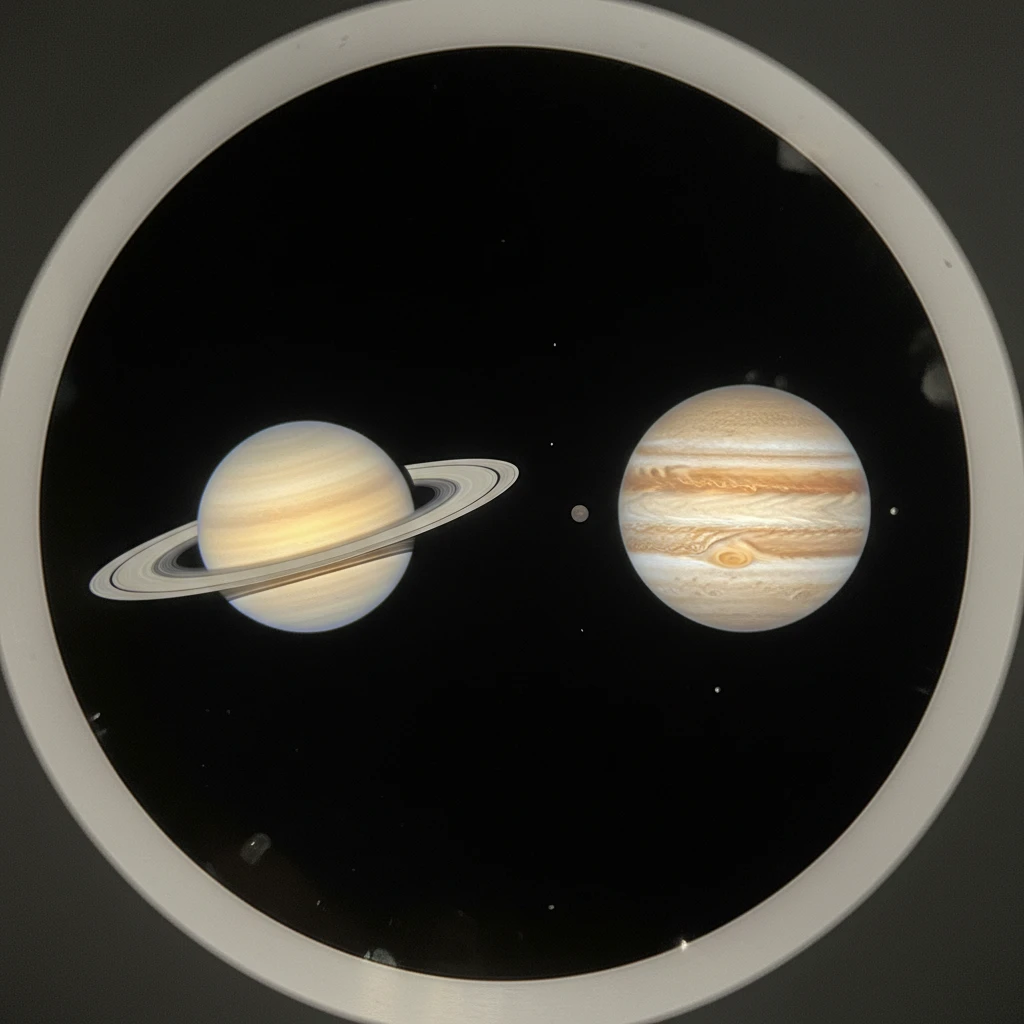
Best Overall Value. The classic 8-inch Dobsonian is the workhorse of amateur astronomy. It provides enough light gathering power to see the Great Red Spot on Jupiter and the shadow transits of its moons. In NZ, this model usually retails between $900 and $1,200 NZD.
- Pros: Huge aperture, simple operation, excellent resolution.
- Cons: Bulky, requires collimation (mirror alignment).
2. Saxon 909EQ2 Refractor
Best Entry-Level Refractor. If you prefer a telescope that looks like a traditional spyglass and requires zero maintenance, the Saxon 909EQ2 is a staple in the NZ market. With a 90mm aperture and 900mm focal length, it is specifically designed for high-contrast lunar and planetary views.
- Pros: Sharp images, no cool-down time required, classic aesthetic.
- Cons: The EQ2 mount can be wobbly; chromatic aberration (purple fringing) may be visible on bright objects.
3. Celestron NexStar 4SE or 127SLT
Best for Tech-Savvy Beginners. These are Maksutov-Cassegrain telescopes on computerized “GoTo” mounts. Once aligned, the telescope will automatically find and track planets for you. This is crucial for high-power viewing, as the rotation of the Earth causes planets to drift out of view quickly.
- Pros: Automatic tracking, compact tube, high focal ratio (f/13+) is ideal for planets.
- Cons: Requires power source (batteries drain fast), higher price point per inch of aperture.
Portable Telescopes for Camping and Aurora Tourism
New Zealand is famous for its outdoor lifestyle and dark sky tourism. Many Kiwis want a telescope they can throw in the back of the ute or take to a campsite in Tekapo or Great Barrier Island (Aotea). When combining planetary viewing with aurora hunting, portability is key.
Tabletop Dobsonians
Models like the Sky-Watcher Heritage 130P or 150P are collapsible tabletop Dobsonians. They offer respectable aperture (130mm to 150mm) but fold down into a compact size. While they require a sturdy table to use, they are far superior to cheap tripod-mounted scopes found in department stores.
Travel Refractors
Short-tube refractors (e.g., 80mm f/5) are ultra-portable and great for wide-field views of the Milky Way, which complements Aurora Australis viewing. However, for planets, they lack the focal length to get high magnification without a Barlow lens. If your primary goal is planets while camping, a compact Mak-Cassegrain (like a 90mm Mak) on a sturdy photo tripod is often the better travel companion.

Price Guide and Value for Money in NZ
Telescope pricing in New Zealand is influenced by import costs and GST. Understanding the price brackets helps manage expectations regarding optical quality and mechanical stability.
Under $500 NZD
In this range, be cautious. Many telescopes sold in general electronics stores have poor optics and wobbly mounts. Stick to reputable brands like Celestron, Saxon, or Sky-Watcher. The Heritage 100P or basic 70mm refractors are safe bets here. They will show the rings of Saturn as a small oval and Jupiter’s four main moons, but surface detail will be limited.
$500 – $1,200 NZD
This is the “sweet spot” for value. You can acquire a 6-inch or 8-inch Dobsonian in this range. These instruments are powerful enough to keep you engaged for a lifetime. You will see shadow transits on Jupiter, the polar caps on Mars, and the division in Saturn’s rings. Mechanical quality is generally solid.
$1,500+ NZD
At this price point, you are paying for either larger aperture (10-inch+ Dobsonians) or technology (Computerized GoTo mounts). For planetary imagers (astrophotography), you will likely need to spend over $2,500 to get a sturdy Equatorial mount (HEQ5 or similar) and a specialized optical tube.
Optimizing Planetary Viewing in Aotearoa
Buying the best telescope for viewing planets in NZ is only half the battle. You must also account for environmental factors and the position of the ecliptic in the Southern Hemisphere.
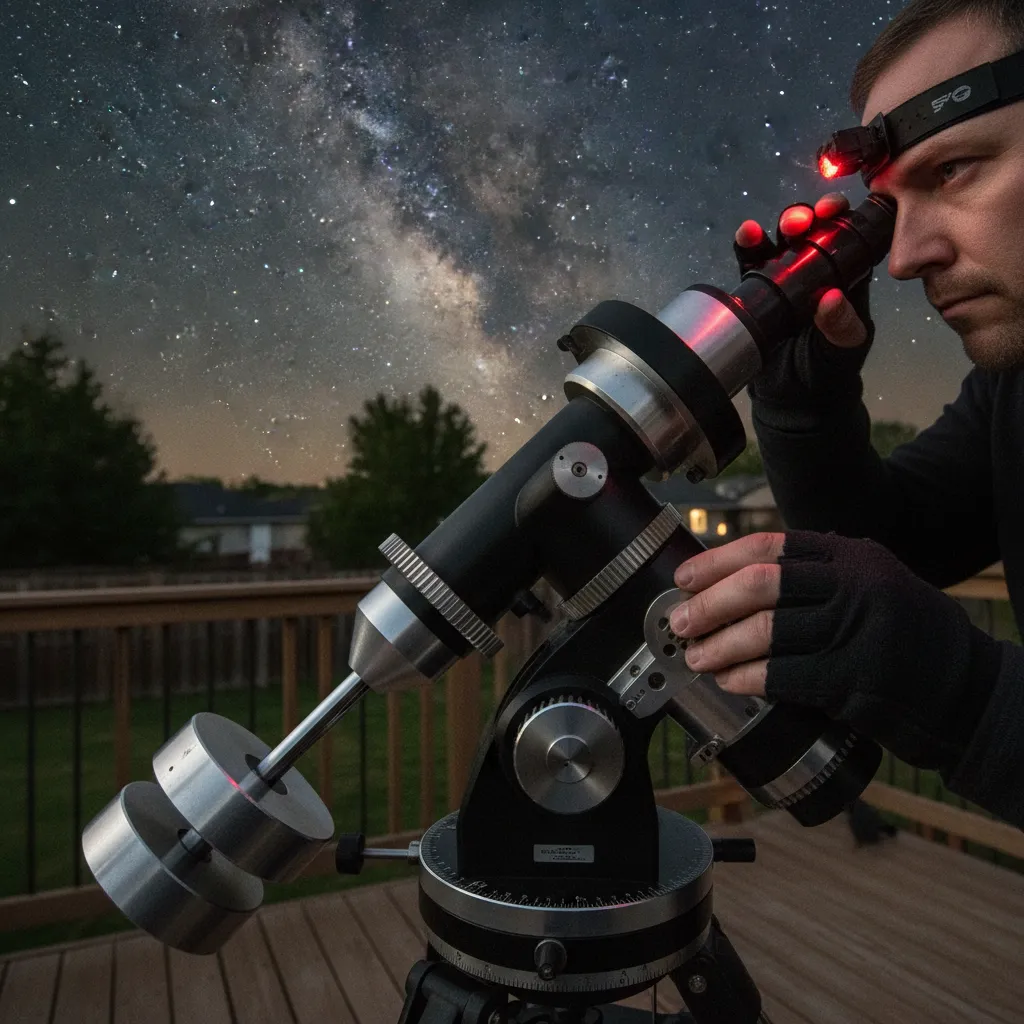
The “Seeing” Conditions
“Seeing” refers to the turbulence of the atmosphere. New Zealand, being a narrow island nation in the Roaring Forties, often experiences fast-moving upper-atmosphere winds. This can make planets look like they are underwater. On nights of poor seeing, high magnification will only result in a blurry image. It is best to wait for calm nights or observe planets when they are highest in the sky (near the zenith) to look through less atmosphere.
Cool Down Your Optics
If you store your telescope in a warm house and bring it out into the cool NZ night air, the temperature difference will cause tube currents that distort the view. Allow your telescope (especially mirrors) to acclimatize for 30 to 60 minutes before doing critical planetary observation.
Collimation
If you choose a Newtonian reflector (Dobsonian), you must learn to collimate it. This is the process of aligning the mirrors. A reflector that is even slightly out of collimation will fail to resolve crisp planetary details, making a high-quality mirror perform like a cheap one. A laser collimator is a worthwhile investment.
People Also Ask
What is the best magnification for viewing planets?
For most atmospheric conditions, a magnification between 150x and 200x is ideal. While telescopes can theoretically go higher (50x per inch of aperture), the atmosphere usually limits clarity above 200x. Start with a lower power eyepiece to find the planet, then switch to high power.
Can I see the flag on the moon with a telescope?
No, even the largest telescopes on Earth or the Hubble Space Telescope cannot resolve objects as small as a flag or the lunar landers. The resolution limit is roughly 1-2 kilometers on the lunar surface for amateur telescopes.
Why do planets look like white dots in my telescope?
This is usually due to using an eyepiece with too low magnification. To see details, you need an eyepiece with a short focal length (e.g., 6mm or 10mm). Also, ensure the telescope is focused correctly; stars should be pinpoints, not donuts.
Is a reflector or refractor better for beginners?
A refractor is generally easier for beginners because it requires no maintenance (collimation) and is more intuitive to point. However, a reflector (Dobsonian) offers much better views for the same price due to larger aperture.
What can I see on Mars from New Zealand?
During opposition (when Mars is closest to Earth), a good telescope can reveal the white polar ice caps and dark surface markings like Syrtis Major. Outside of opposition, Mars often appears as a small, featureless rust-colored disk.
Do I need a filter to see planets?
Filters are not strictly necessary but can enhance details. A #80A Blue filter can help bring out cloud bands on Jupiter, while a Moon filter is essential for reducing glare when viewing the Moon, which improves contrast.