
Matariki quiz questions are educational trivia prompts designed to test and expand knowledge regarding the Māori New Year and the Pleiades star cluster. These questions typically cover the names and domains of the nine stars, the history of the public holiday in New Zealand, traditional agricultural practices, and the cultural significance of remembrance and renewal within Te Ao Māori.
As Aotearoa New Zealand embraces Matariki as a major public holiday, understanding the depth of this celestial event has never been more important. Whether you are a teacher looking for classroom resources, a business hosting a cultural workshop, or a family gathering for a mid-winter feast, a well-structured quiz is the perfect way to engage with the kaupapa (themes) of the Māori New Year.
Understanding Matariki: A Study Guide Before the Quiz
Before diving into the specific Matariki quiz questions, it is essential to provide a comprehensive study guide. A good quiz master knows the context behind the answers. Matariki is not merely a cluster of stars; it is an environmental indicator, a time for remembrance, and a signal for future planning.
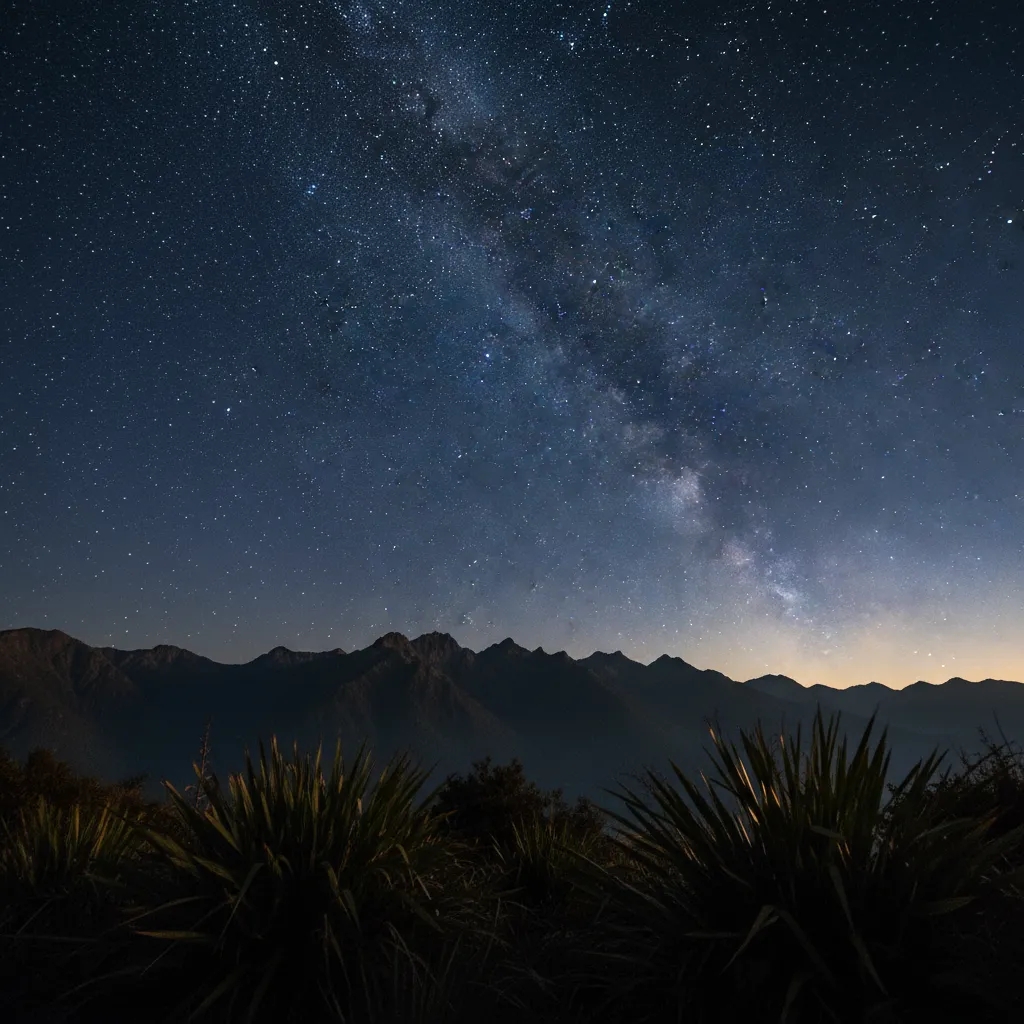
What is the Matariki Cluster?
Matariki is the Māori name for the star cluster known internationally as the Pleiades (or the Seven Sisters in Greek mythology). In Aotearoa, it appears in the pre-dawn sky in mid-winter (June or July). While many cultures identify seven stars, Māori astronomy (tātai arorangi) often identifies nine distinct stars, each with a specific purpose and domain over the natural world.
The Themes of the Holiday
Matariki is underpinned by three major pillars:
- Remembrance: Honouring those who have passed away since the last rising of Matariki.
- Celebrating the Present: Gathering with whānau (family) and friends to share kai (food) and gratitude.
- Looking to the Future: Planning for the year ahead and setting intentions.
Round 1: Ngā Whetū (The Stars)
This section focuses on the celestial bodies themselves. Use these Matariki quiz questions to test knowledge on the specific roles of the nine stars.
Question 1: How many stars are officially recognised in the Matariki cluster within Māori tradition?
Answer: Nine.
Context: While the Greek tradition counts seven (The Seven Sisters), leading Māori astronomer Dr. Rangi Matamua has popularized the knowledge of the nine stars: Matariki, Waitī, Waitā, Waipuna-ā-rangi, Tupu-ā-nuku, Tupu-ā-rangi, Ururangi, Pōhutukawa, and Hiwa-i-te-rangi.
Question 2: Which star is connected to fresh water and the creatures that live within it?
Answer: Waitī.
Context: Waitī watches over freshwater environments like rivers, streams, and lakes. It is often associated with eels (tuna) and koura.
Question 3: Which star is known as the “wishing star”?
Answer: Hiwa-i-te-rangi.
Context: This is the youngest star in the cluster. It is the star to which you send your wishes and aspirations for the coming year. It represents the promise of a prosperous future.
Question 4: What is the domain of Tupu-ā-nuku?
Answer: Food that grows within the soil.
Context: “Nuku” refers to Papatūānuku (Earth Mother). This star is associated with edible plants such as kūmara (sweet potato) and other root vegetables essential for winter survival.
Question 5: Which star connects to the dead and those who have passed on?
Answer: Pōhutukawa.
Context: Pōhutukawa connects Matariki to the deceased. It is the star that carries our dead across the year. When we cry for those we have lost, we are connecting to Pōhutukawa.
Round 2: History and Traditions
This round moves away from astronomy and focuses on the cultural history and the modern revival of the holiday.
Question 6: In which year did Matariki become an official public holiday in New Zealand?
Answer: 2022.
Context: The Te Kāhui o Matariki Public Holiday Act 2022 established the holiday, marking the first public holiday in New Zealand dedicated to Te Ao Māori principles.
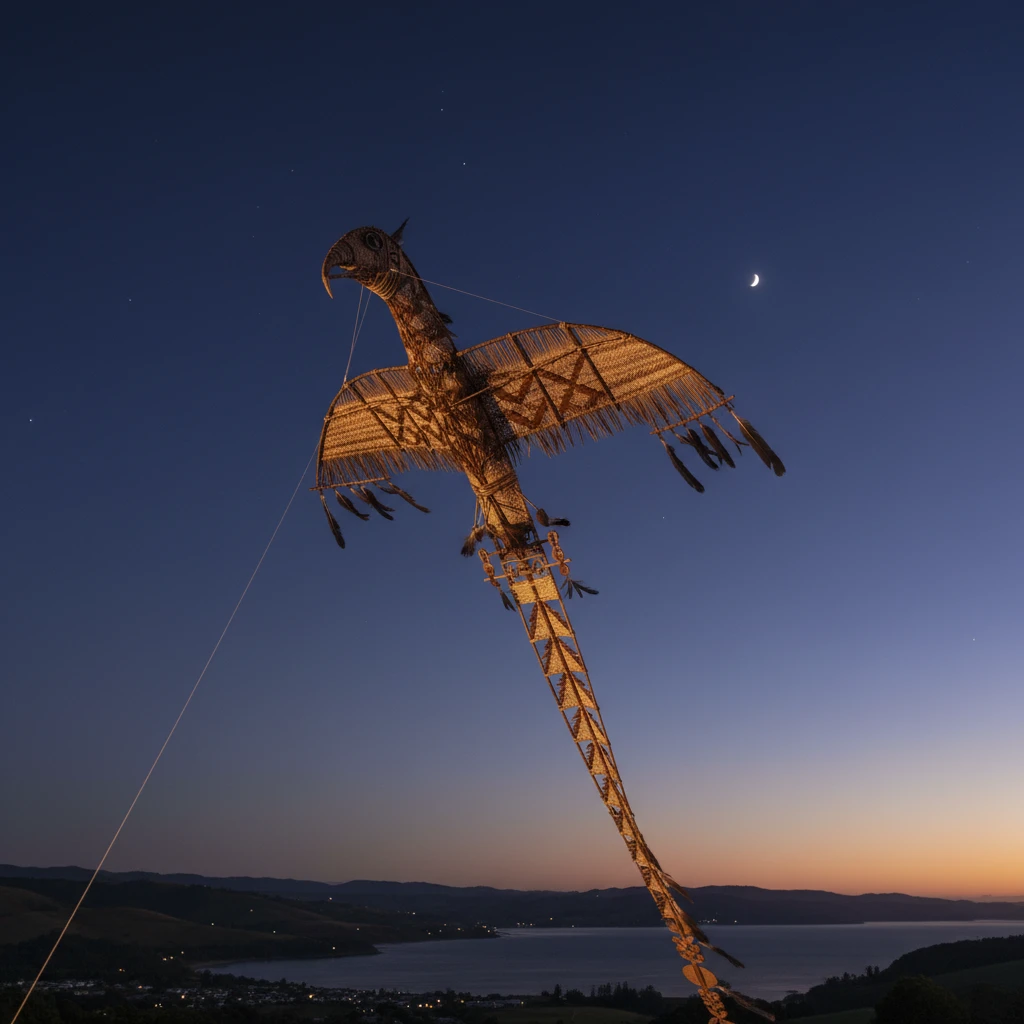
Question 7: What traditional activity was often used to spot the stars and mark the occasion?
Answer: Kite flying (Manu Tukutuku).
Context: Kites were flown to flutter close to the stars, acting as a connection between the heavens and the earth. They were often viewed as a way to communicate with those who had passed on.
Question 8: What does the name “Matariki” literally translate to?
Answer: “Eyes of God” (Ngā Mata o te Ariki) or “Little Eyes” (Mata Riki).
Context: There are variations in the translation depending on the iwi (tribe) and the legend being told. The most common narrative involves Tāwhirimātea (God of Wind) crushing his eyes in anger and throwing them into the sky.
Round 3: Kai and Taiao (Food and Environment)
Food is central to any Māori celebration. These Matariki quiz questions explore the relationship between the stars and sustenance.
Question 9: If the stars appeared bright and clear, what did this signal to ancestors?
Answer: A warm season and a bountiful harvest.
Context: Matariki was a critical environmental indicator. Hazy or shimmering stars often predicted a cold winter and poor crops, prompting ancestors to ration their food stores carefully.
Question 10: Which star is associated with rain and atmospheric conditions?
Answer: Waipuna-ā-rangi.
Context: The name translates loosely to “water that pools in the sky.” It is connected to rainfall, snow, and the general weather patterns for the coming winter.
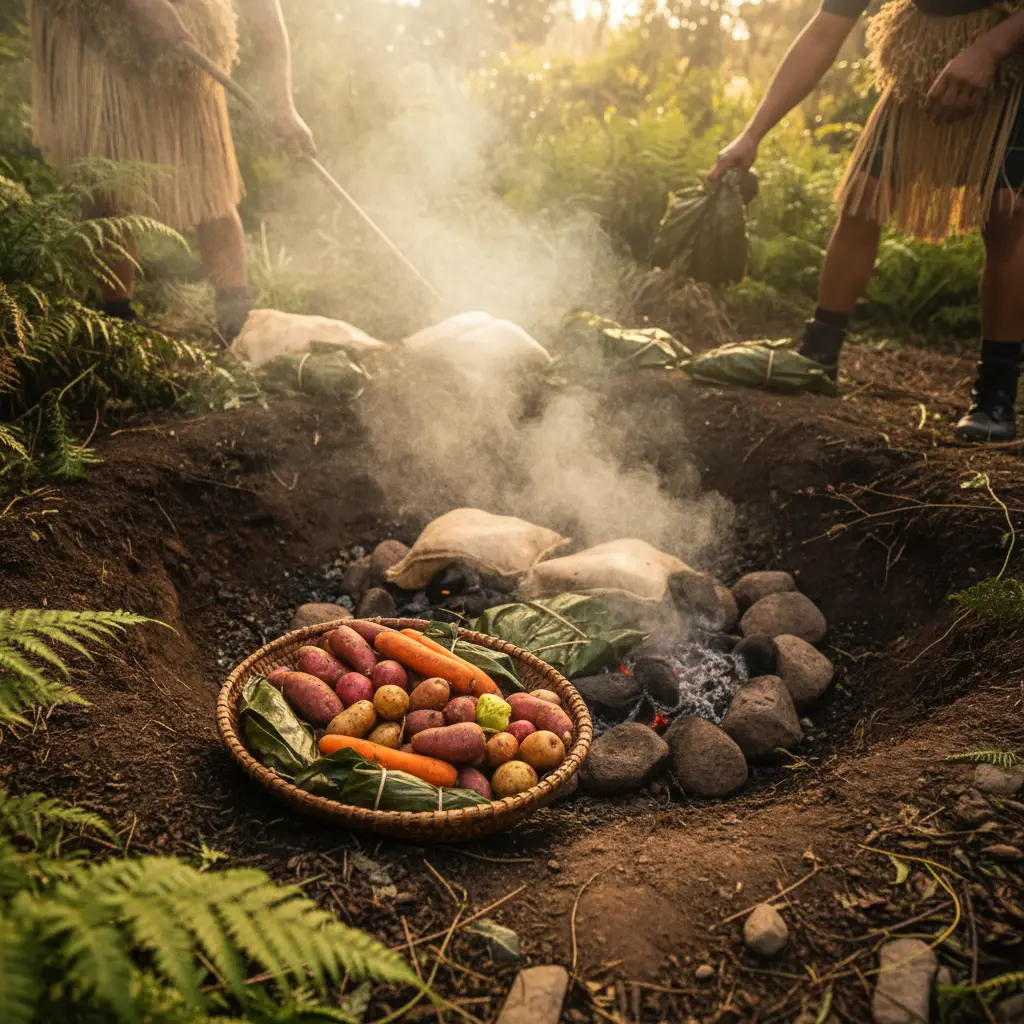
Question 11: What is the traditional oven used to cook the Matariki feast called?
Answer: Hāngī (or Umu).
Context: The steam rising from the hāngī was believed to feed the stars. This offering is known as “Te Hau Tapu” (the sacred breath/essence) of the food.
How to Host the Ultimate Matariki Quiz Night
Now that you have the content, you need the structure. Hosting a Matariki quiz is about more than just reading questions; it is about creating an atmosphere of learning and whanaungatanga (connection).
Setting the Scene
Decorate your space with stars and dark blue hues to represent the pre-dawn sky. If possible, host the event in the evening or early morning. Begin with a Karakia (prayer/incantation) to open the space, acknowledging the purpose of the gathering.
Structuring the Rounds
Do not overwhelm your participants. We recommend a “Build-Up” structure:
- Round 1: The Basics (Tamariki Friendly). Simple questions about what Matariki is and where it is seen.
- Round 2: The 9 Stars. Use the questions from Round 1 above. This is the technical round.
- Round 3: True or False. Read out statements about Māori myths and have teams guess the validity.
- Round 4: The Future. Ask teams to write down one aspiration for the community. Bonus points for the most inspiring answer.

Creating Printable Quiz Sheets for Parties
To elevate your event, avoid reading from a phone screen. Create printable quiz sheets. Here is a suggested layout for your Matariki quiz questions sheet:
The Header
Include a space for the “Team Name” (Ingoa o te Rōpū). Encourage teams to pick a name related to the stars or the environment.
Visual Round
Include a section with a silhouette of the star cluster. Ask participants to label the stars correctly. This is a high-difficulty challenge that separates the experts from the beginners. Remember, Matariki (the mother star) is usually the brightest and central, with the others surrounding her.
The Answer Key
Ensure you have a separate “Quiz Master” sheet with not just the answers, but the context (as provided in the sections above). The value of a Matariki quiz is in the education it provides. When revealing the answer to “Which star connects to the rain?”, take a moment to explain why Waipuna-ā-rangi is important to the ecosystem.
Prizes (Ngā Taonga)
Align your prizes with the themes of Matariki:
- For Tupu-ā-nuku: Packets of seeds or a potted plant.
- For Waitī: Sustainable seafood vouchers or reusable water bottles.
- For Hiwa-i-te-rangi: A journal for writing down future goals.
Conclusion
Matariki is a time of profound significance in Aotearoa. It marks the shifting of seasons, the harvesting of crops, and the remembrance of ancestors. By utilizing these Matariki quiz questions, you are doing more than playing a game; you are participating in the revitalization of mātauranga Māori (Māori knowledge). Whether you are an expert on the stars or a beginner looking to the night sky for the first time, there is always more to learn from the eyes of the god, Matariki.
People Also Ask
What are the 9 stars of Matariki?
The nine stars are Matariki, Waitī, Waitā, Waipuna-ā-rangi, Tupu-ā-nuku, Tupu-ā-rangi, Ururangi, Pōhutukawa, and Hiwa-i-te-rangi. Each star holds dominion over a different aspect of the environment and human life.
Why does the date of Matariki change every year?
Matariki follows the maramataka (Māori lunar calendar). It is celebrated when the star cluster rises in the pre-dawn sky during the lunar phase of Tangaroa (the last quarter moon) of the lunar month Pipiri. This aligns the solar and lunar cycles, causing the Gregorian date to shift annually.
How do you find Matariki in the sky?
To find Matariki, first locate the distinct row of three stars known as ‘Tautoru’ (Orion’s Belt). Follow the line of the belt to the left (in the Southern Hemisphere) to find a bright triangular shape, which is ‘Te Kokotā’ (The Face of the Taurus bull). Continue that line further left to find the cluster of tiny twinkling lights that is Matariki.
Is Matariki the same as the Pleiades?
Yes, astronomically they are the same star cluster (Messier 45). However, culturally they are distinct. Matariki carries specific narratives, environmental associations, and spiritual significance unique to Māori culture and Aotearoa New Zealand.
What food is traditionally eaten during Matariki?
Foods cooked in a hāngī (earth oven) are traditional, particularly kumara (sweet potato), fish, eel, and birds. These foods represent the domains of the various stars (Tupu-ā-nuku, Waitī, Tupu-ā-rangi) and the steam is offered to the cluster.
Can you see Matariki all year round?
No. Matariki disappears from the sky in roughly April or May and remains hidden for about a month. Its reappearance in June or July signals the beginning of the Māori New Year.