
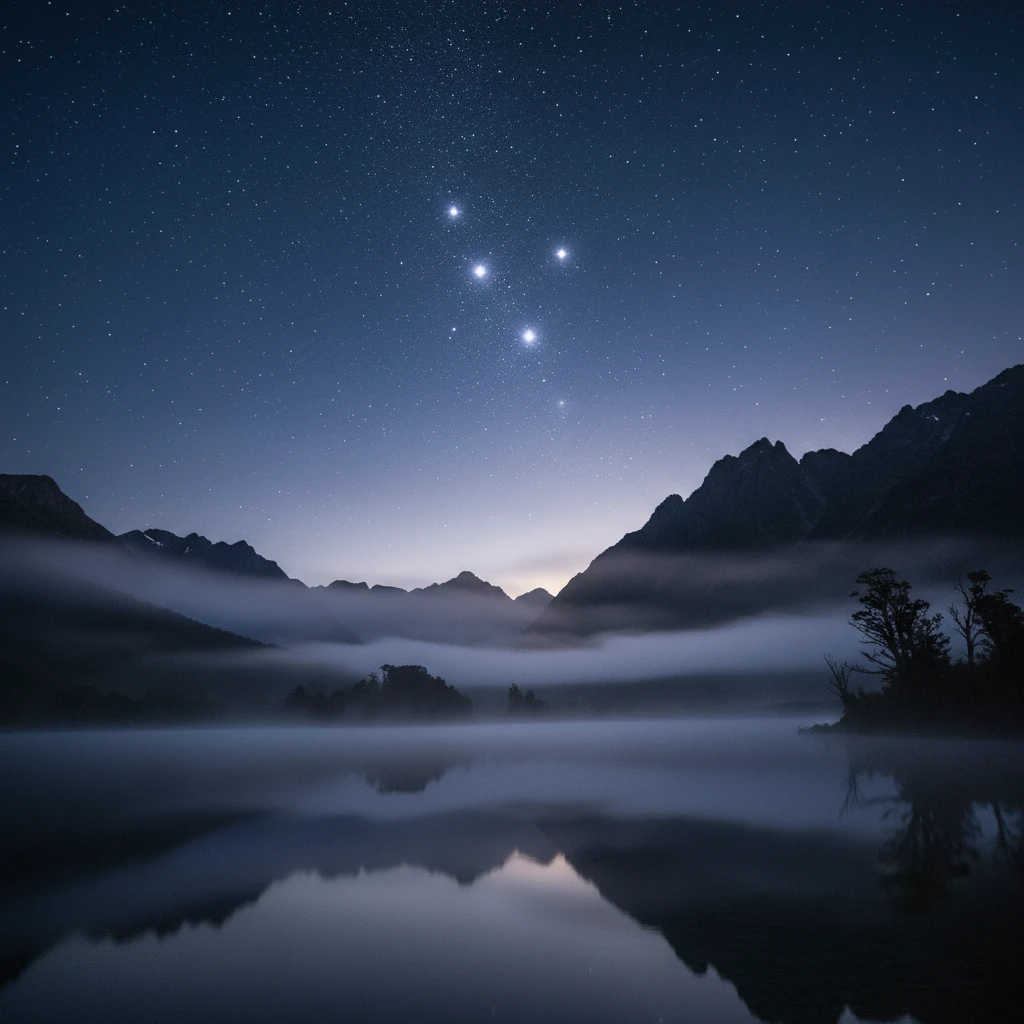
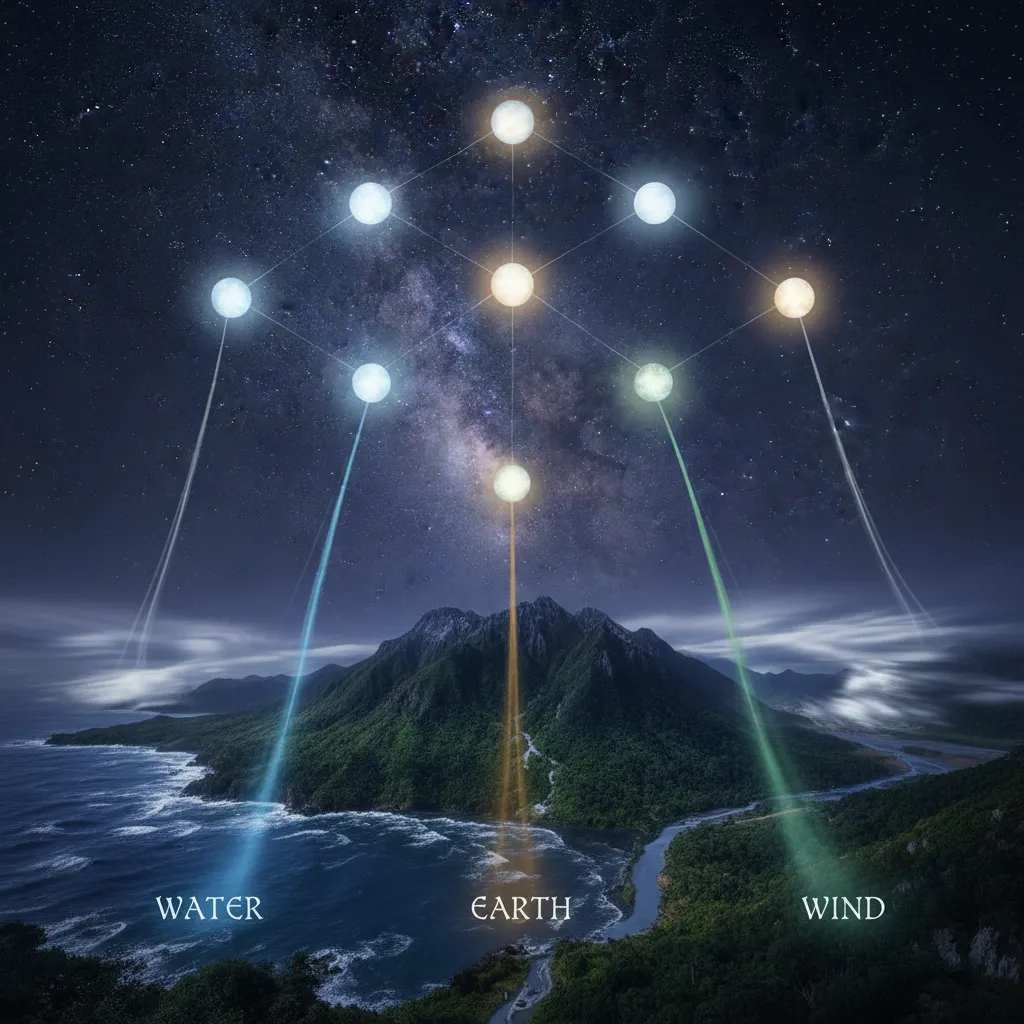
The Matariki stars meaning is deeply rooted in Māori astronomy and environmental knowledge. Matariki is the star cluster known globally as the Pleiades, marking the Māori New Year. While often identified as seven stars, there are nine distinct stars in the cluster, each representing specific environmental domains: fresh water, salt water, the earth, the forest, wind, rain, dreams, remembrance of the dead, and the mother star, Matariki, who signifies wellbeing and reflection.
What is the Significance of Te Kāhui o Matariki?
Te Kāhui o Matariki (The Cluster of Matariki) is more than just a celestial event; it is a fundamental pillar of timekeeping, cultural identity, and environmental stewardship in New Zealand. Rising in mid-winter, the appearance of these stars signals the beginning of the Māori lunar year. Historically, the brightness and clarity of the stars were used to predict the productivity of the coming seasons—whether the harvest would be bountiful or if the winter would be harsh.
For modern observers and educators, understanding the Matariki stars meaning provides a blueprint for living in harmony with the natural world. It encourages a cyclical view of time that honors the past (those who have passed on), celebrates the present (gathering with whānau/family), and prepares for the future (planting and planning). The resurgence of Matariki as a public holiday in Aotearoa New Zealand has sparked a renaissance in indigenous astronomical knowledge, moving beyond simple stargazing to a deeper appreciation of the distinct domains each star governs.
Why are there 9 Stars instead of 7?
A common point of confusion in astronomy circles is the discrepancy between the “Seven Sisters” (as known in Greek mythology) and the nine stars recognized in specific Māori tribal narratives. For many years, the seven-star narrative was the dominant version taught in schools. However, prominent Māori astronomer Dr. Rangi Mātāmua has been instrumental in revitalizing the knowledge of the nine stars, based on ancient manuscripts and oral traditions passed down through generations.
From an astronomical perspective, the Pleiades cluster contains hundreds of stars, but only a handful are visible to the naked eye. Under optimal conditions with very sharp eyesight and low light pollution, nine discrete points of light can be distinguished. In Māori genealogy (whakapapa), Matariki is the mother, and she is surrounded by her eight children. The shift from seven to nine stars in public consciousness represents a reclaiming of specific indigenous knowledge that offers a more granular understanding of the environment. The two stars often omitted in the seven-star version are Pōhutukawa and Hiwa-i-te-rangi, which deal with the spiritual realms of death and aspiration, respectively.
What are the Meanings of the 9 Matariki Stars?
To fully grasp the Matariki stars meaning, one must look at each star individually. Each child of Matariki governs a specific aspect of the te taiao (the environment) or the human condition. Below is a detailed breakdown of their domains.
1. Matariki (The Mother)
Matariki is the central star of the cluster. Her name is often translated as “The Eyes of God” (Mata Ariki) or “Little Eyes” (Mata Riki). She represents health, wellbeing, and the gathering of people. As the mother, she ensures the balance of the cluster and encourages us to check on the health of our community and environment. When Matariki is bright, it is a sign of good fortune and health for the coming year.
2. Pōhutukawa
Pōhutukawa is the star connected to those who have passed away. She is the eldest child. Unlike the earthly Pōhutukawa tree, this star connects the living to the dead. During the rising of Matariki, names of those who died in the past year are called out to this star to guide their spirits into the afterlife. It is a time for weeping, remembrance, and letting go of grief.
3. Tupuānuku
The name Tupuānuku can be broken down into “tupu” (to grow) and “nuku” (short for Papatūānuku, the Earth Mother). This star is associated with everything that grows within the soil to be harvested for food. This includes kūmara (sweet potato) and other root vegetables. A bright Tupuānuku indicates a fertile season and a bountiful harvest from the gardens.

4. Tupuārangi
Complementing Tupuānuku is Tupuārangi. “Rangi” refers to the sky. This star governs food sources that come from the sky or are located above the ground. This historically included birds like the kererū (wood pigeon) and fruits/berries from trees. It reminds us of the importance of our forests and the biodiversity within the canopy.
5. Waitī
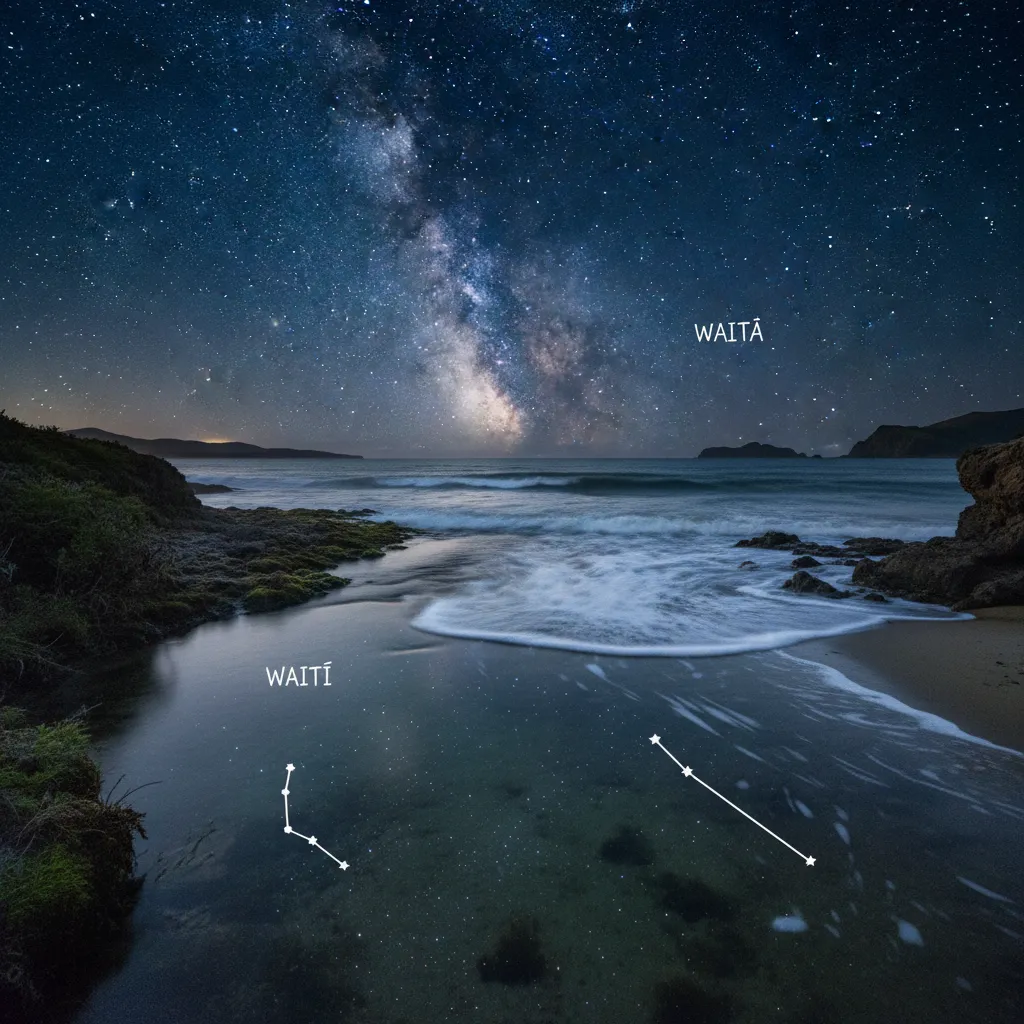
Waitī watches over fresh water environments. This includes rivers, streams, lakes, and the food sources within them, such as tuna (eels) and kōura (crayfish). The connection between the star and the water quality is vital; a clear Waitī signals healthy water systems, while a hazy appearance might warn of drought or water scarcity.
6. Waitā
Waitā is the twin of Waitī but governs the ocean and salt water. This star represents the vast food baskets of the sea (kaimoana). It is also significant for its influence on tides and currents. Waitā reminds us of our responsibility to protect the ocean from pollution and overfishing.
7. Waipuna-ā-rangi
This star is intimately connected to the rain. “Waipuna” means spring or fountain, and “rangi” means sky—literally the “fountain in the sky.” Waipuna-ā-rangi welcomes the winter rains that replenish the water tables and rivers. The visibility of this star helps predict rainfall patterns for the coming year, which is crucial for agriculture.
8. Ururangi
Ururangi is the star of the winds. The name translates to “The Winds of the Sky.” It determines the nature of the winds for the year—whether they will be gentle and favorable or harsh and destructive. Māori navigators and farmers relied heavily on the mood of Ururangi to plan their voyages and planting schedules.
9. Hiwa-i-te-rangi
The youngest star, Hiwa-i-te-rangi, is the wishing star. She is connected to the promise of a prosperous season. It is to Hiwa that people send their wishes, dreams, and aspirations for the new year. Similar to the Western concept of “wishing upon a star,” Hiwa-i-te-rangi represents the hope for future growth and the attainment of goals.
The Intersection of Astronomy and Mythology
The study of the Matariki stars meaning is a perfect example of where hard science meets cultural narrative. In Western astronomy, the Pleiades is an open star cluster located in the constellation Taurus. It is dominated by hot blue luminous stars that have formed within the last 100 million years. They are physically related and move through space together.
However, the mythological lens provides the context for human interaction with these celestial bodies. The narrative of Matariki as a mother surrounded by her children transforms a cluster of burning gas into a family unit that mirrors human social structures. This anthropomorphism served a critical educational purpose: it made the environmental data easier to memorize and pass down.
For example, knowing that “Waitā” (Saltwater) sits next to “Waitī” (Freshwater) in the sky helps solidify the concept of the water cycle and the connection between mountains and the sea (Ki uta ki tai). The mythology acts as a mnemonic device for complex ecological data. When we teach Matariki, we are teaching ethno-astronomy—the study of how a specific culture perceives their sky and uses that information to survive and thrive.
How to Observe and Locate Matariki
Locating Matariki requires waking up early, typically before dawn in mid-winter (June or July). The cluster rises in the northeast horizon. A common method to find it is to use the “pot” (Orion’s Belt) as a guide.
The Navigation Method
First, locate the three stars of Orion’s Belt (Tautoru). Follow the line of the belt to the left (northward) until you find a bright triangular cluster of stars, which is Te Kokotā (The Hyades). Continue that line further to the left, and you will see a smaller, tighter cluster of twinkling lights. That is Matariki.
Observing Matariki is not just about spotting the stars; it is about the ceremony of the morning. It is traditional to offer a karakia (prayer) or mihi (greeting) to the cluster, acknowledging the names of the dead and casting wishes to Hiwa-i-te-rangi. It is a moment of quiet contemplation before the sun rises and the new year officially begins.
When is the best time to see Matariki?
Matariki is best viewed in the pre-dawn hours (between 5:30 AM and 6:30 AM) during the lunar phase of Tangaroa, usually in late June or early July. The dates shift slightly each year based on the lunar calendar.
Is Matariki the same as the Seven Sisters?
Astronomically, they are the same cluster (The Pleiades). However, culturally, the “Seven Sisters” is a Greek narrative. The Māori narrative identifies nine stars—a mother (Matariki) and her eight children—offering a different cultural context and environmental significance.
What food is associated with the star Tupuānuku?
Tupuānuku is associated with food that is grown in the ground. This includes kumara (sweet potato), taewa (Māori potatoes), yams, and other root vegetables essential for winter survival.
Why is Hiwa-i-te-rangi important?
Hiwa-i-te-rangi is known as the wishing star. She is crucial because she represents hope, aspirations, and planning for the future. Māori tradition involves sending wishes for the new year to this specific star.
Can you see all 9 stars with the naked eye?
It is difficult but possible. While most people easily see six or seven stars, seeing all nine requires exceptional eyesight, very dark skies with no light pollution, and clear atmospheric conditions.
What does the star Pōhutukawa represent?
Pōhutukawa represents the dead. It is the star that connects the living with those who have passed away since the last rising of Matariki. It is a focal point for grief, remembrance, and honoring ancestors.