The Matariki stars meanings simplified refer to the nine distinct stars within the Pleiades cluster that signify the Māori New Year. Each star holds specific dominion over environmental and spiritual domains: Matariki (health), Pōhutukawa (remembrance), Waitī (freshwater), Waitā (saltwater), Waipuna-ā-rangi (rain), Ururangi (wind), Tupu-ā-nuku (soil crops), Tupu-ā-rangi (forest food), and Hiwa-i-te-rangi (aspirations).
Matariki is not merely a celestial event; it is a complex system of environmental indicators and spiritual reflection deeply embedded in the indigenous culture of Aotearoa New Zealand. Understanding the unique purpose of each star allows for a deeper connection to the natural world and the cycle of the seasons.
What is Matariki? Understanding the Cluster
Matariki is the Māori name for the star cluster known internationally as the Pleiades or the Seven Sisters. While many cultures identify seven stars, Māori astronomy (Tātai Arorangi) typically recognizes nine distinct stars in the cluster, each with its own name and responsibility. The rise of Matariki in the mid-winter sky marks the changing of the season and the beginning of the Māori New Year.
Historically, this period was a time for communities to come together to acknowledge the year past, mourn those lost, and plan for the season ahead. The visibility and brightness of these stars were used to predict the success of the coming harvest, the severity of the weather, and the general prosperity of the tribe (iwi).

Matariki and Pōhutukawa: Health and Remembrance
To fully grasp the Matariki stars meanings simplified, one must start with the mother star and the star of the dead. These two anchor the cluster in the realms of the living and the spirit world.
Matariki: The Mother Star
Meaning: Health, well-being, and gathering.
Matariki is the central and brightest star in the cluster. She is often viewed as the mother surrounded by her eight children. Her domain is the health and well-being of the people. When Matariki appears bright and clear in the pre-dawn sky, it signals a year of good luck, peace, and health for the community. Conversely, if the star appears hazy or shimmering, it was traditionally seen as an omen of sickness or hardship.
Pōhutukawa: The Star of Remembrance
Meaning: Connection to the dead and those who have passed.
Pōhutukawa is the star connected to those who have passed away since the last rising of Matariki. Māori belief holds that when people die, their spirits travel up to the north of New Zealand to Te Rerenga Wairua (the leaping place of spirits), descend into the underworld, and eventually ascend to the heavens to become stars. Pōhutukawa is the guardian of this journey. During Matariki celebrations, it is customary to call out the names of loved ones lost during the year to Pōhutukawa, releasing the grief and allowing their spirits to become part of the night sky.
Waitī and Waitā: Guardians of the Water
Water is the essence of life, and in the Matariki cluster, two stars are dedicated to the different bodies of water that sustain humanity.
Waitī: Freshwater Bodies
Meaning: Freshwater, eels, and rivers.
Waitī watches over all freshwater environments, including rivers, lakes, streams, and springs. This star is inextricably linked to the creatures that inhabit these waters, particularly the eel (tuna) and freshwater crayfish (kōura). From an environmental perspective, the clarity of Waitī helps to predict the health of the waterways and the abundance of freshwater food sources for the coming year. A clear Waitī suggests flowing rivers and bountiful catches, while a dim appearance might signal droughts or low water levels.
Waitā: The Vast Ocean
Meaning: Saltwater, the ocean, and seafood (kaimoana).
Waitā represents the ocean and the vast food sources it provides. This star is associated with the tides, currents, and the multitude of life within the sea. Waitā is often paired with Waitī to represent the hydrological cycle—water flowing from the land to the sea and returning as rain. For coastal iwi, the brightness of Waitā was critical for determining the best times for fishing and harvesting kaimoana. It serves as a reminder of the respect required when interacting with the powerful forces of the ocean.

Tupu-ā-nuku and Tupu-ā-rangi: The Food Sources
Food security was paramount for early Māori society. These two stars are the indicators for agriculture and foraging, covering everything edible from the ground up to the canopy.
Tupu-ā-nuku: Food from the Earth
Meaning: Soil, cultivated crops, and plants.
“Tupu” means ‘to grow’ and “Nuku” is a shortening of Papatūānuku (Earth Mother). Therefore, Tupu-ā-nuku is the star connected to everything that grows within the soil to be harvested for food. This includes the kūmara (sweet potato), yams, and taro. Traditionally, if Tupu-ā-nuku shone brightly, it was a sign that the planting season would be fruitful and the soil fertile. It marked the time to prepare the storage pits for a bountiful harvest.
Tupu-ā-rangi: Food from the Sky
Meaning: Forests, birds, and berries.
“Rangi” refers to Ranginui (Sky Father). Tupu-ā-rangi is connected to food sources that are located above the ground—specifically within the forest canopy. This includes native birds like the kererū and tūī, as well as fruits and berries growing on trees. This star acts as an advocate for the forests; its brightness indicates the health of the tree life and the bird populations. A strong Tupu-ā-rangi signals a season where the forests are lush and birdlife is plentiful, ensuring the community can hunt and gather successfully.
Waipuna-ā-rangi and Ururangi: Predicting the Weather
Weather patterns in New Zealand can be volatile. The Matariki cluster provides vital clues regarding atmospheric conditions through these two stars.
Waipuna-ā-rangi: The Water Pool of the Sky
Meaning: Rain, snow, and precipitation.
The name Waipuna-ā-rangi translates literally to “water pooling in the sky.” This star is responsible for the rains that nourish the land. While rain is necessary for survival, too much can be destructive. Māori astronomers would observe Waipuna-ā-rangi to predict rainfall patterns. If the star was visible and distinct, it suggested a balanced amount of rain for the season. If it was obscured or invisible, it could warn of impending droughts or, conversely, severe flooding depending on the specific visual characteristics.
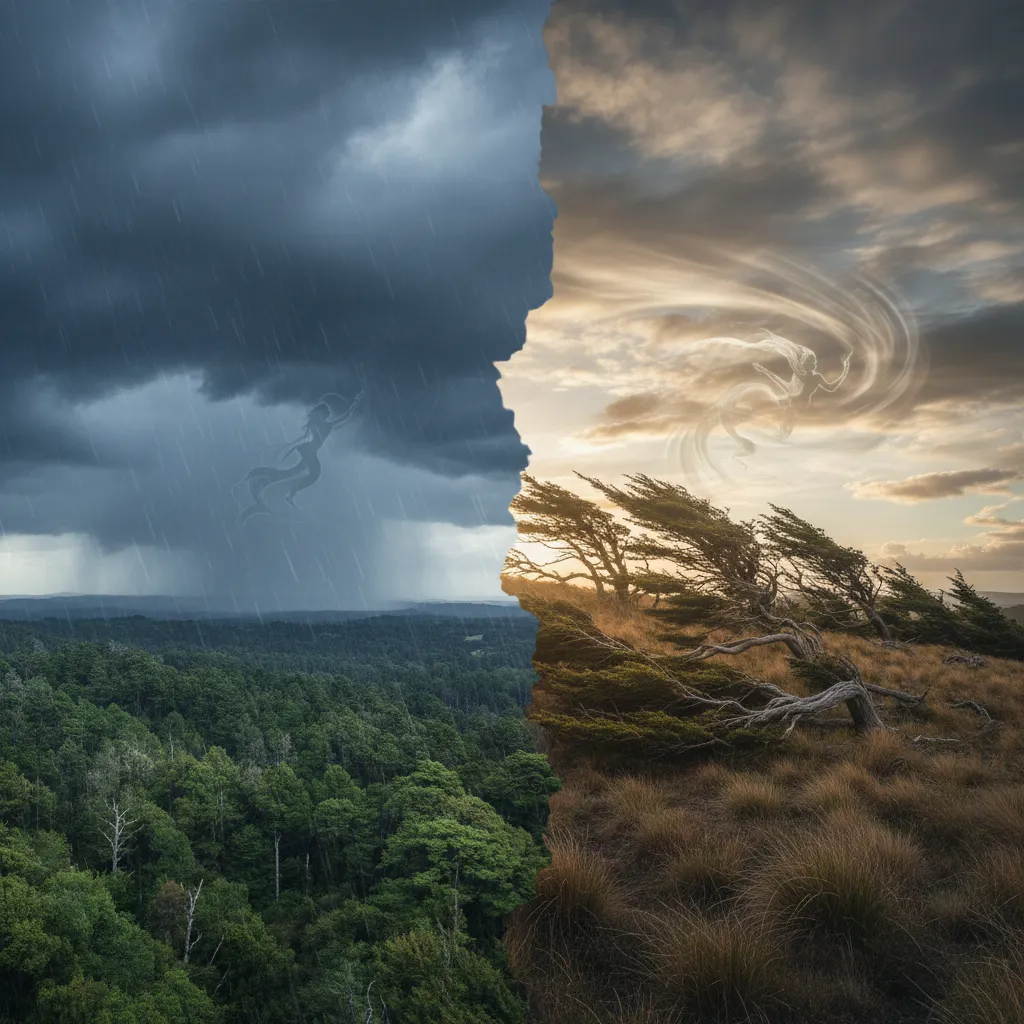
Ururangi: The Winds of the Sky
Meaning: Wind and atmospheric turbulence.
Ururangi translates to “the winds of the sky.” This star determines the nature of the winds for the coming year. In New Zealand, the prevailing winds can have a massive impact on agriculture and navigation. Ururangi is associated with the family of winds (Te Whānau Puhi). A calm and clear Ururangi predicts favorable winds, while a flickering or turbulent appearance warns of gales and storms. Recognizing the mood of Ururangi allowed ancestors to reinforce their structures and prepare for harsh weather.
Hiwa-i-te-rangi: The Star of Wishes
The final star in the cluster is perhaps the most personal and forward-looking of the nine.
The Wishing Star
Meaning: Aspirations, dreams, and desires.
Hiwa-i-te-rangi is the star to which Māori would send their wishes and aspirations for the new year. It is similar to the notion of “wishing upon a star” in Western culture. This star represents the promise of a prosperous future. During Matariki, it is common to look upon Hiwa-i-te-rangi and mentally plant the “seeds” of your desires—whether they be for prosperity, the completion of a project, or the health of a family member. It encourages us to look forward with hope and determination.
How to Read the Signs (Ngā Tohu)
Understanding the Matariki stars meanings simplified is only the first step; the practical application involves reading their visual appearance (tohu). Tohunga kōkōrangi (expert astronomers) would go out before dawn to observe the cluster.
The indicators they looked for included:
- Brightness: A bright star generally indicates abundance and positive energy in that specific domain.
- Haziness: If a star appeared blurry or misty, it often predicted scarcity or difficulty.
- Distance: The apparent distance between stars could indicate social cohesion or conflict.
- Color: Subtle shifts in color could indicate temperature changes or specific environmental conditions.
For example, if Tupu-ā-nuku was dim but Waitī was bright, the tribe might decide to focus less on planting crops and more on fishing eels for the upcoming season. This sophisticated system of environmental management ensured the survival of the people by aligning their activities with the natural signals of the cosmos.
Celebrating Matariki in Modern Aotearoa
Today, Matariki is a public holiday in New Zealand, marking a significant step in the cultural renaissance of Māori knowledge. It is a time for all New Zealanders, regardless of background, to pause and reflect.
Modern celebrations often involve:
- Kai (Food): Sharing a feast to celebrate the harvest and the bounty of the Tupu stars.
- Whānau (Family): Gathering to remember those represented by Pōhutukawa.
- Wānanga (Learning): Educational events discussing the stars and environmental protection.
- Whakangahau (Entertainment): Kapa haka, music, and arts.
By understanding the simplified meanings of the 9 stars, we move beyond a superficial observation of a holiday and engage with a deep, ecological wisdom that has guided people for centuries. It reminds us that our health, our food, and our future are intimately connected to the environment around us.

What are the 9 stars of Matariki called?
The nine stars are Matariki, Pōhutukawa, Waitī, Waitā, Waipuna-ā-rangi, Ururangi, Tupu-ā-nuku, Tupu-ā-rangi, and Hiwa-i-te-rangi. Each represents a different aspect of the environment and well-being.
Why are there sometimes 7 stars and sometimes 9?
While the Pleiades cluster contains hundreds of stars, only the brightest are visible to the naked eye. Many cultures see seven, but Māori astronomy, with its sharp focus on environmental indicators, identifies nine distinct stars in the narrative of Matariki.
What is the best time to see Matariki?
Matariki is best viewed in the pre-dawn sky (around 5:30 AM to 6:30 AM) during mid-winter, typically in June or July. You should look towards the northeast horizon.
How do I find Matariki in the sky?
To find Matariki, first locate the belt of Orion (The Pot). Follow the line of the three belt stars to the left until you see a triangular cluster (Te Kokotā). Continue that line to the left, and you will find the cluster of Matariki.
What does it mean if Matariki is not visible?
If the stars are obscured by bad weather during the rising period, it was traditionally seen as a sign that the coming year might be difficult or that the weather would be harsh. However, modern observation windows usually span several days to allow for cloud cover.
Is Matariki the same for all Māori tribes?
While the concept of the New Year is universal, the specific stars and timing can vary. Some iwi (tribes) in the West Coast or South Island look to the star Puanga (Rigel) as the primary signifier of the New Year because Matariki is less visible in their region due to mountain ranges.