
The best fishing times on the Maori calendar occur during the Tangaroa phases, specifically Tangaroa-ā-mua, Tangaroa-ā-roto, and Tangaroa-kiokio. These days, falling roughly three to four days after the full moon, are renowned for high fish activity and feeding aggression. Conversely, the Whiro (new moon) phase is optimal for eeling, while the Korekore days are traditionally considered poor for fishing, requiring rest and equipment maintenance.
Understanding the Maramataka: More Than Just a Moon Phase
For centuries, the Maramataka—the traditional Māori lunar calendar—has served as an essential survival tool, guiding planting, harvesting, and fishing activities across Aotearoa. Unlike the Gregorian solar calendar, the Maramataka is strictly observational, relying on the cycles of the moon, the position of stars, and environmental cues to dictate the rhythm of daily life. For the modern angler, understanding the best fishing times Maori calendar principles offer is not merely a cultural exercise; it is a strategic advantage that aligns fishing efforts with the natural feeding patterns of marine life.
The calendar divides the lunar month (typically 29.5 days) into distinct phases, each possessing unique energy levels known as ‘maur’. These energies influence everything from the sap flow in trees to the behavior of invertebrates and, crucially, the feeding aggression of fish. By consulting the Maramataka, anglers move beyond random luck, targeting days when Tangaroa (the god of the sea) is most generous.
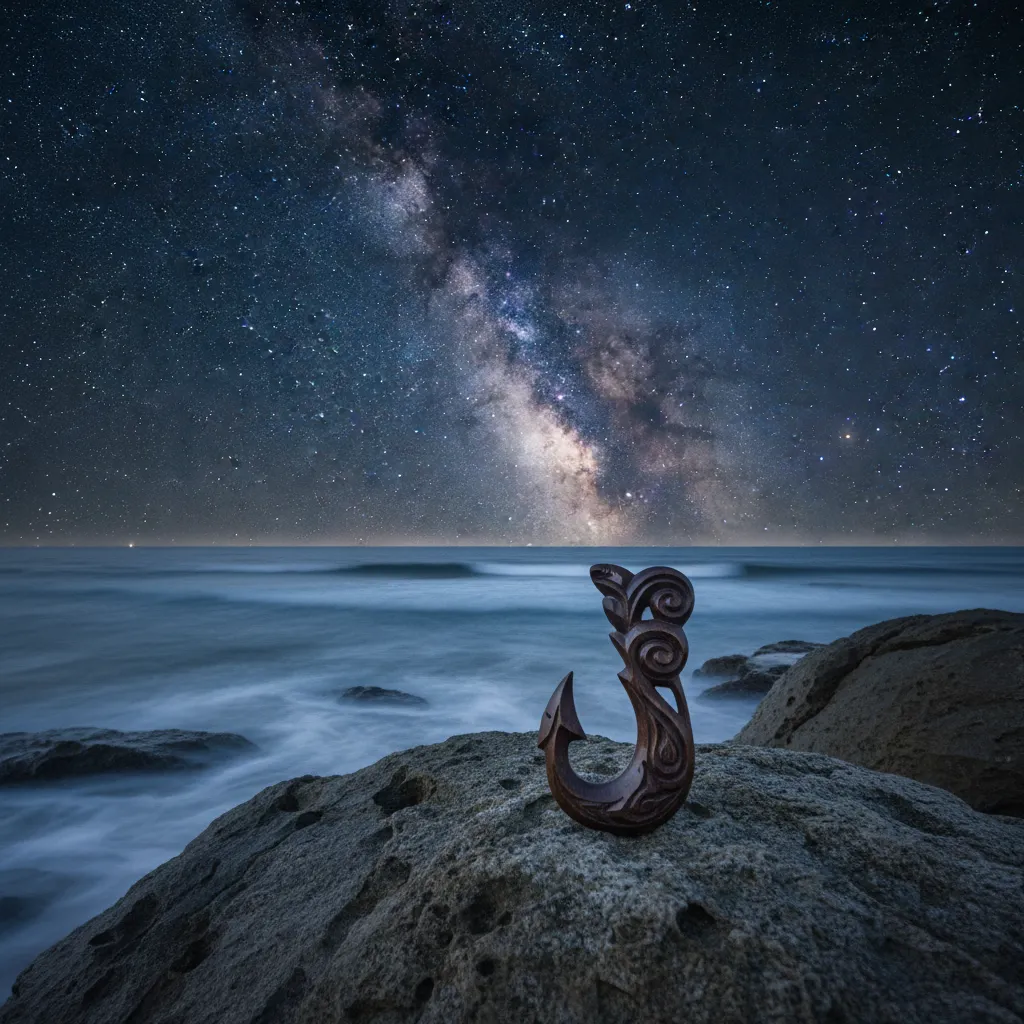
Tangaroa Nights: The Peak Fishing Windows
If you are looking for the absolute best fishing times on the Maori calendar, you must mark the Tangaroa phase in your diary. Occurring after the full moon (Rakaunui), this period is widely accepted as the most productive time for line fishing.
The Tangaroa Triad
The Tangaroa phase consists of three specific days (or nights) that are legendary among New Zealand fishermen:
- Tangaroa-ā-mua: The first day of the phase. Fish activity begins to spike significantly. It is an excellent time for surfcasting and boat fishing.
- Tangaroa-ā-roto: The middle day. Often considered the peak of the month. The gravitational pull is strong, currents are favorable, and major species like Snapper (Tāmure) and Kingfish (Haku) are on the hunt.
- Tangaroa-kiokio: The final day of the productive streak. While activity remains high, it is the last chance to fill the bin before the energy starts to shift toward the more volatile Tamatea phase.
Why Do These Phases Work?
From an astronomical perspective, these days correlate with significant lunar influence on tides. The increased water movement stirs up sediment and dislodges food sources like crabs and shellfish, triggering a feeding frenzy up the food chain. Culturally, it is said that Tangaroa is active and breathing, bringing vitality to the ocean. Anglers fishing during these windows often report not just more fish, but larger, more aggressive predatory fish.
Eeling Seasons: Whiro and the Art of Hīnaki
While the Tangaroa phases are celebrated for scale fish, the requirements for catching Tuna (freshwater eels) are vastly different. The best fishing times Maori calendar suggests for eeling are centered around darkness and stealth.
The Whiro Moon
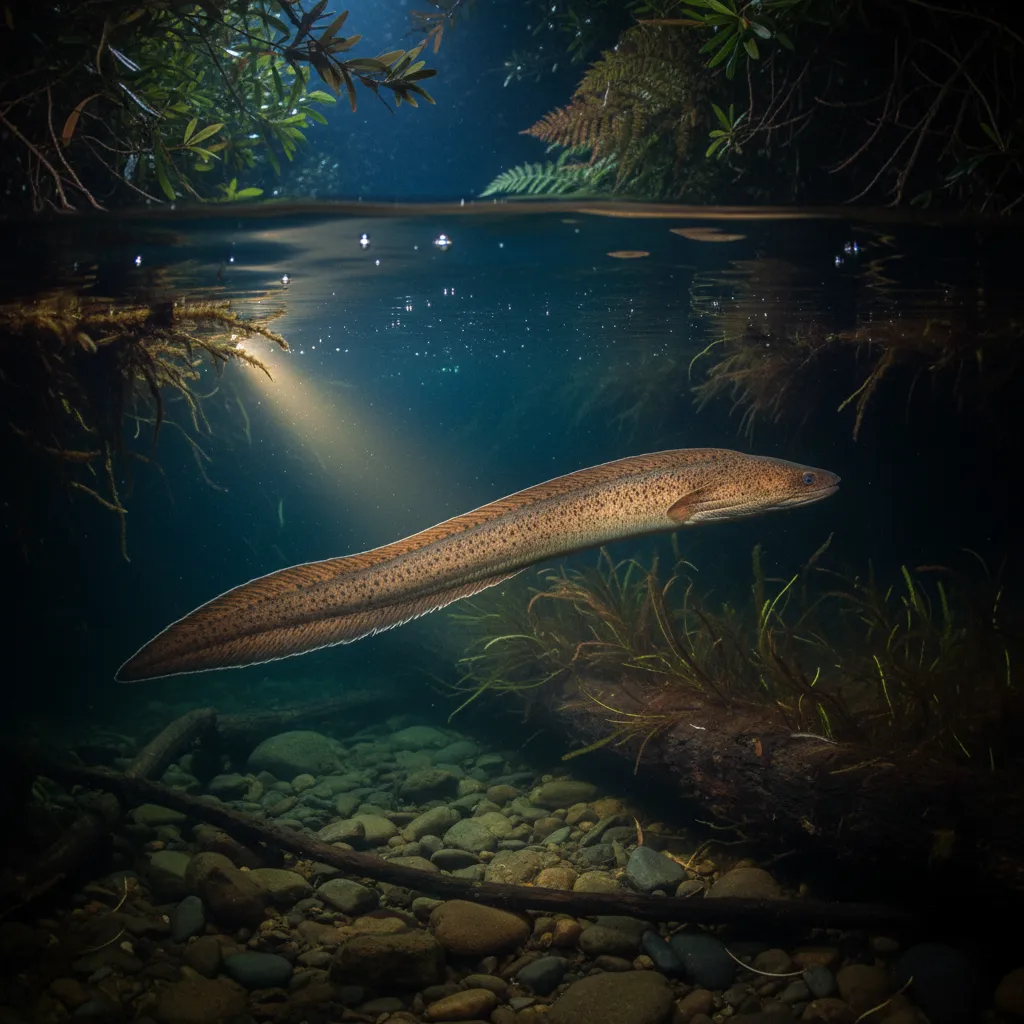
Whiro marks the new moon—the darkest night of the lunar cycle. For eelers, this is the prime window. Eels are nocturnal and photophobic; they avoid bright moonlight which exposes them to predators and makes them feel vulnerable. During Whiro, the cover of total darkness encourages eels to venture into shallow waters to hunt.
Environmental Triggers
Beyond the moon phase, the Maramataka emphasizes reading the environment. The combination of a Whiro moon and heavy rainfall is the “holy grail” of eeling. Rising water levels and muddied rivers trigger eels to migrate or feed aggressively on worms and insects washed into the waterways. This is the time to set the Hīnaki (eel pot) or utilize a bobbing line.
Reading Tides, Moon Position, and Astronomy
To truly master the Maramataka, one must integrate it with an understanding of astronomy and tidal physics. The Maori ancestors were adept astronomers, navigating by the stars and understanding the deep connection between the celestial bodies and the ocean.
Moon Overhead and Underfoot
Modern solunar tables often replicate what the Maramataka has taught for generations: fish bite best when the moon is directly overhead (transit) or directly underfoot (opposing transit). These periods coincide with the strongest gravitational pull on the earth’s crust and water bodies.
- Major Bite Times: Occur when the moon is at its highest point in the sky or directly on the opposite side of the earth.
- Minor Bite Times: Occur when the moon rises or sets.
When a Major Bite time aligns with a Tangaroa day and a change of light (dawn or dusk), the potential for a trophy catch increases exponentially. This alignment creates a “super window” of opportunity that professional guides and astute recreational anglers wait for.
The Unproductive Phases: Korekore
Just as important as knowing when to fish is knowing when not to fish. The Korekore days (Korekore-te-whiwhia, Korekore-te-rawea, Korekore-piri-ki-ngā-tangotango) typically precede the new moon. “Korekore” translates roughly to “nothing” or “void.” These days are traditionally associated with low catch rates. In the Maramataka, this was a time for conservation, repairing nets, sharpening hooks, and allowing the fishing grounds to rest—a primitive but effective form of resource management.
Raumati (Summer) Fishing Tips
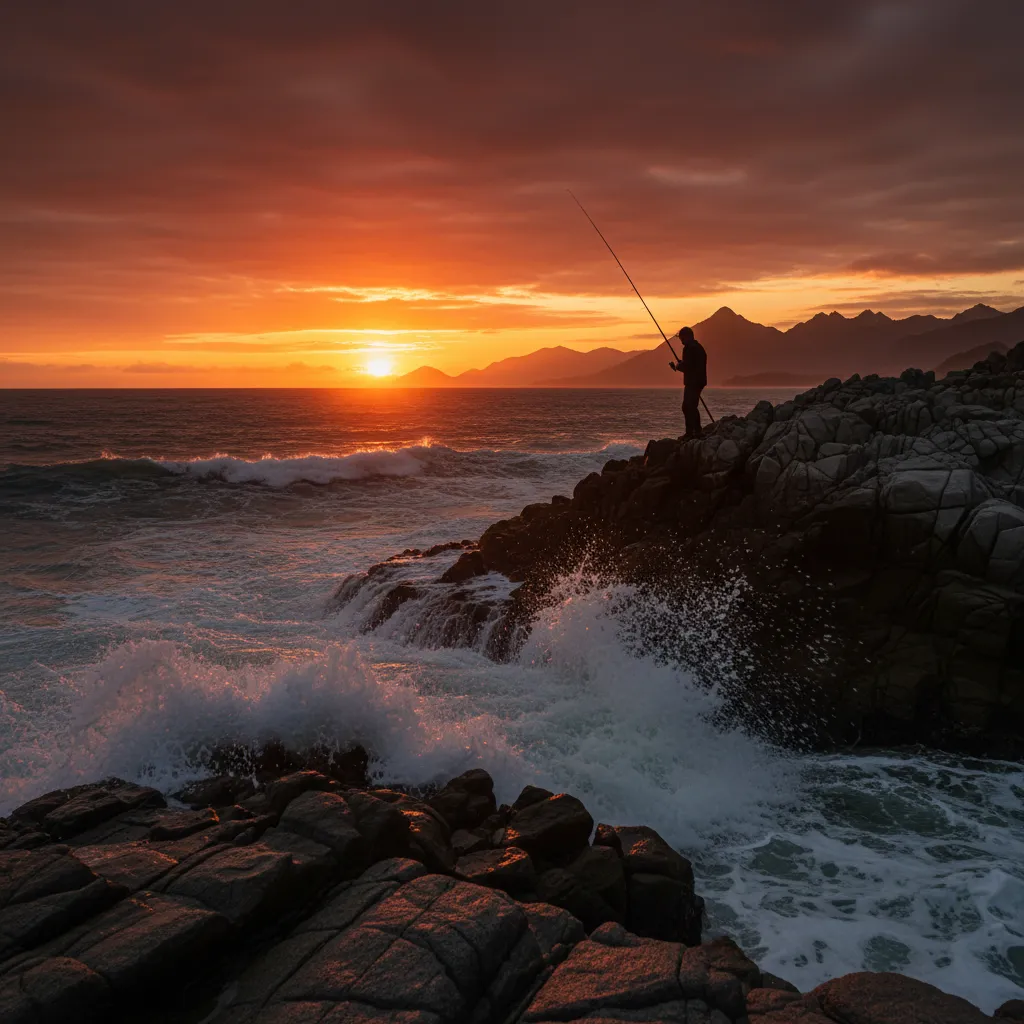
As the seasons shift, so too does the application of the Maramataka. Raumati (Summer) in New Zealand brings warmer water temperatures, longer days, and different species behavior.
Adjusting for Heat and Light
During Raumati, the sun is intense. Fish, much like humans, can become lethargic during the heat of the day. Even during a favorable Tangaroa moon, fishing at high noon in mid-summer may yield poor results. The strategy must shift to the “shoulders” of the day.
The Golden Hours:
- Pre-Dawn to Sunrise: This is often the most productive time in summer. Snapper move into the shallows under the cover of darkness and feed aggressively as the light hits the water.
- Dusk into Night: As the water cools slightly, predatory species become active again. This is particularly effective for targeting John Dory and Kingfish near structures.
The Haku (Kingfish) Run
Summer is synonymous with the arrival of Kingfish. These powerful predators are less influenced by the lethargy of heat but are highly attuned to tidal currents. Look for the days of Tamatea during summer. While Tamatea days are known for unpredictable weather and wind, the strong currents associated with this phase can stimulate Kingfish activity around markers, buoys, and headlands.
Sustainability and Kaitiakitanga
Utilizing the Maramataka is not just about maximizing harvest; it is inextricably linked to Kaitiakitanga—guardianship and protection of the environment. The calendar inherently promotes sustainability by designating days for harvest and days for rest (Korekore).
Protecting the Longfin Eel
The native Longfin Eel (Tuna Kuwharuwharu) is a taonga (treasure) species that is currently threatened. They live for decades and breed only once at the end of their lives. When applying the knowledge of the Whiro moon for eeling, it is critical to practice restraint.
- Limit your catch: Take only what you need for a meal, not to fill the freezer.
- Release large eels: The large eels are almost always females roughly 50-80 years old, preparing for their migration to the Pacific to breed. Killing them destroys future generations.
- Respect the Rahui: If a local iwi has placed a Rahui (temporary ban) on an area, it must be respected to allow stocks to replenish.
Frequently Asked Questions
What are the best days to fish on the Maori calendar?
The best days are generally during the Tangaroa phase (Tangaroa-ā-mua, Tangaroa-ā-roto, Tangaroa-kiokio), which occurs 3-4 days after the full moon. These days are associated with high energy and aggressive feeding behaviors in fish.
Is the full moon good for fishing in NZ?
The full moon (Rakaunui) is considered a high-energy day and can be productive, but it is often the days immediately following the full moon (the Tangaroa phase) that yield the best results for line fishing.
When is the best time to catch eels according to Maramataka?
The best time for eeling is during the Whiro phase (new moon). Eels prefer total darkness to hunt and are most active when there is no moonlight, especially if accompanied by rain or rising river levels.
What does the Korekore phase mean for fishing?
Korekore translates to “void” or “nothing.” In the context of fishing, these days are traditionally viewed as unproductive. It is a time best spent on maintenance, rest, and allowing fish stocks to replenish.
How do tides affect fishing times?
Tides are critical. Generally, the best fishing occurs during moving water—either two hours before high tide or the first two hours of the outgoing tide. Slack water (dead high or low) usually results in a drop in bite rate.
Can I use the Maramataka for freshwater fishing?
Yes, the Maramataka applies to all natural cycles. While often associated with ocean fishing, the lunar phases also affect insect hatches and feeding patterns of freshwater species like Trout and Eels.


