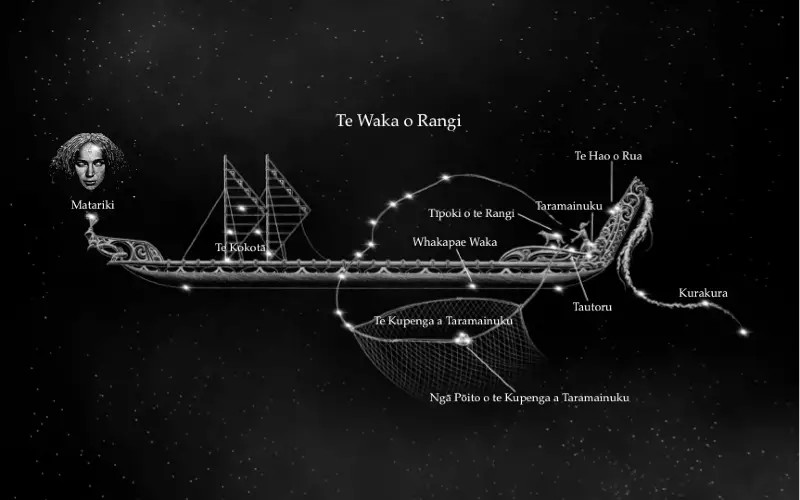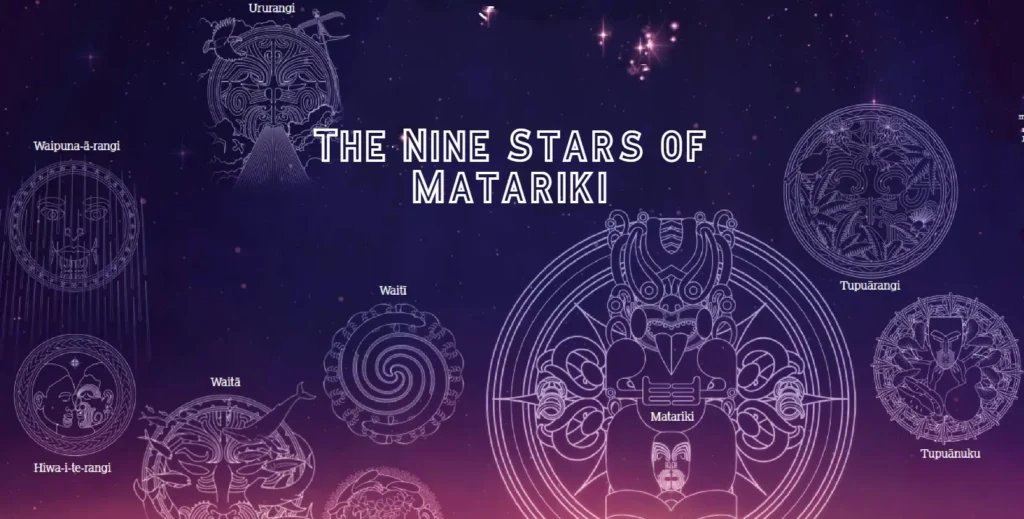
The meaning of Puaka centers on the arrival of the Māori New Year, specifically within the traditions of Southern Māori (Ngāi Tahu). Astronomically known as Rigel, the rising of Puaka signals the onset of winter and a critical time for abundance and harvest. It serves as an environmental indicator to finish preserving food (kai), store supplies for the colder months, and reflect on the past year’s bounty while planning for the season ahead.
What is the Meaning of Puaka?
To fully understand the meaning of Puaka, one must look toward the southern skies of Aotearoa (New Zealand) and the rich cultural tapestry of the South Island tribes, particularly Ngāi Tahu. While the rise of Matariki (the Pleiades) is the most widely recognized signifier of the Māori New Year across much of the country, in the deep south, Puaka holds equal, if not superior, prestige.
Puaka is the Māori name for Rigel, the brightest star in the constellation Orion. Its heliacal rising—when it first becomes visible in the dawn sky—occurs roughly at the same time as Matariki, typically in mid-winter (June or July). The dual celebration is often referred to as Puaka-Matariki.
The core meaning of Puaka is inextricably linked to the cycles of nature. It is not merely a celestial event; it is a seasonal clock. When Puaka appears, it marks the end of the harvest season and the beginning of the winter respite. It is a stark reminder from the natural world that the time for growth has paused, and the time for conservation and introspection has begun. For the ancestors, the visibility and brightness of this star were read as omens, predicting the severity of the coming winter and the potential success of future crops.

The Astronomical Significance of Rigel
In Western astronomy, Rigel is a blue supergiant star located in the constellation of Orion, the Hunter. It is one of the most luminous stars in our local region of the Milky Way. However, in Māori astronomy (tātai arorangi), the context is shifted from hunting mythology to agricultural and survival necessity.
Orion is often viewed as a great canoe or a bird snare in various Polynesian traditions. In the context of the meaning of Puaka, the star’s intense brightness allows it to be seen clearly even during the twilight hours of dawn. This high visibility made it a reliable navigation aid and a calendar marker for Southern Māori, who lived in environments where the horizon was often obscured by the majestic Southern Alps. Today, enthusiasts can utilize an Interactive Night Sky Map Tool: Locate Matariki Now to identify these features.
The relationship between Puaka and Matariki is symbiotic. In some traditions, they are seen as competing; in others, they are complementary. Matariki is often associated with the planting of crops and the nurturing of the earth, while Puaka is frequently associated with the wilder elements of the weather, the winds, and the preservation of what has been gathered. Together, they form a complete picture of the transition from one annual cycle to the next.
Puaka as a Sign of Food Storage
The most practical application of the meaning of Puaka lies in its role as a signal for food storage. In pre-European times, survival through the harsh New Zealand winters—especially in the colder South Island—depended entirely on the ability to store food effectively. When Puaka rose, it was the final warning that the larder must be full.
This period signaled the completion of the harvest. Crops like kūmara (sweet potato), which struggled in the southern climate, had to be lifted and stored in rua (pits) to protect them from frost. However, the abundance associated with Puaka was often more focused on mahinga kai—the wild food resources gathered from the forests, rivers, and oceans.
The appearance of the star indicated that the sap in the trees had stopped rising and that the eels (tuna) were beginning their migration. It was a time to ensure that pātaka (storehouses) were reinforced and pest-proofed. The community’s survival depended on the collective effort to secure these resources. If the star appeared bright and clear, it was interpreted as a sign of a prosperous year ahead; if it appeared hazy or shimmering, it foretold a cold, harsh winter, prompting even more urgent efforts to stockpile resources.
Preserving Kai for Winter: Ancient Techniques
The abundance celebrated during the rising of Puaka was only valuable if it could be sustained. Consequently, the meaning of Puaka is deeply intertwined with the sophisticated technologies of food preservation developed by Māori.
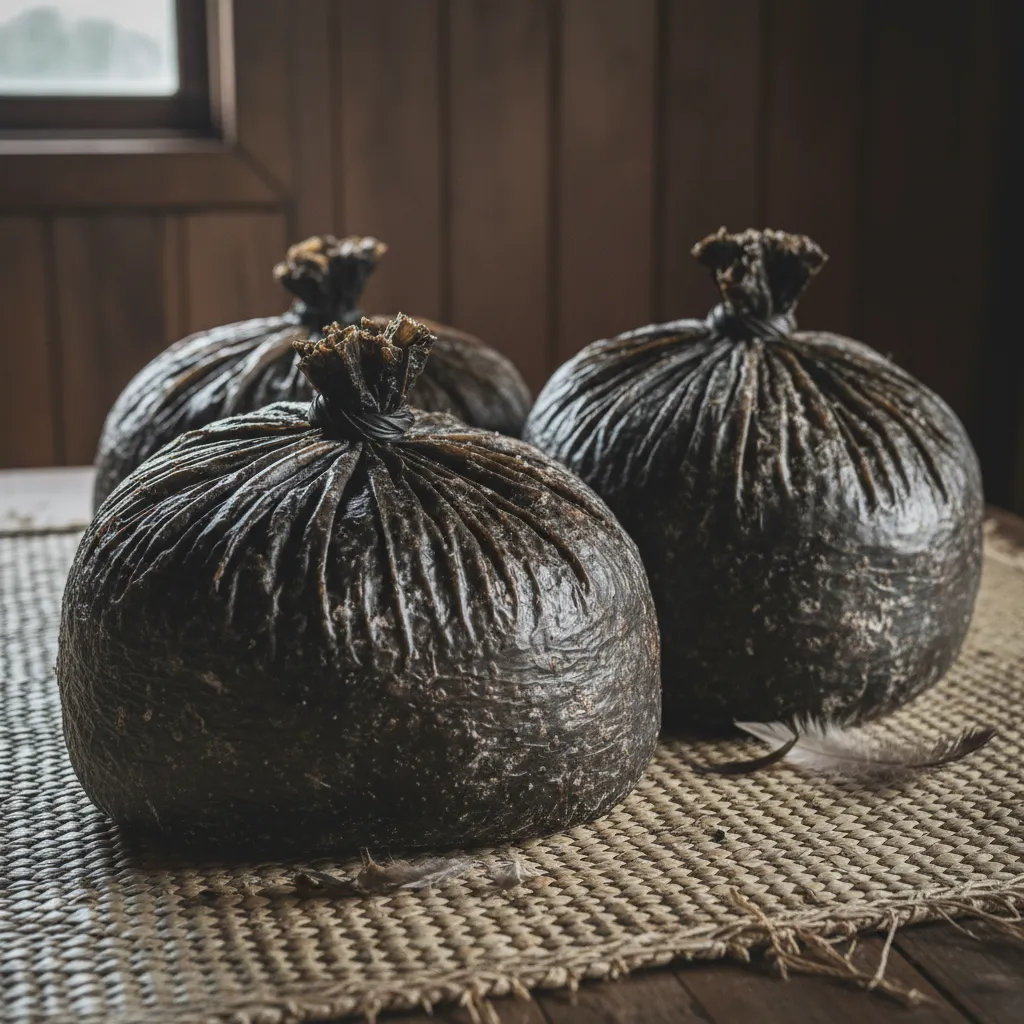
One of the most iconic preservation methods associated with this season, particularly for Ngāi Tahu, is the use of the pōhā. These are bags made from hollowed-out bull kelp (rimurapa). The process of creating a pōhā is labor-intensive and demonstrates the ingenuity of the ancestors.
The Art of the Pōhā
Kelp leaves were gathered, inflated, and dried to create airtight containers. These were primarily used to store tītī (muttonbirds), a staple protein source. The birds were cooked in their own fat and packed into the kelp bags. The fat solidified, creating a seal that prevented bacteria from spoiling the meat. Encased in strips of tōtara bark for protection and placed in flax baskets, these pōhā could preserve the meat for up to two years. The rising of Puaka coincided with the end of the birding season, making the sealing of the pōhā a ritualistic conclusion to the harvest.
Drying and Fermenting
Beyond fat preservation, drying was a critical technique. Eels, caught in abundance during their migration, were split and hung on drying racks exposed to the sun and wind. Once dried, they were light, portable, and durable. Fermentation was also used for foods like crayfish (kōura) and corn (kānga pirau), creating distinctive flavors and extending shelf life. The “meaning of Puaka” in this context is the mastery over decay—the ability to pause the natural decomposition process to ensure life continues.
The Connection to Hunting and Gathering
While agriculture was vital, the South Island economy was heavily reliant on hunting and gathering. Puaka signaled specific shifts in the behavior of animal species, guiding the hunters on where to focus their energy.
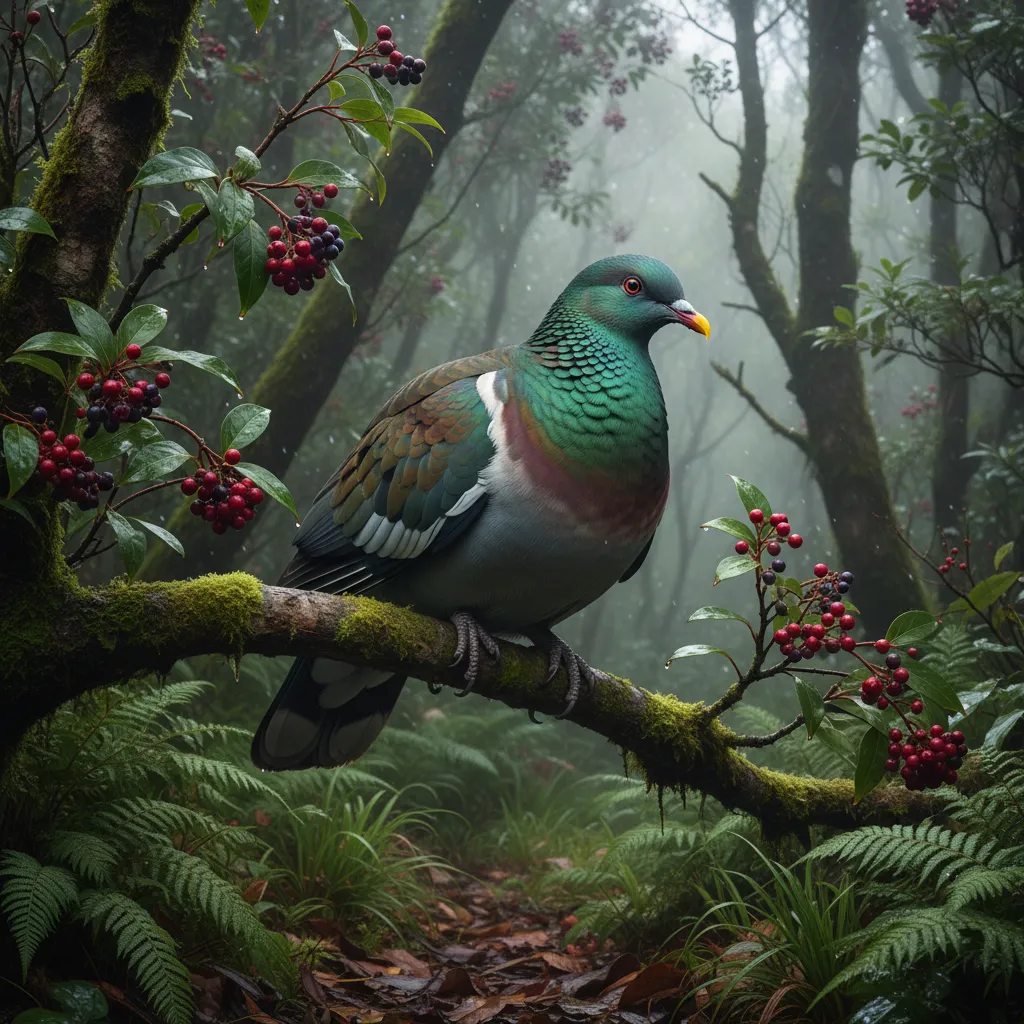
During the months leading up to the rise of Puaka, native birds such as the kererū (wood pigeon) would feast on the berries of the forest, becoming plump and fatty. This fat was a crucial energy source for humans during the winter. The appearance of the star marked the time when these birds were in prime condition for harvesting. However, this was always governed by kaitiakitanga (guardianship). Hunts were regulated to ensure populations were not depleted, maintaining the balance of the ecosystem.
The connection to the ocean was equally strong. The cold waters brought different fish species closer to shore. The focus shifted from deep-sea voyaging, which became dangerous due to winter storms, to inshore fishing and gathering shellfish. The abundance of Puaka is not just about what is grown in the ground, but what is provided by the domain of Tangaroa (god of the sea) and Tāne (god of the forest).
Reflecting on the Past Year’s Bounty
The meaning of Puaka extends beyond the physical into the spiritual and social realms. The transition of the year is a time for whakawhetai (gratitude). As the storehouses were filled, whānau (families) and hapū (sub-tribes) would gather to acknowledge the success of their labors.
This reflection was not solitary. It involved hākari (feasting), where the preserved bounty was shared. Sharing food is a central tenet of Māori hospitality (manaakitanga). The ability to provide a lavish feast for guests during the depths of winter was a tremendous display of mana (prestige). It showed that the tribe was organized, hardworking, and favored by the environment. Many modern celebrations mirror this spirit, allowing guests to Book Matariki Dining Experiences.
Furthermore, this period of reflection included remembering those who had passed away during the previous year. As the stars rose, the names of the dead were called out, releasing their spirits to become stars in the sky. This solemn remembrance grounded the celebration of abundance in a deep respect for lineage and ancestry. The harvest was not just for the living; it was a continuation of the legacy left by those who came before.
Planning for the Upcoming Season
While winter is a time of rest, the meaning of Puaka also encompasses preparation and foresight. The downtime provided by the cold weather was utilized for wānanga—learning and planning. Inside the wharenui (meeting houses), knowledge was transferred from elders to the younger generation.
This was the time to weave new nets, carve new tools, and repair weapons. It was a time to discuss political strategies, arrange marriages, and resolve conflicts. The “harvest” of Puaka was also a harvest of knowledge. The observations made of the star’s brightness informed the agricultural calendar for the coming spring. If Puaka foretold a harsh winter, plans were adjusted to ration food more strictly.
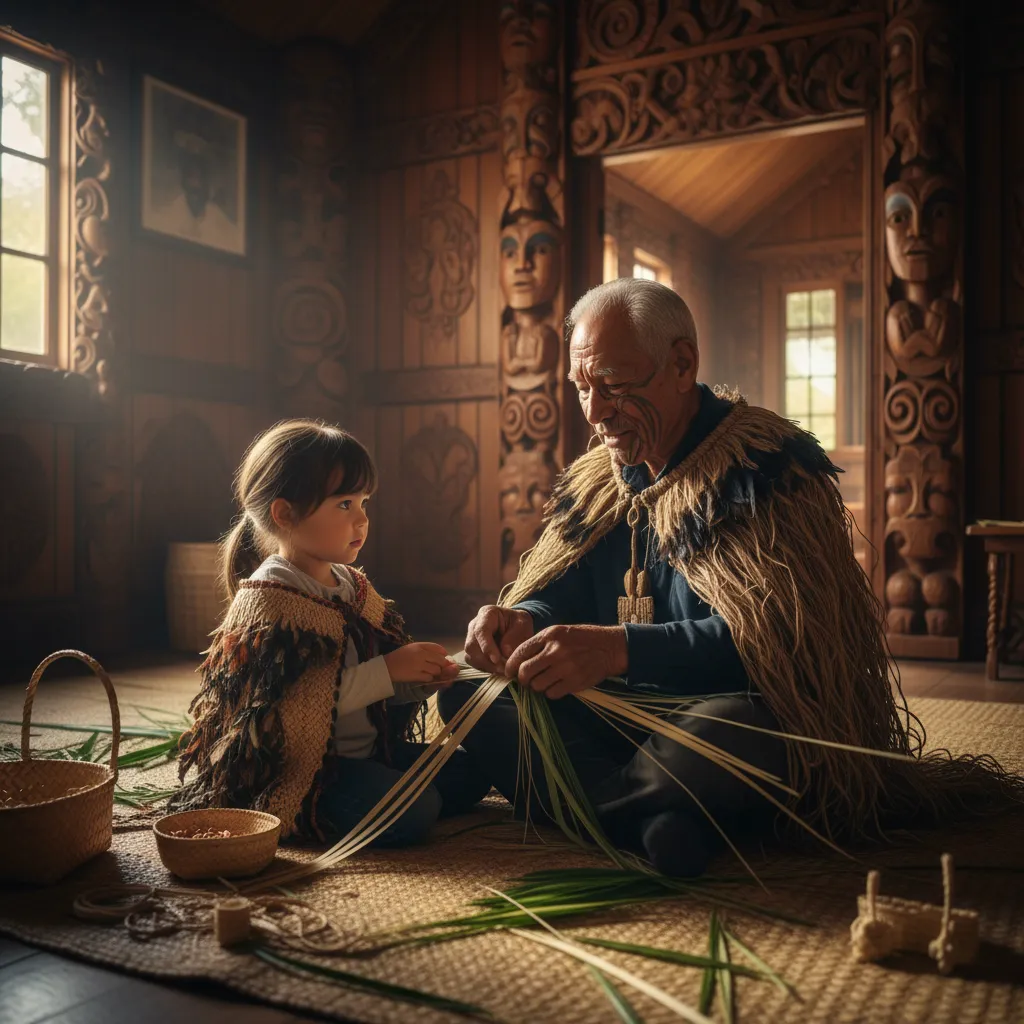
Modern planning mirrors these ancient traditions. Today, iwi and community groups use the Puaka-Matariki period to set strategic goals for environmental restoration, language revitalization, and economic development. The star remains a beacon for looking forward, ensuring that when the sun returns and the earth warms, the people are ready to work.
Puaka in Modern New Zealand
In recent years, there has been a significant resurgence in the observation of Puaka, particularly in Dunedin and the wider Otago region. The Dunedin Puaka Matariki Festival is a prime example of how ancient traditions are being revitalized for a contemporary audience. This includes opportunities for visitors to Book Stargazing Tours and connect with the celestial calendar.
The festival celebrates the unique southern identity, blending arts, storytelling, and science. It serves as an educational platform, teaching the public about the meaning of Puaka, the importance of local food systems, and the value of community resilience. It is a time when the lights of the city mimic the stars above, and the community gathers to share food, just as their ancestors did.
Understanding the meaning of Puaka is to understand the rhythm of life in Aotearoa. It is a cycle of working hard, storing the fruits of that labor, giving thanks, and preparing to begin again. It teaches us that abundance is not accidental; it is the result of observation, preparation, and respect for the natural world.
What is the difference between Puaka and Matariki?
Matariki is the star cluster known as the Pleiades, while Puaka is the star Rigel in the Orion constellation. Both rise in mid-winter to signal the Māori New Year. Matariki is more commonly celebrated in the North Island, while Puaka is the primary signal for some South Island tribes (Ngāi Tahu) because it is often clearer and higher in the southern sky.
Why is Puaka important for food storage?
The rising of Puaka marks the end of the harvest season and the beginning of winter. Historically, it was the deadline for storing crops like kūmara and preserving wild foods (mahinga kai) like eels and birds to ensure the community had enough food to survive the cold months when resources were scarce.
What specific foods are associated with Puaka?
Foods associated with Puaka include Tītī (muttonbirds), tuna (eels), kūmara (sweet potato), and kererū (wood pigeon). These foods were often preserved in fat, dried, or fermented during this season to be stored in pātaka (storehouses) for winter consumption.
How do Māori use Puaka to predict the weather?
Traditionally, the visibility of Puaka upon its rising was used as a weather forecast. If the star appeared bright and clear, it predicted a warm, abundant season. If it appeared hazy, shimmering, or dim, it was seen as an omen of a harsh, cold winter and potential poor crops.
Is Puaka celebrated today?
Yes, Puaka is celebrated widely today, especially in the South Island of New Zealand. Festivals like the Dunedin Puaka Matariki Festival feature light shows, arts, cultural performances, and feasts that honor the traditions of the New Year and the unique southern tribal identity.
What does the word Puaka mean in English?
In English astronomy, Puaka is the star Rigel. The word “Puaka” itself is the Southern Māori dialect variation of the word “Puanga,” which is used in other parts of New Zealand. It is associated with the concept of a blossoming or a herald of the new season.