
The meaning of the 9 stars of Matariki relates to distinct environmental domains and human wellbeing. Each star within the cluster—Matariki, Pōhutukawa, Tupu-ā-nuku, Tupu-ā-rangi, Waitī, Waitā, Waipuna-ā-rangi, Ururangi, and Hiwa-i-te-rangi—governs specific elements including fresh water, the ocean, crops, rain, wind, remembrance of the dead, and aspirations for the future.
For centuries, the appearance of the Matariki cluster (known internationally as the Pleiades) has signaled the Māori New Year in Aotearoa New Zealand. While Greek mythology and other cultures often identify “Seven Sisters,” Māori astronomy, revitalized by the research of experts like Dr. Rangi Mātāmua, recognizes nine distinct stars. Each star holds a specific domain, guiding how communities interact with the environment and each other for the year ahead.
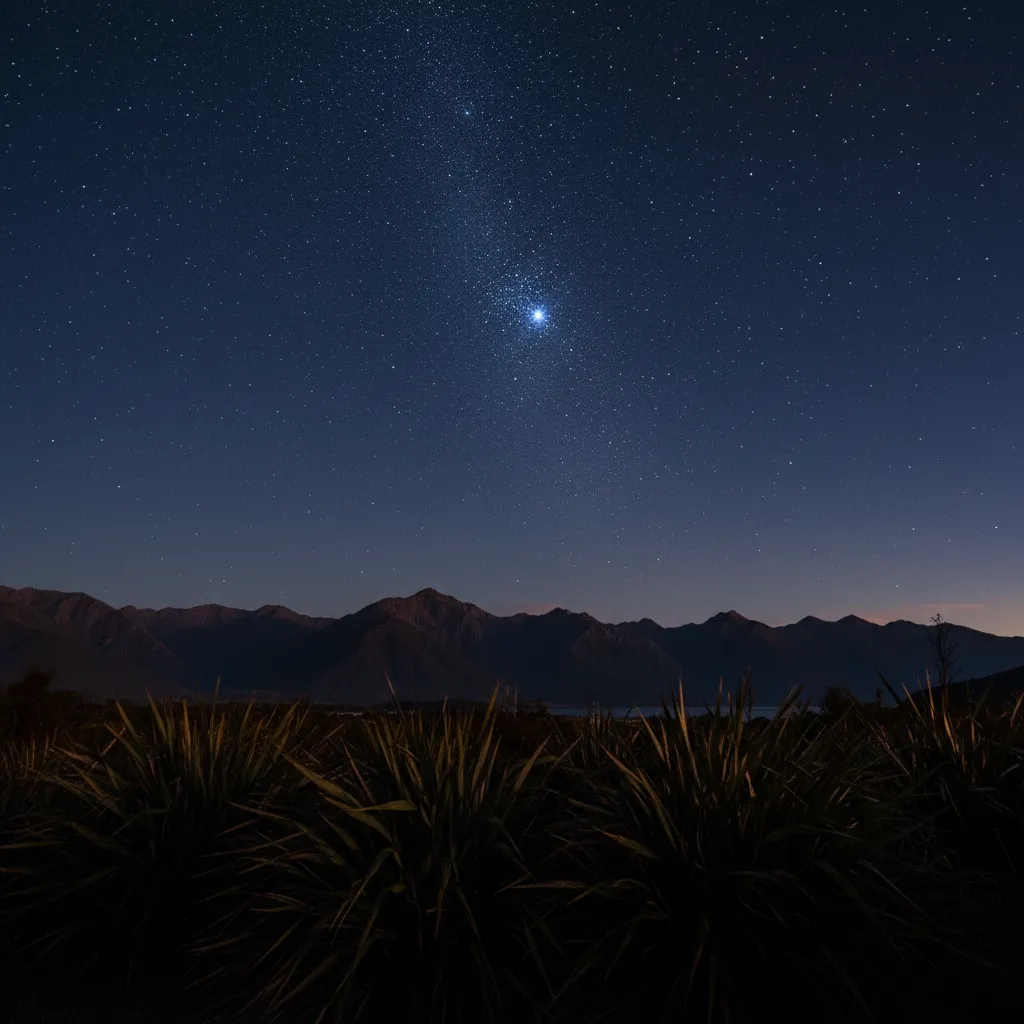
What is Matariki? (The Mother Star)
Matariki is the name of the entire cluster, but it is also the name of the brightest star in the group. In Māori tradition, Matariki is viewed as the mother, surrounded by her eight children. Her name literally translates to “The Eyes of God” (Mata Ariki) or “Little Eyes” (Mata Riki).
The star Matariki signifies reflection, hope, our connection to the environment, and the gathering of people. As the central figure of the cluster, she is associated with health and wellbeing. When the cluster rises in mid-winter, the brightness and clarity of the star Matariki are used to predict the fortune of the coming year. If the star is bright and clear, it signals a year of good health and prosperity; if it is hazy or shimmering, it may indicate sickness or hardship.
Understanding the meaning of the 9 stars begins with Matariki herself, as she encourages us to check on the wellbeing of our whānau (family) and community. She reminds us that our health is intrinsically linked to the health of our environment.
Why Are There 9 Stars Instead of 7?
A common point of confusion for those new to Māori astronomy is the discrepancy between the “Seven Sisters” found in European and Greek narratives and the nine stars observed in Aotearoa. The Pleiades cluster actually contains hundreds of stars, but only a handful are visible to the naked eye.
Historically, many observers with average eyesight could distinguish seven stars. However, Māori ancestors possessed exceptional eyesight and deep astronomical knowledge, allowing them to identify nine distinct points of light. Two of the stars, Pōhutukawa and Hiwa-i-te-rangi, are often harder to see without optimal conditions, which is why they were excluded from some other cultural interpretations. In the context of the meaning of the 9 stars, every single star is vital because they represent a holistic worldview where no element of nature or life cycle is ignored.
Pōhutukawa: The Star of Remembrance
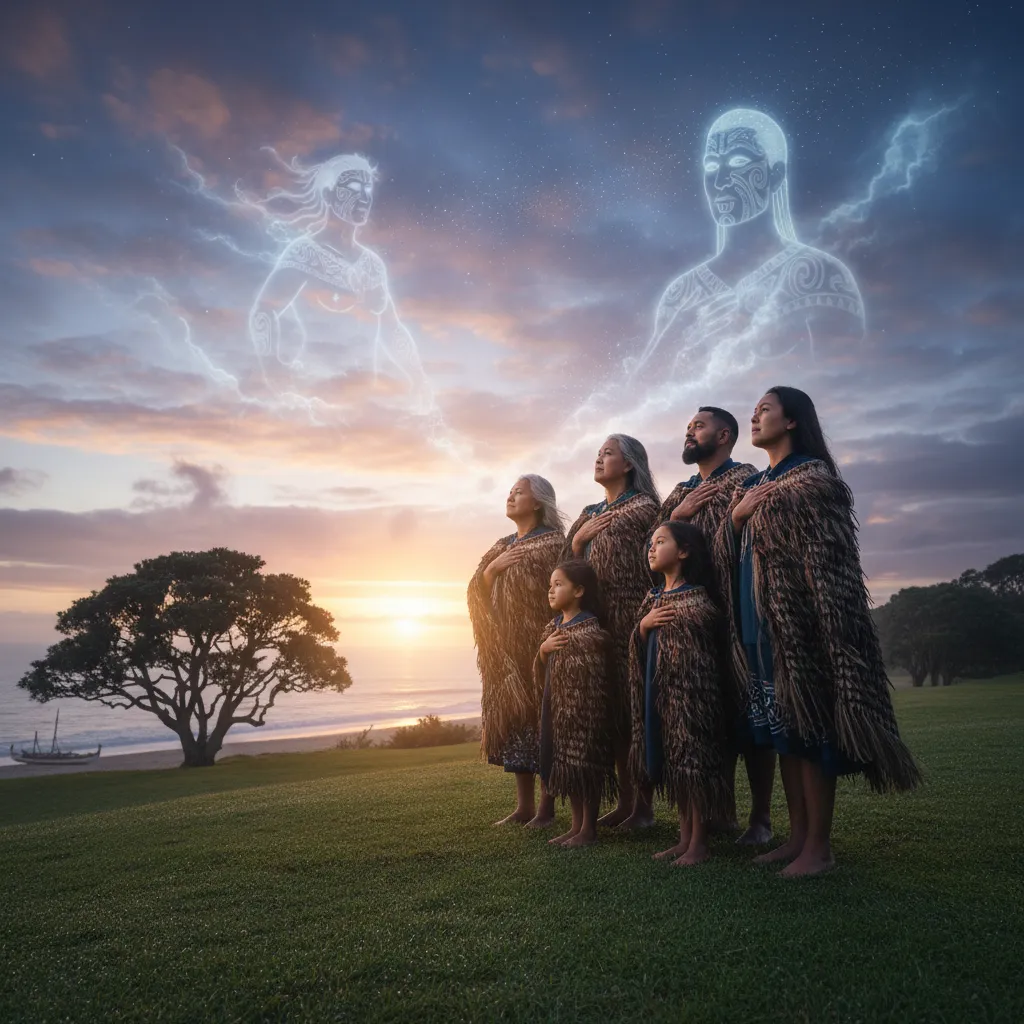
Pōhutukawa is the star connected to those who have passed on. It is the eldest child of Matariki. Its name is synonymous with the native tree of Aotearoa, but in the celestial context, it serves a solemn purpose.
This star connects Matariki to the dead. It is the reason why the Māori New Year is a time of remembrance. When Matariki rises, it is traditional to call out the names of those who have died since the last rising of the cluster. Pōhutukawa carries their spirits into the night sky to become stars themselves (te huihui o te kahurangi).
Understanding Pōhutukawa is essential to the emotional depth of the holiday. It encourages us to take time to grieve, to remember the legacy of our ancestors, and to acknowledge the cycle of life and death. It transforms the New Year from merely a celebration of the future into a bridge connecting the past and the present.
Tupu-ā-nuku and Tupu-ā-rangi: Food from Earth and Sky
The next pair of stars governs the sustenance that keeps the people alive. These stars are directly linked to agriculture, hunting, and gathering, highlighting the Māori reliance on the natural world for survival.
What is the meaning of Tupu-ā-nuku?
Tupu-ā-nuku is the star associated with everything that grows within the soil to be harvested for food. “Tupu” means to grow, and “Nuku” is short for Papatūānuku (Earth Mother). This star oversees the kūmara (sweet potato) crops, rīwai (potatoes), and other root vegetables.
When this star is bright, it signals a season of bountiful harvest and fertile soils. It reminds us of the importance of soil health and sustainable gardening practices. Today, celebrating Tupu-ā-nuku might involve planting a winter garden or composting to return nutrients to the earth.
What is the meaning of Tupu-ā-rangi?
Tupu-ā-rangi is connected to food that comes from the sky and the trees. “Rangi” refers to Ranginui (Sky Father). This star governs fruits, berries, and birds (manu). In traditional times, the visibility of this star would help tohunga (experts) predict the abundance of the kererū (wood pigeon) and other forest resources.
In a modern context, Tupu-ā-rangi represents the health of our forests and biodiversity. It asks us to consider the state of our native bush, the bird populations, and the ecosystems that exist above the ground. It is a call to action for conservation and pest control to ensure the forests remain full of life.
Waitī and Waitā: Guardians of the Water
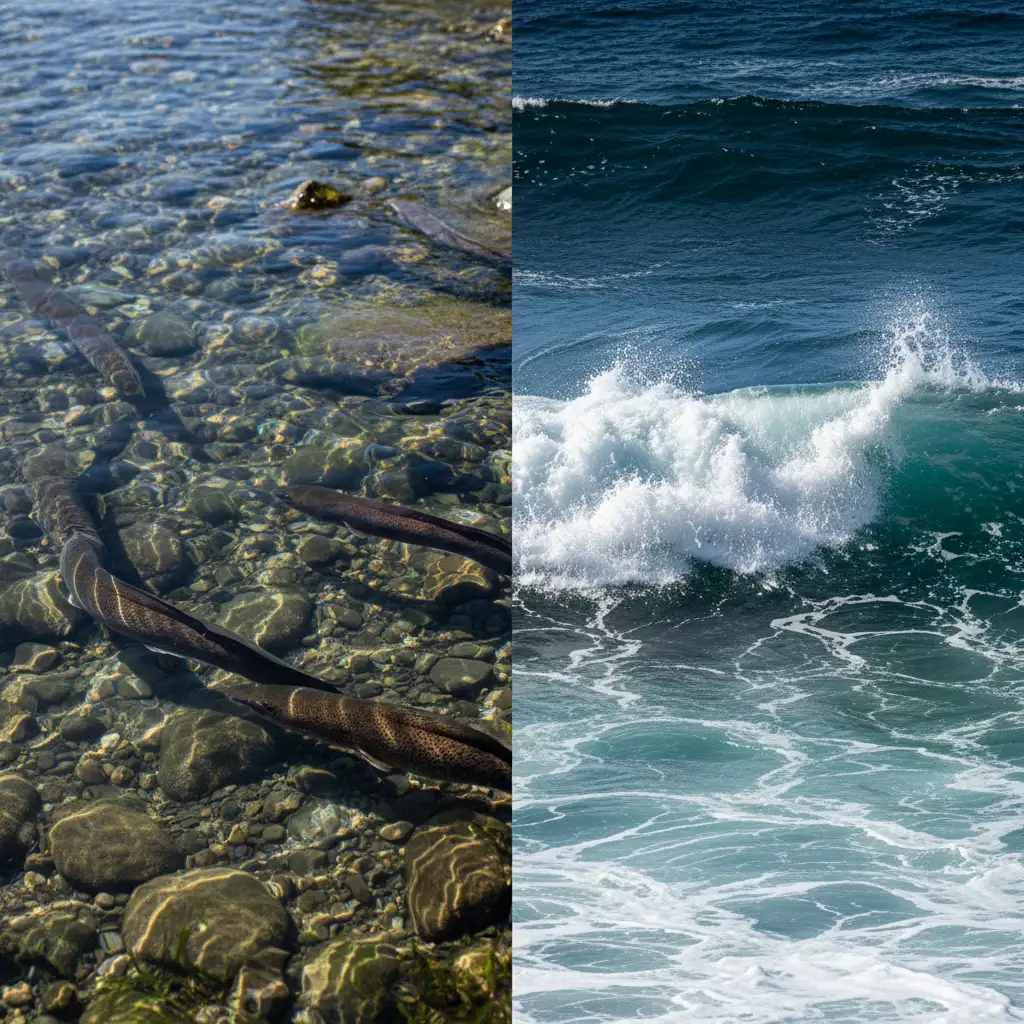
Just as the land and sky provide food, so too do the waters. The twin stars Waitī and Waitā represent the two great bodies of water: fresh water and salt water.
Waitī: The Star of Fresh Water
Waitī watches over all freshwater bodies—lakes, rivers, streams, and springs. It is inextricably linked to the food sources within these waters, such as tuna (eels), kōura (crayfish), and freshwater fish.
The health of Waitī is a direct reflection of the water quality in our rivers. If the star appears distinct and bright, the water systems are healthy. If it is blurred, it warns of drought or pollution. The meaning of this star in the 21st century is critical; it highlights the urgent need to protect our waterways from agricultural runoff and pollution, ensuring that the “lifeblood of the land” remains pure.
Waitā: The Star of Salt Water
Waitā represents the ocean (te moana) and the food harvested from it. This vast domain includes all kaimoana—fish, shellfish, seaweed, and crustaceans. Waitā is significant because Māori were great navigators who relied on the ocean for travel and sustenance.
This star encourages respect for the sea. It reminds us not to overfish, to respect fishing quotas, and to keep our beaches clean. The pairing of Waitī and Waitā emphasizes that all water is connected; what happens in the rivers eventually flows into the sea, affecting the domain of Waitā.
Waipuna-ā-rangi and Ururangi: Rain and Wind
The next two stars in the cluster are not associated with food sources directly, but rather the atmospheric conditions that allow food to grow. They govern the weather, which determines the success or failure of the harvest.
Waipuna-ā-rangi: The Water of the Sky
Waipuna-ā-rangi translates to “Water that pools in the sky.” This star is associated with rain, hail, and snow. It is the celestial bringer of hydration for the earth. While rain can sometimes be seen as an inconvenience, Waipuna-ā-rangi reminds us that without the cycle of evaporation and precipitation, Tupu-ā-nuku and Waitī could not sustain life.
Observing this star helps predict rainfall patterns for the coming winter and spring. It teaches us to appreciate the water cycle and to prepare for the varying moods of the climate.
Ururangi: The Winds of the Sky
Ururangi means “The winds of the sky.” This star is associated with the various winds that blow across the land. In Māori tradition, the wind is not just air moving; it is a family of different winds (Hau), each with its own personality and effect on navigation and agriculture.
Ururangi determines the nature of the winds for the year—whether they will be gentle and favorable for crops, or fierce and destructive. This star reminds us of the power of nature and the need to be adaptable. We cannot control the wind, but we can adjust our sails (and our shelters) to accommodate it.
Hiwa-i-te-rangi: The Wishing Star
The final star in the cluster is Hiwa-i-te-rangi. This is the youngest child of Matariki and is perhaps the most enchanting for modern observers. Hiwa-i-te-rangi is the star connected to our aspirations, dreams, and desires for the coming year.
Similar to the Western concept of “wishing upon a star,” Māori would send their wishes into the sky to Hiwa-i-te-rangi. This star represents the future. While Pōhutukawa looks back at those we have lost, Hiwa-i-te-rangi looks forward to what we can become.
The meaning of the 9 stars culminates here: after acknowledging the environment (earth, sky, water, weather) and the past (ancestors), we look to the growth of our own spirits. Hiwa-i-te-rangi encourages us to set goals, plan for prosperity, and hold hope in our hearts. It is a star of optimism.
How to Observe the Meaning of the 9 Stars Today
Understanding the meaning of the 9 stars transforms Matariki from a simple public holiday into a profound period of ecological and spiritual reset. Here is how you can apply these meanings to your life:
- For Matariki (Wellbeing): Share a meal with family. Put away devices and connect face-to-face.
- For Pōhutukawa (Remembrance): Light a candle or visit the resting place of a loved one. Share stories about them so they are not forgotten.
- For Tupu-ā-nuku (Garden): Plant a tree or start a vegetable patch. Buy local produce.
- For Tupu-ā-rangi (Forests): Go for a bush walk. Listen to the birds. Support a local conservation project.
- For Waitī & Waitā (Water): Organize a beach cleanup or simply sit by a river and reflect on the flow of water.
- For Waipuna-ā-rangi & Ururangi (Weather): Spend time outside regardless of the weather. Connect with the elements.
- For Hiwa-i-te-rangi (Future): Write down your goals for the new year. What do you want to achieve? What burdens do you want to leave behind?
By engaging with the specific domain of each star, we align ourselves with the natural rhythms of the world. The 9 stars of Matariki offer a blueprint for a balanced life—honoring the past, respecting the environment, and planning for a bright future.
What are the names of the 9 stars of Matariki?
The 9 stars are Matariki, Pōhutukawa, Tupu-ā-nuku, Tupu-ā-rangi, Waitī, Waitā, Waipuna-ā-rangi, Ururangi, and Hiwa-i-te-rangi.
Which Matariki star is for the dead?
Pōhutukawa is the star associated with those who have passed away. It connects Matariki to the dead and is a focal point for remembrance during the Māori New Year.
What is the wishing star in Matariki?
Hiwa-i-te-rangi is known as the wishing star. It is associated with granting the desires of the heart and holding aspirations for the coming year.
Why do some people say there are only 7 stars in Matariki?
While there are hundreds of stars in the Pleiades cluster, only 7 are easily visible to the naked eye for most people. However, Māori astronomical tradition identifies 9 stars, including Pōhutukawa and Hiwa-i-te-rangi, which require excellent eyesight and viewing conditions to see.
What does the star Waitī represent?
Waitī represents all freshwater bodies, including lakes, rivers, and streams, as well as the food sources that live within them, such as eels (tuna) and crayfish.
How does Matariki predict the harvest?
Traditionally, the brightness and clarity of the stars upon their rising were read as signs. Bright, clear stars predicted a warm growing season and abundant harvest, while hazy or shimmering stars warned of cold weather and poor crops.