The story of Tāwhirimātea and Matariki originates from the Māori creation narrative. Tāwhirimātea, the Atua (God) of wind and storms, was enraged by the separation of his parents, Ranginui (Sky Father) and Papatūānuku (Earth Mother). In his grief, he tore out his own eyes, crushed them, and threw the shards into the heavens to stick to his father’s chest, creating the star cluster Matariki.
Who is Tāwhirimātea in Māori Mythology?
To understand the profound story of Tāwhirimātea and Matariki, one must first understand the entity at the center of the narrative. Tāwhirimātea is the Māori Atua (god/guardian) of the weather, including thunder, lightning, wind, clouds, and storms. He is a central figure in the Māori cosmological narrative, representing the volatile and untamable forces of nature.
Unlike his brothers, who preside over tangible domains such as the forests (Tāne Mahuta), the oceans (Tangaroa), or cultivated food (Rongo-mā-tāne), Tāwhirimātea exists in the atmosphere. He is the breath of the world, the force that drives the weather systems, and the unseen power that shapes the environment through erosion and storms. In Māori whakapapa (genealogy), he is one of the many sons of the primal parents, Ranginui (the Sky Father) and Papatūānuku (the Earth Mother).
His character is often depicted as intense, loyal, and fiercely protective of his parents’ bond. While other brothers sought light and space, Tāwhirimātea was content in the embrace of his parents. This fundamental difference in perspective lays the groundwork for the cosmic conflict that would eventually lead to the creation of the Matariki star cluster.
The Separation of Ranginui and Papatūānuku
The catalyst for Tāwhirimātea’s rage—and the subsequent creation of Matariki—was Te Wehenga, the separation of Earth and Sky. In the beginning, Ranginui and Papatūānuku were locked in a tight, eternal embrace. Their children were forced to live in the cramped darkness between them, crawling through the clefts of their parents’ bodies without ever seeing the light of day.
Frustrated by this existence in Te Pō (the darkness), the brothers convened a council to decide their parents’ fate. Some suggested killing them, but Tāne Mahuta, the guardian of the forest, proposed pushing them apart to let light into the world. While most brothers agreed, Tāwhirimātea strongly dissented. He could not bear the thought of separating the two beings he loved most. He believed the sanctity of their union was paramount, regardless of the darkness.
Despite his protests, Tāne Mahuta succeeded. Placing his shoulders against the earth and his feet against the sky, Tāne thrust upward with immense strength, tearing the parents apart. Light (Te Ao Mārama) flooded the world for the first time. While the other brothers rejoiced in their newfound freedom and space, Tāwhirimātea looked upon his parents’ pain with horror. He saw the tears of Ranginui falling as rain and the grief of Papatūānuku rising as mist. This act of separation broke Tāwhirimātea’s heart and ignited a fury that would change the cosmos forever.
The Wrath of the Wind God: A War of Brothers
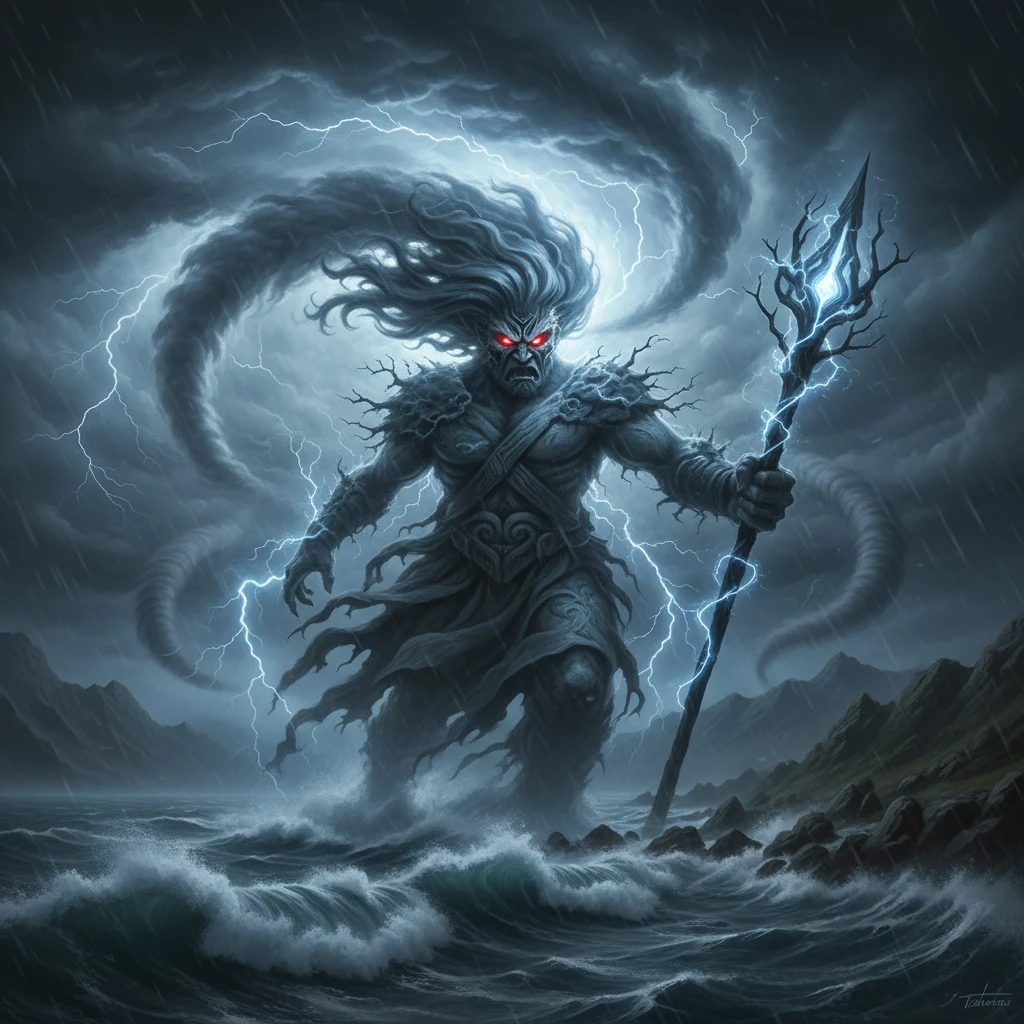
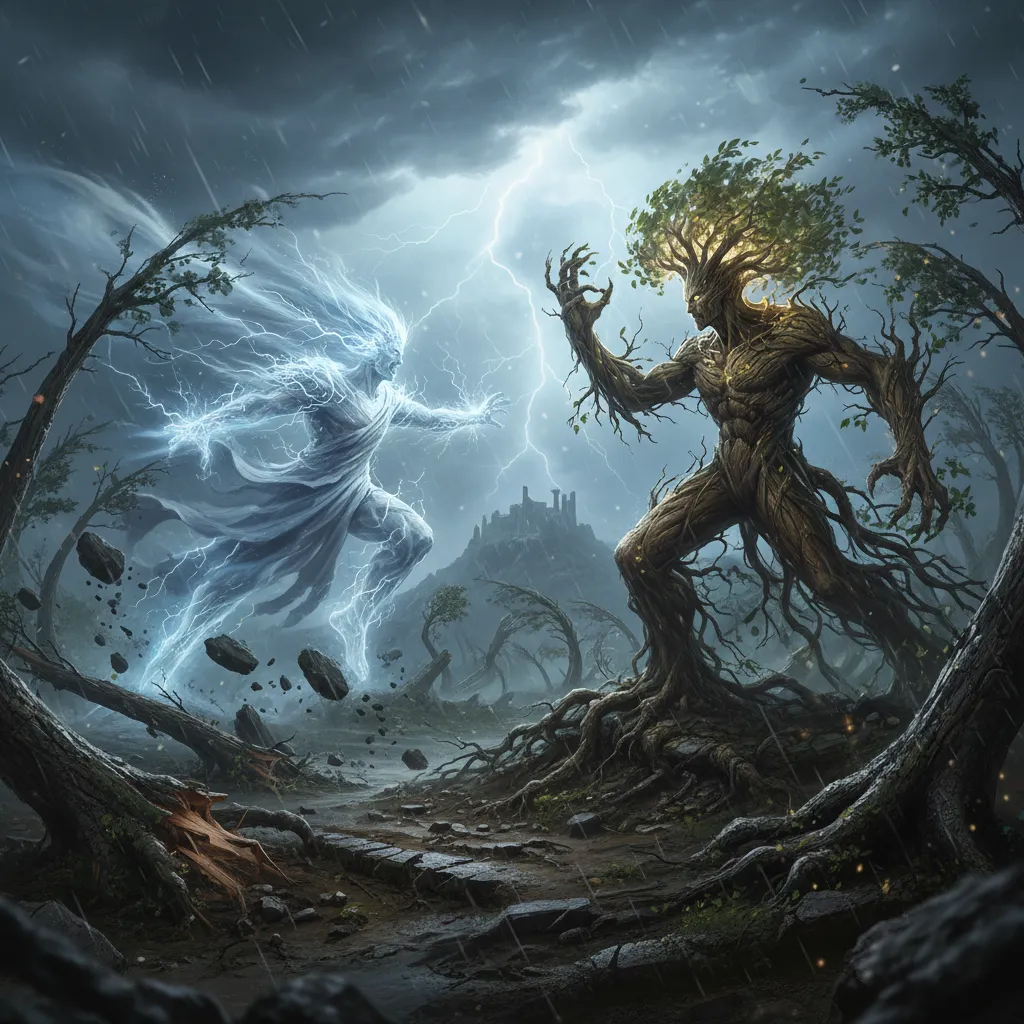
Tāwhirimātea’s anger was not a passive emotion; it was a cataclysmic event. Feeling betrayed by his siblings, he vowed to wage eternal war against them. He ascended to the sky to join his father, Ranginui, and from the heavens, he began to assault the domains of his brothers on Earth.
This conflict explains the turbulent relationship between the elements in the natural world:
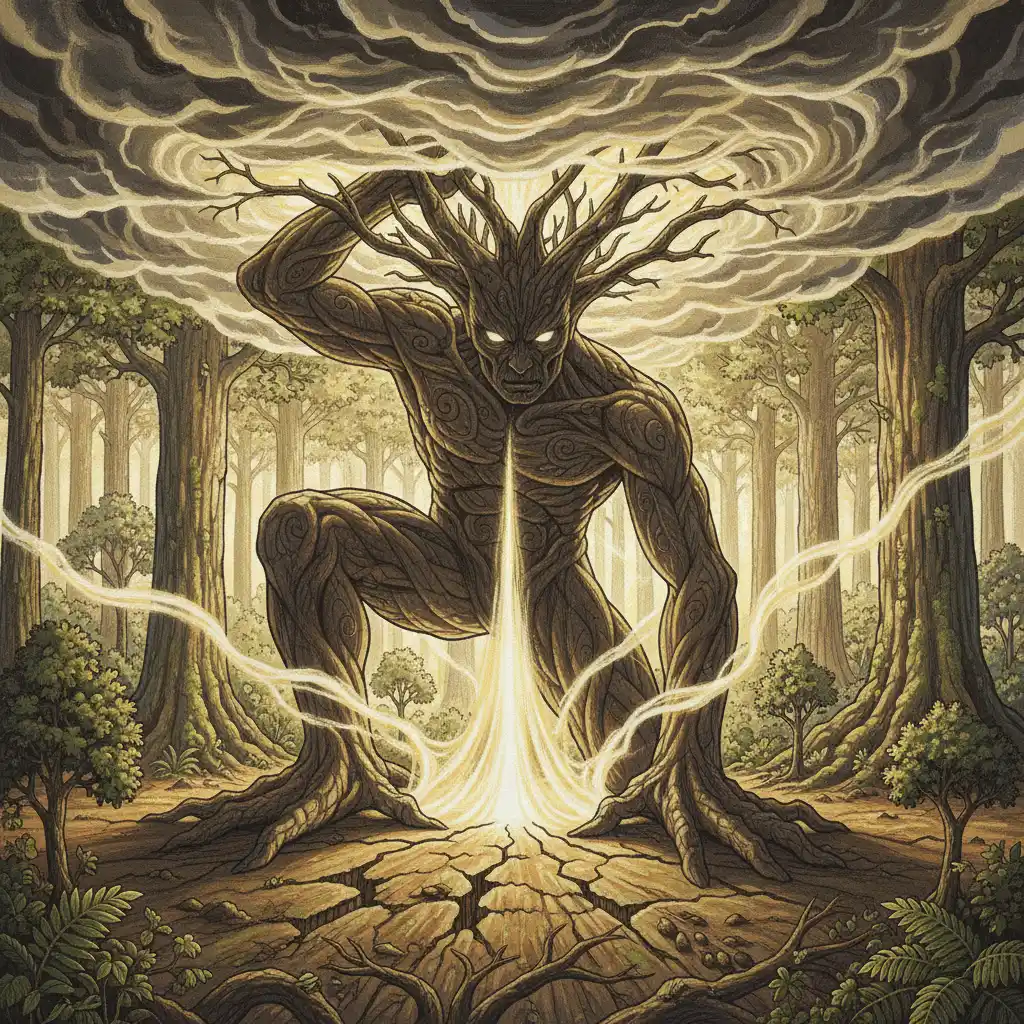
- Against Tāne Mahuta (Forests): Tāwhirimātea unleashed hurricanes and gales that snapped great trees like twigs, leaving the forests in disarray. This represents the destructive power of wind over the woods.
- Against Tangaroa (Oceans): He sent massive storms to churn the seas, causing Tangaroa’s children (the fish and reptiles) to flee in terror. This explains the rough seas and high tides during storms.
- Against Rongo-mā-tāne and Haumia-tiketike (Food): His storms threatened the cultivated crops and wild foods, forcing them to hide within the earth (Papatūānuku) for protection.
Only one brother, Tūmatauenga (the god of war and humanity), stood firm against Tāwhirimātea’s onslaught. Tūmatauenga planted his feet in the earth and weathered the storm, representing the resilience of humanity against the elements. However, the emotional toll on Tāwhirimātea was immense. His war was born of grief, not malice, and it was this overwhelming sorrow that led to the creation of Matariki.
The Origin of Matariki: Why Did Tāwhirimātea Tear Out His Eyes?
The story of Tāwhirimātea and Matariki reaches its climax in a moment of supreme anguish. After warring with his brothers and seeing the permanent separation of his parents, Tāwhirimātea was overcome with despair. The sight of his separated parents was too painful to bear.
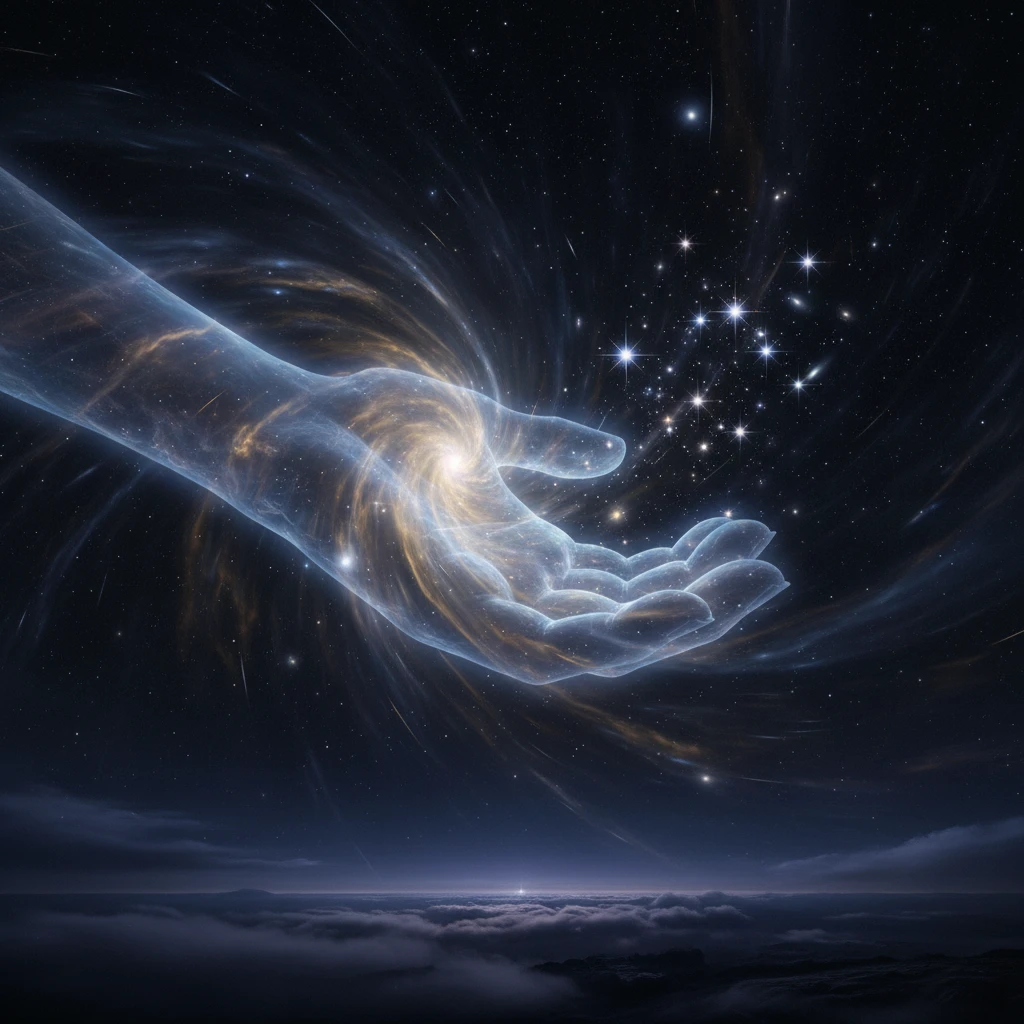
In a final, visceral act of mourning, Tāwhirimātea clawed at his own face. He tore out his eyes (ngā mata) so he would no longer have to witness the pain of Ranginui and Papatūānuku. In his blind fury and sorrow, he crushed his eyes in his hands and flung the sticky, glowing shards into the heavens.
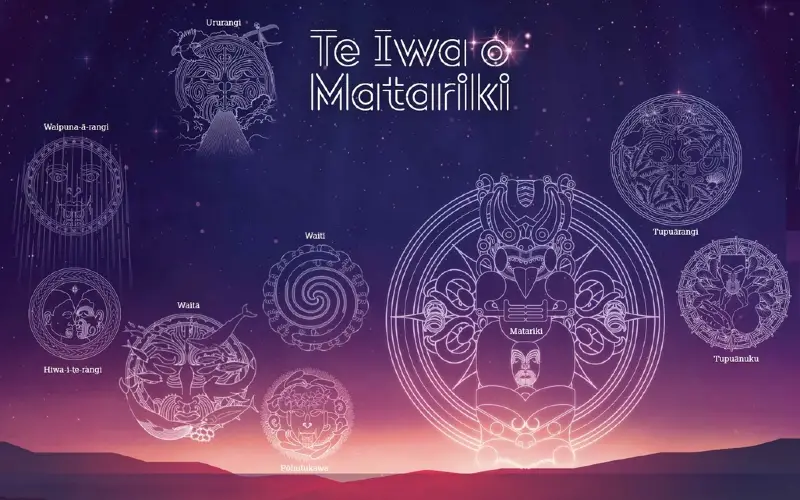
These shards adhered to the chest of his father, Ranginui. They became the star cluster we know today as Matariki. The name itself is often translated as a contraction of Ngā Mata o te Ariki Tāwhirimātea—”The Eyes of the God Tāwhirimātea.”
This origin story imbues the star cluster with profound meaning. It is not merely a collection of burning gas spheres; it is a celestial monument to a son’s love for his parents and a reminder of the pain associated with separation. When we look up at Matariki, we are looking at the divine eyes of the wind god, watching over the world from the chest of the Sky Father.
Why Are the Stars Associated with Wind and Weather?
The connection between the story of Tāwhirimātea and Matariki extends beyond mythology into meteorological science and traditional ecological knowledge. Because the stars are literally the “eyes” of the weather god, their appearance is intrinsically linked to weather prediction.
In Māori astronomy (tātai arorangi), the visibility and brightness of the Matariki cluster are used to forecast the weather for the coming year. If the stars appear clear and bright, it is a sign that Tāwhirimātea is calm, predicting a warm and productive season. However, if the stars appear hazy, shimmering, or close together, it suggests that Tāwhirimātea is active and unsettled, predicting a cold, windy, or difficult winter.
Specific stars within the cluster are also associated with different environmental domains, reflecting Tāwhirimātea’s influence over the brothers he fought:
- Waipunarangi: Associated with rain.
- Ururangi: Associated with the winds.
- Waitī and Waitā: Associated with fresh and salt water (impacted by wind and storm).
This narrative serves as an ancient mnemonic device. By remembering that the stars are Tāwhirimātea’s eyes, Māori navigators and tohunga (experts) understood that these celestial bodies were the key to unlocking the secrets of the winds and seasons.
Symbolism of the Story for Resilience and Culture
The story of Tāwhirimātea and Matariki is more than a legend; it is a framework for understanding resilience, mental health, and family dynamics. Tāwhirimātea is often viewed as the antagonist because of his destructive storms, but a deeper reading reveals him as a figure of immense loyalty and integrity.
Validating Grief
Tāwhirimātea’s reaction validates the experience of grief. His pain was so great that he physically manifested it. In Māori culture, the weather is often used as a metaphor for human emotion. Rain is likened to tears, and storms to anger. The story teaches that grief is a natural, powerful force that can reshape one’s world, just as Tāwhirimātea reshaped the landscape.
The Cycle of Renewal
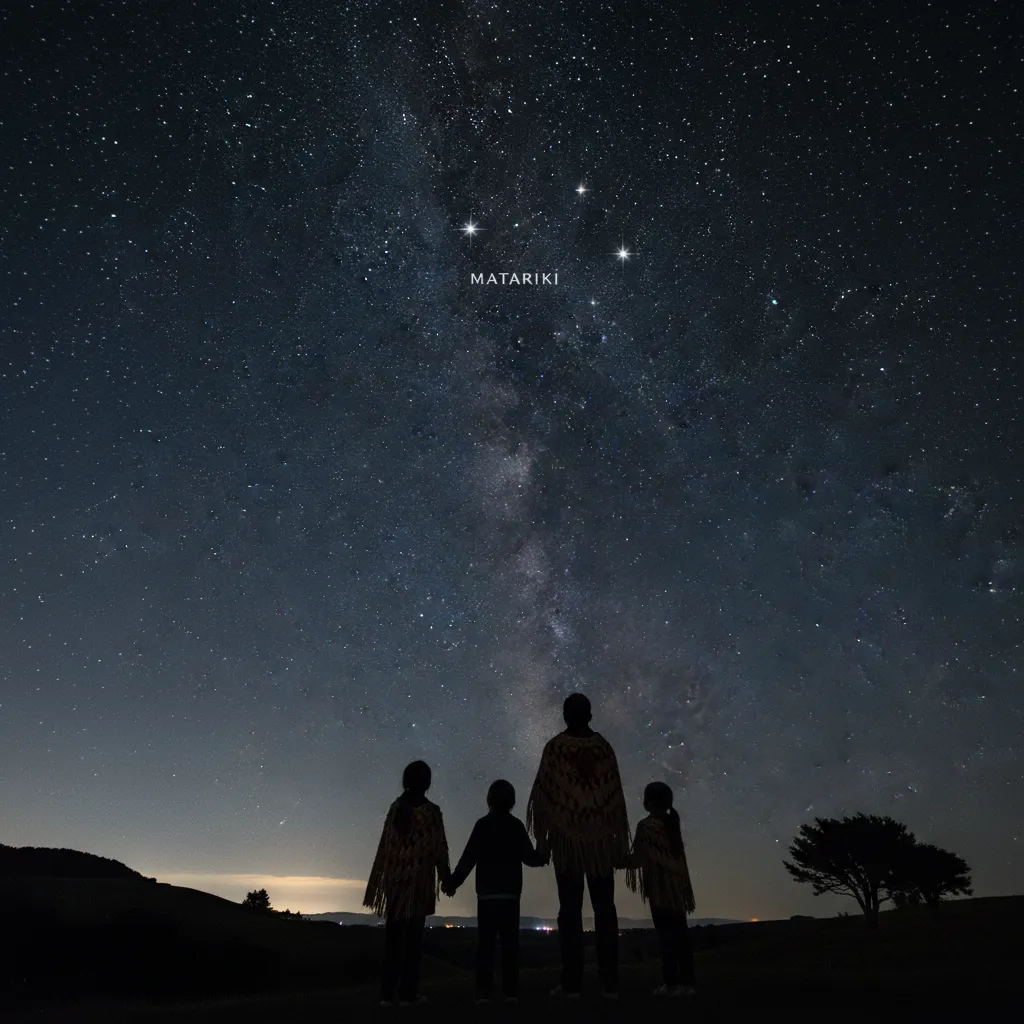
Matariki signals the Māori New Year. It is a time of remembrance for those who have passed (turning into stars to join the cluster, in some traditions) and a time to plan for the future. The fact that this celebration of renewal is born from Tāwhirimātea’s act of self-mutilation suggests that beauty and new beginnings can emerge from tragedy. The “Eyes of the God” now guide the people, ensuring that from the blindness of anger comes the sight of foresight and planning.
Conclusion
The story of Tāwhirimātea and Matariki is a cornerstone of Māori oral history. It weaves together the genealogy of the gods, the physical separation of the earth and sky, and the creation of the celestial bodies. Tāwhirimātea’s refusal to accept the separation of his parents led to a war that defined the natural elements and culminated in the creation of the Matariki cluster.
Today, as Matariki is celebrated as a public holiday in Aotearoa New Zealand, understanding this pūrākau (legend) deepens the appreciation of the event. It reminds us that the stars are not silent observers but are the watchful eyes of the wind god, linking the heavens, the weather, and the human experience in an eternal cycle of memory and renewal.
Frequently Asked Questions
What does the name Matariki mean literally?
Matariki is often translated as “Tiny Eyes” (mata riki) or “Eyes of the God” (Ngā Mata o te Ariki). The latter refers specifically to the eyes of Tāwhirimātea.
Why was Tāwhirimātea the only brother to stay with his parents?
Tāwhirimātea opposed the separation because of his deep love and loyalty to Ranginui and Papatūānuku. While his brothers wanted light and space, he prioritized the unity of the family.
How does Tāwhirimātea affect the weather today?
In Māori belief, Tāwhirimātea continues to control the winds, storms, and clouds. The clarity of his “eyes” (the Matariki stars) is read as a sign of his current mood and the upcoming weather patterns.
Did Tāwhirimātea ever forgive his brothers?
The war between Tāwhirimātea and his brothers is considered ongoing. The conflict between the wind (Tāwhirimātea) and the forest (Tāne) or the sea (Tangaroa) is seen every time a storm hits.
Is Tāwhirimātea considered a villain?
No, he is not a villain in the Western sense. He is an Atua representing natural forces. His actions stem from loyalty and grief, making him a complex figure worthy of respect (Mana) rather than just fear.
What are the names of the parents in the story?
The parents are Ranginui (Sky Father) and Papatūānuku (Earth Mother). Their separation is the event that triggered the entire narrative of Tāwhirimātea’s rage.