
A vegan Hāngī is a traditional Māori method of cooking food in an earth oven using heated volcanic stones, adapted to exclude animal products while retaining the signature smoky, earthy flavor. By utilizing hearty root vegetables like kūmara, robust plant-based proteins, and native herbs like kawakawa wrapped in wet cloth and buried in soil, cooks achieve a tender, slow-steamed feast suitable for modern Matariki celebrations.
The Hāngī is more than just a cooking method; it is the heart of Māori hospitality (manaakitanga) and a centerpiece of community gatherings in Aotearoa New Zealand. Traditionally reliant on pork, mutton, and chicken to provide moisture and flavor through rendered fats, the Hāngī presents a unique challenge for plant-based cooks. However, with the rising popularity of veganism and a renewed focus on indigenous vegetable varieties, creating a sumptuous, meat-free earth oven feast is not only possible but incredibly delicious. This guide explores how to honor the ancient tradition of the earth oven while adhering to a plant-based lifestyle, ensuring your Matariki celebration is inclusive and flavorful.
Adapting Tradition: The Science of Vegan Earth Ovens
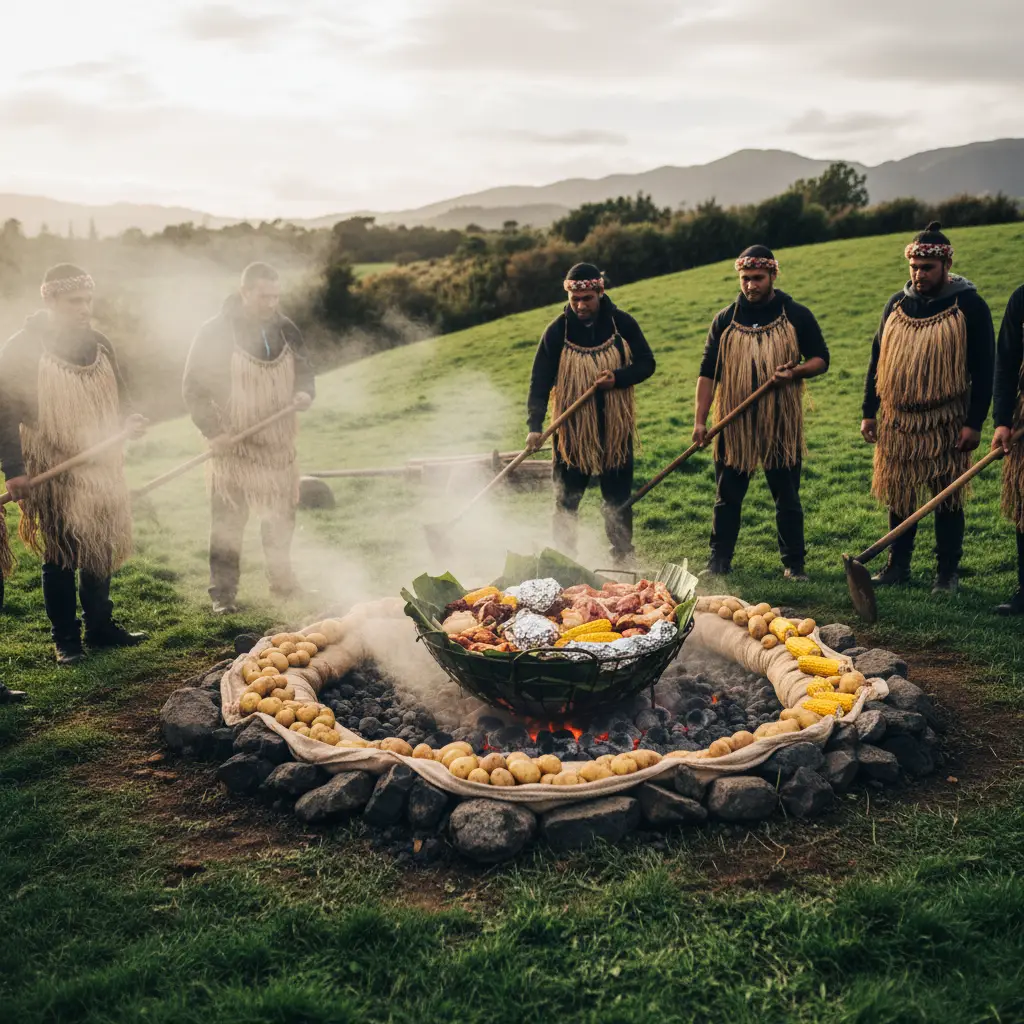
To master a vegan Hāngī guide, one must first understand the thermodynamics of the pit. In a traditional setting, stones are heated by a large fire until they are white-hot. The food is placed in baskets (kete) over the stones, covered with wet cloths, and buried with earth. The heat from the stones turns the water in the cloths and vegetation into steam, while the earth traps the heat, creating a pressurized steam cooker.
In a standard Hāngī, animal fat drips onto the hot stones, creating aromatic smoke that permeates the food. In a vegan Hāngī, this fat source is absent. Therefore, the strategy must shift towards introducing moisture and fats directly into the food baskets and ensuring the wood used for the fire (typically Mānuka) imparts that essential smokiness before the food is even buried. Success lies in the preparation of the ingredients to ensure they remain succulent without the basting effect of melting meat fats.
Selecting the Best Root Vegetables
Root vegetables are the backbone of any Hāngī, but in a plant-based version, they become the main event. The intense, long-duration heat of the earth oven transforms starches into sugars, resulting in a caramelized, melt-in-your-mouth texture that standard ovens cannot replicate.
The King of the Hāngī: Kūmara Varieties
Kūmara (sweet potato) is non-negotiable. For the best results, use a mix of varieties to offer different textures and sweetness levels:
- Red Kūmara (Owairaka): Firm texture with a mellow taste. It holds its shape well during the long steam.
- Gold Kūmara (Tokarau): Softer and sweeter. It tends to break down more, absorbing the smoky flavors of the pit.
- Orange Kūmara (Beauregard): The sweetest and softest, providing a dessert-like richness to the savory basket.
Pumpkin, Potatoes, and Carrots
Beyond kūmara, the structural integrity of your vegetables is paramount. Because you cannot check on the food once it is buried, you must select produce that won’t turn to mush.
- Pumpkin: Leave the skin on. The skin acts as a protective barrier, keeping the flesh intact. Crown pumpkin or Buttercup squash are excellent choices due to their dense flesh.
- Potatoes (Rīwai): Waxy varieties are superior to floury ones for Hāngī. They maintain their shape and have a creamy texture when steamed. Māori potatoes (Taewa), such as the purple Urenika, add vibrant color and an earthy, nutty flavor profile.
- Carrots: Use large, whole carrots rather than chopped rounds. The density of the carrot requires significant heat to soften, making them perfect for the intense environment of the pit.
Meat Alternatives That Withstand Earth-Oven Heat
One of the biggest challenges in a vegan Hāngī guide is identifying proteins that can survive 3 to 4 hours of intense steam and pressure. Many commercial mock meats are designed for quick pan-frying and will disintegrate or become rubbery in a Hāngī.
Why Some Mock Meats Fail
Processed vegan burgers or breaded nuggets are unsuitable. The moisture in the pit will make breading soggy, and the binders in processed patties often break down under prolonged steam, resulting in an unappetizing paste. You need whole-food structures or dense gluten networks.
Jackfruit, Seitan, and Marinated Tofu
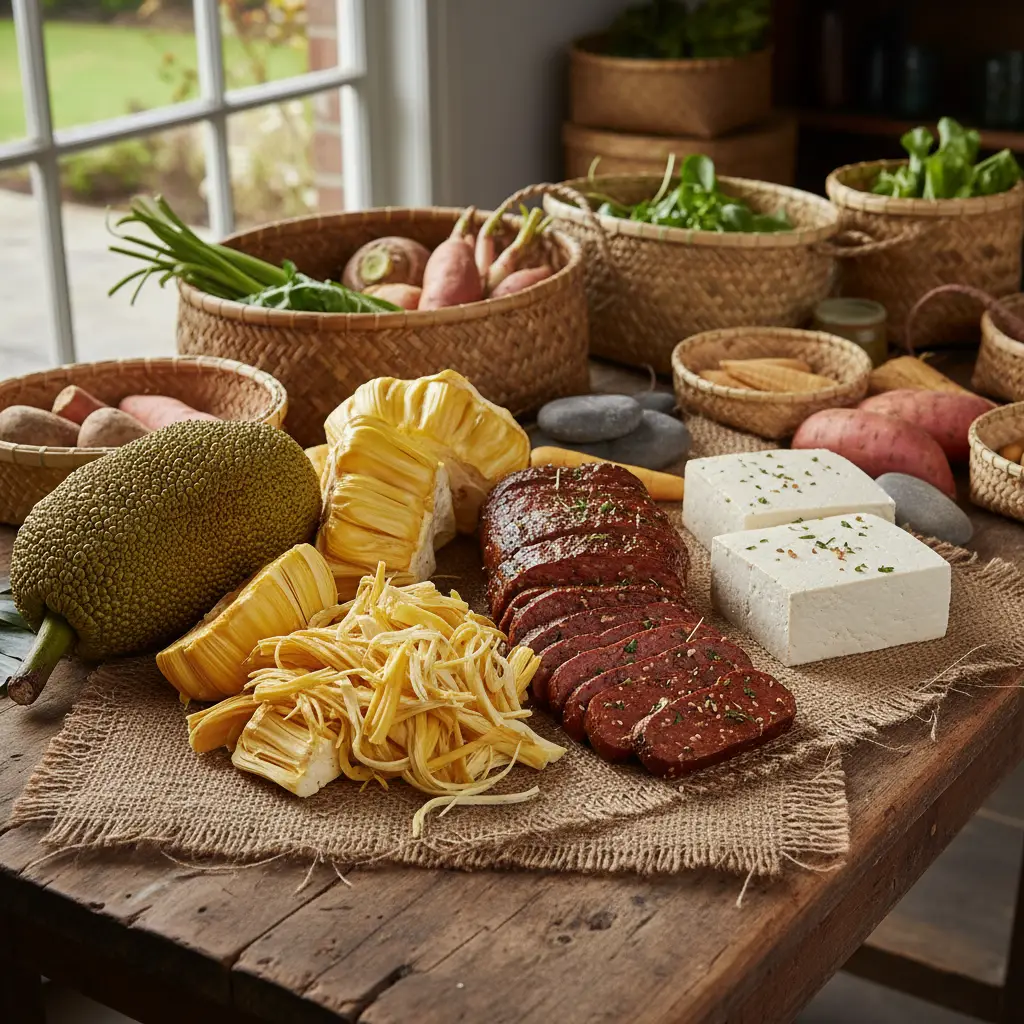
To replicate the “pull” and satisfaction of meat, consider these robust alternatives:
- Young Green Jackfruit: When marinated, this mimics pulled pork. However, it is low in fat. To prevent it from drying out, it must be heavily tossed in oil and liquid smoke before being wrapped in foil or cabbage leaves within the basket.
- Seitan (Wheat Gluten): This is the best contender for durability. Homemade seitan logs, flavored with soy sauce, garlic, and smoke, can be cut into large chunks. They hold their chewiness perfectly.
- Extra Firm Tofu: Press the tofu to remove water, then marinate it in a mixture of oil, soy sauce, and herbs. Wrapping tofu blocks in banana leaves or cabbage leaves before placing them in the basket protects them and infuses flavor.
Flavoring with Horopito and Kawakawa
Without animal fats, flavor infusion is the responsibility of the cook’s marinade and herb selection. Aotearoa’s native bush provides exquisite seasonings that elevate a vegan feast to gourmet status.
Using Native Herbs
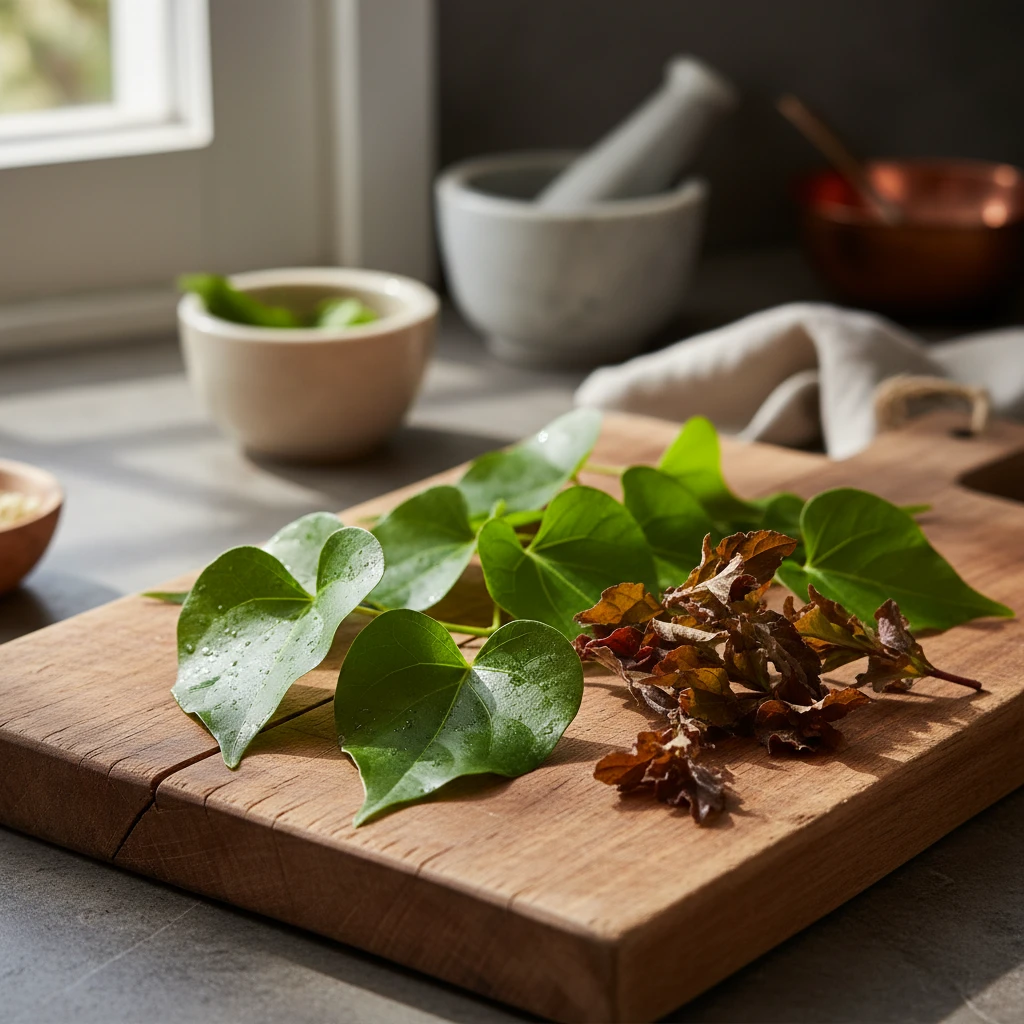
Kawakawa: Often referred to as New Zealand basil, Kawakawa has a peppery, aromatic profile. In a Hāngī, whole Kawakawa leaves can be used to line the wire baskets. As the steam rises, it passes through the leaves, infusing the vegetables with a subtle, peppery zest. Ensure you harvest leaves with holes in them (eaten by the looper moth), as these are traditionally considered the most potent medicinally and flavor-wise.
Horopito: Known as the New Zealand pepper tree, Horopito adds a spicy kick. Dried and ground Horopito can be used as a rub for your pumpkin and potatoes. It pairs exceptionally well with the sweetness of kūmara, balancing the sugar with heat.
Creating the “Fat” Element
To mimic the richness of traditional Hāngī, you must be generous with quality oils. Coat your vegetables and proteins in a mixture of olive oil or avocado oil, garlic, rosemary, and sea salt. For that essential smoky undertone, add a teaspoon of liquid smoke or smoked paprika to your oil blend. This oil coating also prevents the vegetables from sticking together in the basket.
Step-by-Step Pit Preparation for Plant-Based Feasts
The engineering of the earth oven remains consistent regardless of the ingredients. However, timing and layering are adjusted for plant-based contents.
Step 1: Digging the Pit and Selecting Stones
Dig a hole approximately one meter deep. The width depends on the number of baskets you are cooking. Reserve the soil carefully, as you will need it to seal the pit later.
The Stones: You cannot use just any rock. River stones or sedimentary rocks may explode under heat. You must use volcanic rocks (andesite or basalt) or solid iron. These retain heat for hours without fracturing.
Step 2: Heating the Stones (The Fire)
Build a lattice stack of timber (Manuka is best for flavor) over the pit, placing your stones on top of the wood stack. Light the fire. As the wood burns down, the stones will fall into the pit. This process takes 3 to 4 hours. The stones should be white-hot or glowing red. Once the fire has burned down, remove excess ash and unburnt wood, leaving the hot stones at the bottom.
Step 3: Layering the Kai (Food)
This is the critical moment. Speed is essential to conserve heat.
- Wet Cloths: Place wet hessian sacks or mutton cloth (soaked in water) directly over the hot stones. This generates the initial burst of steam and prevents the food baskets from burning on direct contact.
- The Baskets: Lower your wire baskets onto the wet sacks. In a vegan Hāngī, place the densest vegetables (potatoes, pumpkin, carrots) at the bottom of the basket where the heat is most intense. Place the proteins (seitan, tofu) and softer vegetables (kūmara, cabbage) on top.
- Covering: Cover the baskets with more wet sheets and wet hessian sacks. Ensure the covering is comprehensive; no steam should escape.
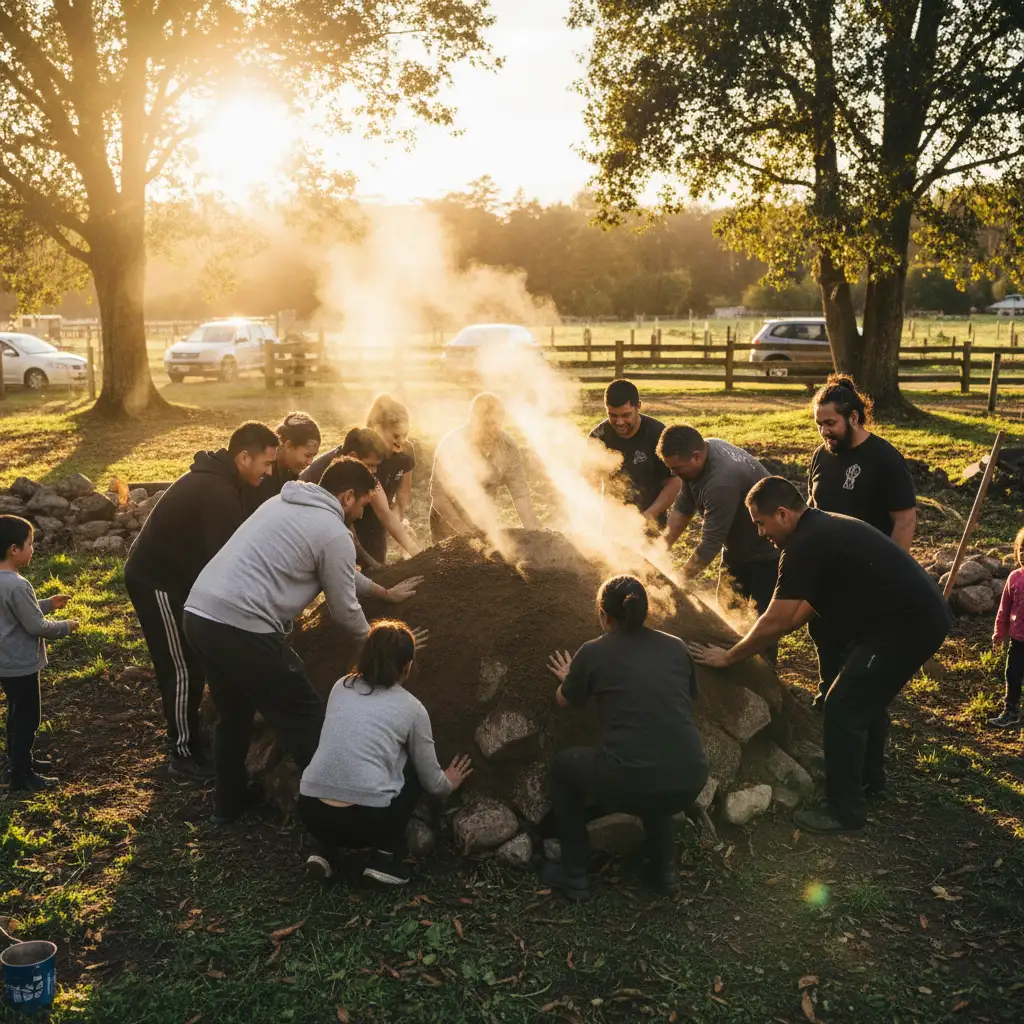
- Burying: Immediately shovel the earth back over the pit. Cover the wet sacks completely with loose soil. Look for any wisps of steam escaping through the soil and patch them immediately. The pit must be airtight to cook effectively.
Serving and Matariki Significance
After 3 to 4 hours, it is time to unearth the feast. Carefully scrape away the soil to avoid getting dirt in the food. Peel back the layers of hessian and cloth to reveal the steamed kai.
Matariki (the Māori New Year) is a time of remembrance, celebrating the present, and looking to the future. It marks the end of the harvest and is a time for sharing food. By preparing a vegan Hāngī, you are participating in this cultural legacy while respecting the environment and animal life. The earthy aroma of the root vegetables, the peppery bite of Kawakawa, and the communal effort of laying the Hāngī create a profound connection to the land (whenua).
Serve your vegan Hāngī with fresh rēwena bread (Māori sourdough) and a side of watercress salad to cut through the richness of the smoky root vegetables.
Frequently Asked Questions
How long does a vegan Hāngī take to cook?
A vegan Hāngī typically requires 3 to 4 hours underground. While vegetables cook faster than large cuts of meat, the goal of the Hāngī is the slow infusion of smoky flavor and the tenderization of the produce, so rushing the process is not recommended.
Can I do a Hāngī without digging a pit?
Yes, you can use a “Hāngī in a steamer” or a keg cooker for a similar effect, though it lacks the specific earthiness of the soil. Using Manuka wood chips in a modern smoker or a dedicated multi-kai cooker is a popular urban alternative.
What is the best wood for a Hāngī fire?
Mānuka is the gold standard due to its high heat output and the distinct, pleasant smoke flavor it imparts. Kānuka is also an excellent choice. Avoid treated timber or pine, which can taint the food with chemicals or resinous flavors.
How do I stop the vegan food from drying out?
Generous use of oil marinades is key. Additionally, wrapping porous items like jackfruit or tofu in cabbage leaves or banana leaves helps retain their internal moisture while still allowing heat to penetrate.
What stones should I avoid using?
Avoid river stones that may contain trapped water, as they can explode when heated. Avoid sandstone or limestone. Stick to volcanic basalt or andesite rocks, or use specific Hāngī irons/steels.
Is Hāngī food gluten-free?
Naturally, the vegetable components of a Hāngī are gluten-free. However, if you are using Seitan (wheat gluten) as a meat alternative, those specific items are not. Stuffing (often made with bread) is another source of gluten to watch out for.