
To celebrate Matariki, focus on three core pillars: remembering loved ones who have passed, celebrating the present through shared feasts (hākari) with whānau, and planning for the future by setting intentions. Observations often include viewing the star cluster before dawn, participating in hautapu ceremonies, and engaging in environmental guardianship.
Matariki, the Māori New Year, is a significant time in the New Zealand calendar, marking the rising of the star cluster known as the Pleiades. Historically, it was a period for communities to come together, reflect on the year that had passed, and prepare for the seasons ahead. Today, it has evolved into a national celebration of culture, identity, and environmental connection.
The Three Major Principles of Matariki
Understanding how to celebrate Matariki begins with grasping the underlying philosophy of the event. Unlike western New Year celebrations which often focus on partying and resolutions, Matariki is deeply grounded in the cycles of nature and life. It is a time of transition, marked by the winter solstice.

Te Papa Tongarewa and Māori scholars identify three major themes that guide the celebration:
1. Remembrance: Honoring the Past
The first principle is remembrance. As the star cluster rises, it is traditional to call out the names of those who have passed away since the last rising of Matariki. It is believed that Matariki guides the spirits of the deceased (the hunga mate) across the night sky. This is a solemn time to weep, to share stories of loved ones, and to process grief collectively. By acknowledging those who have gone before, whānau (families) strengthen their connection to their whakapapa (ancestry).
2. Celebrating the Present
Once the grieving is done, the focus shifts to the present. Matariki occurs in mid-winter when the food storehouses (pātaka) were historically full after the harvest. This makes it a time of abundance and gratitude. Celebrating the present involves gathering with friends and family to share kai (food), sing, dance, and enjoy each other’s company. It is a celebration of life, survival, and the bounty of the earth.
3. Planning for the Future
The final principle looks forward. The brightness and clarity of the stars were traditionally used to predict the success of the coming harvest. Today, this translates to setting goals, making plans, and sending wishes to the star Hiwa-i-te-rangi. This is the star connected to the granting of wishes and aspirations. It is a time to consider what you want to achieve in the coming year, both individually and as a community.
Traditional Rituals vs. Modern Celebrations
The resurgence of Matariki as a public holiday in Aotearoa has bridged the gap between ancient tikanga (customs) and contemporary life. While the core intent remains the same, the expression of these traditions has adapted.
The Hautapu Ceremony
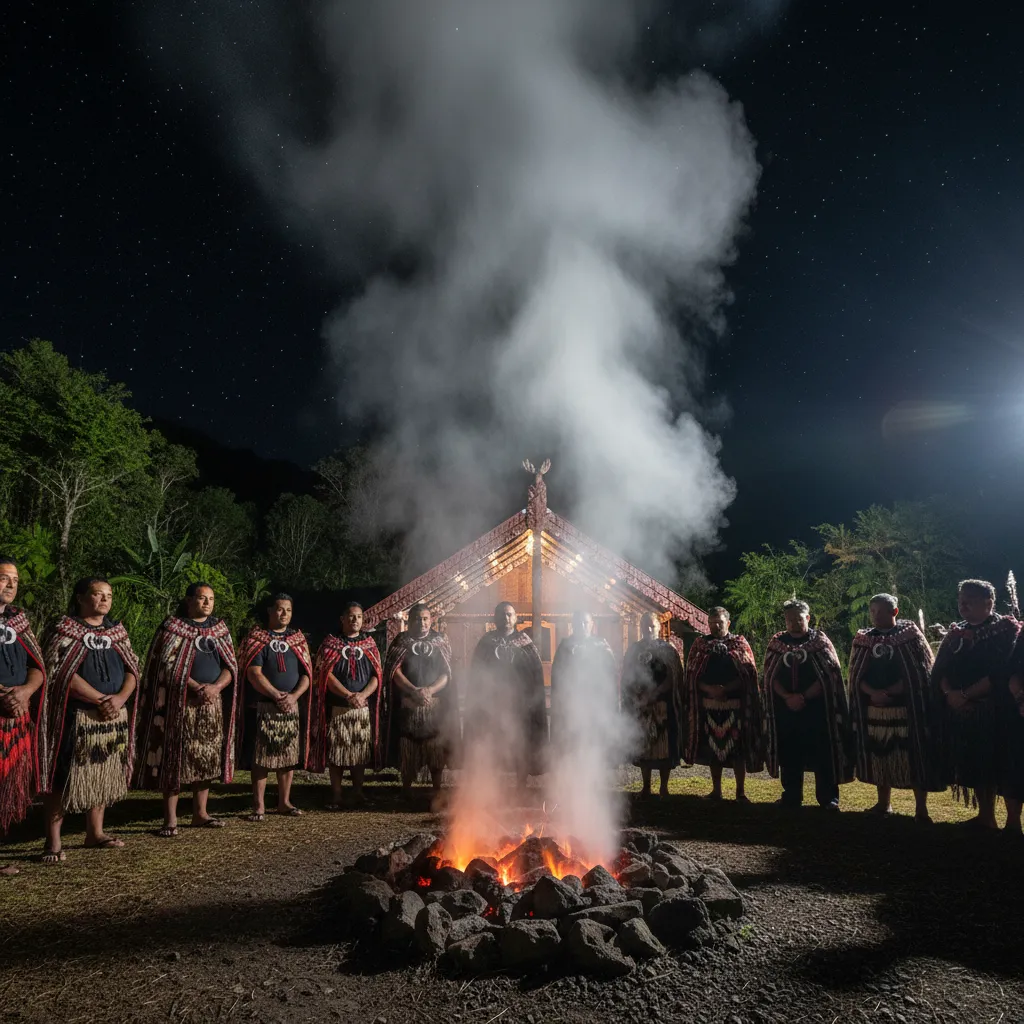
The most significant traditional ritual is the Hautapu. This involves cooking food in an earth oven (umu) and uncovering it so the steam rises into the sky to feed the stars. The offering typically includes foods connected to the specific stars in the cluster:
- Tupu-ā-nuku: Food grown in the ground (e.g., kūmara).
- Tupu-ā-rangi: Food from the sky (e.g., birds/poultry).
- Waitī: Food from fresh water (e.g., eel/trout).
- Waitā: Food from the ocean (e.g., fish).
While full ceremonial Hautapu are often conducted by Iwi or civic leaders, the concept of offering gratitude for food sources is central to all celebrations.
Modern Adaptations
In modern contexts, how to celebrate Matariki often involves community festivals. Light shows, concerts, and art exhibitions are common. Kapa haka performances showcase cultural pride, and educational workshops teach the history of the stars. Many families have adopted the tradition of flying kites (manu tukutuku). Historically, kites were flown to get closer to the stars; today, it is a fun, family-friendly activity that physically represents the connection between earth and sky.
Practical Ways to Celebrate Matariki at Home
You do not need to attend a large civic event to observe Matariki. The most meaningful celebrations often happen within the home. Here are actionable ways to integrate these traditions into your household.
Host a Mid-Winter Feast
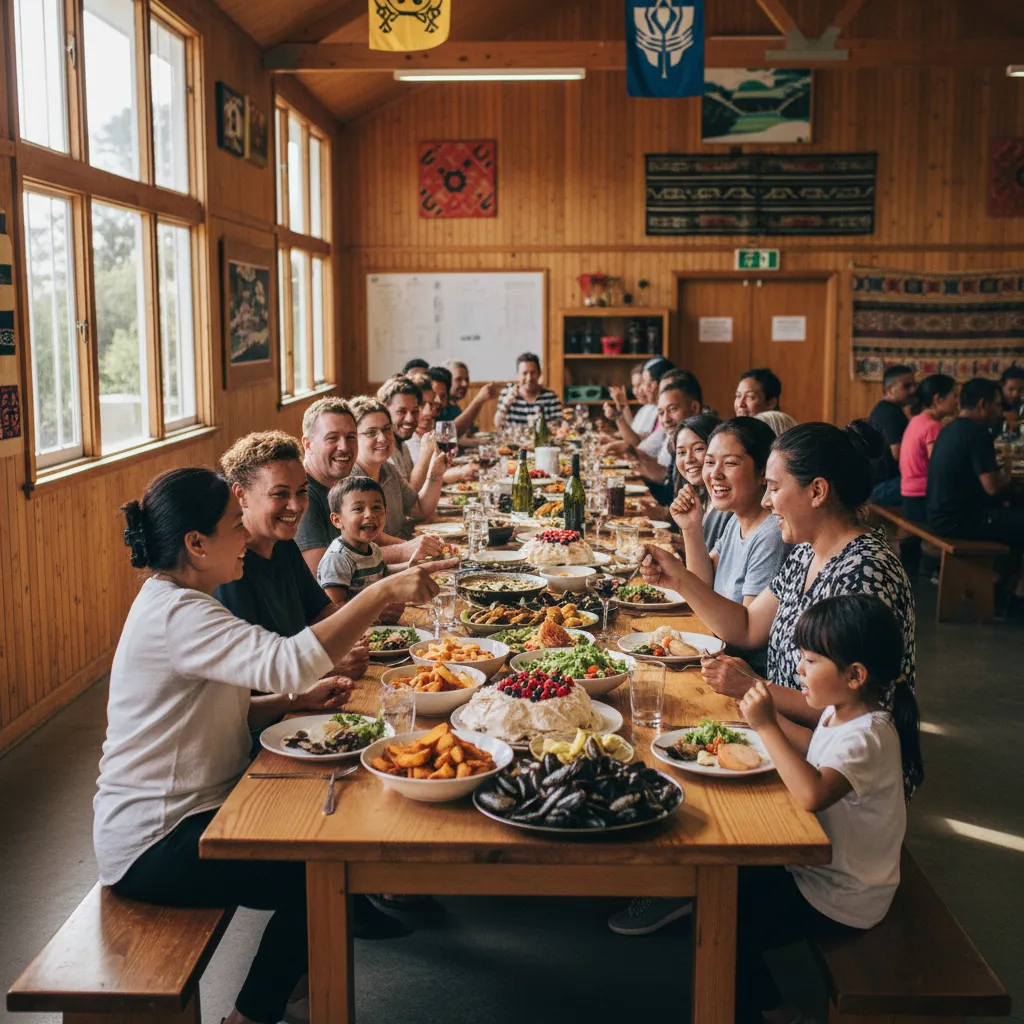
Gather your friends and family for a meal. The focus should be on locally sourced ingredients, acknowledging where the food came from. Use this time to turn off devices and engage in kōrero (conversation). Start the meal with a karakia (blessing) to give thanks for the food and the company.
Stargazing
If you are an early riser, wake up before dawn (between 5:30 AM and 6:30 AM) and look to the northeast horizon. Finding the cluster requires locating ‘Te Waka o Rangi’ (the bottom of Orion’s pot) and following the line left to the bright orange star Taumata-kuku (Aldebaran), and continuing left until you see the cluster. Taking children out to see the stars creates a lasting memory and connection to the environment.

Te Whare Tapere (Entertainment)
Matariki is also a time for arts and learning. Engage in storytelling, play traditional Māori games (tākaro), or learn a new waiata (song). This aligns with the star Waipuna-ā-rangi, which is associated with rain and, metaphorically, the pooling of knowledge.
How Non-Māori Can Respectfully Participate
Matariki is a celebration for all people living in Aotearoa, but it is rooted in Māori whakapapa. For non-Māori (Tauiwi), participating respectfully involves a balance of enthusiastic engagement and cultural humility.
Learn the Correct Pronunciation
One of the simplest yet most powerful ways to show respect is by making an effort to pronounce the names correctly. Matariki is pronounced Mah-tah-ri-ki (with a rolled ‘r’). Learn the names of the nine stars in the cluster and what they represent. Using the greeting “Mānawatia a Matariki” (Celebrate/Welcome Matariki) is a great way to acknowledge the season.
Respect Te Taiao (The Environment)
Because Matariki is intrinsically linked to the environment, celebrating it should involve caring for nature. This is not just symbolic; it is practical action. Organize a beach cleanup, plant a native tree, or commit to reducing waste. This honors the stars Tupu-ā-nuku and Tupu-ā-rangi by nurturing the earth that sustains us.
Avoid Commercialization
While buying gifts is common for Christmas, Matariki is traditionally not a commercial holiday. Avoid treating it as a “shopping event.” Instead of buying plastic trinkets, focus on presence, service, and handmade gifts or food. If you are a business, ensure your celebration is not merely a marketing tactic but a genuine engagement with the values of the holiday.
The Role of Whānau and Community
The phrase Matariki hunga nui translates to “Matariki of the many people.” This highlights that Matariki is a community event, not a solitary one. In a world that is increasingly individualistic, Matariki forces a pause to reconnect with the collective.
Reconnecting with Whakapapa
For Māori, this is a critical time to return to their marae and reconnect with extended family. For non-Māori, it is an opportunity to reach out to family members you haven’t seen in a while, resolve old conflicts, and strengthen bonds. The goal is to enter the new year with a united front, leaving the burdens of the past year behind.
Community Wānanga
Many communities host wānanga (learning forums) during this period. Attending these events supports the revitalization of mātauranga Māori (Māori knowledge). It is a time where knowledge is passed from elders to the younger generation, ensuring that the traditions of how to celebrate Matariki survive and thrive for centuries to come.
People Also Ask
When is the best time to see Matariki?
The best time to view Matariki is early in the morning, just before dawn (typically between 5:30 AM and 6:30 AM), during the mid-winter months of June or July. The specific dates change annually based on the lunar calendar (maramataka).
What food is eaten during Matariki?
Foods traditionally eaten include kūmara (sweet potato), fish, eel, birds, and preserved vegetables. These foods represent the bounty of the earth, sky, and water, aligning with the stars Tupu-ā-nuku, Tupu-ā-rangi, Waitī, and Waitā.
Can anyone celebrate Matariki?
Yes, Matariki is a celebration for everyone in Aotearoa New Zealand. While it is a Māori tradition, non-Māori are encouraged to participate by learning about the stars, respecting the environment, and gathering with friends and family.
What are the 9 stars of Matariki?
The nine stars are Matariki (the mother), Pōhutukawa, Tupu-ā-nuku, Tupu-ā-rangi, Waitī, Waitā, Waipuna-ā-rangi, Ururangi, and Hiwa-i-te-rangi. Each star holds dominion over a specific environmental domain or aspect of life.
What is a Hautapu ceremony?
A Hautapu is a ceremonial offering where food is cooked in an earth oven (umu). The steam is released to rise into the sky, feeding the stars and serving as an offering of gratitude for the year’s harvest and a request for a prosperous year ahead.
How do you say Happy Matariki in Māori?
The most appropriate greeting is “Mānawatia a Matariki,” which translates to “Celebrate Matariki” or “Welcome Matariki.” It is a respectful way to acknowledge the season and wish others well.