
Matariki traditions are the cultural practices associated with the Māori New Year, centered on three core principles: remembering those who have passed (Mouri Mate), celebrating the present with kai and whānau (Whakangahau), and planning for the future (Mouri Ora). Observances range from the sacred Hautapu ceremony involving ceremonial offerings to the stars, to modern community festivals, all grounded in environmental connection and renewal.
What are the core principles of Matariki traditions?
To truly understand how to observe Matariki, one must first internalize the philosophy that underpins the event. Matariki is not merely a celestial event; it is a holistic system of timekeeping, environmental stewardship, and spiritual reflection. While regional variations exist among different iwi (tribes)—some of whom look to the star Puanga rather than Matariki—the fundamental traditions generally align with three overarching themes: Remembrance, Celebrating, and Planning.
1. Remembrance: Honoring the Mouri Mate
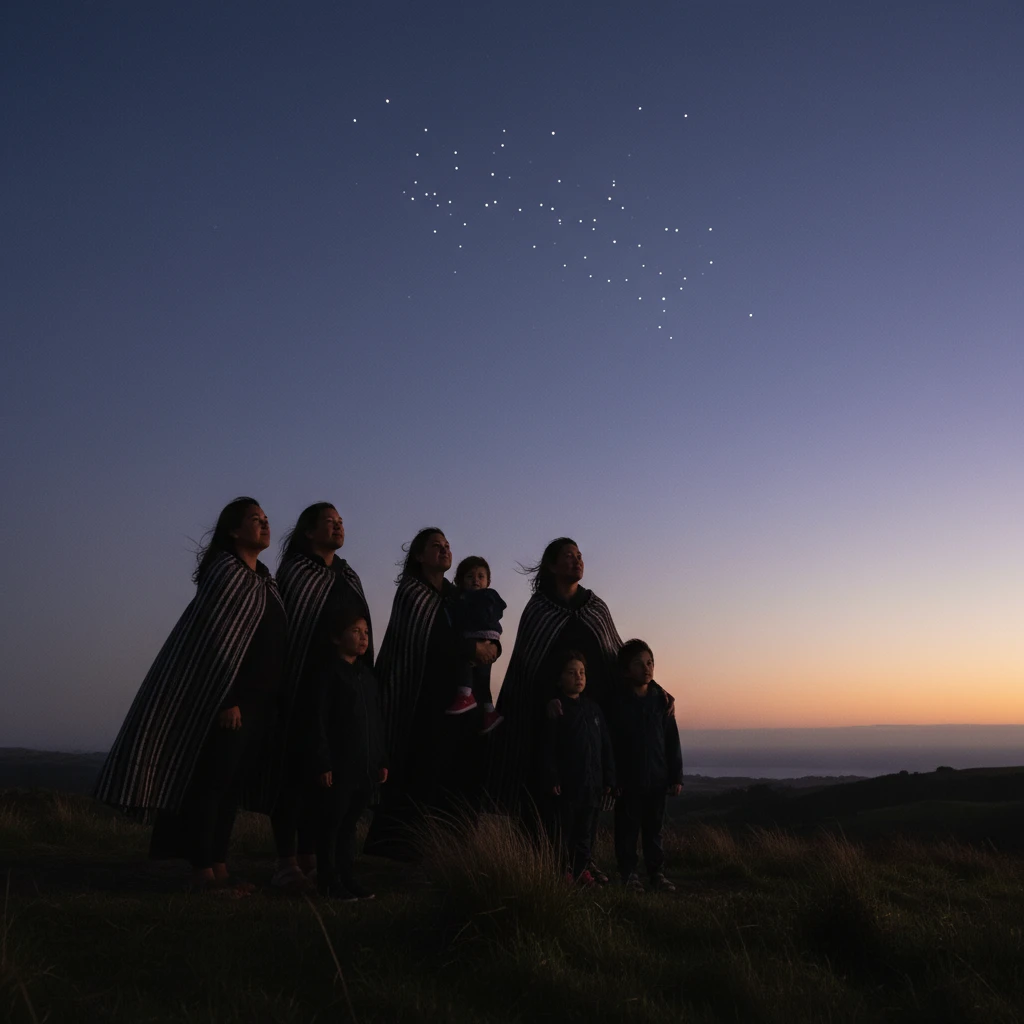
The first phase of traditional Matariki observance is solemn and reflective. It is a time dedicated to te hunga kua whetūrangitia—those who have passed on and become stars. In Māori tradition, it is believed that during the rising of Matariki, the spirits of those who died in the past year are released into the sky to become stars.
Traditionally, names of the deceased would be called out (whakaeke) to the cluster as it rose. This allows families to weep, to grieve openly, and eventually, to let go. In a modern context, this tradition is observed by gathering with family to share stories of loved ones lost, visiting urupā (cemeteries), or simply lighting a candle in their memory. It is a necessary purging of grief (weeping) to clear the spirit for the new year.
2. Celebrating: Whakangahau and Saluting the Present
Once the grieving is acknowledged, the tone shifts to celebration. This aspect of Matariki traditions focuses on whanaungatanga (kinship) and gratitude for the harvest. Historically, Matariki occurred at the end of the harvest season when pātaka (storehouses) were full. This abundance allowed for feasting, singing, and games.
Today, this is the most visible aspect of the holiday. Communities gather for shared meals, cultural performances (kapa haka), and wānanga (learning sessions). The tradition here is simple yet profound: share what you have. Whether it is a hāngī or a potluck dinner, the act of eating together signifies unity and thanksgiving for the earth’s bounty.
3. Planning: Mouri Ora and Looking to the Future
The final pillar of Matariki traditions is looking forward. The brightness and clarity of the stars were traditionally used to predict the productivity of the coming season. If the stars were clear, a warm and bountiful year was expected; if hazy, a cold and lean year was predicted.
In modern observance, this translates to setting intentions. It is a time for planning gardens, setting business goals, or resolving to learn more about one’s whakapapa (genealogy). It is the Māori equivalent of New Year’s resolutions, but grounded in community and environmental well-being rather than individual gain.
How have Matariki traditions evolved over time?
The resurgence of Matariki as a public holiday in Aotearoa New Zealand has created a fascinating blend of ancient tikanga (customs) and contemporary celebration. Understanding the distinction ensures that observers respect the roots while participating in the modern evolution.
Ancient Navigation and Agriculture
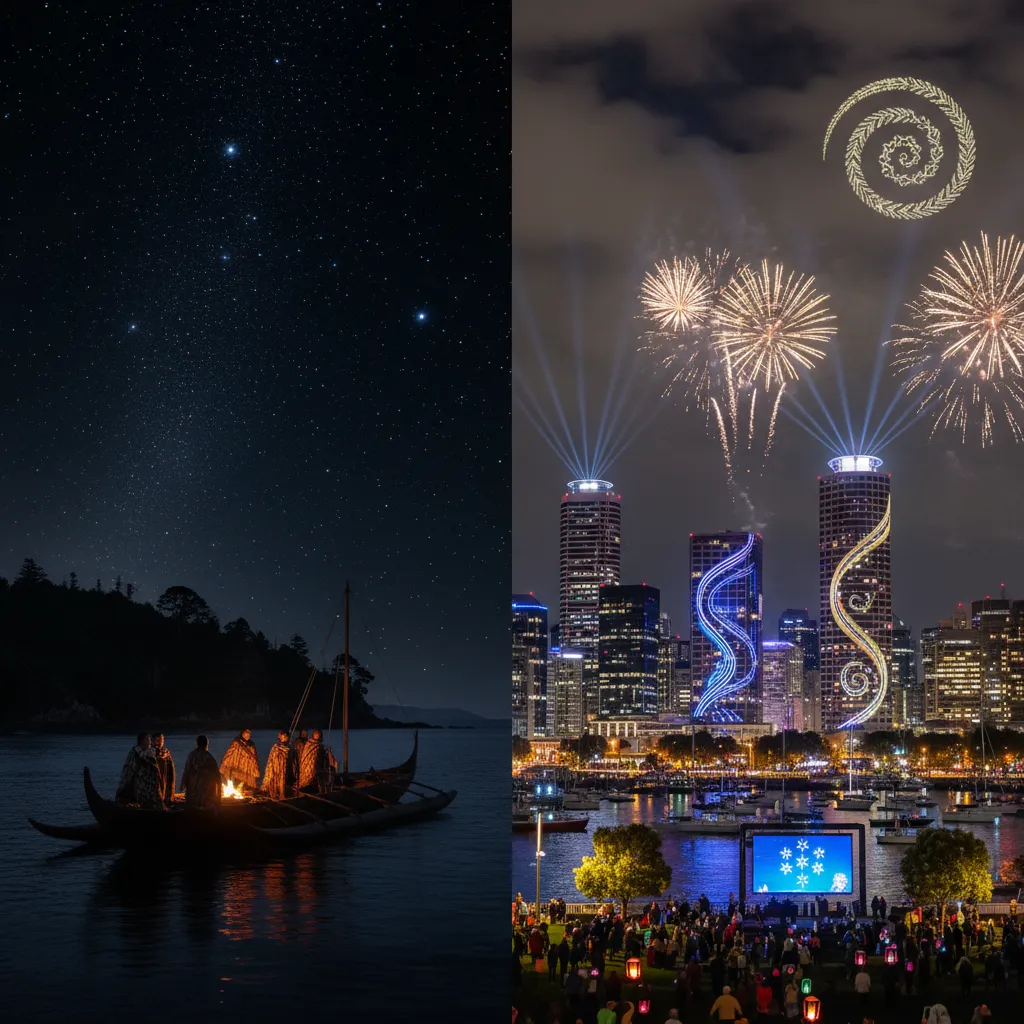
Historically, Matariki was a critical survival tool. For ocean voyagers, it was a navigational beacon. For tohunga (experts) on land, it was an agricultural almanac. The traditions were strictly regulated by the phases of the moon (maramataka). Ceremonies were often exclusive to tohunga who would interpret the signs of the stars to advise the hapū (sub-tribe) on when to plant kumara or when to rest the soil.
Modern Festivals and Public Holiday
Today, Matariki traditions have democratized. The knowledge is no longer held solely by a few but is shared widely in schools, workplaces, and media. Modern observances include light festivals, art installations, and public concerts. While these are contemporary additions, they align with the traditional spirit of whakangahau (entertainment).
However, a key distinction remains: traditional observance is inextricably linked to the pre-dawn rising of the stars. Modern festivities often occur in the evening for convenience. To truly honor the tradition, one should make an effort to wake early at least once during the period to view the stars and acknowledge the dawn.
What is the Hautapu ceremony?
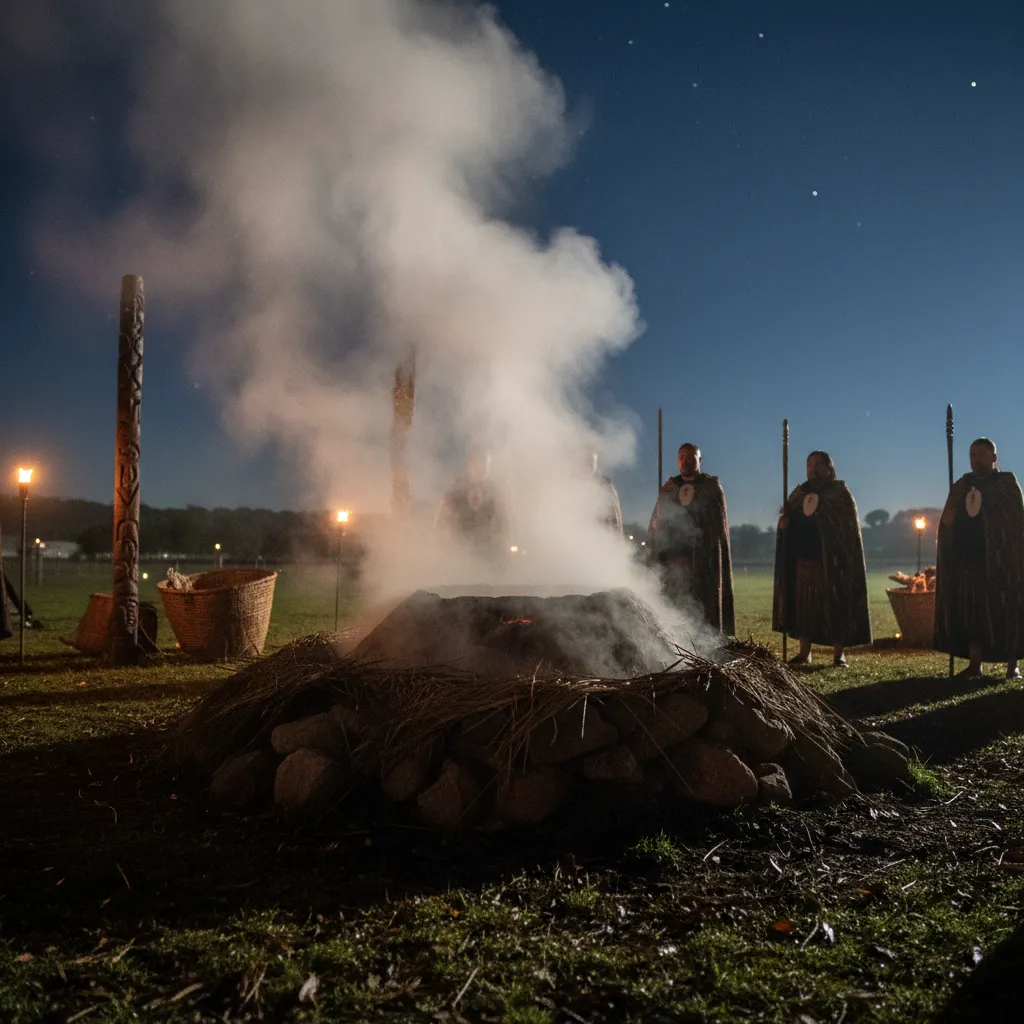
The most significant and sacred of all Matariki traditions is the Hautapu. The word roughly translates to “sacred wind” or “feeding the stars.” It is a ceremonial offering that takes place before sunrise and involves the cooking of food in a specific type of earth oven known as an umu kohukohu whetū.
The Mechanics of the Umu Kohukohu Whetū
The Hautapu is highly ritualized. Foods are selected to correspond with the four stars in the Matariki cluster that are associated with food sources:
- Waitī: Represents fresh water. Eels (tuna) or freshwater fish are used.
- Waitā: Represents the ocean. Snapper, mussels, or other seafood are used.
- Tupu-ā-nuku: Represents food from the earth. Kumara or other root vegetables are used.
- Tupu-ā-rangi: Represents food from the sky. Birds (traditionally kererū, now chicken) are used.
These foods are cooked in the earth oven. When they are ready, the covering is removed to release the steam. This steam, carrying the essence (mauri) of the food, rises into the sky to “feed” Matariki. It is a reciprocal gesture: the earth offers sustenance back to the stars that guided the harvest.
The Tohi (Dedication)
As the steam rises, a tohunga or leader performs karakia (incantations). This is the moment where the names of the dead are recited, and requests are made for the coming year. It is a solemn, deeply spiritual moment where the physical and spiritual worlds connect through the medium of steam and smoke.
How can non-Māori respectfully observe Matariki?
For tourists, new residents, and non-Māori New Zealanders, participating in Matariki traditions is welcomed, provided it is done with respect and an understanding of cultural etiquette. The goal is participation and appreciation, not appropriation.
1. Learn the Pronunciation
Respect starts with language. Take the time to learn the correct pronunciation of Matariki (Mah-tah-ree-key) and the names of the nine stars. Mispronunciation, especially when willful, can be seen as disrespectful to the mana of the occasion.
2. Focus on Environmental Stewardship
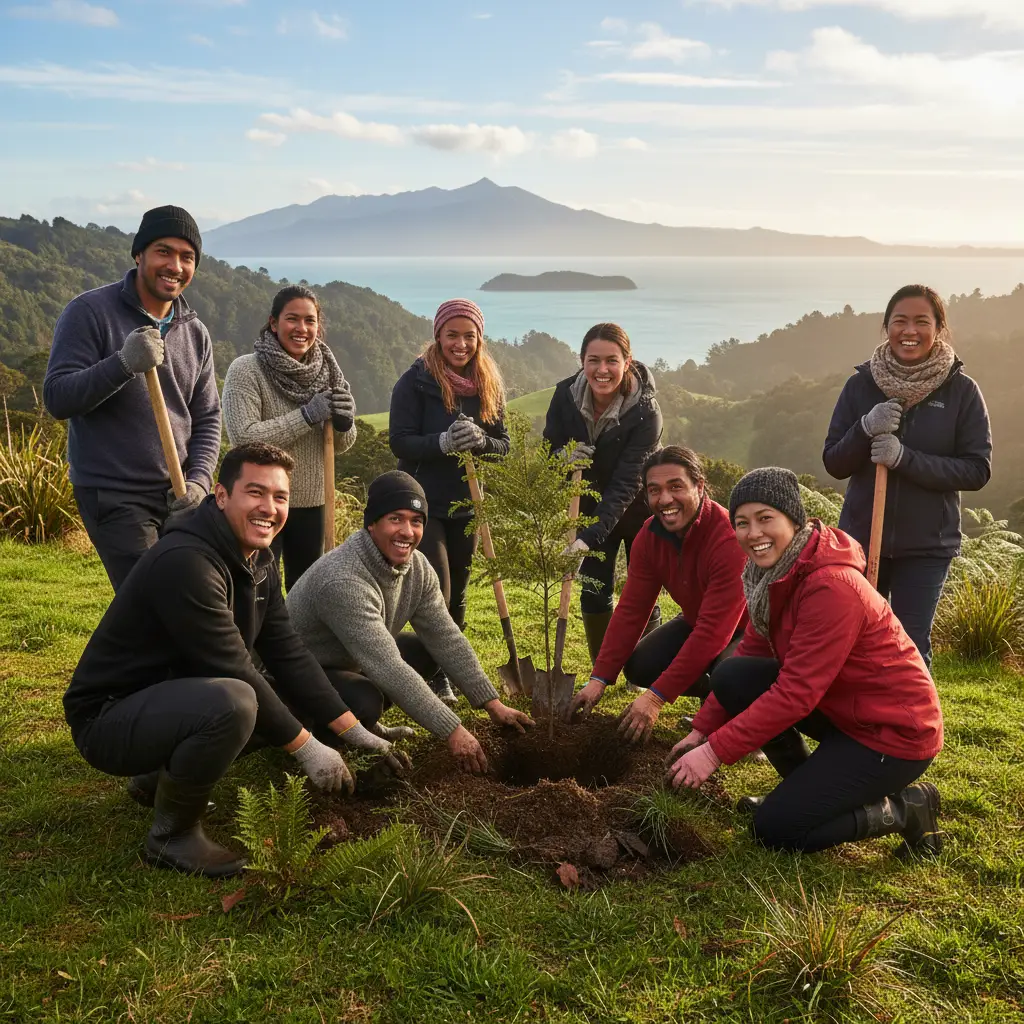
Matariki is fundamentally about the environment. You do not need to perform a Hautapu to observe the spirit of the holiday. Instead, engage in activities that heal the earth. Planting native trees, cleaning up a local waterway (Waitī), or reducing waste are authentic ways to honor the traditions without co-opting sacred rituals.
3. Respect the Sacredness of the Dawn
If you attend a dawn ceremony, follow the lead of the tangata whenua (people of the land).
- Silence: Keep chatter to a minimum during karakia.
- Photography: Ask for permission before taking photos, especially during the emotional calling of the names of the deceased. In many cases, phones should be put away to be fully present.
- Kai: Do not eat until the ceremony has concluded and the whakanoa (lifting of tapu through food) process begins.
4. Acknowledge the Source
When sharing information about Matariki, always acknowledge that this is a Māori tradition. Use resources provided by Māori experts (such as Dr. Rangi Mātāmua) to ensure accuracy. Avoid commercializing the holiday in ways that feel transactional or cheap; Matariki is about community, not commerce.
Connecting Traditions to the Environment
Observing Matariki is an invitation to realign your life with the natural rhythms of the southern hemisphere. Unlike the western New Year (January 1st), which occurs in the middle of the NZ summer but is based on a northern hemisphere winter calendar, Matariki marks the true seasonal shift in Aotearoa.
It marks the middle of winter—a time for the land to rest. Traditions suggest that we, too, should rest. It is a time to stay indoors, repair tools, weave, and share knowledge. By slowing down and observing the natural world, you are practicing the deepest form of Matariki tradition.
People Also Ask
When is the best time to view Matariki?
Matariki is best viewed in the pre-dawn sky (around 5:30 AM to 6:30 AM) during mid-winter, typically in June or July. You should look towards the northeast horizon. The specific dates for the public holiday shift slightly each year based on the lunar calendar (maramataka).
What foods are traditionally eaten during Matariki?
Traditional foods include those cooked in a hāngī or earth oven, such as kumara (sweet potato), fish, eel, pork, and chicken. The focus is on locally sourced, seasonal ingredients that represent the bounty of the earth (Tupu-ā-nuku), sky (Tupu-ā-rangi), fresh water (Waitī), and ocean (Waitā).
Is it appropriate to wish someone “Happy Matariki”?
Yes, it is appropriate and welcomed. You can say “Mānawatia a Matariki,” which translates to “Celebrate Matariki” or “Welcome Matariki.” It is a positive greeting that acknowledges the importance of the season.
What is the difference between Matariki and Puanga?
Matariki is the star cluster known as the Pleiades. However, in some parts of New Zealand (like Taranaki and Whanganui), the geography obscures the view of Matariki on the horizon. Therefore, these iwi look to the star Puanga (Rigel) to mark the New Year. The traditions and significance remain largely the same.
Why do we look at the stars to predict the harvest?
In Māori tradition, the brightness and clarity of the stars were indicators of atmospheric conditions. Clear, bright stars signaled a warm growing season ahead, while hazy or shimmering stars suggested a colder season, prompting farmers to plant their crops later.
Can I celebrate Matariki if I am not in New Zealand?
While Matariki is specific to Aotearoa’s location and the Māori lunar calendar, the Pleiades cluster is visible globally. You can acknowledge the cluster from anywhere, but the specific cultural context of the Māori New Year is rooted in New Zealand’s seasons and environment.