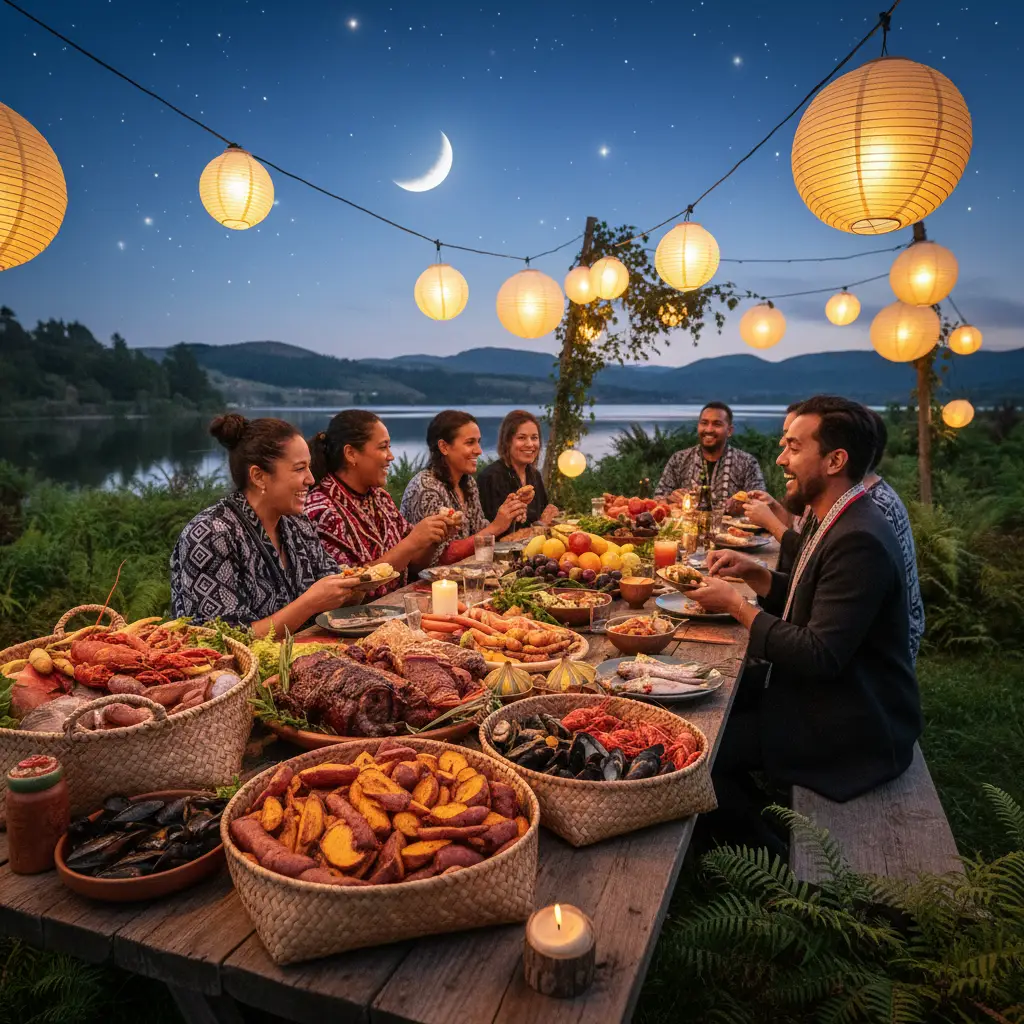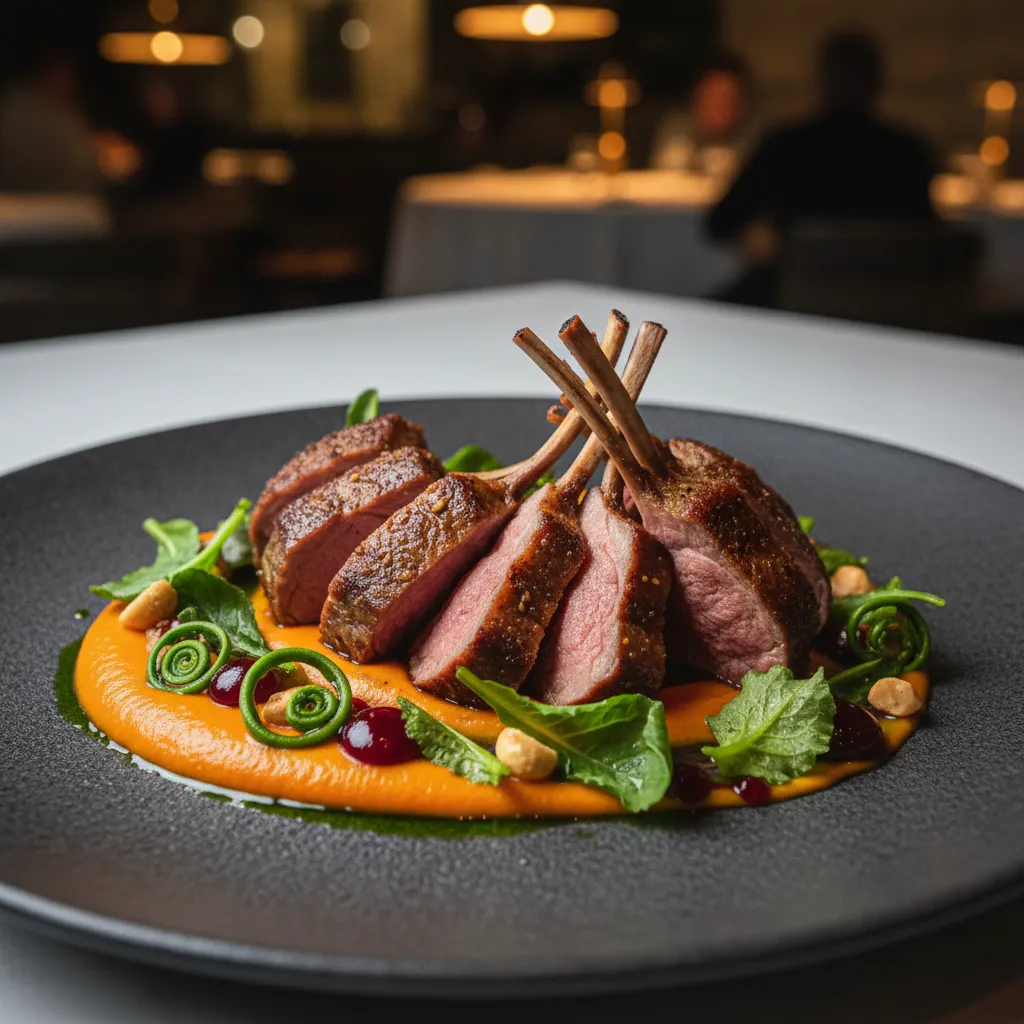
Traditional Māori food for Matariki centers on ingredients connected to the four food stars of the cluster: Tupuānuku (root vegetables like kūmara), Tupuārangi (birds and forest foods), Waitī (freshwater bounty like eel), and Waitā (saltwater seafood). These seasonal staples are historically prepared in a hāngī (earth oven) to honor the harvest and celebrate the Māori New Year.
Introduction to Matariki Kai
Matariki, the Māori New Year, is a profound period of reflection, celebration, and renewal marked by the rising of the Pleiades star cluster. Central to these festivities is the preparation and sharing of kai (food). In traditional Māori society, Matariki occurred at the end of the harvest season, making it a time to feast on stored crops and freshly gathered produce before the deep winter set in.
The foods served during Matariki are not chosen at random; they are deeply symbolic, directly corresponding to specific stars within the cluster that preside over different environmental domains. Understanding these connections transforms a meal into a cultural observance, linking the diner to the earth, the sky, and the waters of Aotearoa.
What foods represent Tupuānuku?
Tupuānuku is the star connected to food that grows within the soil. For Māori, this primarily signifies root vegetables, which were crucial for survival during the colder months.
The Significance of Kūmara
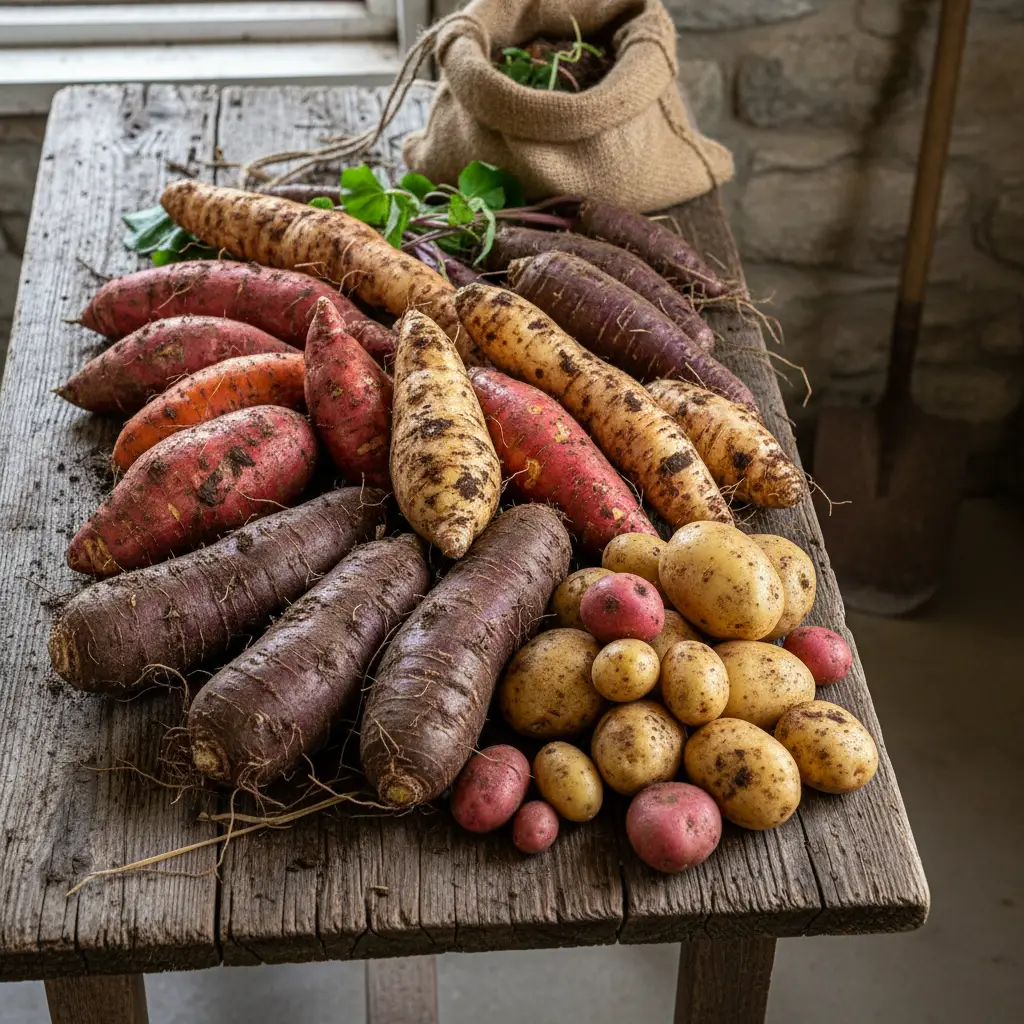
Kūmara (sweet potato) is the most iconic vegetable associated with Tupuānuku. By the time Matariki rises in mid-winter, the kūmara harvest has been completed, and the tubers are safely stored in rua (storage pits). Serving kūmara during Matariki is an acknowledgement of the successful harvest and the fertility of Papatūānuku (Earth Mother).
Other Root Vegetables
While kūmara takes center stage, other root crops are equally traditional:
- Taewa (Māori Potatoes): Varieties such as urenika (dark purple skin) or moemoe are traditional staples. They offer a nuttier, earthier flavor compared to modern potatoes.
- Uwhi (Yam): Historically significant, though less common today, yams were a vital carbohydrate source.
- Taro: Although more tropical, taro has a long history in Māori cultivation and is often prepared in the hāngī.
Preparation Idea: Roast a medley of kūmara, taewa, and pumpkin seasoned with horopito (native pepper tree) to honor the earth’s bounty.
What traditional foods come from Waitī?
The star Waitī watches over freshwater environments. This includes lakes, rivers, streams, and the creatures that inhabit them. The health of this star was traditionally seen as a sign of the health of the waterways.
Tuna (Eel)
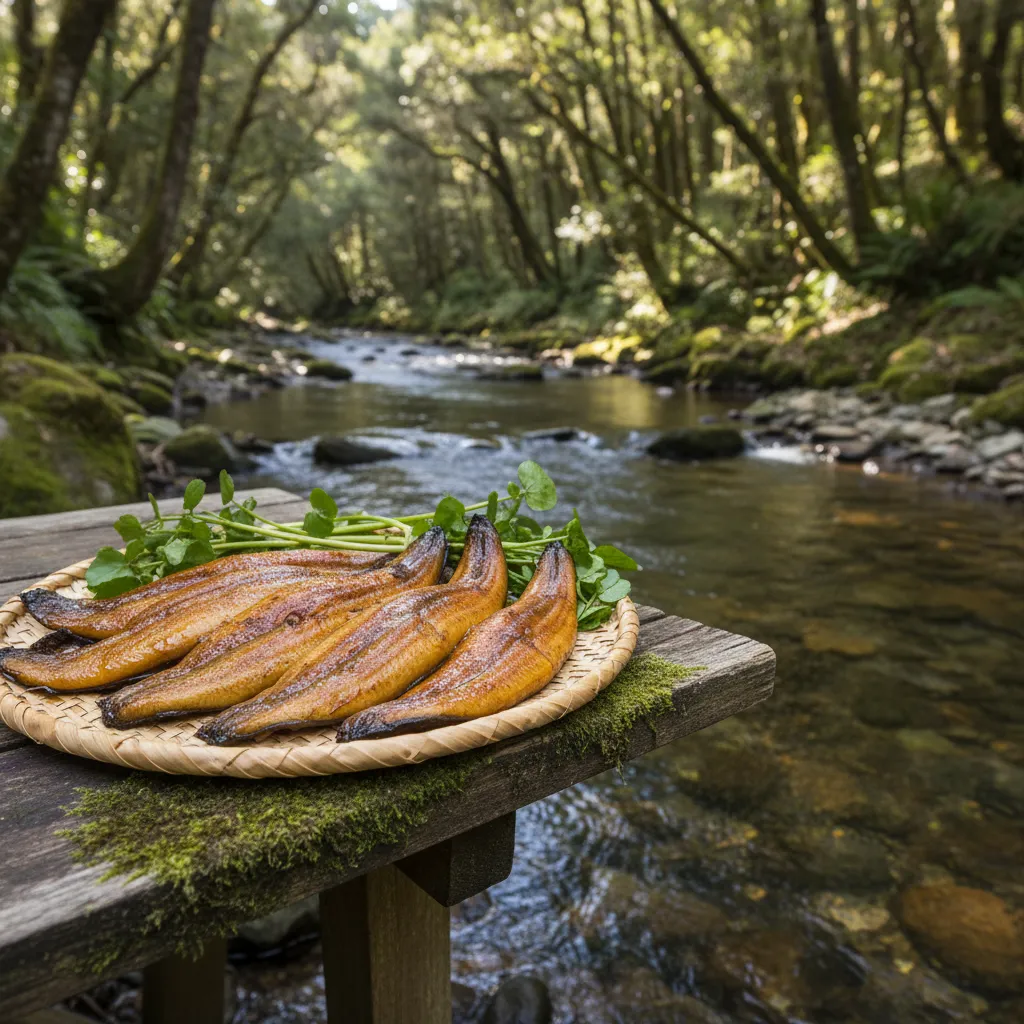
Tuna, or freshwater eel, is perhaps the most significant food source associated with Waitī. Eels were a primary source of protein and fat for Māori, especially in winter when they were in their best condition. They were often dried or smoked to preserve them for the months ahead.
Freshwater Crayfish and Watercress
Kōura (Freshwater Crayfish): These delicacies are found in lakes and streams across New Zealand. Traditionally, they were caught using tau kōura (fern bundles) placed on the lake bed.
Wātakirihi (Watercress): Often found growing along the banks of clean streams, watercress provides a peppery, fresh crunch that cuts through the richness of eel or pork. It is a standard accompaniment in a boil-up or hāngī.
How is Tupuārangi honored through food?
Tupuārangi is the star connected to food from the sky—specifically birds and produce from trees (berries and fruits). In pre-European times, this was a critical season for bird snaring.
Manu (Birds)
Historically, the kererū (New Zealand wood pigeon) and tītī (muttonbird) were key food sources. The kererū were often preserved in their own fat in gourds (taha) for later consumption.
Modern Adaptation: Today, native birds like kererū are protected species. To honor Tupuārangi in a modern context, families often substitute poultry such as chicken, duck, or turkey. The tītī is still harvested by Rakiura Māori and remains a potent, traditional delicacy with a distinct salty, fishy flavor.

Forest Harvest
The forest also provides plant-based foods:
- Pikopiko: The curled shoots of ferns, which taste somewhat like asparagus and are a symbol of new life.
- Kawakawa: A versatile plant used for tea and seasoning, adding a basil-like peppery flavor to meats.
- Berries: Karaka berries (historically prepared with great care due to toxicity) and other native fruits were gathered.
What seafood is best for Matariki?
Waitā is the star representing the ocean and the vast food sources within it. Matariki occurs in winter, a time when many fish species are migrating or are particularly abundant.
Kaimoana (Seafood)
New Zealand’s coastal waters offer an incredible variety of kaimoana. For a Matariki feast, the focus is often on shellfish and deep-water fish.
- Ika (Fish): Snapper (tāmure), kahawai, and hāpuku are popular choices. Smoked fish is a common way to serve these species during gatherings.
- Shellfish: Mussels (kūtai), oysters (tio), pipi, and pāua (abalone). These are often gathered by hand and steamed or eaten raw.
- Kina: The sea urchin is a polarizing delicacy, prized for its sweet, creamy roe.
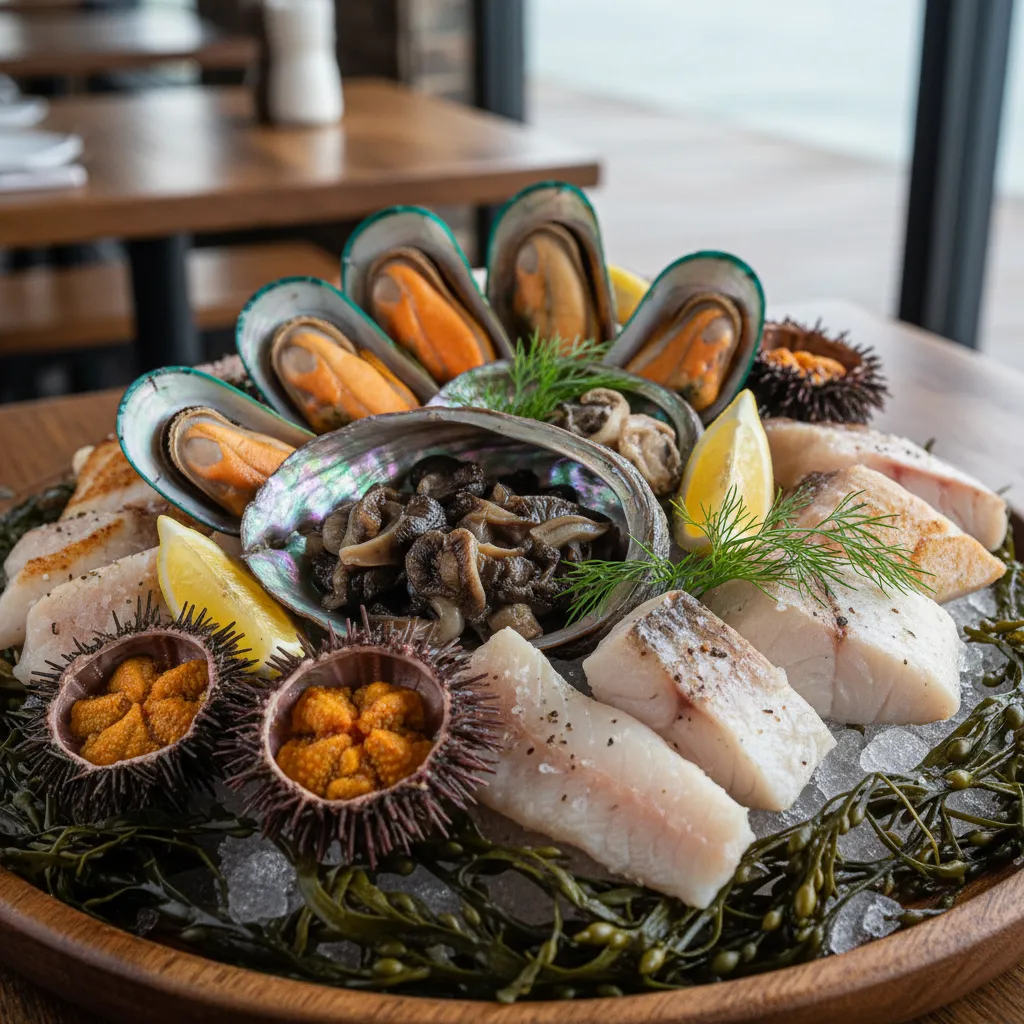
Parengo (Seaweed): Also known as karengo, this edible seaweed is similar to nori. It is traditionally dried and can be rehydrated in soups or fried in butter.
The Hāngī: The Ultimate Matariki Cooking Method
While the ingredients are vital, the method of cooking is equally significant. The hāngī is the traditional Māori earth oven and is the centerpiece of major celebrations.
How a Hāngī Works
A pit is dug in the ground, and volcanic stones are heated in a large fire until they are white-hot. Baskets of food—typically meat (pork, lamb, chicken) and root vegetables (kūmara, potato, pumpkin)—are placed on top of the stones. The food is covered with wet cloth (mutton cloth) and wet sacks, then buried with earth to trap the heat and steam.
The Flavor Profile
The result is a unique, smoky, earthy flavor that cannot be replicated in a conventional oven. The slow steaming process renders the meat incredibly tender and infuses the vegetables with the smoke of the manuka wood used to heat the stones. Sharing a hāngī is a communal activity that reinforces the bonds of whānau (family) during the New Year.
Modern Ways to Serve Traditional Matariki Food
Not everyone has the space or resources to lay down a traditional hāngī. However, you can still honor the spirit of Matariki in a modern kitchen by using traditional ingredients with contemporary techniques.
Hāngī in a Pot or Steamer
You can replicate the steaming effect of a hāngī using a large pot. Line the pot with cabbage leaves, place your smoked meats and root vegetables inside, and cook slowly. Using liquid smoke or smoked paprika can help mimic the earth oven flavor.
Creative Fusion Ideas
- Kūmara Sourdough: Incorporate mashed purple kūmara into your bread baking for a vibrant and culturally relevant loaf.
- Smoked Eel Pâté: Blend smoked eel with cream cheese, lemon, and dill for a sophisticated appetizer.
- Pāua Fritters: A classic Kiwi favorite, finely minced pāua mixed with batter and fried.
- Rewena Bread: This traditional Māori sourdough potato bread is a must-have side dish for any Matariki dinner.
The Hautapu Ceremony
It is worth noting that traditionally, a ceremonial offering called ‘Hautapu’ involves cooking foods from the four domains (Waitī, Waitā, Tupuānuku, Tupuārangi) in a steam oven. The steam is released to feed the stars of Matariki. While this is a sacred ritual, families can replicate the concept by ensuring their dining table includes at least one item from each domain, creating a balanced and symbolic feast.
Conclusion
Celebrating Matariki through food is about more than just sustenance; it is an act of remembrance and gratitude. By preparing traditional Māori foods like kūmara, tuna, birds, and kaimoana, we acknowledge the environments that sustain us and the stars that guide the seasons. Whether cooked in a traditional hāngī or a modern kitchen, the essence of Matariki kai remains the same: coming together to share the fruits of the harvest and look forward to the year ahead.
What creates the smoky flavor in a traditional Hāngī?
The smoky flavor in a hāngī comes from the wood used to heat the volcanic stones (typically Manuka wood) and the earth itself. As the food steams underground, it absorbs the subtle aromas of the soil and the smoke trapped within the pit.
Can I celebrate Matariki with vegetarian food?
Yes, absolutely. The star Tupuānuku specifically represents food from the earth, such as kūmara, potatoes, and other vegetables. A vegetarian feast focusing on root vegetables, pikopiko (ferns), and rewena bread is a perfectly traditional way to honor the New Year.
What is the best way to cook Kūmara for Matariki?
While a hāngī is the most traditional method, roasting kūmara in the oven with their skins on preserves their sweetness and nutrients. For a traditional twist, try boiling them with a little salt or steaming them to replicate the soft texture of earth-oven cooking.
Is Matariki food different from regular Māori food?
The types of food are similar, but the context differs. Matariki food specifically highlights the four domains connected to the Matariki stars (gardens, forests, freshwater, and saltwater). It is a time for feasting on the stored harvest, so preserved foods like smoked eel or stored kūmara are particularly significant.
What is Rewena bread?
Rewena bread is a traditional Māori sourdough bread made using a potato-based starter (bug) instead of commercial yeast. It has a dense texture and a distinctively sweet and sour flavor, making it a staple at Māori gatherings.
Why is food offered to the stars during Matariki?
In the Hautapu ceremony, steam from cooking food is released into the sky to “feed” the stars. This is done to show gratitude for the year’s harvest and to ask the stars for a bountiful season in the coming year.