
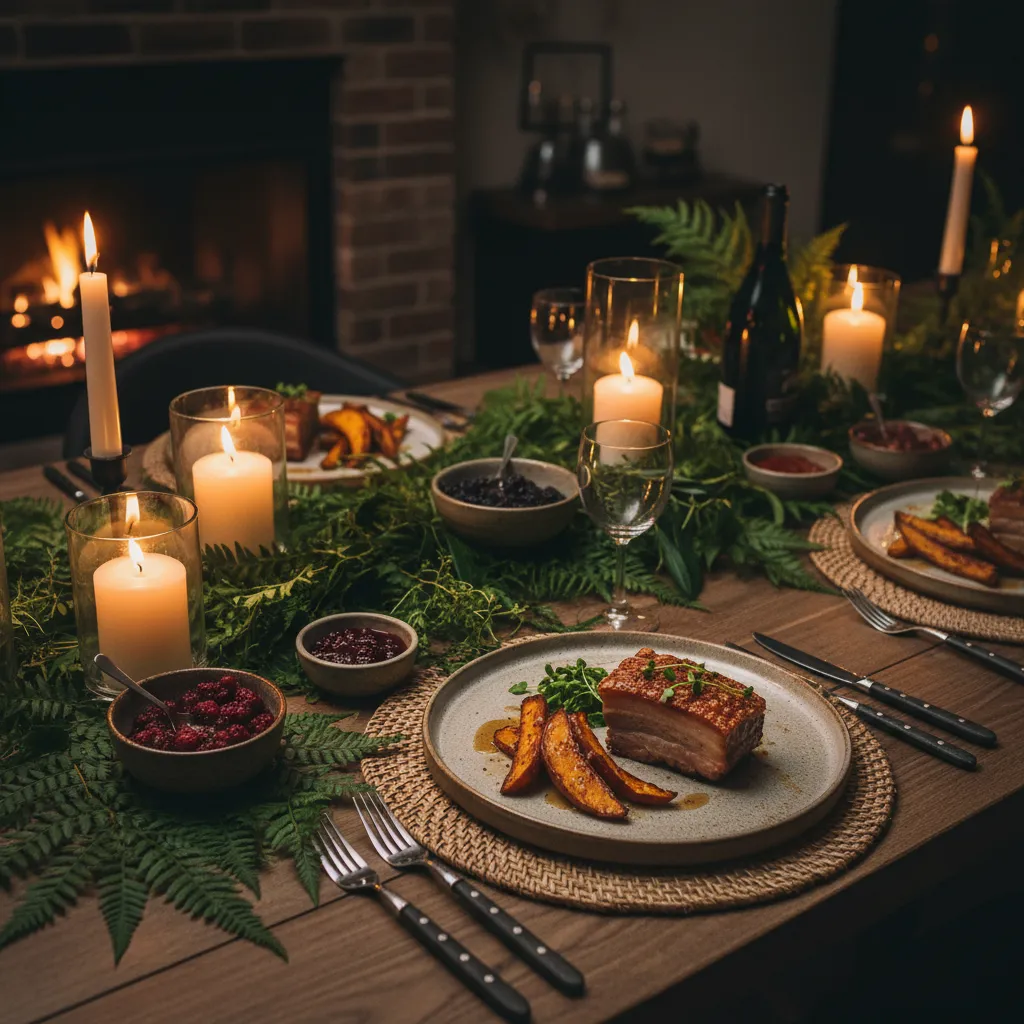
Modern Matariki recipes celebrate the Māori New Year by elevating traditional ingredients like kumara, pork, and kaimoana (seafood) with contemporary culinary techniques. A modern Hākari (feast) typically features dishes such as slow-roasted pork belly with watercress, artisanal kumara sourdough, mussel fry bread sliders, and desserts infused with native botanicals like Kawakawa and Horopito, symbolizing a connection to the stars and the earth.
The Significance of the Hākari in 2025
As Aotearoa New Zealand matures in its celebration of Matariki as a public holiday, the approach to the Hākari—the celebratory feast—has evolved. In late 2024 and moving into 2025, the focus has shifted significantly toward sustainability, hyper-local sourcing, and the fusion of ancestral knowledge with modern gastronomy. Matariki is not merely a time for eating; it is a time for remembrance, celebrating the present, and looking to the future.
The Matariki star cluster contains specific stars associated with food sources: Waitī (freshwater), Waitā (saltwater), Tupu-ā-nuku (food from the earth), and Tupu-ā-rangi (food from the sky). A truly modern Matariki menu pays homage to these stars by incorporating ingredients that represent each domain. While the traditional boil-up or hāngī remains the heart of Māori cuisine, modern home cooks and chefs are finding innovative ways to present these flavors on the dining table without requiring an earth oven.
Modern Breads & Starters: Reinventing the Staples
Bread is a universal symbol of gathering, and in Māori cuisine, rēwena and fry bread are legendary. However, for a modern twist that caters to the artisanal bread movement of 2025, we look toward Kumara Sourdough.
Artisanal Kumara Sourdough
Integrating kumara (sweet potato) into sourdough adds a distinct sweetness, a vibrant color (especially if using purple or orange varieties), and a soft, moist crumb that stays fresh longer. This recipe honors Tupu-ā-nuku (food grown in the ground).
The Technique: Unlike standard sourdough, the hydration levels must be adjusted to account for the water content in the roasted kumara. The key is to roast the kumara in their skins to retain flavor, peel them while warm, and mash them until completely smooth before folding them into your autolysed dough during the first stretch and fold.
Ingredients to elevate the loaf:
- Roasted Golden Kumara: Provides a subtle, nutty sweetness.
- Horopito Rub: Dust the top of the loaf with dried, ground Horopito before scoring. This native bush pepper adds a spicy, citrusy kick to the crust.
- Harakeke Seeds: Sprinkle these for texture and visual appeal.
The Main Event: Slow-Cooked Pork and Watercress
The combination of pork and watercress is iconic in New Zealand. Traditionally found in a boil-up, modern interpretations focus on texture contrast—succulent meat, crispy skin, and fresh, vibrant greens.
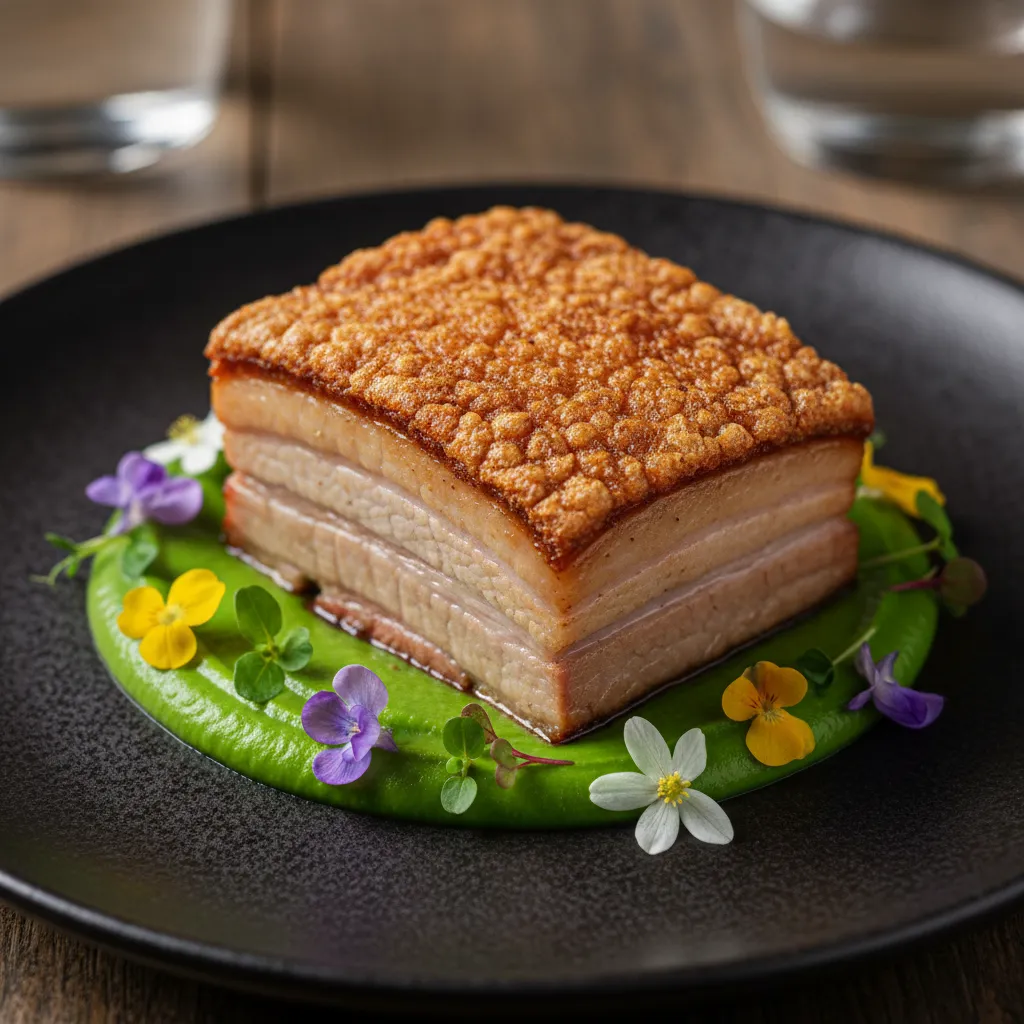
Confit Pork Belly with Watercress Purée
This dish transforms the humble pork strip into a centerpiece of fine dining quality, suitable for a special New Year celebration. The goal is to achieve “melt-in-the-mouth” texture while keeping the flavors recognizable.
Preparation Method:
- The Cure: Begin 24 hours in advance. Rub the pork belly with a mixture of sea salt, brown sugar, and toasted fennel seeds. This draws out moisture from the skin, ensuring the crackling puffs up perfectly.
- The Slow Cook: Roast the belly at a low temperature (around 140°C/285°F) for 3–4 hours. For a truly modern twist, cook the pork in a bath of duck fat or olive oil (confit) until the meat pulls away effortlessly.
- The Crisp: Just before serving, blast the skin under a high heat grill or in a hot oven (220°C/430°F) to blister the rind into perfect crackling.
The Watercress Element
Instead of boiling the watercress until grey, we create a vibrant emulsion. Blanch the watercress (or pūhā) for 30 seconds in boiling salted water, then immediately shock it in an ice bath. Blend the greens with high-quality olive oil, a clove of confit garlic, and a squeeze of lemon juice. This results in a bright green sauce that cuts through the richness of the pork.
Kaimoana Twist: Mussels and Fry Bread Sliders
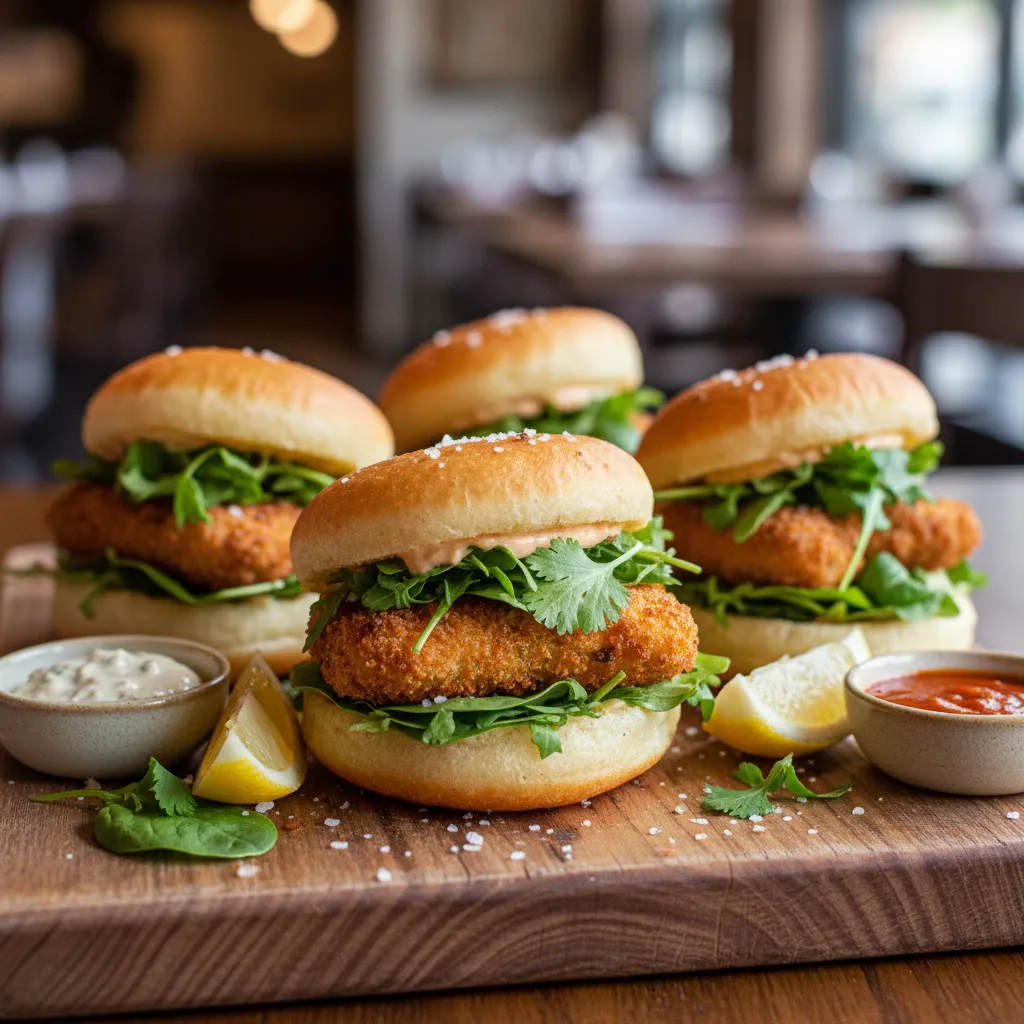
Seafood (Kai moana) is essential to acknowledge Waitā (saltwater stars). Green-lipped mussels are a New Zealand treasure, but they are often relegated to simple steaming. This recipe reimagines them as a trendy slider, perfect for a grazing-style Hākari.
The Components
1. The Bun: Parāoa Parai (Fry Bread)
Instead of a large loaf, shape the fry bread dough into small, 2-inch rounds. Fried until golden and fluffy, these act as the slider buns. The slight greasiness of the bread pairs beautifully with the acidity of the pickles.
2. The Filling: Tempura Mussels
Shuck fresh mussels and coat them in a light tempura batter seasoned with kawakawa powder. Fry quickly until crisp. The texture should be crunchy on the outside and creamy on the inside.
3. The Condiments
Layer the slider with a slice of pickled beetroot (a Kiwi burger staple) and a dollop of remoulade made with crème fraîche and chopped capers. The earthiness of the beetroot bridges the gap between the seafood and the fried bread.
Sweet Endings: Desserts Using Native Ingredients
Dessert is where modern chefs are being most adventurous with New Zealand’s native pantry. Ingredients like Kawakawa (pepper tree) and Horopito are no longer just savory seasonings; their complex flavor profiles work exceptionally well in sweet applications.
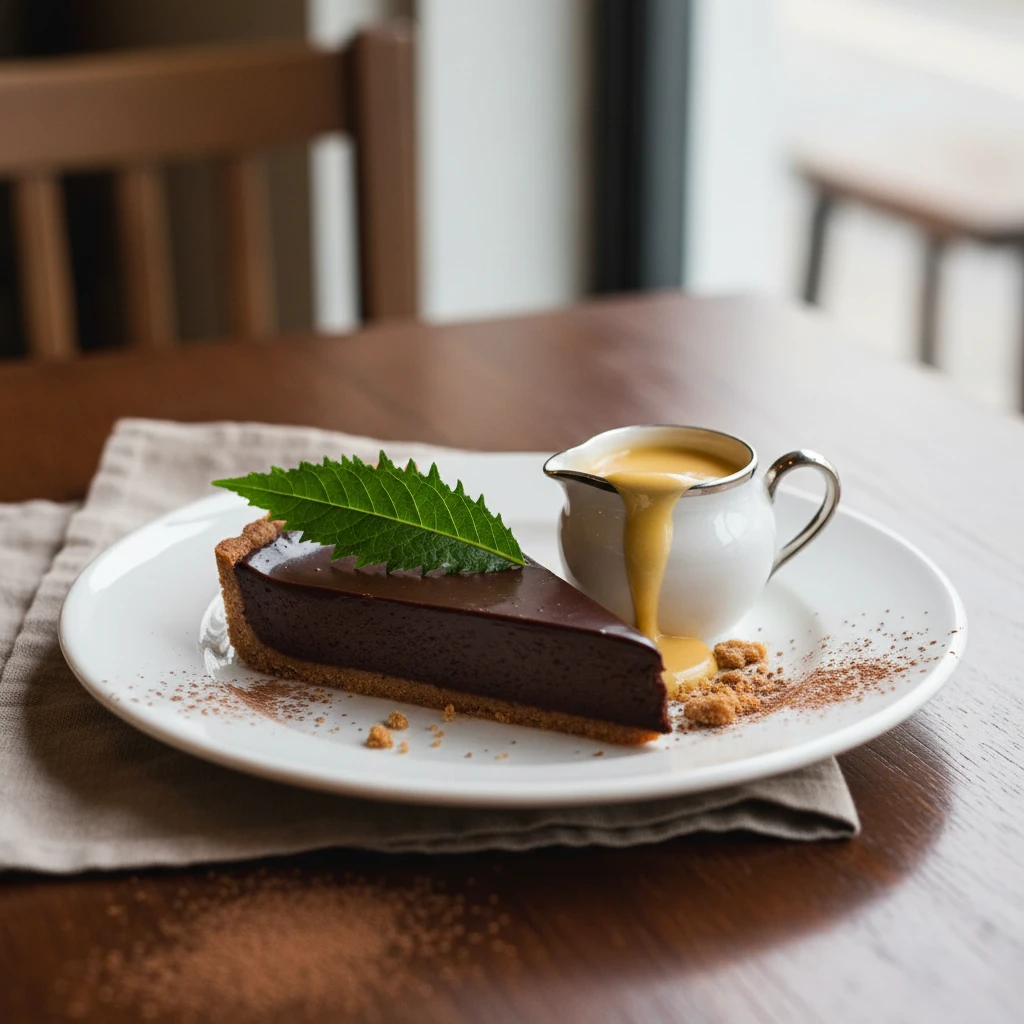
Dark Chocolate and Kawakawa Tart
Kawakawa has a flavor profile often described as peppery, minty, and basil-like. It pairs incredibly well with high-percentage dark chocolate (70% cocoa or higher).
How to infuse the flavor:
Steep fresh Kawakawa leaves in heavy cream over low heat for 20 minutes. Strain the leaves out before pouring the hot cream over your chocolate to make a ganache. Pour this into a pre-baked sweet pastry shell.
Steamed Pudding with Manuka Honey and Horopito Custard
The steamed pudding is a colonial adaptation that has become a marae staple. To update it for 2025:
- The Pudding: Sweeten the sponge with burnt sugar or golden syrup.
- The Custard: Infuse a standard anglaise with dried Horopito. The heat from the Horopito provides a warming sensation that mimics ginger, cutting through the sweetness of the pudding.
- The Garnish: Finish with a drizzle of premium Mānuka honey and freeze-dried berries for a pop of color.
Hosting a Matariki Feast: Tikanga and Tips
Hosting a Hākari is about more than just the food; it is about Manaakitanga (hospitality, kindness, and generosity). Here are tips for hosting a culturally responsive dinner:
- Karakia (Prayer): Always begin the meal with a karakia to bless the food and acknowledge the gathering. This sets the intention for the evening.
- Share the Story: Use the menu as a storytelling device. Explain which star each dish represents. For example, when serving the mussels, mention Waitā.
- Seasonal Eating: Ensure your ingredients are seasonal. Matariki occurs in winter, so the menu should be warming, hearty, and root-vegetable heavy.
- Zero Waste: In the spirit of protecting Papatūānuku (Mother Earth), aim for a zero-waste event. Use leftovers for stock or compost returns to the garden.
Frequently Asked Questions
What are the traditional foods eaten during Matariki?
Traditional Matariki foods include kumara (sweet potato), fish and shellfish (kaimoana), birds (manu), and preserved foods. These ingredients correspond to the stars Tupu-ā-nuku (earth food), Tupu-ā-rangi (sky food), Waitā (saltwater food), and Waitī (freshwater food).
How can I make my Matariki feast more modern?
You can modernize a Matariki feast by using traditional ingredients with contemporary cooking methods. Examples include making sourdough with kumara, creating sliders with fry bread and mussels, or using native herbs like Kawakawa in chocolate desserts or cheesecakes.
What is the significance of the Matariki Hākari?
The Hākari (feast) signifies the lifting of the tapu (sacredness) of the Matariki ceremony. It is a time to come together, share bounty, celebrate the harvest of the past year, and look forward to the new year with abundance and hospitality (manaakitanga).
Can I use store-bought ingredients for Matariki recipes?
Yes, absolutely. While hunting and gathering are traditional, purchasing local, seasonal, and high-quality ingredients from markets or stores is perfectly acceptable. The intention of sharing and celebrating is the most important aspect.
What is the best way to cook watercress for Matariki?
While traditionally boiled with meat, modern methods include sautéing it quickly with garlic and butter to retain its crunch and color, or blanching and blending it into a vibrant green purée or pesto to serve alongside roasted meats.
How do I incorporate the Matariki stars into my menu?
Plan your menu by categorizing dishes according to the stars: a pork or root vegetable dish for Tupu-ā-nuku, a chicken or bird dish for Tupu-ā-rangi, a seafood dish for Waitā, and an eel or freshwater fish dish for Waitī.


