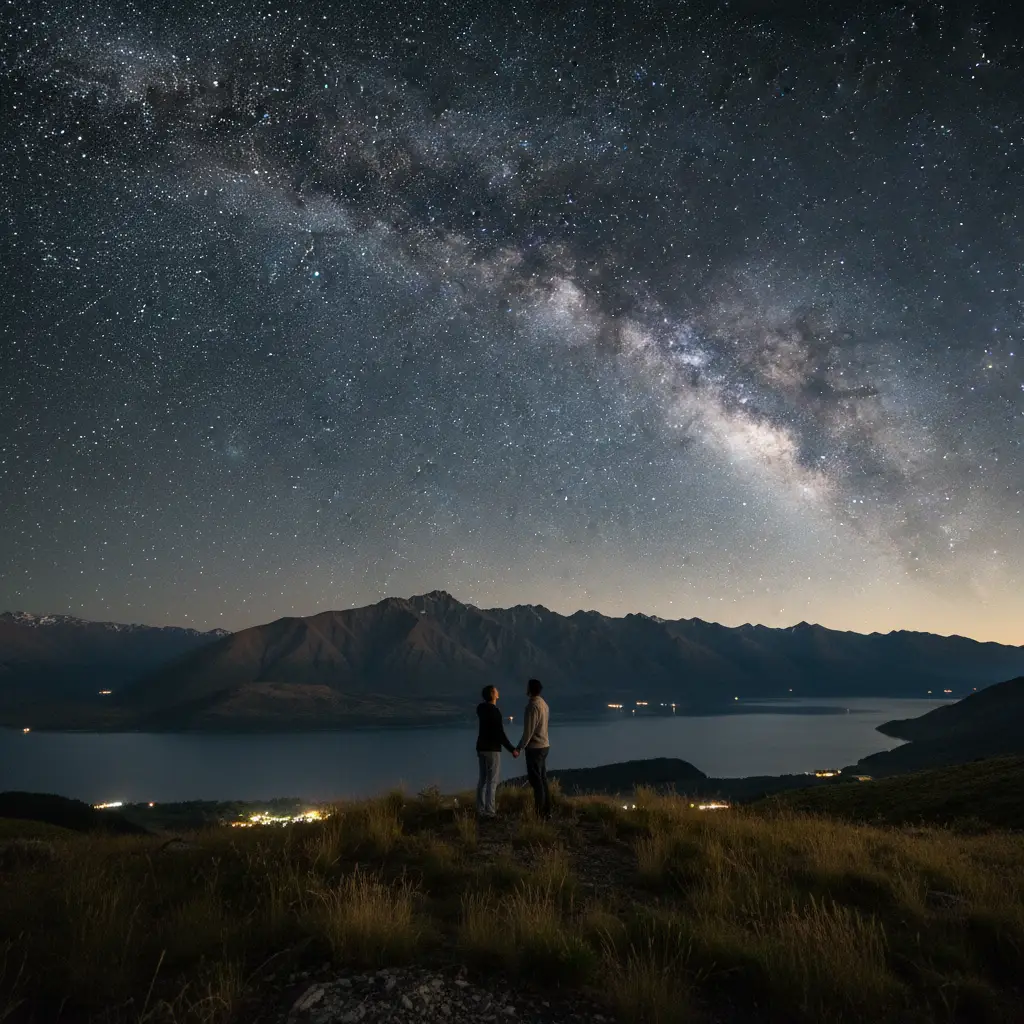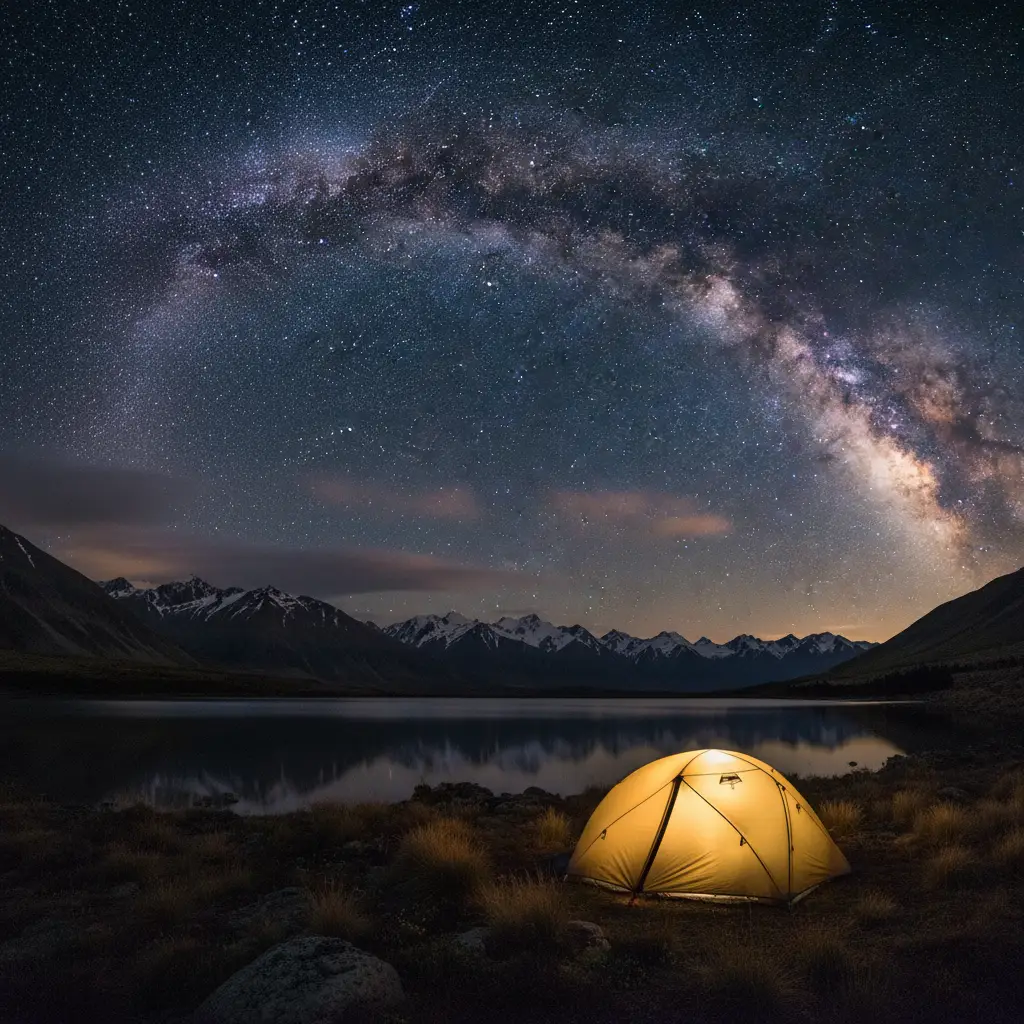
The best locations for stargazing near Auckland are the West Coast beaches of the Waitakere Ranges, such as Piha and Bethells Beach, and Shakespear Regional Park at the tip of the Whangaparaoa Peninsula. These areas offer low light pollution (Bortle Class 3-4), providing clear views of the Milky Way, the Southern Cross, and occasionally the Aurora Australis.
While Auckland is New Zealand’s largest and brightest city, it is uniquely positioned near rugged coastlines and regional parks that serve as sanctuaries for darkness. For urban astronomers and casual stargazers alike, escaping the city’s “light dome” is essential to witnessing the celestial wonders of the Southern Hemisphere. Whether you are hunting for the Matariki cluster during the Māori New Year or hoping to catch a glimpse of the Southern Lights, knowing exactly where to go is the first step.
Waitakere Ranges and West Coast Beaches
The Waitakere Ranges, located approximately 40 minutes west of Auckland’s CBD, represent one of the most accessible dark sky environments for city dwellers. The geography of the ranges acts as a natural shield, blocking much of the direct light pollution emitting from the metropolitan center. As you descend towards the coast, the skies darken significantly, revealing complex star fields often invisible from the suburbs.
Why the West Coast is Superior
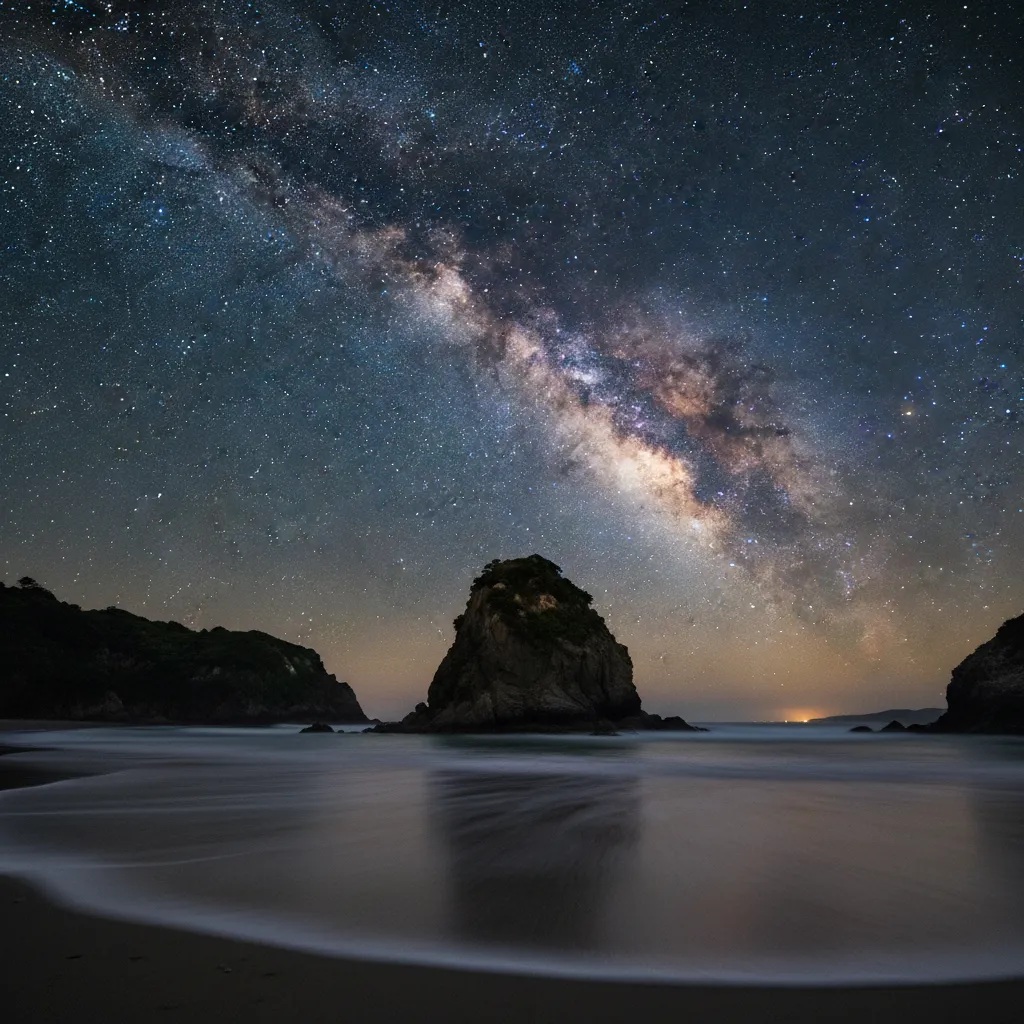
The prevailing winds in Auckland often come from the southwest, clearing atmospheric haze and smog that can obstruct starlight. Locations like Piha, Karekare, and Bethells Beach (Te Henga) face the Tasman Sea, meaning there is zero light pollution on the western horizon. This makes these beaches ideal for observing celestial objects setting in the west or for astrophotography sessions that require long exposures without the orange glow of streetlights.
Top Spots in the Waitakeres
- Piha Beach: Famous for Lion Rock, this beach offers a dramatic foreground for astrophotography. The southern end of the beach is particularly dark.
- Arataki Visitor Centre: While the center itself closes at night, the viewing platforms on Scenic Drive offer elevated views. However, be mindful of passing car headlights.
- Muriwai Beach: Slightly further north, Muriwai offers vast open skies. The gannet colony viewing platforms provide a stable, elevated surface for setting up telescopes or tripods.
When stargazing in the Waitakere Ranges, safety is paramount. The roads are winding and unlit. Always park in designated areas and bring a red-light torch to preserve your night vision while navigating trails.
Shakespear Regional Park: A Dark Sky Sanctuary
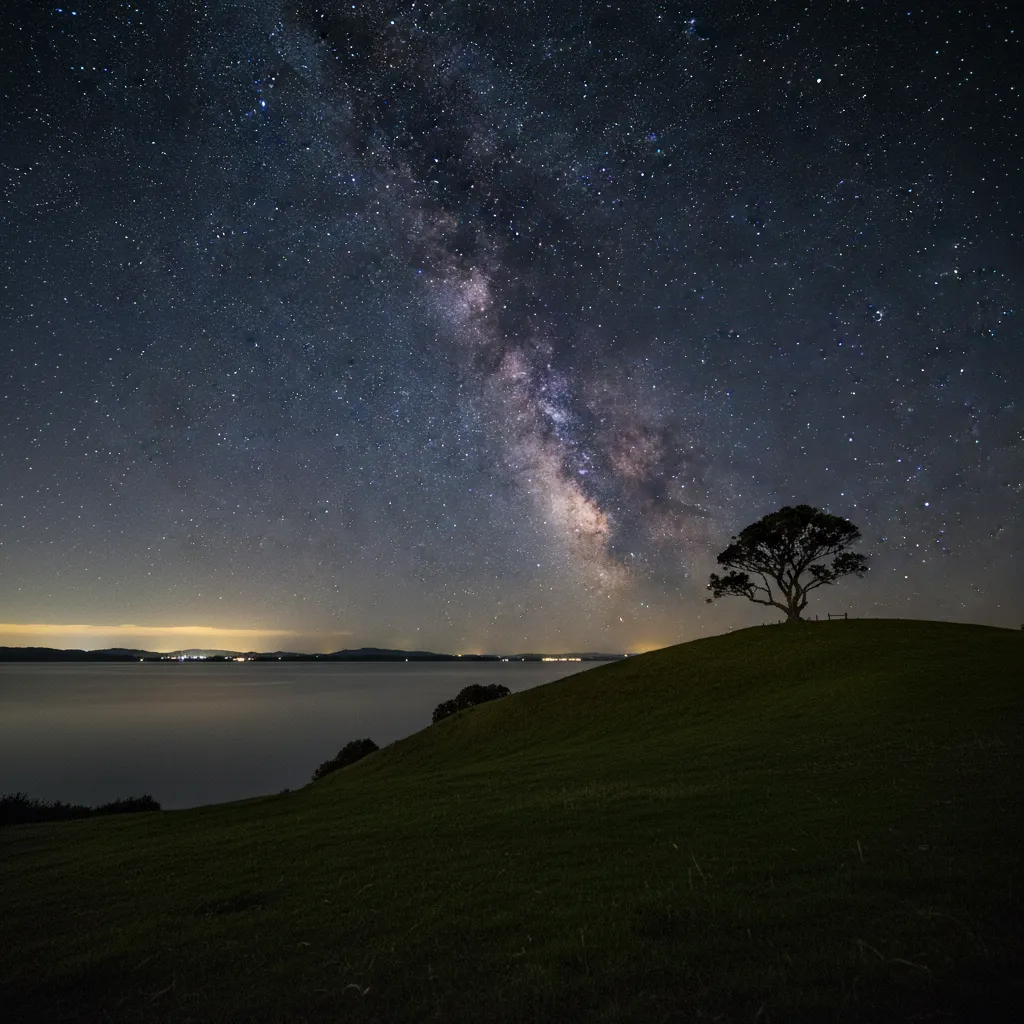
Located at the tip of the Whangaparaoa Peninsula, Shakespear Regional Park is a premier destination for stargazing near Auckland. Because it juts out into the Hauraki Gulf, it is surrounded by water on three sides, which helps mitigate light pollution from the expanding suburbs of the Hibiscus Coast.
The Open Sanctuary Advantage
Shakespear is an open sanctuary, meaning it is protected by a pest-proof fence. This conservation status limits development and artificial lighting within the park boundaries. The park gates function on automatic timers, so stargazers intending to stay late should check closing times or park outside the main gates and walk in to Te Haruhi Bay.
What You Can See
From Shakespear Park, the view to the east and north is exceptionally clear. This is a prime location for viewing the rising Matariki cluster in mid-winter (June/July) or observing the core of the Milky Way as it rises. The separation from the city center (about 50km) drops the Bortle Scale rating to a level where the Magellanic Clouds are often visible to the naked eye.
Beyond Auckland: Wellington’s South Coast
While this guide focuses on stargazing near Auckland, many New Zealand astronomy enthusiasts travel between the major urban centers. It is worth noting how Wellington’s South Coast compares as a stargazing destination, particularly for those planning a North Island road trip focused on dark skies.
Red Rocks and Sinclair Head
Unlike Auckland, where you often have to drive into ranges or up peninsulas, Wellington offers immediate access to dark southern horizons via its South Coast. Areas like Red Rocks (Pariwhero) are renowned for their clear views of the Aurora Australis. Because Wellington is geographically closer to the South Pole than Auckland, the aurora is visible more frequently and often appears higher in the sky.
For Aucklanders traveling south, the contrast is stark. Auckland’s humidity can sometimes create a haze, whereas Wellington’s frequent winds—while challenging for telescope stability—often scrub the sky crystal clear. If you are an Auckland-based astrophotographer, a trip to the capital’s south coast is a worthy pilgrimage to capture the Southern Lights with greater intensity.
Understanding Light Pollution Maps for Cities
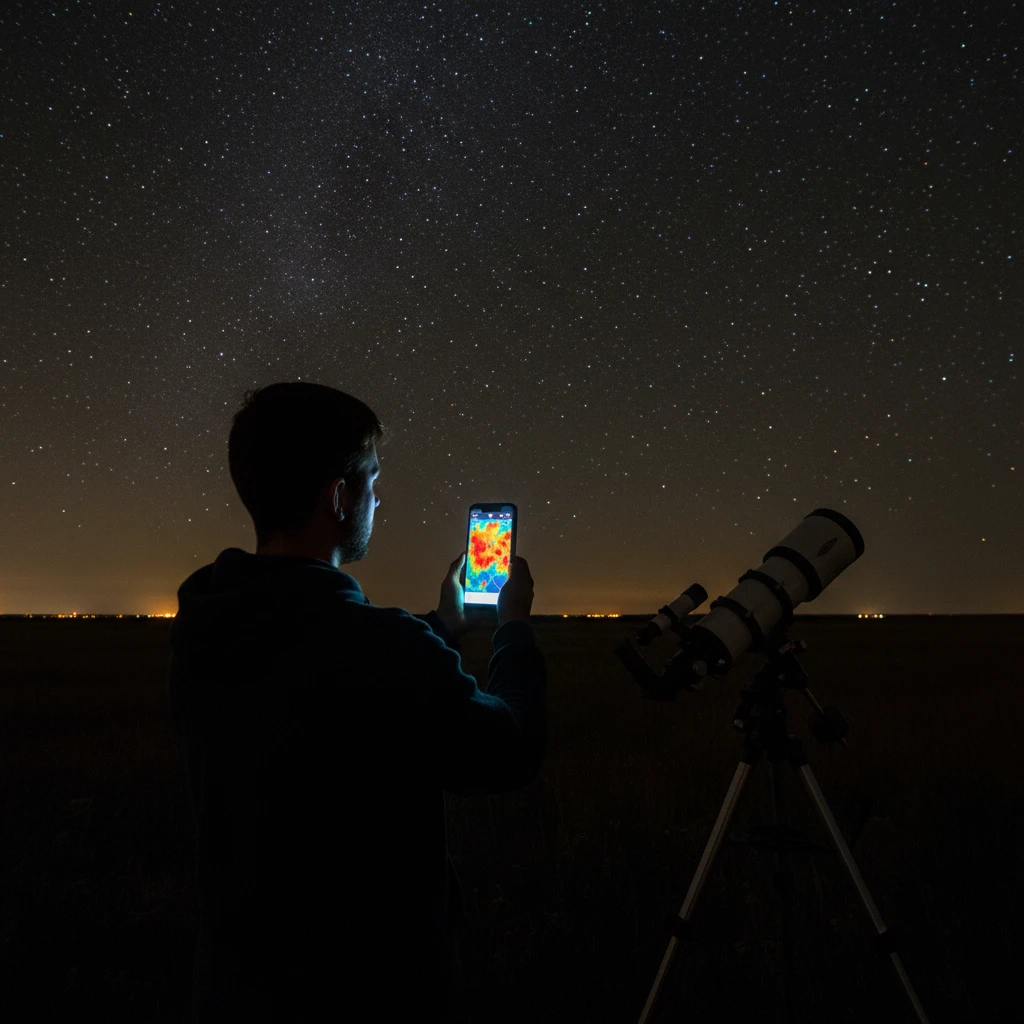
To successfully find dark skies for stargazing near Auckland, you cannot rely on guesswork. Using light pollution maps is the professional standard for planning an observation session. These maps display the levels of artificial light radiance in a given area, usually categorized by the Bortle Scale.
How to Read the Bortle Scale
The Bortle Scale rates skies from Class 1 (Excellent Dark Sky) to Class 9 (Inner-city Sky).
- Auckland CBD: Class 8-9. Only the moon and brightest planets are visible.
- Suburbs (North Shore/Manukau): Class 6-7. Some brighter stars visible, but the Milky Way is washed out.
- Waitakere Ranges/Shakespear Park: Class 4. The Milky Way is distinguishable, and there are many stars.
- Great Barrier Island (Aotea): Class 1. This is an International Dark Sky Sanctuary and is accessible via a short flight or ferry from Auckland. It offers the pristine darkness required for serious astronomy.
Digital Tools for Urban Stargazers
Modern stargazers should utilize apps and websites such as:
- Lightpollutionmap.info: A global database showing radiance levels. Look for the “blue” or “grey” zones near Auckland.
- Stellarium: A mobile planetarium that helps you plan what celestial objects will be above the horizon at specific times.
- Clear Outside: A weather forecasting app designed specifically for astronomers, showing cloud cover (low, medium, high), humidity, and moon phases.
Maramataka and Māori Astronomy
Stargazing in Aotearoa is deeply connected to Maramataka, the Māori lunar calendar. Understanding this cultural context adds immense depth to the experience of stargazing near Auckland.
Matariki: The Māori New Year
The most significant event in the local astronomical calendar is the rise of Matariki (the Pleiades). In Auckland, the pre-dawn skies in June and July are the time to look towards the northeast horizon. Local iwi (tribes) and community groups often host viewing events at locations like Bastion Point (Takaparawhau) or the Stardome Observatory.
Maramataka is not just about the new year; it is a guide for fishing, planting, and harvesting based on the phases of the moon and the position of stars. When you are out observing the night sky, you are looking at the same celestial navigation markers that guided the great ocean-going waka (canoes) to New Zealand centuries ago.
Chasing the Aurora Australis from Auckland
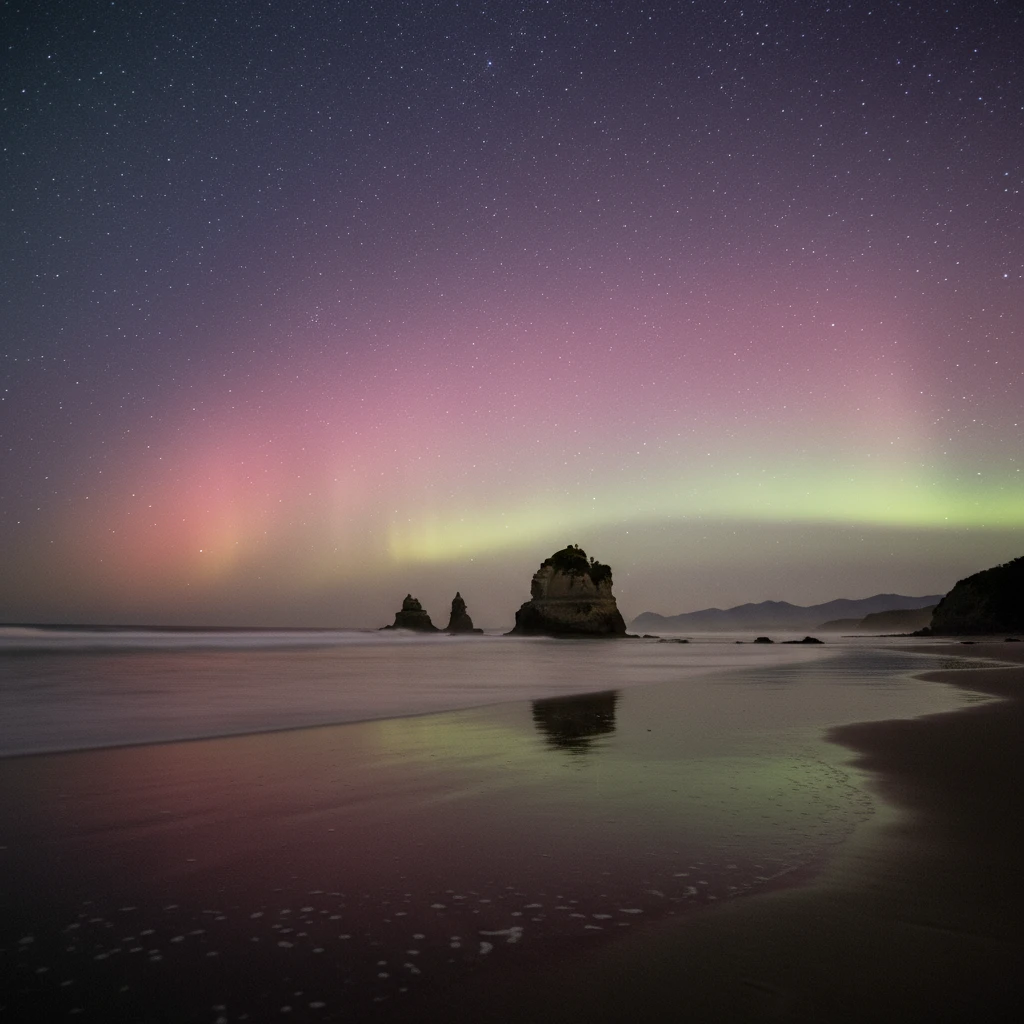
Is it possible to see the Southern Lights from Auckland? Yes, but it requires patience and specific conditions. While the Aurora Australis is commonly associated with the South Island, intense geomagnetic storms (G4 or G5 class) can push the auroral oval far enough north to be visible from the upper North Island.
Tips for Auckland Aurora Hunters
- Check the Kp Index: You generally need a Kp index of 7 or higher for photographic visibility in Auckland, and 8+ for naked-eye visibility.
- Find a South-Facing Horizon: You need a clear view south with zero light pollution in that direction. Awhitu Peninsula (south of the Manukau Heads) is one of the best locations for this within the Auckland region.
- Use a Camera: Often, the aurora appears as a faint grey glow to the eye in Auckland. A camera sensor can pick up the reds and purples that our eyes miss in low light.
Essential Gear for Urban Stargazing
You do not need a multi-thousand-dollar telescope to enjoy astronomy. In fact, for beginners exploring spots near Auckland, portability is key.
Binoculars vs. Telescopes
For observing star clusters like the Pleiades or the Jewel Box, a pair of 10×50 binoculars is often superior to a cheap telescope. They are wider in field of view, easier to set up, and perfect for scanning the Milky Way. If you are ready for a telescope, a Dobsonian reflector (6 or 8 inches) offers the best balance of aperture (light-gathering power) and price.
Clothing and Comfort
Even in summer, New Zealand nights can get cold, especially on the West Coast beaches where the wind is constant. Layering is essential. Bring a reclining camping chair—stargazing involves looking up for long periods, and a stiff neck can ruin the experience.
By venturing just 45 minutes out of the city to places like the Waitakere Ranges or Shakespear Regional Park, you can reclaim the night sky. The stars are there; you just need to step out of the light to see them.
Where is the darkest place to stargaze near Auckland?
Great Barrier Island (Aotea) is the darkest place near Auckland. It is an International Dark Sky Sanctuary, accessible by a 30-minute flight or a 4.5-hour ferry. For drive-able locations, the remote northern tips of the Awhitu Peninsula or the far western Waitakere beaches offer the darkest skies on the mainland.
Can you see the Milky Way from Auckland City?
No, you cannot see the Milky Way from the Auckland CBD due to intense light pollution. However, you can see it clearly if you drive about 40-60 minutes away from the city center to locations rated Bortle Class 4 or lower, such as Piha, Muriwai, or Shakespear Regional Park.
What is the best time of year for stargazing in New Zealand?
Winter (June to August) is generally the best time for stargazing in New Zealand. The nights are longer, the air is cooler and holds less moisture (leading to better clarity), and the galactic core of the Milky Way is high in the sky. This is also the season for Matariki.
Is it safe to go stargazing at West Coast beaches at night?
Generally, yes, but caution is required. The West Coast beaches have strong currents, so swimming at night is dangerous and should be avoided. Stick to the car parks and established dry sand areas. The roads to places like Piha are winding and unlit, so drive carefully.
Do I need a telescope to see the Aurora Australis in Auckland?
No, a telescope is not recommended for viewing the Aurora. The Aurora is a wide-field phenomenon covering large parts of the sky. The best way to see it is with the naked eye (during strong storms) or, more commonly in Auckland, with a camera mounted on a tripod taking long-exposure photos.
What is the Bortle Scale rating for Auckland suburbs?
Most Auckland suburbs fall into Bortle Class 6 or 7. This is considered a “bright suburban sky” to “suburban/urban transition.” You can see the brightest stars and planets, but faint celestial objects and the structure of the Milky Way are usually invisible.