
Matariki weather prediction is a traditional Māori system of observing specific stars within the Pleiades cluster to forecast seasonal conditions. By analyzing the visibility, brightness, and color of stars like Waipuna-ā-rangi (rain) and Ururangi (wind) during their heliacal rising in mid-winter, ancestors determined upcoming rainfall patterns, wind intensity, and crop viability for the year ahead.
What is Matariki Weather Prediction?
In the indigenous worldview of Aotearoa New Zealand, the environment is not merely a backdrop for human activity but a communicative entity that offers signs and signals about the future. Matariki weather prediction lies at the heart of this ecological dialogue. When the star cluster Matariki (the Pleiades) reappears in the pre-dawn sky during mid-winter (typically late June or July), it signals the Māori New Year. However, beyond celebration, this celestial event served a critical scientific function for pre-European Māori: meteorology.
The cluster contains hundreds of stars, but nine are distinct in Māori cosmology. Of these, specific stars are tasked with governing different environmental domains. While Matariki is the mother surrounded by her children, two of these children—Waipuna-ā-rangi and Ururangi—are specifically linked to atmospheric conditions. Their appearance during the rising of Matariki was meticulously observed by tohunga kōkōrangi (astronomers/experts) to predict the weather for the coming year.
This system of prediction was not superstition; it was a form of observational science honed over centuries. By correlating the optical properties of starlight—affected by atmospheric turbulence and moisture in the upper atmosphere—with subsequent weather patterns, Māori developed a sophisticated understanding of seasonal shifts. If the stars appeared clear and bright, it often foretold a warm, productive season. If they appeared hazy, shimmering, or close together, it warned of a cold, difficult winter and spring.

Waipuna-ā-rangi: The Source of Rain
Waipuna-ā-rangi is one of the most vital stars for agricultural planning. The name itself translates to “Water that pools in the sky” or “The spring in the sky.” This star is inextricably linked to rainfall, snowmelt, and the hydrological cycle that sustains life in Aotearoa.
Interpreting the Signs of Rainfall
The appearance of Waipuna-ā-rangi during the rising of Matariki provided Tohunga with a forecast regarding the volume and timing of rain for the upcoming season. The interpretation of this star is nuanced:
- Bright and Clear: If Waipuna-ā-rangi was distinct and shone brightly, it was interpreted as a sign that the coming year would see beneficial rainfall. The rains would be timely, supporting the growth of crops like kūmara (sweet potato) and replenishing aquifers without causing devastation.
- Dim or Hazy: A dim appearance often signaled a scarcity of rain, warning the community to prepare for drought conditions or a dry summer. This would prompt water conservation measures and strategic planting in wetter soil areas.
- Shimmering or Erratic: If the star appeared to shimmer violently or looked “fuzzy,” it could predict heavy, erratic downpours leading to flooding. This served as a warning to reinforce structures and secure food stores against water damage.
Impact on Agriculture and Waterways
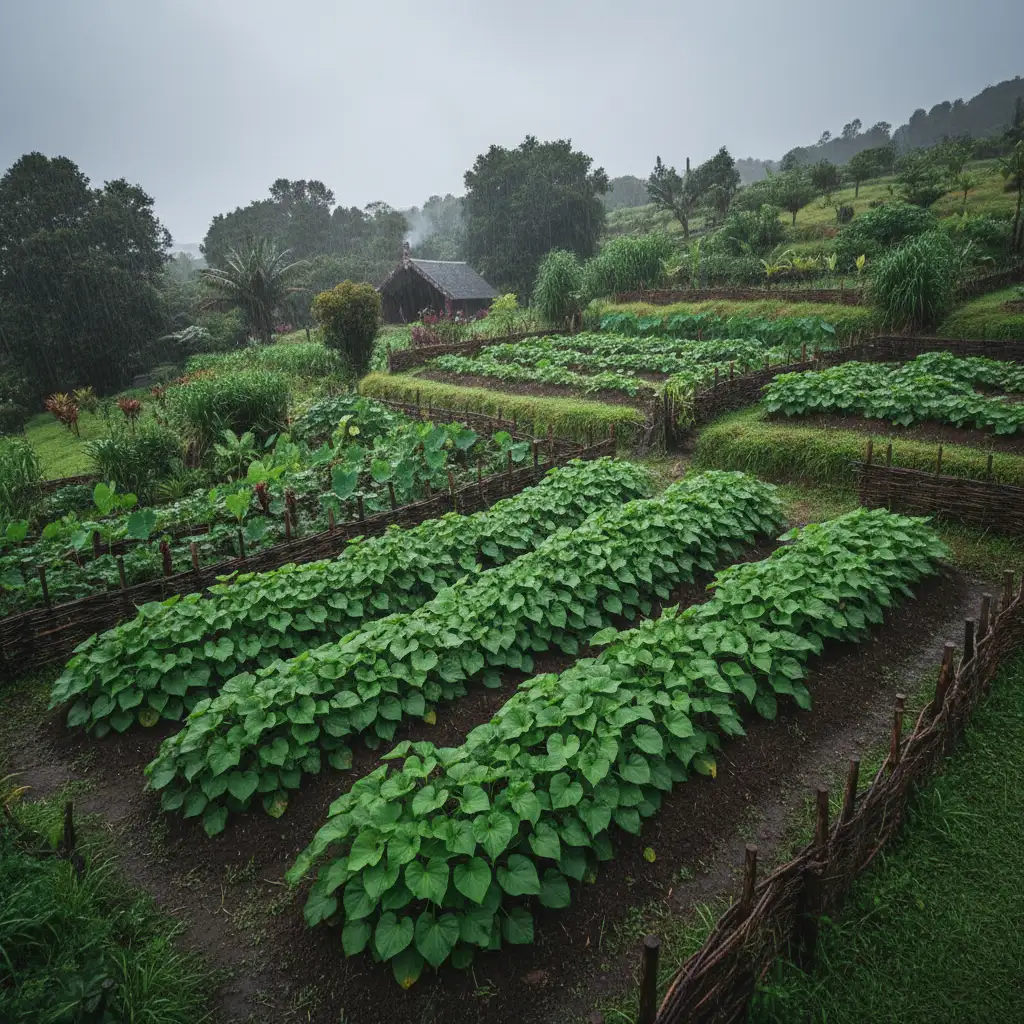
For an agricultural society, the predictions associated with Waipuna-ā-rangi were a matter of survival. The planting of the māra kai (food gardens) was dictated by these celestial cues. If heavy rains were predicted, planting might be delayed to prevent seeds from rotting in waterlogged soil. Conversely, a prediction of drought might encourage early planting to take advantage of spring moisture before the dry summer heat set in.
Furthermore, Waipuna-ā-rangi is connected to the cyclic nature of water—evaporation, condensation, and precipitation. Māori understood that the water falling as rain eventually returns to the sky, a cycle embodied by this star. It reminds us that fresh water is a taonga (treasure) to be protected, a sentiment that resonates strongly in modern environmental education.
Ururangi: The Winds of the Sky
Ururangi is the star associated with the winds. Its name translates to “The winds of the sky.” In Māori mythology, Ururangi is often linked to Tāwhirimātea, the atua (god) of winds and weather. While Waipuna-ā-rangi handles moisture, Ururangi governs the movement of air, determining the nature of the winds that will blow across the land.
Connection to Tāwhirimātea
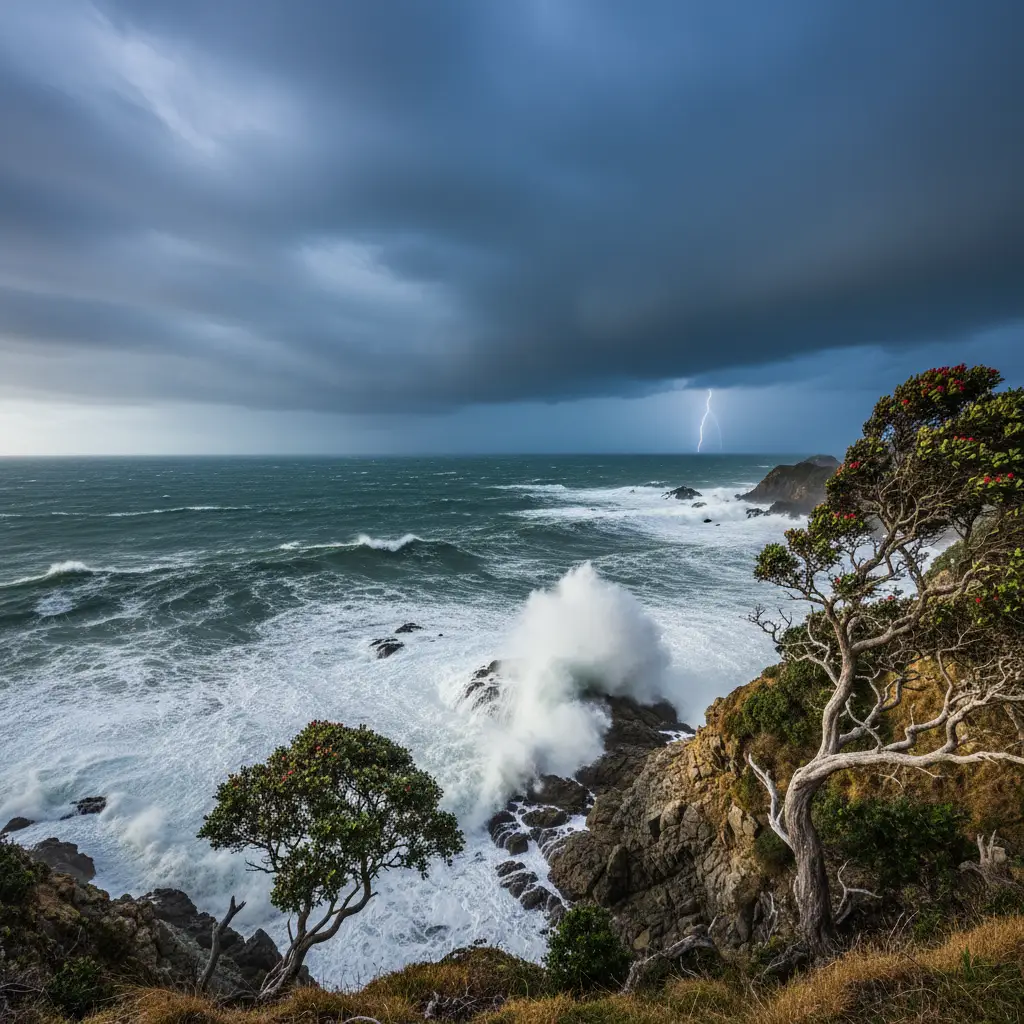
Ururangi is said to be a good friend of Tāwhirimātea, helping to settle the winds or rouse them into fury. The relationship between the stars and the atua helps personify natural forces, making them easier to understand and respect. Ururangi does not just predict “wind” in a general sense; it encompasses all forms of air movement, from the gentle refreshing breezes of summer to the biting southerlies of winter and the destructive gales of spring equinoxes.
Navigating the Winds of the New Year
Similar to its sibling stars, the visibility of Ururangi determines the forecast:
- Clear Visibility: A clear Ururangi suggests favorable winds. For voyagers and fishermen, this meant safer seas and predictable sailing conditions. For farmers, it meant good airflow to prevent fungal diseases in crops without the destruction of storms.
- Hazy or Invisible: If Ururangi was difficult to see or appeared to be obscured, it was often an omen of storms and high winds. This warned communities to strengthen the lashings on their whare (houses) and to be cautious when traversing open water.
The interplay between Ururangi and Waipuna-ā-rangi is also significant. A year with high winds (Ururangi) and heavy rain (Waipuna-ā-rangi) indicates a turbulent storm season, whereas light winds and moderate rain suggest a calm, productive year. Understanding these combinations allowed ancestors to build a comprehensive picture of the climate ahead.
How Māori Ancestors Predicted Weather
The methodology behind Matariki weather prediction was rigorous. It was not a casual glance at the sky but a disciplined practice conducted by the most learned members of the tribe.
The Role of Tohunga Kōkōrangi
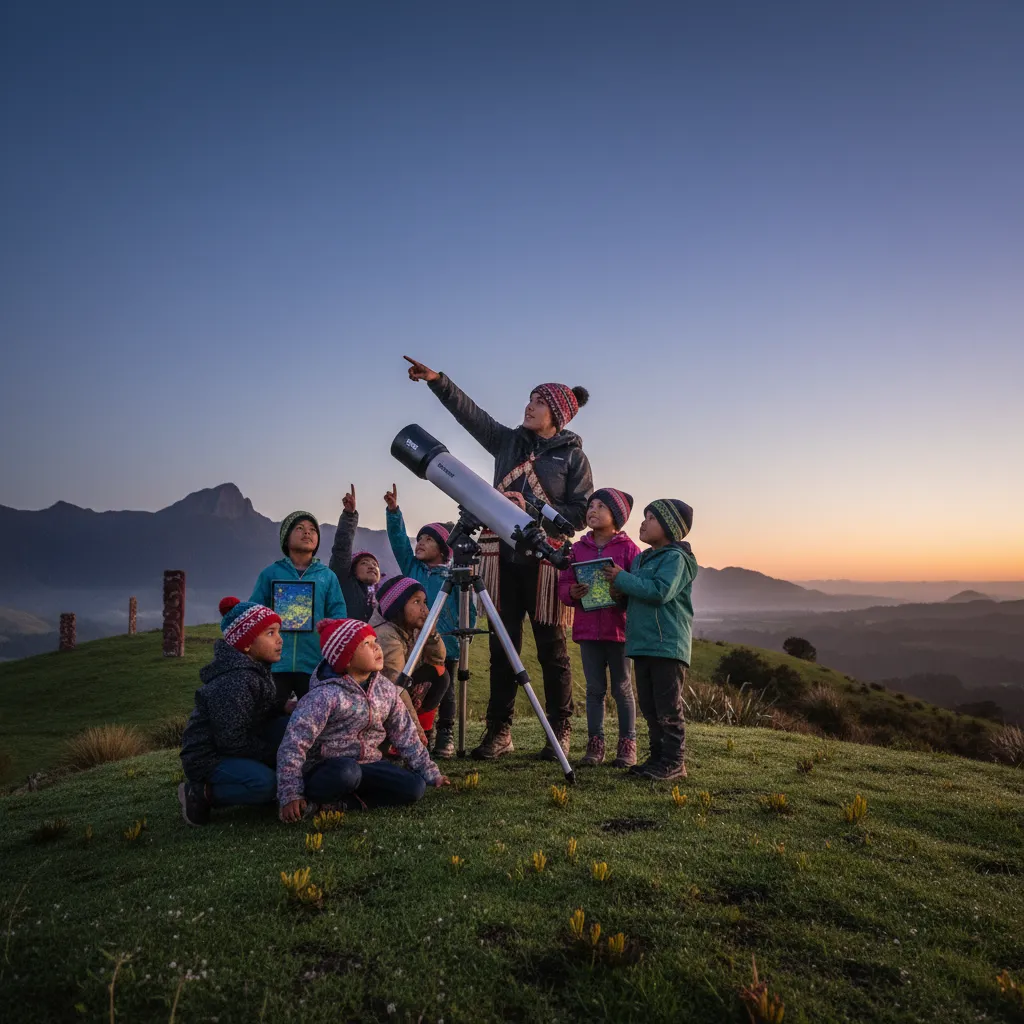
The tohunga kōkōrangi were the experts of the stars. They held the knowledge of the heavens, memorizing the positions, movements, and meanings of celestial bodies. Their training began early in life and involved years of observation. During the rising of Matariki, these tohunga would lead the observation ceremonies. They would often go to a high vantage point before dawn to get an unobstructed view of the horizon.
Observation Techniques and Timing
Timing was crucial. The observation had to take place during the heliacal rising—when the stars first become visible in the eastern sky before sunrise after being absent for a period. This typically occurs in the lunar phase of Tangaroa (the last quarter), which is considered a productive time for fishing and planting.
The tohunga looked for specific optical phenomena:
- Scintillation (Twinkling): Rapid twinkling often indicates turbulence in the atmosphere, which can signal unsettled weather.
- Color: Shifts in color (reddish or bluish tints) can indicate the presence of dust, moisture, or temperature layers in the atmosphere.
- Separation: How distinct the stars appeared from one another. If the cluster looked “tight” or blurry, it suggested high moisture content in the upper atmosphere.
Modern science validates many of these observations. We now know that the “shimmering” of stars is caused by atmospheric turbulence, and the dimming can be caused by high-altitude cirrus clouds or aerosols, which are indeed precursors to changing weather fronts.
Understanding Seasonal Shifts in Aotearoa
Matariki weather prediction was part of a holistic system of environmental management known as maramataka (the Māori lunar calendar). The stars provided the macro-forecast, but this was constantly cross-referenced with micro-indicators on the ground.
Integrating Star Signs with Terrestrial Indicators
A prediction from Waipuna-ā-rangi would be validated by observing the behavior of birds, the blooming of trees, and the movement of insects. For example, if the stars predicted a cold winter, Māori might also look for the flowering of the pohutukawa or the behavior of the pīpīwharauroa (shining cuckoo). If the cuckoo arrived early, it might suggest an early spring, adding nuance to the celestial forecast.
This triangulation of data—celestial, terrestrial, and animal behaviors—created a robust model for understanding seasonal shifts. It allowed Māori to adapt to the unique micro-climates of New Zealand, which can vary drastically from the sub-tropical North to the alpine South.
Modern Applications of Traditional Knowledge
Today, there is a resurgence of interest in Matariki weather prediction, not just as a cultural artifact but as a tool for modern resilience. In the context of climate change, understanding local environmental indicators is more valuable than ever. Educational programs and cultural tourism initiatives are teaching a new generation to look up and read the signs.
Farmers and horticulturists in New Zealand are increasingly consulting the maramataka alongside modern meteorological data. By blending ancient wisdom with satellite technology, Aotearoa is forging a unique path in environmental science—one that honors the past while navigating the future.
Conclusion
Waipuna-ā-rangi and Ururangi are more than just points of light in the night sky; they are ancient storytellers and environmental guardians. For centuries, they have guided the people of Aotearoa, offering warnings of storms and promises of rain. The practice of Matariki weather prediction reveals a deep, sophisticated connection between Māori ancestors and the natural world—a connection defined by observation, respect, and adaptation.
As we celebrate Matariki today, we do more than mark the New Year. We acknowledge the wisdom of the stars and the enduring relevance of looking to the heavens to understand the earth beneath our feet. Whether for agriculture, navigation, or simple curiosity, the lessons of Waipuna-ā-rangi and Ururangi remain as potent today as they were a thousand years ago.
Frequently Asked Questions
What does it mean if Matariki stars are bright?
If the stars of Matariki appear bright and clear during their heliacal rising, it is traditionally interpreted as a positive sign. It predicts a warm, productive season ahead with favorable weather for planting crops and harvesting.
Which star in Matariki is associated with rain?
Waipuna-ā-rangi is the star within the Matariki cluster associated with rain. Its visibility and brightness are used to predict rainfall patterns, snowmelt, and the water cycle for the coming year.
Which star in Matariki is associated with wind?
Ururangi is the star associated with wind. It is linked to the atua Tāwhirimātea and is observed to forecast wind intensity, storms, and atmospheric stability.
How accurate is Māori weather prediction?
Māori weather prediction is based on centuries of empirical observation. While not “accurate” in the sense of modern digital forecasting models, it relies on valid atmospheric physics (like optical turbulence) that genuinely reflect current upper-atmosphere conditions, often providing reliable seasonal outlooks.
When is the best time to observe Matariki for weather prediction?
The best time is during the heliacal rising of Matariki, which occurs in mid-winter (typically late June or July) in the pre-dawn sky, just before the sun rises.
What is the difference between Matariki and Puanga?
Matariki (Pleiades) is the primary signifier of the New Year for most iwi. However, for tribes on the West Coast or far North where Matariki is less visible due to geography, the star Puanga (Rigel) is observed as the signal for the New Year and weather prediction.